
Minimalist Chess 1924 Model Bauhaus Chess Set
Print Profile(1)

Description
Boost Me (for free)
Please consider giving the model a boost and a like. Thank you!
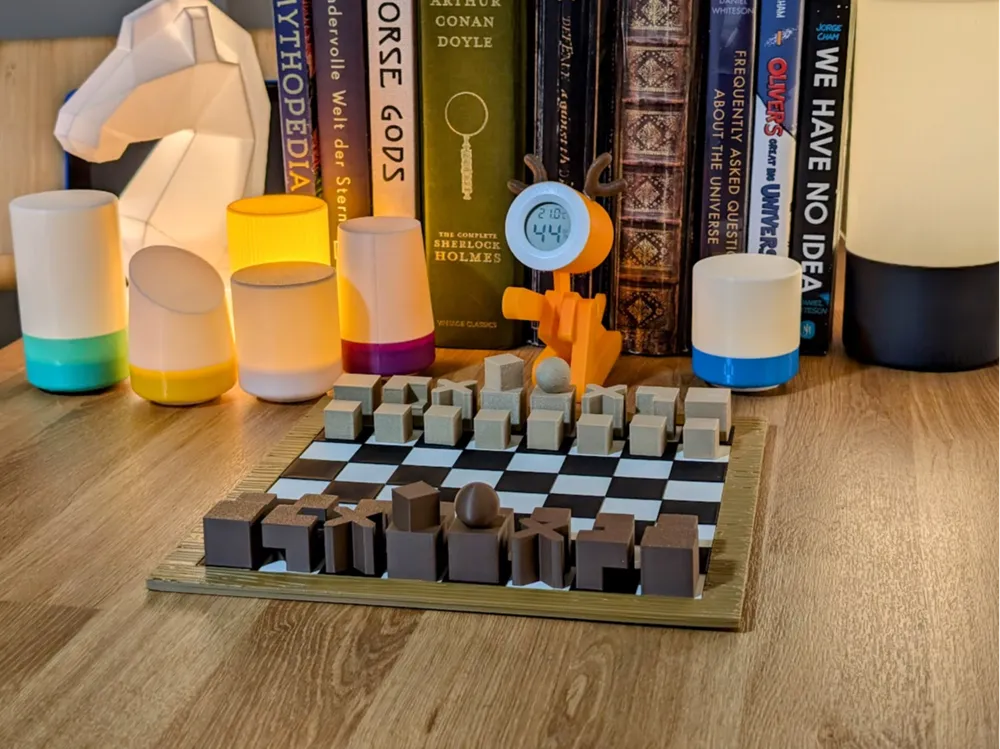
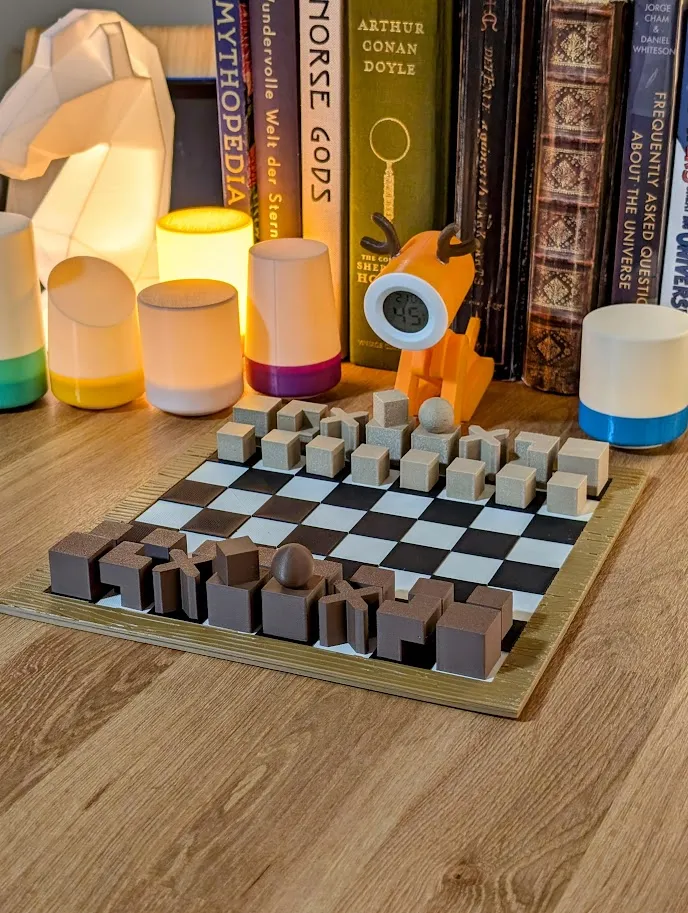
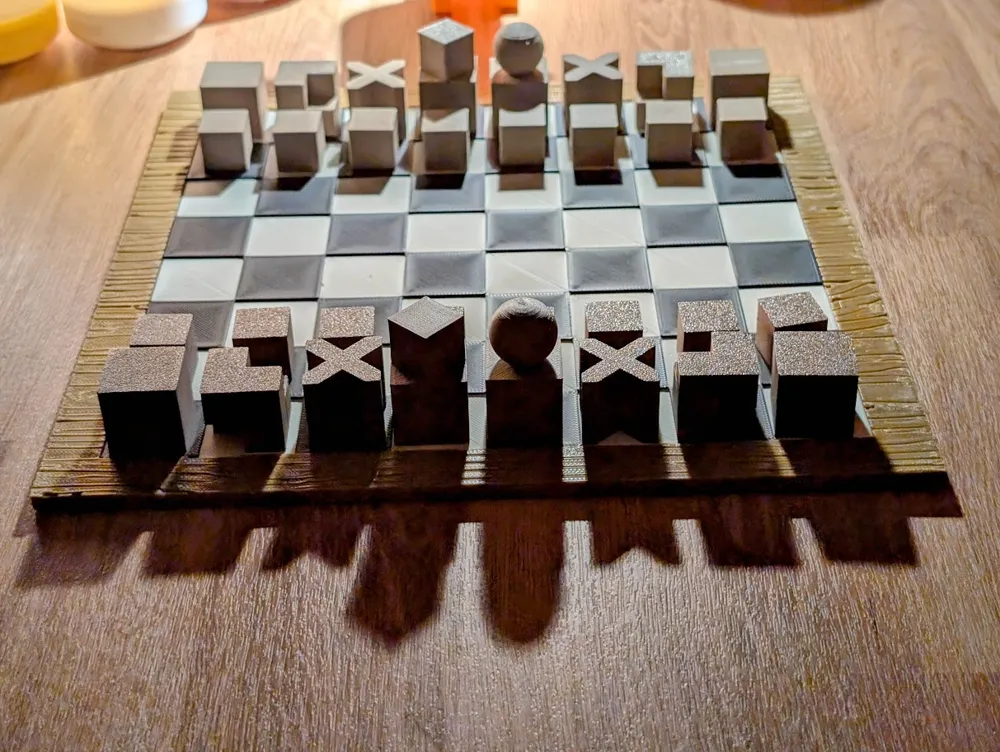
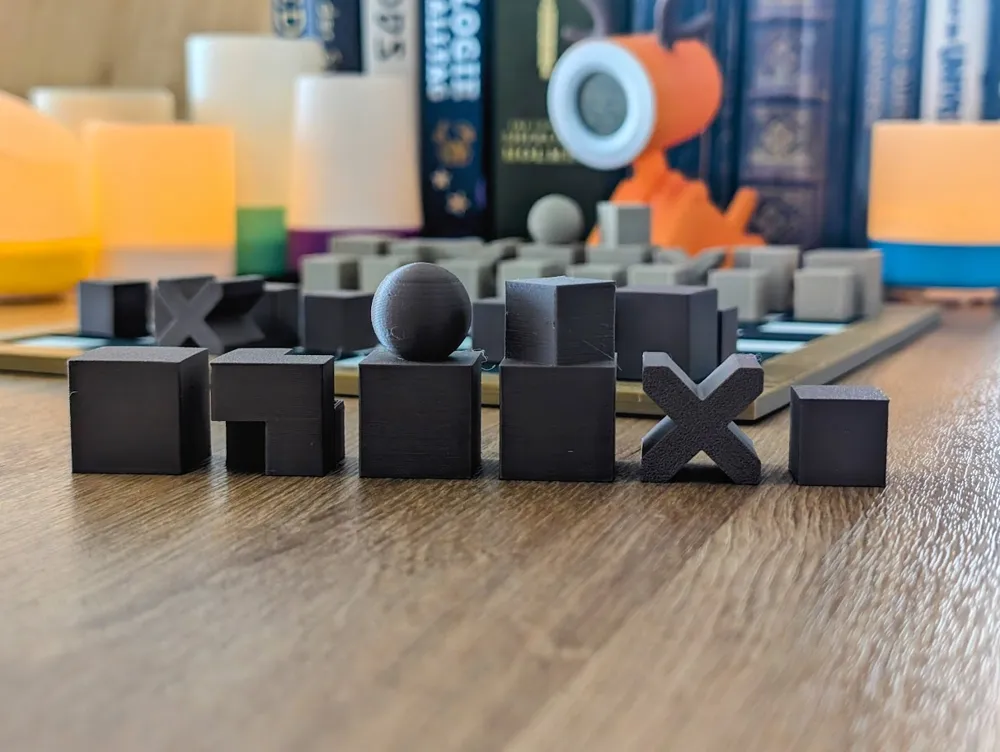
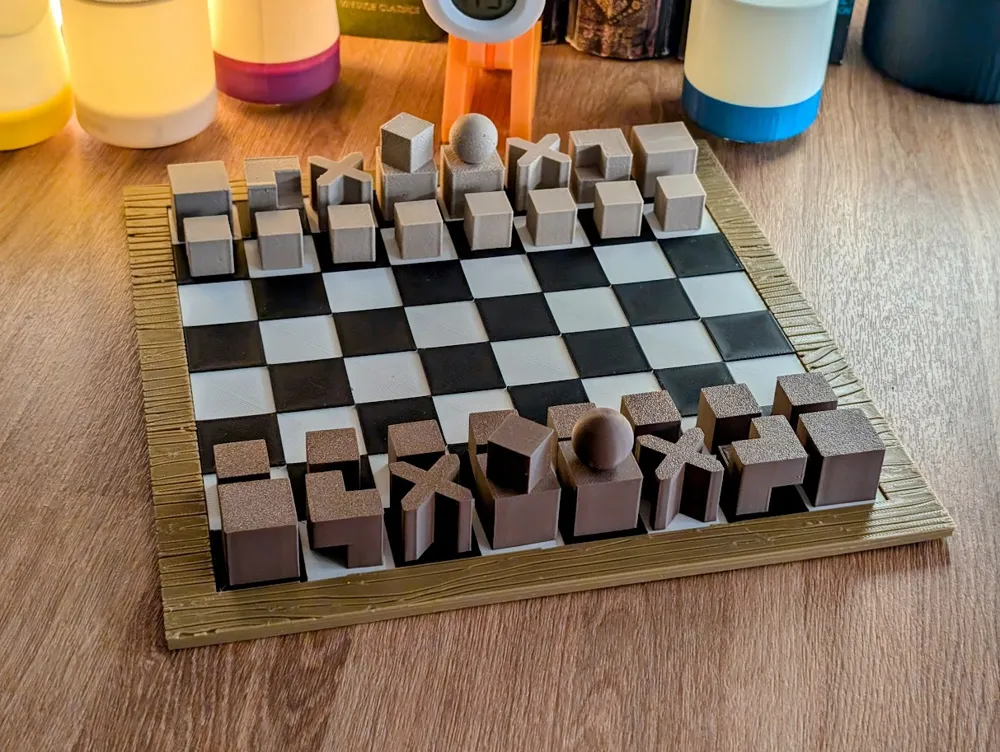
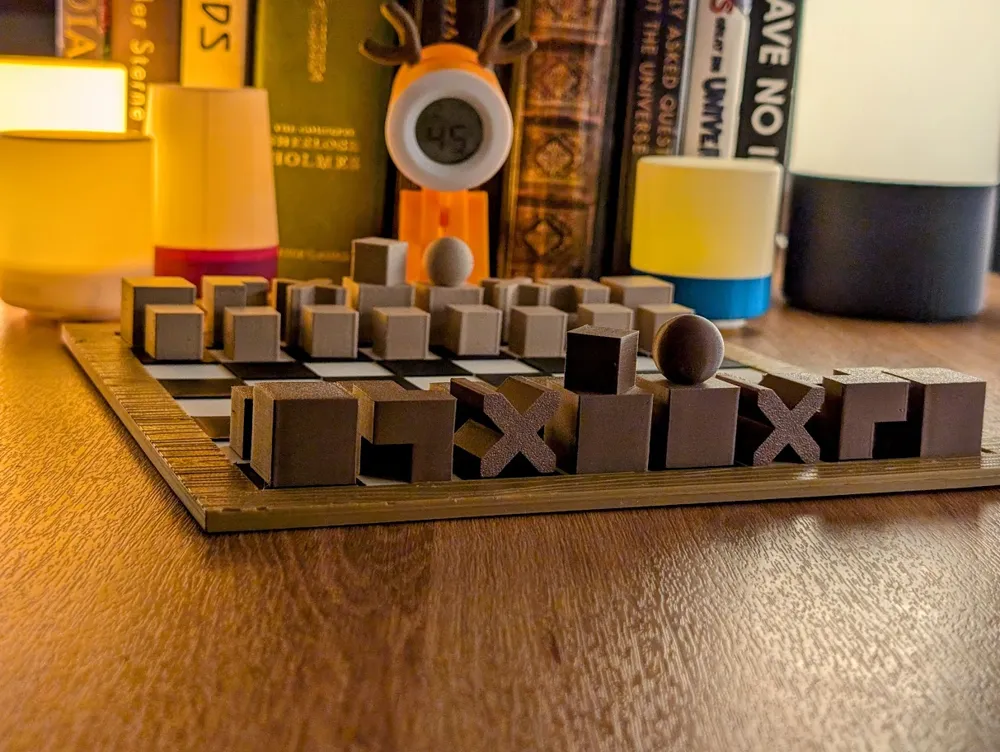
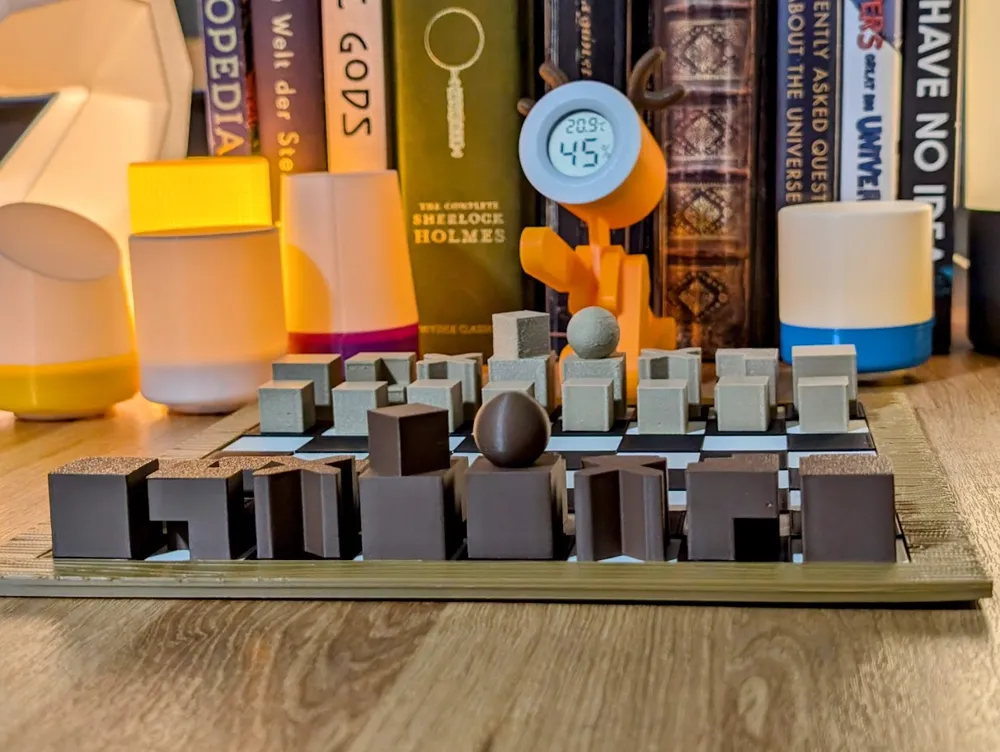
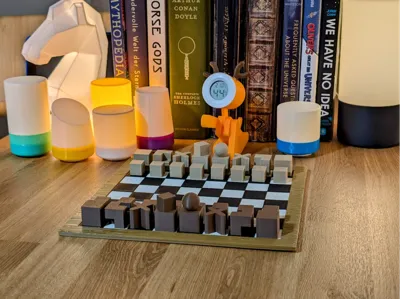
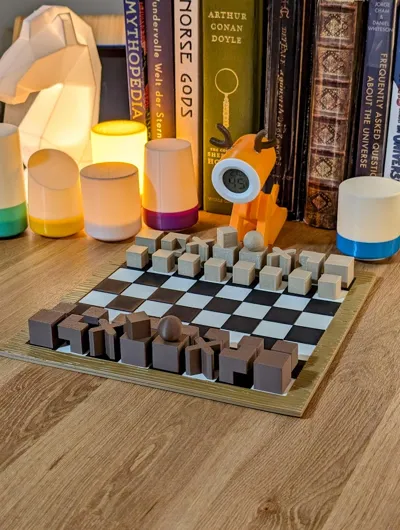
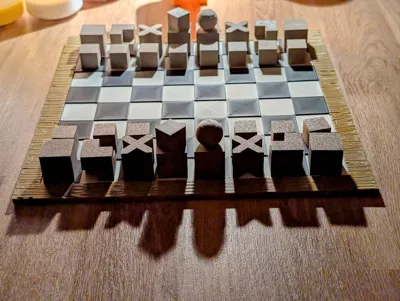
Bauhaus Chess Set 1924 Model
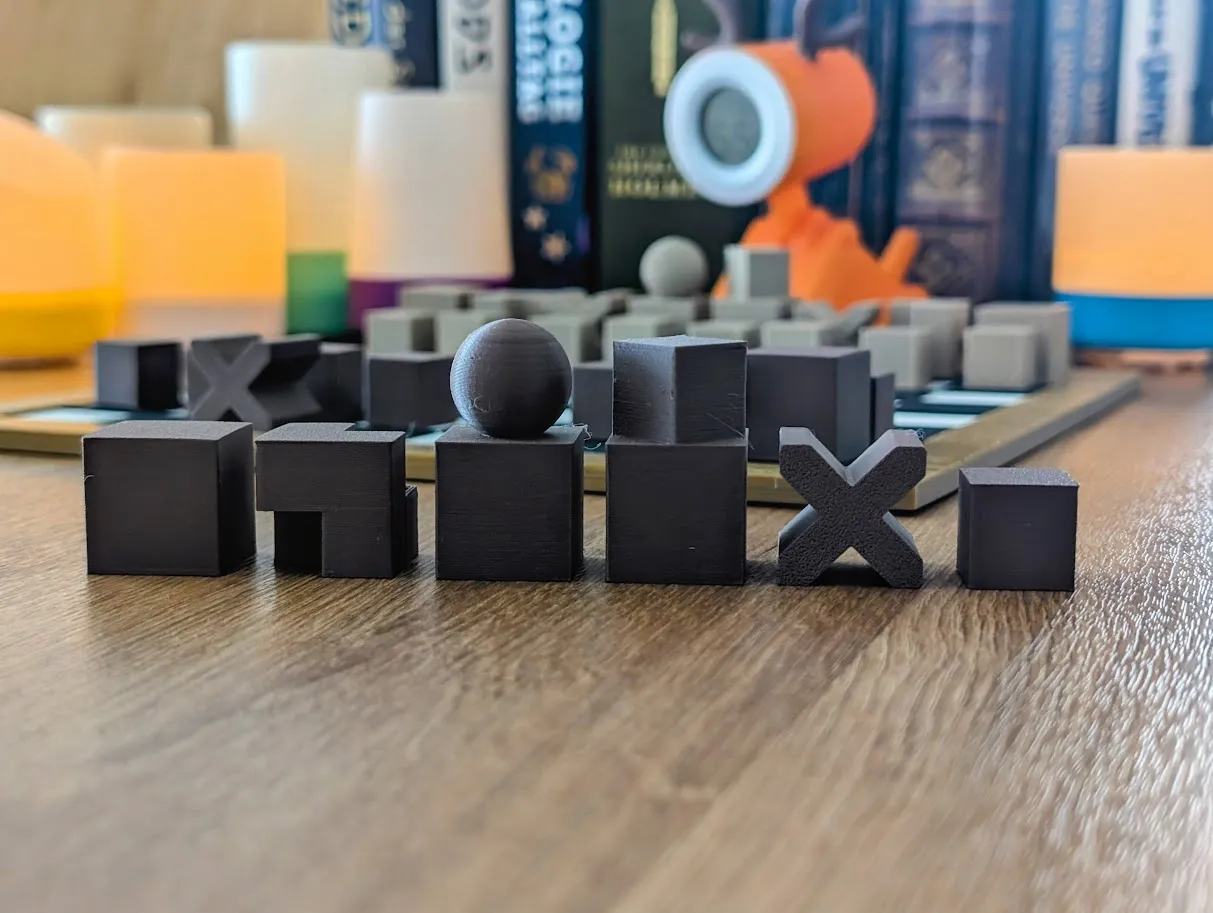
This aesthetic chess set model can be printed with minimal supports.
The chess board model is available here:
https://makerworld.com/en/models/750523
The 1922 Bauhaus chess model is available here:
https://makerworld.com/en/my/models/750522
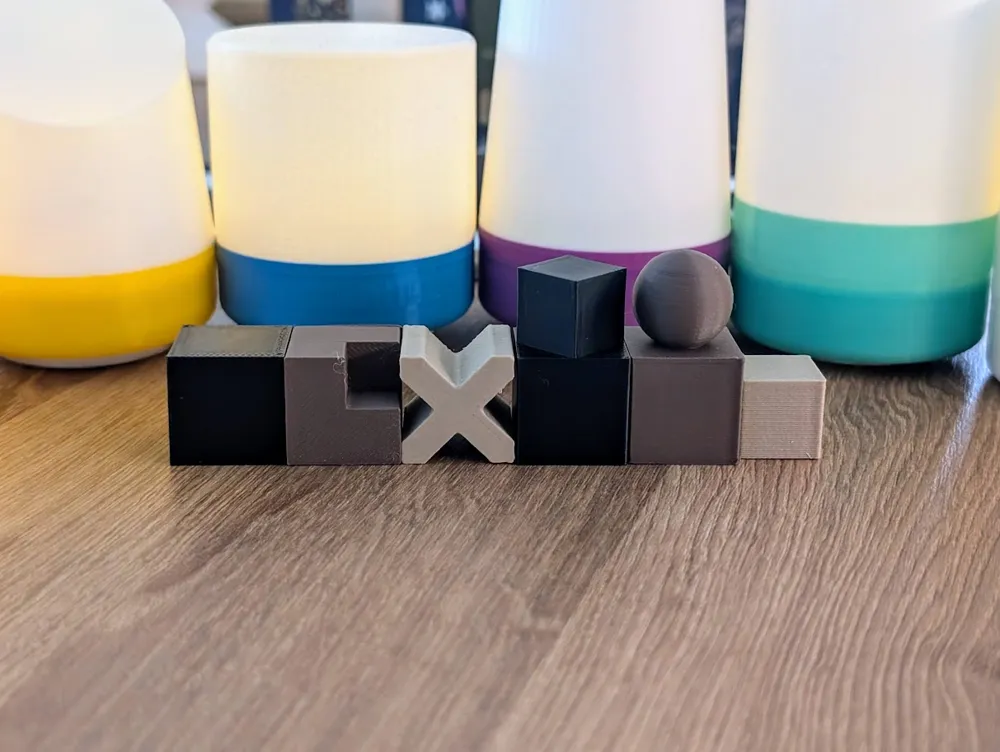
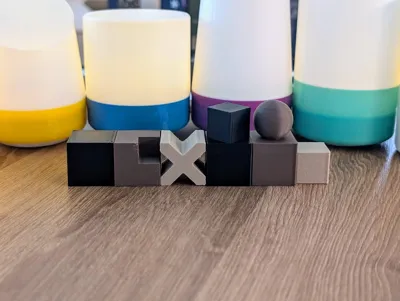
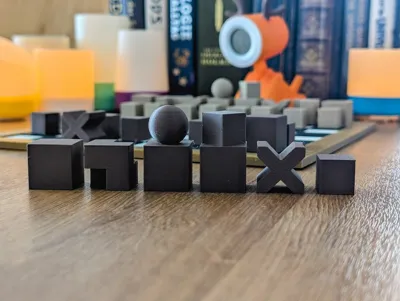
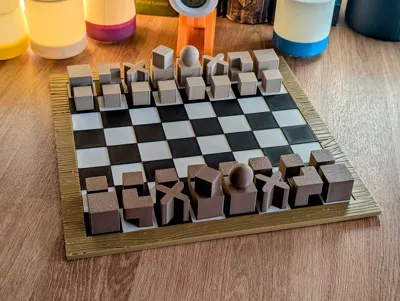
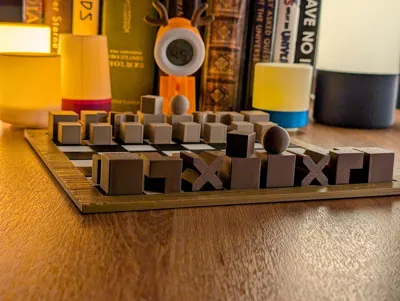
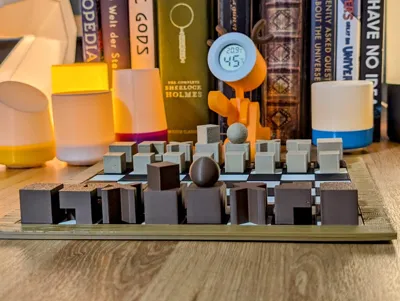
The Bauhaus chess set, designed by sculptor Josef Hartwig at the Bauhaus school in 1923, features pieces reduced to basic geometric forms—crosses, squares, and circles—that reflect their possible movements in chess through their shapes and proportions.
Hartwig's pieces break away from traditional figurative designs, focusing instead on function. This approach makes it easier for beginners to grasp the game’s rules simply by observing the shapes. His design aligned with Bauhaus director Walter Gropius’s principles, emphasizing practicality, durability, affordability, and beauty.
This chess set was one of the Bauhaus's first mass-produced items. In 1924, Hartwig introduced a revised version based on the cube and sphere shapes, inspired by the "stone of good luck" in Goethe's garden. In 1926, Hartwig explained his design choices:
“The new pieces use basic geometric shapes, like the cube and sphere. Each piece’s movement is indicated by its form, and its value by its volume. Pawns and rooks move in straight lines, represented by the cube. The knight’s L-shaped move is shown by an angled cube arrangement, while the bishop’s diagonal movement is indicated by a diagonal cross cut from a cube. The king combines a small cube atop a larger one, representing its movement both straight and diagonal. The queen, the most dynamic piece, combines cube and sphere to contrast with the king. Rooks and pawns, made solely of cubes, convey mass and stability. Each piece’s game value is signified by its height and volume, with kings and queens, bishops, and knights having half the volume of the rook."
License

You shall not share, sub-license, sell, rent, host, transfer, or distribute in any way the digital or 3D printed versions of this object, nor any other derivative work of this object in its digital or physical format (including - but not limited to - remixes of this object, and hosting on other digital platforms). The objects may not be used without permission in any way whatsoever in which you charge money, or collect fees.


Comment & Rating (2)