
Word Tiles to Make Sentences
Print Profile(2)


Description
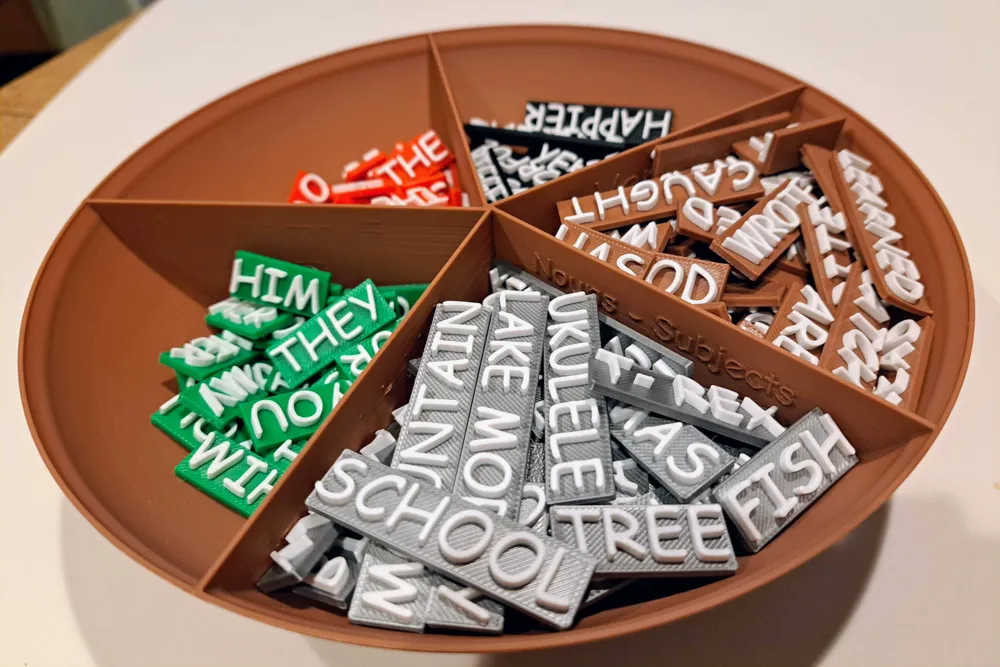
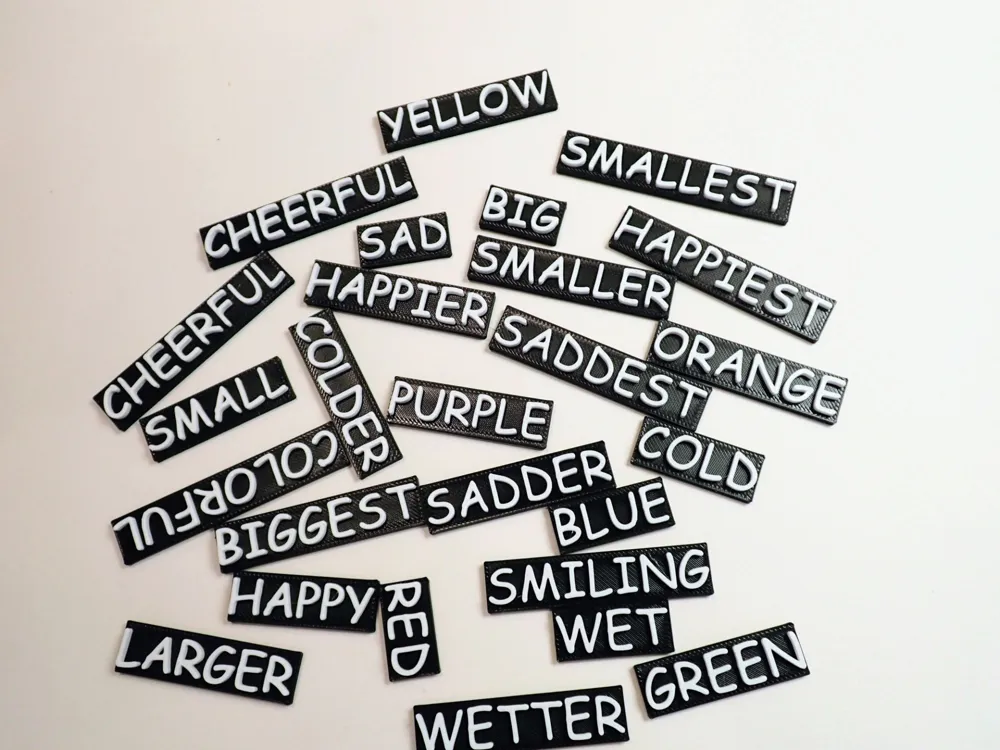
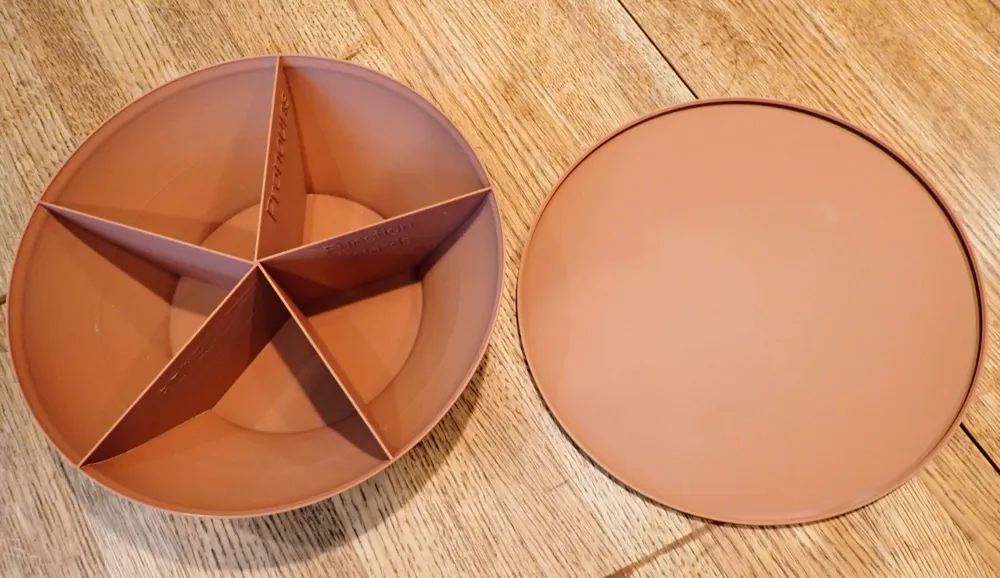
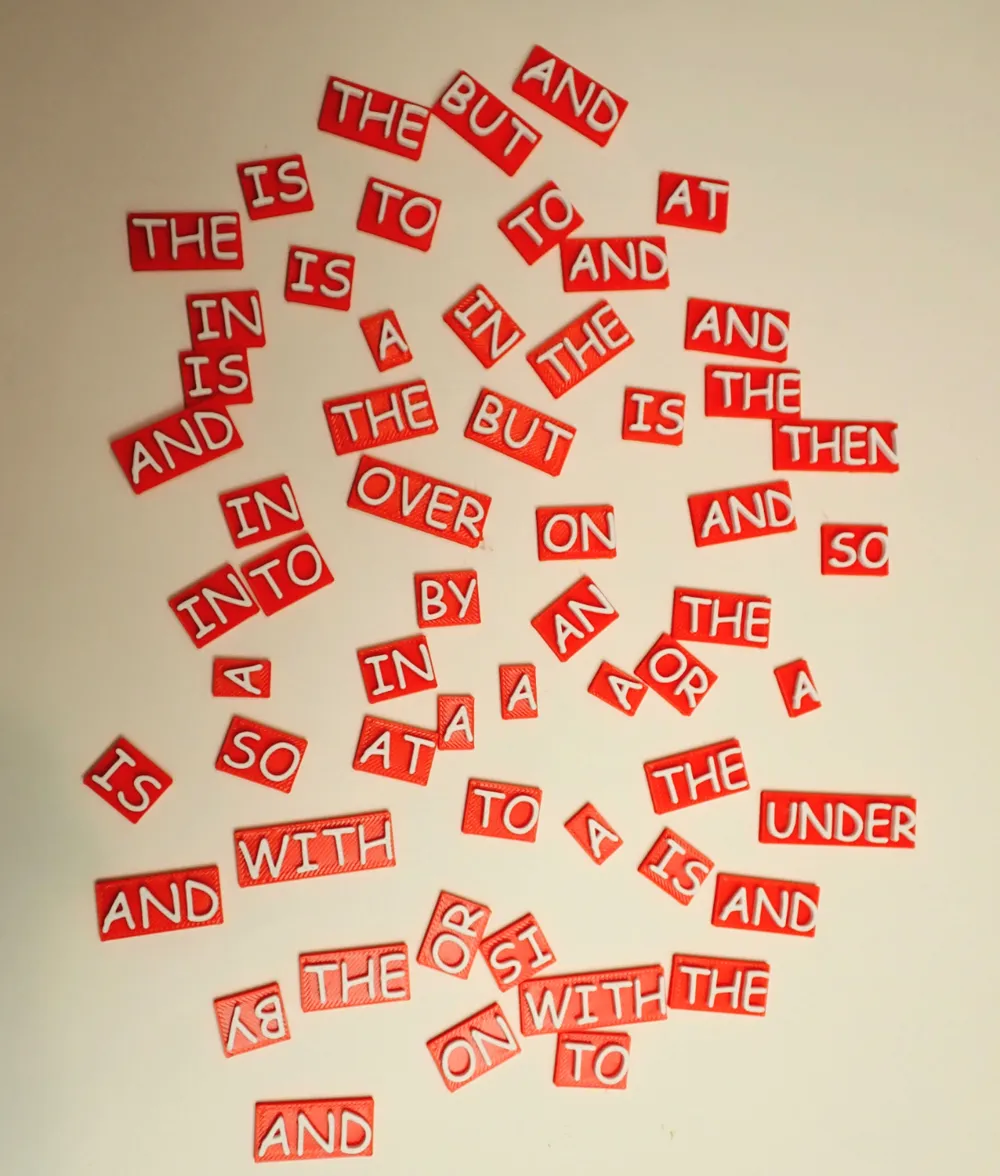
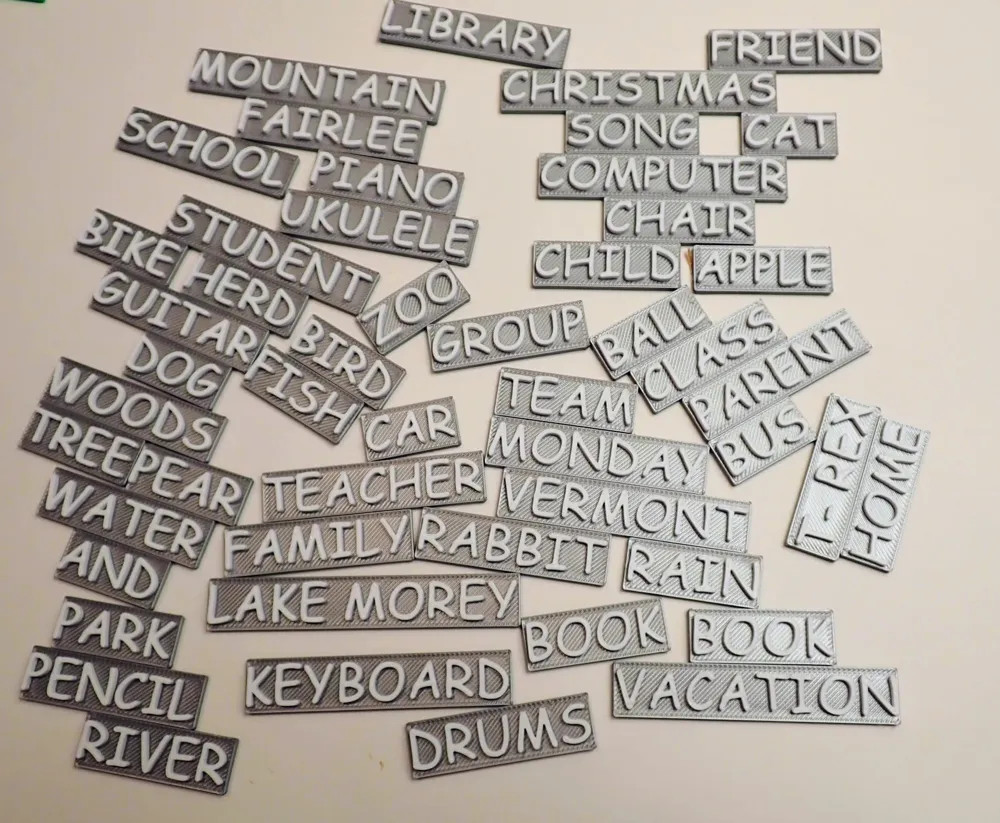
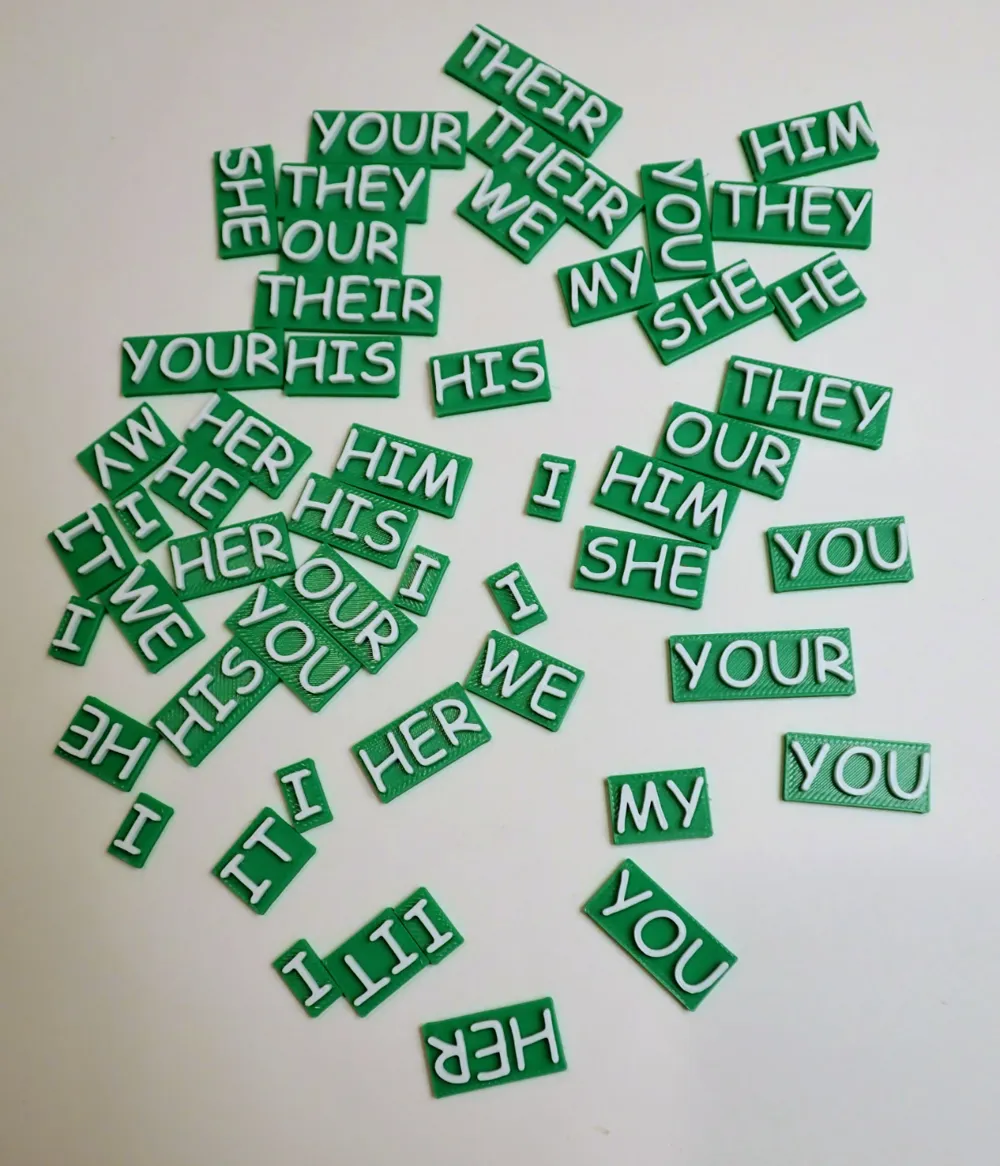
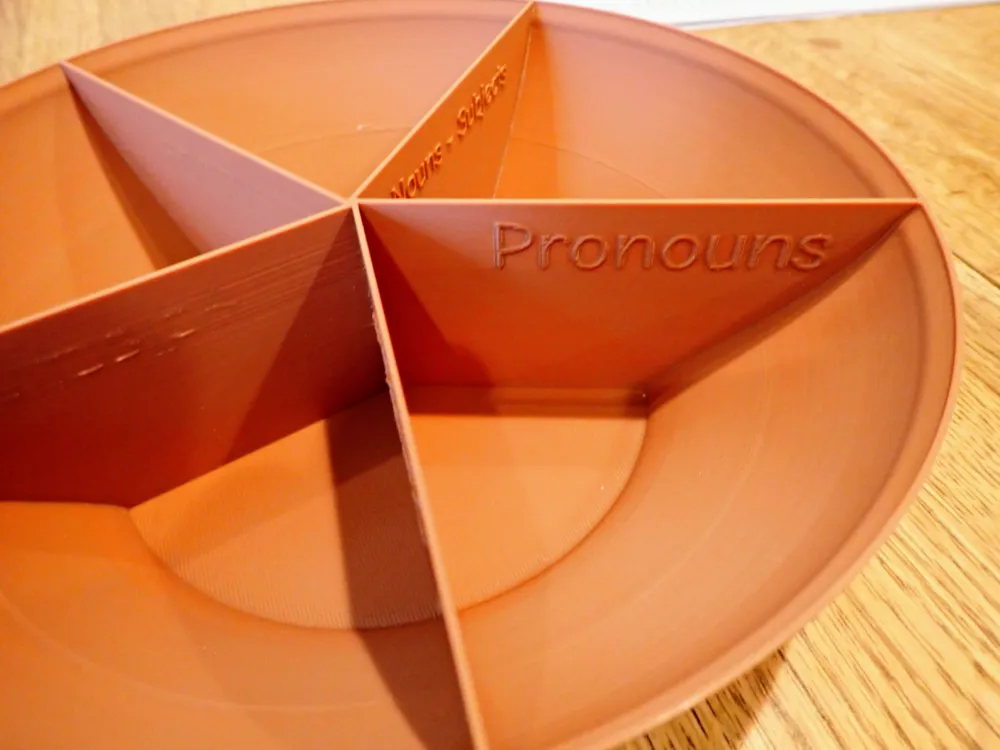
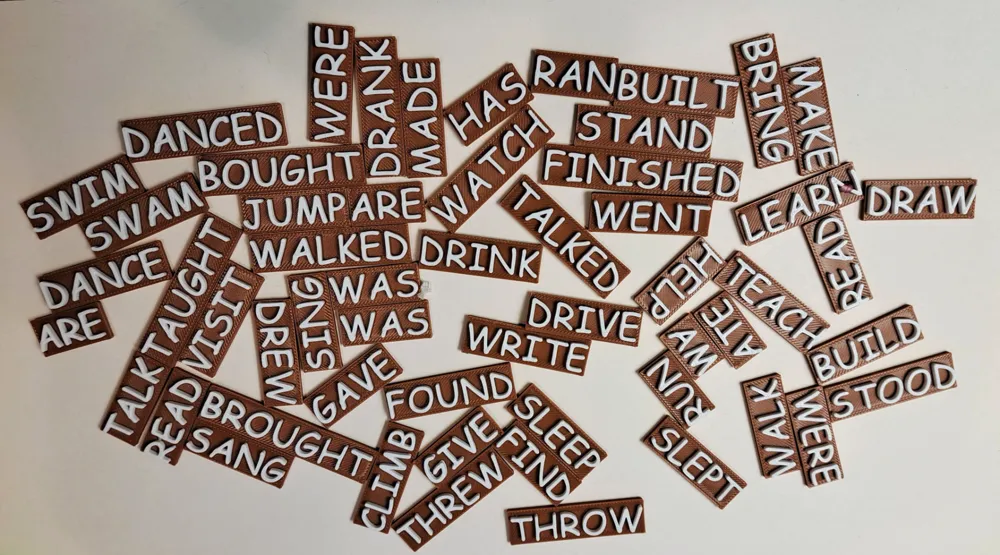
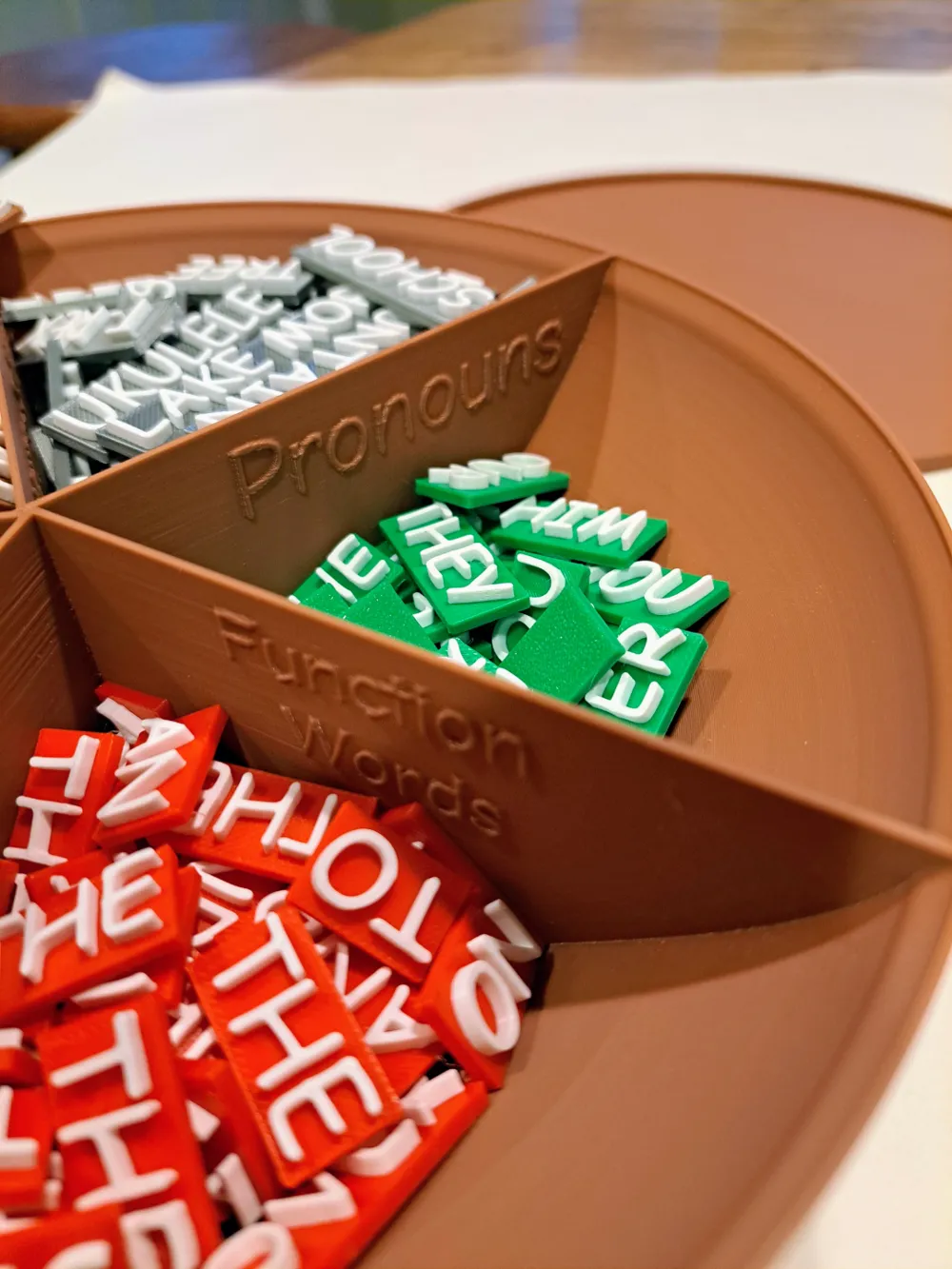
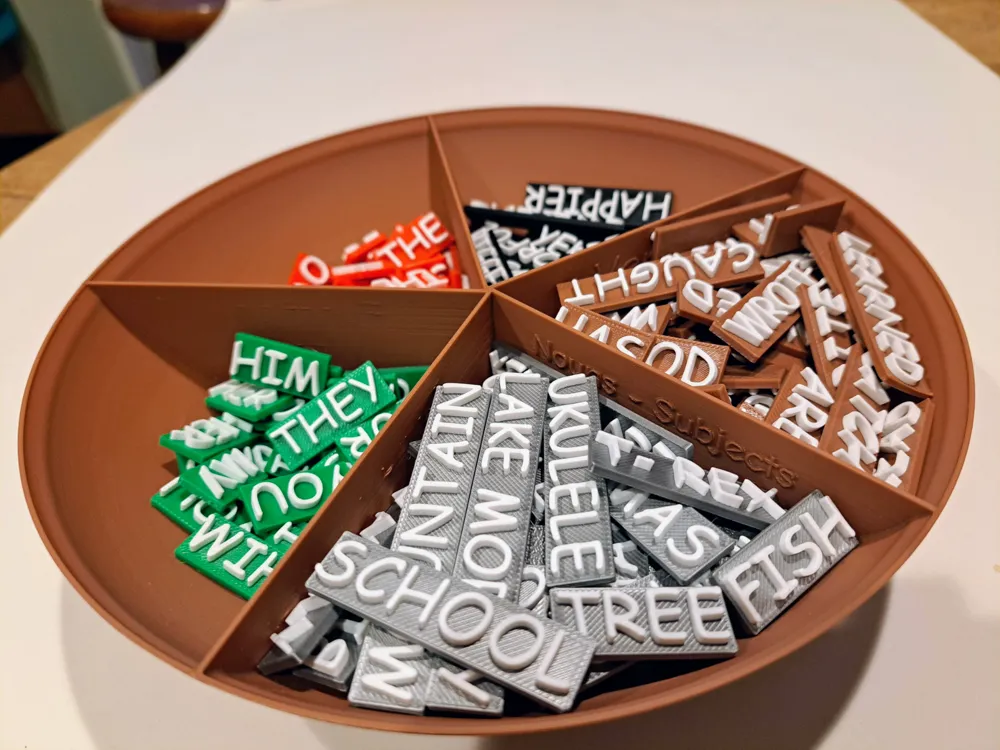
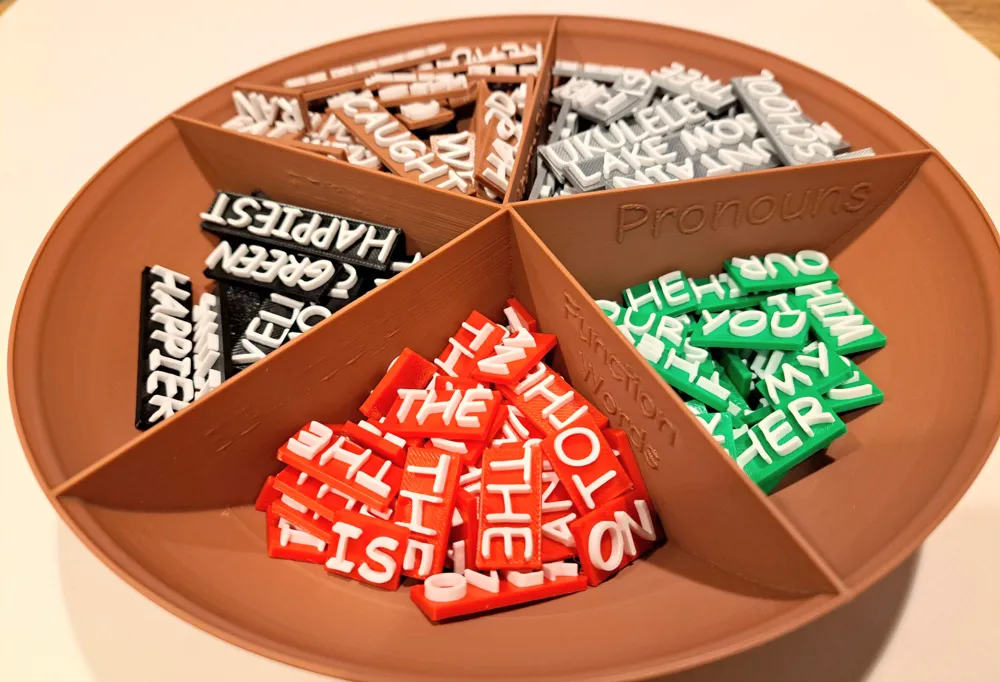
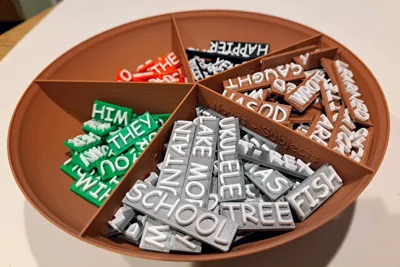
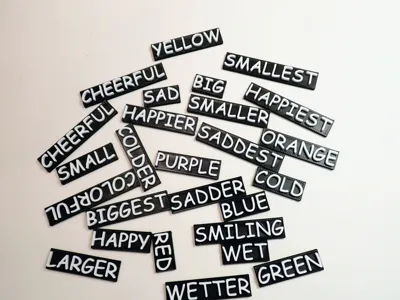
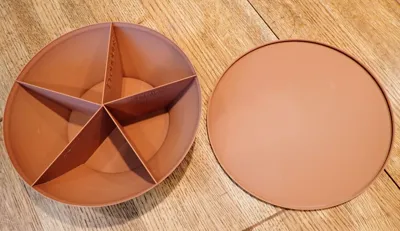
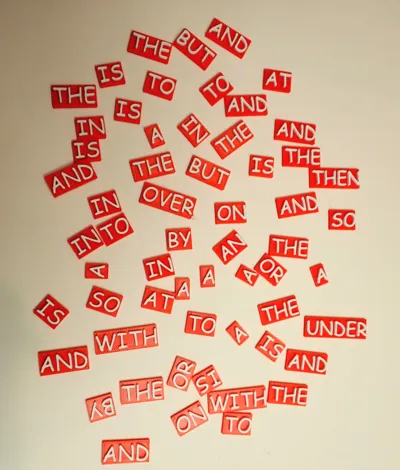
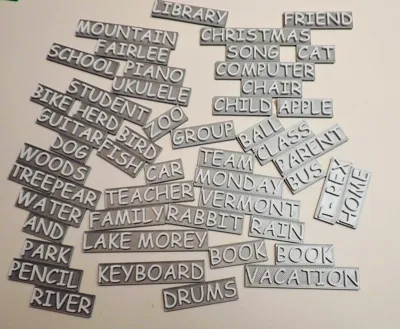
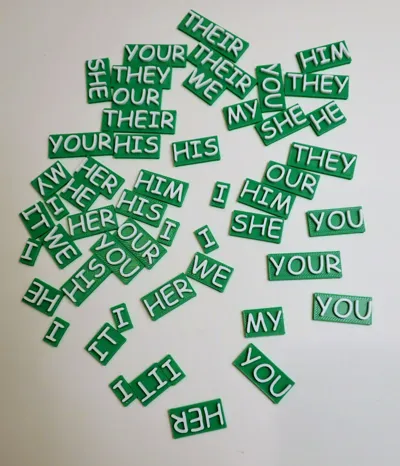
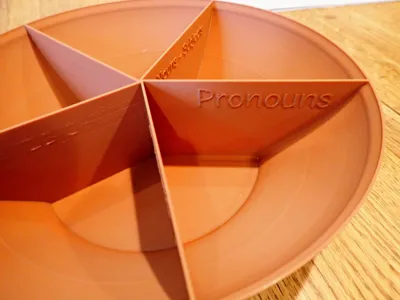
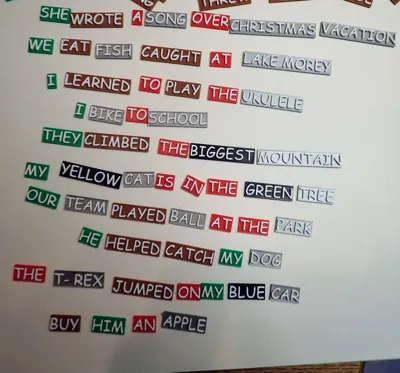
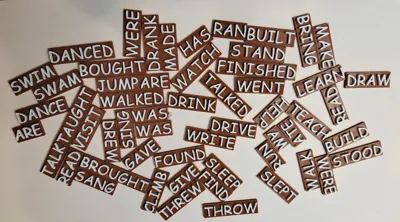
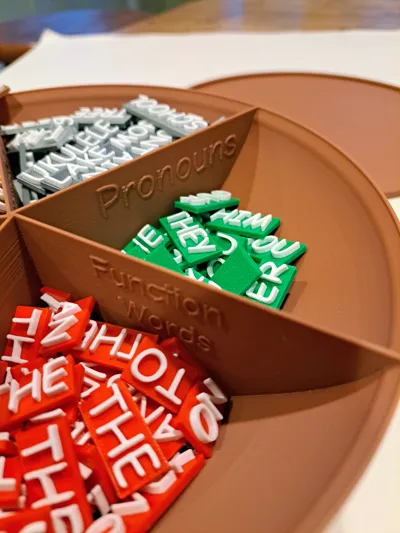
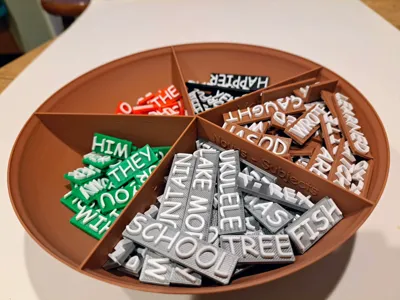
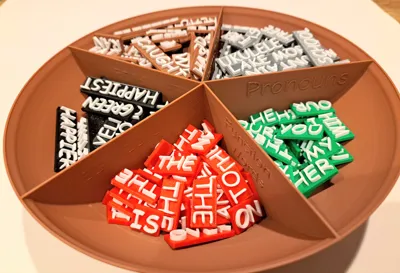
This model prints tiles containing words that can then be arranged to form sentences. Words are stored in a bowl with a cover and five labeled sections. Word types in the sections include Nouns, Verbs, Adjectives, Pronouns, and Function Words. Most words were chosen to be appropriate for a third grader and some words such as “I”, “The” and “And” are repeated based on there word frequency usage for third graders. The school using the first version was in Fairlee Vermont, near Lake Morey and they were studying T-Rex dinosaurs so these words were added. You can remove or duplicate words in Bambu Studio.
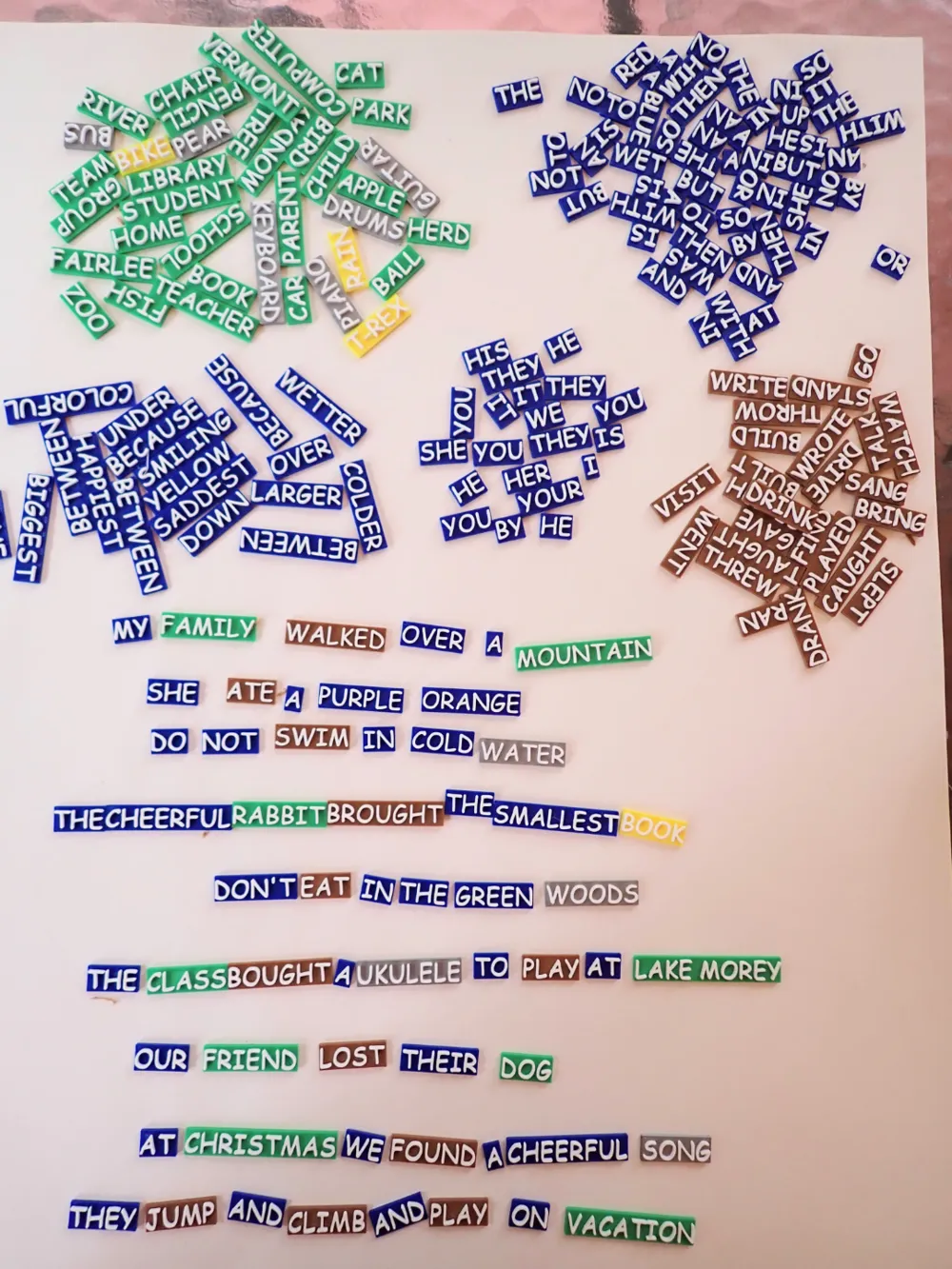
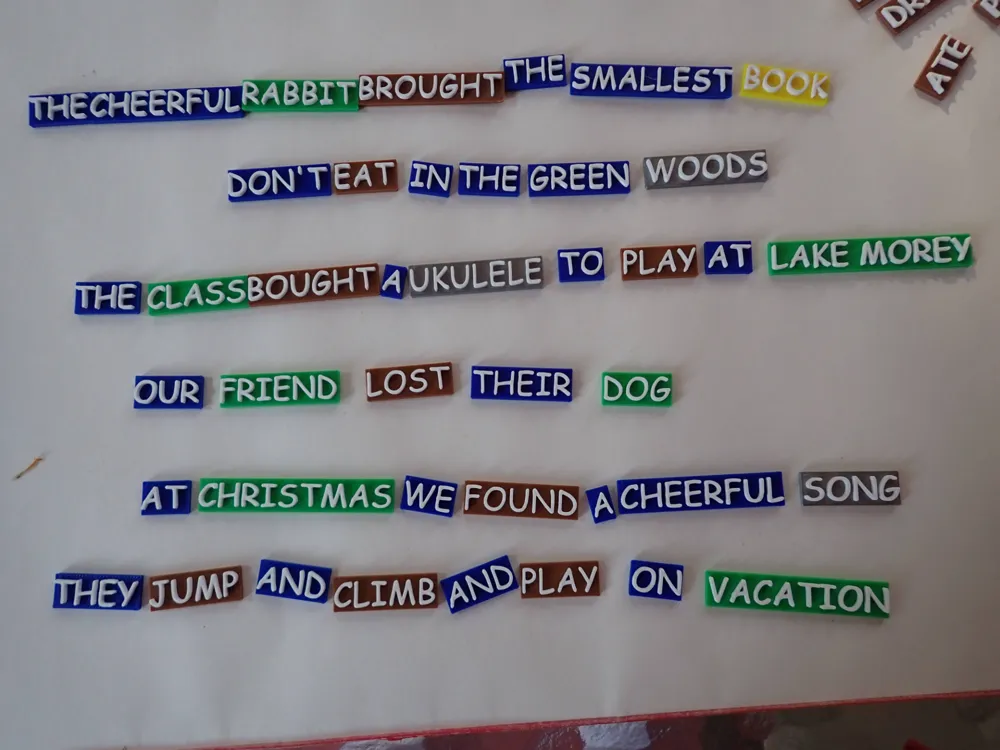
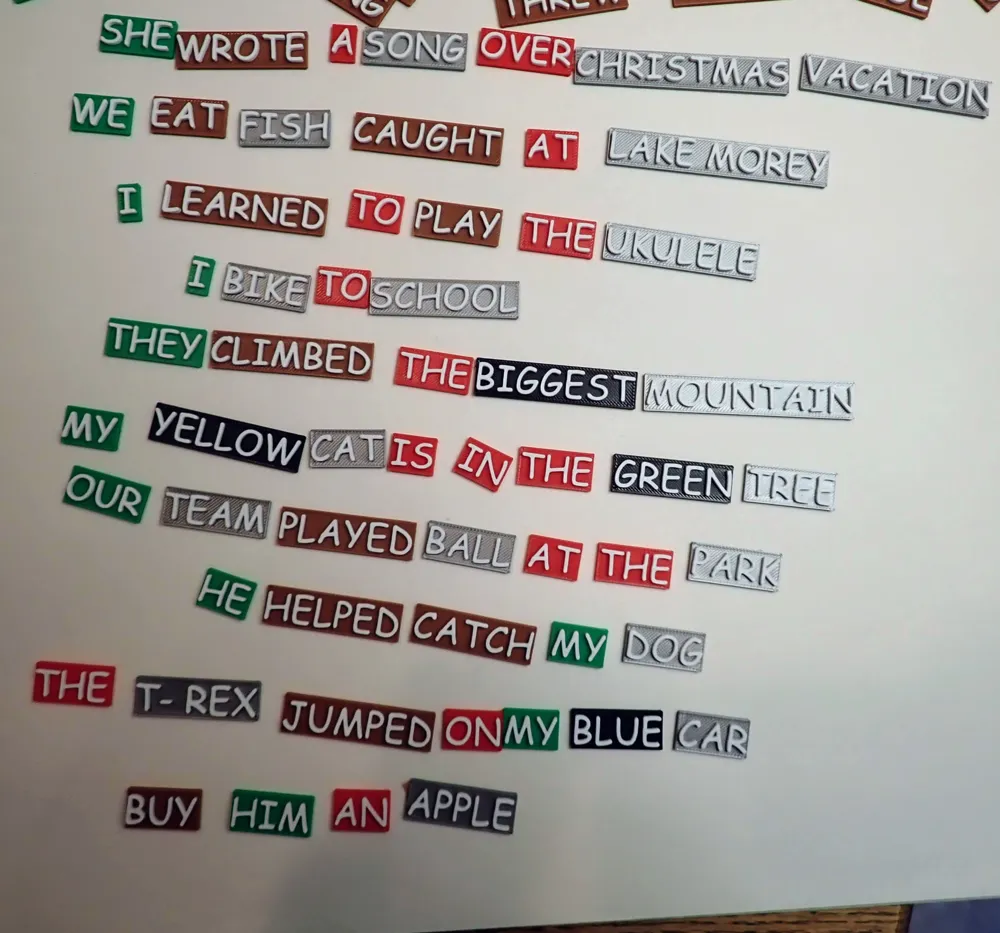
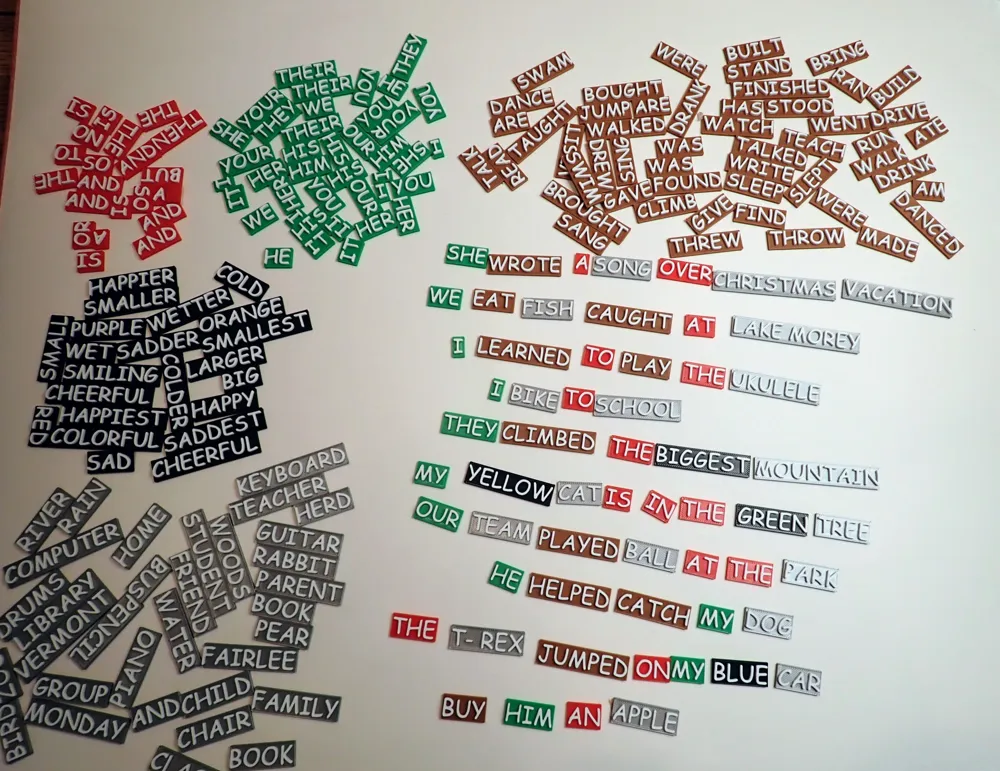
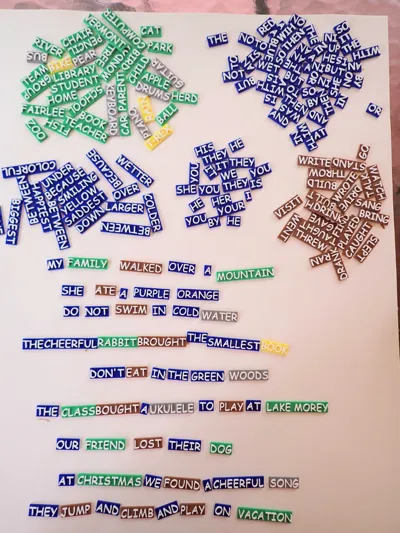
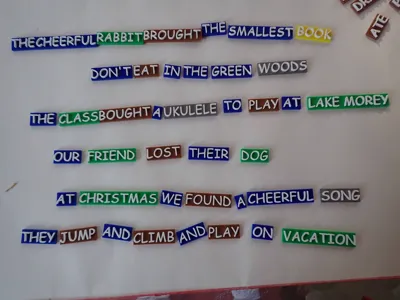
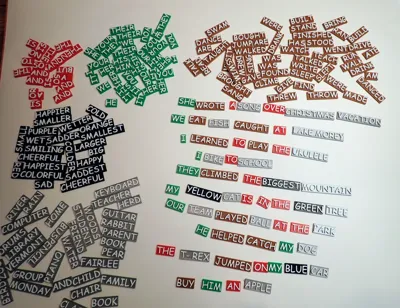
Word tiles should be laid out on a large table as shown for use by students to make sentences. Using this layout makes it easier to form sentences without worrying about spelling, typing, or handwriting skills. Students should be able to make eight sentences without starting over. It is important to first teach students about what nouns, verbs, adjectives, pronouns, and function words are to to show them how these word types form sentences and phrases and to talk about verb tense.
The bases of the word tiles are printed in different colors to make the different word types distinct and also to simplify putting them in the correct bowl section. I used five different colors that I had for a Bambu A1 printer . Using AMS I had to unload and load one color to print all these colors. The upper letter part of the word tiles are printed in white to make the words distinct. These two-color tiles are created by setting the filament color to change to white for the upper part of all tiles. This can be done by selecting the “Preview” tab in Bambu Studio, selecting the layer where the text first appears starting at the bottom, and then right clicking to select the white filament at that layer.
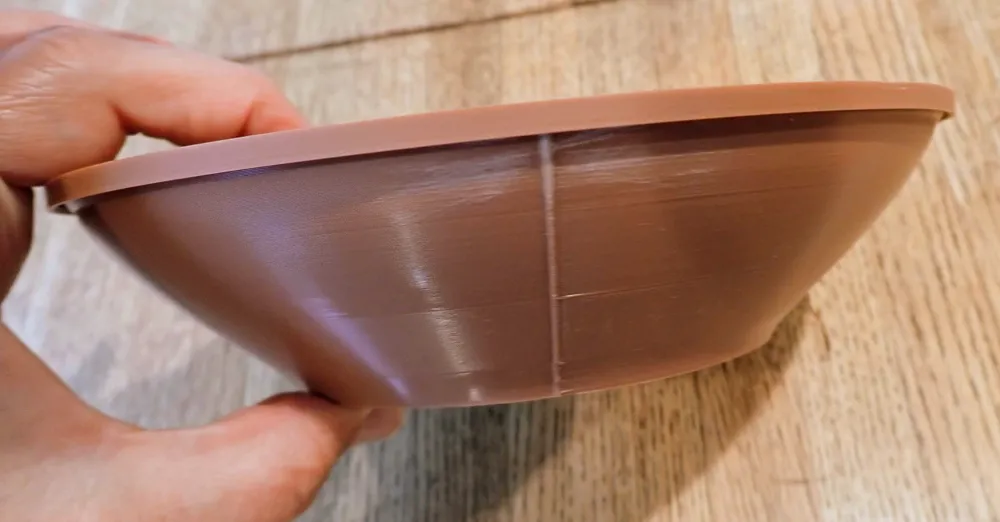
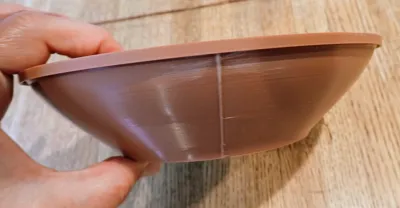
The bowl that is printed has a top that snaps on. It is important to make sure that the top snaps on all around the bowl to prevent word tiles from falling out. Each section of the bowl has a label that shows which word type belongs in that section. The word tiles were made using OpenSCAD by writing a program that reads in word lists. The bowl bottom and top was made with Onshape.
License



Comment & Rating (2)