
Ulna Measurement Device for Australian Flyball
Print Profile(1)

Description
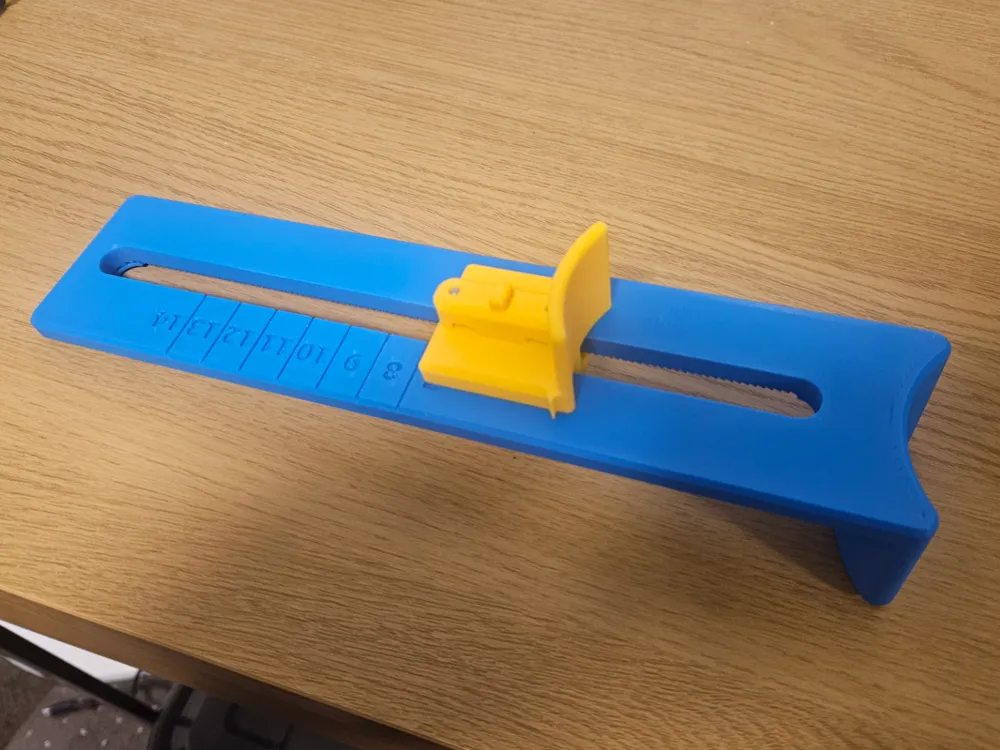
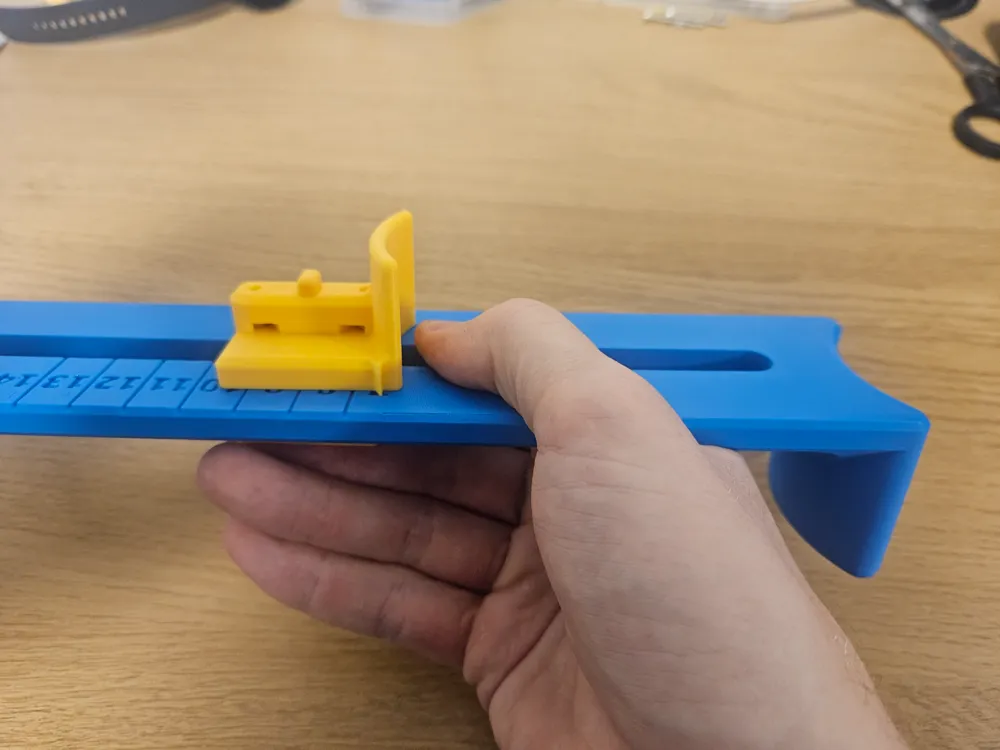
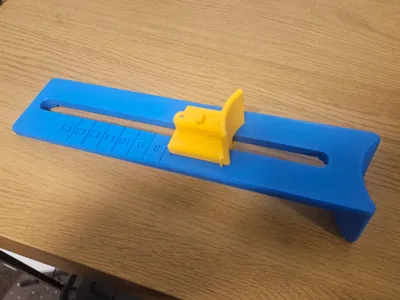
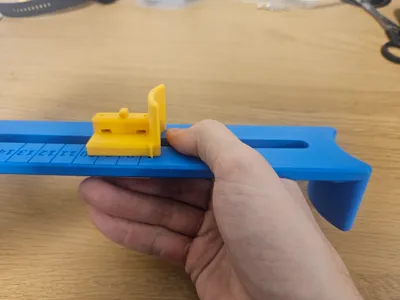
An Ulna Measurement device is a tool that assists flyball judges and officials in measuring a dogs ulna to determine their jump height. Typically this is done by judges at AFA sanctioned flyball competitions and judges would typically have the AFA approved measuring device which is prone to breaking on occasions.
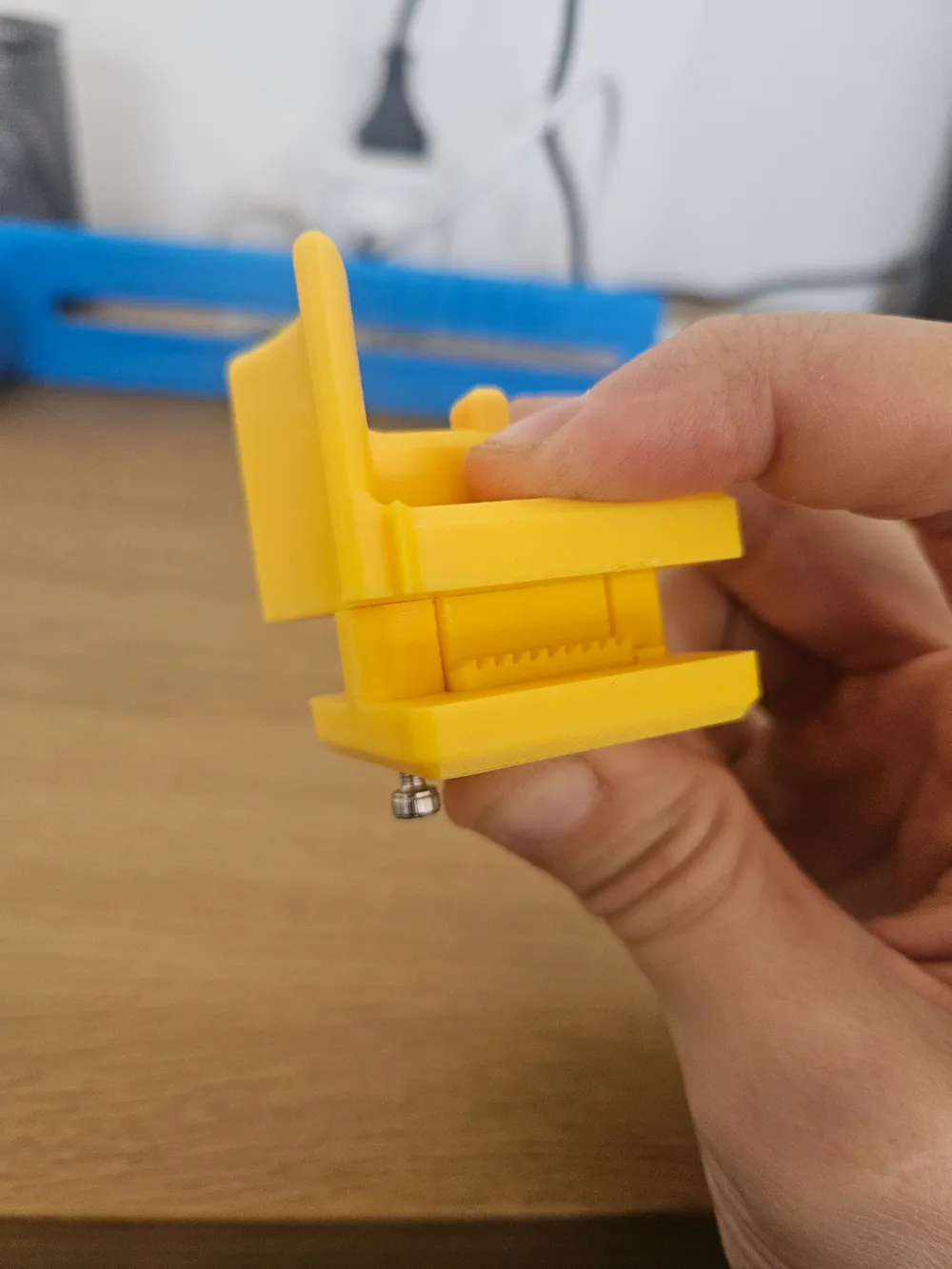
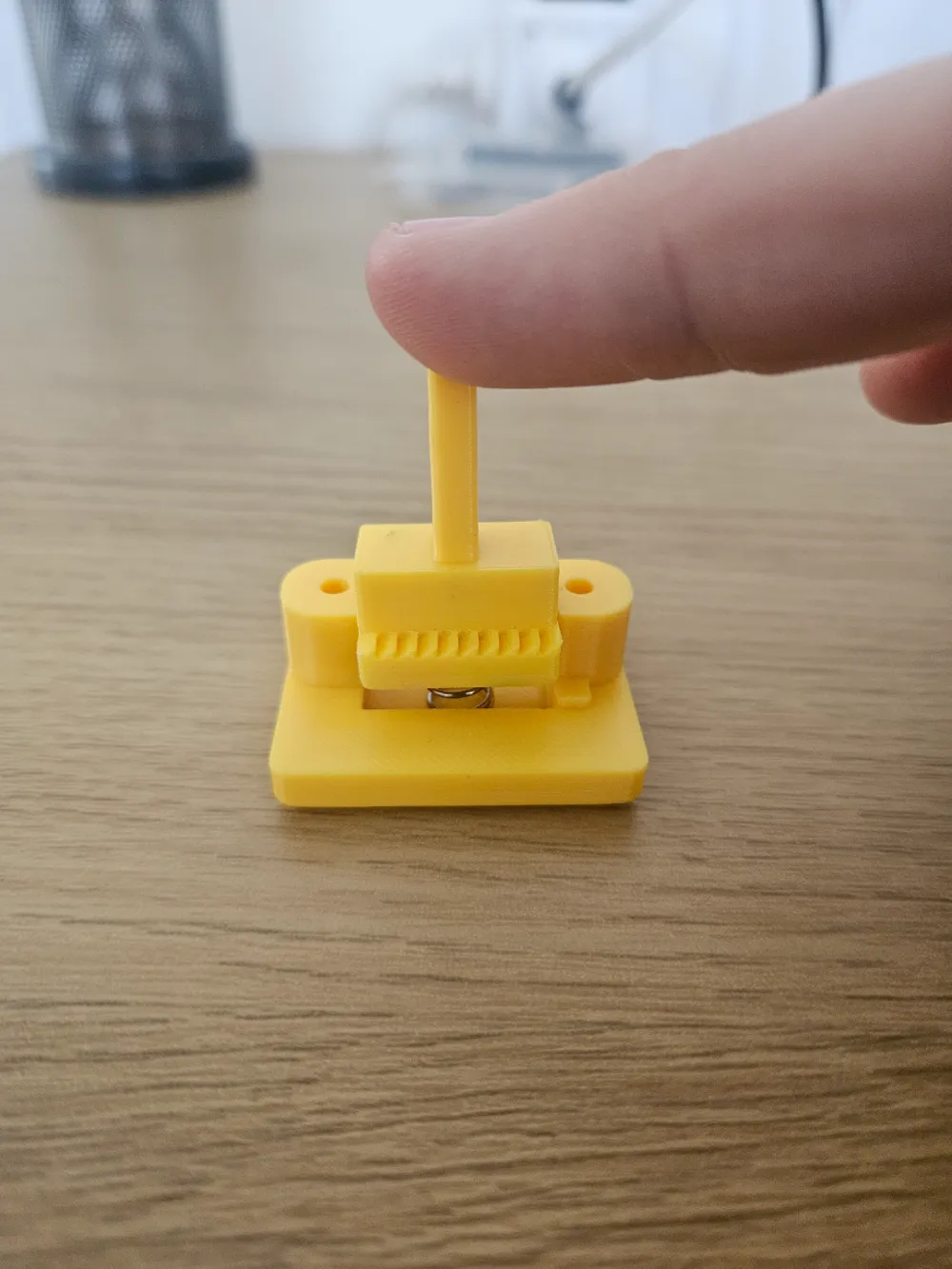
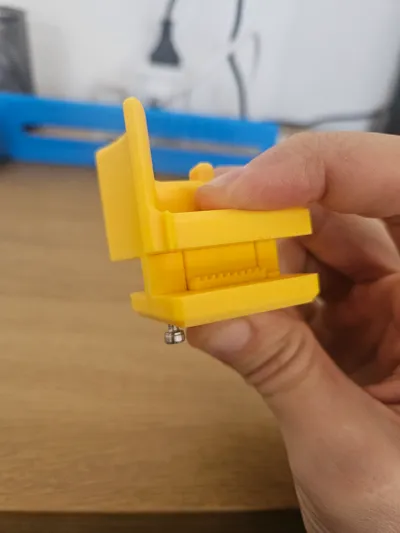
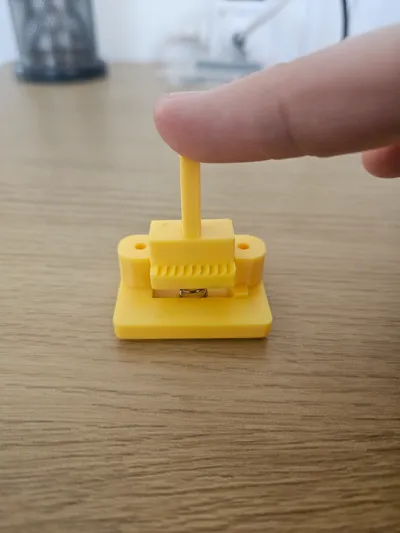
To get around the breaking of the sliding device, I have designed a mechanism that still utilises a sliding ratchet but incorporates a more robust spring mechanism that allows the user to press the push button which allows sliding.
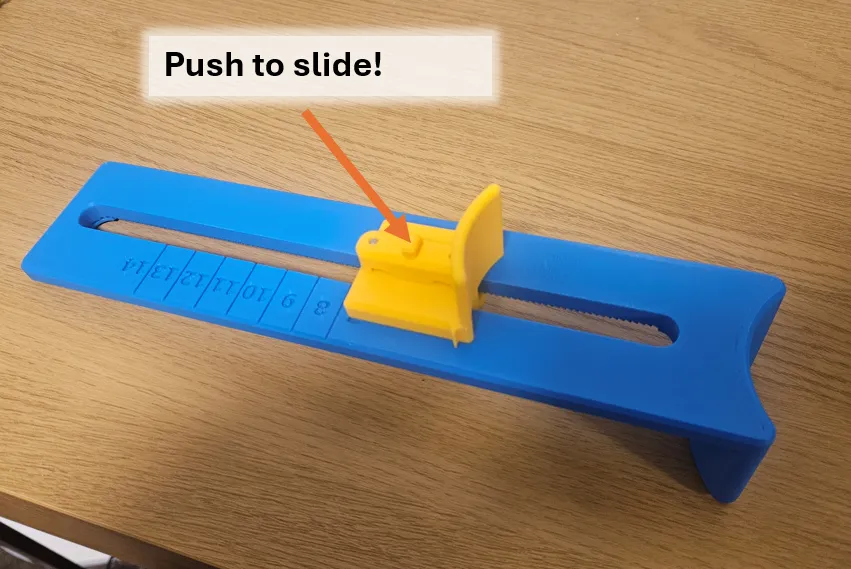
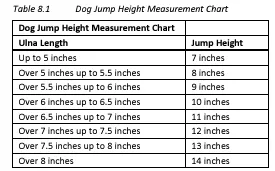
While this device is not officially an “approved measuring device” and shouldn't be used at sanctioned AFA flyball competitions. I have designed it in accordance with the AFA regulations and should help clubs accurately measure their dogs Ulna lengths at training and get dogs more accustomed to being measured at competitions. For reference this is what the AFA lists in their rules (circa 2024).
I recommend printing this device with either PETG or ASA for durability purposes as PLA is generally more brittle. I also recommend higher wall thicknesses (3-4 layers) and higher infill density to make it less likely to snapping in half.
To construct the Ulna measurement device, the following shopping list is required (most of which can be bought on amazon fairly cheaply):
Item | Description | Qty |
1 | 0.8 x 8 x 20mm Compression Spring | 1 |
2 | M3 Nuts | 2 |
3 | M3 x 30mm Hex Socket Head Cap Bolts | 2 |
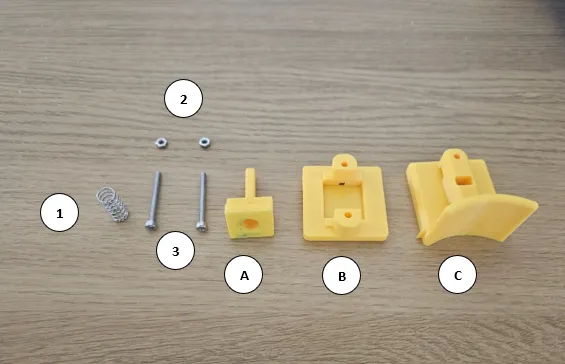
Assembly of the design is pretty straight forward:
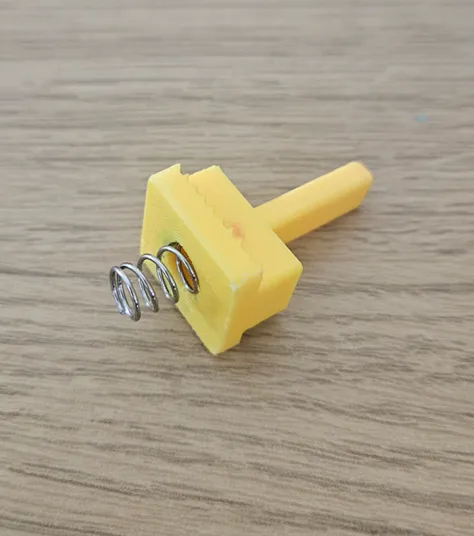
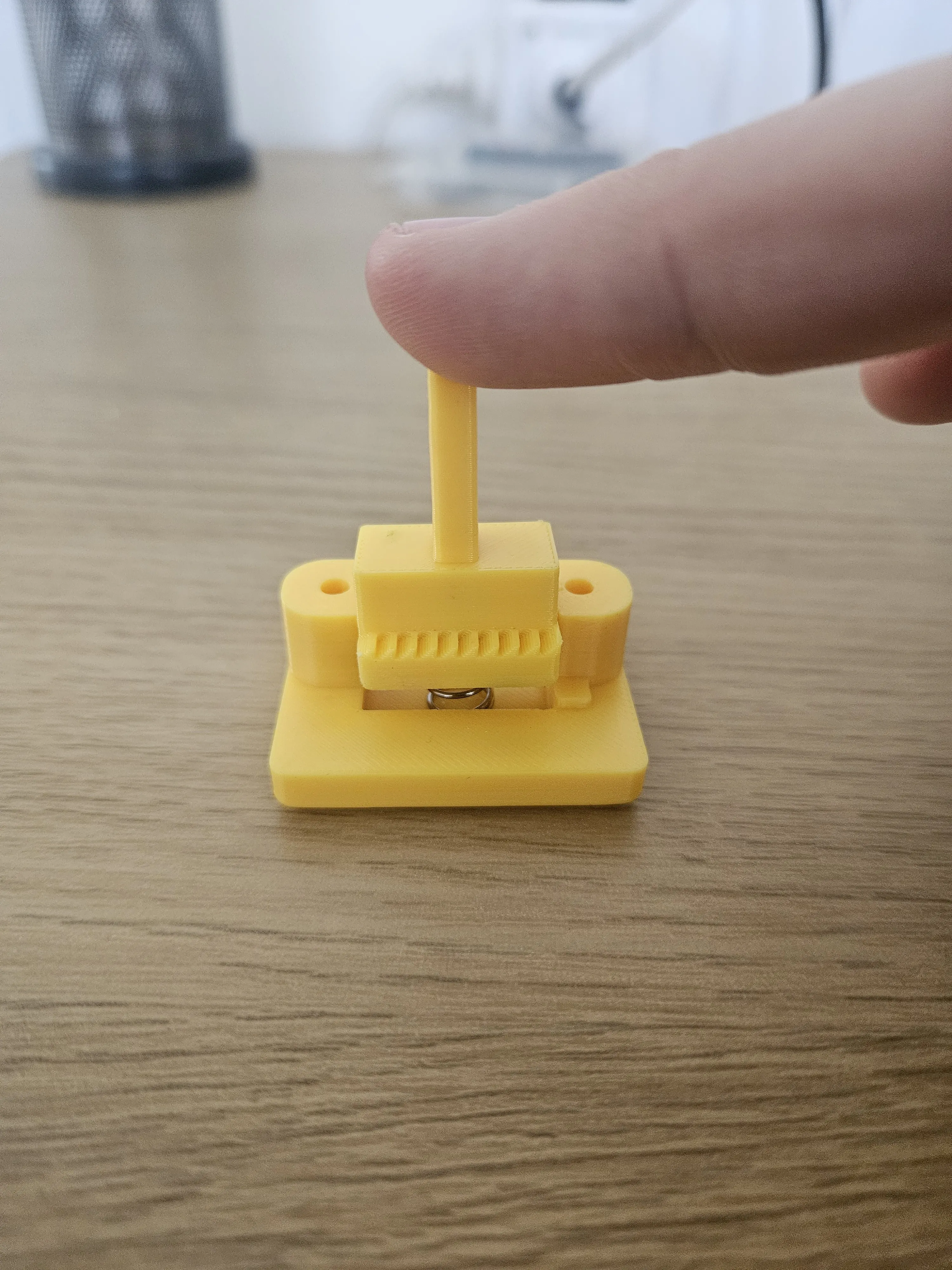
Step 1: Insert the spring into the Button spring mechanism as per below.
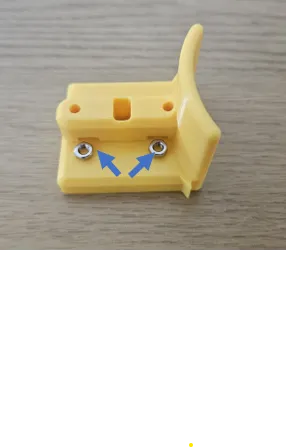
Step 2: Insert the two M3 nuts into the slots on the upper sliding housing as shown
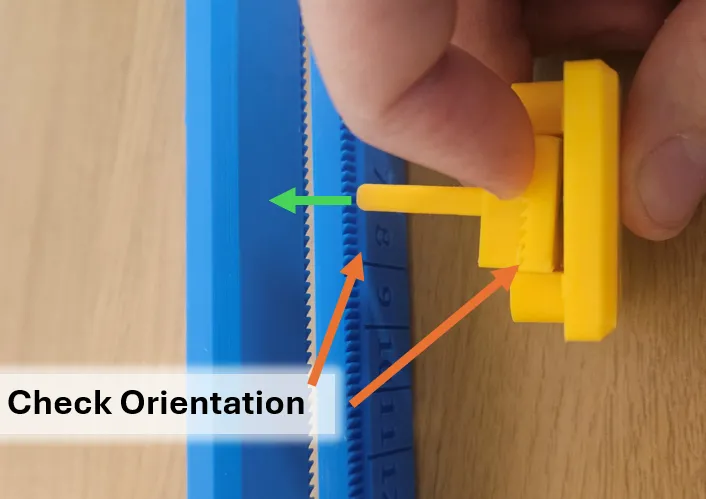
Step 3: Place the button spring mechanism in into the bottom slider housing below and insert it into the slot of the ulna measurement tool with the teeth oriented as shown in the image.
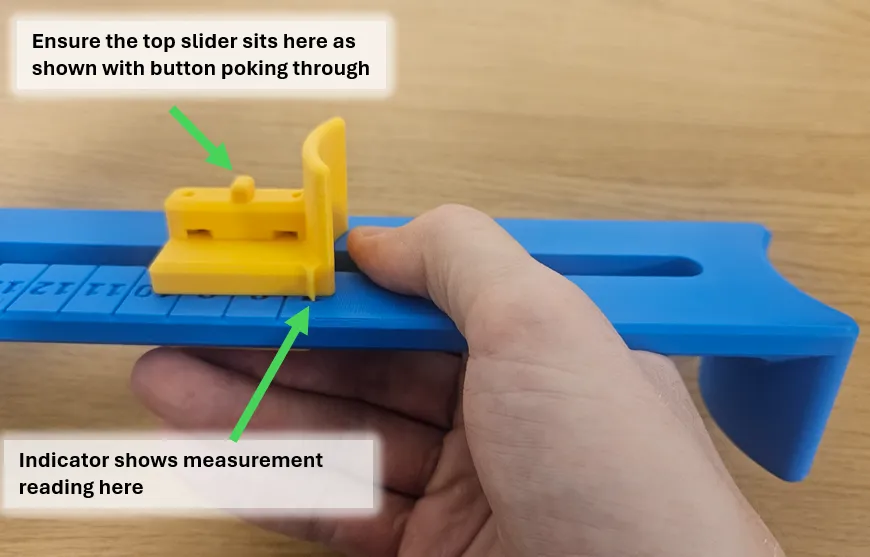
Step 4: Place the top slider on the other side of the ulna measurement device and slide the button through the hole as shown, ensure the slider sits as oriented.
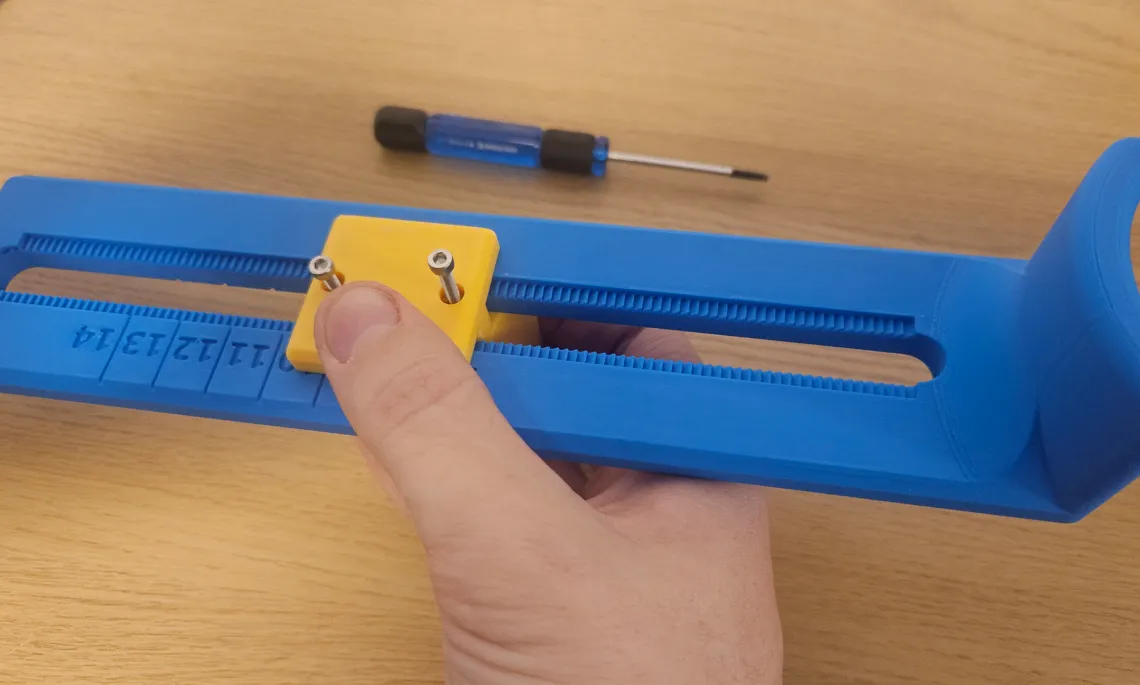
Step 5: Insert the two M3 x 30mm bolts and tighten using an allen key
Note: Do not overtighten as it will pull the teeth hard against the ratchet mechanism and lock the slider in place.
Loosen them off slightly until a nice smooth motion is achieved when the button is depressed.
License



Comment & Rating (2)