
OpenMV RT1062 Cam Case with Embedded Bendy Tripod
Print Profile(1)

Description
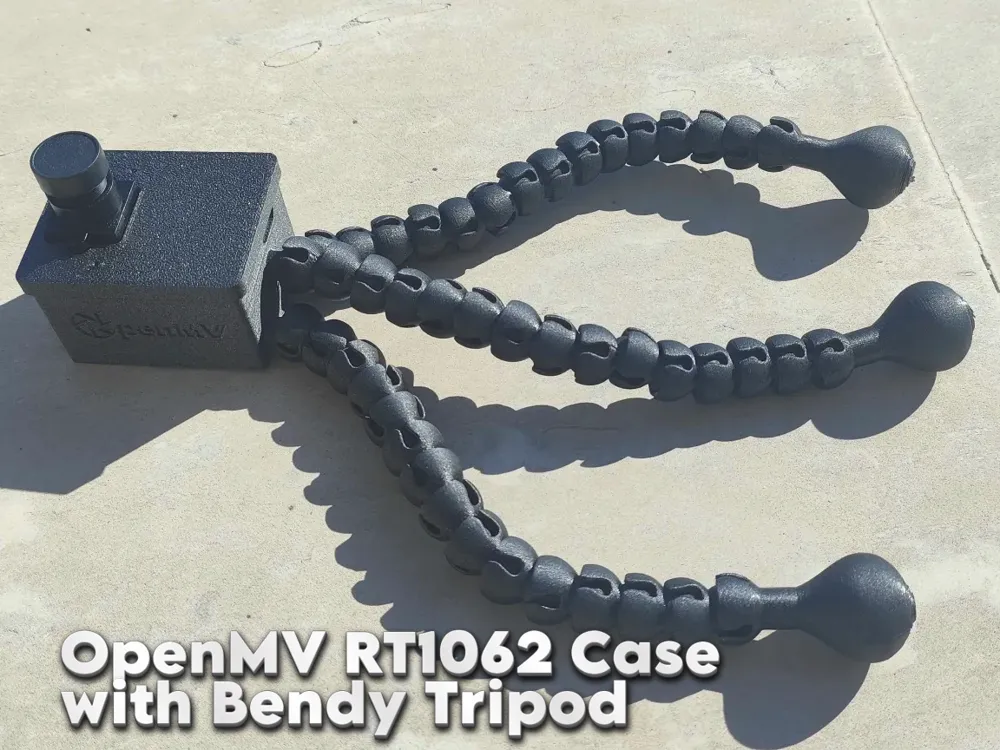
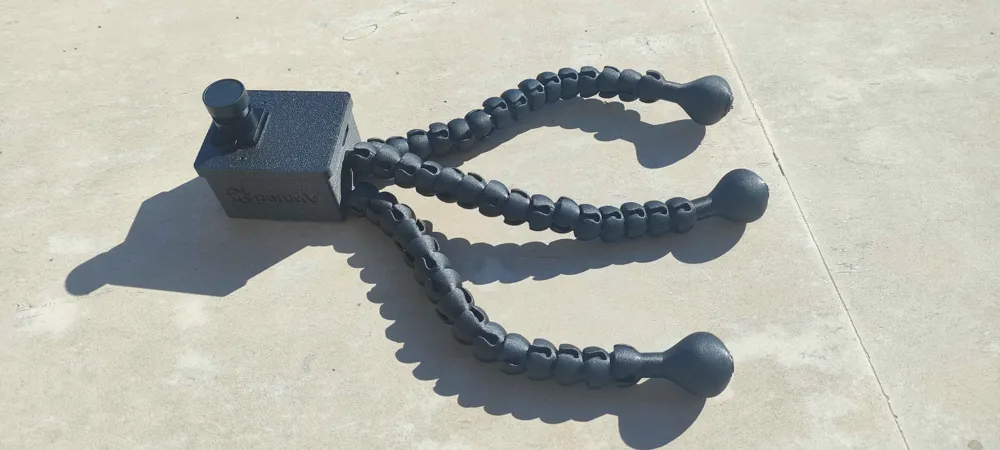
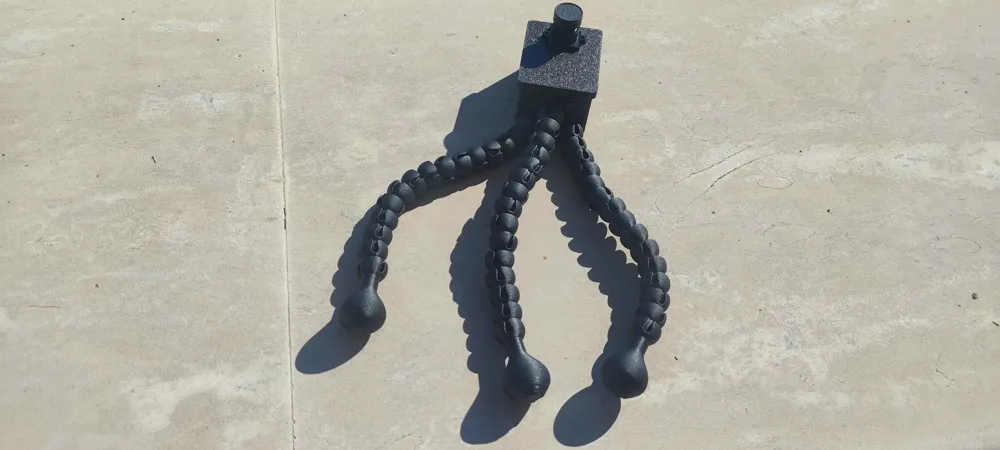
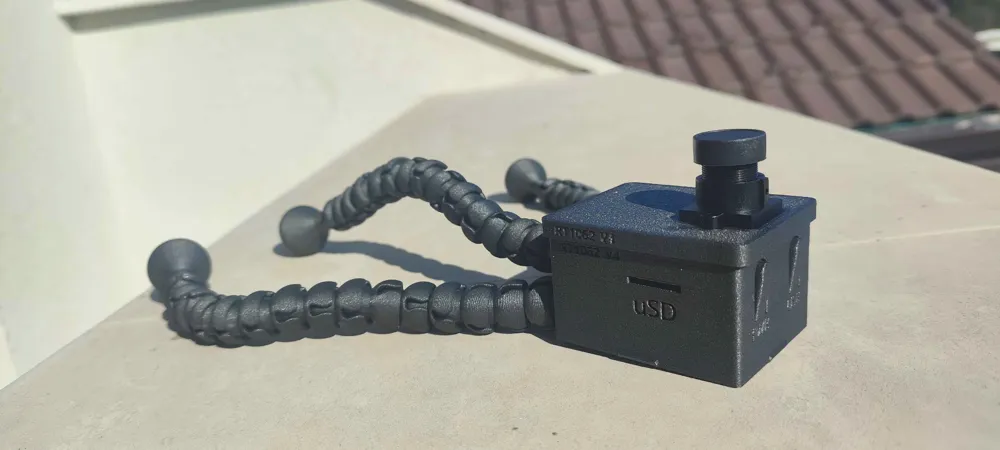
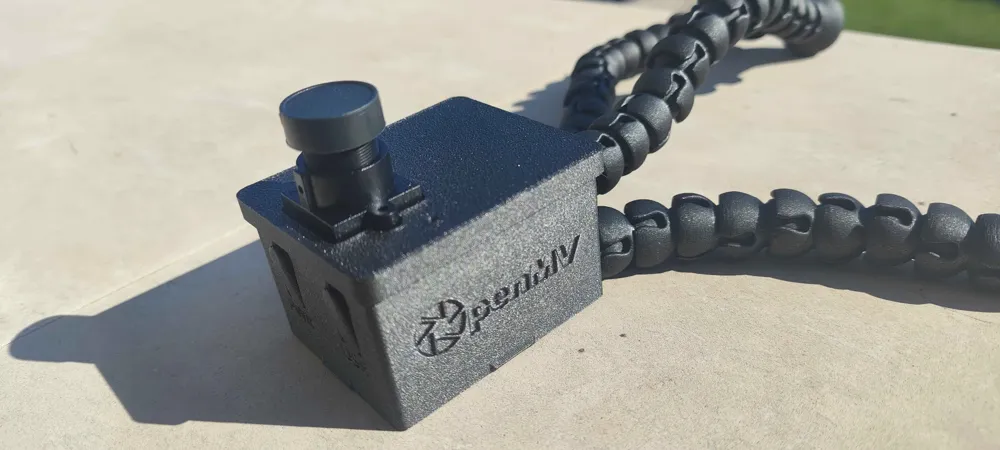
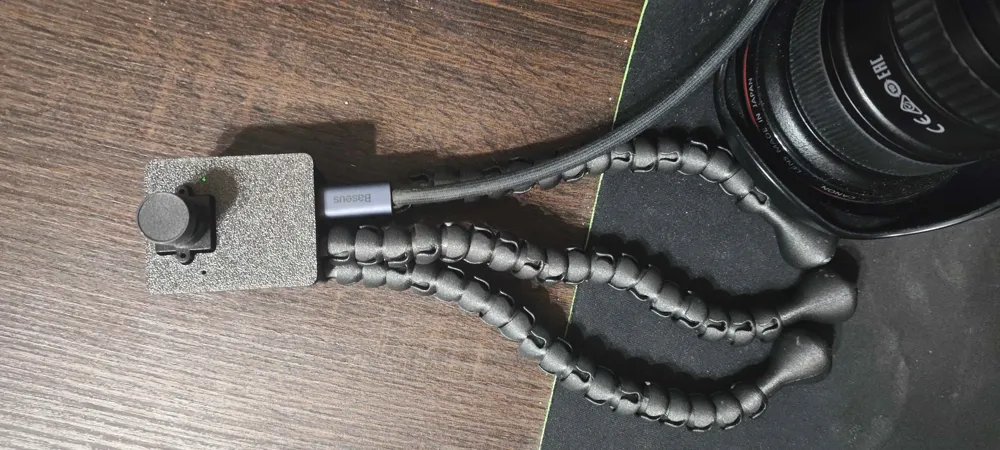
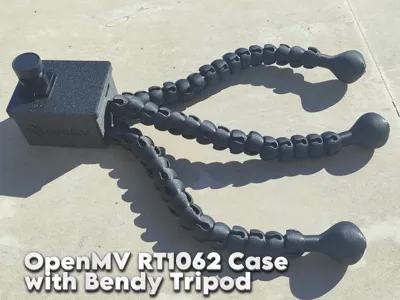
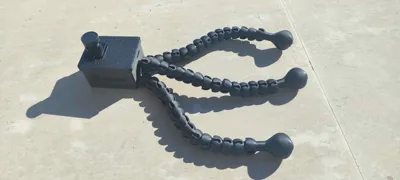
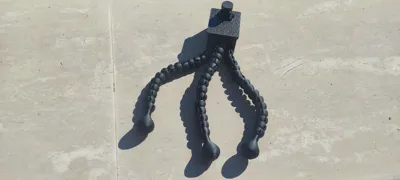
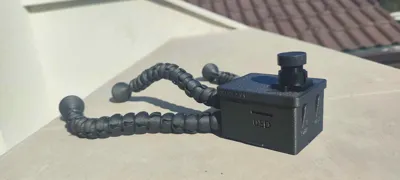
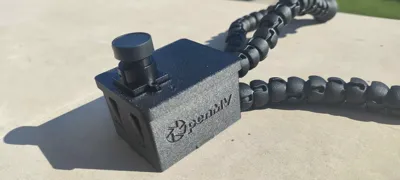
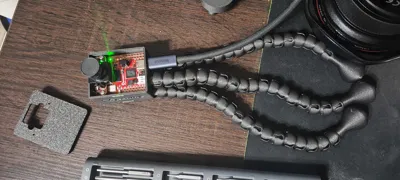
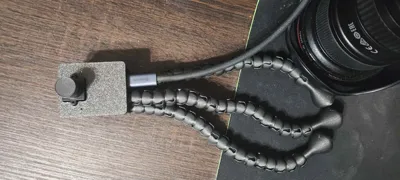
This is a remix of two models - both of which have been modified. Model one is the 3D printable case for the OpenMV Cam RT1062 V4; model two is the Bendy Phone Tripod and Stabilizer. The result is a cam case with an embedded, flexible tripod. Simply print, assemble, insert the camera, and start using it immediately!
You can find the original models here:
- OpenMV Cam RT1062 V4 Case by OpenMV (includes additional parts):
https://grabcad.com/library/openmv-cam-rt1062-v4-case-1 - Bendy Phone Tripod and Stabilizer by lucaeale (remixed from giufini's PCB Workstation):
https://www.thingiverse.com/thing:1958190 - PCB Workstation by giufini:
https://www.thingiverse.com/thing:801279
Cam Case Modifications:
- Kept only the USB-C charging hole, removing the other two.
- Increased the height of the internal female header holders to ensure the cam board lies flat on all sides.
- Merged and modded three Bendy Tripod Leg Keys at the bottom of the case for tripod integration.
Tripod Modifications:
- Shortened the length of the three Bendy Tripod Leg Keys
- Removed the "key" part since the gimbal system is no longer used.
Design & Functionality:
The tripod cam case is designed to be flexible enough to adapt to any environment, allowing for perfect camera positioning. For longer tripod legs, simply print additional Tripod Leg Joints to extend its reach. This modded design is prepared for use with the Halovision-INSPEC GitHub project, aimed at assisting users in becoming lucid during dreams. For more information, see the “Use Case” below.
- Halovision-INSPEC GitHub project by Michael Paul Coder:
https://github.com/lucidcode/Halovision-INSPEC
Assembly Instructions:
- Remove any support material from the prints.
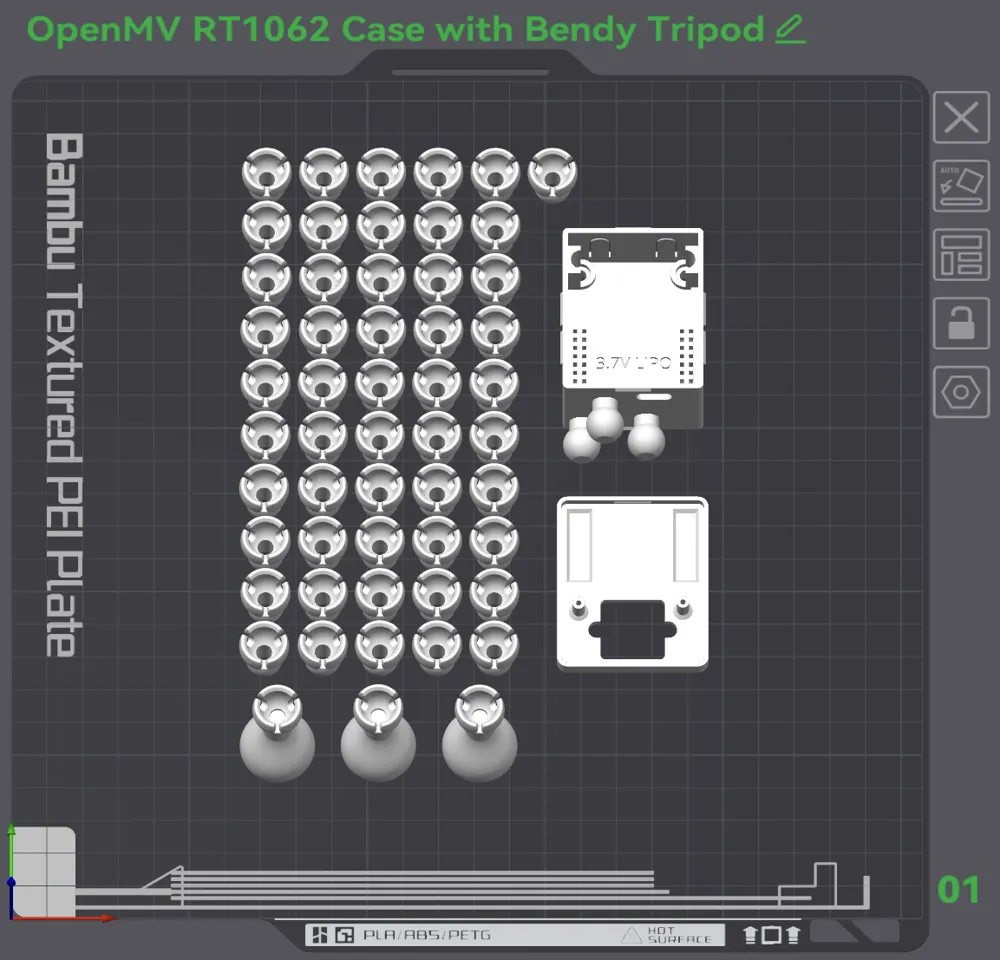
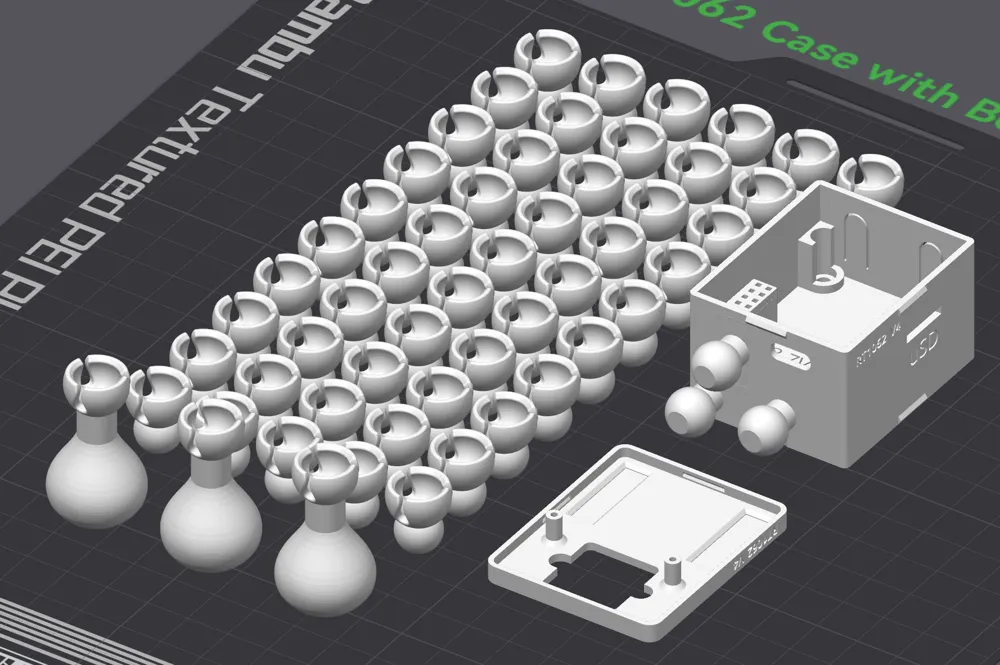
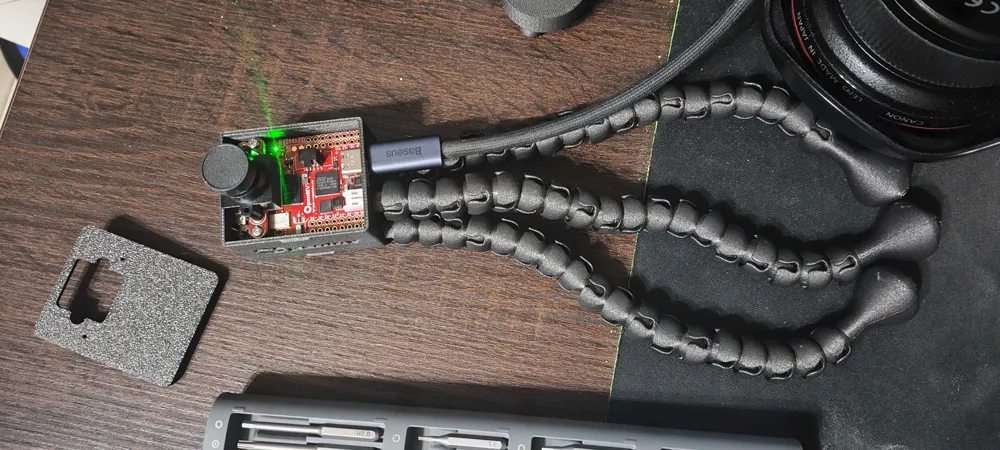
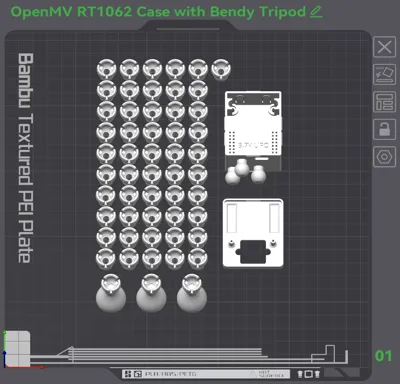
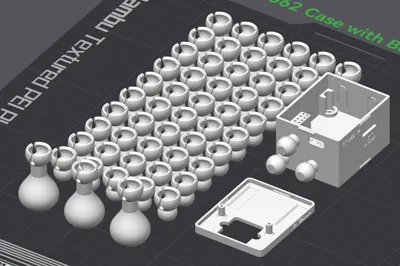
- Snap together the Tripod Leg Joints to form three long legs, and attach a Tripod Foot Whole to the end of each leg.
- Insert the assembled legs into the base of the cam case.
Use Case:
This model is ideal for people wanting to become lucid dreamers using the Halovision-INSPEC project. The OpenMV RT1062 Cam, equipped with the Halovision-INSPEC custom firmware, tracks eye movements to detect when the user is dreaming, triggering cues like sound or light (with smartwatch vibrations to be added soon) to prompt a reality check within the dream. This leads to the realization that the user is dreaming, enabling them to control their dream environment with a sense of godlike freedom.
Explore the countless benefits of lucid dreaming by becoming more aware in your dreams—unlock your full dream potential! A quick search online will reveal numerous benefits of lucid dreaming that you’ll be amazed by!
Model License:
This model is licensed under Creative Commons - Attribution - Non-Commercial - Share Alike (CC BY-NC-SA).
This remix is based on


License



Comment & Rating (5)