
Waikato Sculpture
Print Profile(1)

Description
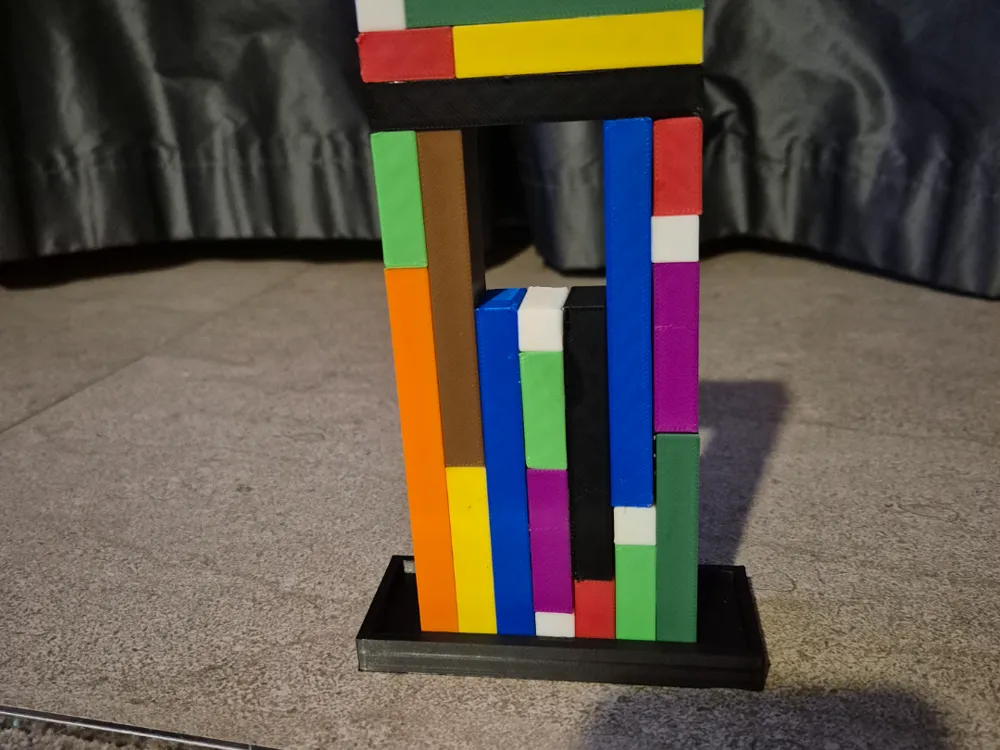
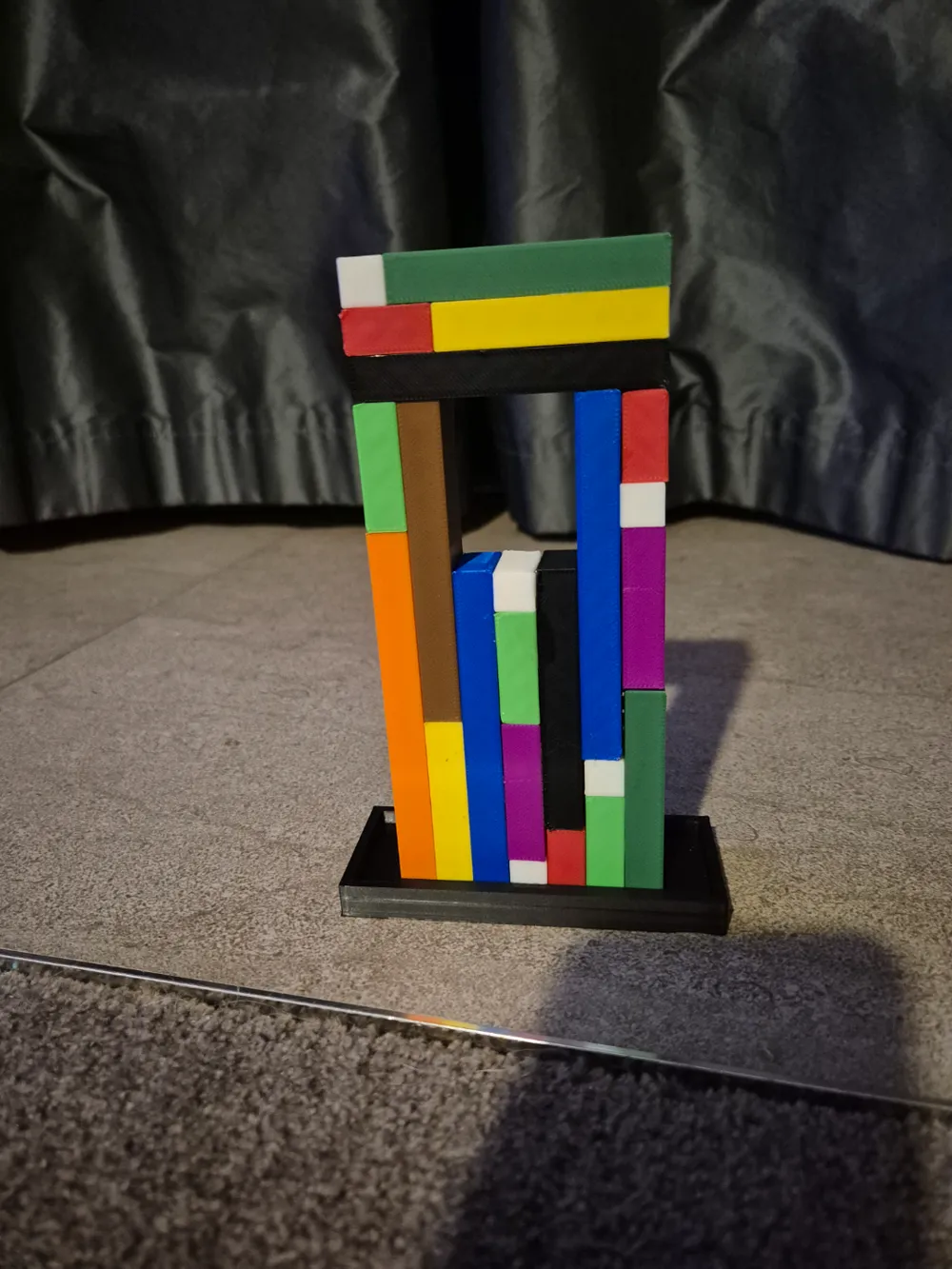
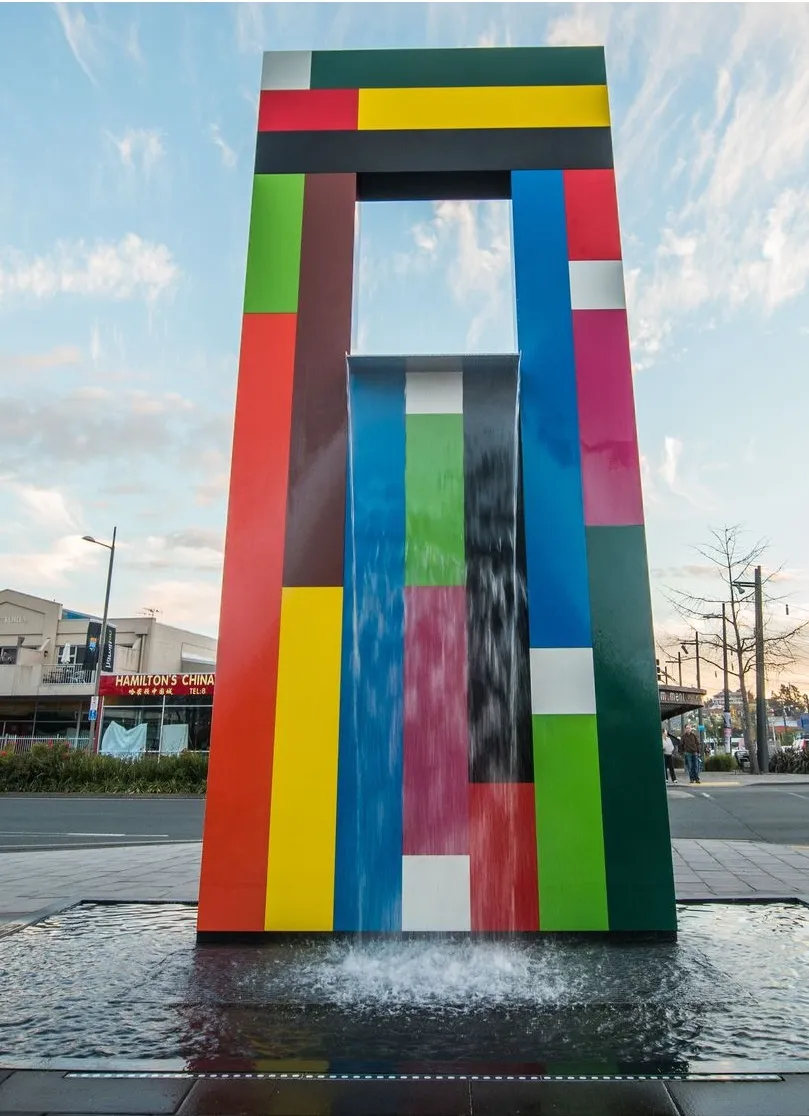
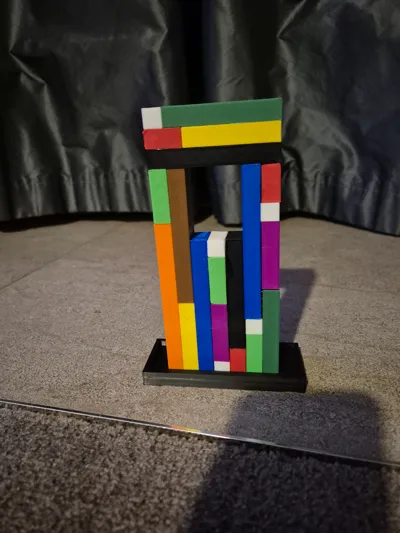
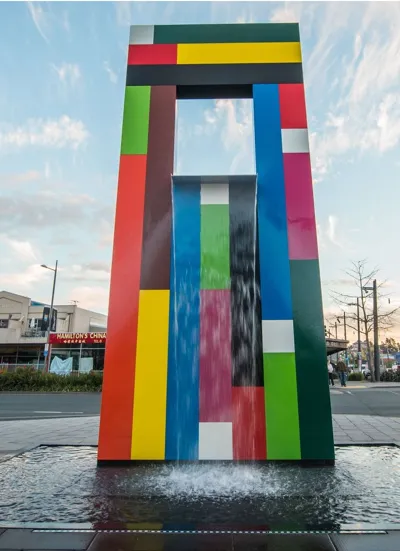
This 3d sculpture is based on an actual sculpture, that is one of my favourites, by Michael Parekowhai, in the city of Hamilton, Aotearoa New Zealand.
The artwork is striking. It stands 8 metres tall and 3.5 metres wide with a window at 4.5 metres high. A tongue of water falls from this window into a shallow pool which the entire work sits in. It’s offset from parallel on the pavement on Victoria Street above Waikato Museum and the water spills out of the river side of the sculpture to make a visual connection to the Waikato River. The steel frame is clad in aluminium rods which are coloured using automotive paint. The tongue is made of stainless steel. https://meshsculpture.org.nz/project/tongue-of-the-dog
It's English name is ‘Tongue of the Dog", telling story about the creation of the Waikato River (which it is close to where it is installed).
The legend began with siblings Tongariro and Taupiri mountains living side-by-side until marriage took Taupiri away to her new home near Ngaruawahia where, upon her arrival, she soon became ill. Taupiri believed that only the waters of her homeland could heal her so she sent a message to ask Tongariro to deliver her its healing waters. Tongariro sent his faithful servant, in the form of a dog, to cut a pathway for the waters of Tongariro to reach Taupiri. It is said that the river widens and slows at Taupiri, so that she can still draw healing from its waters. The river became known as Waikato te Awa and its waters continue to provide life and prosperity to those who live amongst it today. https://meshsculpture.org.nz/project/tongue-of-the-dog
It is also based on the cuisenaire rods used initially to help teach mathematics, but also in Aotearoa New Zealand, they are used in the teaching of one of our official languages - Te Reo Maori
The Cuisenaire rods, a repeating motif in Michael’s work, can be interpreted as metaphors for biculturalism, communication and education. In the past these were used as an educational tool to teach maths. More recently the Cuisenaire rods have been used to teach languages, including te reo Maori, by a method known as Te Ataarangi. While researching Cuisenaire rods, we’ve discovered Hamilton based Te Ataarangi Trust who has been working to revitalise the Maori language for the past 30 years and uses the coloured rods as a learning tool. https://meshsculpture.org.nz/project/tongue-of-the-dog
Print by object
Glue together with strong glue - glue sculpture pieces together first, then when set, glue into base
The base is TIGHT - a gentle nudge with a soft mallet helps.
Boost Me (for free)
Like it? Please consider a boost
License

You shall not share, sub-license, sell, rent, host, transfer, or distribute in any way the digital or 3D printed versions of this object, nor any other derivative work of this object in its digital or physical format (including - but not limited to - remixes of this object, and hosting on other digital platforms). The objects may not be used without permission in any way whatsoever in which you charge money, or collect fees.


Comment & Rating (0)