
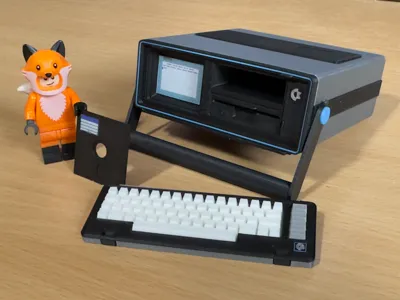
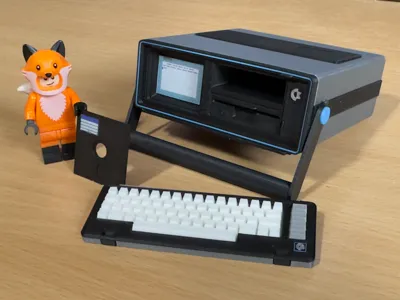
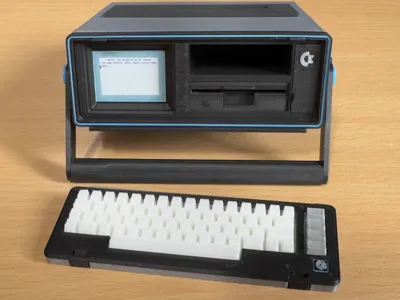
Mini Commodore SX-64 (1:5 Scale)
Print Profile(2)


Description
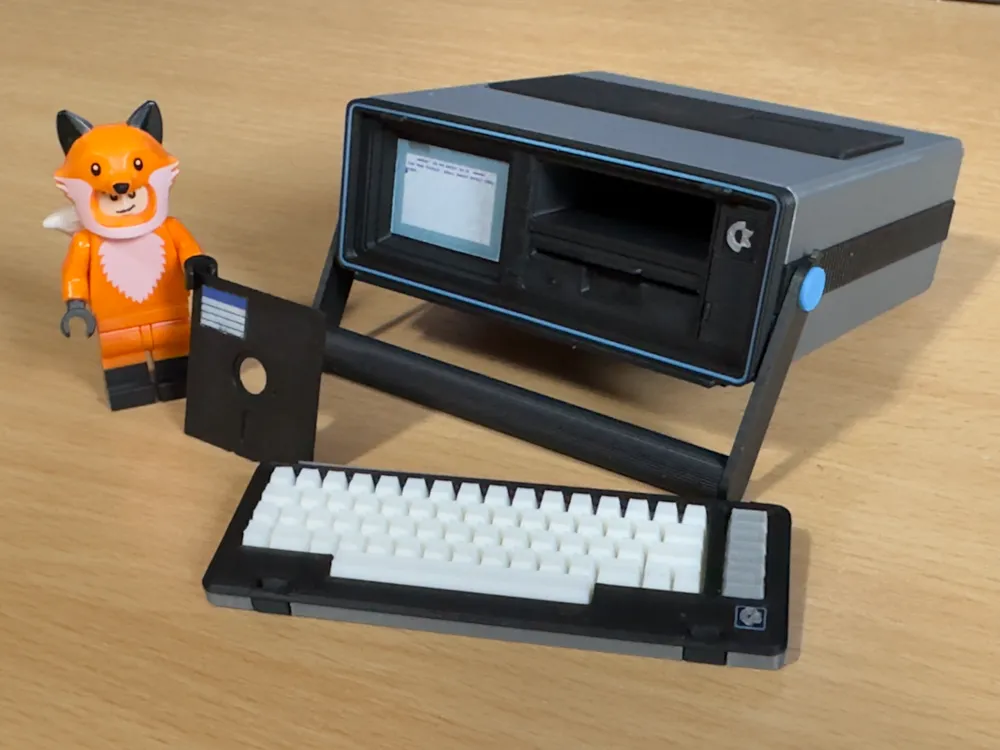
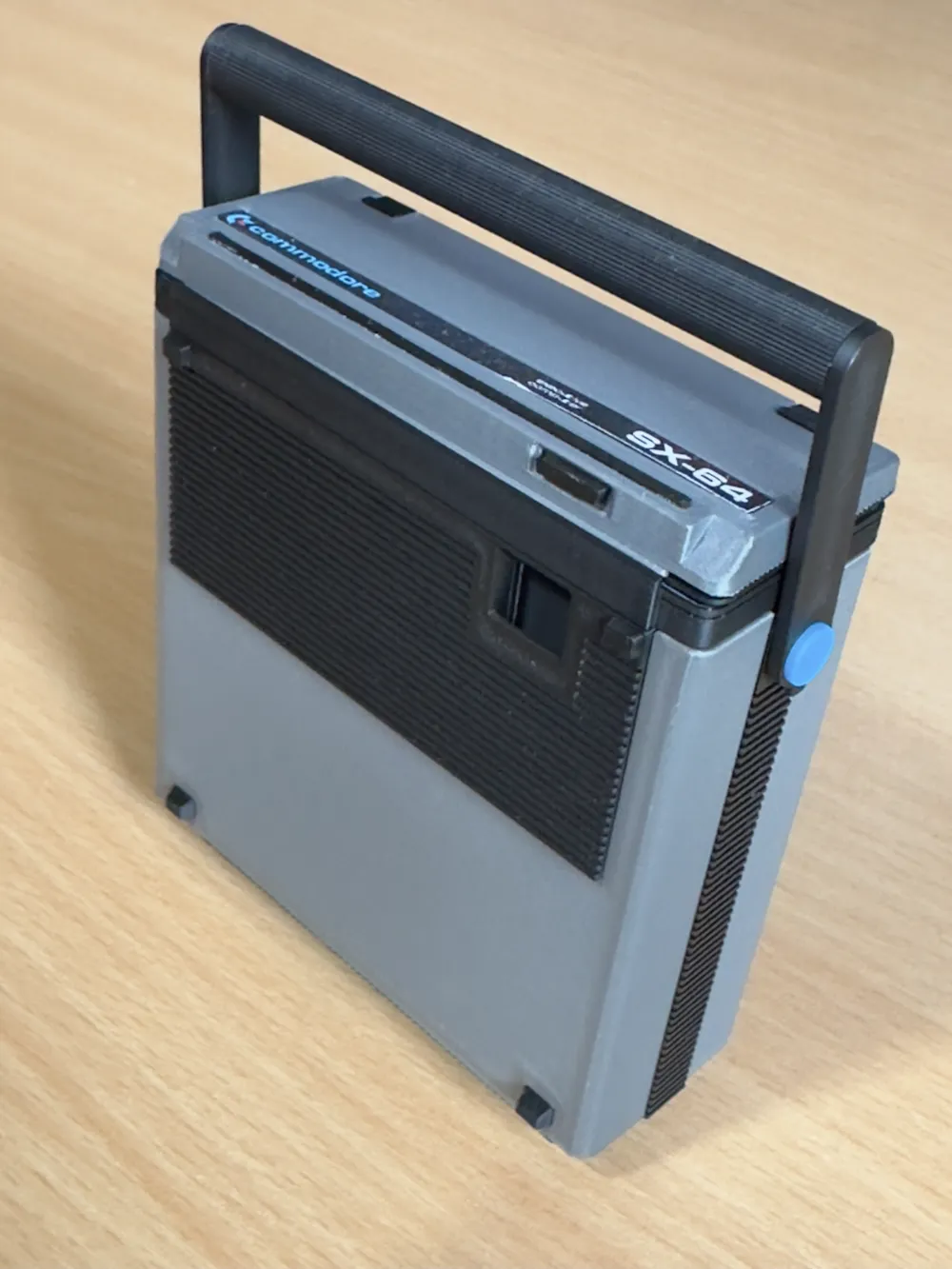
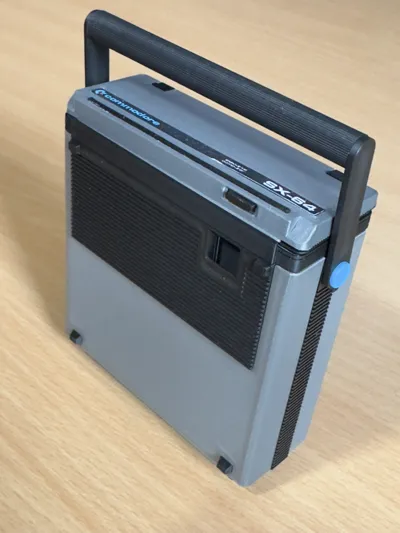
The Commodore SX-64 was a ‘portable’ version of Commodore’s successful Commodore 64 home computer, released in 1983 just months after the C64. Whilst it was undoubtedly portable, the fact that in weighed over 10kg and required an external power supply meant it was a long way off what’s now considered a portable computer. It wasn’t a great success, and was discontinued in 1986.
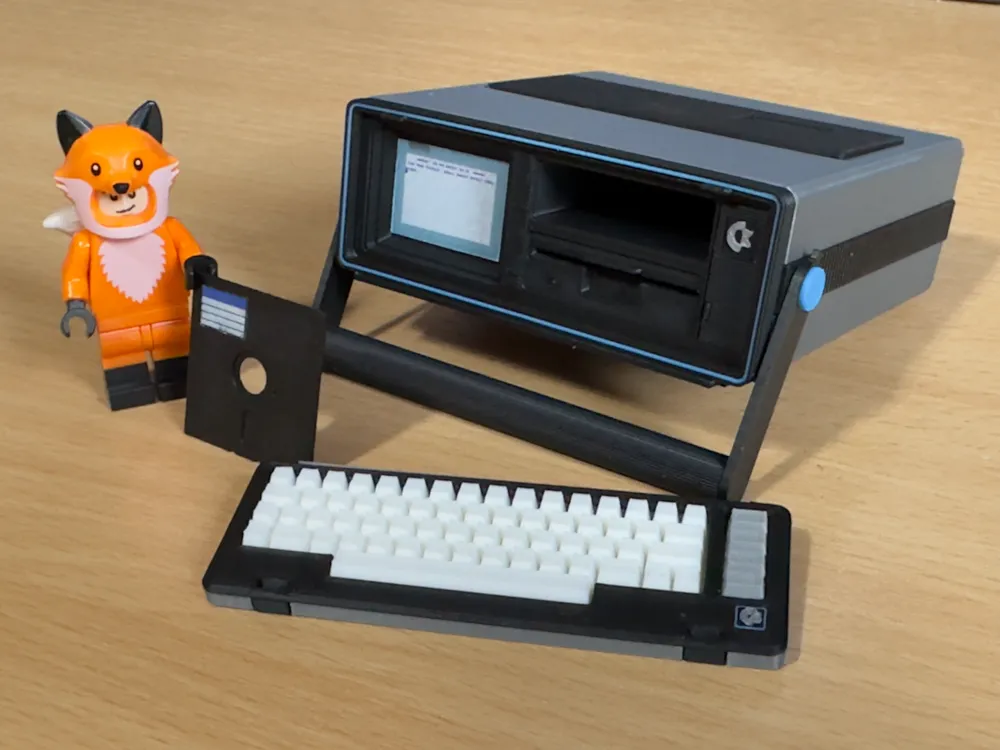
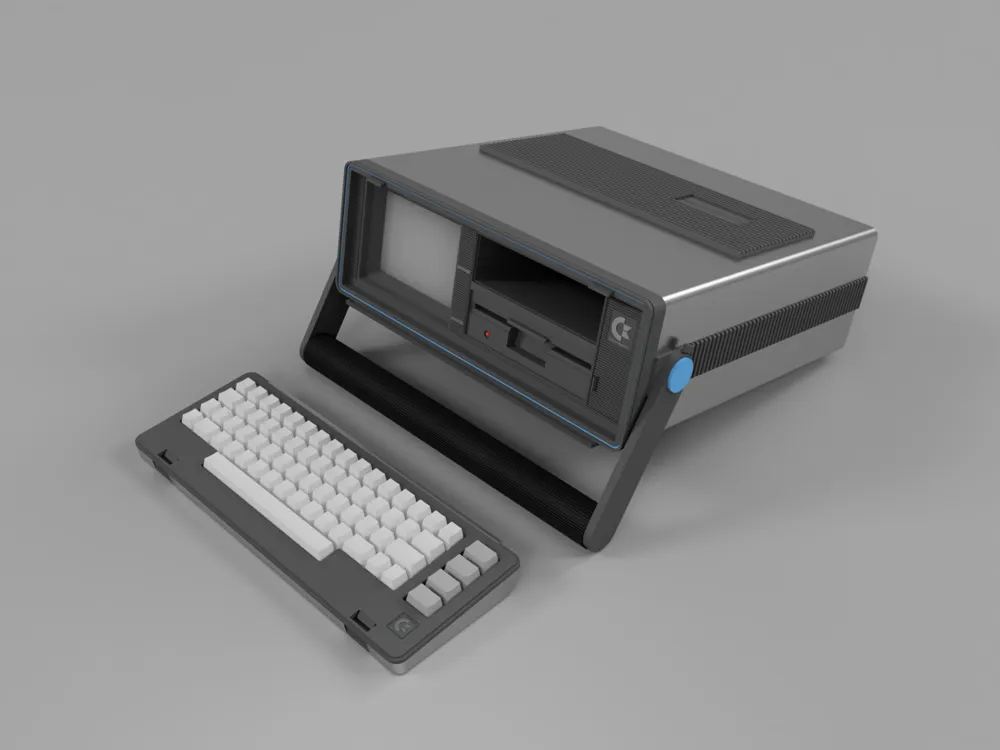
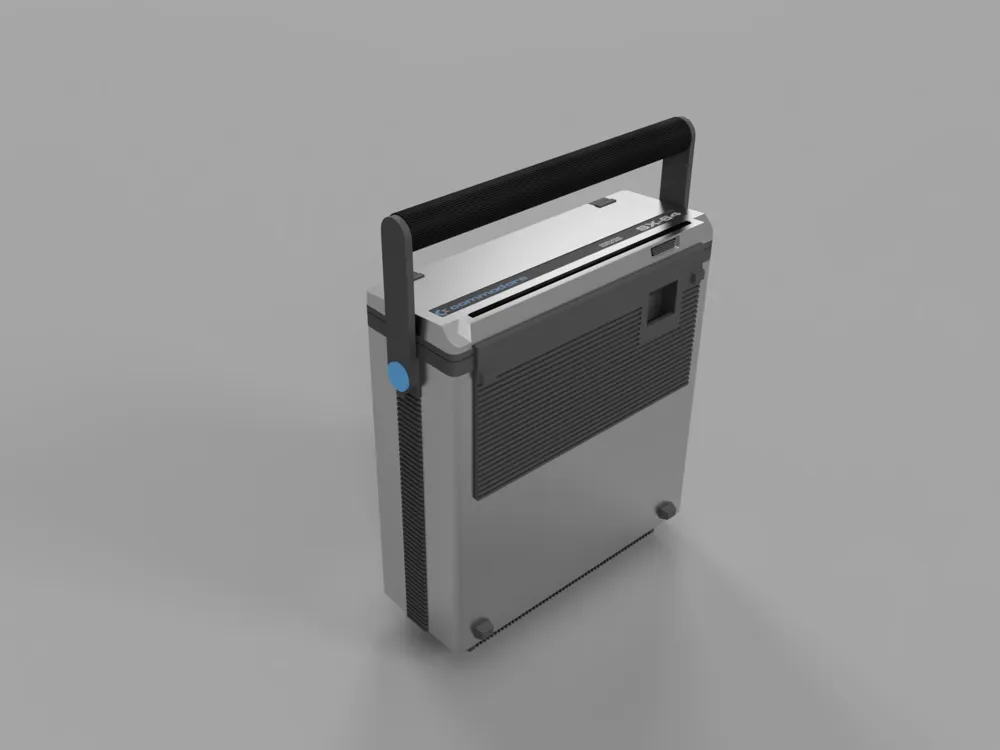
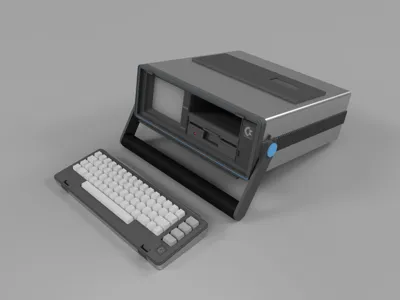
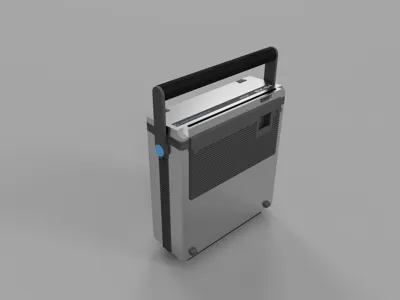
I decided to recreate the SX-64 in a more portable form at 1:5 scale, tipping the scales at a more manageable 80g. There are always inevitable trade-offs necessary when miniaturising technology though, and one of those was the removal of technology, although I’m sure someone could work some magic and cram a Pi in there or something.
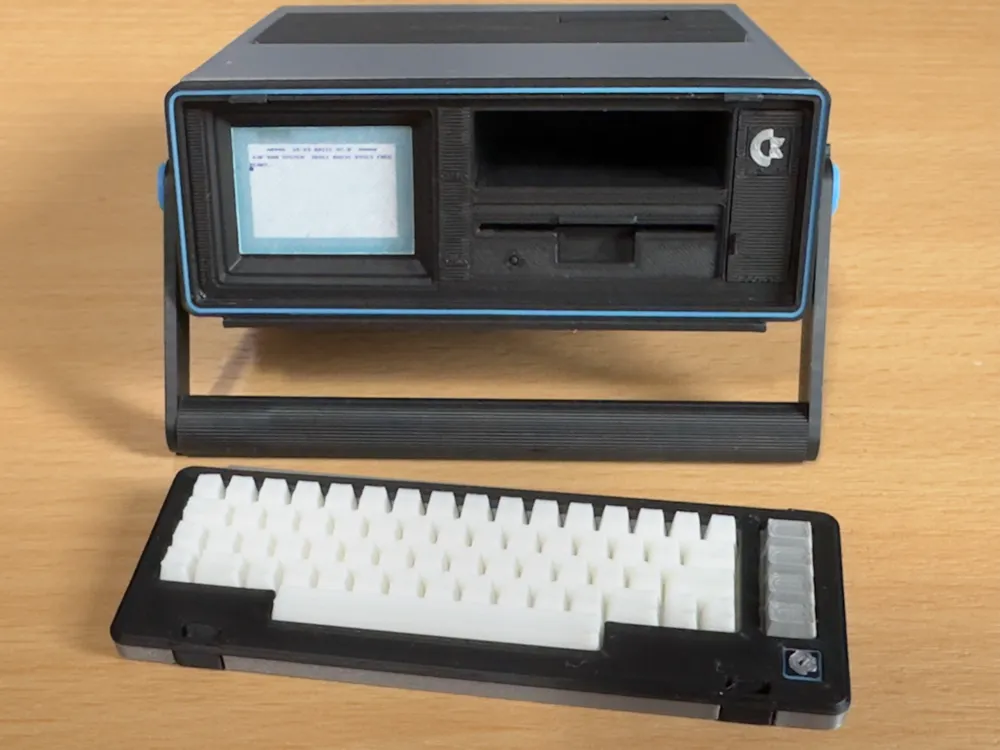
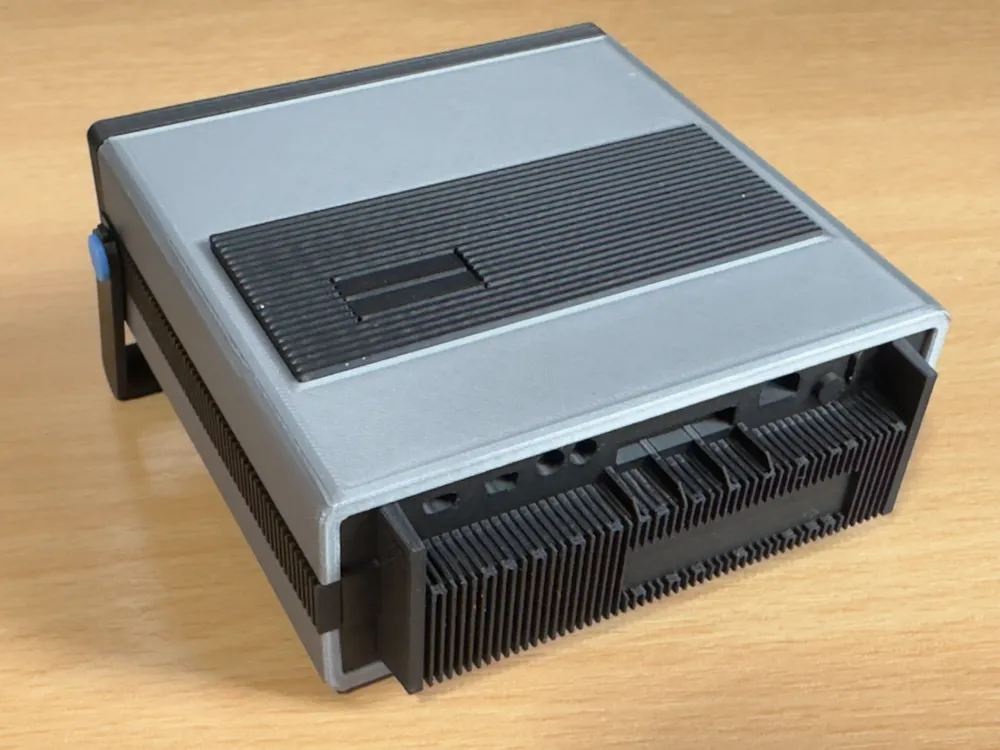
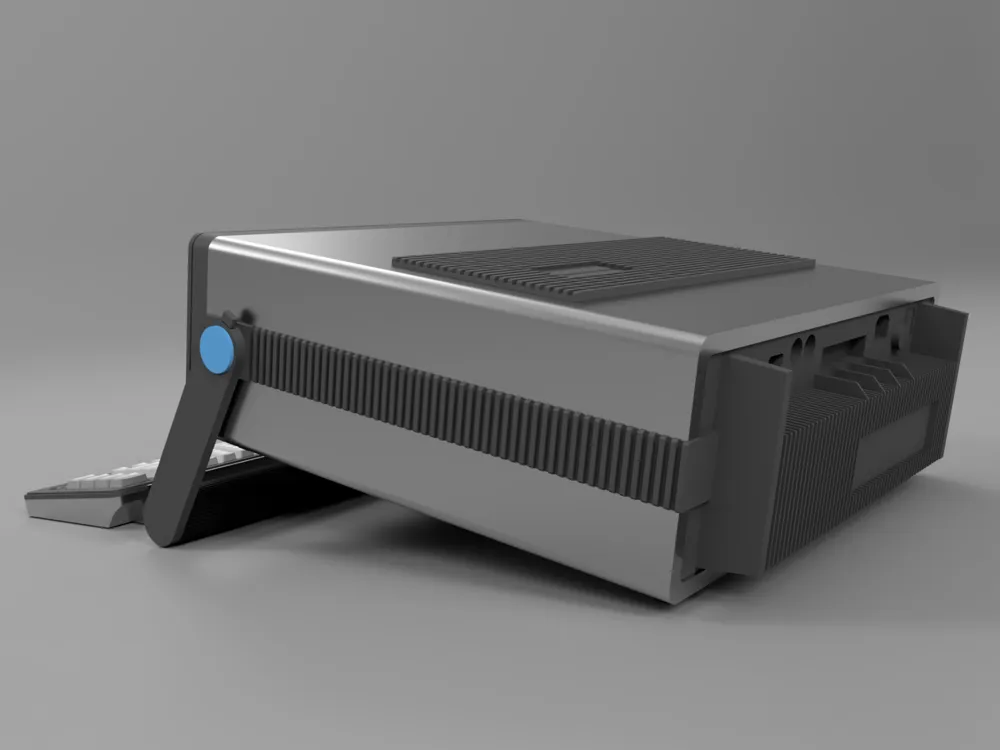
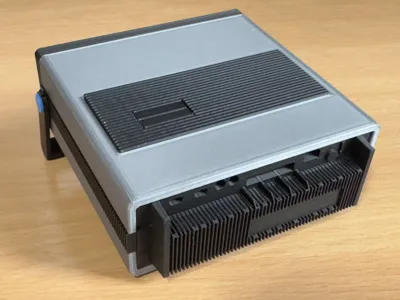
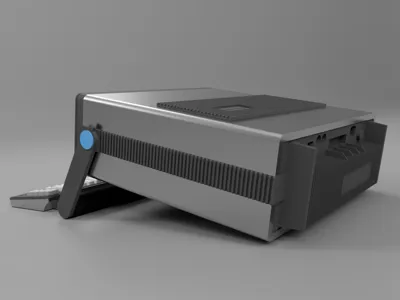
I tried to re-create the computer as accurately as possible in 1:5 scale so it should scale-up well if you want something larger, but I did some rounding of numbers just to make it easier for my head to cope with, so don’t go planning on using this model to print any real parts for an SX-64. That said, the only real compromise I made was the thickness of the metal outer shell, which I thickened significantly for printing (the original is only 1mm thick), but the thicker shell is only visible from the rear.
Due to the level of detail, I would recommend printing this with a 0.2mm nozzle. Even then, you won’t capture the very finest detail of the lettering on the front panel. If you’re using a 0.4 nozzle, you may lose a bit more detail and the fit tolerances might not be as good, but you should still end up with something presentable (or maybe print it at 150% scale). I’ve designed this so there’s no supports required, apart from an easily-removed brim around the base of the handle.
I’ve provided two versions of this model. The main one is the most detailed and includes separate ‘blocks’ for the front panel and keyboard logos and the blue trim surrounding the front panel to allow them to be printed in multiple colours separately without having to do more colour changes than necessary. The recesses for these logo blocks have a 0.1mm tolerance offset so they should fit in without a problem, and on the blue plate, I’ve included the blue trim at 100%, 99.75%, 99.5% and 99.25% scale as one of these should fit the recess, and it’s quicker just to print them all at the same time rather than rely on trial and error. That’s up to you though. On the second version of the model, the logos and front trim are incorporated into the main bodies so will just print in the same colour. I’d recommend using this model if you’re using a 0.4mm nozzle at the original scale, as the logos are going to be too fine to print well. There’s still multiple colours and plates for each version though, but these can be combined if you want to reduce the numbers of colours used even further.
In terms of tolerances, except for those mentioned above, I was impressed/surprised/relieved that everything fitted together firmly without the need for any post-print filing etc and just a couple of dabs of superglue. YMMV though.
This was my first attempt at modelling anything in Fusion (or any other 3D software come to that) and 3D printing my own model. It was probably a bit over-ambitious for that and the learning curve was steep, but I’m happy with the end product. However, it does mean I was learning a lot as I went on, getting very confused at times, and as a result the ‘behind the scenes’ of the models and my approach is probably very messy so please bear that in mind if you go poking around in the models or have any issues printing!
License



Comment & Rating (24)