


Print Profile(1)

Description
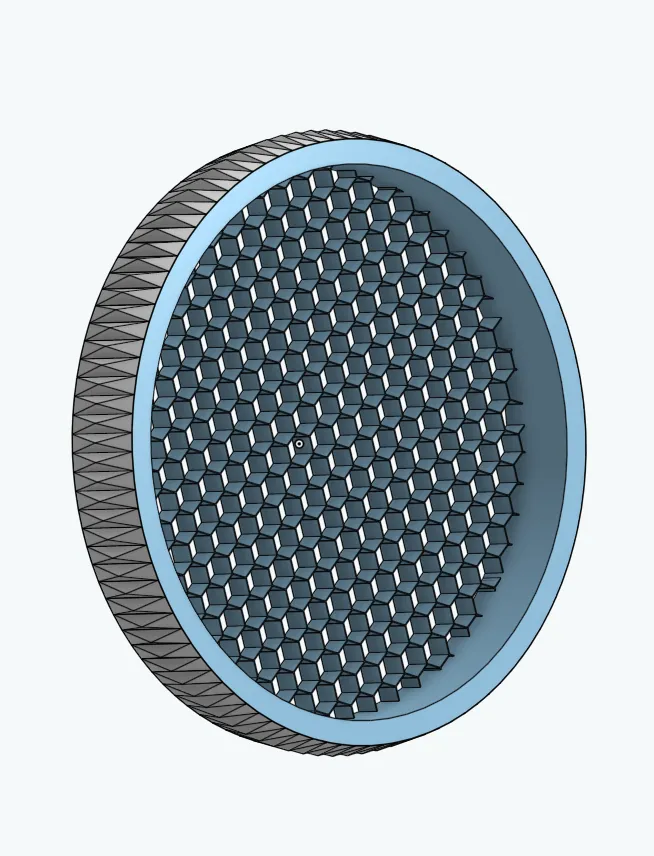
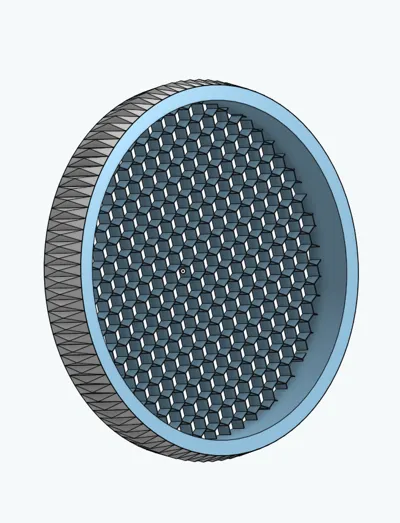
Simple hexagon cover for your instruments. The inside width is 62mm, use the scale option to make it fit the item you want it to fit. Use the minimum mm your printer can handle.
example: my sight is 58mm wide
100/62 = 1,61290323 x 58 = 93,5483871.
Answer: Your scale is 93,5483871% scale.
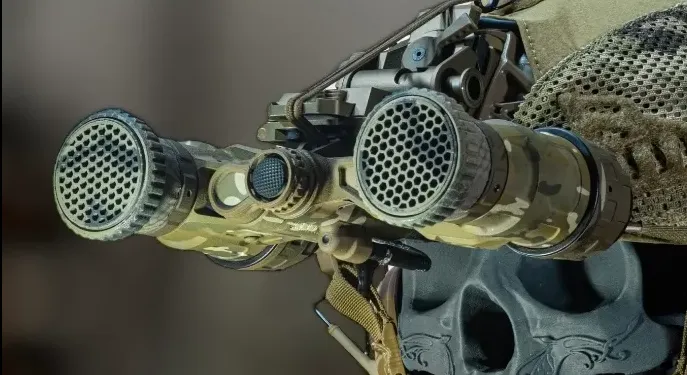
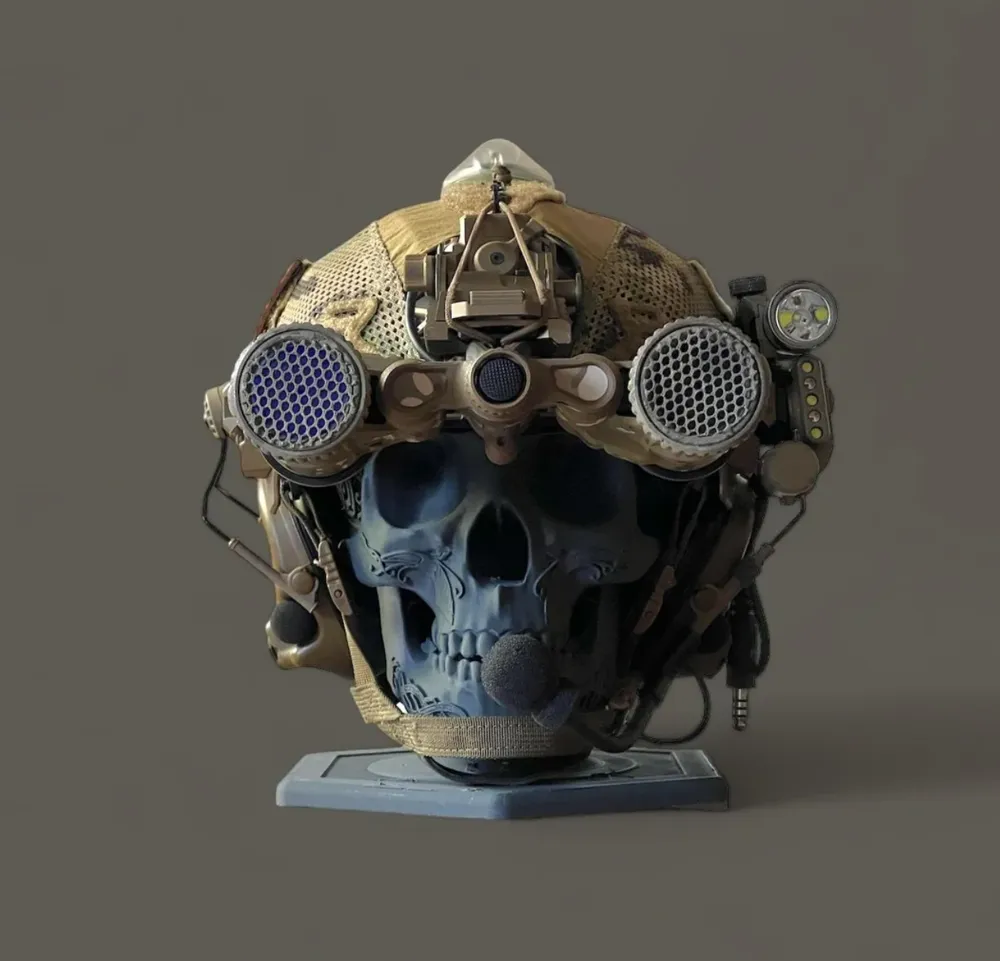
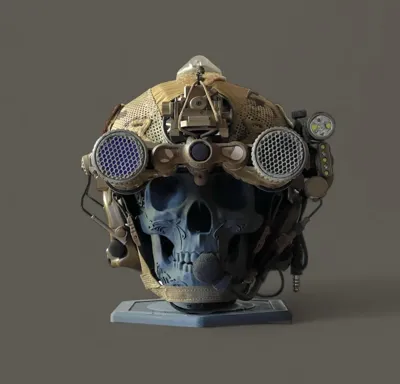
A killflash, also known as a honeycomb filter or anti-reflection device, is an accessory designed to reduce glare and minimize the reflection of light off the objective lens of a scope or other optical devices. It typically consists of a honeycomb-shaped grid or similar pattern that helps to obscure the lens from direct light sources and prevent the user from being visually detected by others. The main purpose of using a killflash is to maintain stealth by reducing the chances of the lens reflecting sunlight or artificial light, which could potentially reveal your position to an observer. This can be especially important in tactical situations where maintaining low visibility is critical. Killflashes are commonly used on scopes mounted on rifles used in military, law enforcement, and hunting applications. They can also be utilized on other optical devices such as binoculars, spotting scopes, and cameras. In addition to reducing glare and reflections, some killflashes also provide some level of protection for the objective lens against impact damage from debris or other hazards that may be encountered in rugged outdoor environments. Overall, a killflash serves as an effective tool for improving stealth and minimizing potential visual detection while using optical equipment in various scenarios.
License

You shall not share, sub-license, sell, rent, host, transfer, or distribute in any way the digital or 3D printed versions of this object, nor any other derivative work of this object in its digital or physical format (including - but not limited to - remixes of this object, and hosting on other digital platforms). The objects may not be used without permission in any way whatsoever in which you charge money, or collect fees.


Comment & Rating (11)