
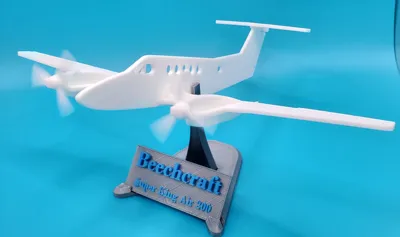
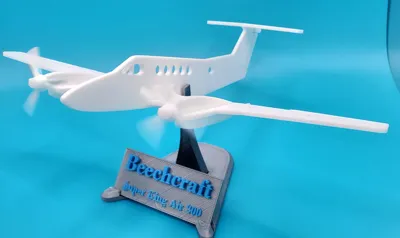
Beechcraft 200 Super King Air - Airplane Model Kit
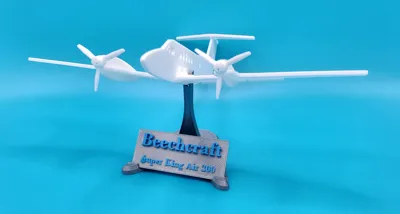
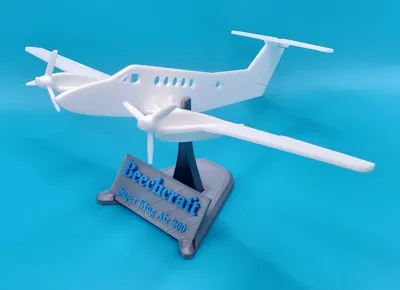
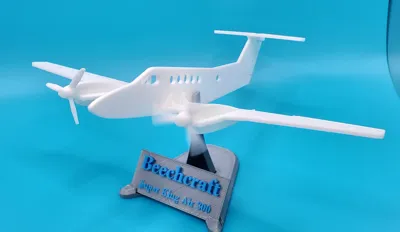
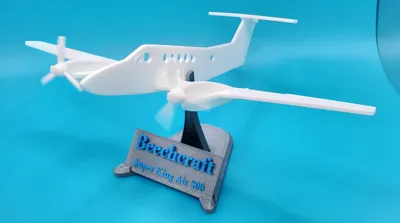
Print Profile(1)

Description
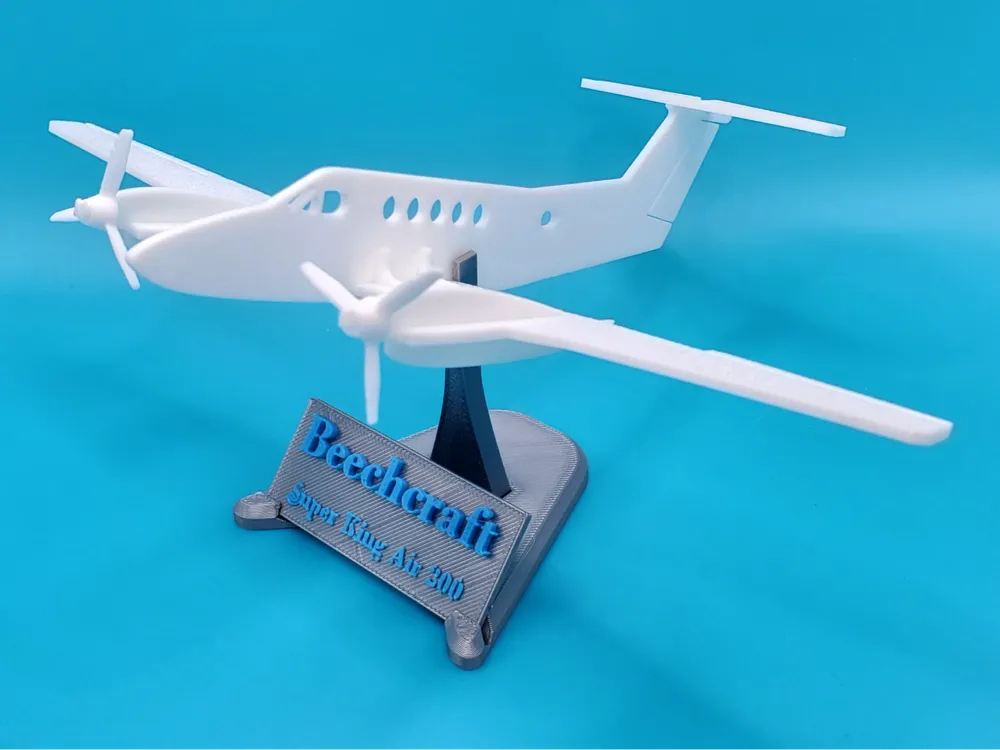
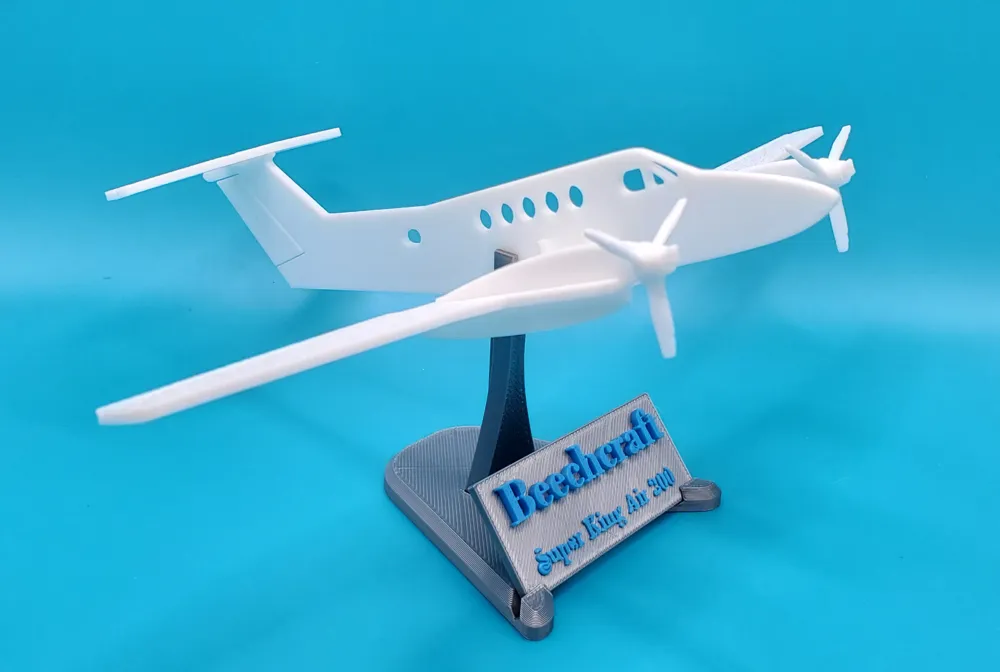
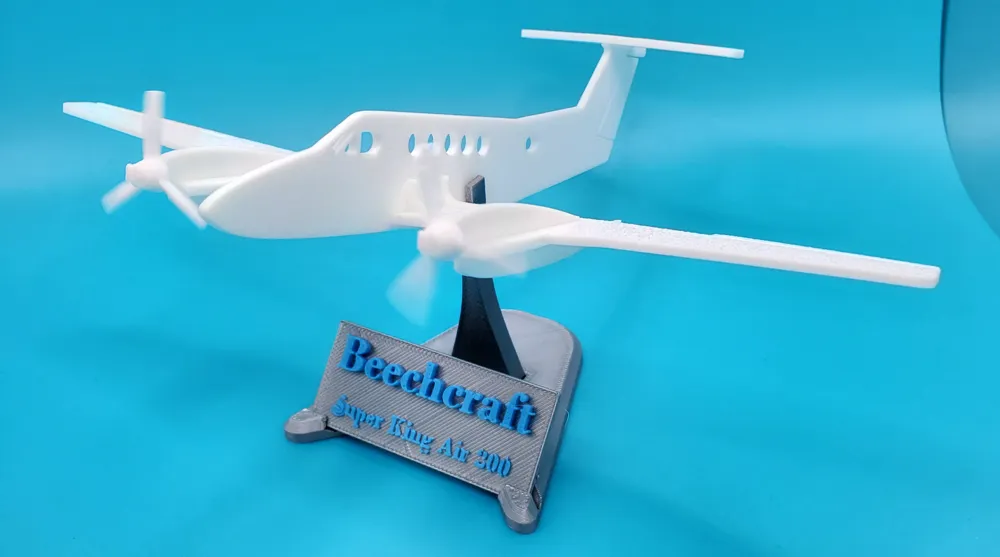
The Aircraft
The Beechcraft 200 Super King Air, developed by Beech Aircraft Corporation (now part of Textron Aviation), is a significant evolution in the King Air series, which has been a staple in the aviation industry since its inception in the 1960s. The development of the Super King Air 200 began in the early 1970s as a response to the growing demand for an aircraft that could offer better performance, range, and capacity than its predecessors, particularly the King Air 100.
Introduced in 1974, the Super King Air 200 was the first in the series to feature the distinctive T-tail design, which improved aerodynamic efficiency and handling characteristics. The aircraft is powered by two Pratt & Whitney Canada PT6A-41 turboprop engines, each delivering 850 shaft horsepower, allowing for a maximum cruise speed of around 290 knots and a ceiling of 35,000 feet.
The Super King Air 200 also introduced advancements in avionics and interior design, catering to the needs of both business and government operators. The cabin, pressurized for passenger comfort, can be configured in various layouts, typically accommodating 7 to 9 passengers in a standard executive arrangement, though it can carry up to 13 in higher-density configurations.
Over the years, the Beechcraft 200 underwent several upgrades, including the introduction of the B200 variant in 1981, which featured more powerful PT6A-42 engines and further improvements in avionics. The aircraft's versatility has led to its widespread adoption in roles such as corporate transport, air ambulance services, maritime patrol, and military surveillance. The U.S. military operates modified versions under the designations C-12 Huron and RC-12 Guardrail.
With over 3,500 units built, the Beechcraft Super King Air 200 remains one of the most popular and enduring aircraft in its class, known for its reliability, performance, and ability to adapt to a wide range of missions.
The Model
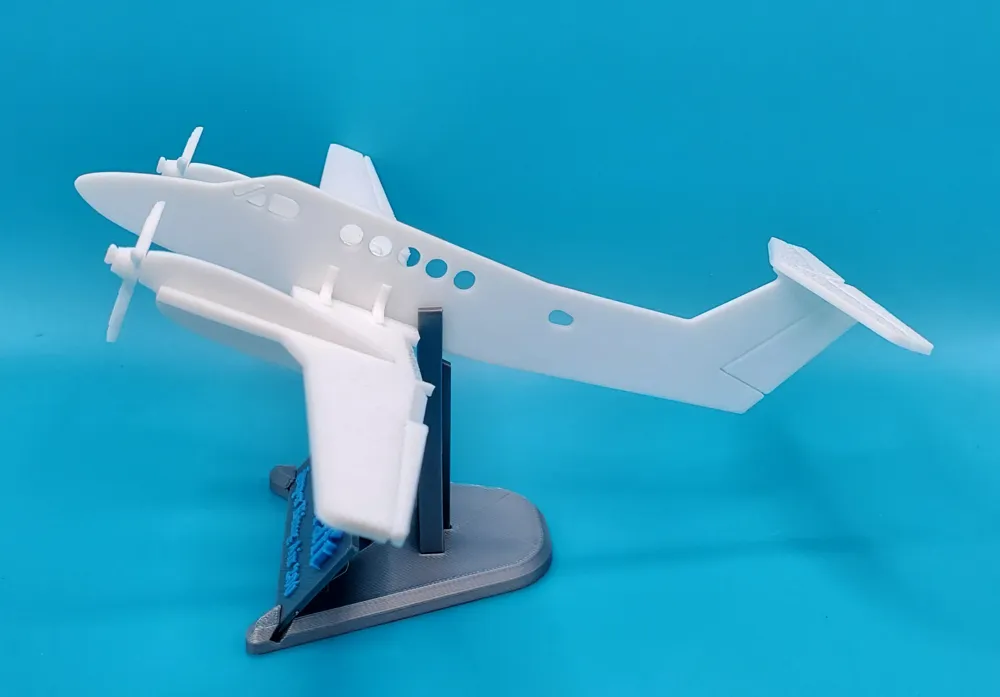
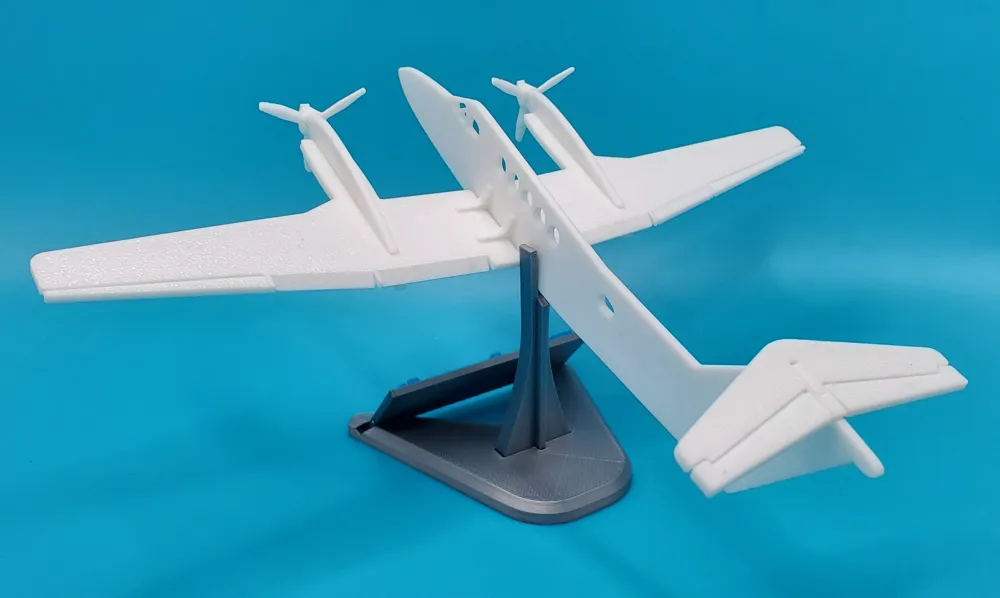
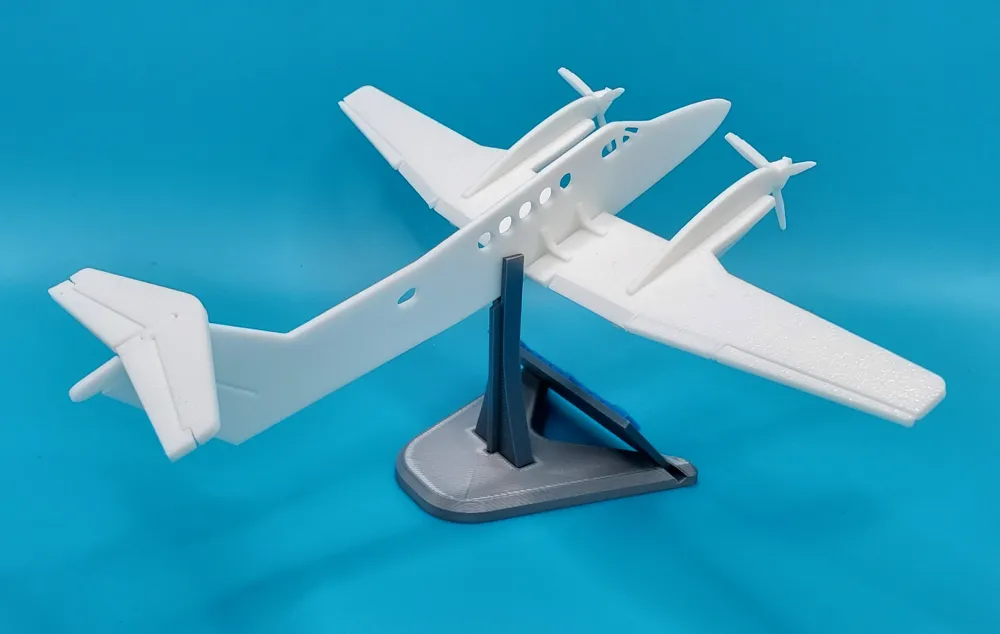
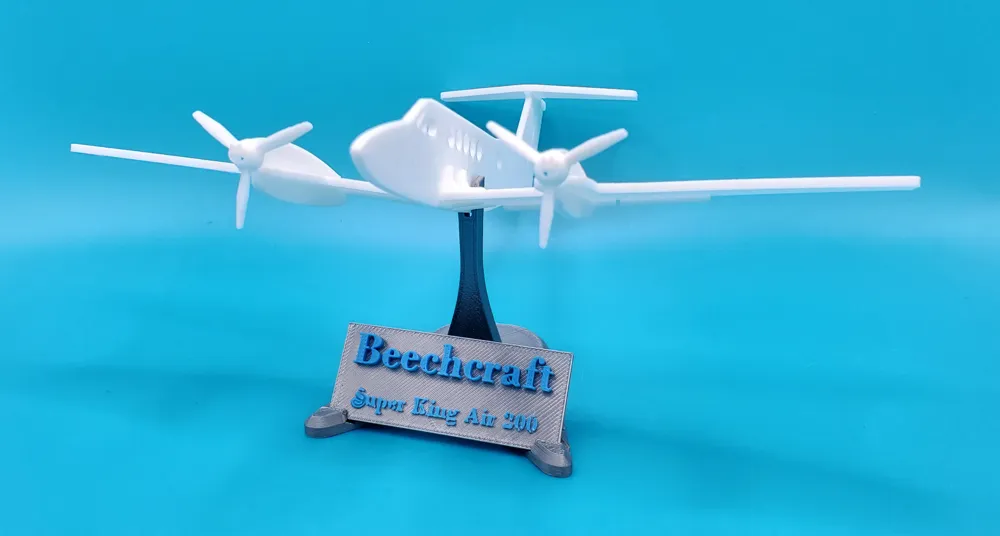
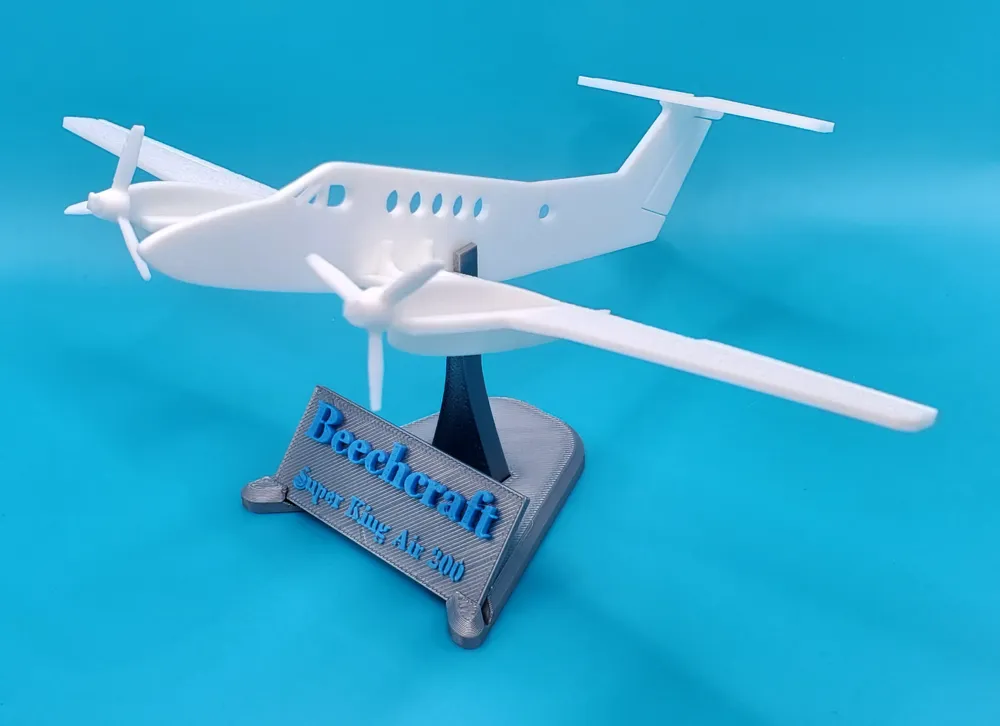
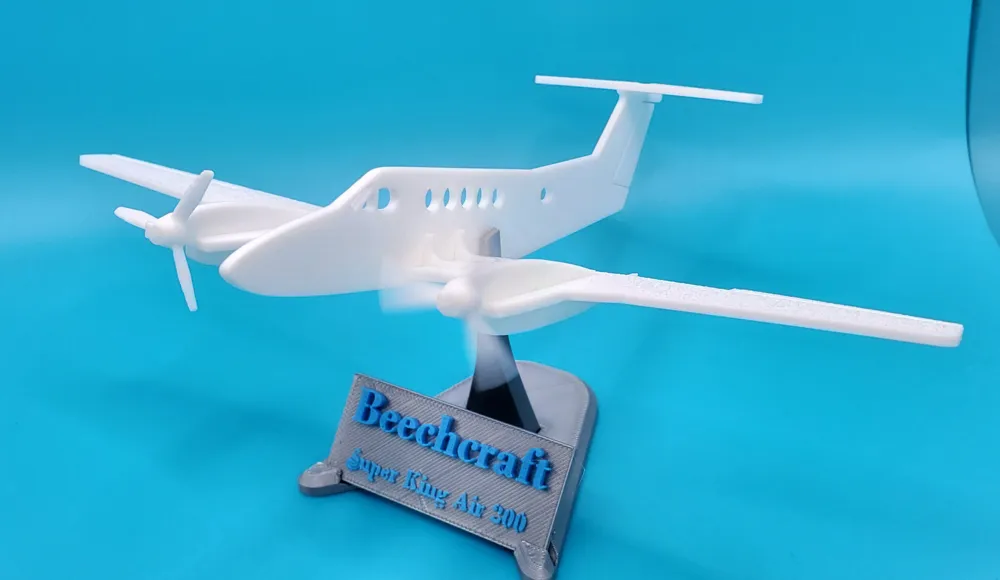
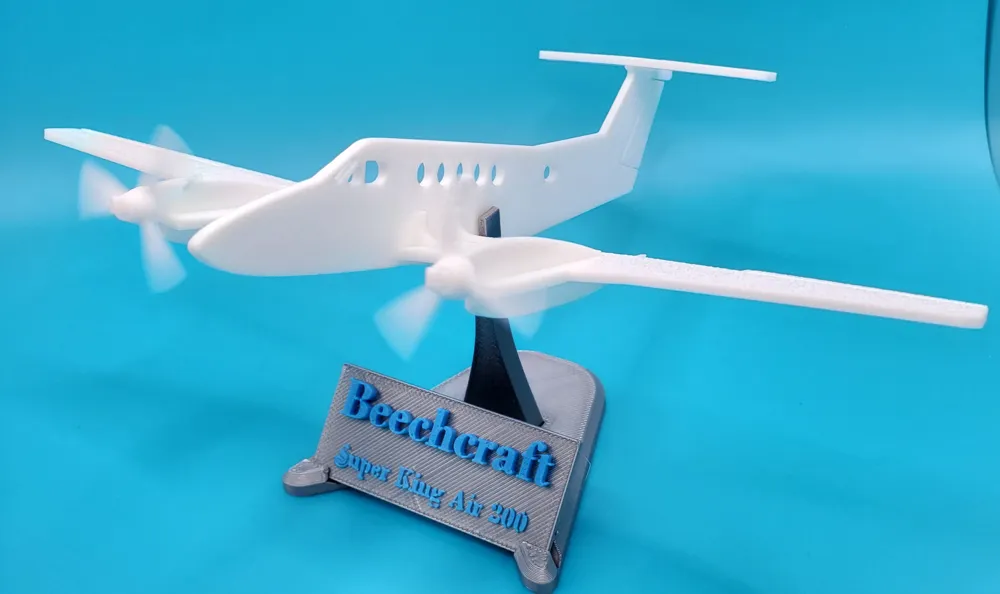
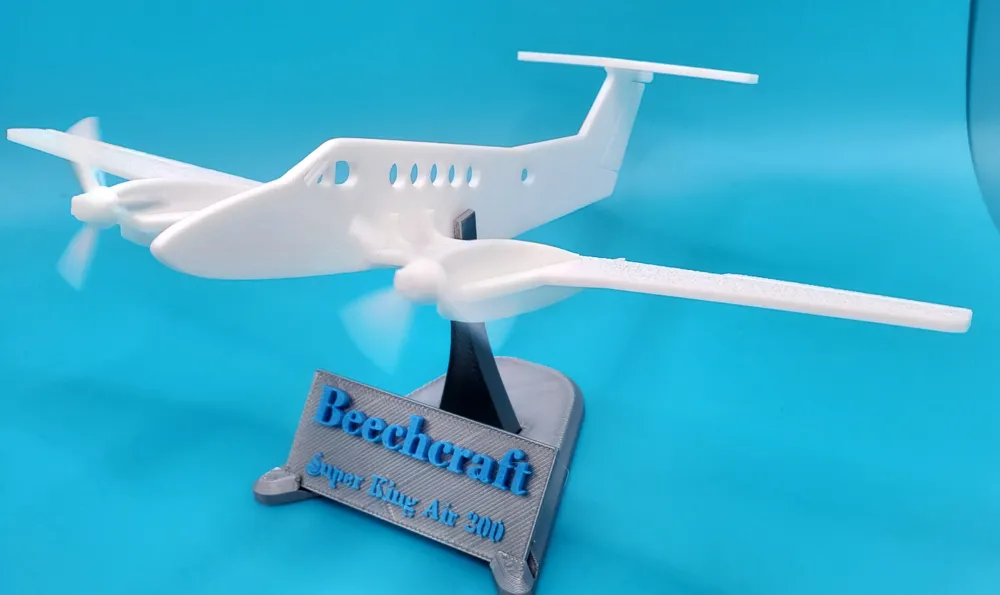
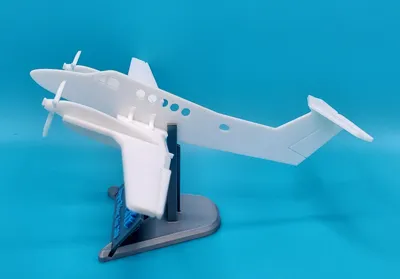
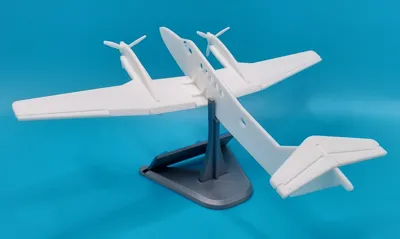
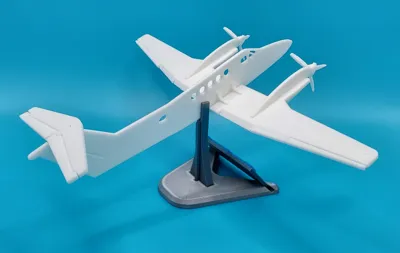
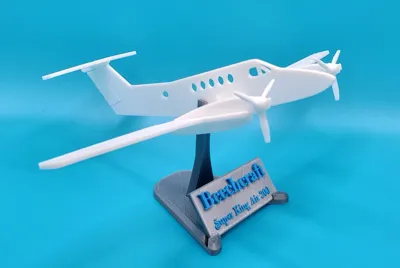
This one goes together pretty well, and didn't require glue for me. You may need a pliers to squish the prop shaft a bit for the prop to get over it. Just don't over do it, no pilot likes a prop that flies off. :-)
License

You shall not share, sub-license, sell, rent, host, transfer, or distribute in any way the digital or 3D printed versions of this object, nor any other derivative work of this object in its digital or physical format (including - but not limited to - remixes of this object, and hosting on other digital platforms). The objects may not be used without permission in any way whatsoever in which you charge money, or collect fees.


Comment & Rating (1)