
Print Profile(1)

Bill of Materials

Description
Membership
Support my work, thank you~!
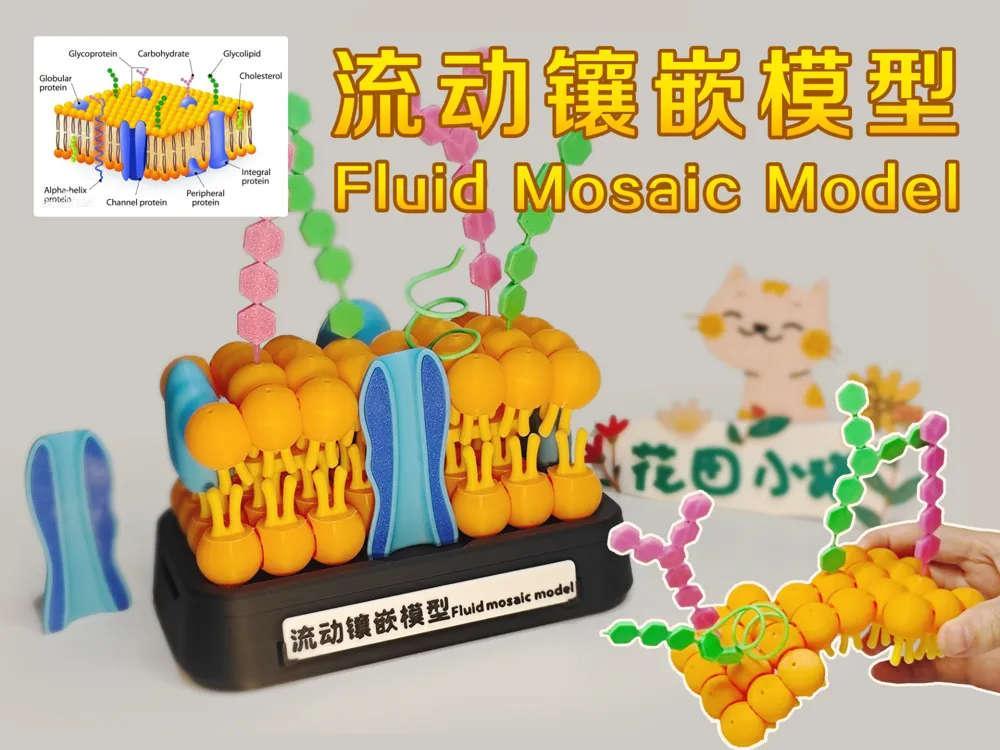
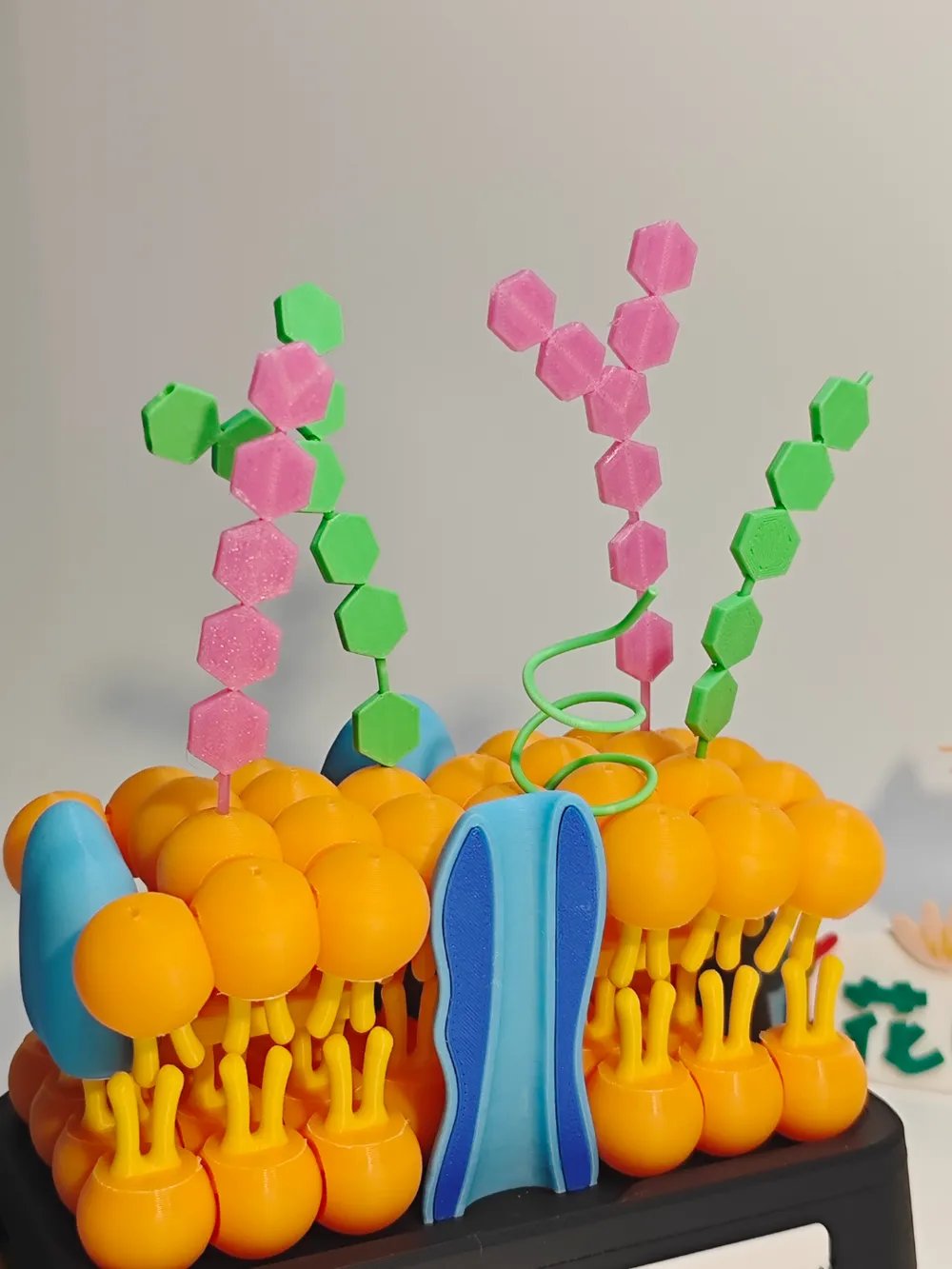
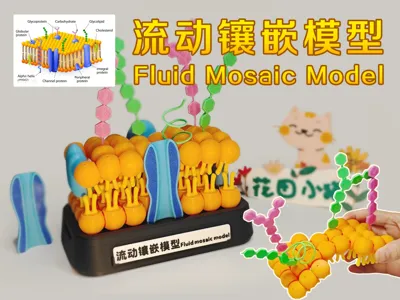
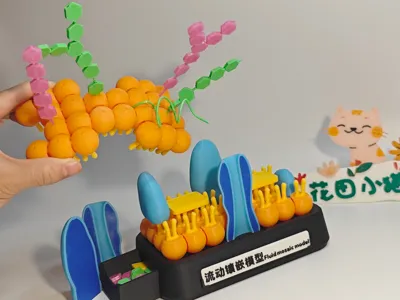
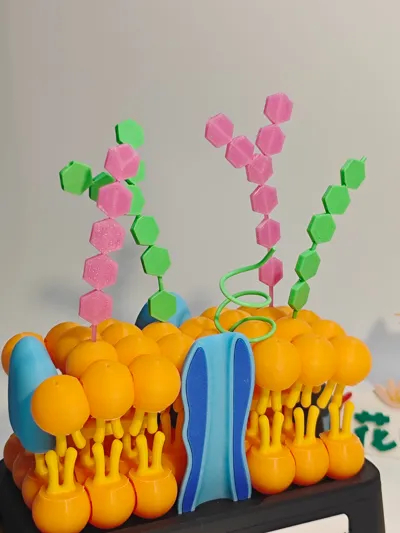
Fluid Mosaic Model
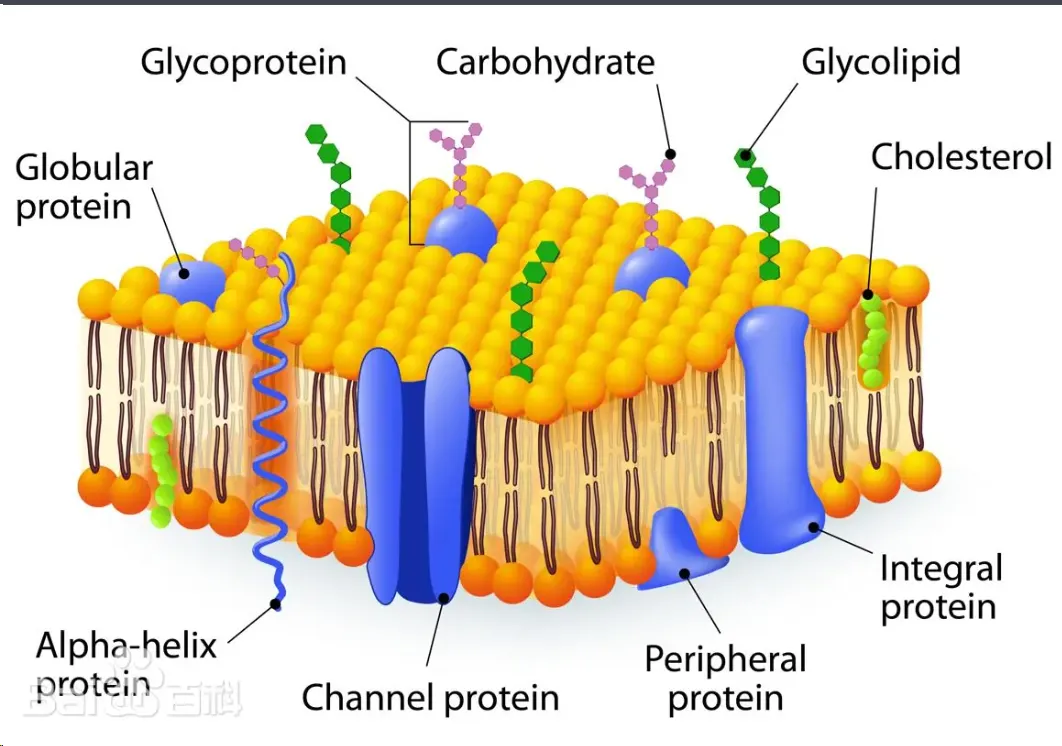
The phospholipid bilayer serves as the fundamental structure of the cell membrane, and the membrane's fluidity, along with its embedded proteins and molecules, play a crucial role in maintaining cellular functions.
The phospholipid bilayer is the basic structure of the cell membrane, and the fluidity of the cell membrane along with the various proteins and molecules within it play a key role in maintaining cellular functions.
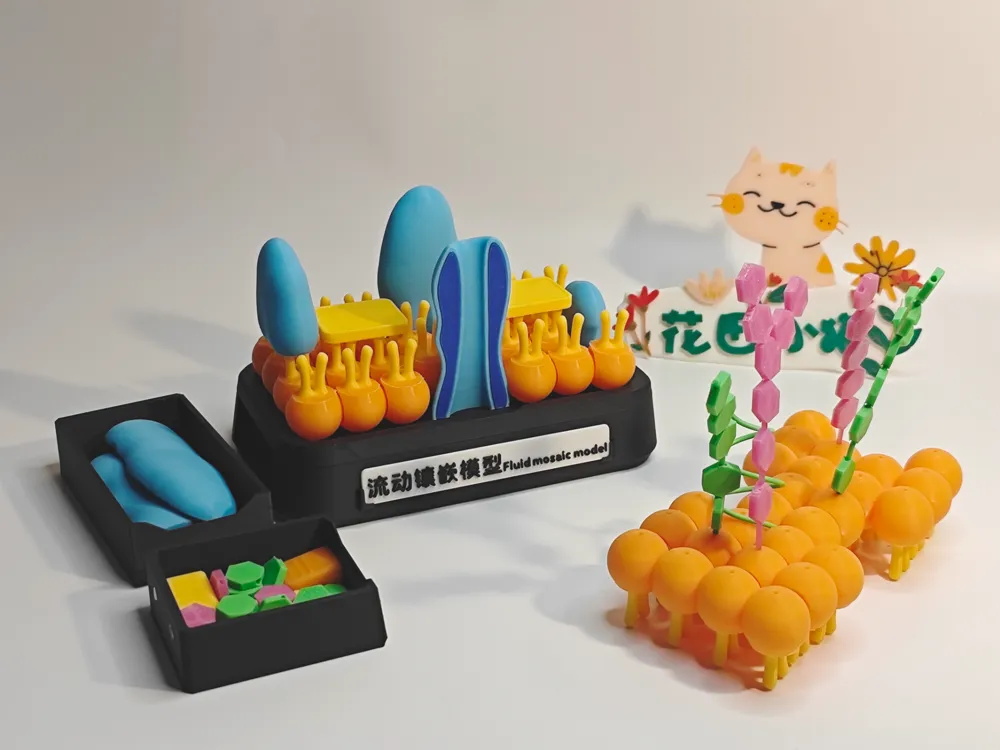
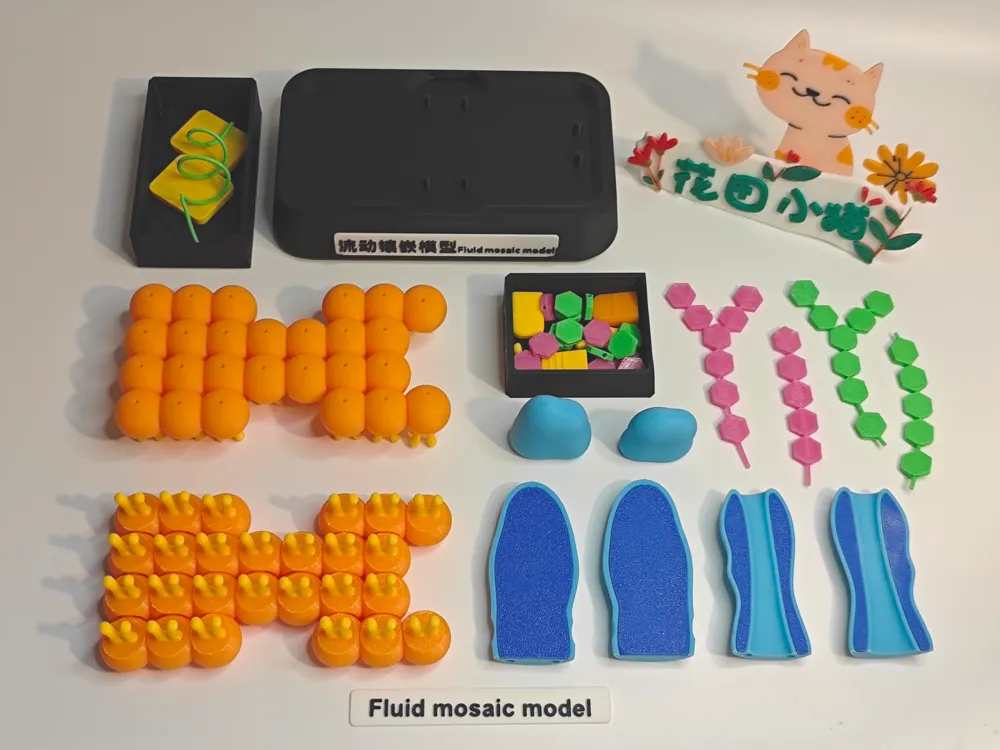
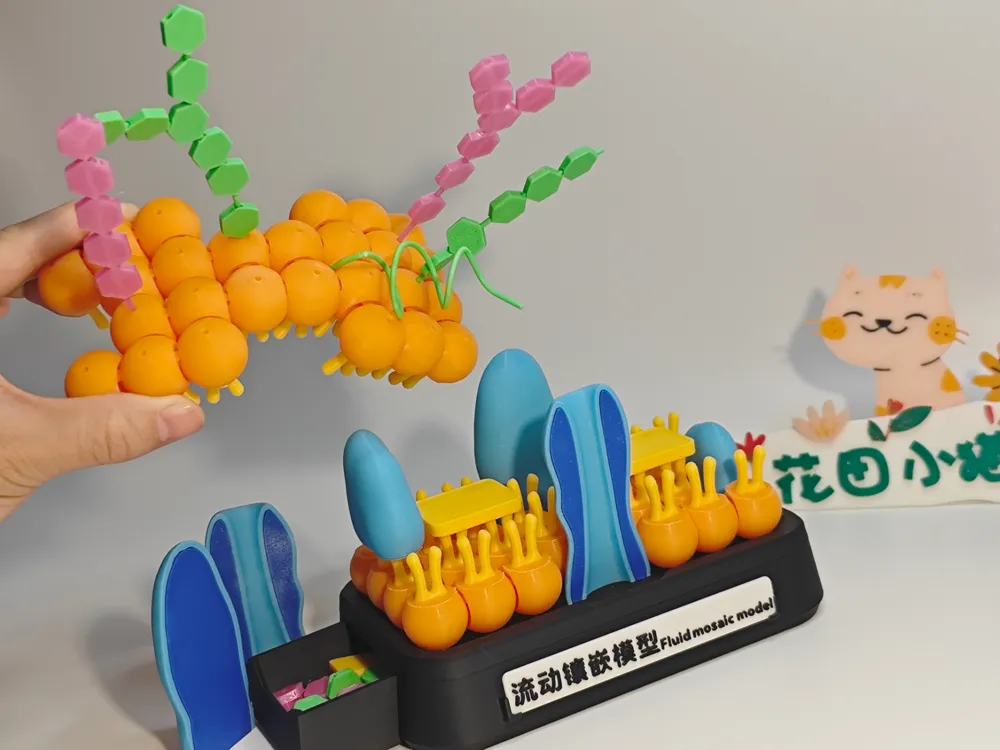
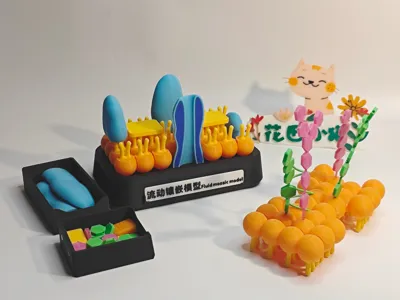
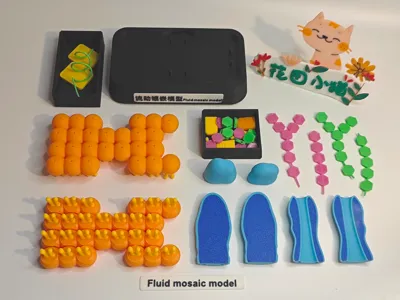
To gain a more intuitive understanding of these structures and their functions, I have crafted several handmade models, encompassing the phospholipid bilayer, channel proteins, integral proteins, peripheral proteins, globular proteins, carbohydrates, and glycoproteins.
To better understand these structures and their functions, I have created several handcrafted models, including those representing the phospholipid bilayer, channel proteins, integral proteins, peripheral proteins, globular proteins, carbohydrates, and glycoproteins.
These models are particularly suitable for biology courses, especially when delving into cell biology and biochemistry. They aim to enhance the interactivity and enjoyment of teaching by facilitating a deeper comprehension of the cell membrane's composition and functions through the use of physical representations.
These models are suitable for biology courses, especially when teaching cell biology and biochemistry. They are designed to help students gain a deeper understanding of the composition and functions of the cell membrane through the display of physical models, enhancing the interactivity and fun of teaching.
Model Description:
1 Phospholipid Bilayer Model
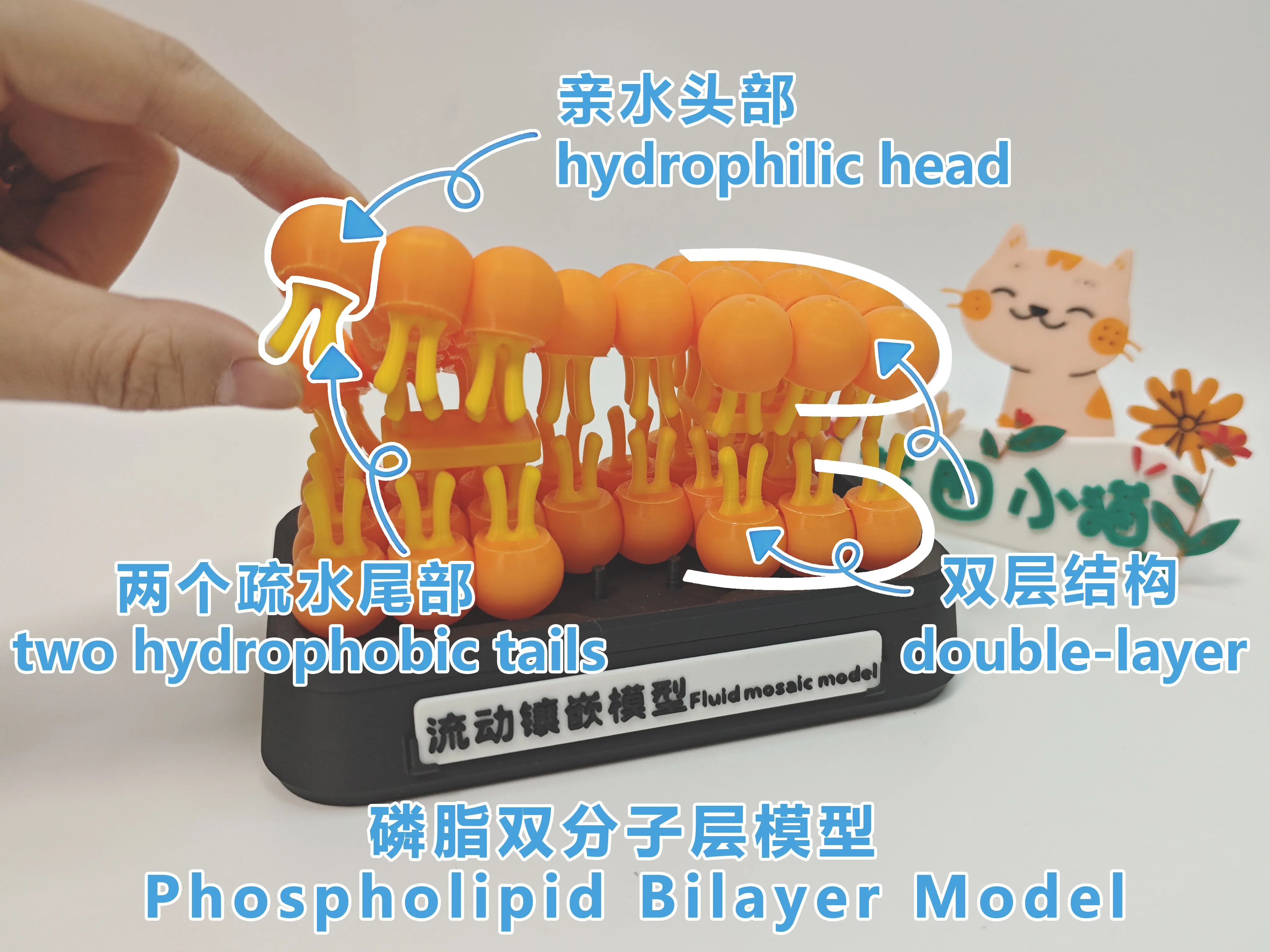
Characteristics: This model showcases the bilayer structure composed of phospholipid molecules, with each phospholipid molecule featuring a hydrophilic head and two hydrophobic tails.
Features: This model demonstrates the double-layer structure composed of phospholipid molecules, with each phospholipid molecule consisting of a hydrophilic head and two hydrophobic tails.
Function: It simulates the fundamental framework of the cell membrane, illustrating the bilayer's positioning and structure within the cell.
Function: It simulates the basic framework of the cell membrane, demonstrating the position and structure of the bilayer within the cell.
2 Channel Protein Model
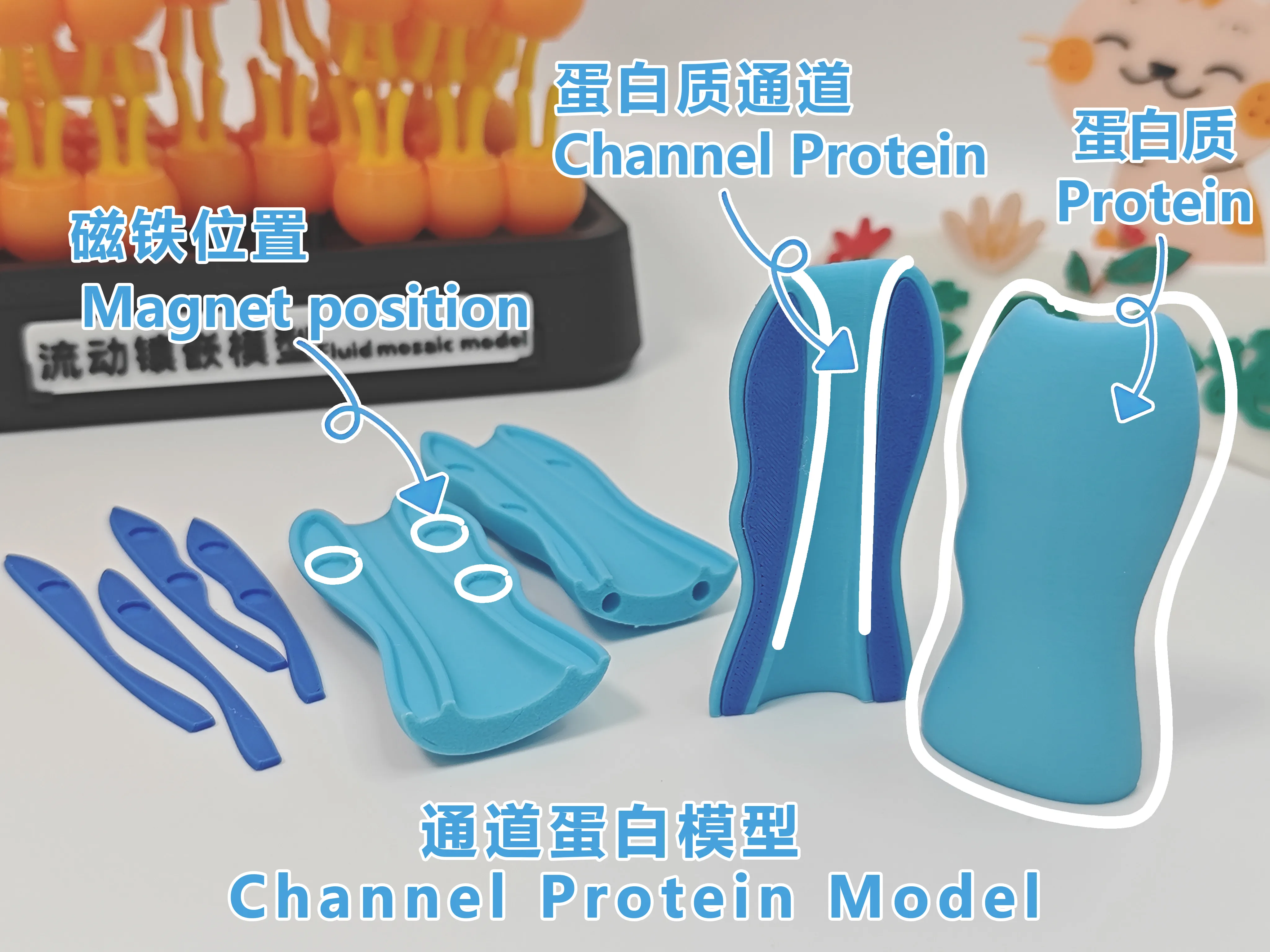
Characteristics: This model presents protein channels embedded within the phospholipid bilayer, simulating the channels through which substances traverse the cell membrane.
Features: This model displays protein channels embedded in the phospholipid bilayer, simulating the channels through which substances pass through the cell membrane.
Function: It aids in comprehending how substances, such as ions and water molecules, pass into and out of the cell membrane through selective channels.
Function: It helps to understand how substances, such as ions and water molecules, pass in and out of the cell membrane through selective channels.
(Special Note: The installation of magnets in this model requires glue for added stability. The magnets are 5mm x 2mm in size, and I've already added them to the materials list. Please feel free to purchase them as needed.)
3 Integral Protein Model
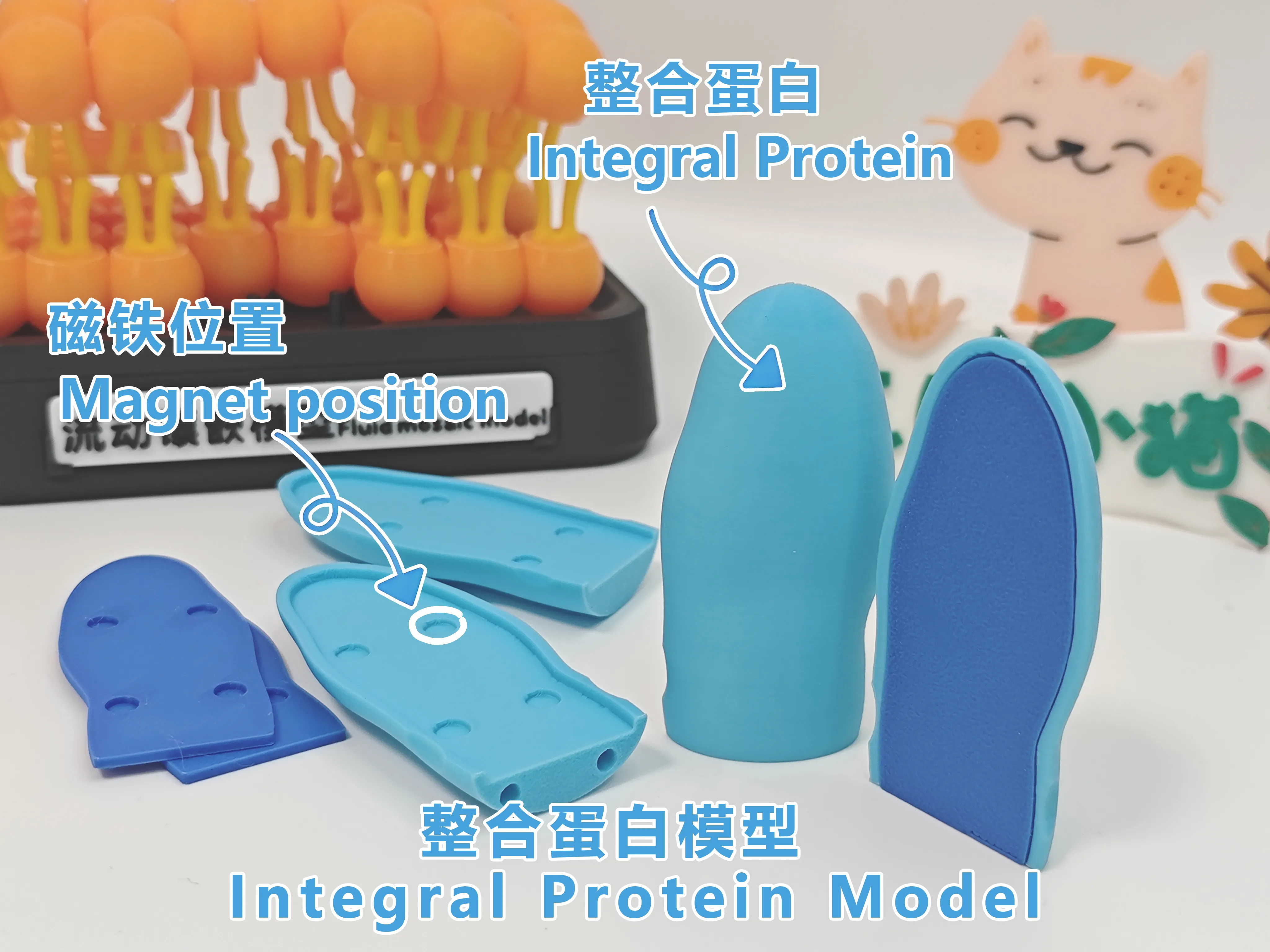
Characteristics: This model displays integral proteins that extend across the bilayer, simulating the interaction between cells and their external environment.
Features: This model displays integral proteins that span the bilayer, simulating the interaction between cells and their external environment.
Function: It illustrates the role of integral proteins in signal transduction, intercellular connections, and interactions with the extracellular matrix.
Function: It demonstrates the role of integral proteins in signal transduction, intercellular connections, and interactions with the extracellular matrix.
(Special Note: The installation of magnets in this model requires glue for added stability. The magnets are 5mm x 2mm in size, and I've already added them to the materials list. Please feel free to purchase them as needed.)
4 Helical Protein Model
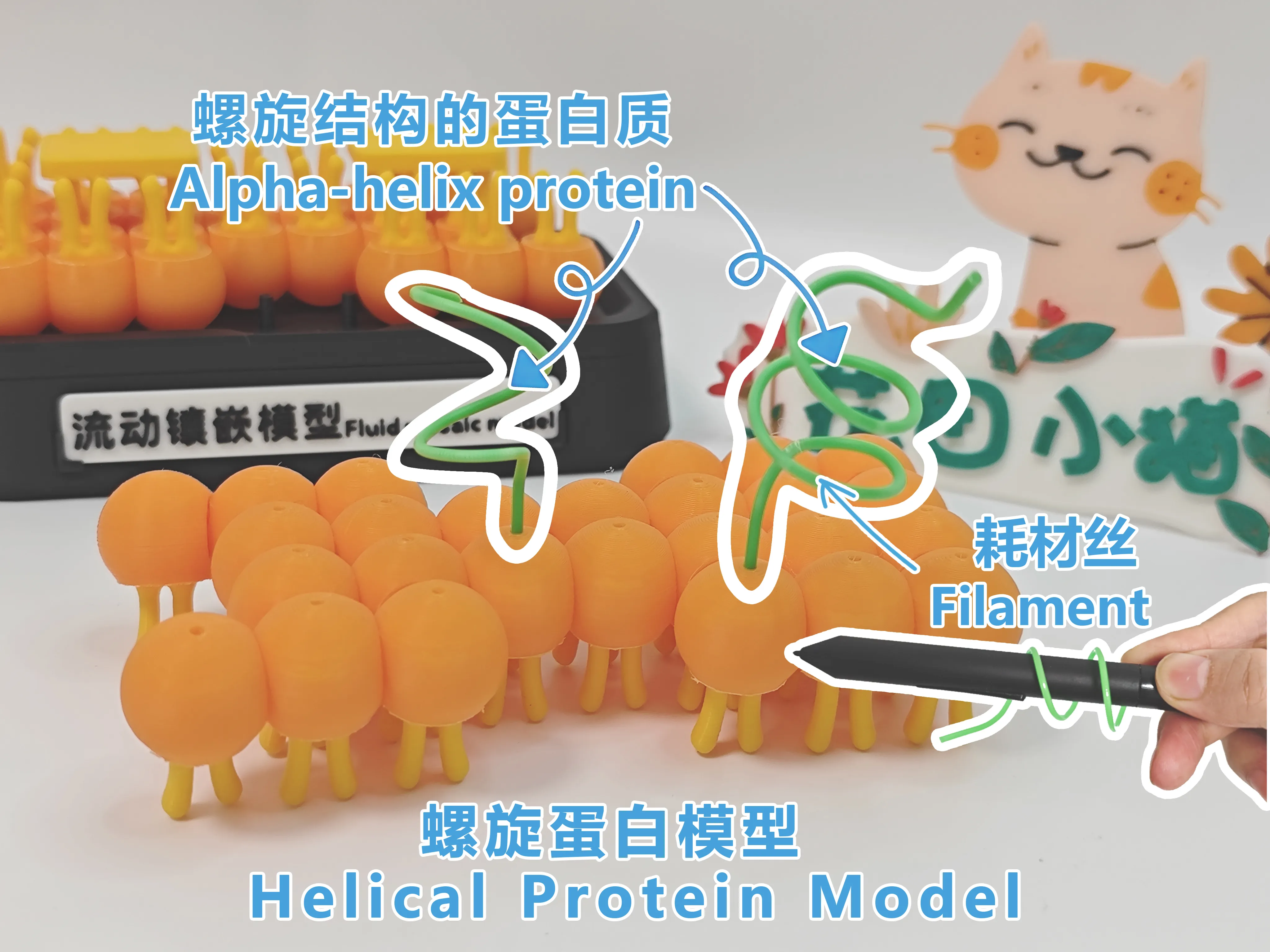
Characteristics: This model showcases proteins with α-helical structures, simulating their role in the cell membrane.
Features: This model displays proteins with α-helical structures, simulating their role in the cell membrane.
Function: It aids in understanding the importance of this protein structure in the stability and functionality of the cell membrane.
Function: It helps to understand the importance of this protein structure in the stability and function of the cell membrane.
(Special instructions: A cylindrical tool is needed to wrap and shape, for example, a pen barrel is a good choice.
Special instructions: A cylindrical tool is needed to wrap and shape, for example, a pen barrel is a good choice.
5 Globular Protein Model and Peripheral Protein
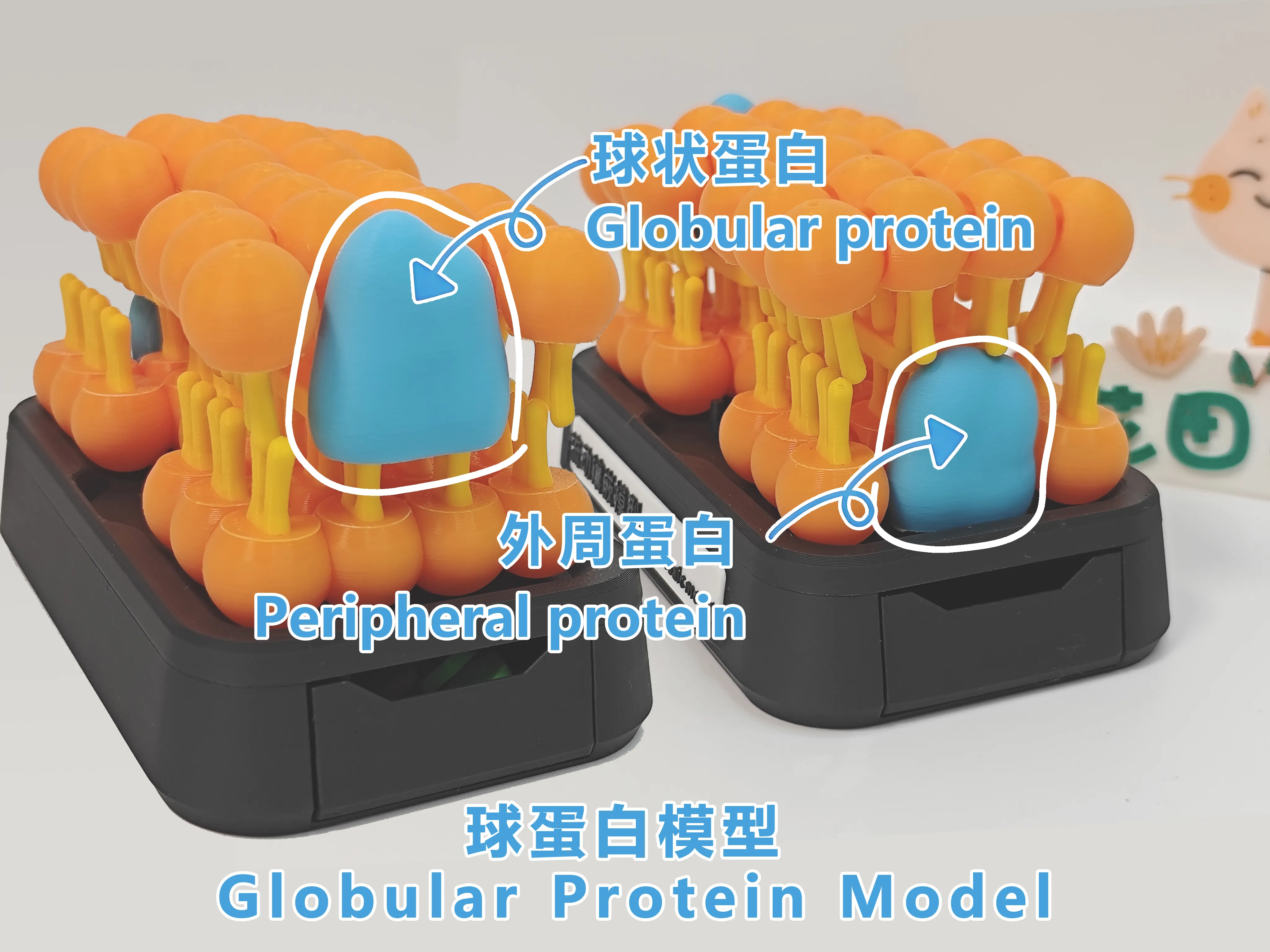
Characteristics: This model displays globular proteins, simulating their functions both within and outside the cell.
Features: This model displays globular proteins, simulating their functions inside and outside the cell.
Function: It helps to understand the role of globular proteins in immune responses and the regulation of cellular functions.
Function: It helps to understand the role of globular proteins in immune responses and the regulation of cellular functions.
6 Carbohydrate Model
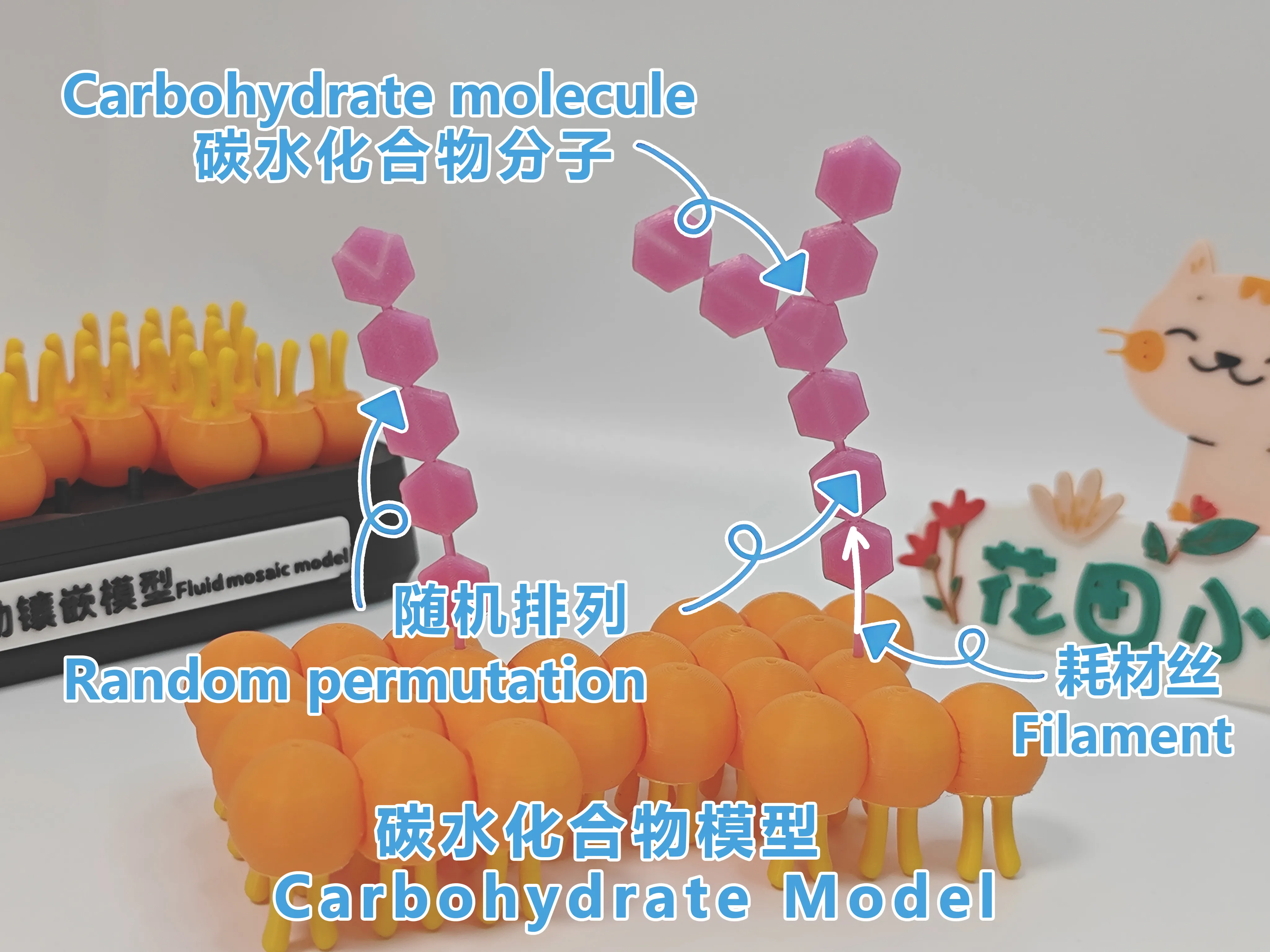
Characteristics: This model showcases carbohydrate molecules located on the cell membrane.
Features: This model displays carbohydrate molecules on the cell membrane.
Function: It assists in comprehending the role of these molecules in cell recognition and signal transduction.
Function: It helps to understand the role of these molecules in cell recognition and signal transduction.
7 Glycoprotein Model
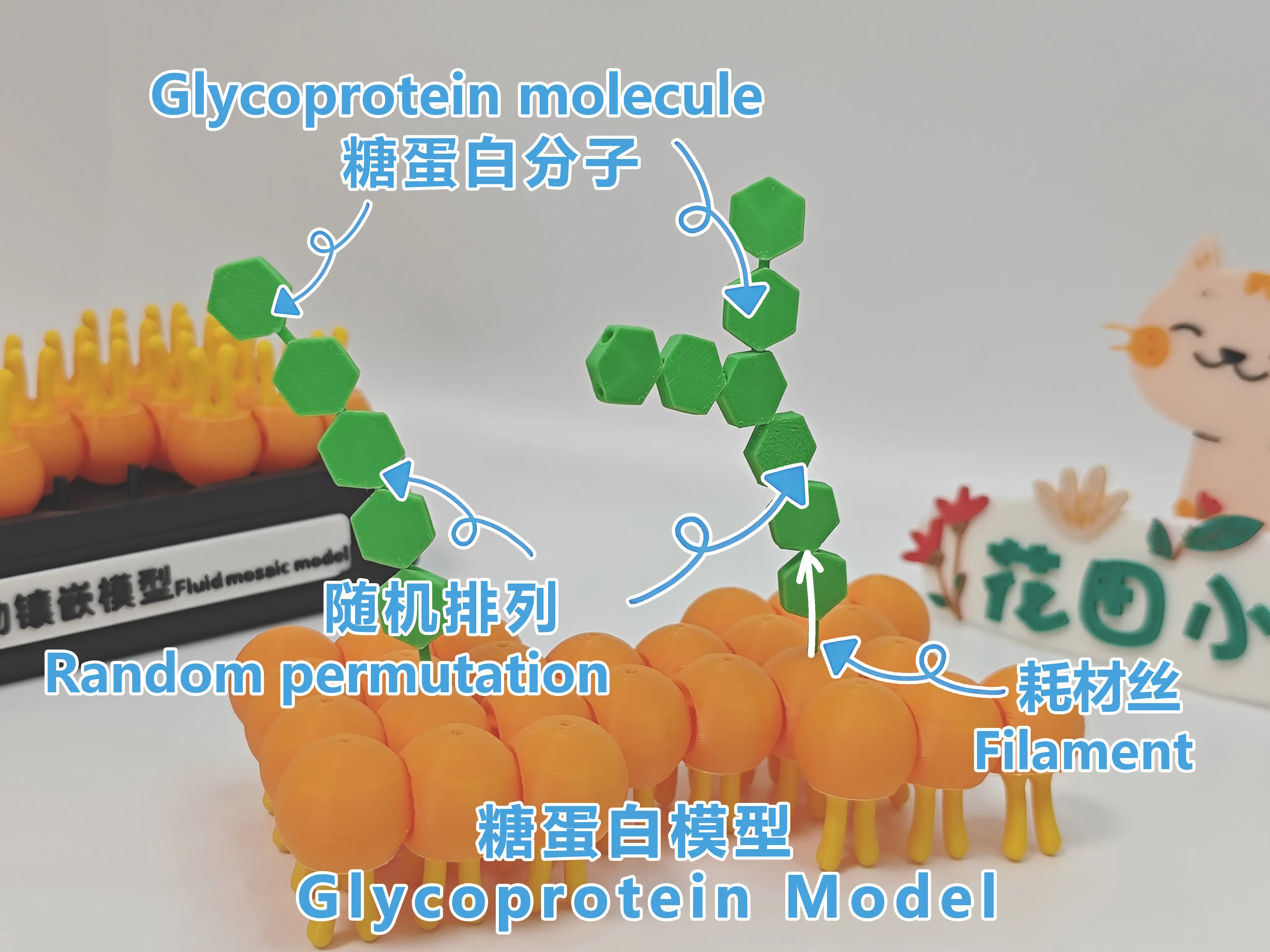
Characteristics: This model presents membrane proteins with glycosylation, simulating their functions in cell recognition and signal transduction.
Features: This model displays membrane proteins with glycosylation, simulating their functions in cell recognition and signal transduction.
Function: It aids in understanding the role of glycoproteins in cell recognition, immune responses, and cellular communication.
Function: It helps to understand the role of glycoproteins in cell recognition, immune responses, and cellular communication.
-------------------------------------------------------------------------------------------------------------------------------
Assembly Instructions for Storage Box with Drawers:

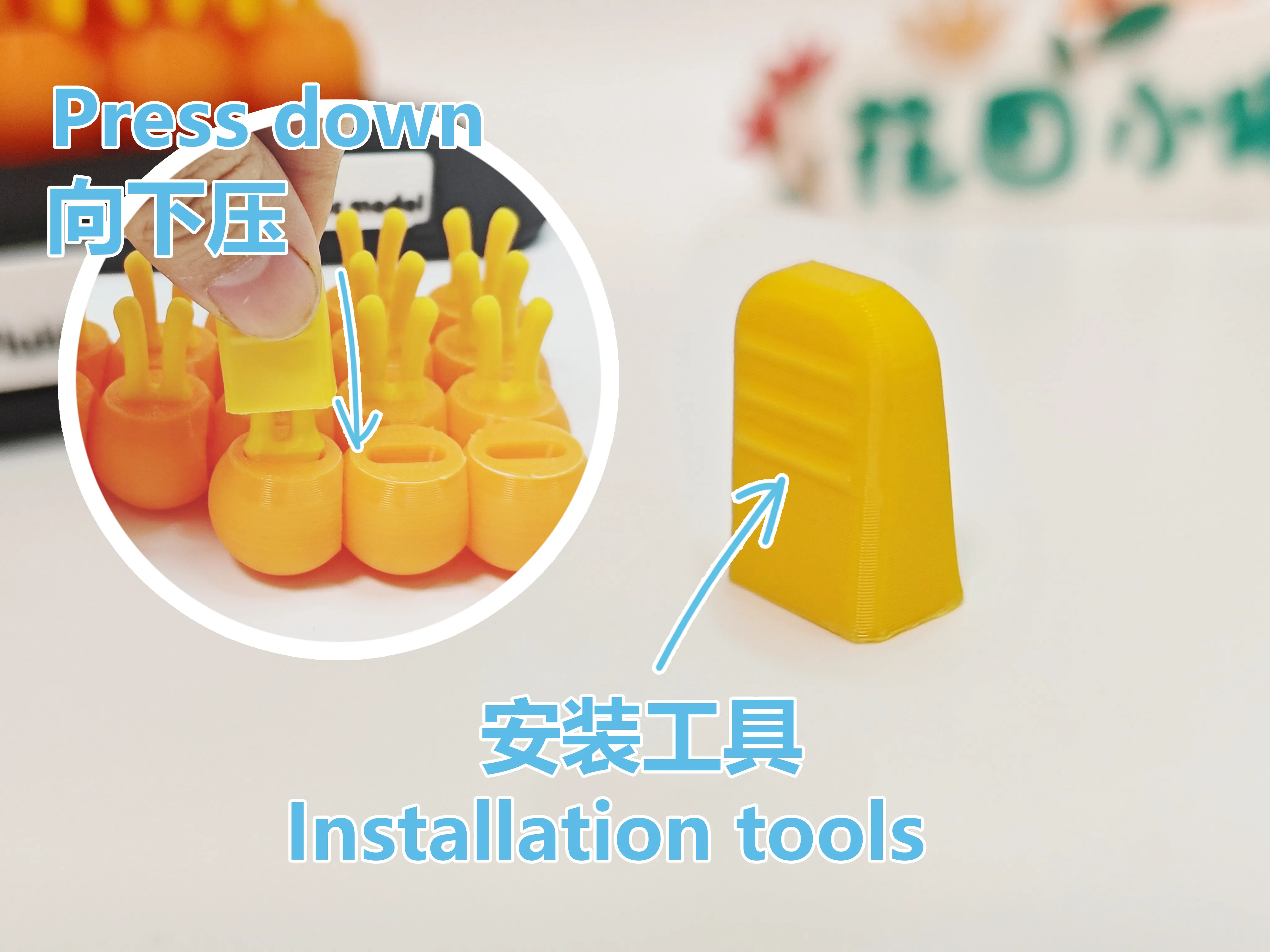
You have the option to install magnets to enhance the security of the drawers. The recommended magnets are 5x2mm, although I found them to be slightly smaller than expected. For installation, you can use a hard object to press the magnets into place to secure them.
You can choose to install magnets to make the drawers more secure. The recommended magnets are 5x2mm, but I found them to be slightly smaller than expected. For installation, you can use a hard object to press the magnets into place to secure them.
Phospholipid Bilayer Installation Tool:
The above was constructed based on reference materials. If you notice any inaccuracies or potential improvements, please leave a comment or send me a private message. Your feedback will be highly valued, and I will diligently implement the necessary adjustments. Thank you for your understanding and support!
The above was created based on reference materials. If there are any inaccuracies or areas for improvement, please leave a comment or send me a private message. I will take your feedback seriously and make the necessary changes. Thank you for your understanding and support!
This is a build video posted on Bilibili. Feel free to check it out if you have any questions or are interested.
Boost Me (for free)
Membership
Support my work, thank you~!
License

You shall not share, sub-license, sell, rent, host, transfer, or distribute in any way the digital or 3D printed versions of this object, nor any other derivative work of this object in its digital or physical format (including - but not limited to - remixes of this object, and hosting on other digital platforms). The objects may not be used without permission in any way whatsoever in which you charge money, or collect fees.


Comment & Rating (28)