
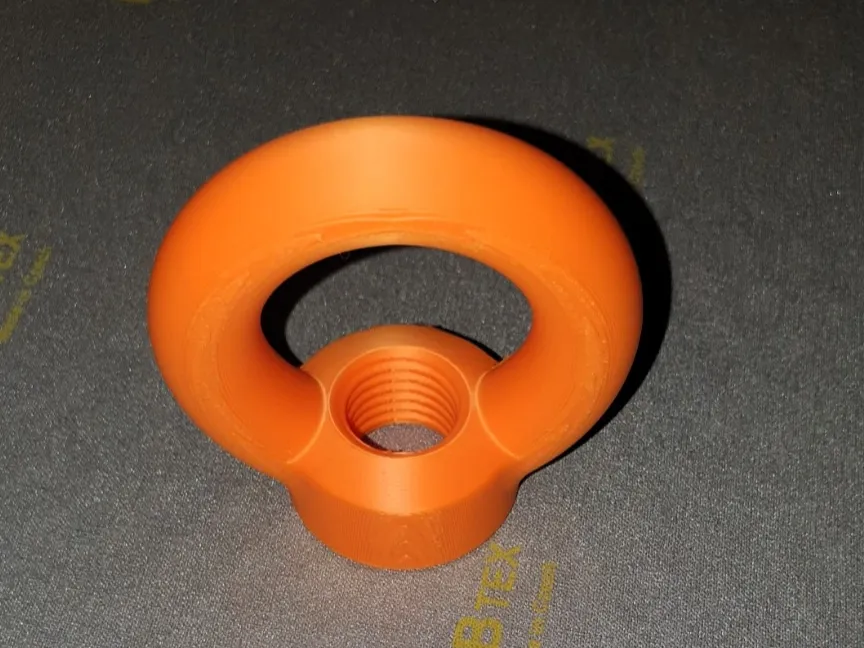
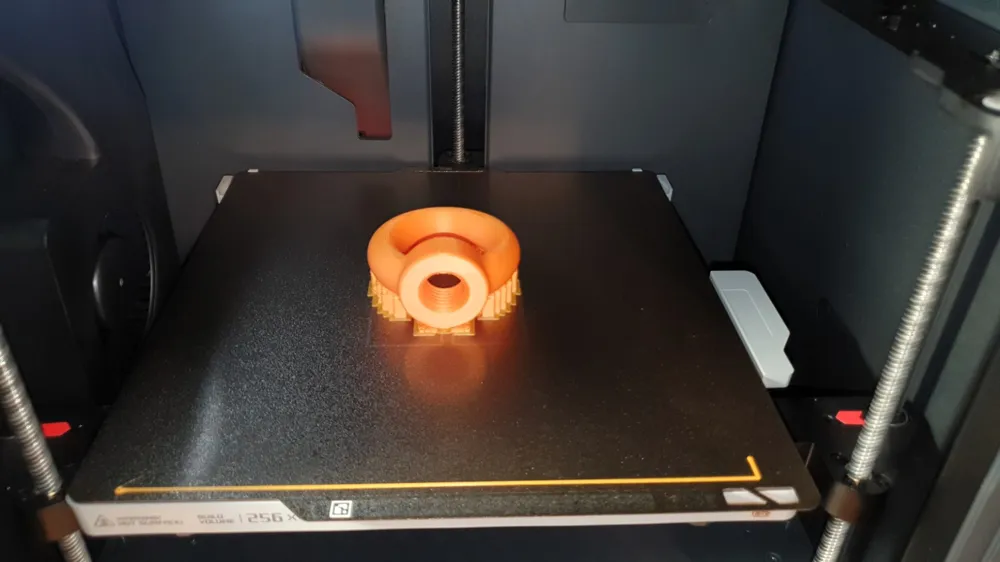
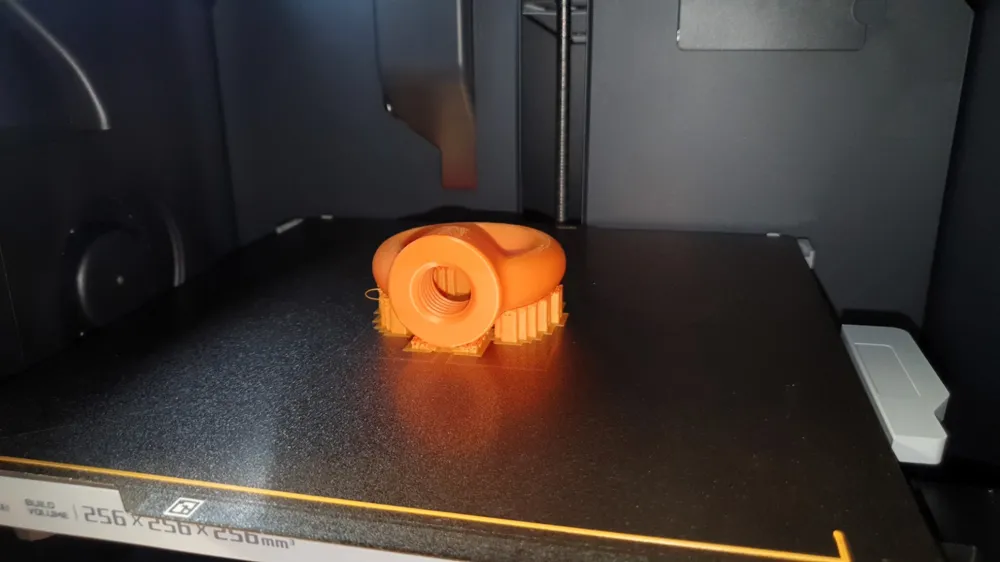
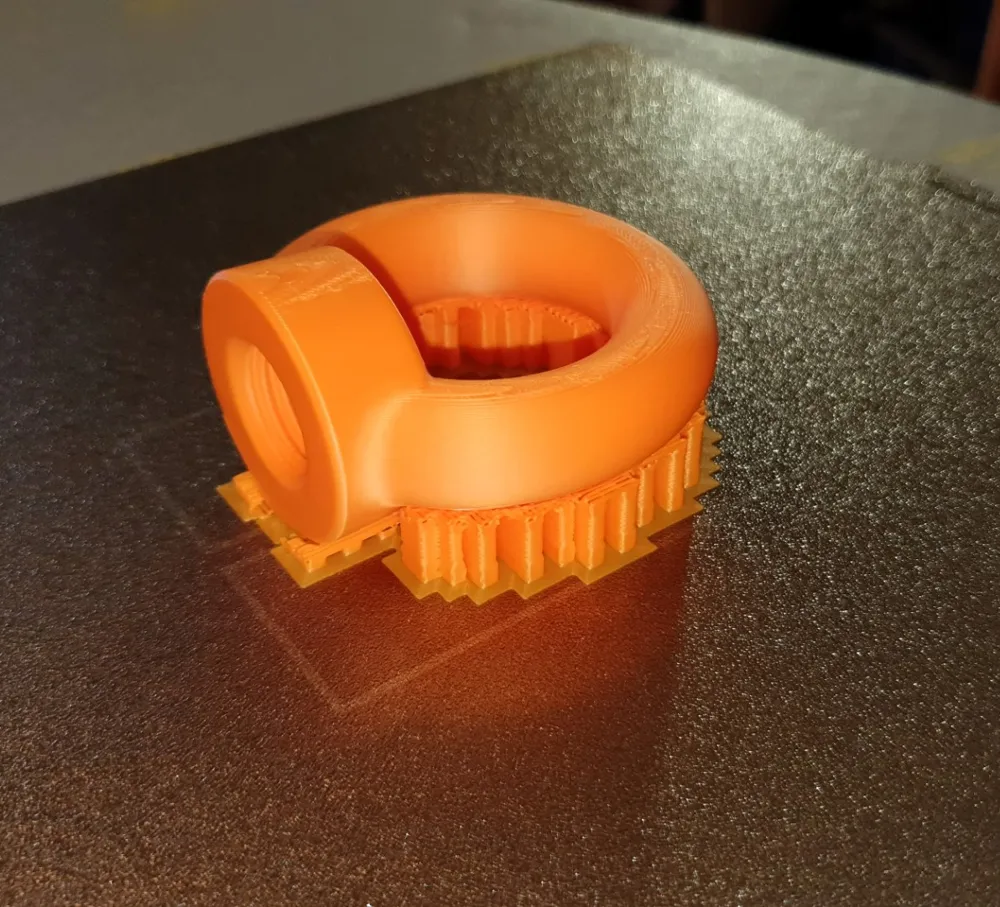
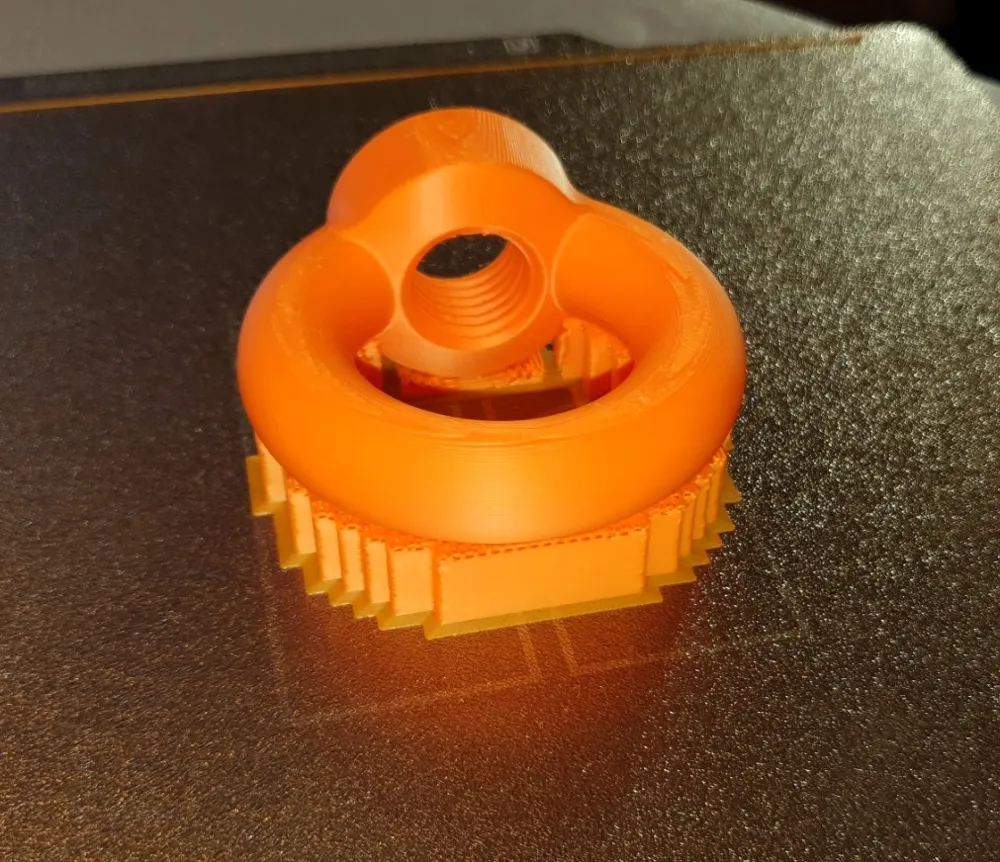
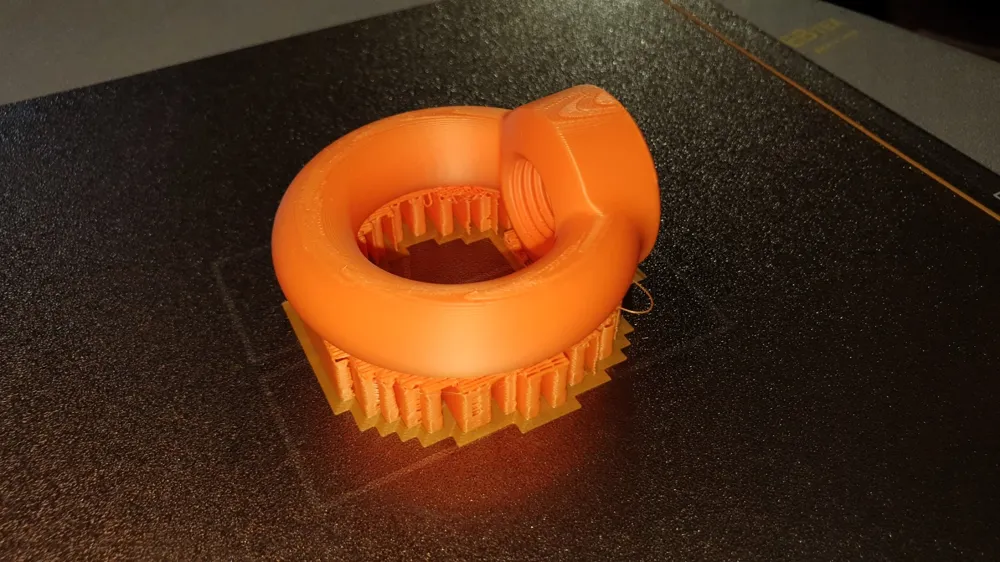
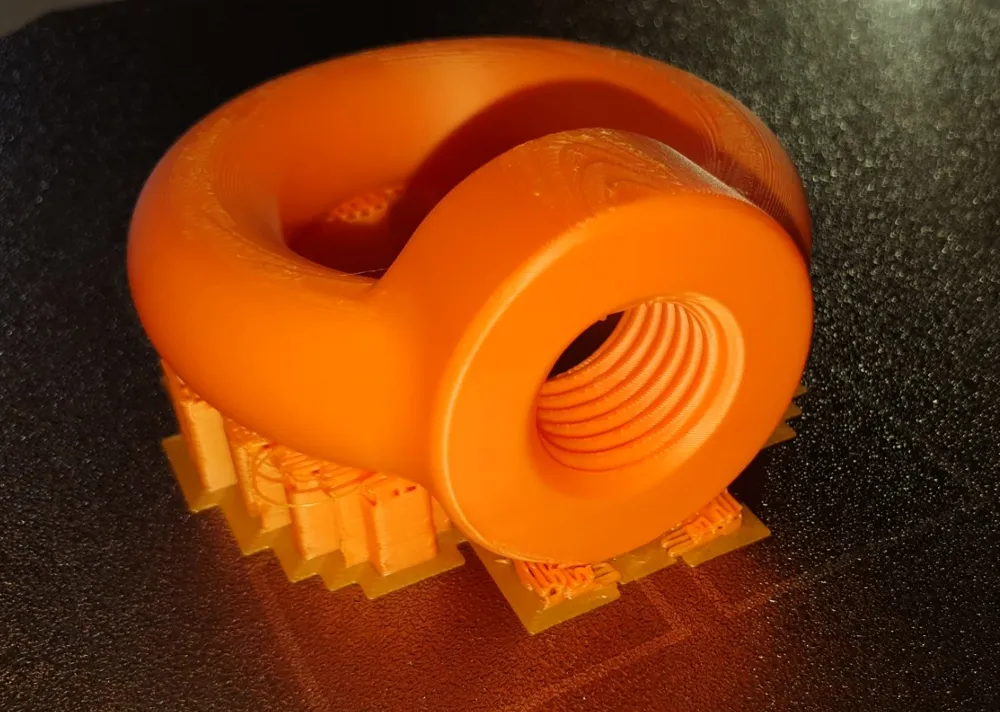
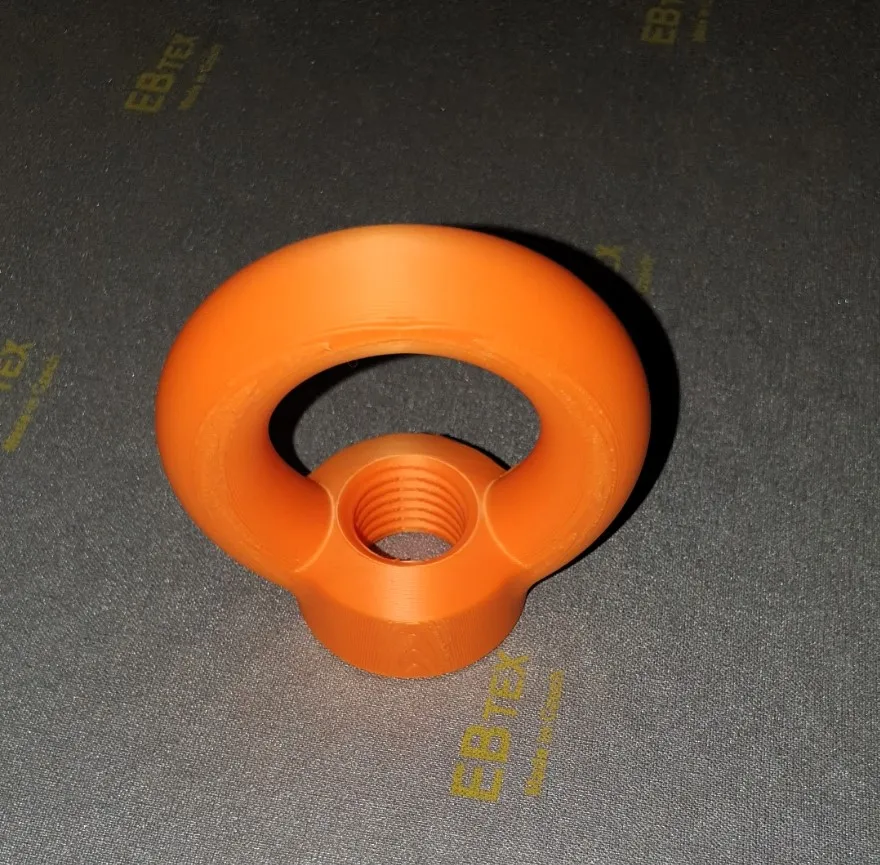
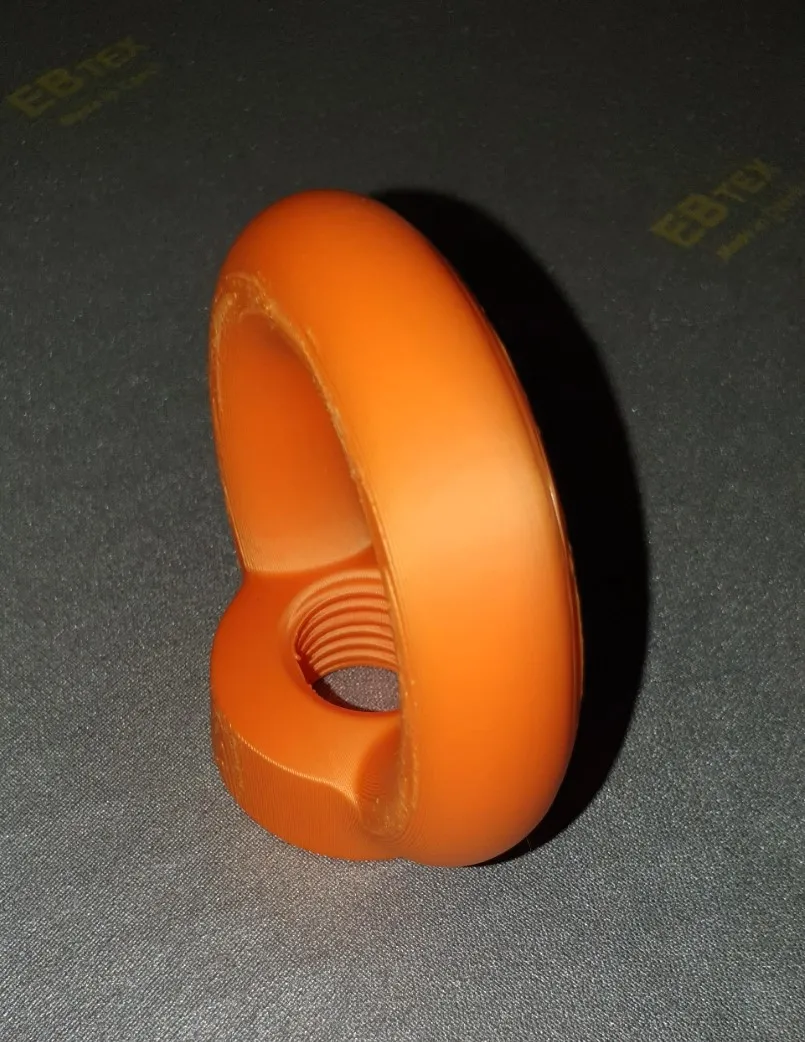
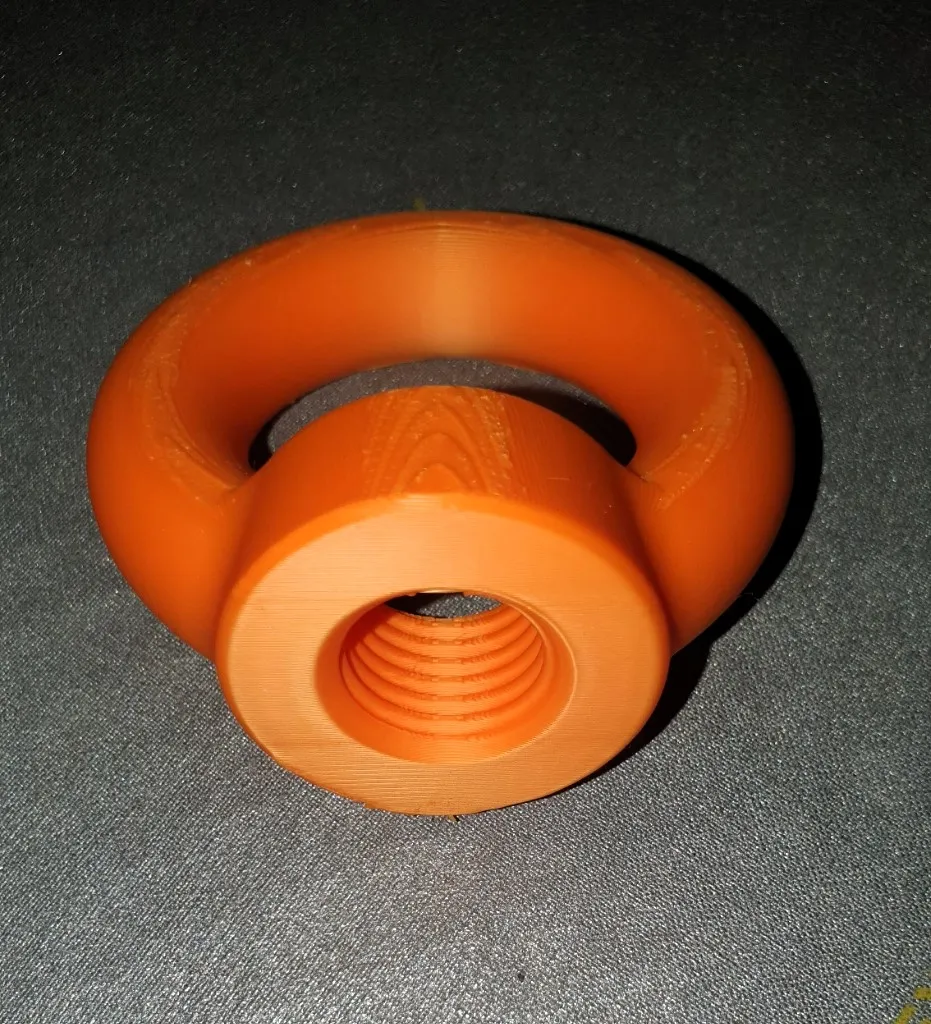
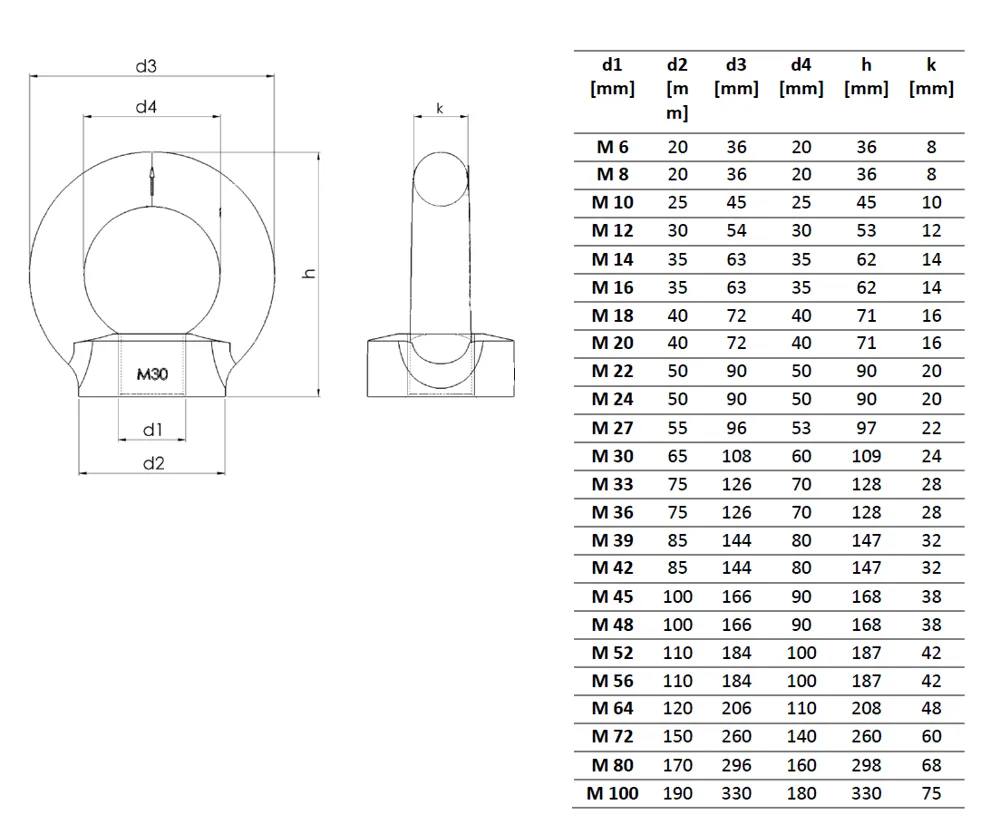
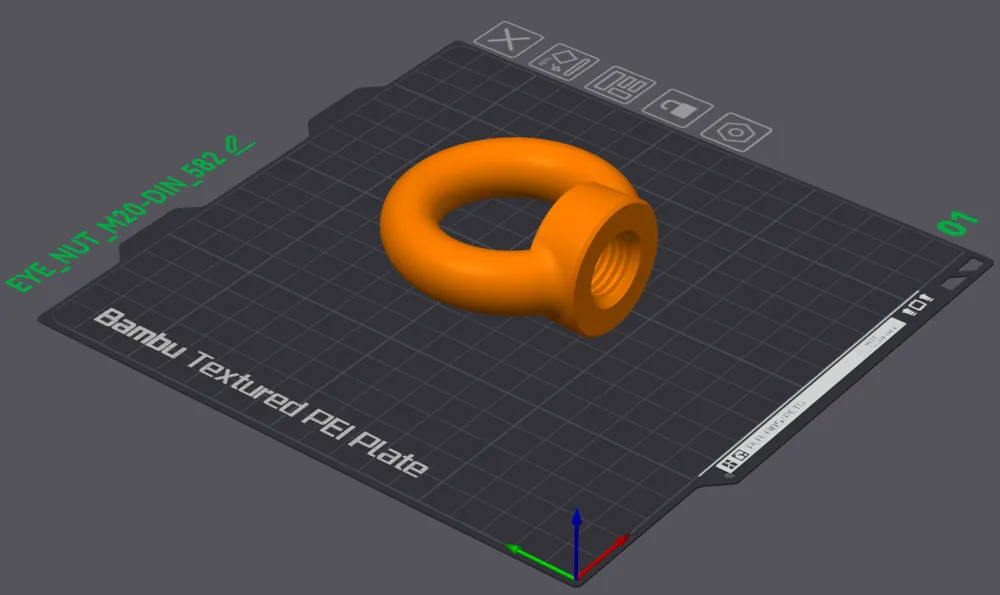
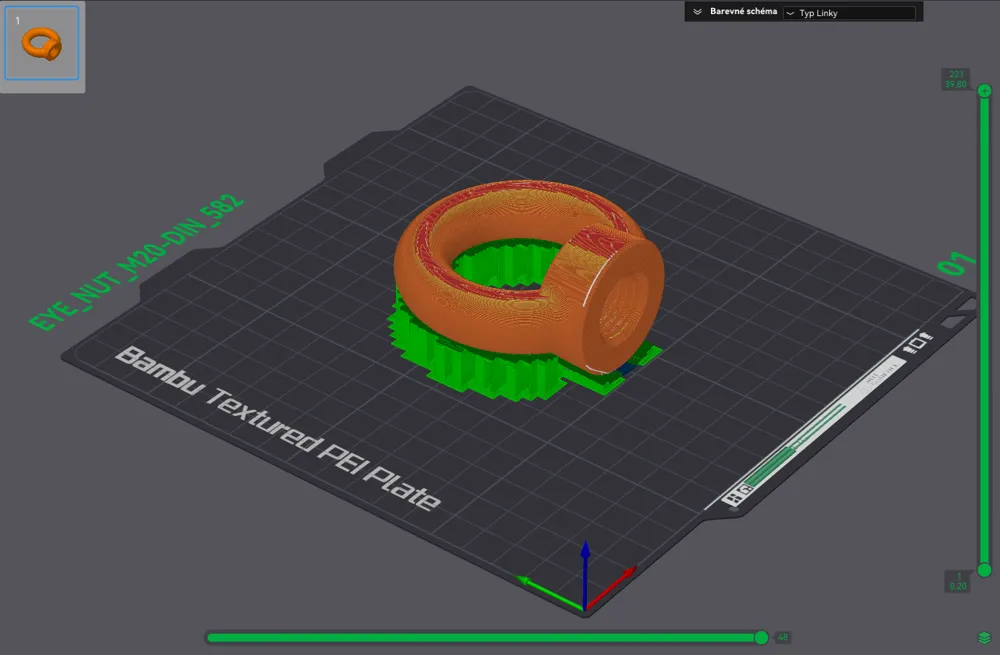
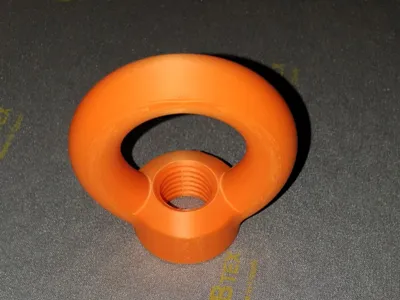
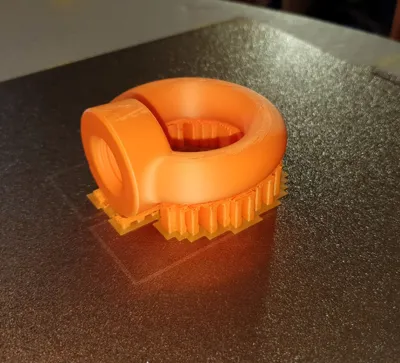
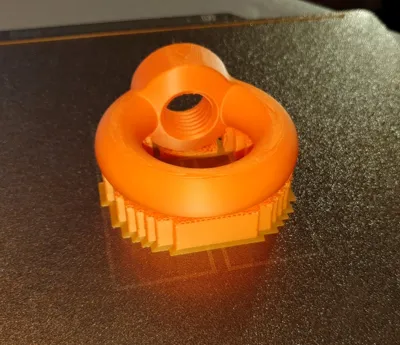
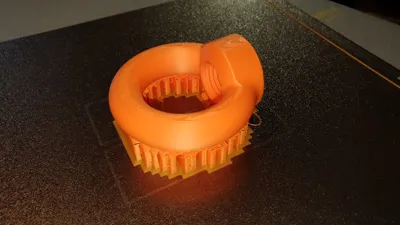
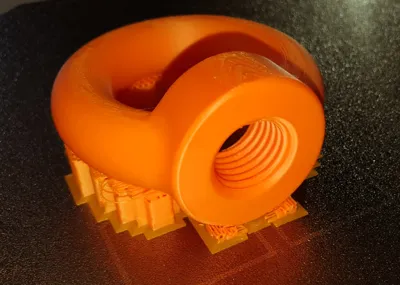
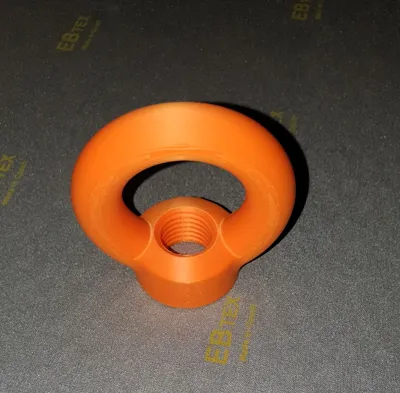
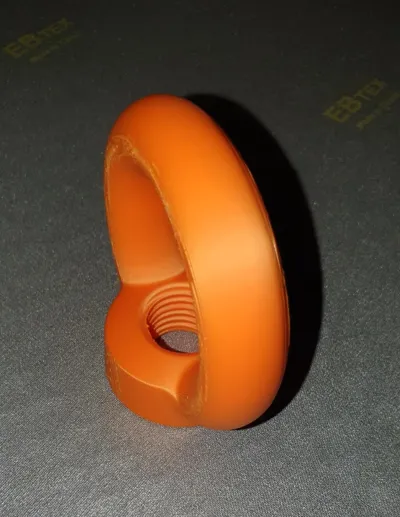
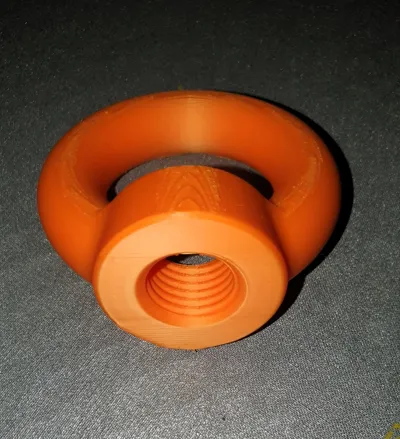
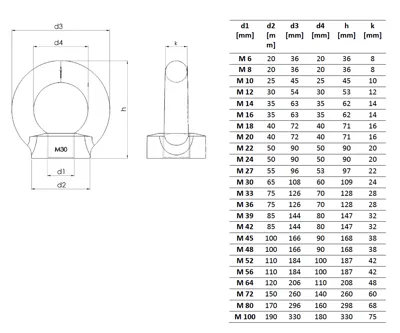
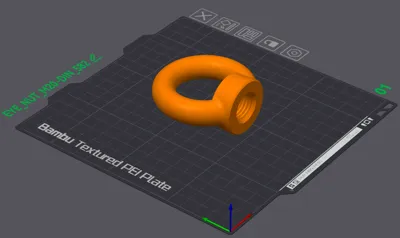
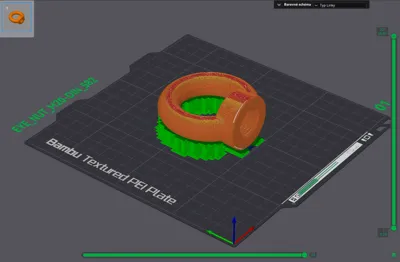
Eye Nut, M20, DIN 582
Print Profile(4)


Description
Use eye bolts and nuts to connect loads to a sling: this is how loads are lifted, rotated or fixed. By using hooks, shackles or other connecting elements, the slinging points are attached to the corresponding slinging equipment. The sling points are exposed to different loads due to different hangers and angles of inclination. Therefore, make sure to choose the right eye bolts and nuts.
Eye bolts and eye nuts should lie flat and fully on the bearing surface.
In the case of eye bolts, ensure that the thread depth on the component is sufficient; the recommended thread depth is at least l + 0.5 × d1.
In the case of eye nuts, ensure that the mating thread is of sufficient length the screw.
Position eye bolts and eye nuts so that side pull is avoided; force application must be in the direction of the ring plane.
Documentation (1)
License

You shall not share, sub-license, sell, rent, host, transfer, or distribute in any way the digital or 3D printed versions of this object, nor any other derivative work of this object in its digital or physical format (including - but not limited to - remixes of this object, and hosting on other digital platforms). The objects may not be used without permission in any way whatsoever in which you charge money, or collect fees.


Comment & Rating (0)