
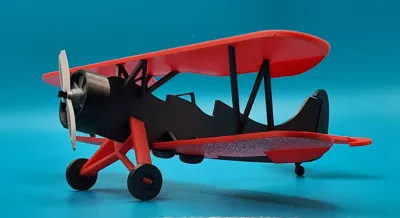
Waco UPF-7 Biplane Model Airplane Kit Card
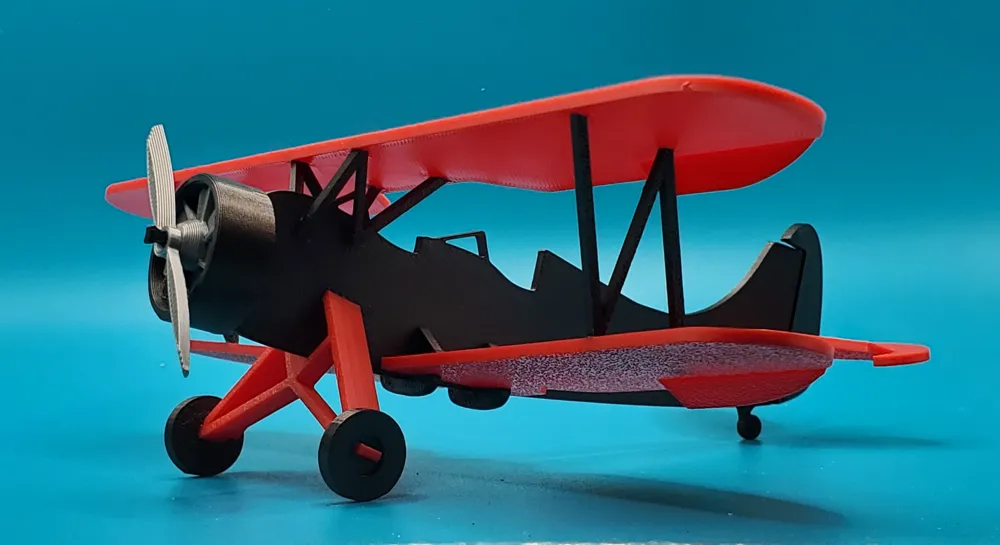

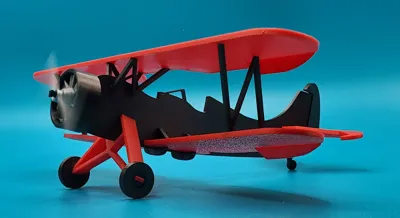
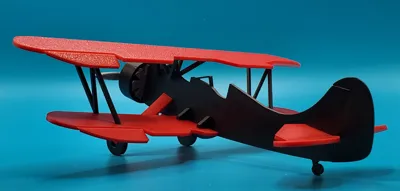
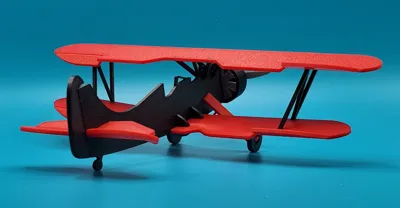
Print Profile(1)
Description
The Aircraft
The Waco UPF-7 is a classic American biplane that played a significant role in aviation training and sport flying during the late 1930s and 1940s. Manufactured by the Waco Aircraft Company, the UPF-7 was designed as a versatile and robust trainer aircraft, known for its reliability, ease of handling, and classic biplane aesthetics. Its open cockpit design and tandem seating arrangement made it an ideal choice for flight schools and training purposes.
Powered by a Continental W-670-6N radial engine, the Waco UPF-7 delivered 220 horsepower, providing sufficient power for both training flights and aerobatic maneuvers. Its construction featured a sturdy steel tube fuselage covered with fabric, and its wooden wings were similarly fabric-covered, ensuring a lightweight yet durable structure. The aircraft's design emphasized stability and control, crucial characteristics for a trainer aircraft.
During World War II, the Waco UPF-7 was extensively used by the Civilian Pilot Training Program (CPTP), which aimed to increase the number of qualified pilots in the United States. This program was instrumental in preparing pilots for military service, and the UPF-7's role in this effort cemented its place in aviation history.
After the war, the Waco UPF-7 continued to be popular among civilian pilots for recreational flying, barnstorming, and airshows. Its timeless design and historical significance have made it a beloved aircraft among vintage aviation enthusiasts. Today, many UPF-7s are meticulously restored and maintained by collectors, keeping the spirit of this iconic biplane alive for future generations to appreciate.
The Model
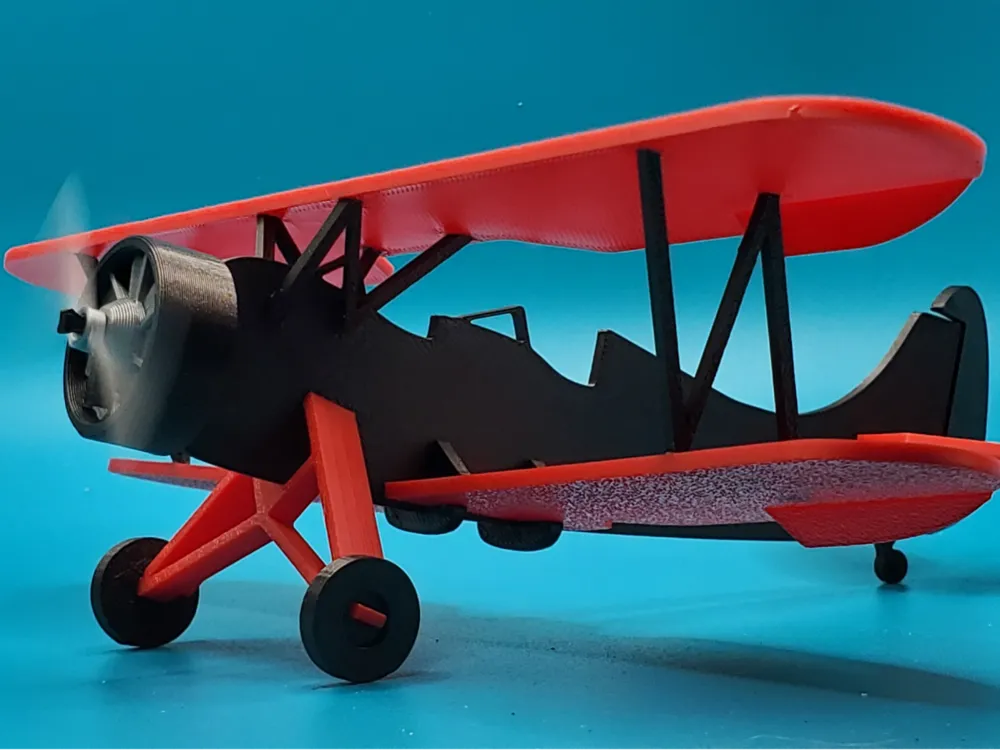
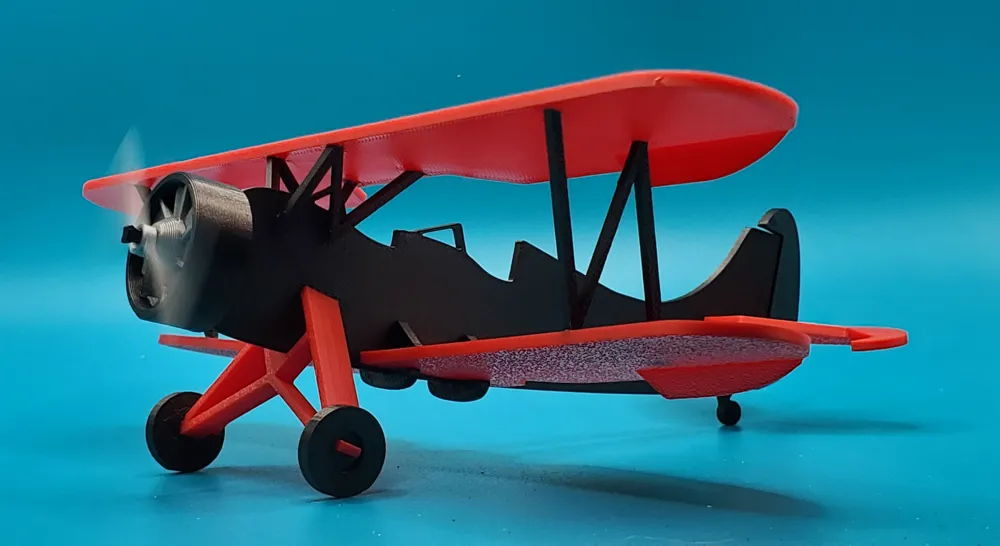
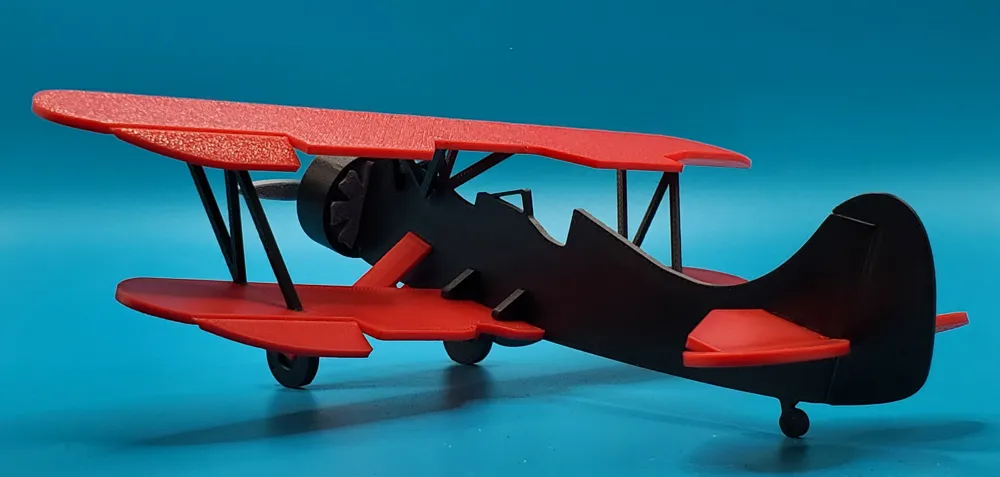
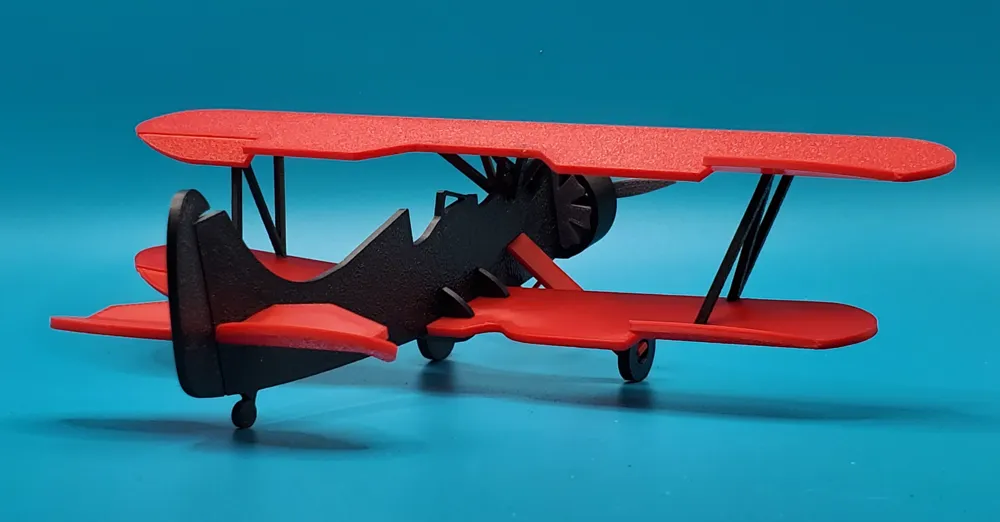
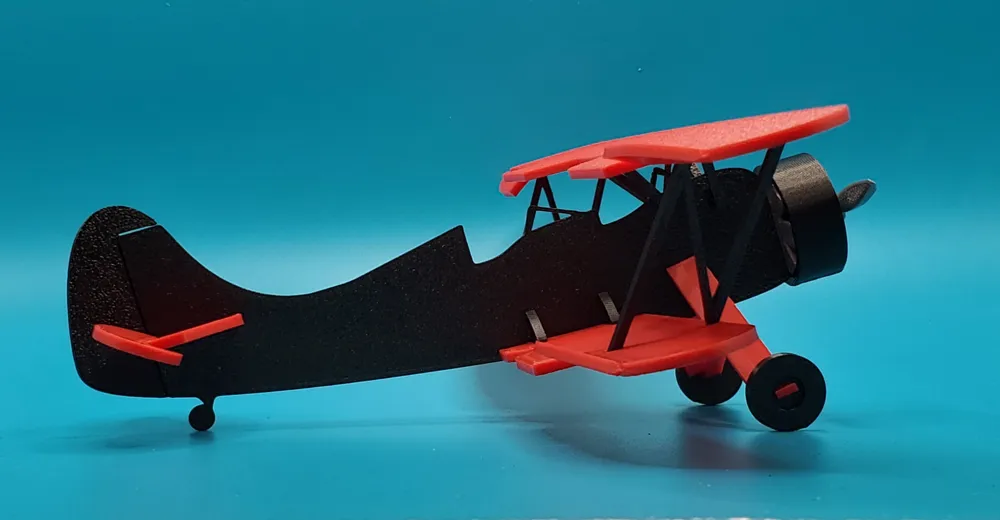
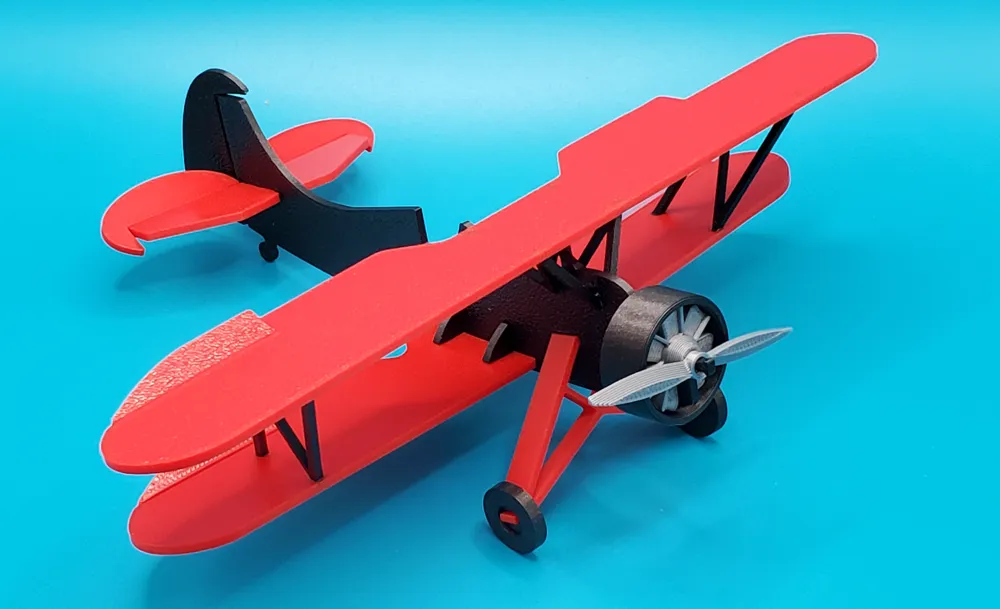
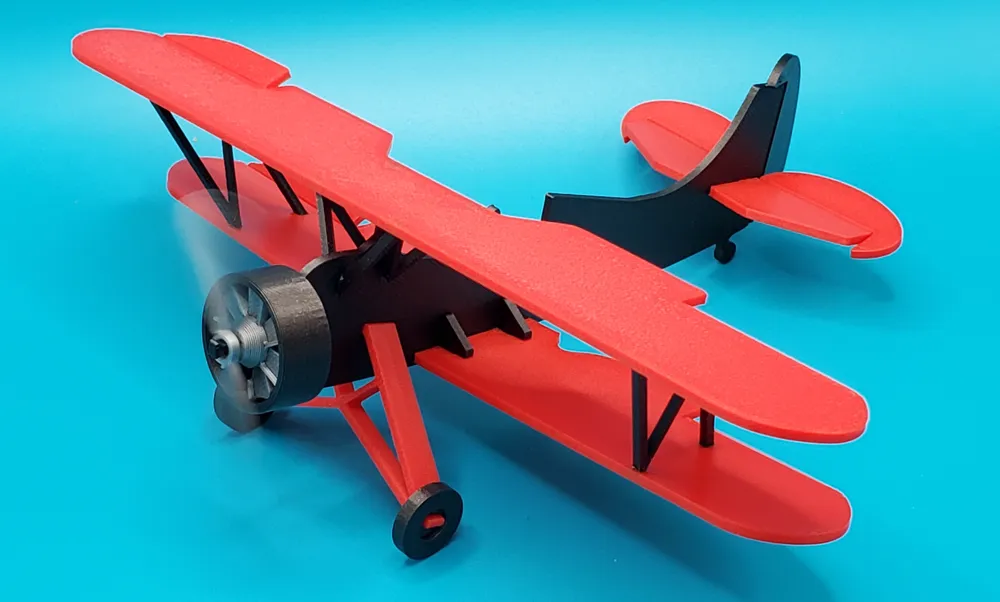
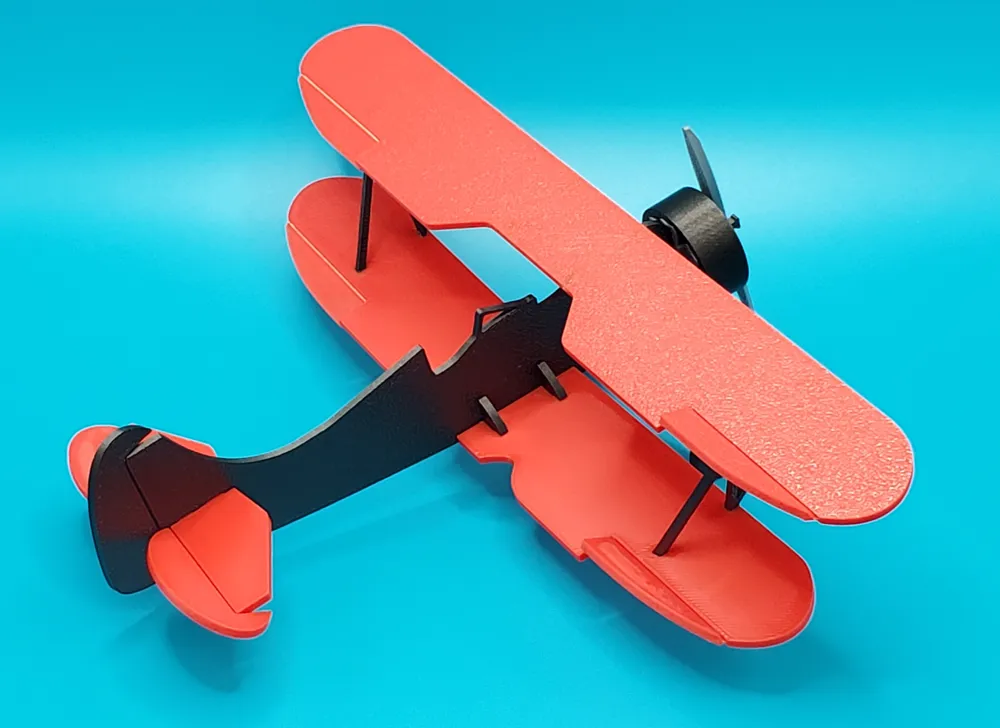
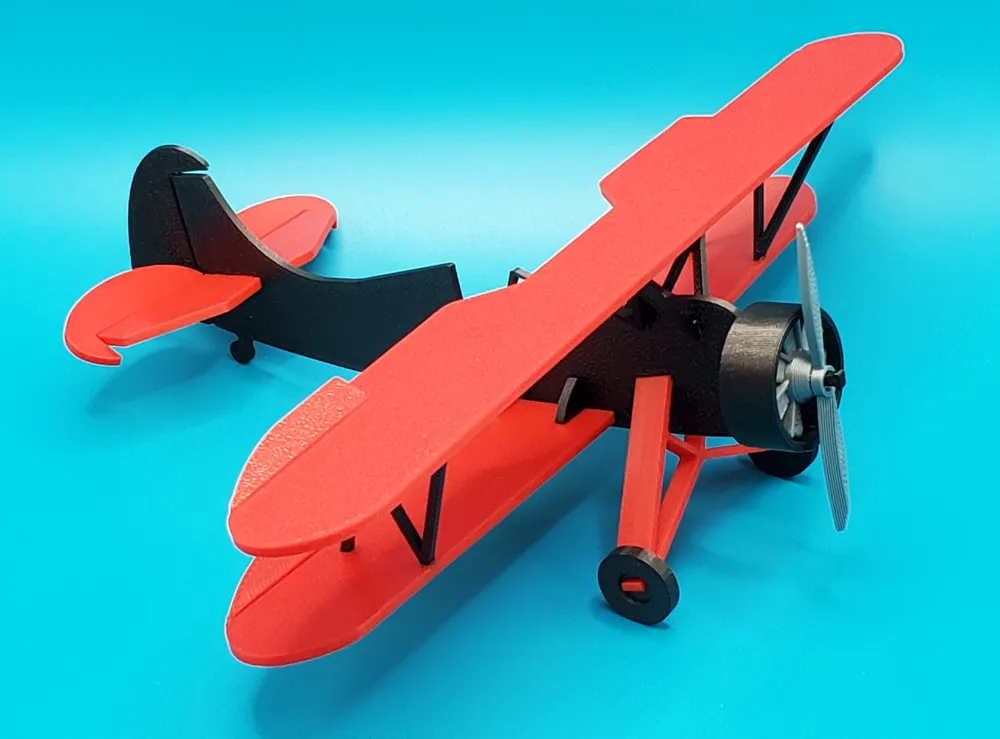
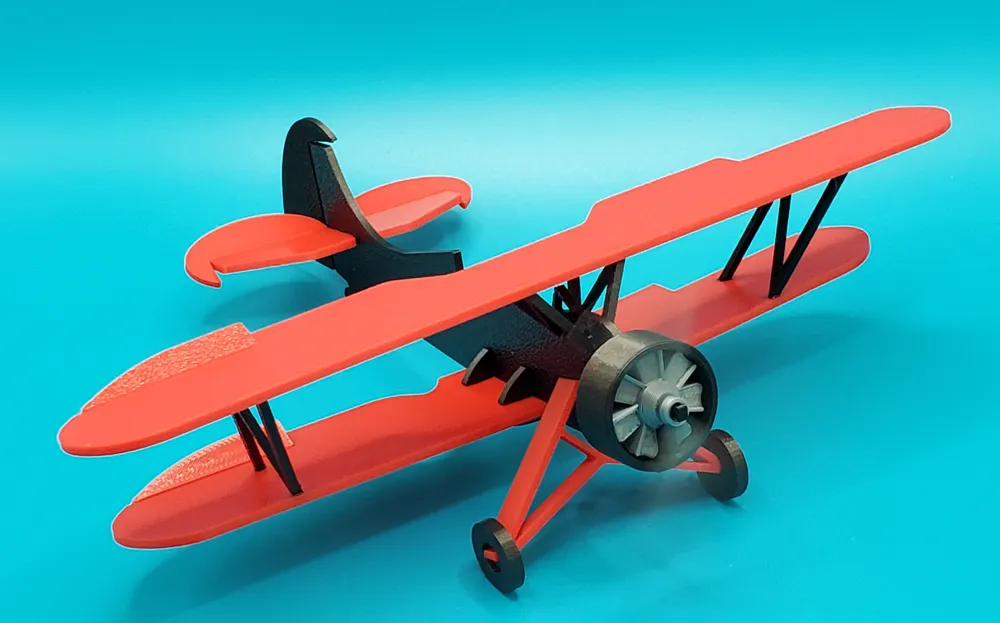
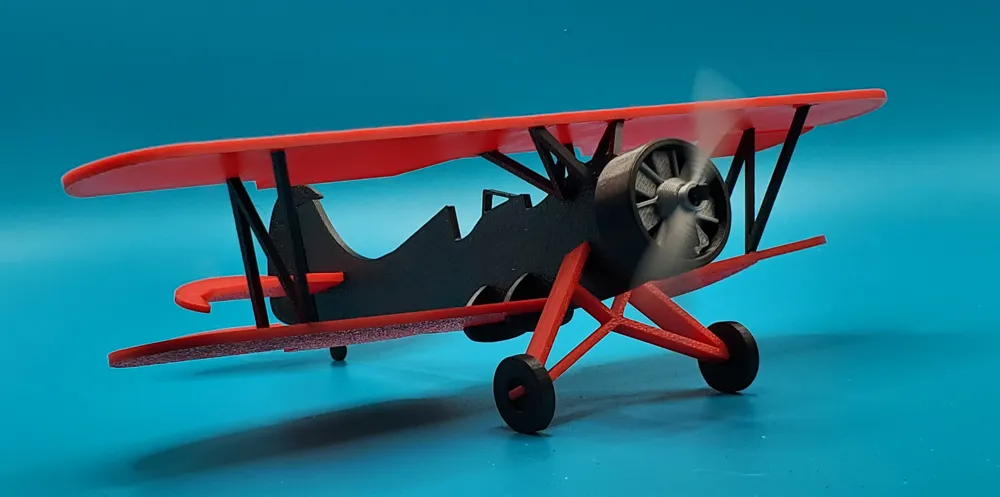
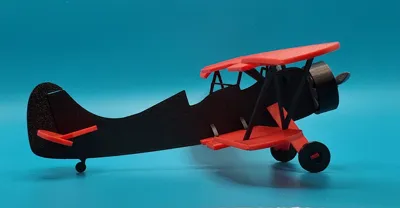
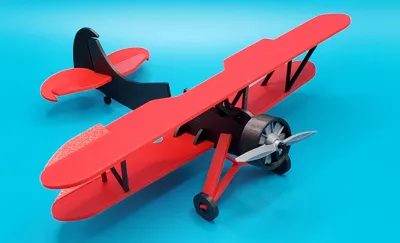
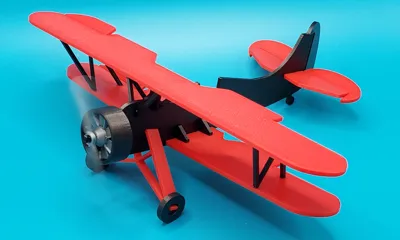
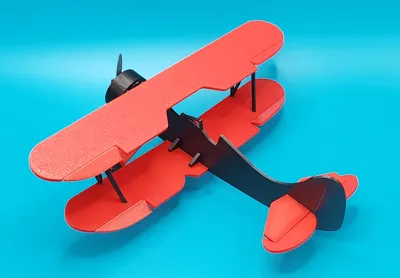
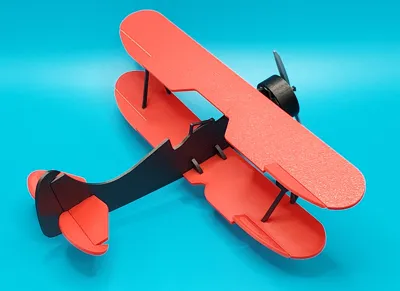
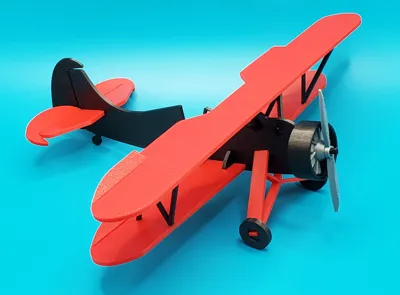
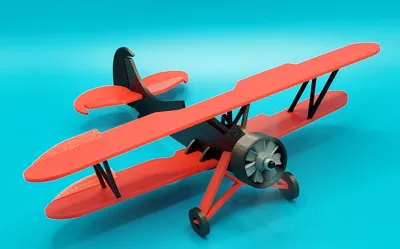
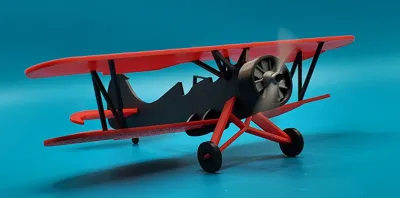
This was a really fun and satisfying build to design and test, and I hope yours comes out as well as mine did! Mine did require glue, but the parts fit well into their slots. The main landing gear I did not glue, however, as the slight bit of movement made gave the landing gear a bit of “springiness” to it. I also made it so you can have the engine cowl on or off, as there are many examples of the type with both configurations.
As always, if you have any questions, please reach out and I'll try to get back to you with assistance or a solution within 24 hours.
License

You shall not share, sub-license, sell, rent, host, transfer, or distribute in any way the digital or 3D printed versions of this object, nor any other derivative work of this object in its digital or physical format (including - but not limited to - remixes of this object, and hosting on other digital platforms). The objects may not be used without permission in any way whatsoever in which you charge money, or collect fees.


Comment & Rating (22)