
Bee Hotel !!!!DONT 3D PRINT THE TUBES!!!!


Print Profile(1)

Description
Dear Community!!
!!!!!!!!PLEASE NEVER PRINT INSECT HOTELS TUBES!!!!!!! POTENTIAL HARM!!!
When I thought about what I could contribute to this context I first started to inform myself about what is good and what is bad for the insects.
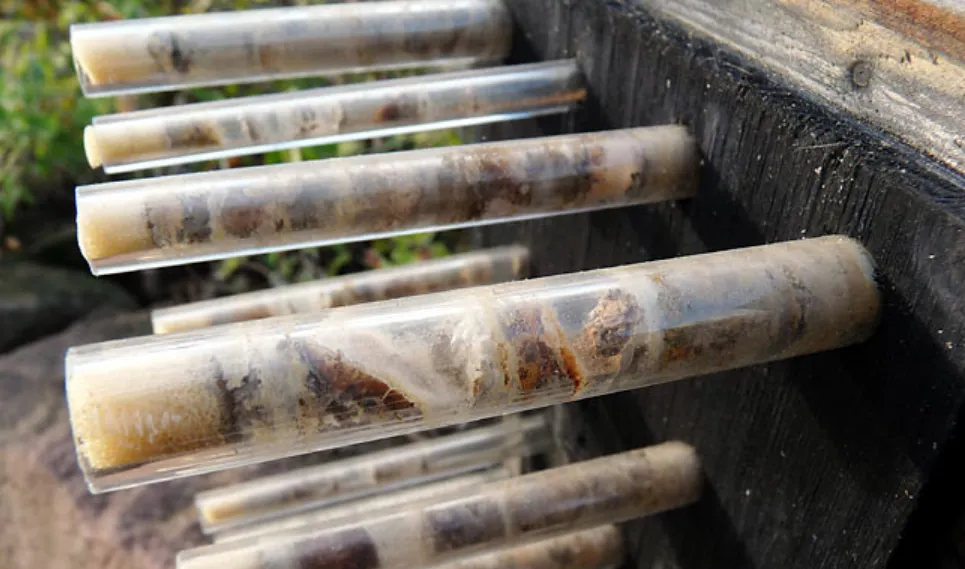
After some studying I soon found out that the tubes where the insects will lay their eggs have to be made out of breathable material!! Else there is a high risk of having mold in the tubes that will destroy the food for the larvae and therefore kill many of them!!!
Example: Mold in glass tubes:
So I tried to create a solution with many of the things I learned in mind. Also I tried to make the Hotel as material-friendly as possible since it is not the smallest print.
I researched thoroughly and also obtained feedback from NABU. But if I made a mistake or you have ideas to improve this design Please! don't hesitate and contact me!!!
Do Insect hotels like this really help at all?
The answer is: Not really :/ Most of the endangered insects don't use hollow stems to lay their eggs into but prefer to nest in the ground. 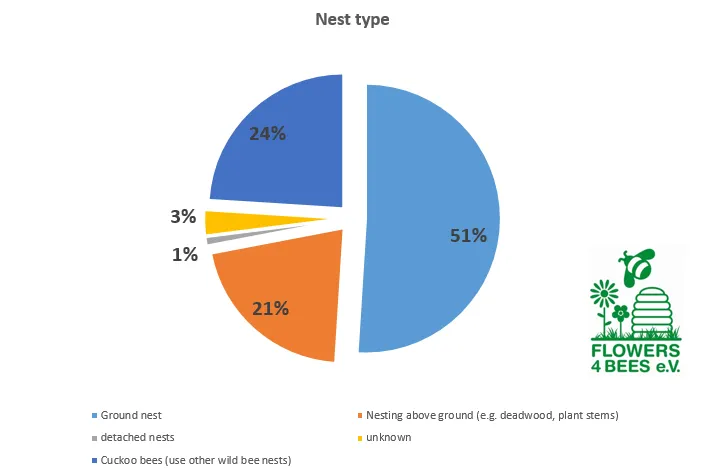
Better than any 3D printed or bought insect hotel is to provide the animals and insects some untouched nature in your garden! Such as a loose piled up branches or piles of clay & sand (in sunny places) or rotten wood!
But if you live in a more urban area and don't have access to your own garden, you are welcome to print this model :) I designed with all the information I gathered in mind.
You can also use the following information to design your own insect hotel or keep that information in mind if you buy a commercial (not 3D printed) insect hotel.
In addition to the 3D printed parts you need a big hand full of 130 mm long stems. More about that later in the describtion!
Also it is recommended to regularly sort out the old trunks (without active nesting). I would do that each year but at latest you should do that every 2-3 Years. (Nests infected with mites can infect future generations!)
Where to put the Insect/ Bee Hotel?
→ Choose Sunny place where the bee hotel is as safe as possible from rain and wind.
→ There should be plenty of food resources such as flowers and other “nature” around.
Design Ideas
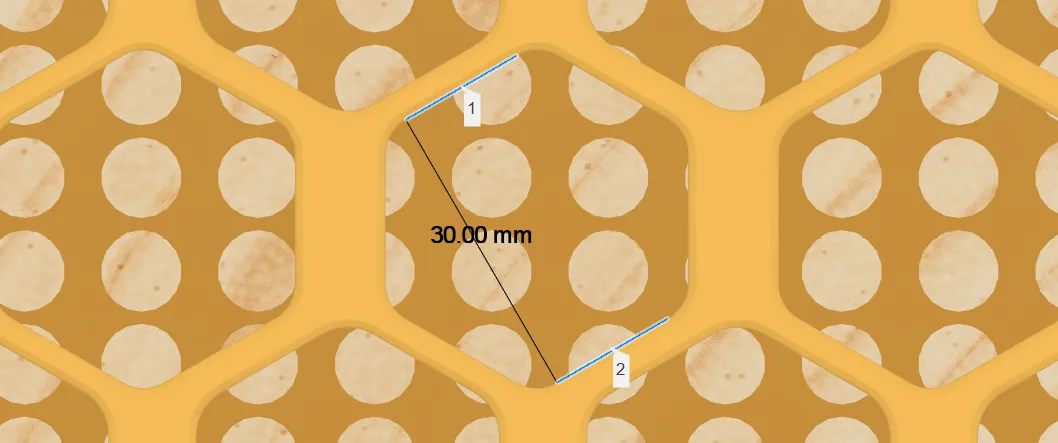
1. A grid to keep out predators like birds. According to nature conservation organizations, the openings should be 30 mm large so that the bees can fit through easily without damaging their wings.
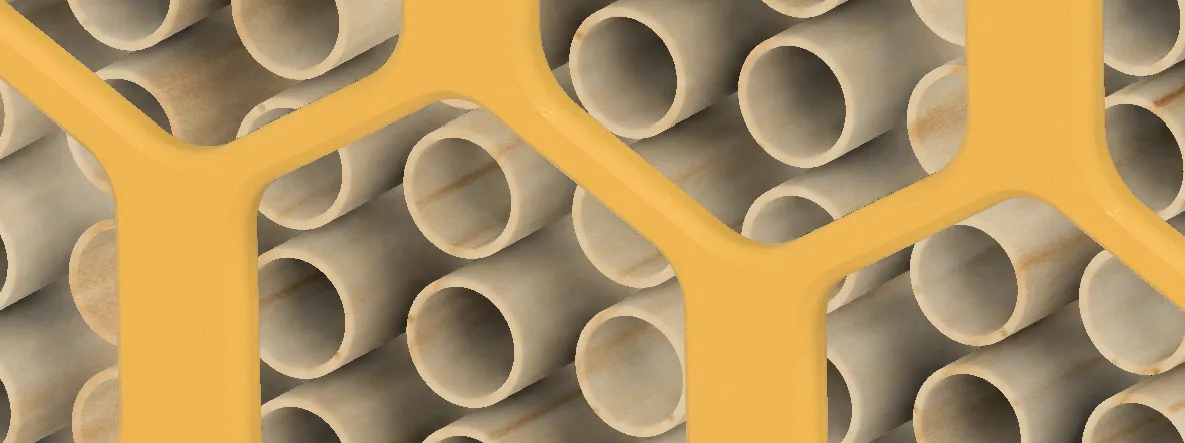
2. All cornes are rounded so the insects will not get hurt while flying through the openings.
3. Have the Hotel away from the ground so there will no water can flow inside.
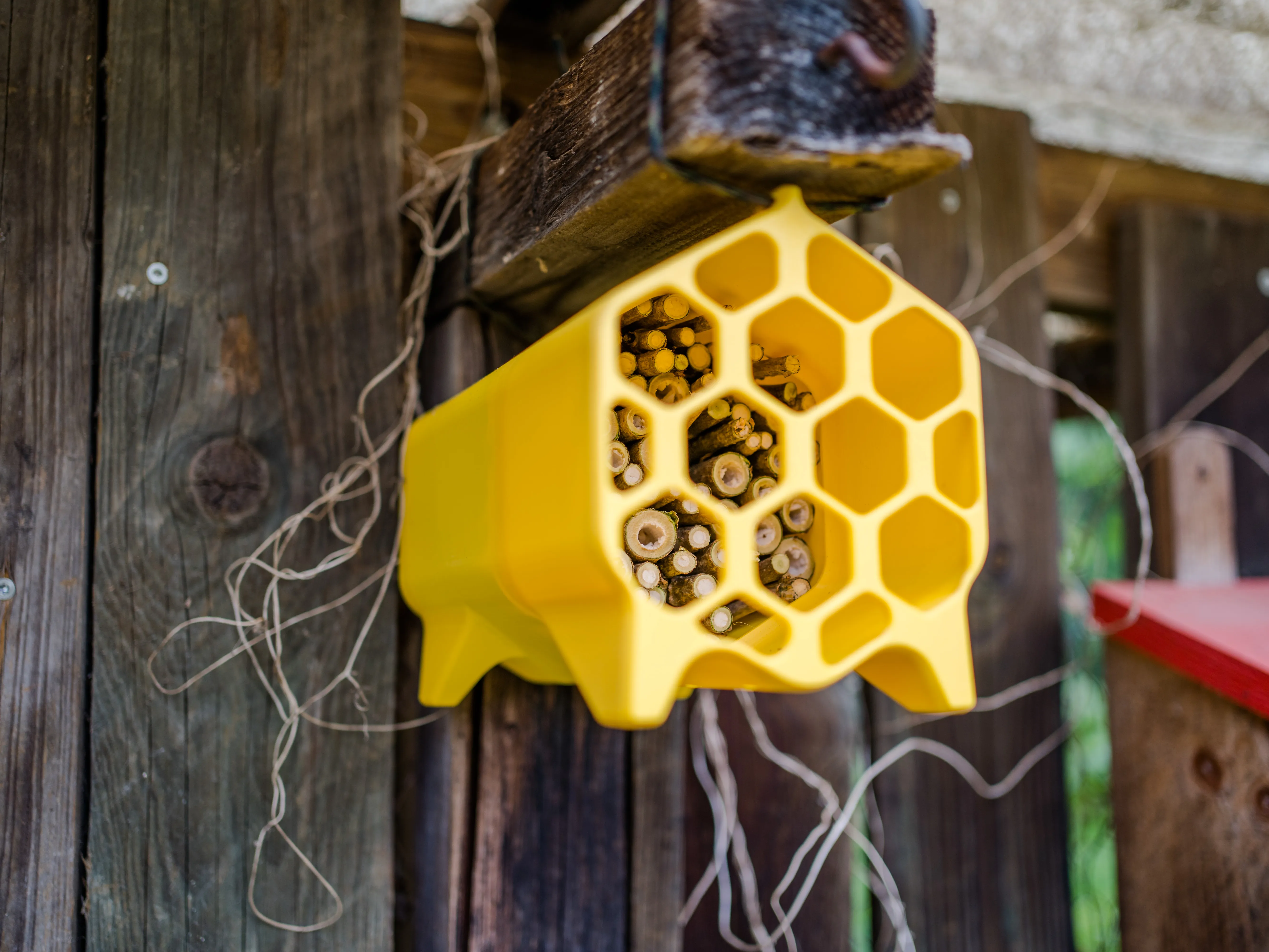
I designed it to stand on its feet or to be hung onto sth. (2 points so you can set the angle!)
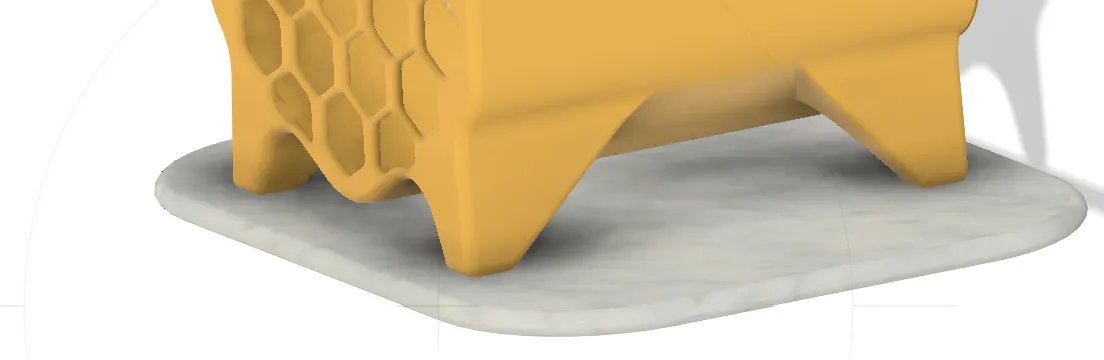
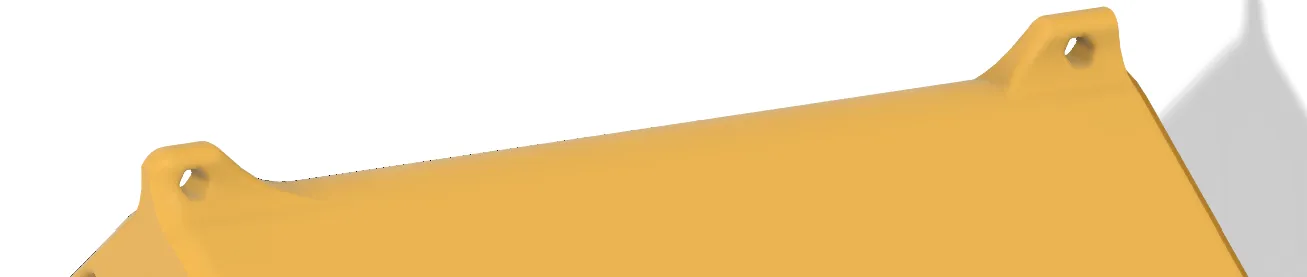
4. Drainage at the lowest spot if some water makes its way into the Hotel.
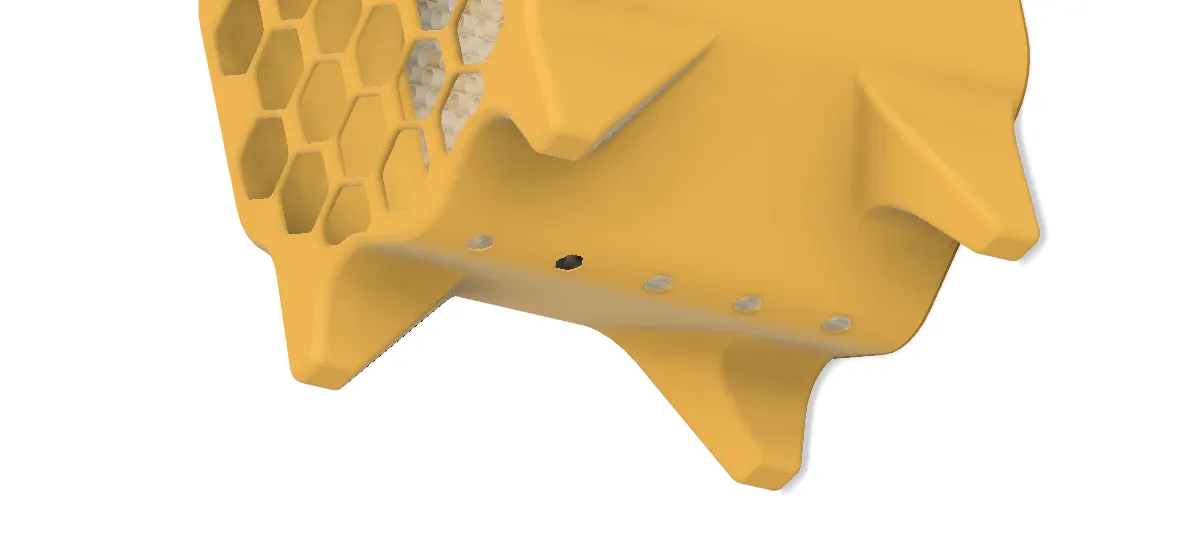
5. There is a “ramp” separating the front area (keeps birds away) from the nest area where the insects will lay their eggs.
This ramp will a) keep rain water away from the back segment and b) help you to align the natural material where the insects can lay their eggs.
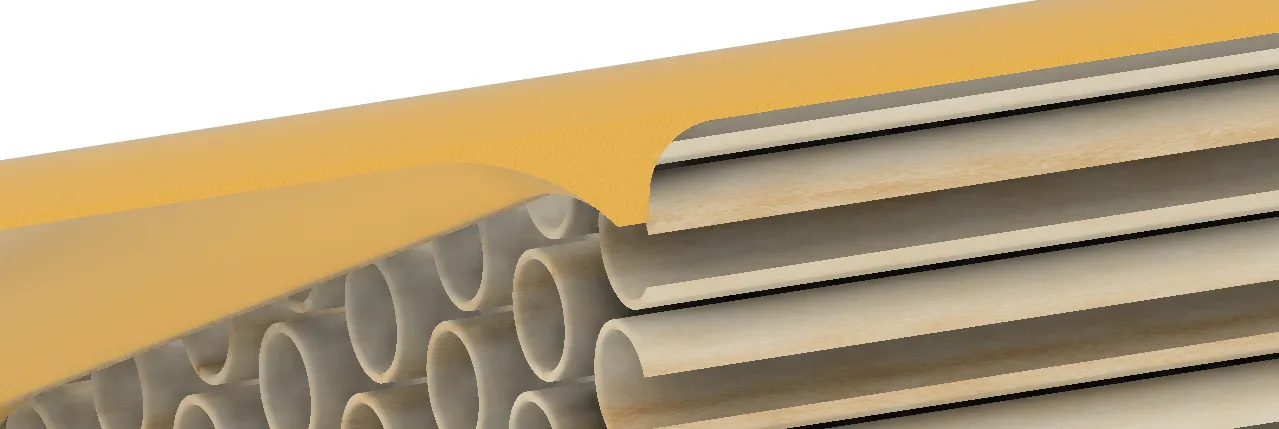
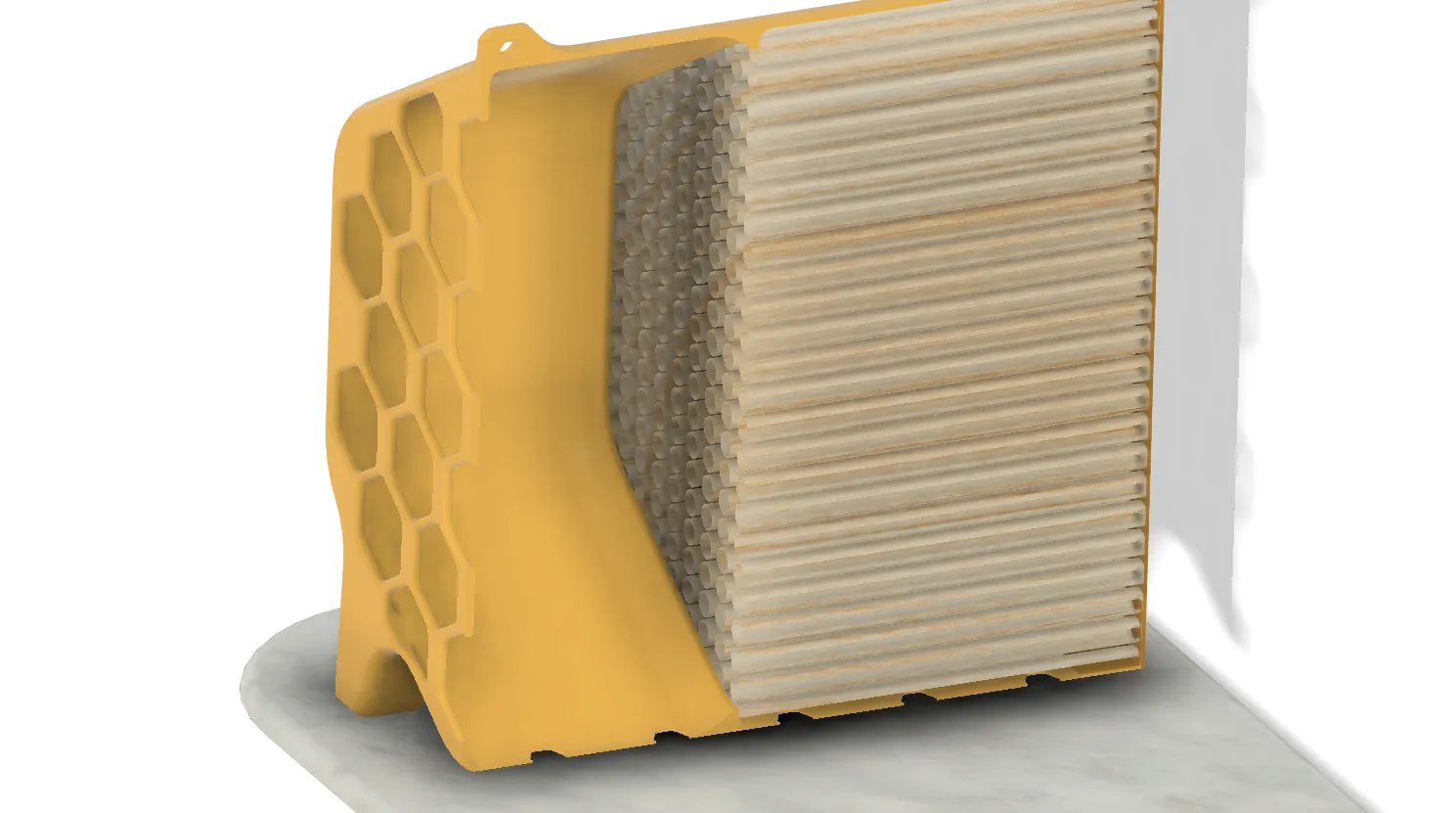
6. The Cap hase some holes. (Put these to the top during assembling!) to give the Hotel some airflow!
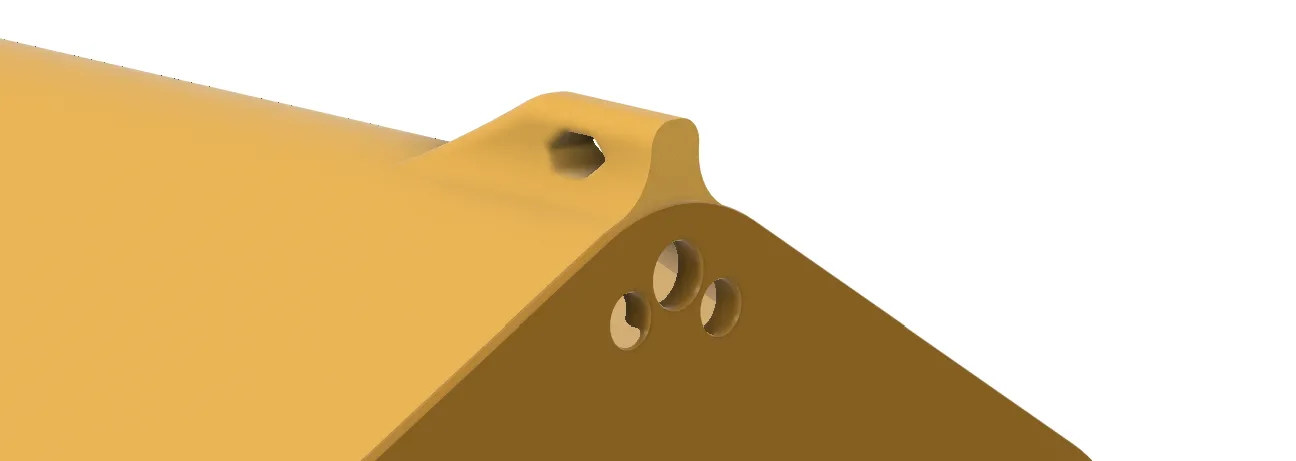
7. ONLY breathable, natural materials!!!!!!
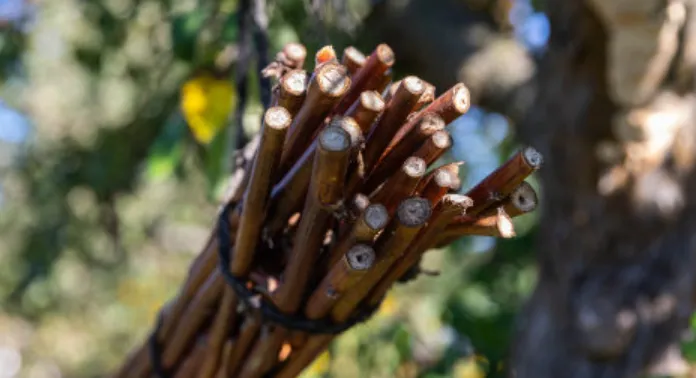
“Bamboo sticks or reed stalks are best suited for nesting aids made from hollow plant stems. These are then used by the insects to lay eggs. The stems should be shortened to a length of ten to 15 centimeters. The diameter, however, can vary. In order for the insects to accept the stems, one end must be closed with either a stem knot or alternatively with organic cotton wool.”
Quote: NABU (German)
You can preknot the stems or pack the Hotel nice and tight with them. If you use Bamboo make sure that the openings have a CLEAN CUT! Rough cuts could potentially damage the insects/ their wings.
I used some stems with a nice and soft core!
I hope you will create a great home for new insects!
Parts Describtion
I designed 2 Body parts. One if you are not sure if you like to hang it up or stand it onto its feet and one if you are sure, not to hang it up :)
Also I designed an endcap. But that is totally optional and could potentially increase the humidity inside the Hotel. But if you don't print it make sure that all the openings of the stems are directing to the front!
I added a S & M alternative to the big hotel with all the same information in mind. The openings are mainly 30 mm and the length is the same too!
Material Choice
I recommend PETG since it is quite food friendly and will withstand a good amount of heat in the summer!
Printing Instructions
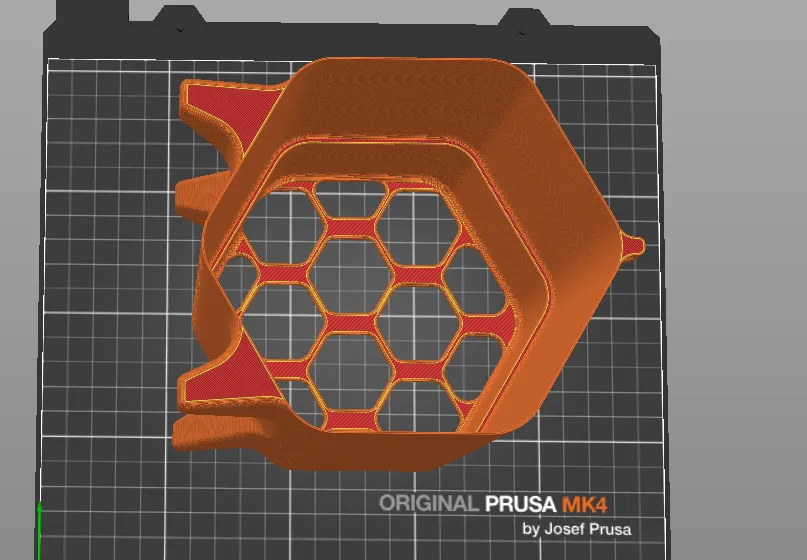
Use 1-2 Perimeter, 5-25% Infill.
Post Processing
After printing I would recommend to clean up the openings for the insects with a deburring tool since there always stay a sharp edge due to the elephant foot :)
I have several iterations of the Cap. If the fit is too loose you can add some tape or glue to it. If it is too tight please contact me :D
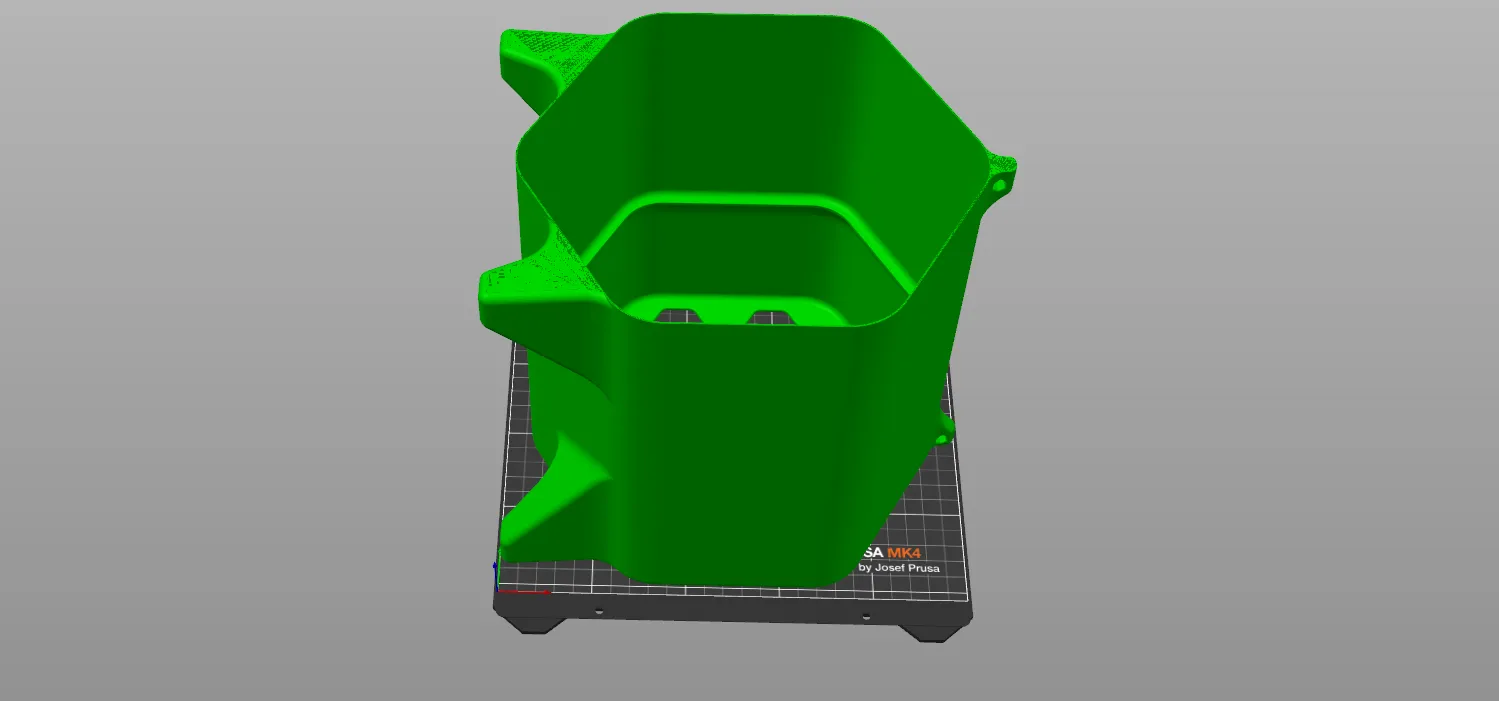
Of course there are no supports required!
Assembly Instructions
1. Cut 1 piece of stem to the right size (about 12-13 cm) and use it as a measuring stick for the rest of the stems.
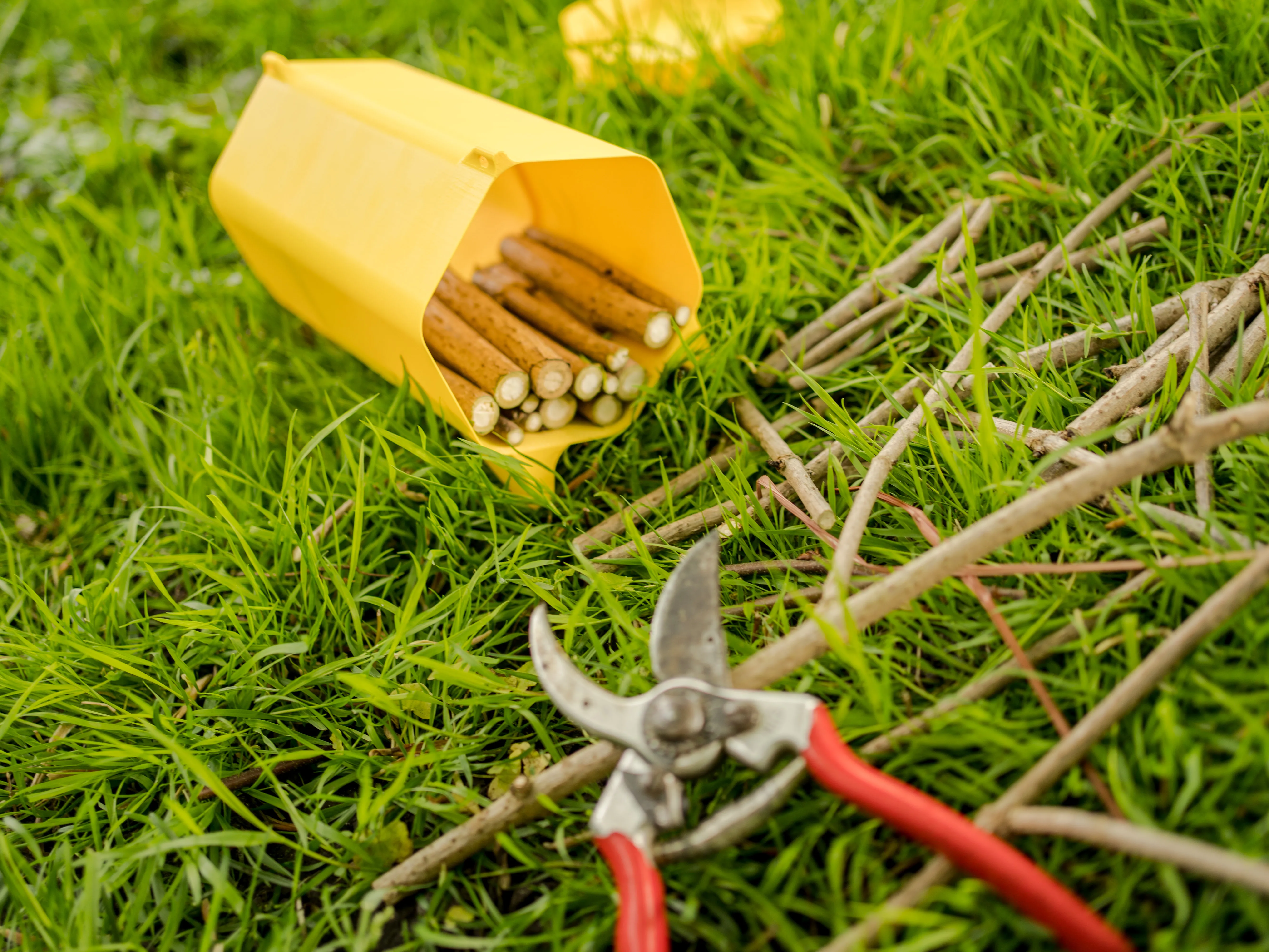
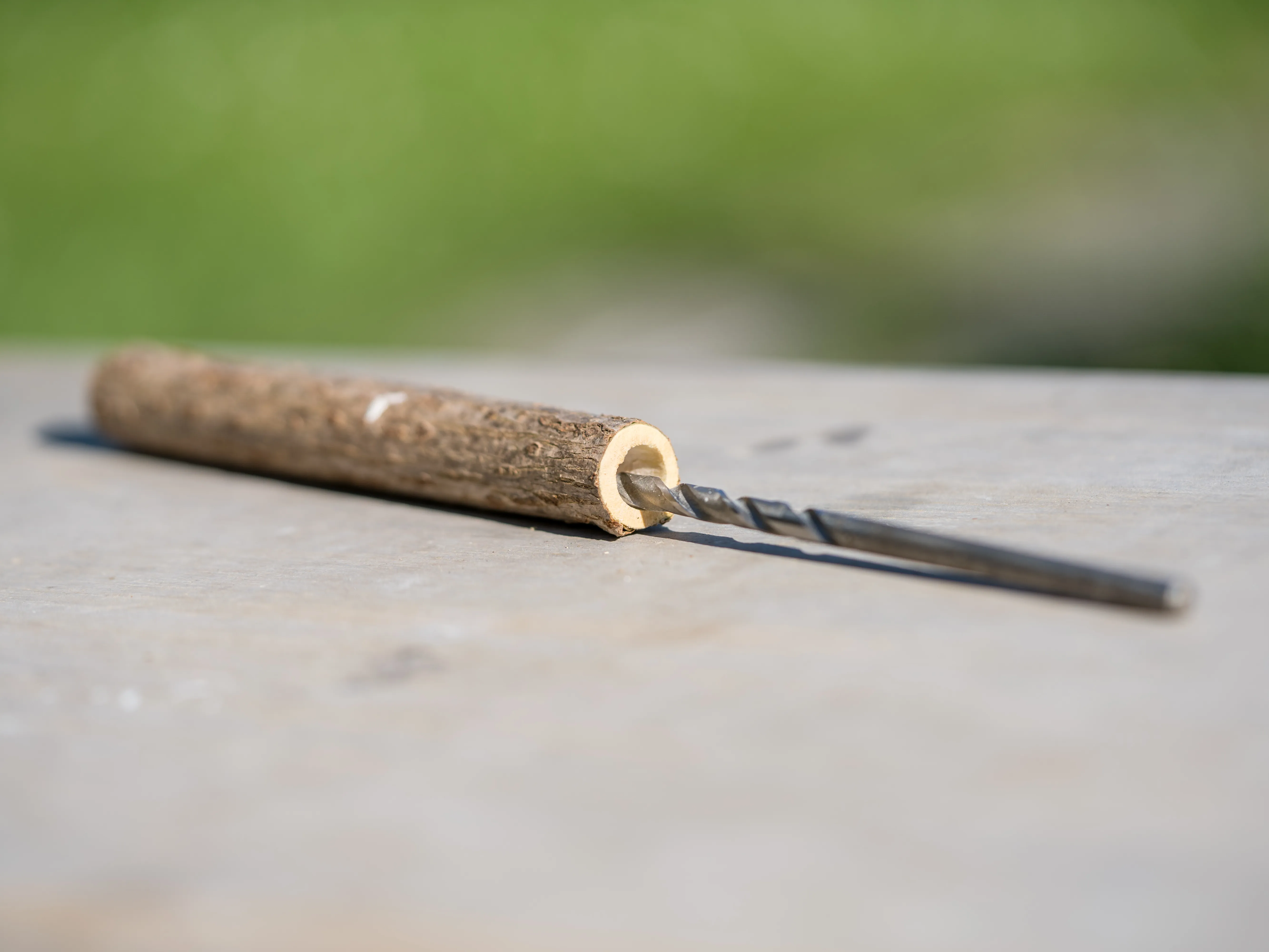
2. Take out the soft material of the stems. Only leave a small amount at the end of them. (The small stems are just to fill the hotel up. There will no bees entering them later on)
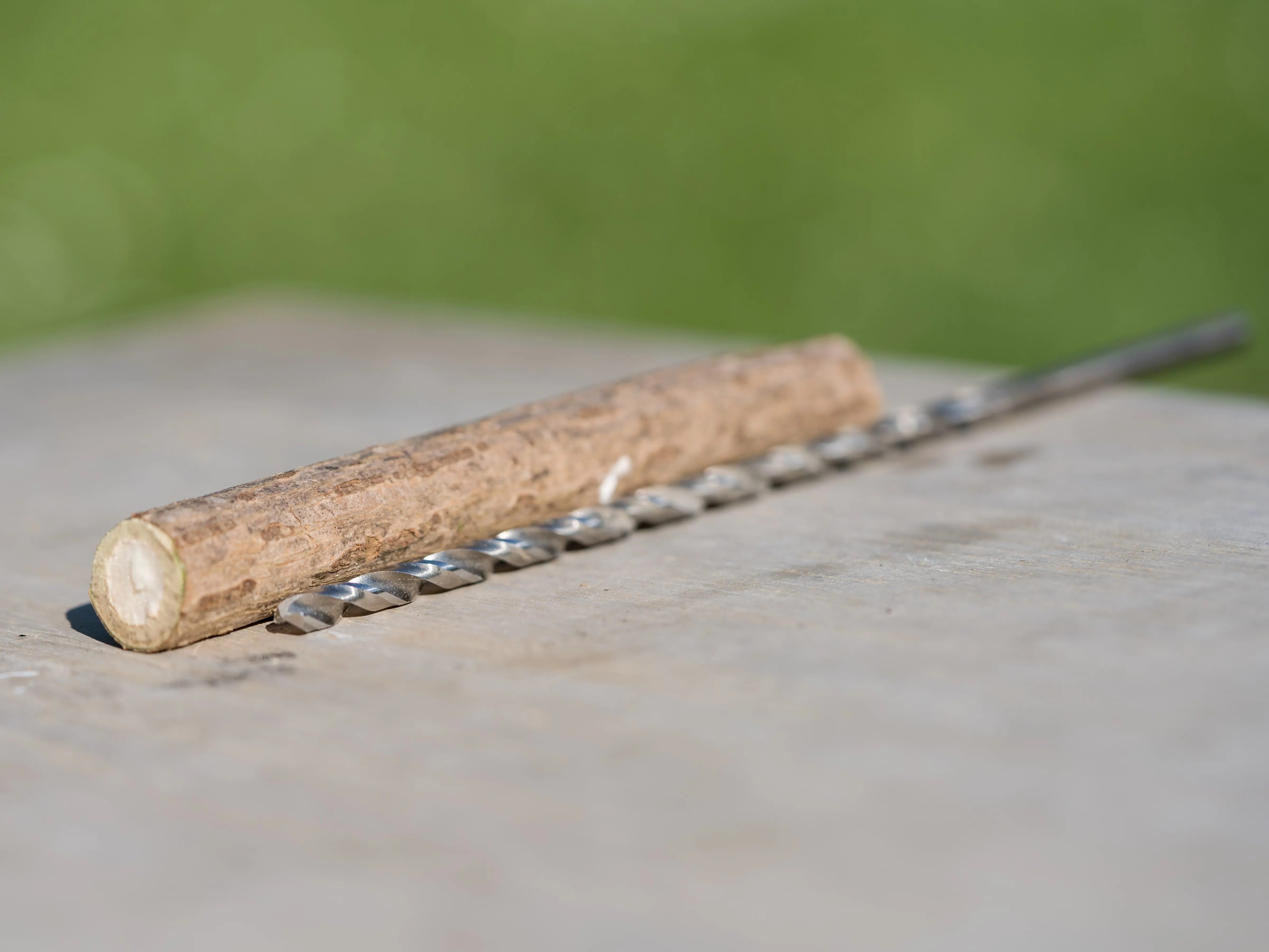
3. Randomly pack the Hotel with the fresh cut stems.
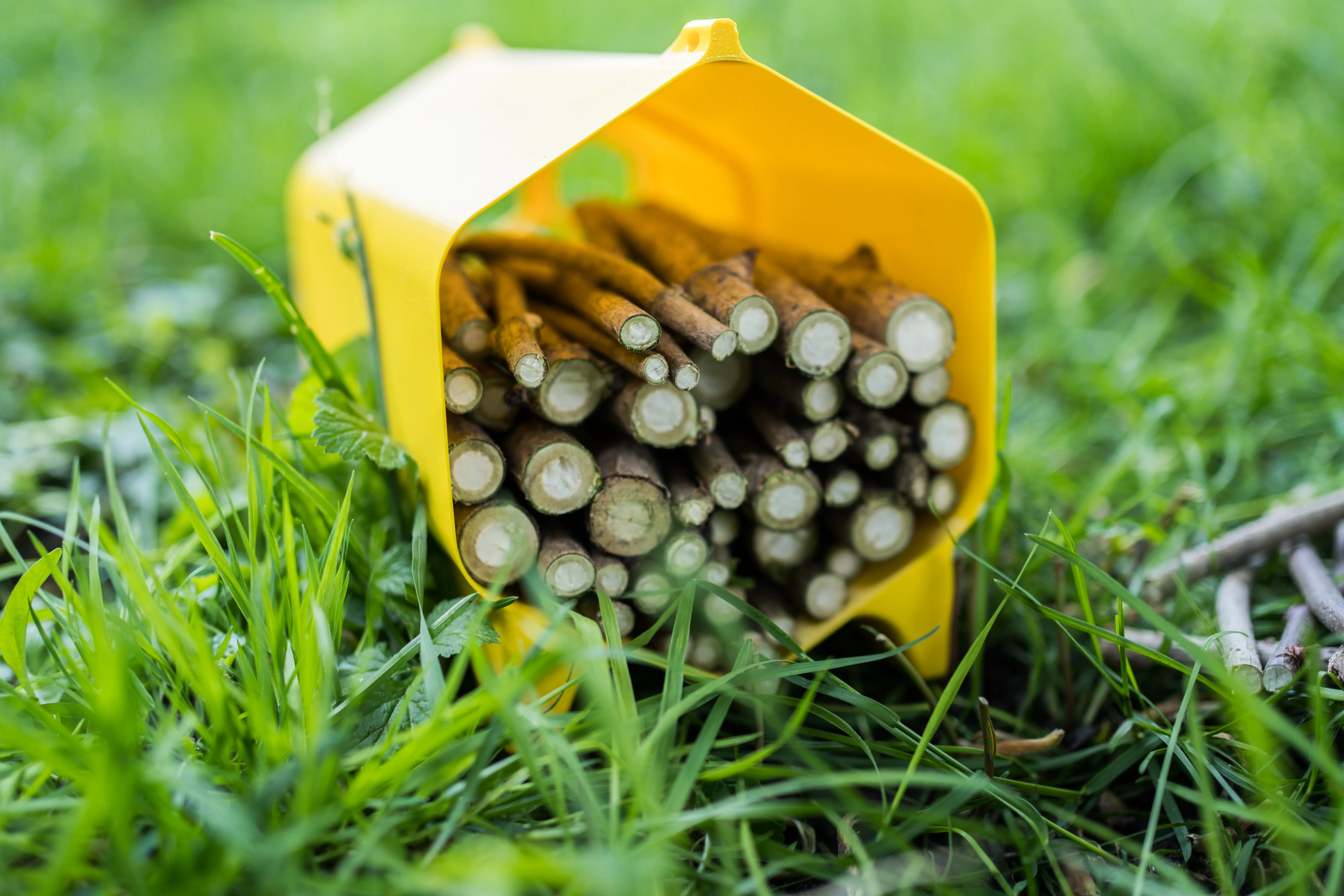
4. Close the lid and put some last sticks from the front to pack em nice and tight. You should pack them that tight enough so that they won't move later on.
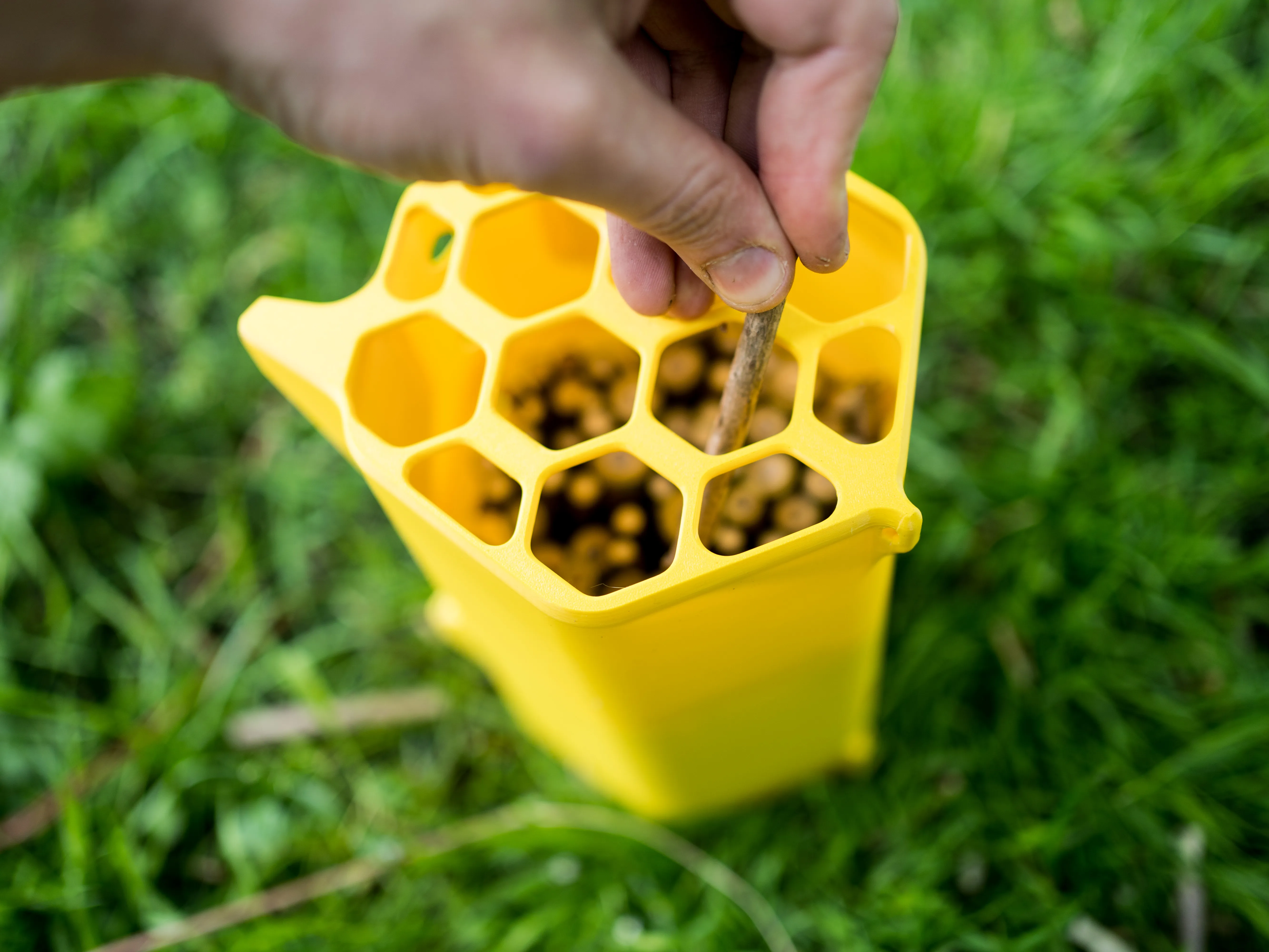
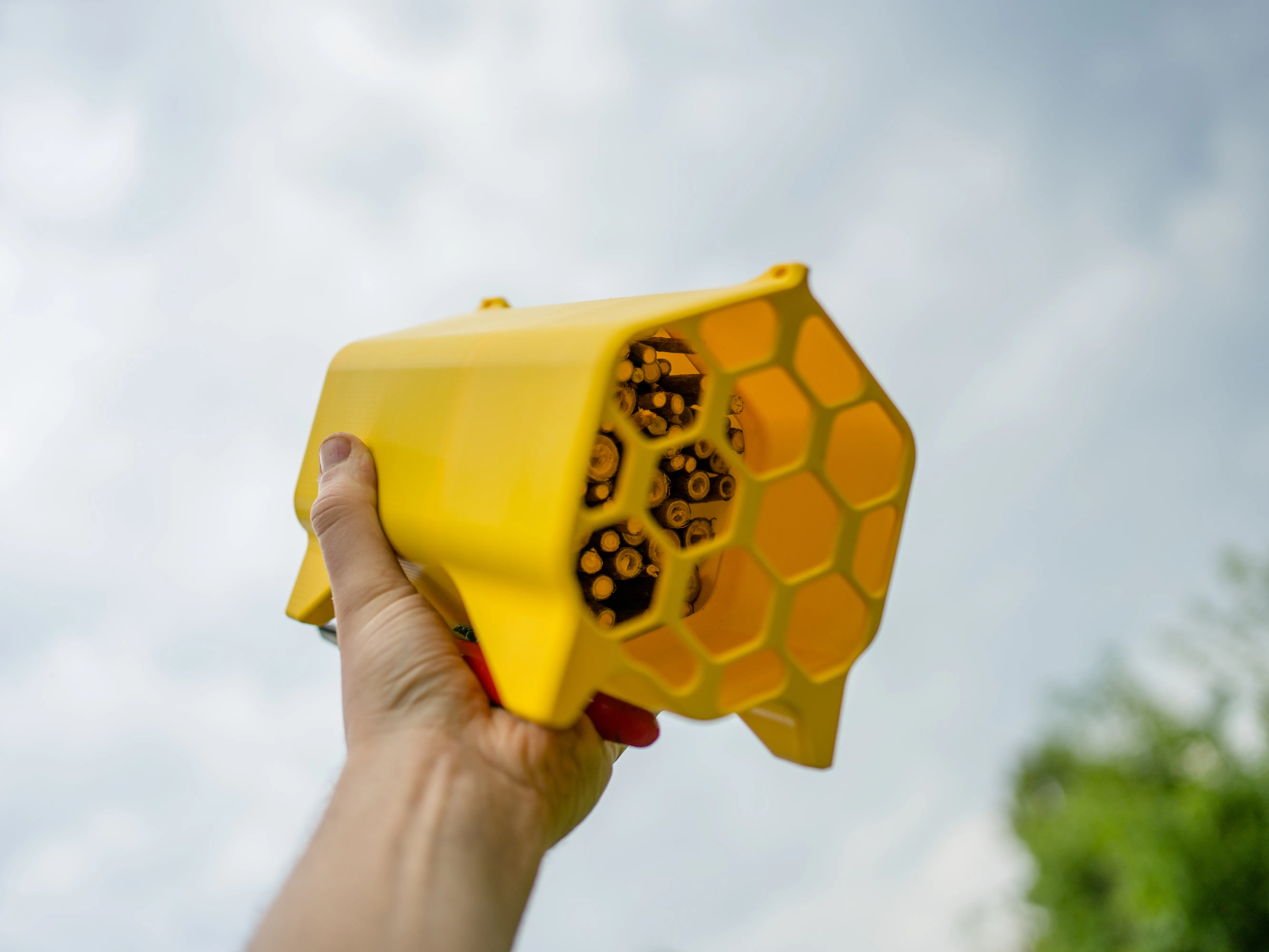
I hold the Hotel above my head to check if the stems are packed nice :)
5. Find a good space to hang/ stand the hotel up!
Have fun and keep printin!
PS: Don't scale the model in Z direction and only very little in x&y direction! I know it is hard but I designed it so the openings have 30 mm. I think some mm less will not do a lot harm to the bees but I am sorry but this is no design for very small 3D printer! The Z height is needed to provide some good length of the branches and still have an “entry area” to protect the insects from birds etc.
I designed it to fit the MK4!
If you want to buy a Insect hotel here are some more information:
If the wood was still wet wile holes were drilled into it cracks can/ will arise and allows parasites to enter the nests.
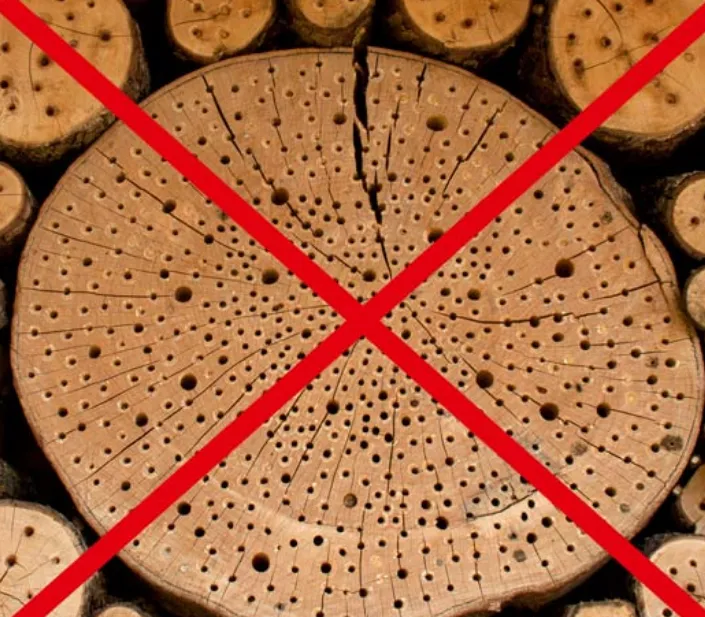
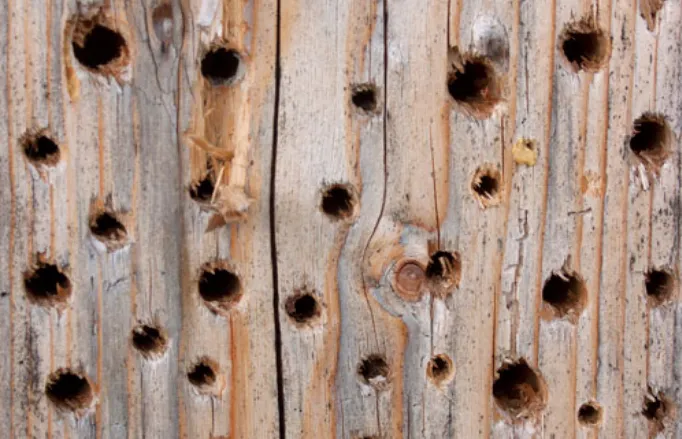
Rough entrys can harm the bees/ their wings.
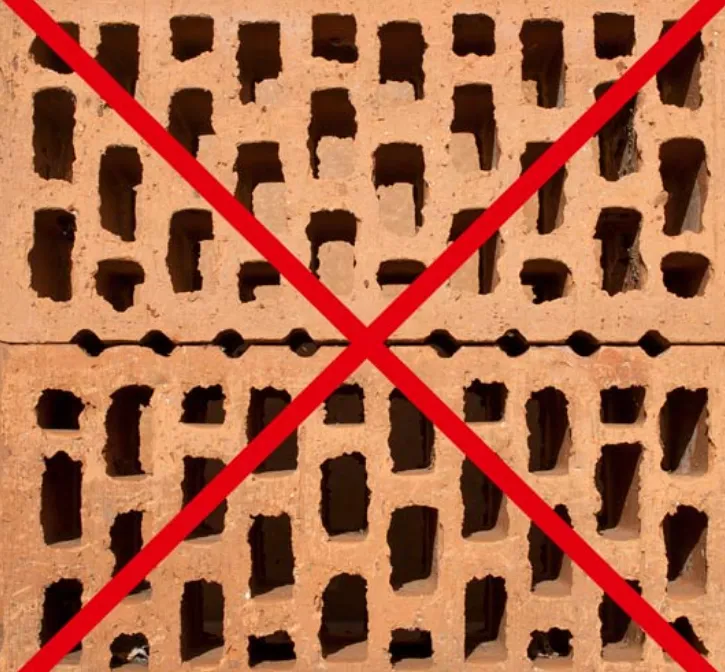
“Ytong” Stones: Holes are too big & rough. Also some can absorb water.
I hope that I was able to make a small contribution to disseminating information about wild bees and avoid printing/buying one or another completely pointless/harmful insect hotel.
If you still have questions, just take a critical look around the internet or ask local beekeepers! There you will get a lot of even more differentiated information!
A good source of information for more information in general or if you are planning to build your own was recommended to me by NABU (German only):
https://www.naturgartenfreude.de/nisthilfen-wildbienen/nisthilfen/
License



Comment & Rating (24)