
Miniature Parsons Chair Base For Upholstering
Print Profile(1)
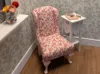
Description
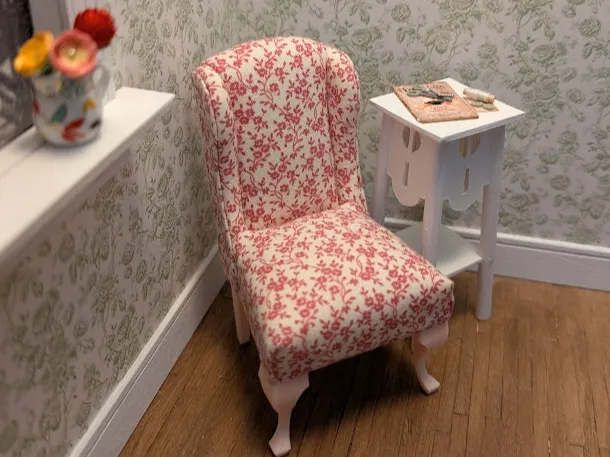
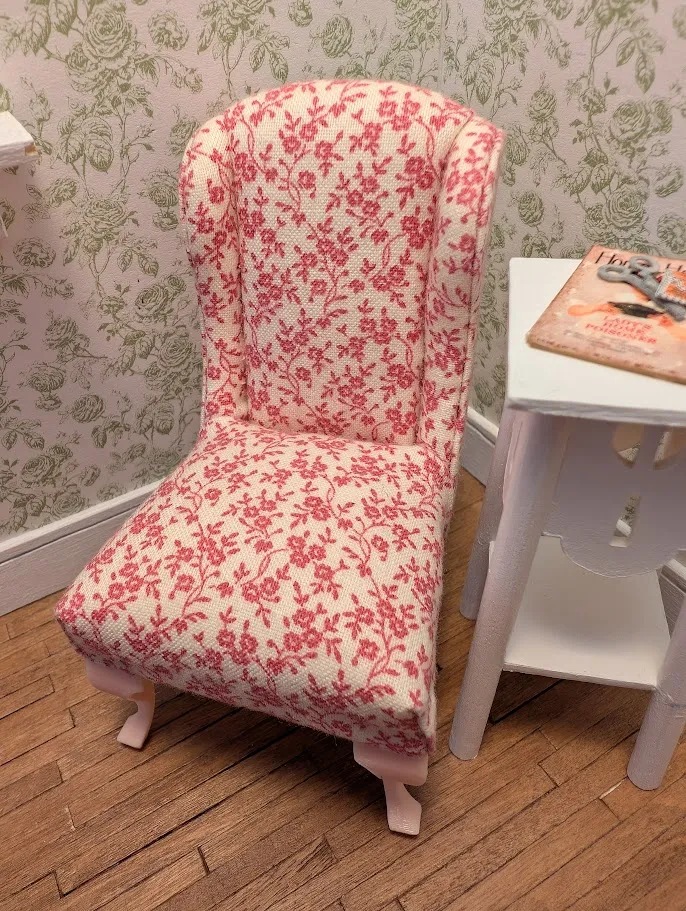
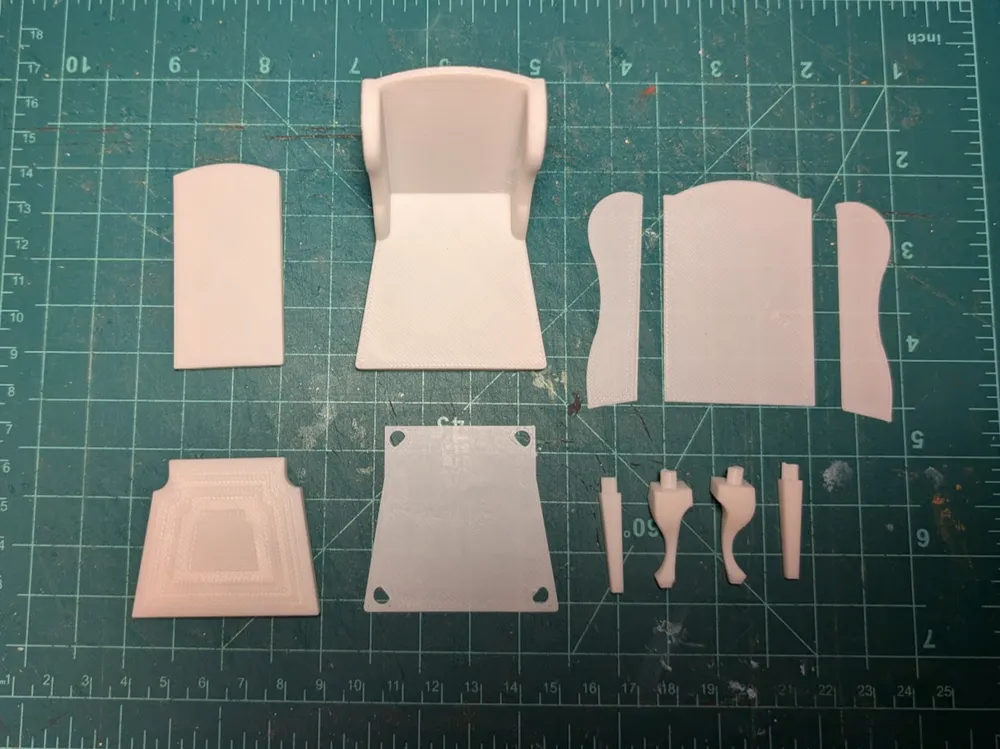
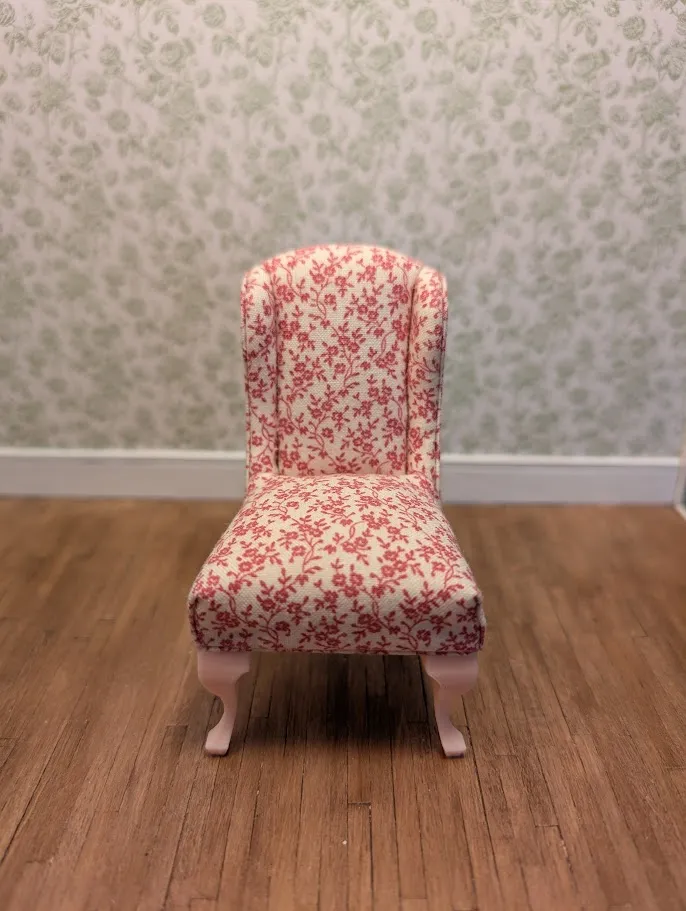
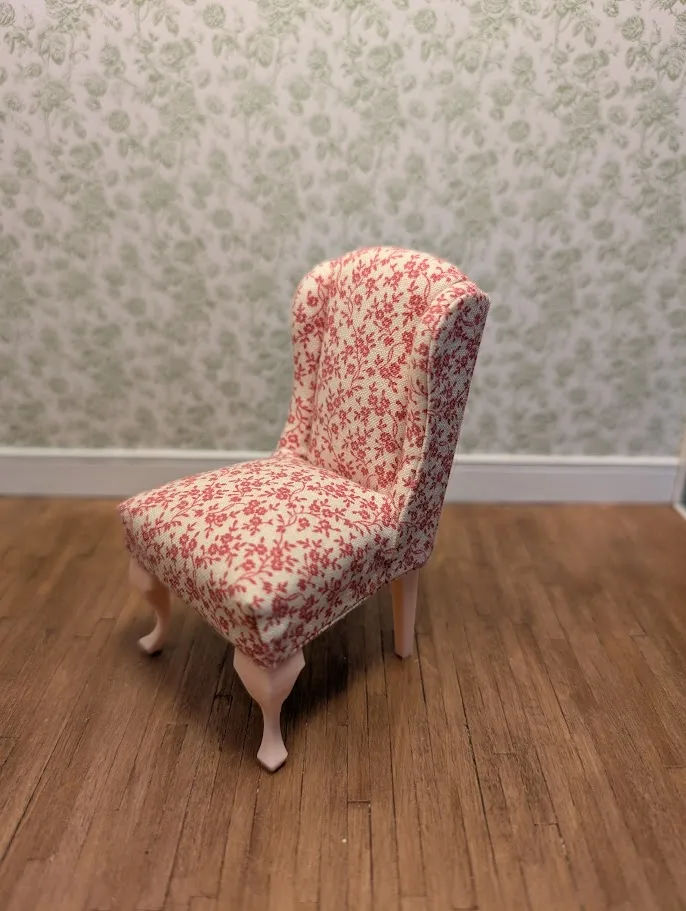
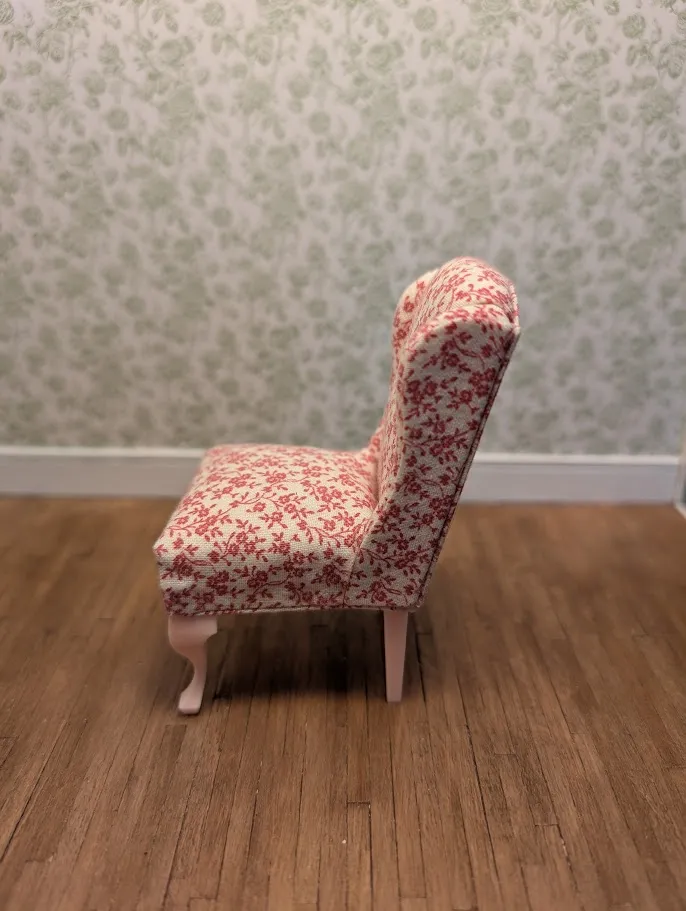
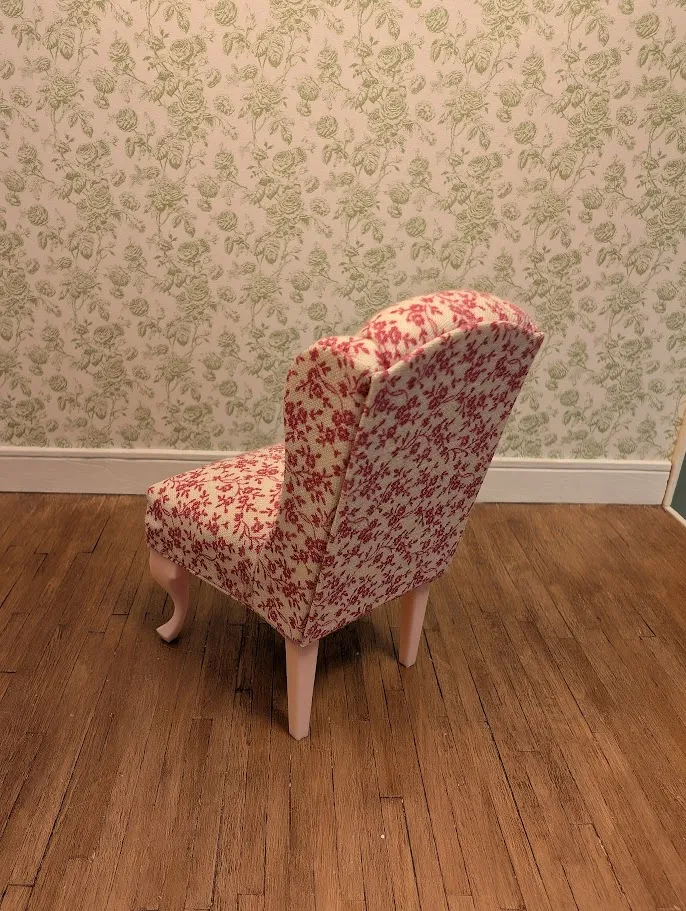
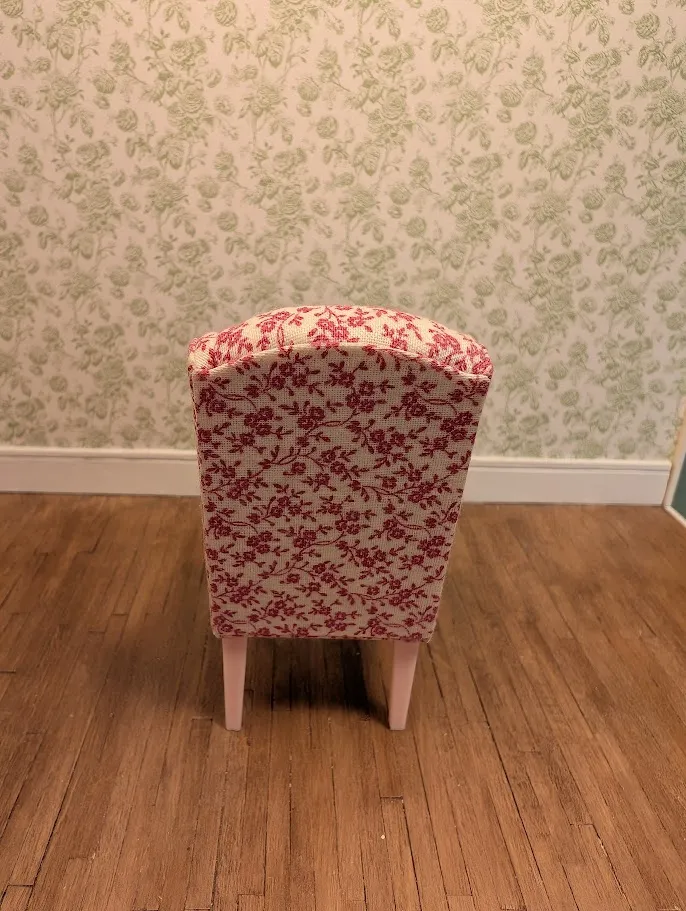
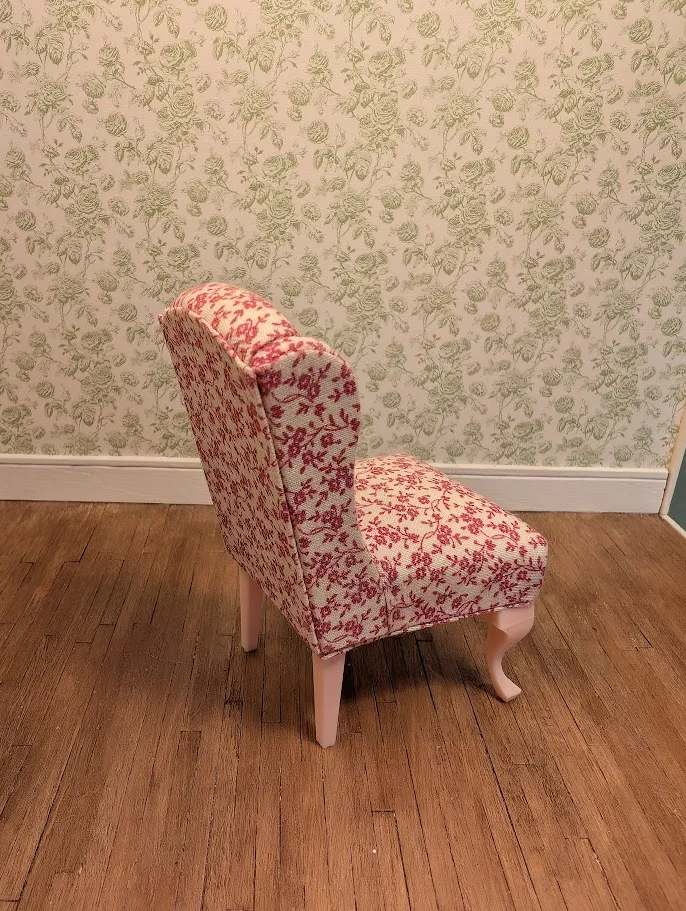
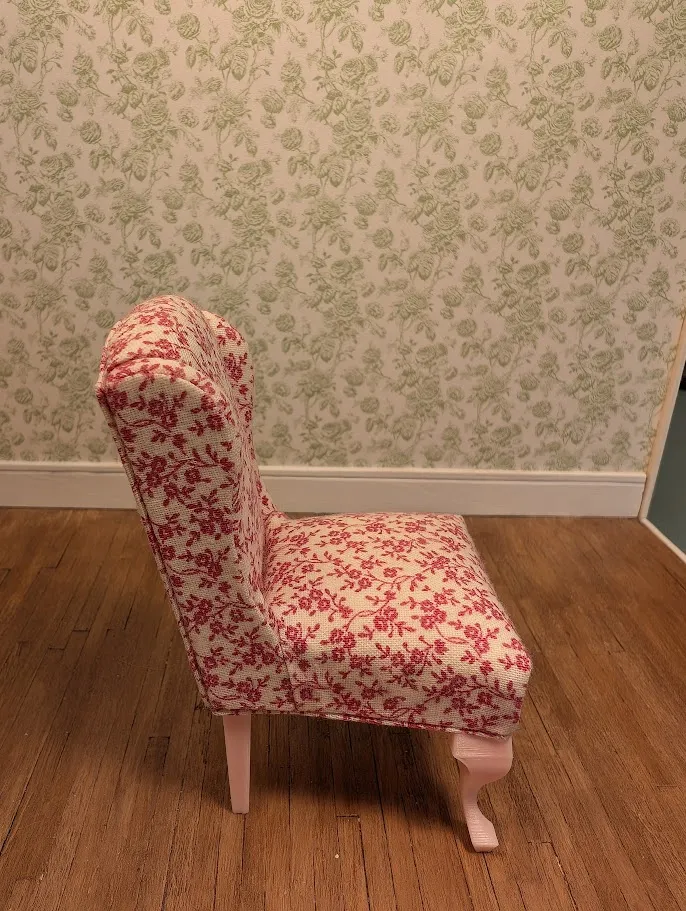
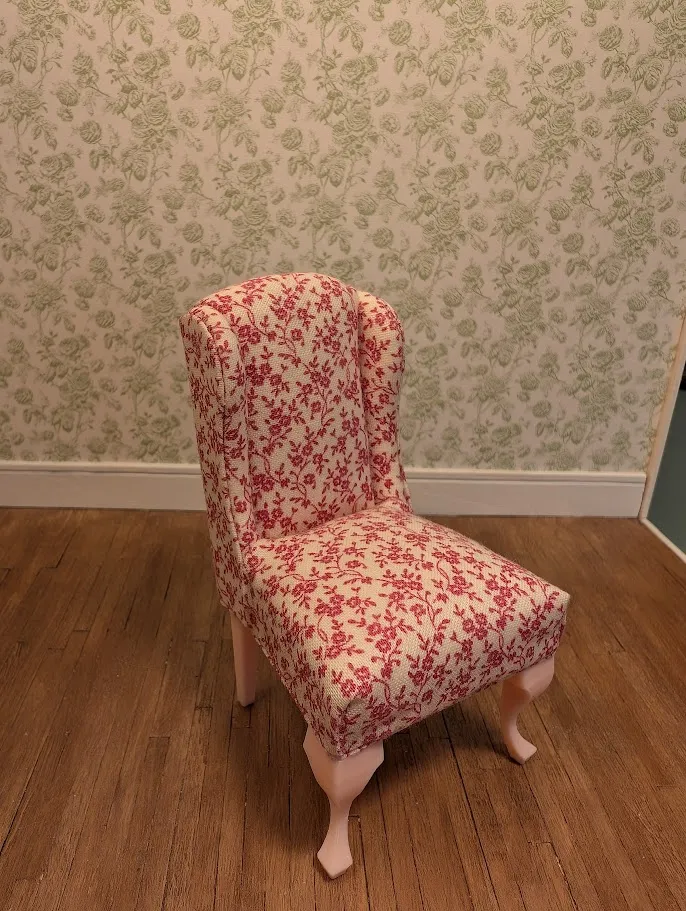
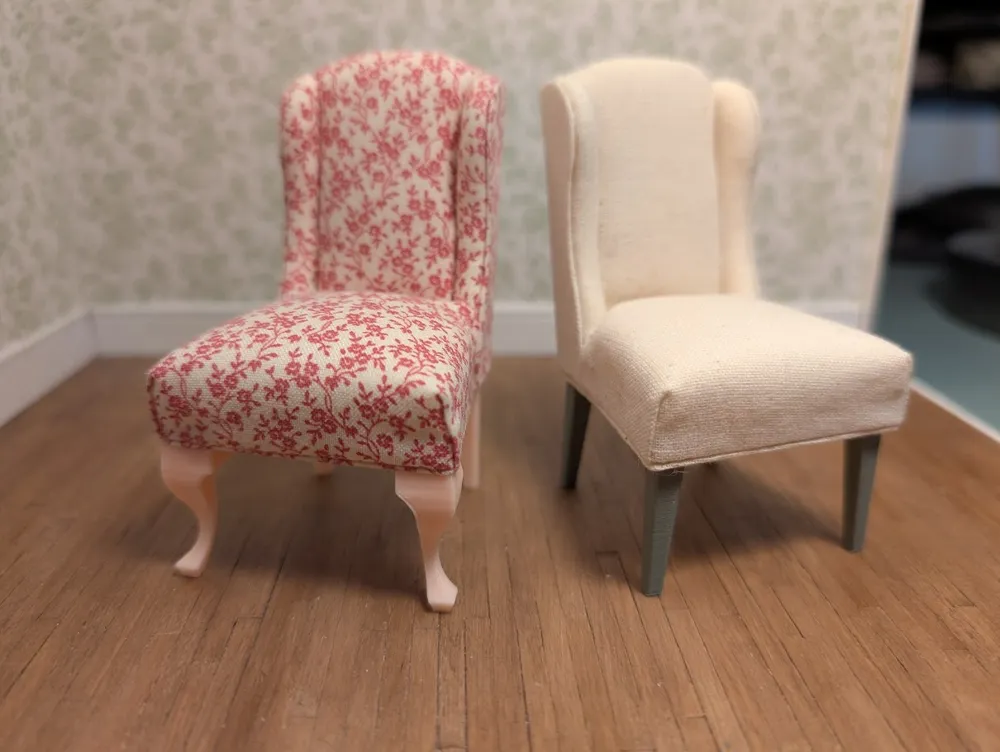
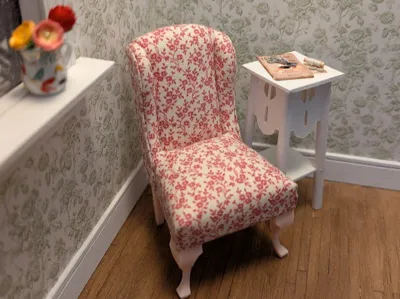
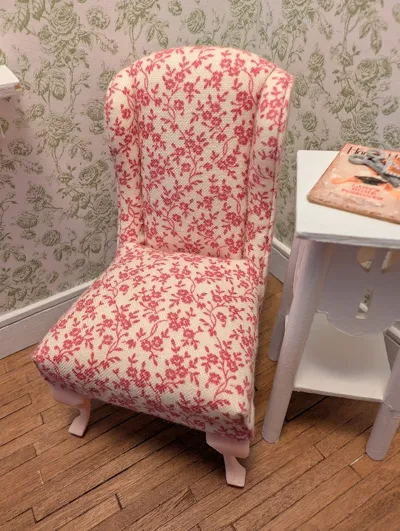
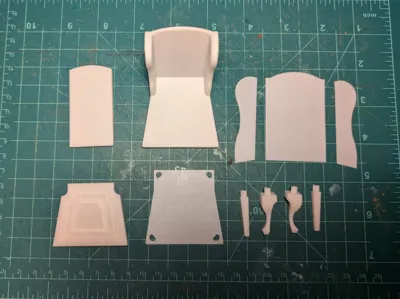
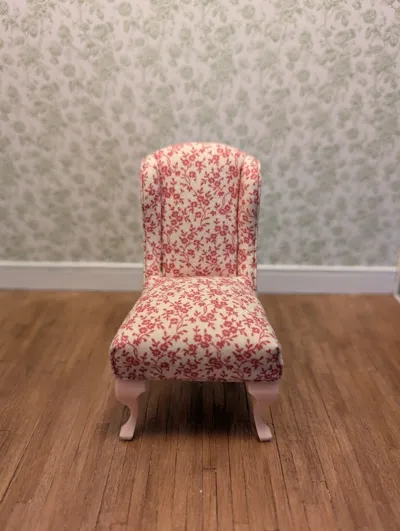
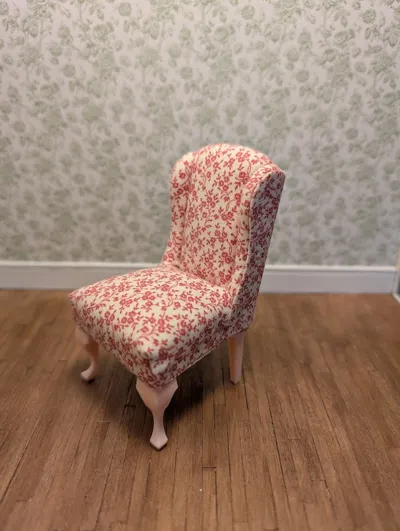
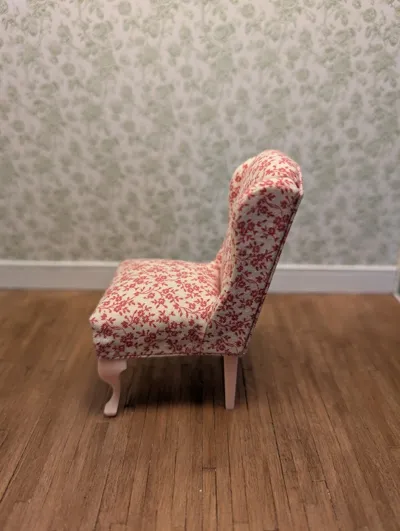
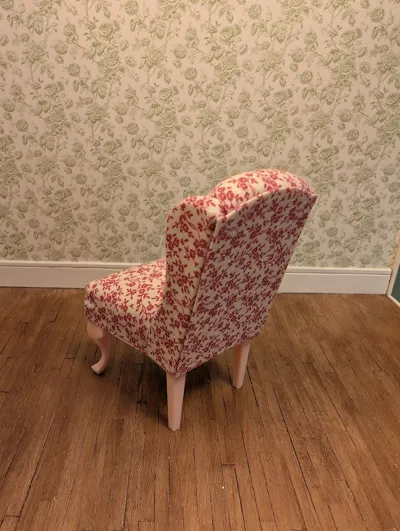
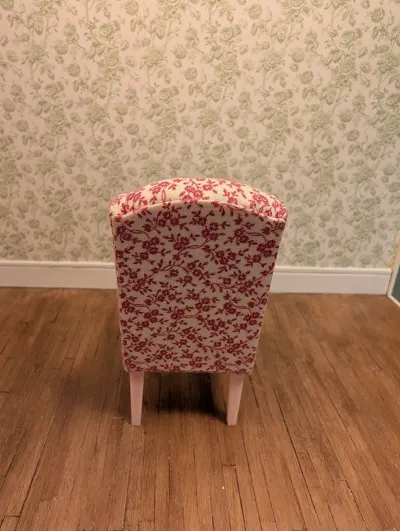
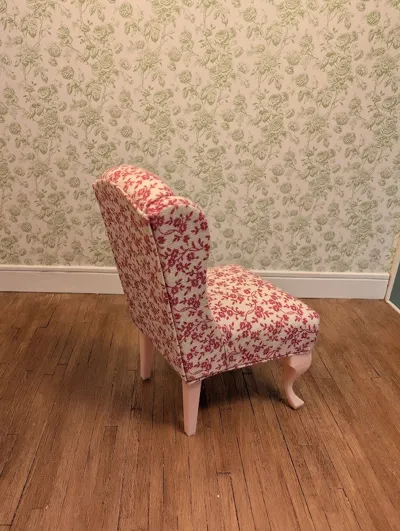
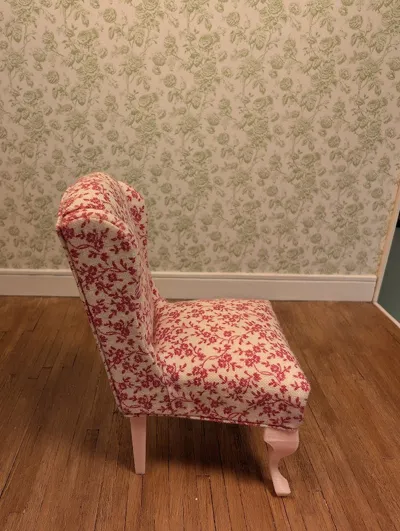
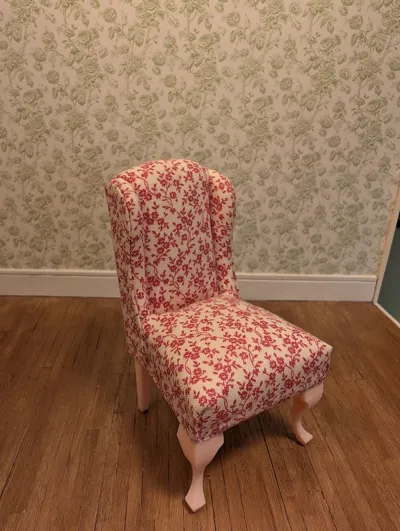
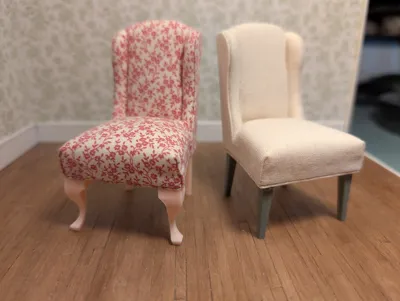
This is a hybrid project - most of the 3d printed parts don't even show in the finished piece! This base is made to let you upholster your own 1:12 scale miniature Parsons chair without having to model the supporting structure by hand from other materials. The description here isn't as long as with the model I shared earlier this year: Scale Miniature Chair Base for Upholstering, because this one is my original design and I've written a, hopefully detailed enough, assembly tutorial which you can find linked below.
If you've never done miniature upholstery before and don't feel confident, that's understandable but I bet you'll find it easier than it looks. You might also enjoy the armchair project linked above, or find it helpful to skim this tutorial for it: https://1inchminisbykris.blogspot.com/2013/01/chair-upholstering-tuttorial-how-to.html.
I'm providing some selected excerpts from the tutorial so you know what kind of supplies you'll want to have for this project, without having to download the file. I've gotten some lovely feedback and compliments on the armchair model, which really helped me stay motivated through the creation and testing process for this one. I hope you enjoy this project if you decide to give it a try, and I look forward to seeing your creations! Let me know if you have any struggles and I will try to help (I check in here a couple times a week most of the time).
What to gather up once you've printed the files:
Tools: Sharp scissors, craft knife, tweezers (Optional: pinking shears, applique or nail scissors with a curved blade)
Glues: glue stick, preferred structural/assembly glue, preferred fabric/craft glue
Textile materials: something for batting (i prefer cotton), something for upholstery material (still prefer cotton)
Other handy stuff if you have it already: A piece of photo paper to put under templates while gluesticking them, rubber brayer to smooth fabric on templates, Fray Check.
More detailed remarks on materials:
Quilting cotton or muslin in a small print. I recommend this for beginners particularly as it's much easier to glue than synthetics, both for sticking purposes, and for not making the fabric look stupid and jacked up. You don't need a lot of fabric. I didn't even have an eighth yard left of that pink flowered fabric I used.
Batting/padding. I use Warm & Natural cotton batting usually, and it's my favorite since it's easy to shape and kind of smoosh into position even if it's not perfect at first. I've also upholstered with synthetic felt or fleece, or even untextured paper towels for very small scale work. If you don't mind doing more layers, you'll be fine using a thinner batting. You could also make the cushions less dramatically stuffed.
Probably the most important thing is choosing a batting material you like working with, that won't look lumpy or show through the fabric in a way you don't like.
Glue. For this project I used an Elmers Craft Bond extra strength glue stick, Gorilla brand wood glue, because it sets up pretty quick and sticks to PLA better than you'd expect, and Bearly Art craft glue. Bearly Art is a bit pricey in my opinion, so I don't necessarily love to recommend it to others. Suggested alternate adhesives: Most of the Aleene's product line. Beacon FabriTac.
The main things you want to accomplish adhesive-wise are listed below by use case:
For the thin plastic panels use a glue stick to attach the fabric, because it's an easy way to get good enough coverage to keep
the fabric from wrinkling. Suggestions: most glue sticks are probably fine.
For structural gluing of PLA panels to PLA, or for gluing raw fabric edges to PLA where it'll be covered later, use something that grabs well and cures firm. Suggestions: most of the Aleene's product line but especially turbo tacky. Beacon FabriTac. Gorilla wood glue.
For gluing fabric to fabric, use something that won't dry stiff in a place you want the fabric to look plush or flat. Wood glue will dry hard and you want a more flexible hold. It's smart to test the glue on your particular fabric to make sure it cooperates and doesn't bleed through and look awful. Suggestions: Bearly Art if you got the bucks, Beacon FabriTac, Aleene's.
Documentation (1)
License



Comment & Rating (3)