
Print Profile(1)
Bill of Materials
.jpg)

Description
Boost Me (for free)
Thank you!
Anti-Gravity Physical Structure – Floating Tensegrity Design
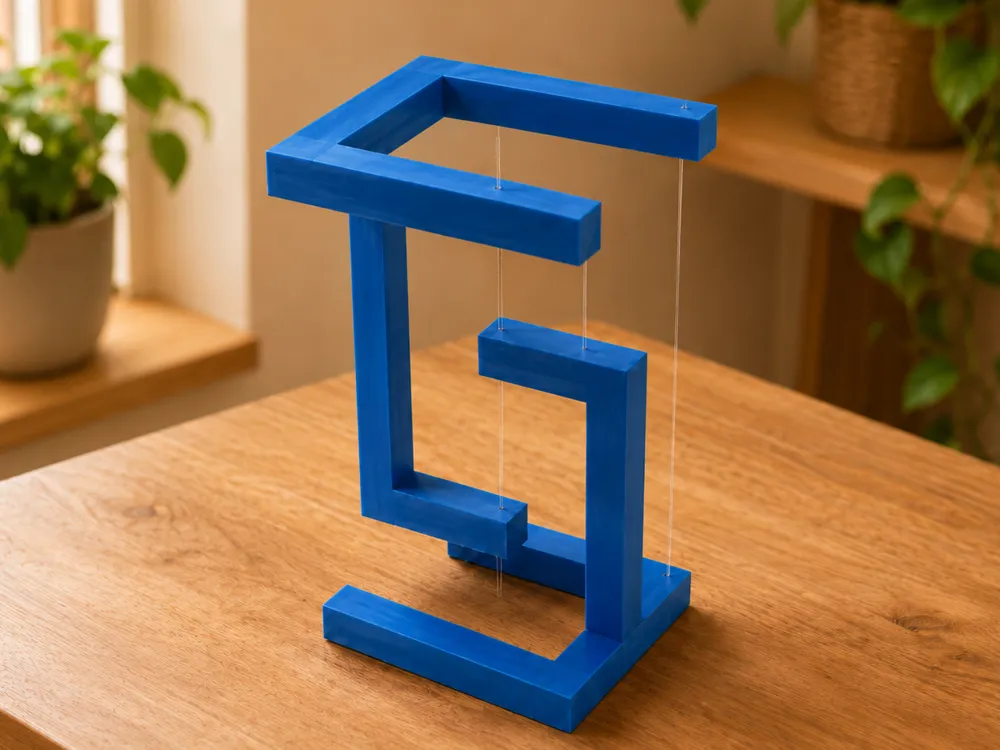
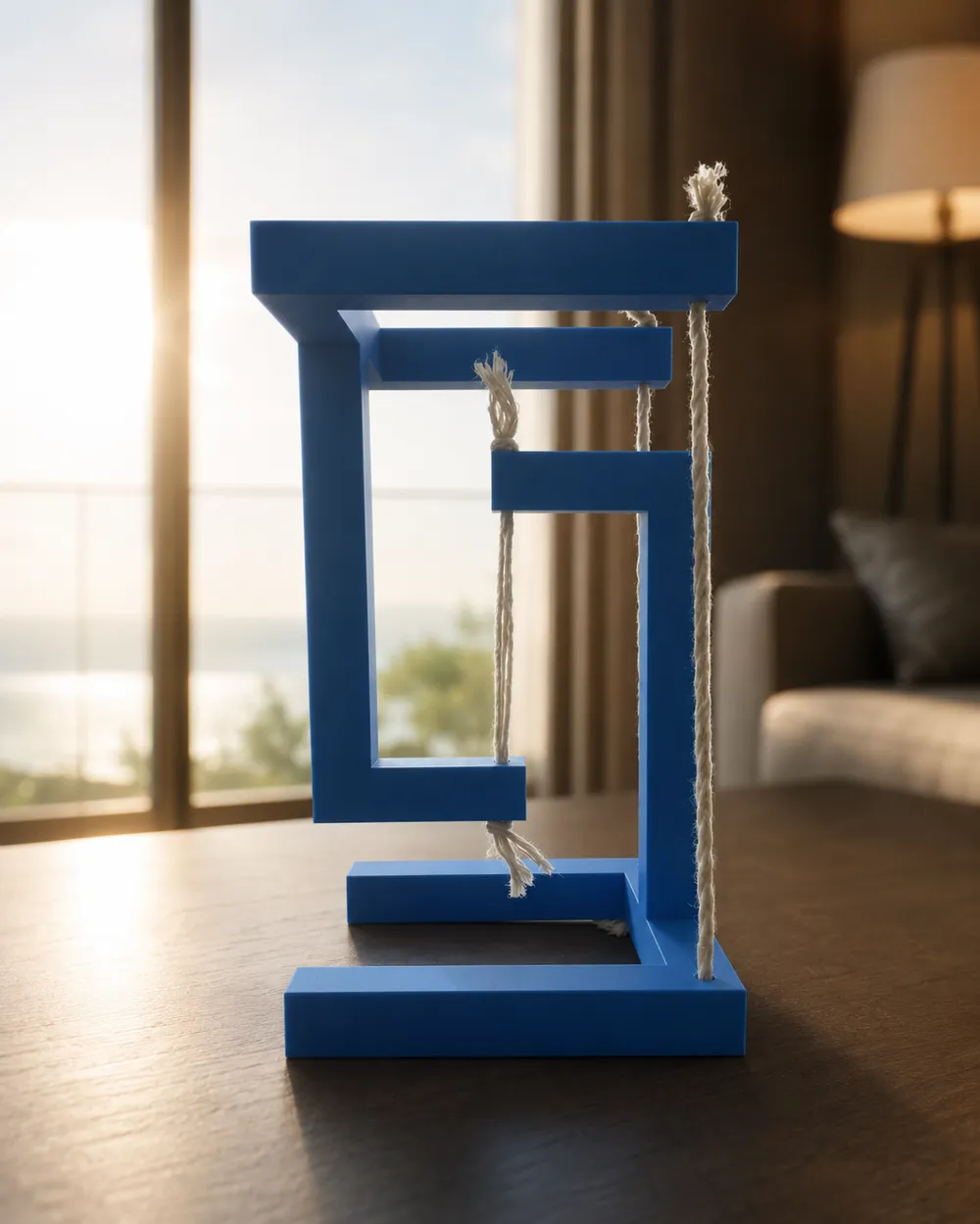
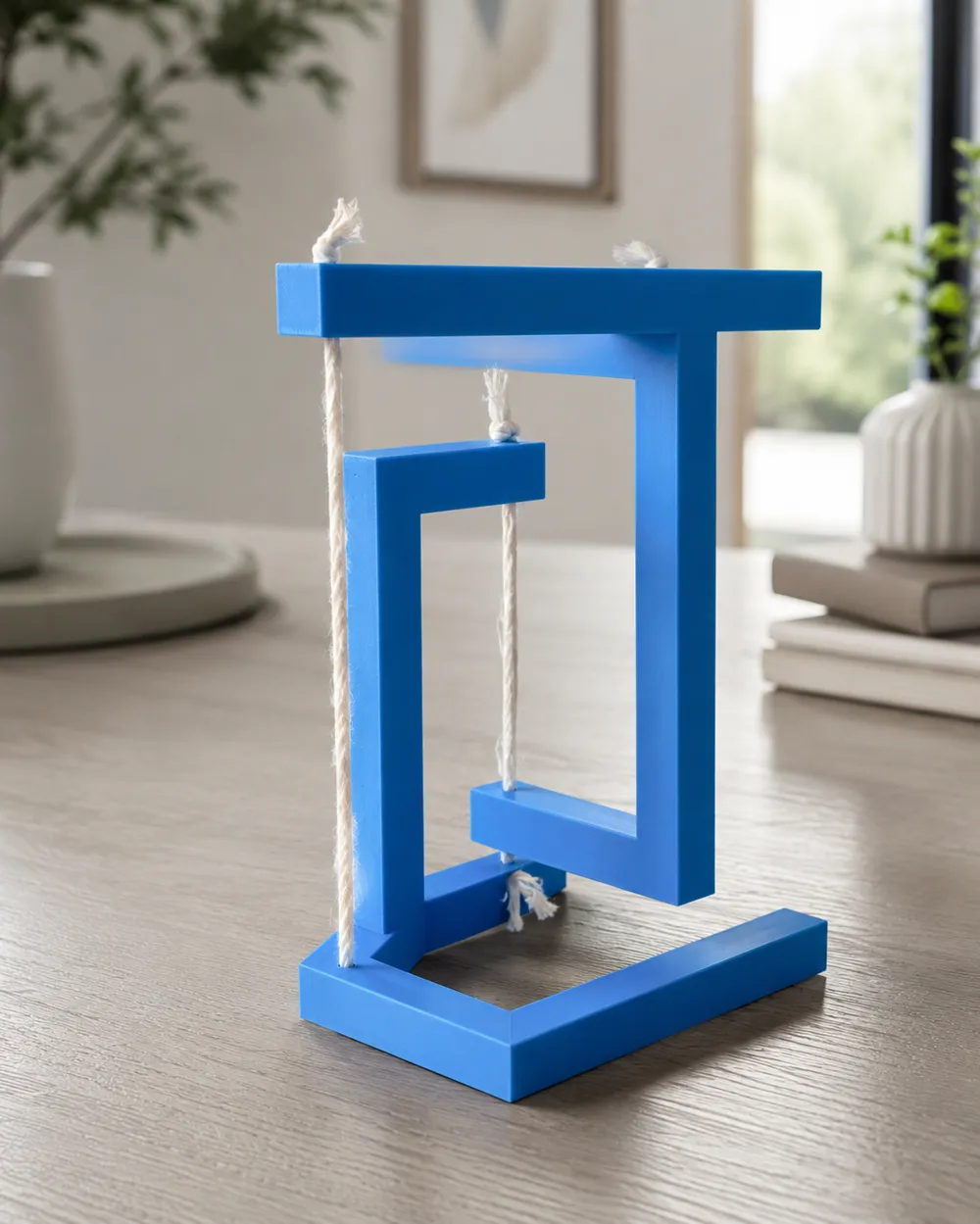
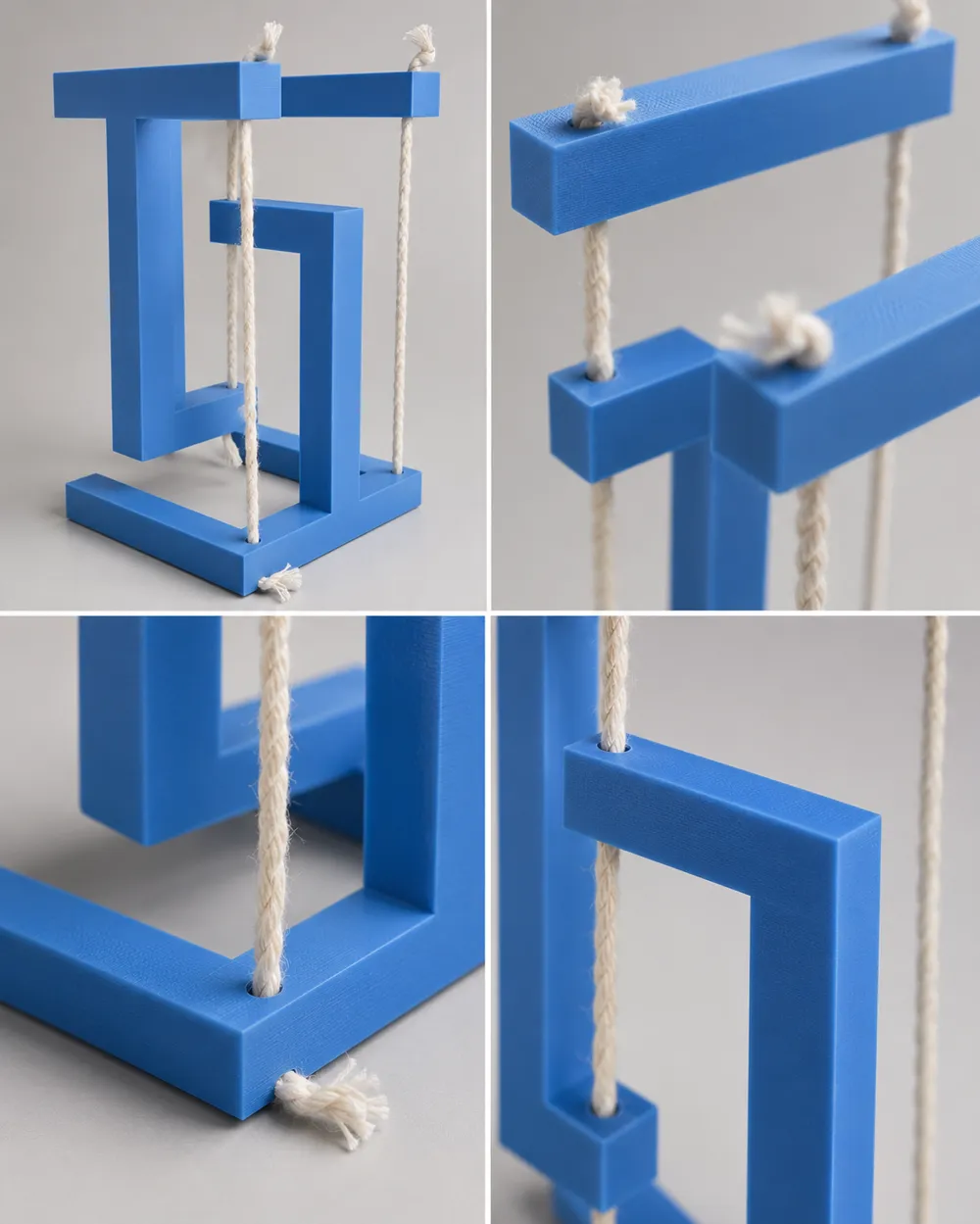
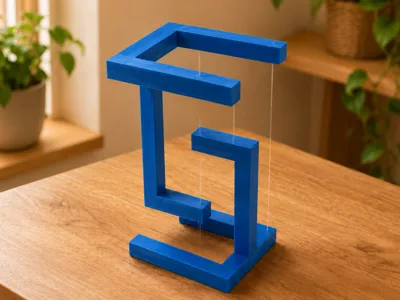
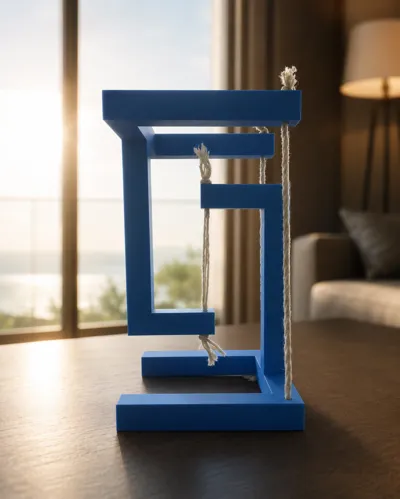
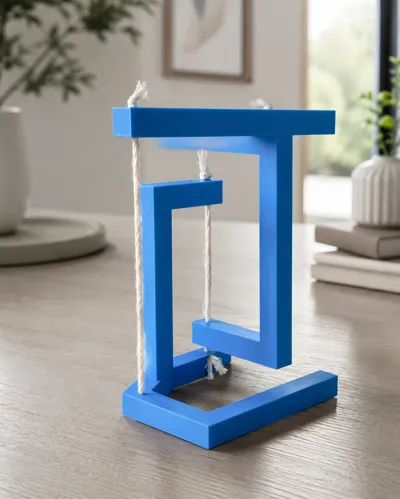
This anti-gravity physical structure is a visually striking tensegrity-style model, designed to create the illusion of a floating upper frame. Simple in appearance but very interesting to look at, it is ideal for desk decoration, physics demonstrations, school projects, or maker displays.
The model uses string tension to hold the upper part in balance, making it appear as if it is suspended in mid-air. Its clean geometric design makes the physical principle easy to understand while still creating a surprising anti-gravity effect.
Design Overview
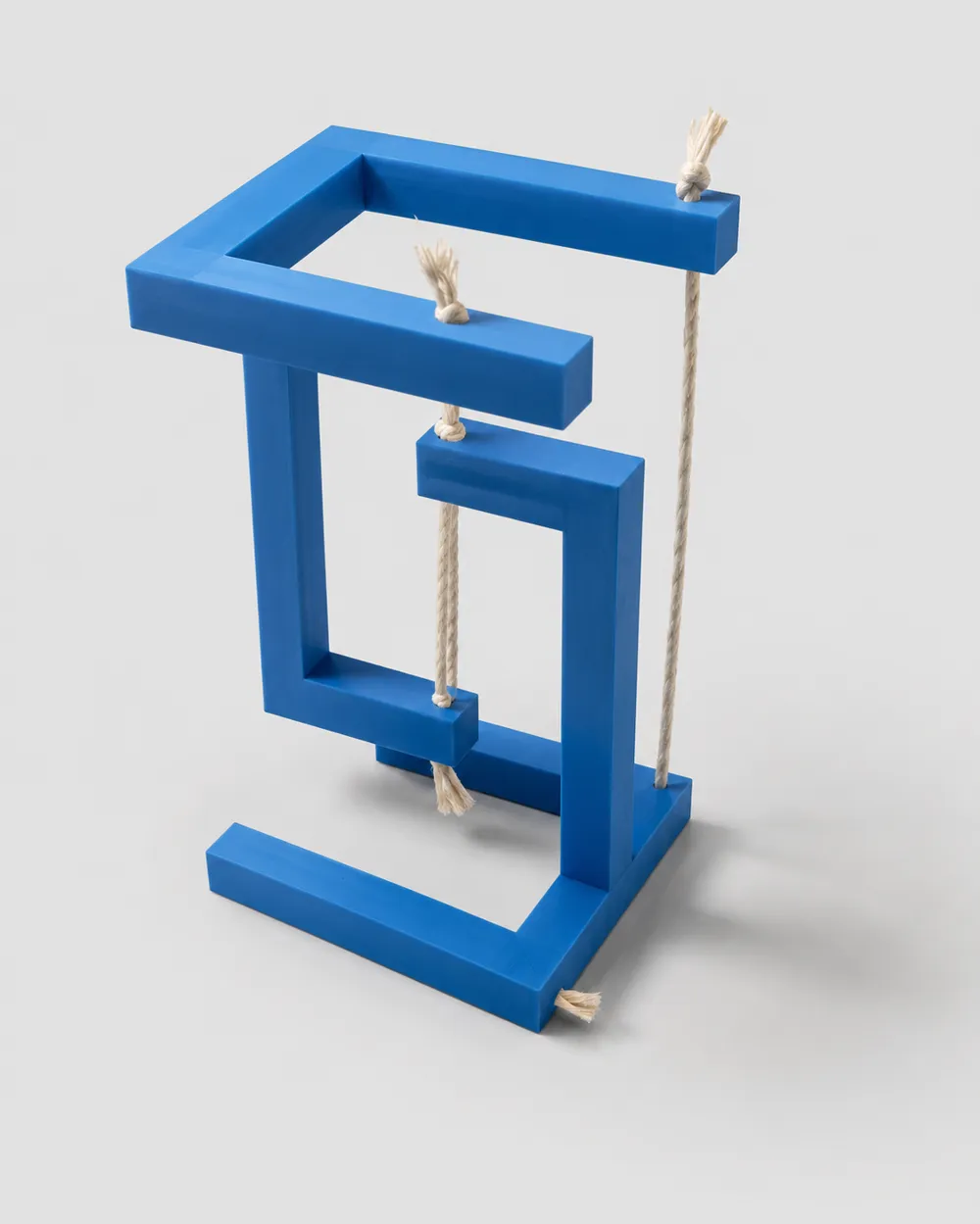
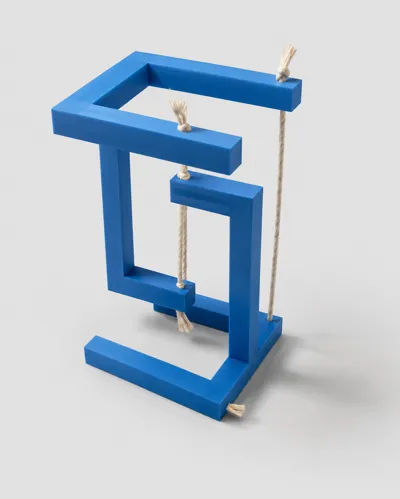
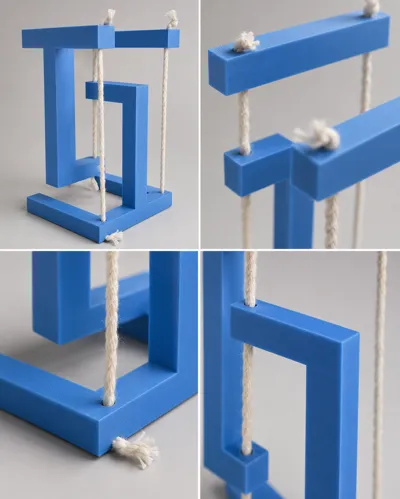
The model is built as a two-part physical structure connected with string, creating a floating effect through balanced tension.
It includes:
- A stable lower structure
- A suspended upper structure
- String attachment points
- A clean geometric design optimized for display
The geometry is designed to stay simple and printable, while the final effect depends on careful string tension and balance.
Features
- Floating anti-gravity illusion
- Tensegrity-inspired physical structure
- Great desk decoration
- Educational physics demonstration
- Clean and minimal design
- Simple assembly with string or fishing line
- Two printed main parts
- Interesting visual effect once assembled
Printing Notes
Recommended settings:
- 0.20 mm layer height
- 0.4 mm nozzle
- PLA recommended
- PETG can also be used
- 3 walls for better rigidity
- 10–20% infill
- Grid or gyroid infill works well
Supports may depend on your printer, orientation, and slicer settings. Check the preview before printing. If your slicer handles the geometry cleanly without supports, you can disable them.
Assembly Notes
Use thin string, strong thread, or transparent fishing line for the best visual effect.
Start by attaching the center string first, then add the side strings. Adjust the tension gradually until the upper part stays centered and stable.
Small changes in string length can make a big difference. Take your time during assembly and avoid tightening one side too much.
For a cleaner and more permanent result, you can secure the knots with a small amount of glue once the structure is correctly balanced.
Recommended Use
This model is ideal for:
- Desk decoration
- Physics demonstrations
- School projects
- Maker displays
- Tensegrity experiments
- Educational prints
⚠️ Note
The floating effect depends on correct string tension. If the upper part leans to one side, adjust the strings slowly until the structure becomes straight and stable.
Boost Me 🚀
If you find this model useful, please consider supporting it:
👍 Like
🚀 Boost
📥 Download
🖨️ Print
⭐ Leave feedback
Your support helps develop more creative, functional, and educational 3D printable designs.
License

You shall not share, sub-license, sell, rent, host, transfer, or distribute in any way the digital or 3D printed versions of this object, nor any other derivative work of this object in its digital or physical format (including - but not limited to - remixes of this object, and hosting on other digital platforms). The objects may not be used without permission in any way whatsoever in which you charge money, or collect fees.


Comment & Rating (6)