
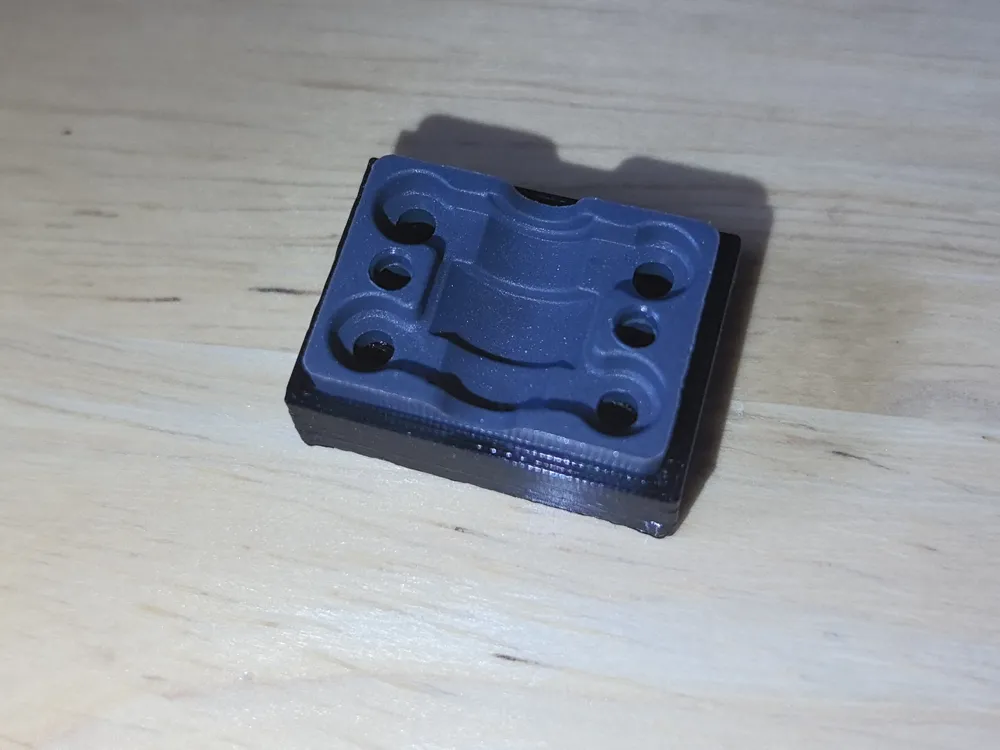
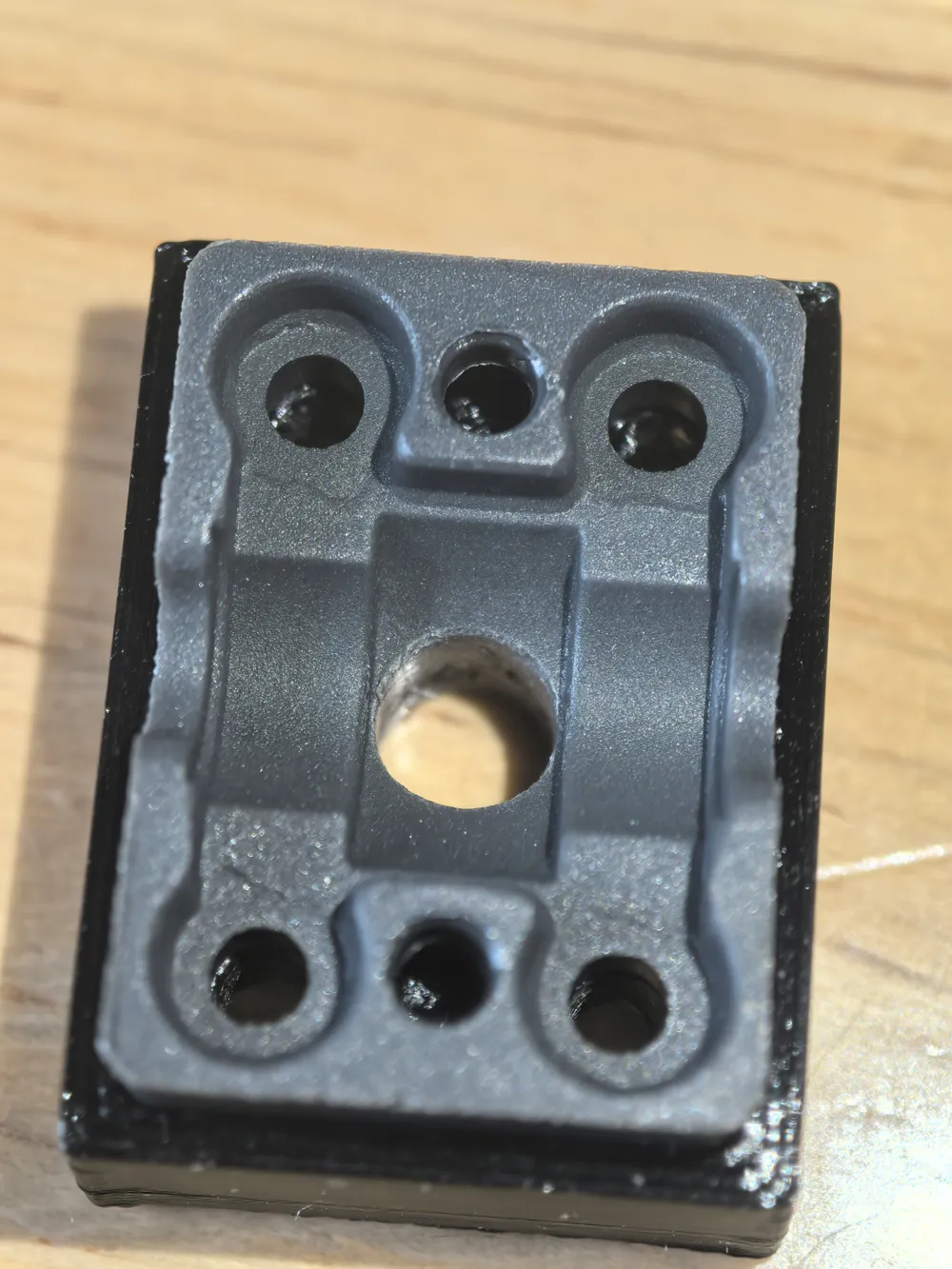
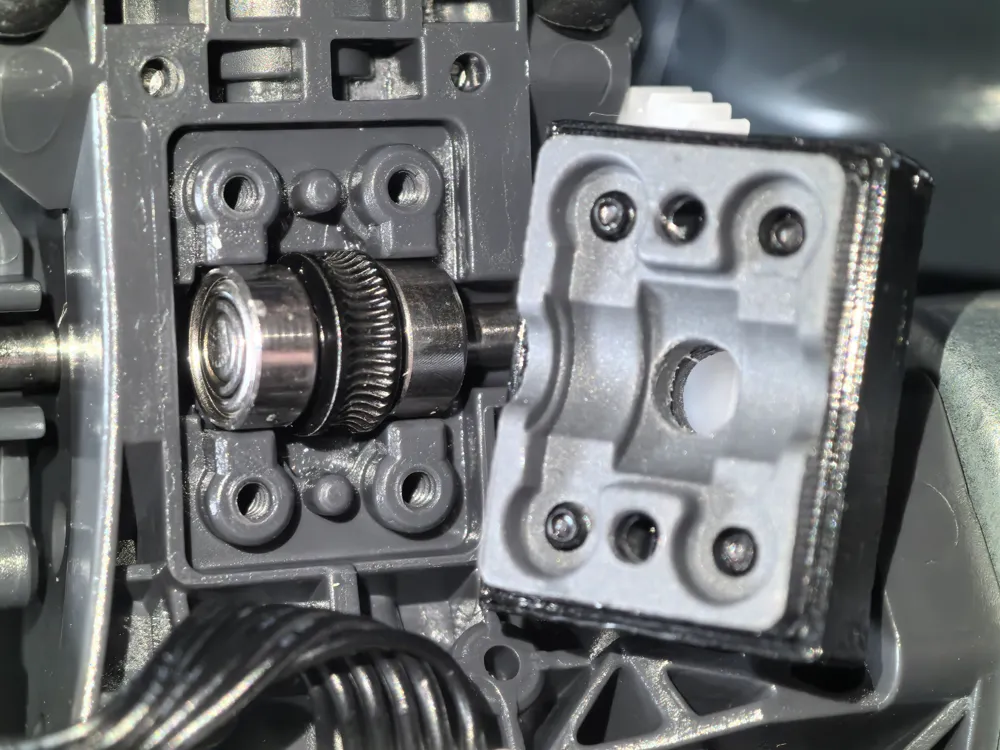
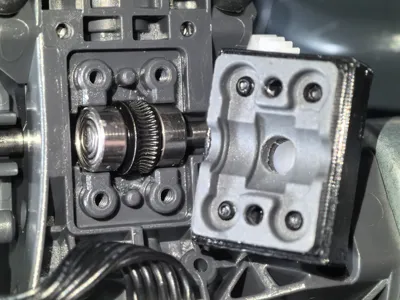
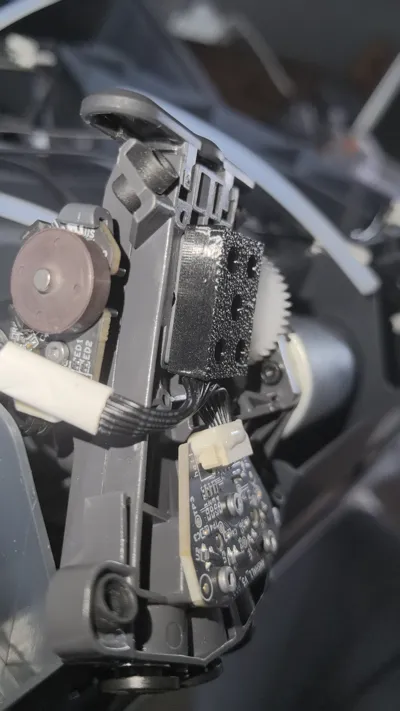
AMS first generation five-way cap reinforcement part (uses original cap, reinforced and with added chip discharge)
Print Profile(1)
Description
The common problem of AMS five-way cap cracking, in addition to replacing it, the cause must be considered to eliminate potential issues.
This design not only preserves the smoothness of the original part but also increases its strength, and the chip discharge port avoids the risk of future damage.
It is recommended to print and install this on a new machine to eliminate potential issues.
A damaged cap can also be temporarily repaired with this, and is expected to last indefinitely after repair.
Printing suggestions: Use PETG, ABS is better; 0.16mm layer height; 100% infill; no supports. There is nothing else to note.
Analysis of cracking causes:
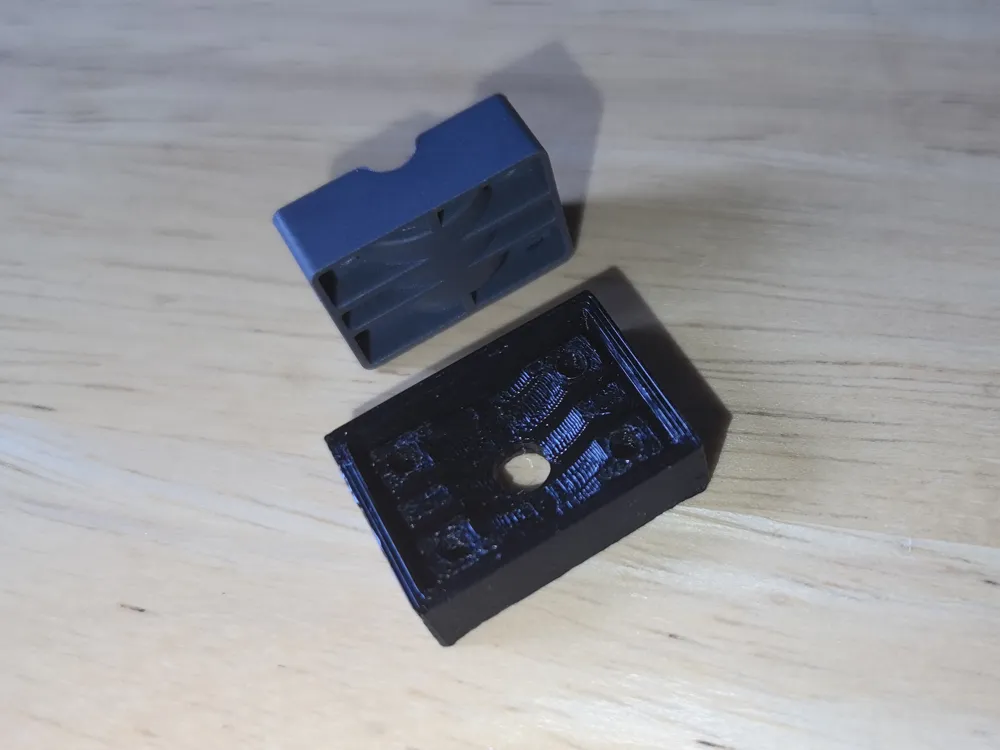
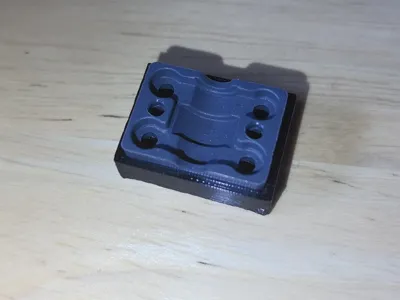
- The original cap is relatively thin, with sink marks on the back; if filled solid, it would be much stronger. --- Solution: Fill the sink marks.
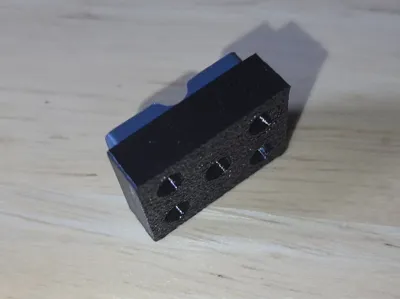
- The side wall of the original cap also cracked, indicating that the side wall also needs reinforcement. --- Solution: Encase the side wall to strengthen its thickness.
- After-sales service states that regular cleaning is required because debris can rupture the casing. --- Solution: Automatic chip discharge.
- The inner wall of third-party printed caps is not smooth enough, and interlayer adhesion is limited. --- Solution: Use the original cap.
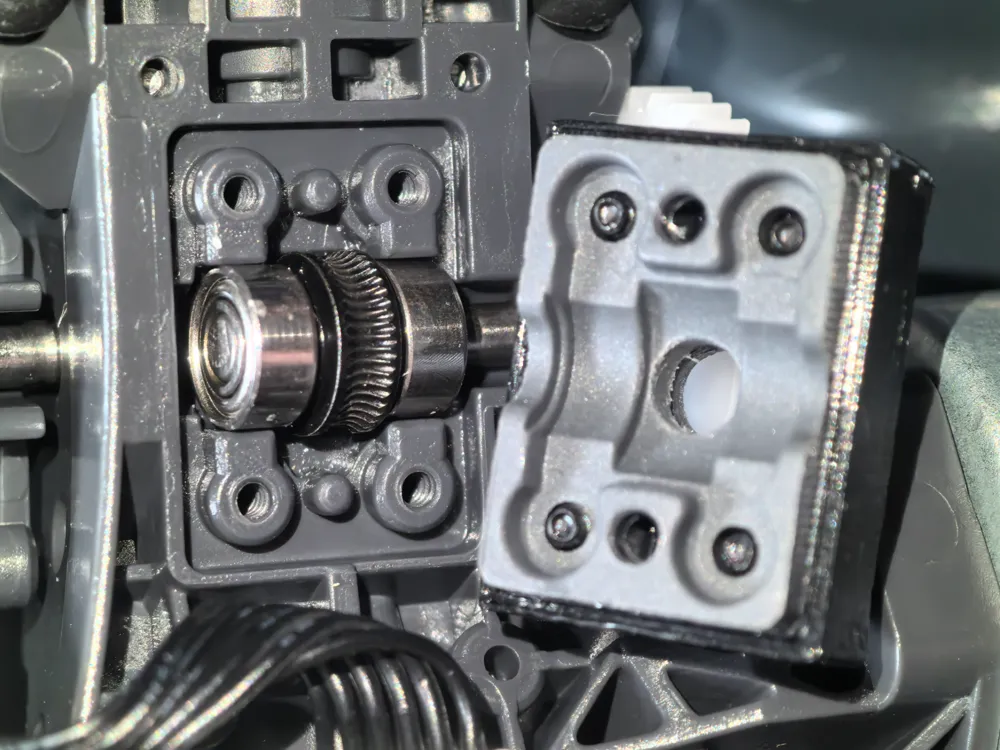
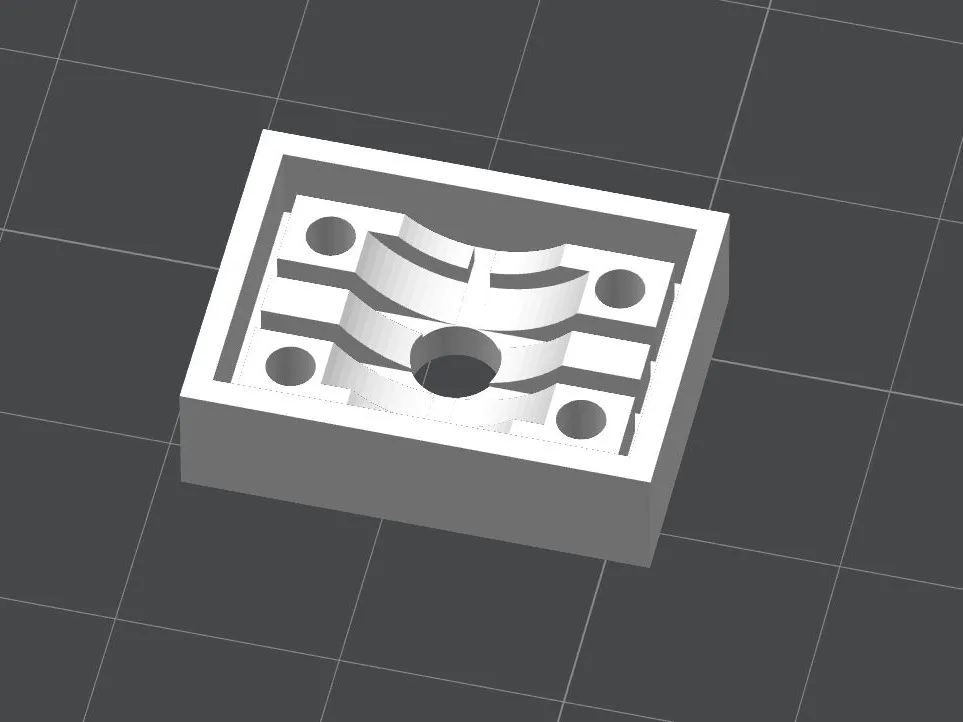
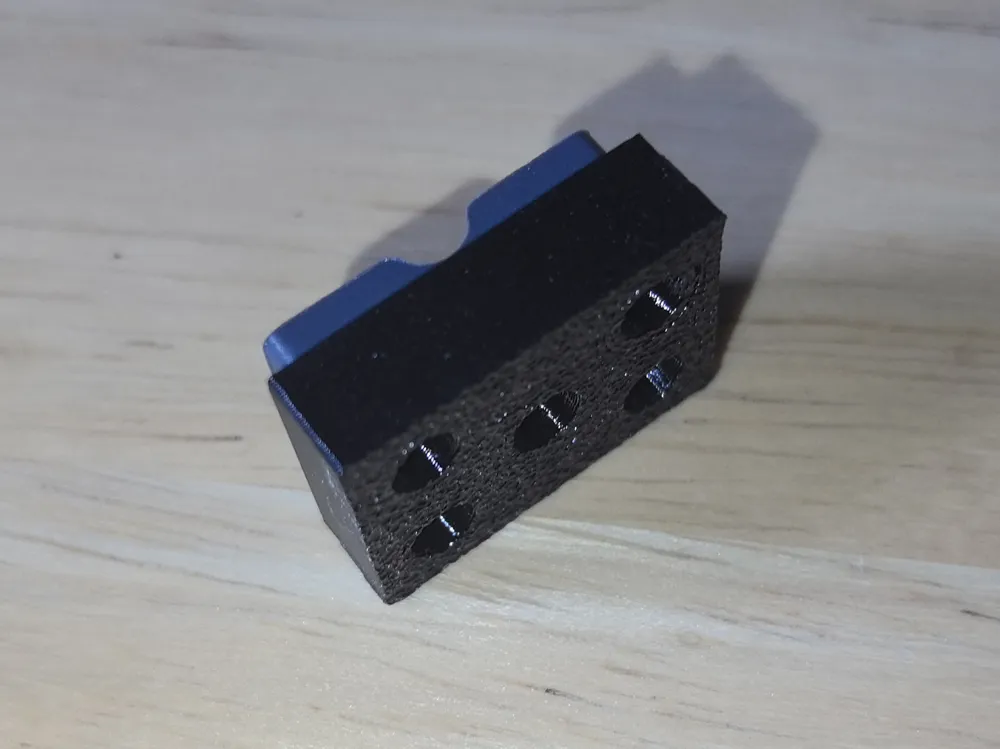
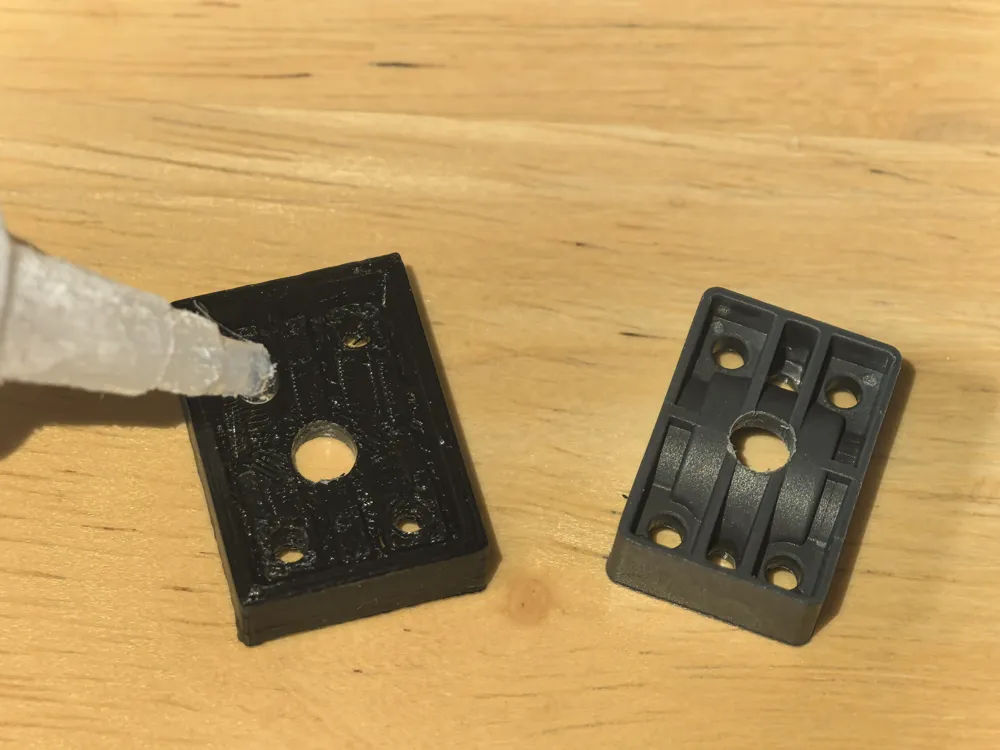
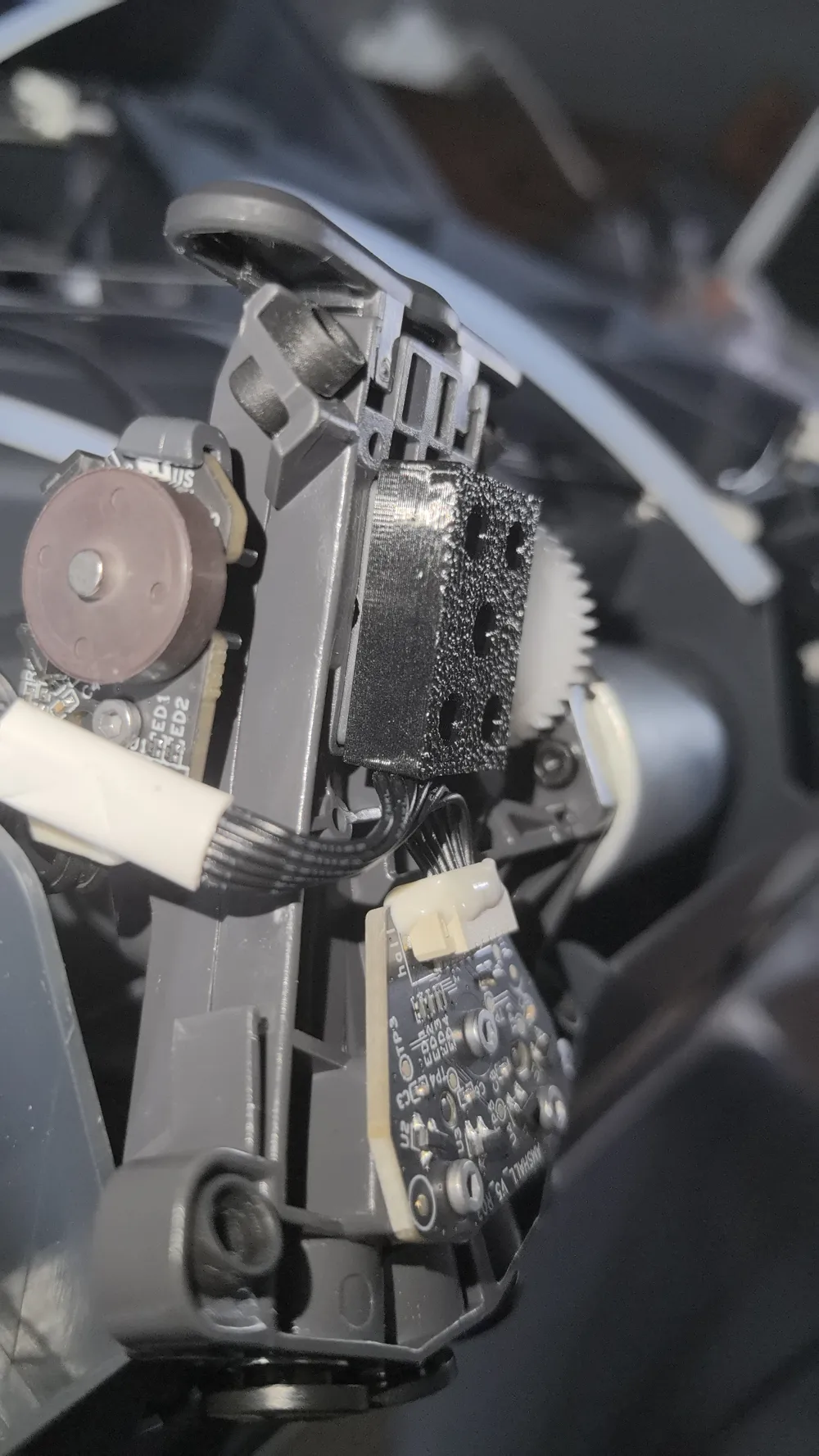
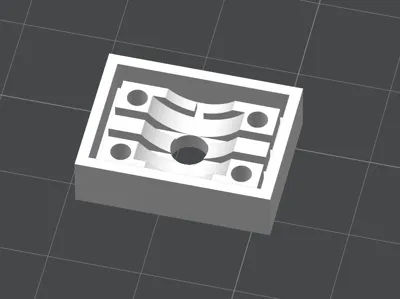
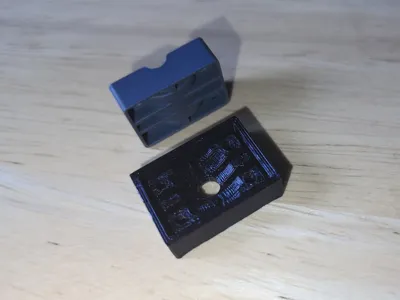
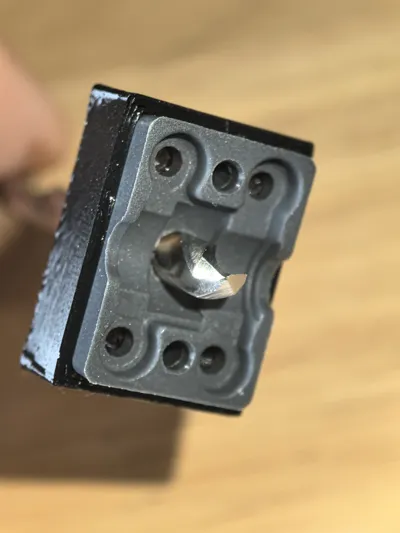
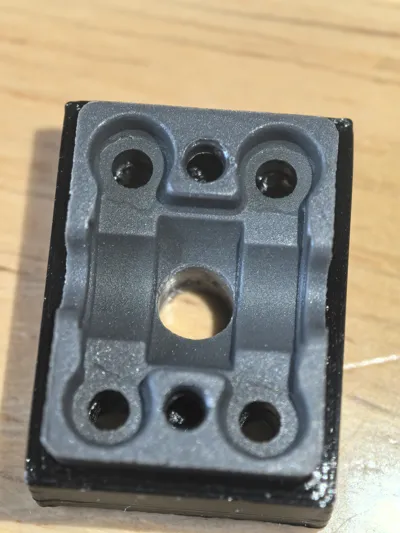
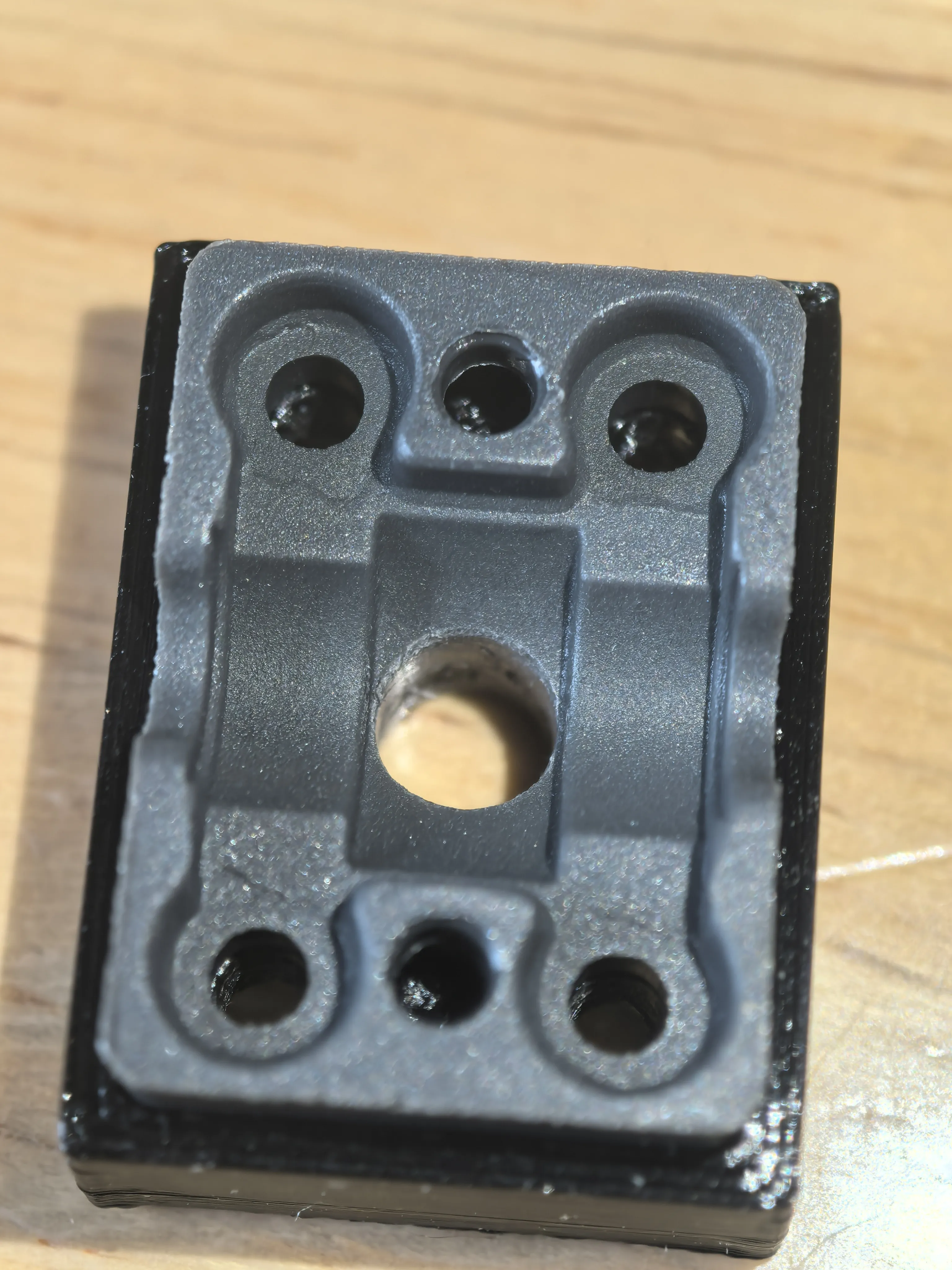
Based on the sink mark location on the back of the original cap, a snug reinforcement cover is designed. It covers the outside of the original cap, fills the sink mark part of the original cover, and is also clamped around the edges.
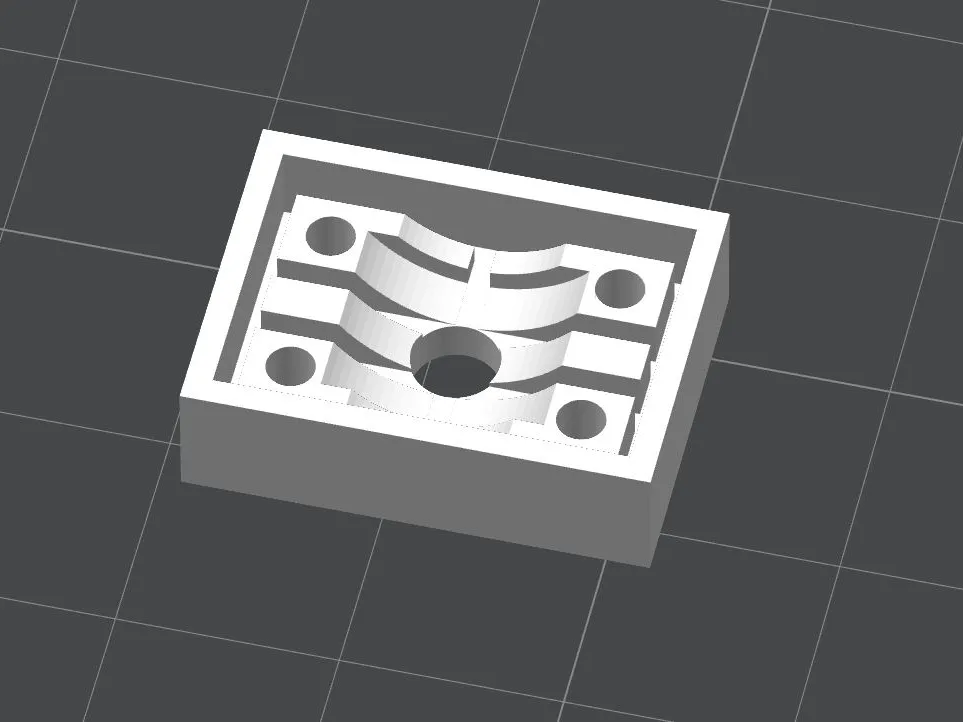
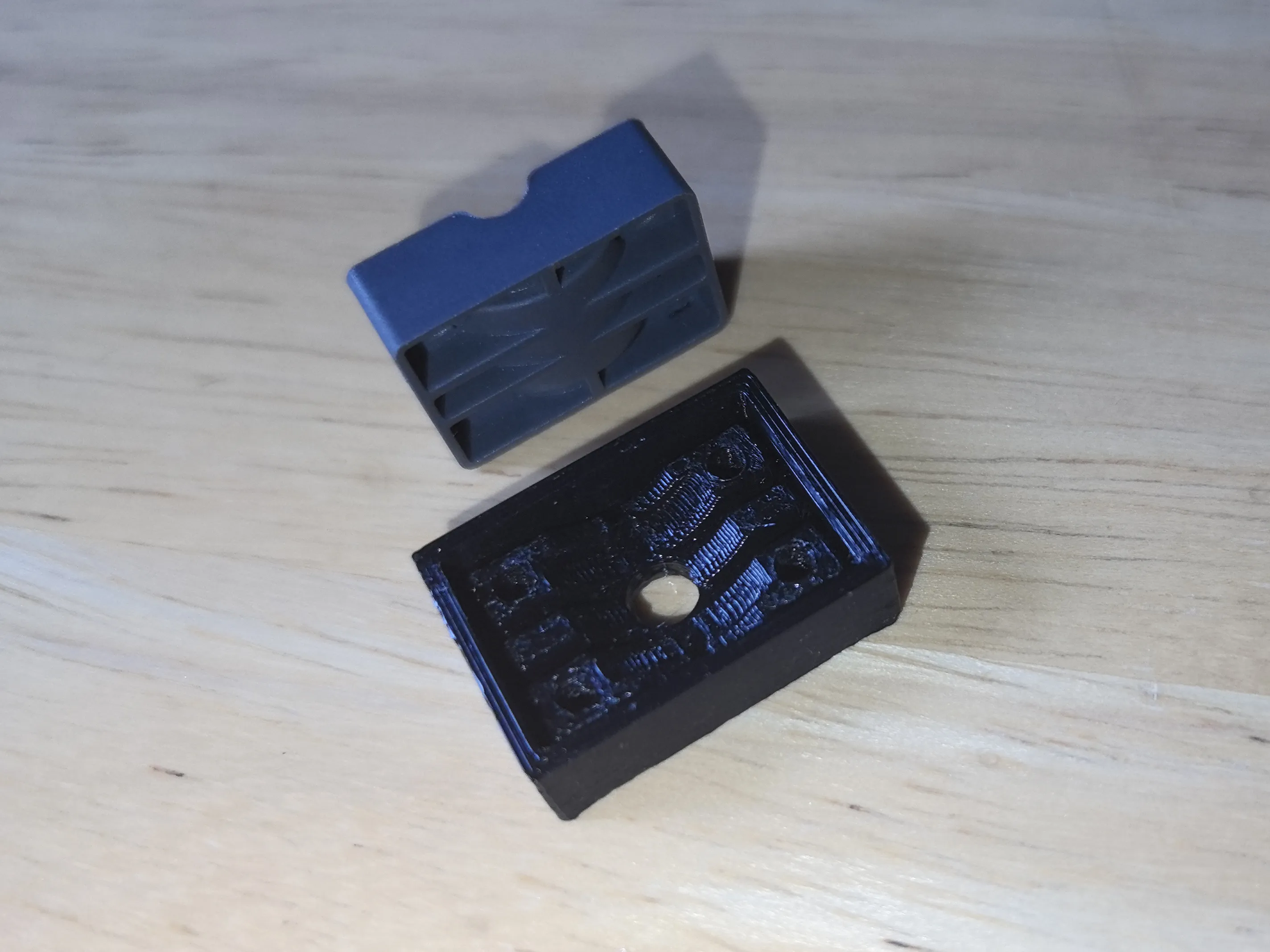
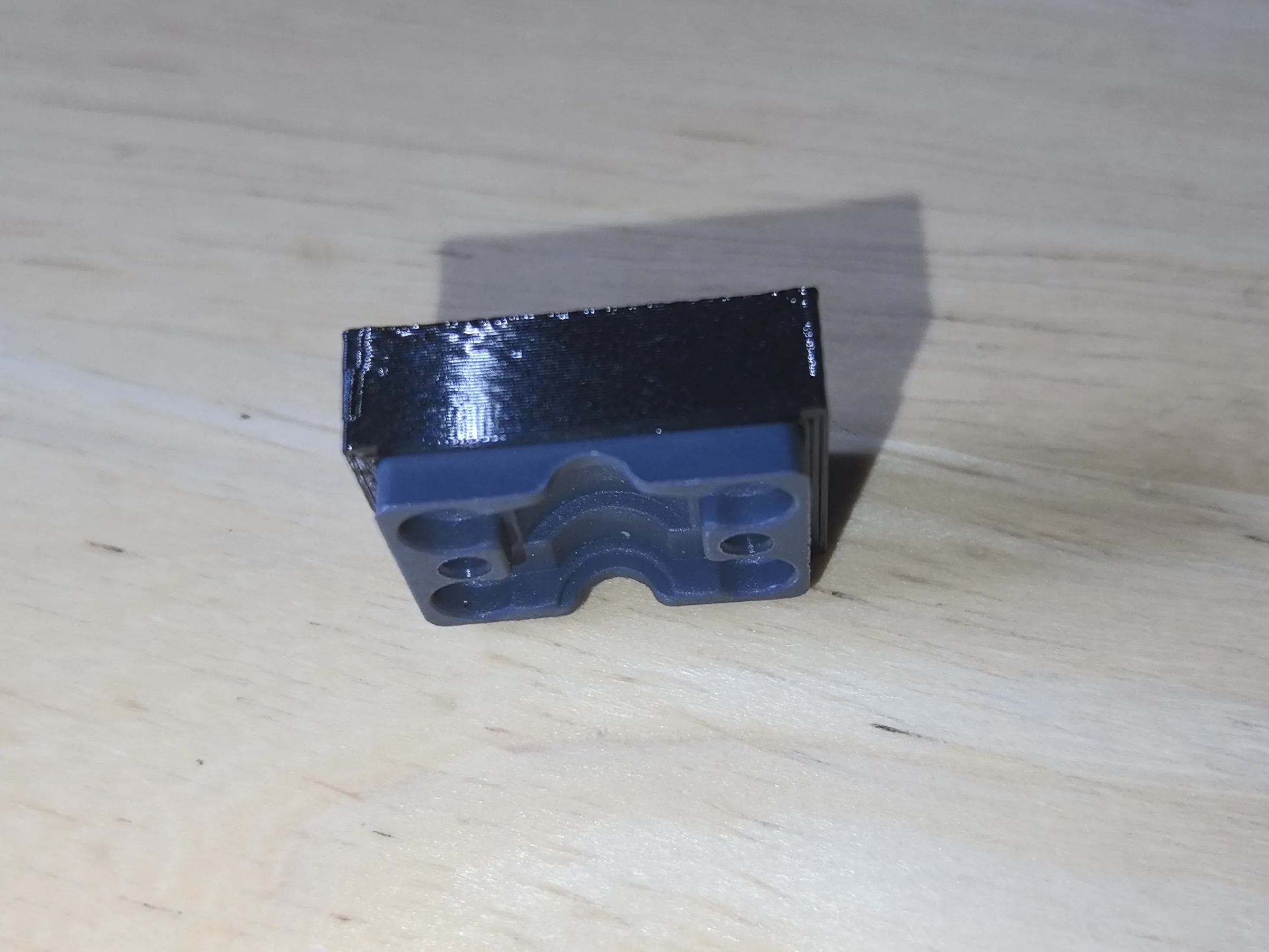
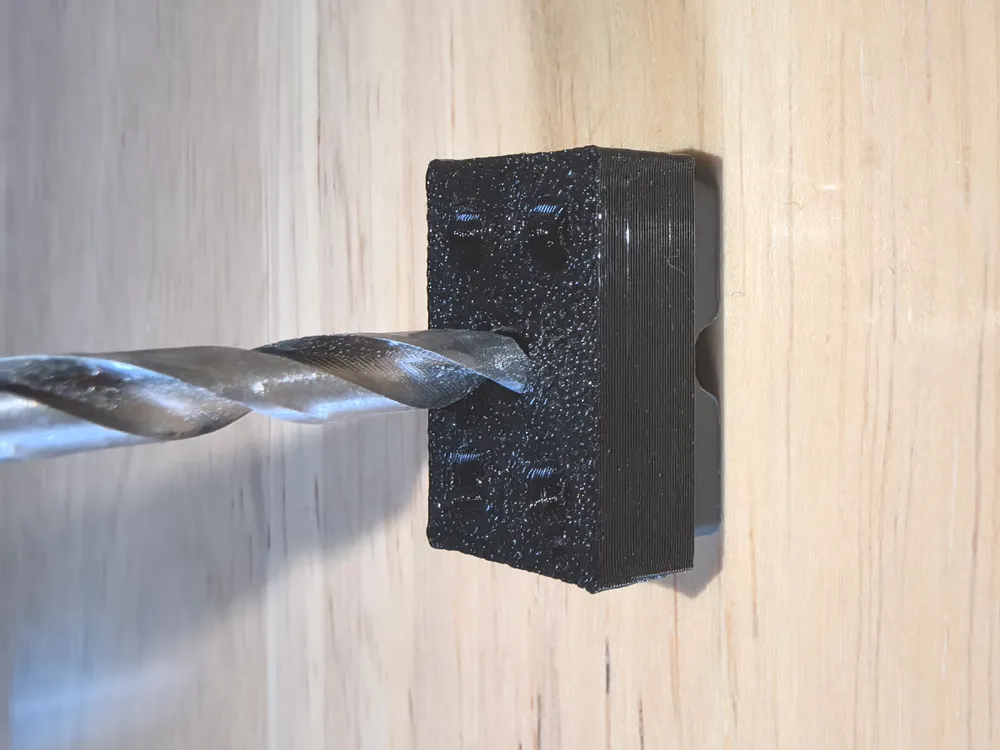
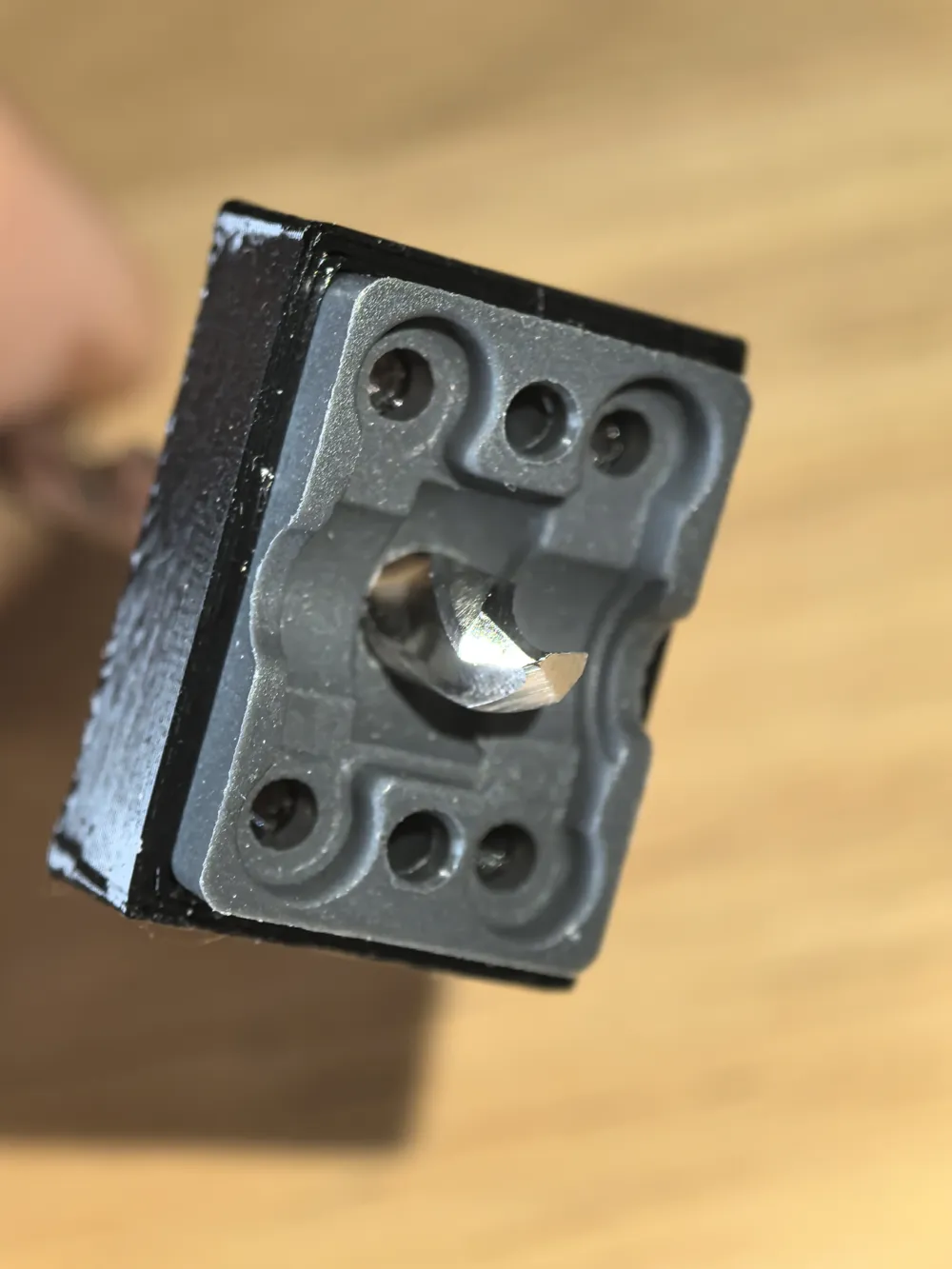
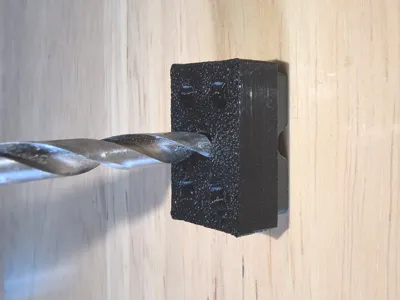
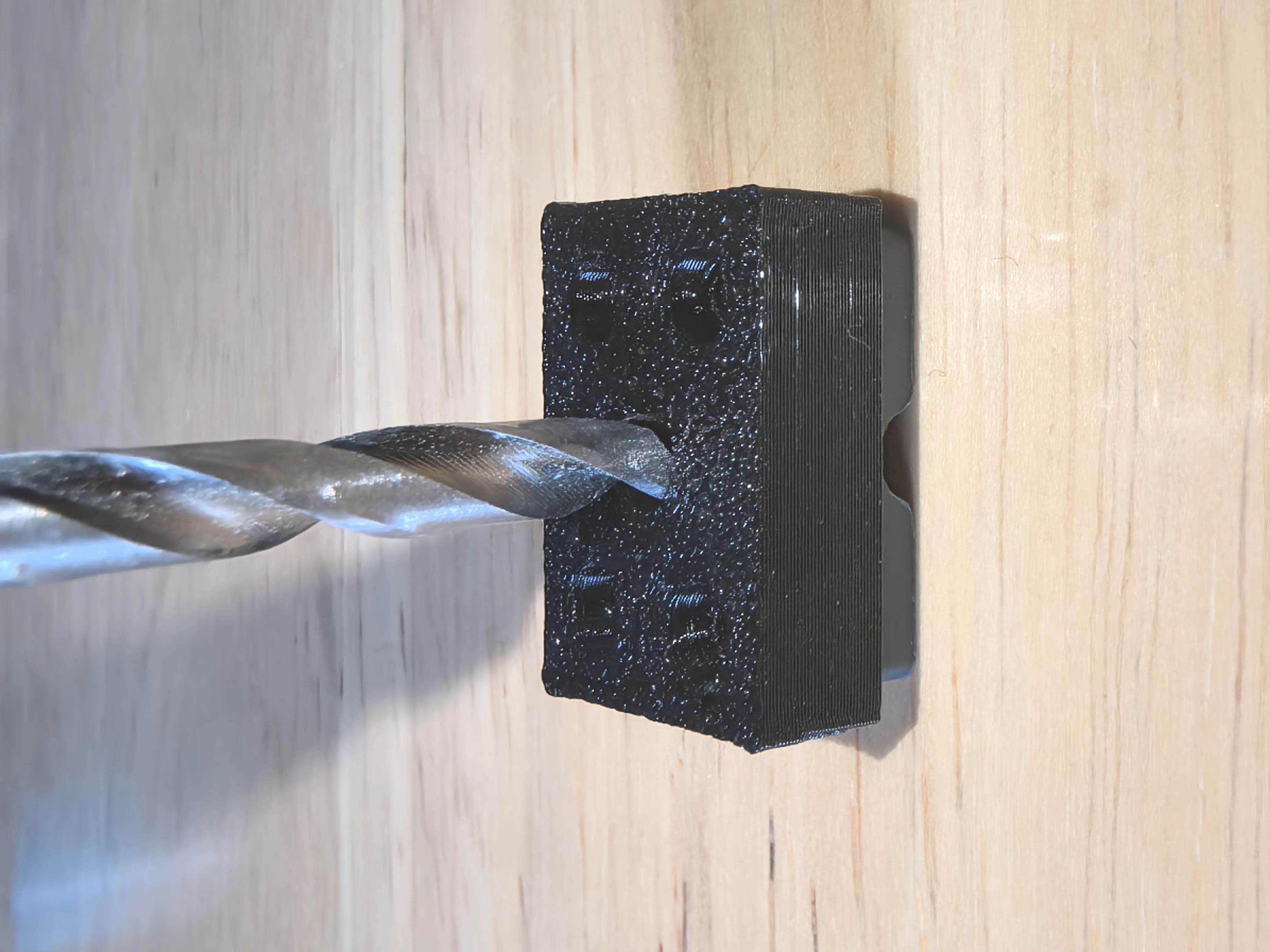
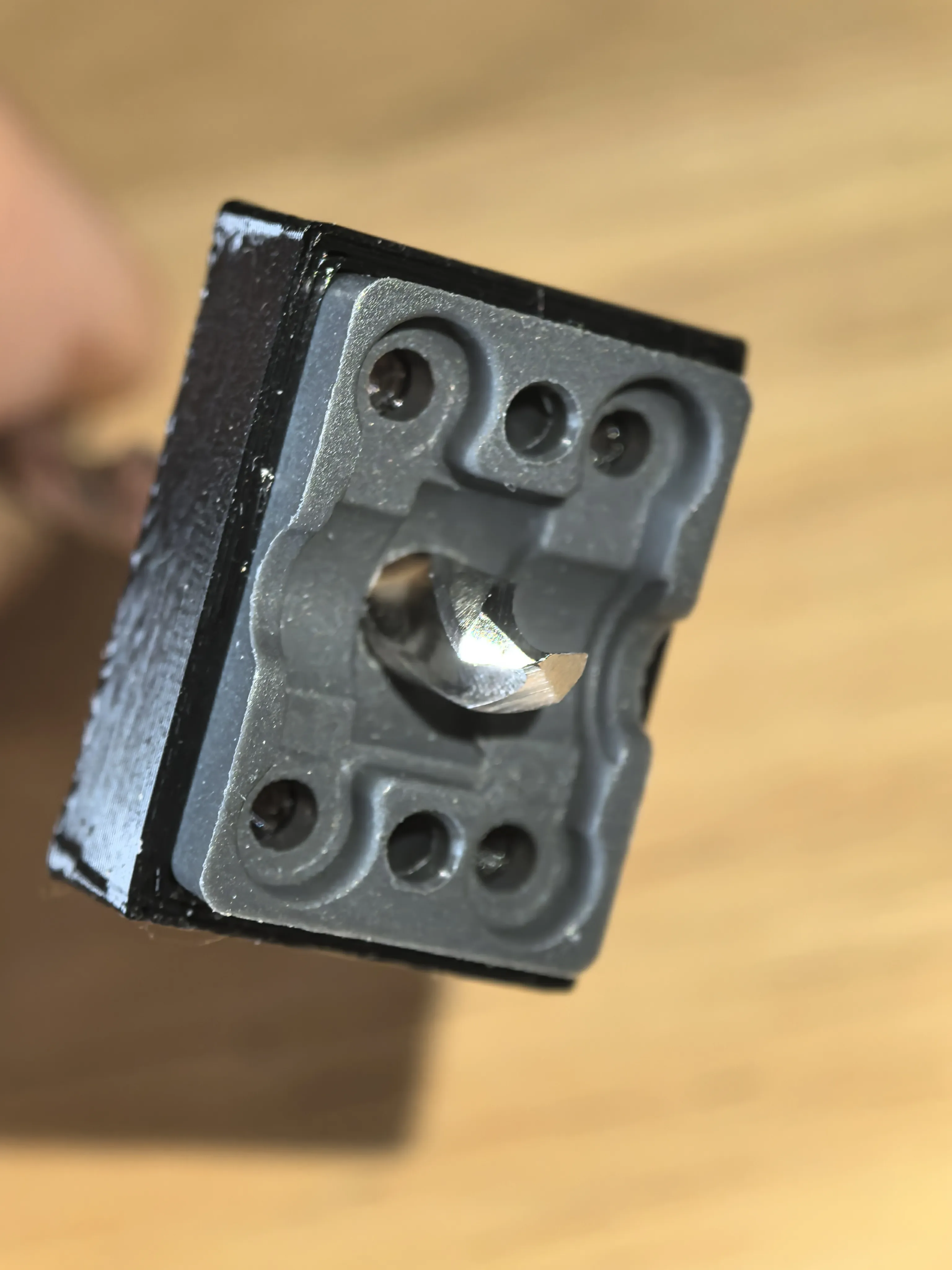
A 4mm hole is reserved in the middle of the reinforcement part for drill bit positioning. After assembly, a 4mm drill bit can be used to drill a hole in the original cap to discharge debris and prevent further damage to the cap.
Of course, it can also be used without drilling a hole; it will not affect performance.
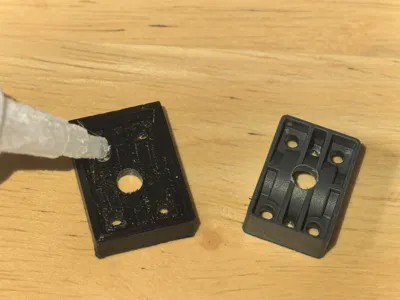
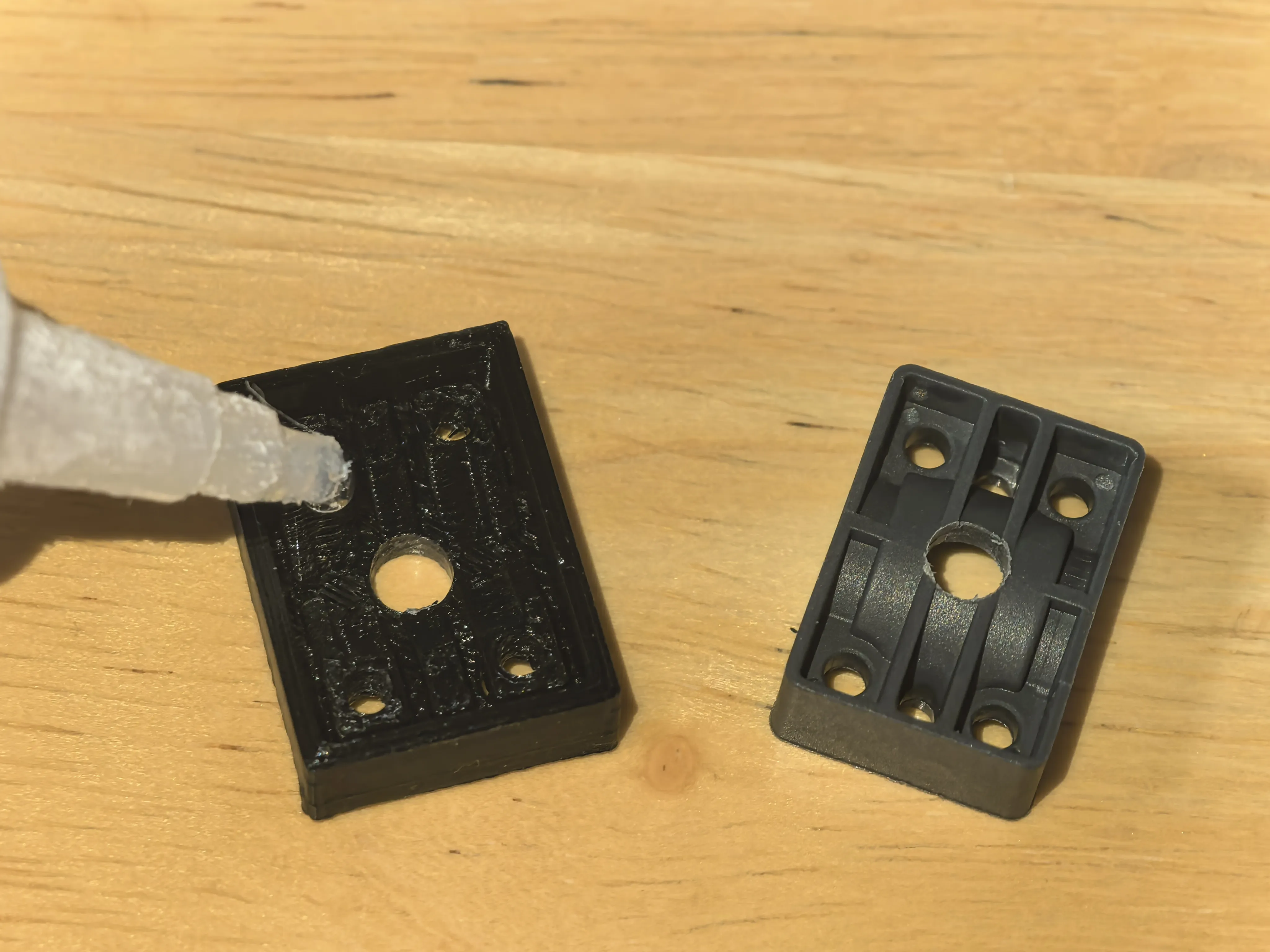
For firmness, it is recommended to apply glue like 502 or 401 (not essential) to the contact surfaces to make the bond tighter.
It also works without glue; the design is very tight and secured with screws.
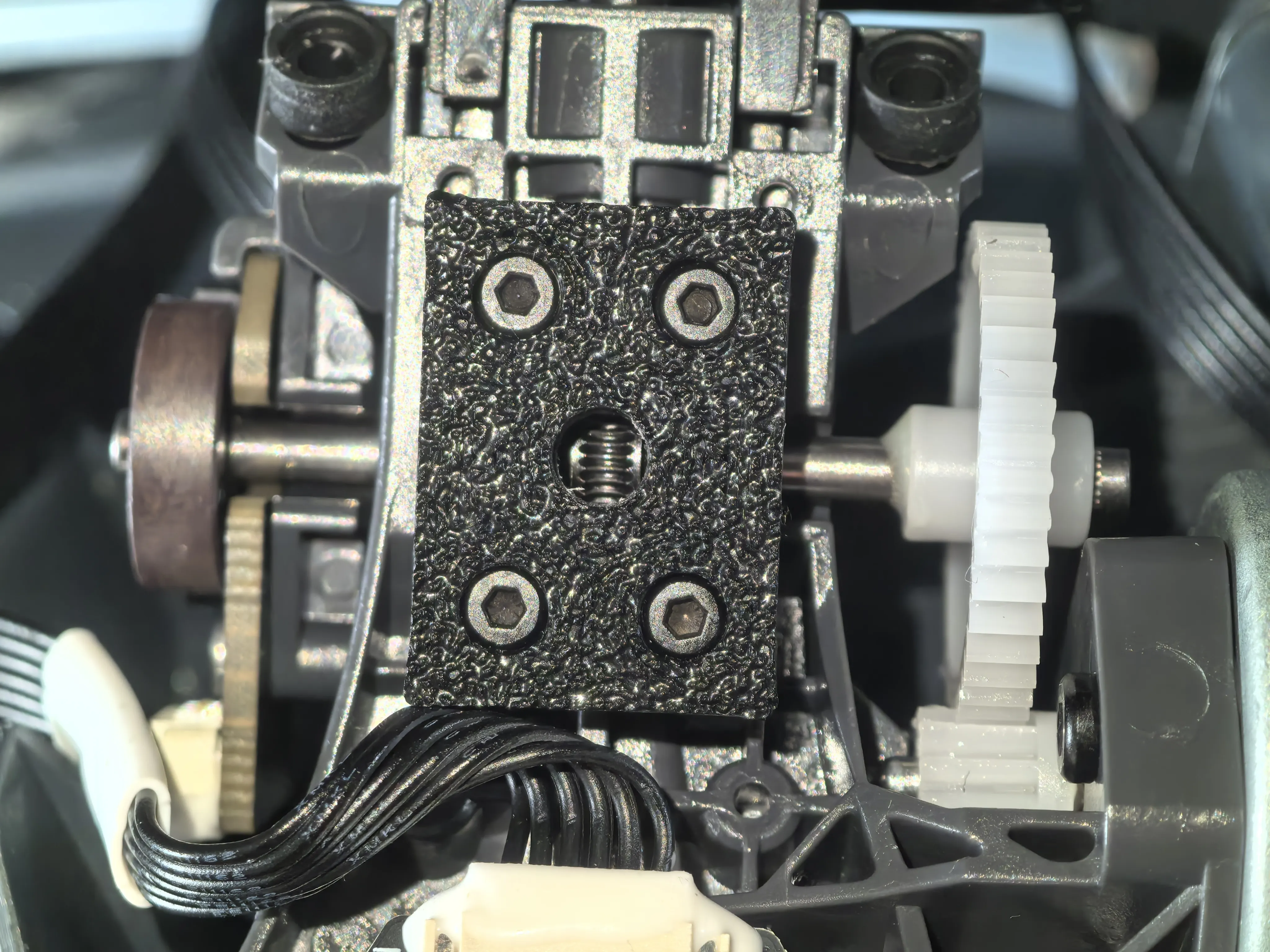
After processing, it can be installed. It retains the original smoothness, increases strength, and the chip discharge port also avoids the risk of future damage.
If you like it, please share and support; thank you!
License

You shall not share, sub-license, sell, rent, host, transfer, or distribute in any way the digital or 3D printed versions of this object, nor any other derivative work of this object in its digital or physical format (including - but not limited to - remixes of this object, and hosting on other digital platforms). The objects may not be used without permission in any way whatsoever in which you charge money, or collect fees.


Comment & Rating (0)