
Print Profile(1)
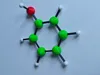
Description
Highlights of the Interlockable Molecular Structure Teaching Aid Model
This interlockable molecular structure 3D printed teaching aid is specifically designed for junior and senior high school chemistry teaching, science popularization and enlightenment, and independent practical learning for students It accurately adapts to basic molecular structure teaching scenarios in chemistry, directly solving the learning pain points of abstract and difficult-to-understand microscopic molecular structures, making invisible and intangible molecular compositions visual and operable
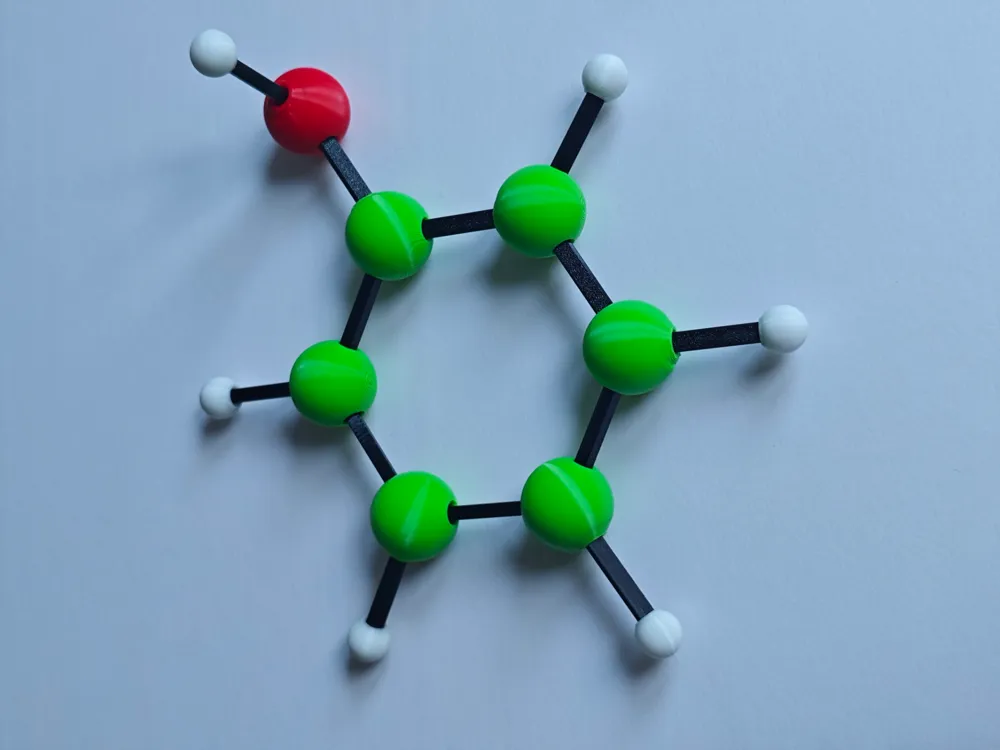
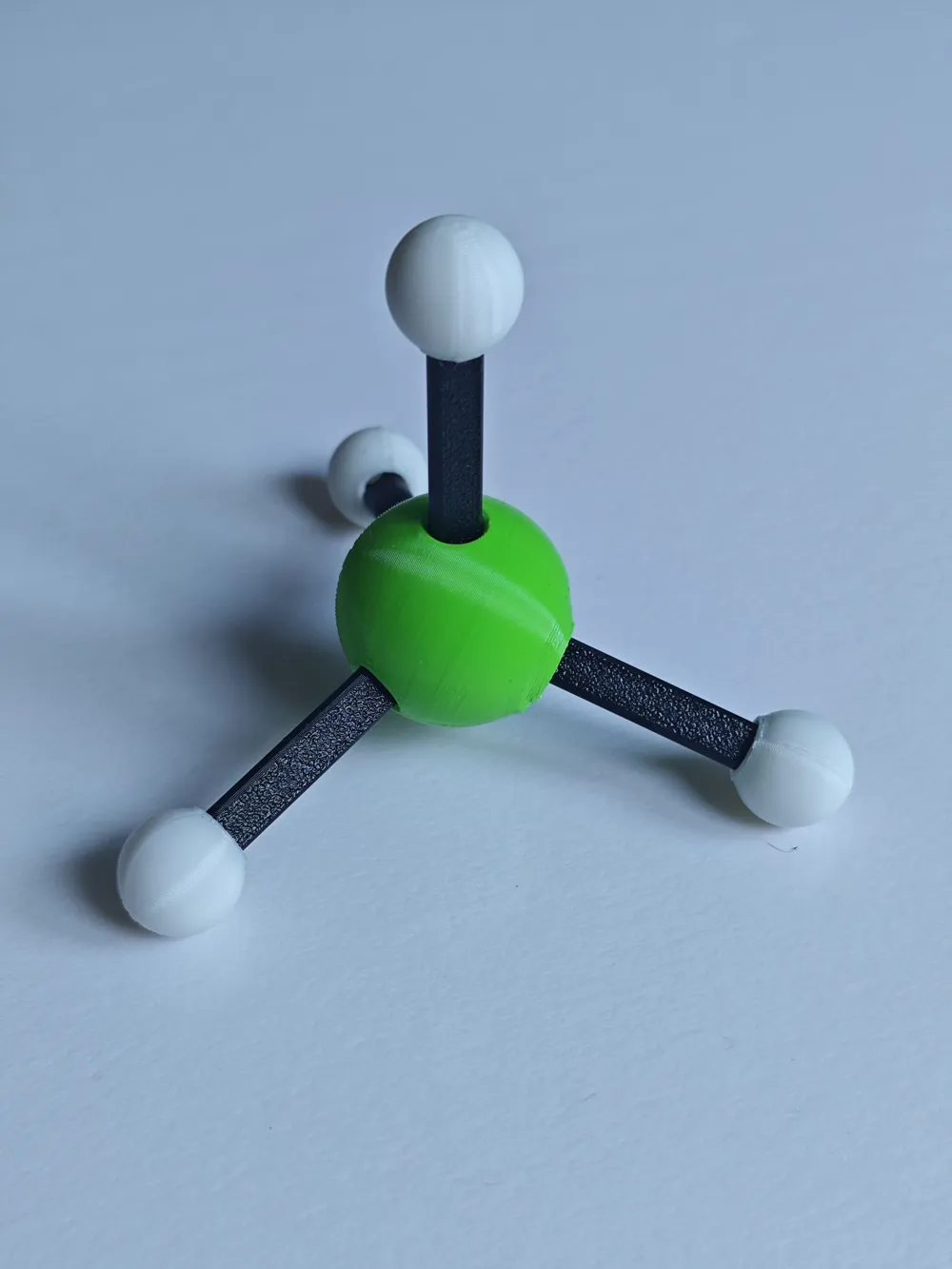
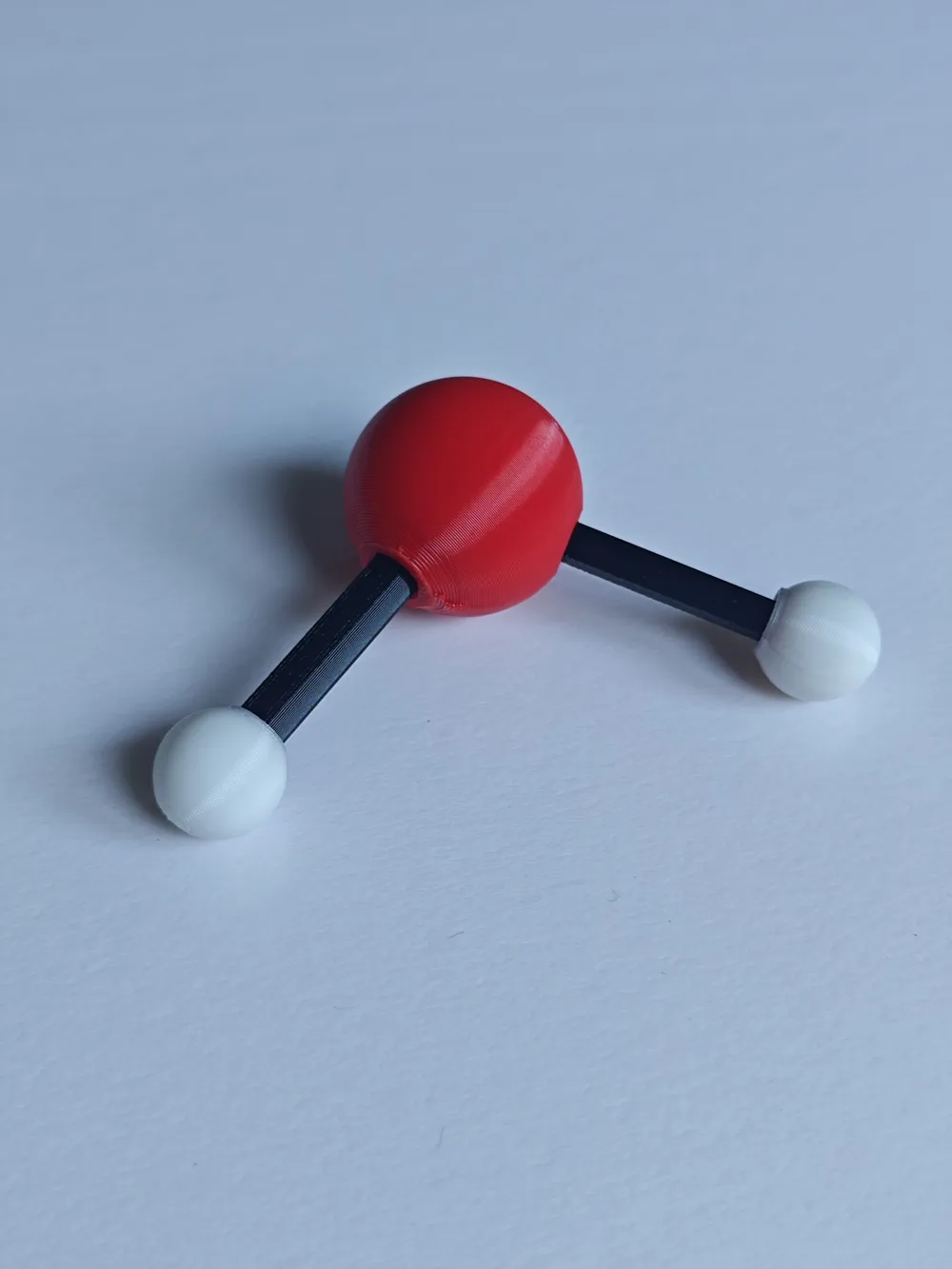
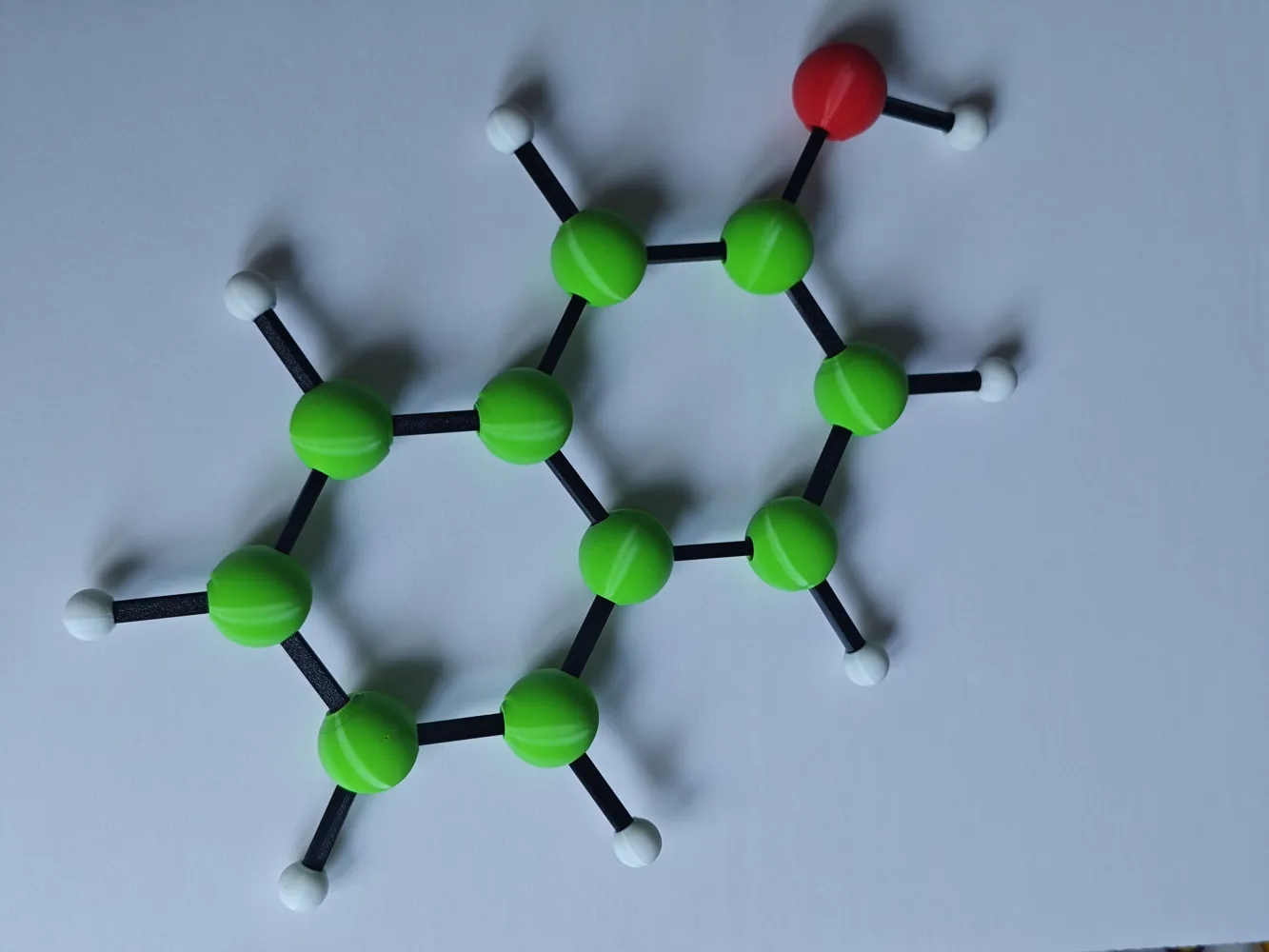
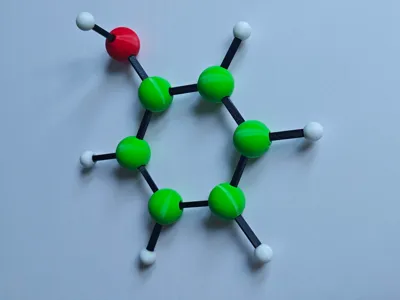
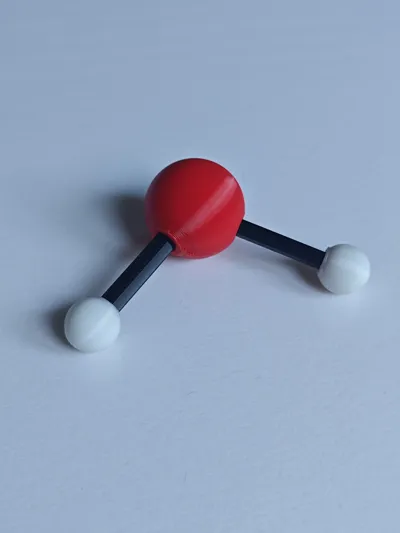
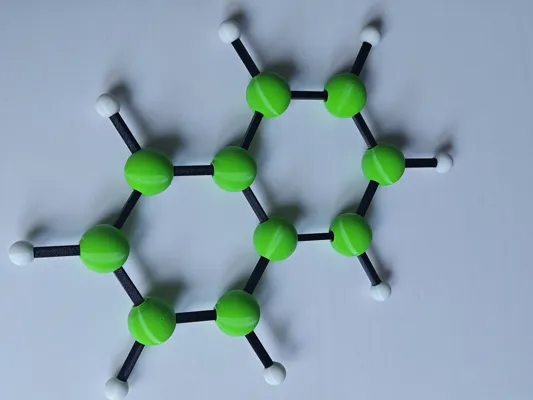
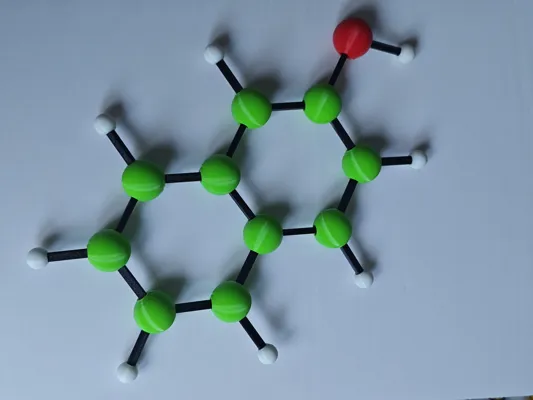
The core of this teaching aid supports free interlockable combination of carbon, hydrogen, and oxygen three basic element modules, allowing for quick construction of various common organic and inorganic compound models, covering high-frequency core molecules in classrooms such as water, methane, benzene, and ethanol, perfectly adapting to regular basic chemistry teaching content The modules adopt a standardized interlockable structure, with tight engagement and smooth assembly and disassembly Repeated assembly is not prone to loosening, making it suitable for various scenarios such as classroom group teaching, after-class practical exercises, and science popularization displays
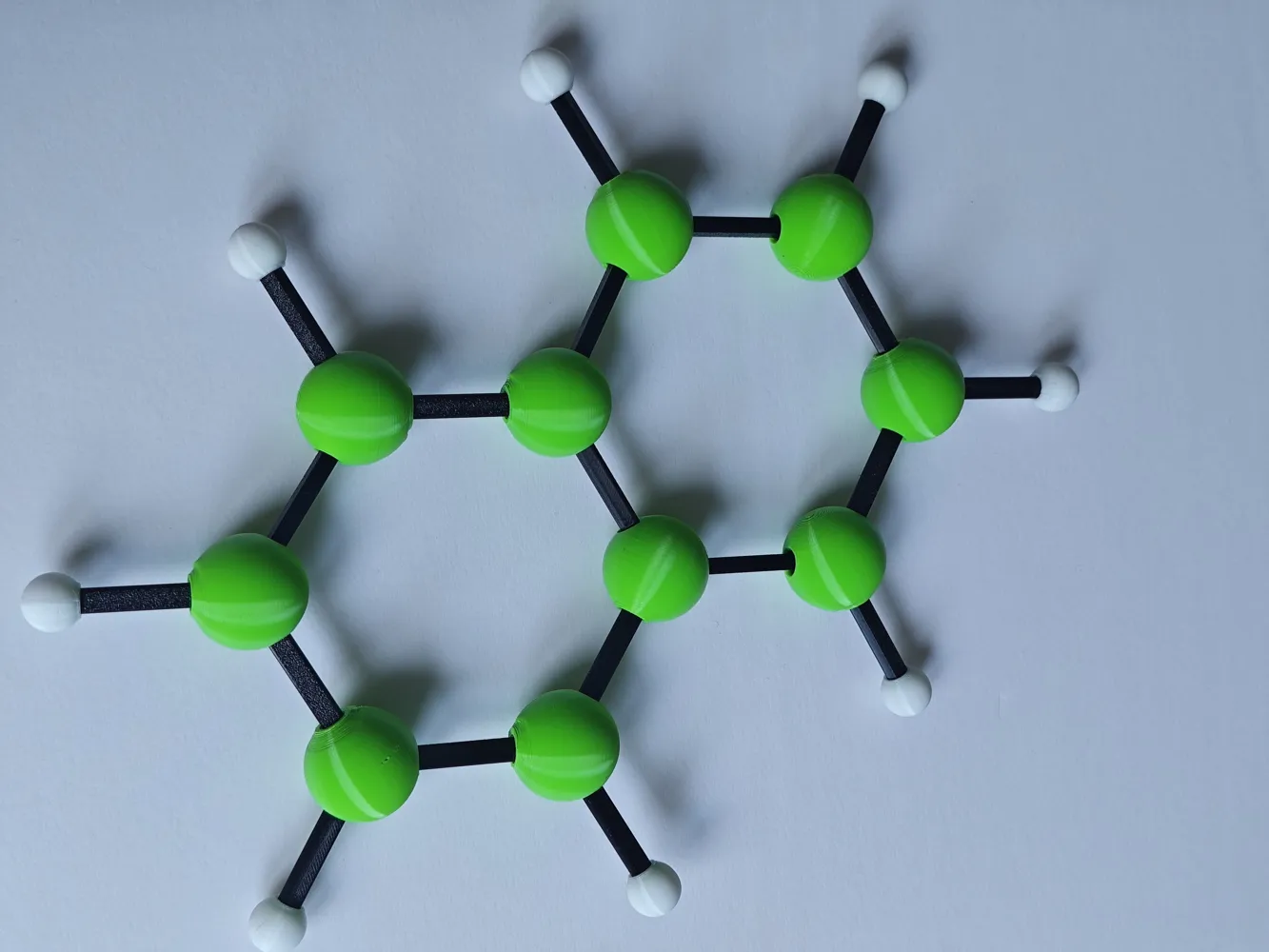
The model has strong scalability, supporting batch printing of element modules of the same specification as needed Subsequently, various new element modules can be independently expanded, and combined with existing components to build more complex compound and organic molecular structures, meeting the needs of chemical learning at different stages and depths It is suitable for all stages of use, including elementary school science popularization, junior and senior high school synchronous learning, and chemistry interest development
The overall structure is simple and scientific, with an intuitive shape, accurately restoring the bonding characteristics of each element and the spatial configuration of molecules It helps students quickly understand core knowledge points such as molecular composition, chemical bond connections, and spatial structure, moving away from rote memorization and immersively establishing microscopic chemical thinking It is a practical teaching aid for chemistry teaching, independent research, and science popularization displays
Notes on Assembling the Model
The holes on the atomic models and the chemical bond models are designed for repeated insertion and removal, and their strength has been repeatedly verified with PETG material Due to different hole positions, different structures require different models, specifically as follows:
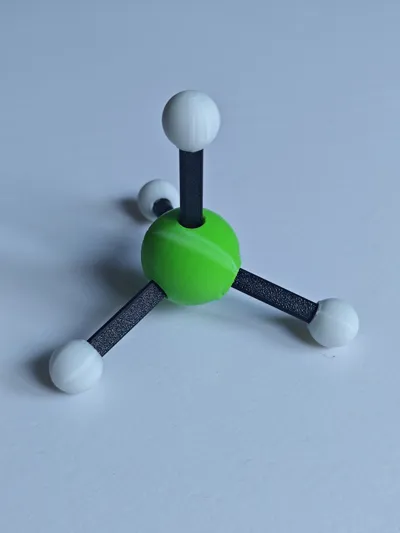
- Carbon: C atom (single bond) supports forming four chemical bonds, with a bond angle of 109.5°, suitable for assembling alkanes, the spatial network structure of diamond, etc
- Carbon: C atom (double bond/conjugated π bond) supports forming three chemical bonds, with a bond angle of 120°, suitable for assembling alkenes, benzene rings, etc
- Oxygen: O atom supports forming two chemical bonds, with a bond angle of 104.5° (referencing water molecule), used for -O- bonds or -OH bonds
- Hydrogen: H atom only supports forming one chemical bond, used for capping
Notes on Printing the Model
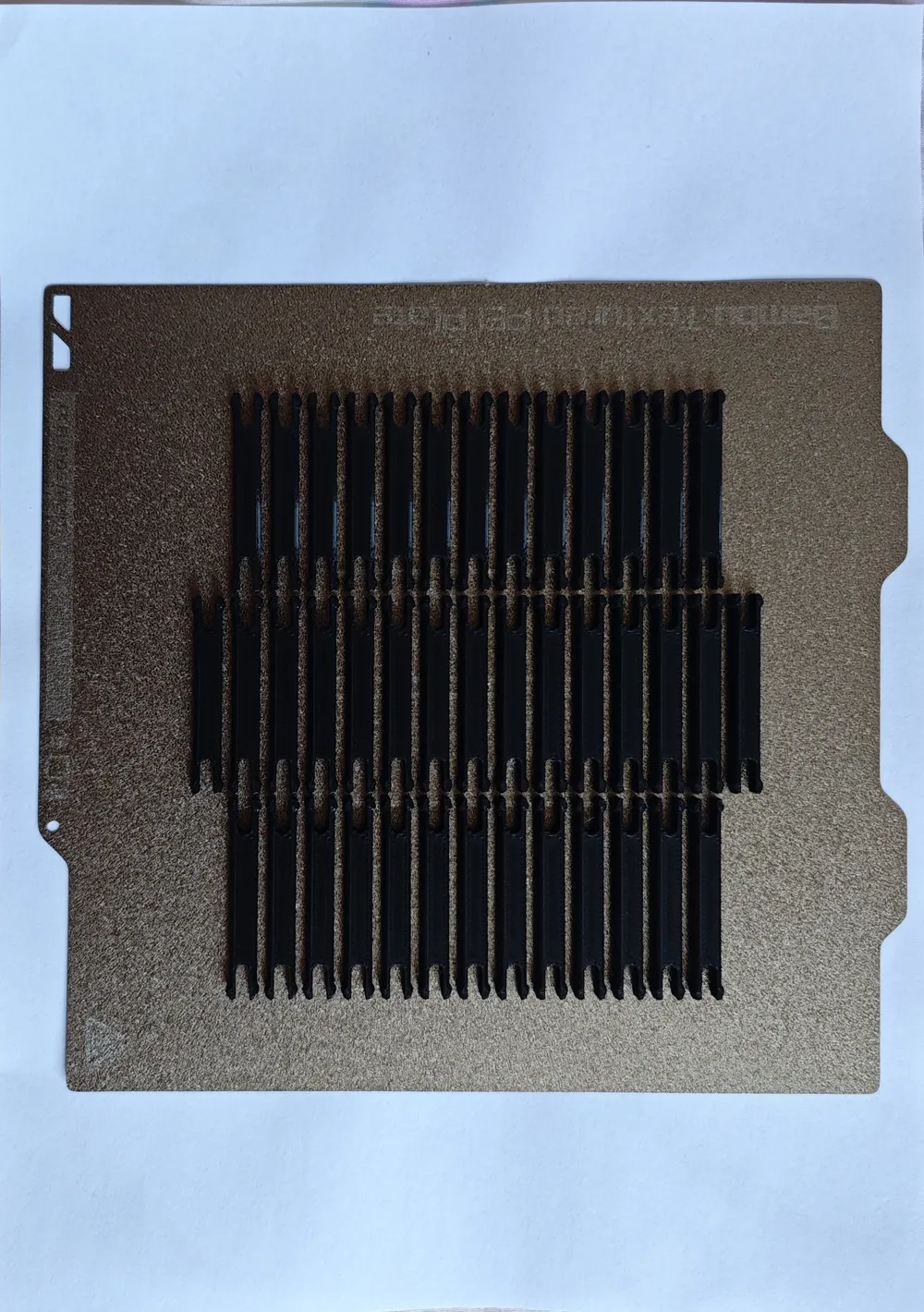
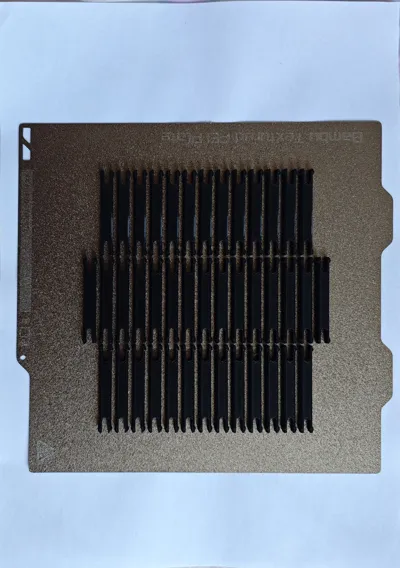
1 The model requires no supports If the printing plate adhesion is insufficient, apply super glue or add a 5mm brim
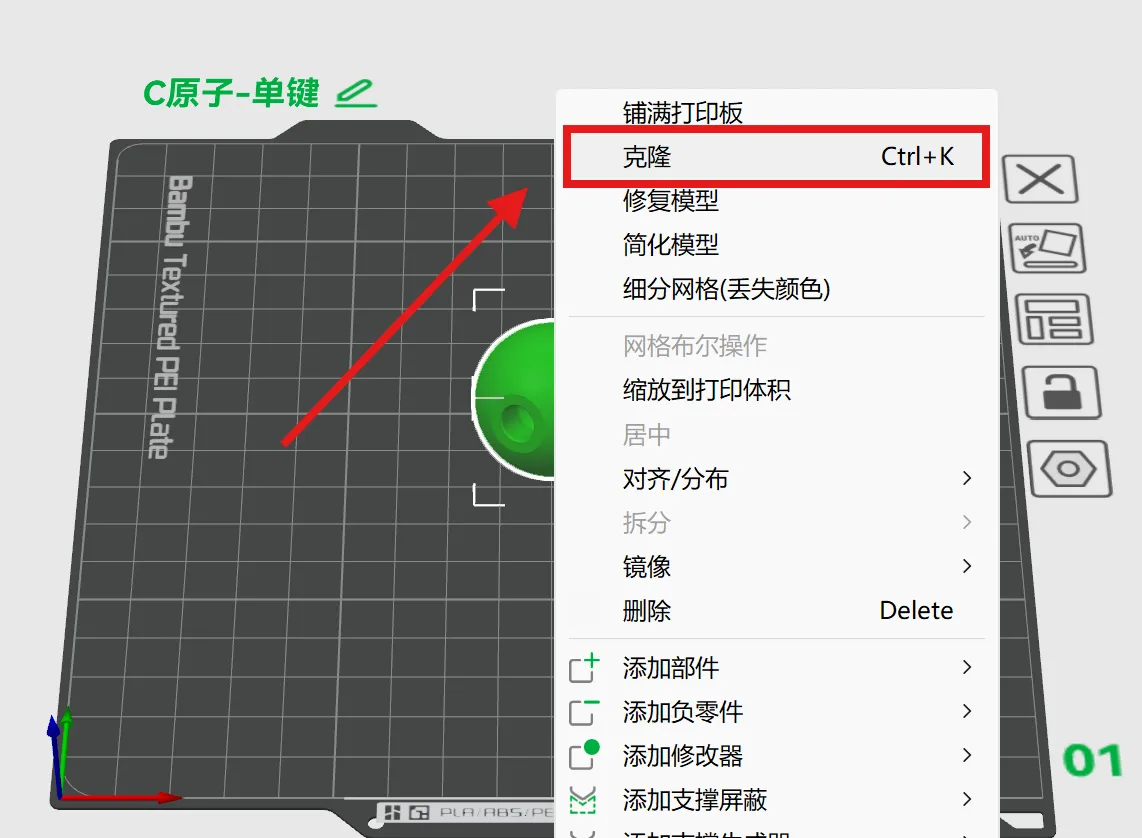
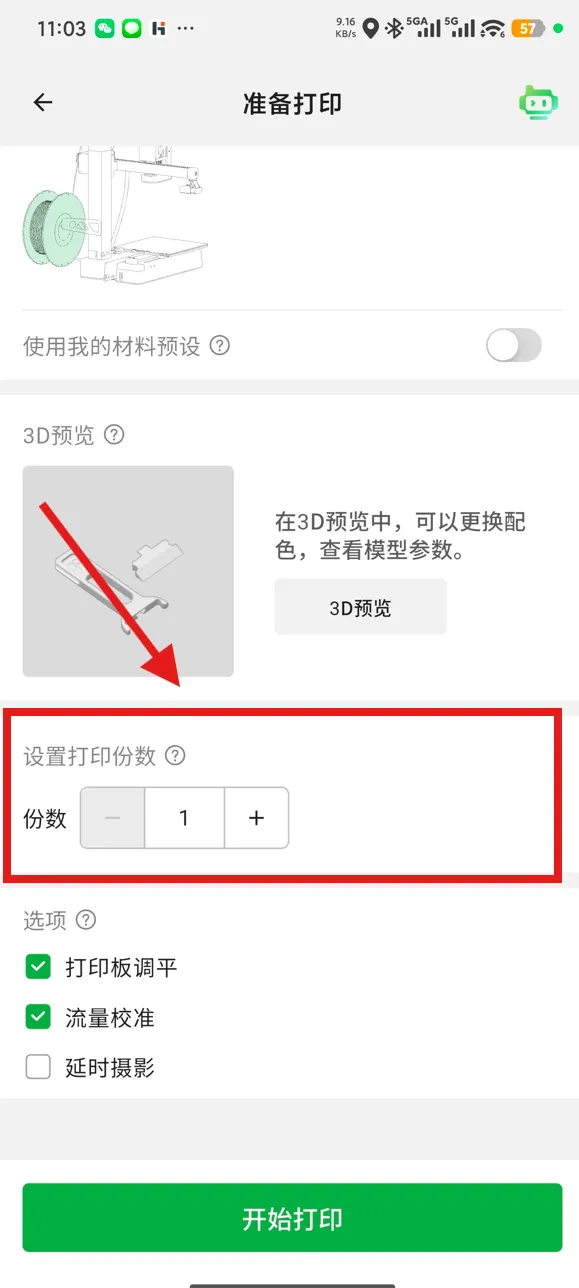
2 By default, only one model is placed Please print as needed Right-click the model in Bambu Studio to clone directly, or select the number of prints directly in the prepare to print interface in Bambu Handy It is recommended to print more carbon atoms and chemical bonds, as molecular structures primarily depend on them
Finally, here's a thought question How many of each model are needed to assemble an acetic acid molecule
License



Comment & Rating (0)