
Print Profile(1)
Description
I designed this part because my rain diverter on a relatively flat roof was not getting enough water. Although the water reached the gutter, due to the slight slope, it did not flow cleanly enough towards the rain diverter. Some of the water simply flowed past it. For a garden shed, a carport, or other roofs with little slope, this can become a problem because there is less water pressure and flow velocity than on a steep house roof.
A simple solution was needed for this: a clamping cylinder that is inserted into the downpipe and directs the water flow more precisely towards the rain diverter.
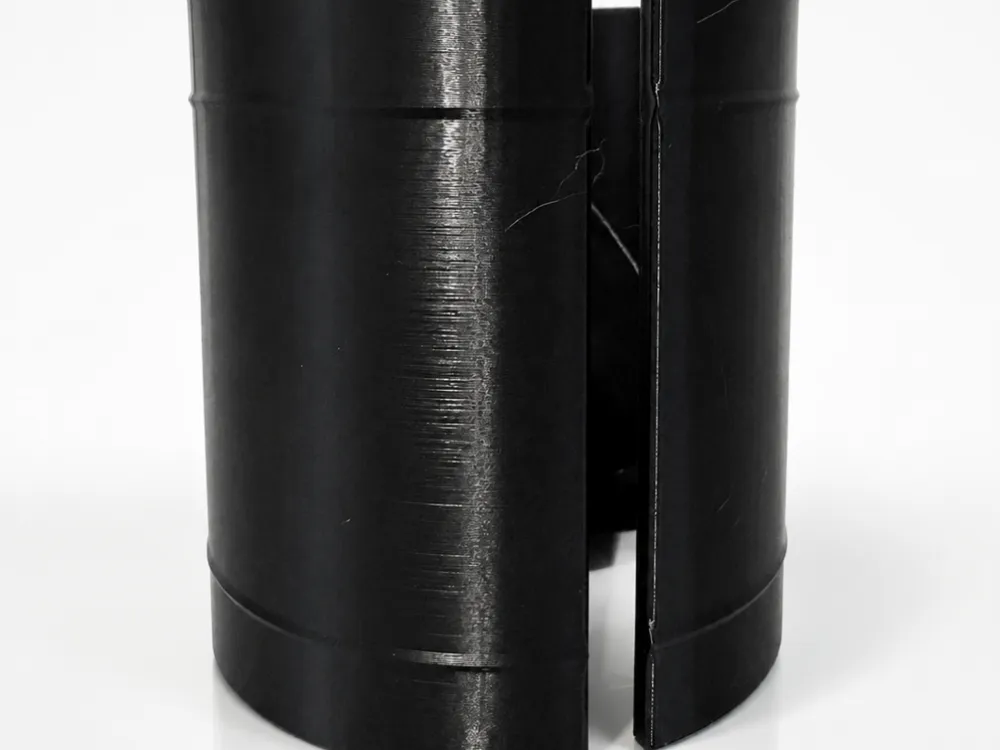
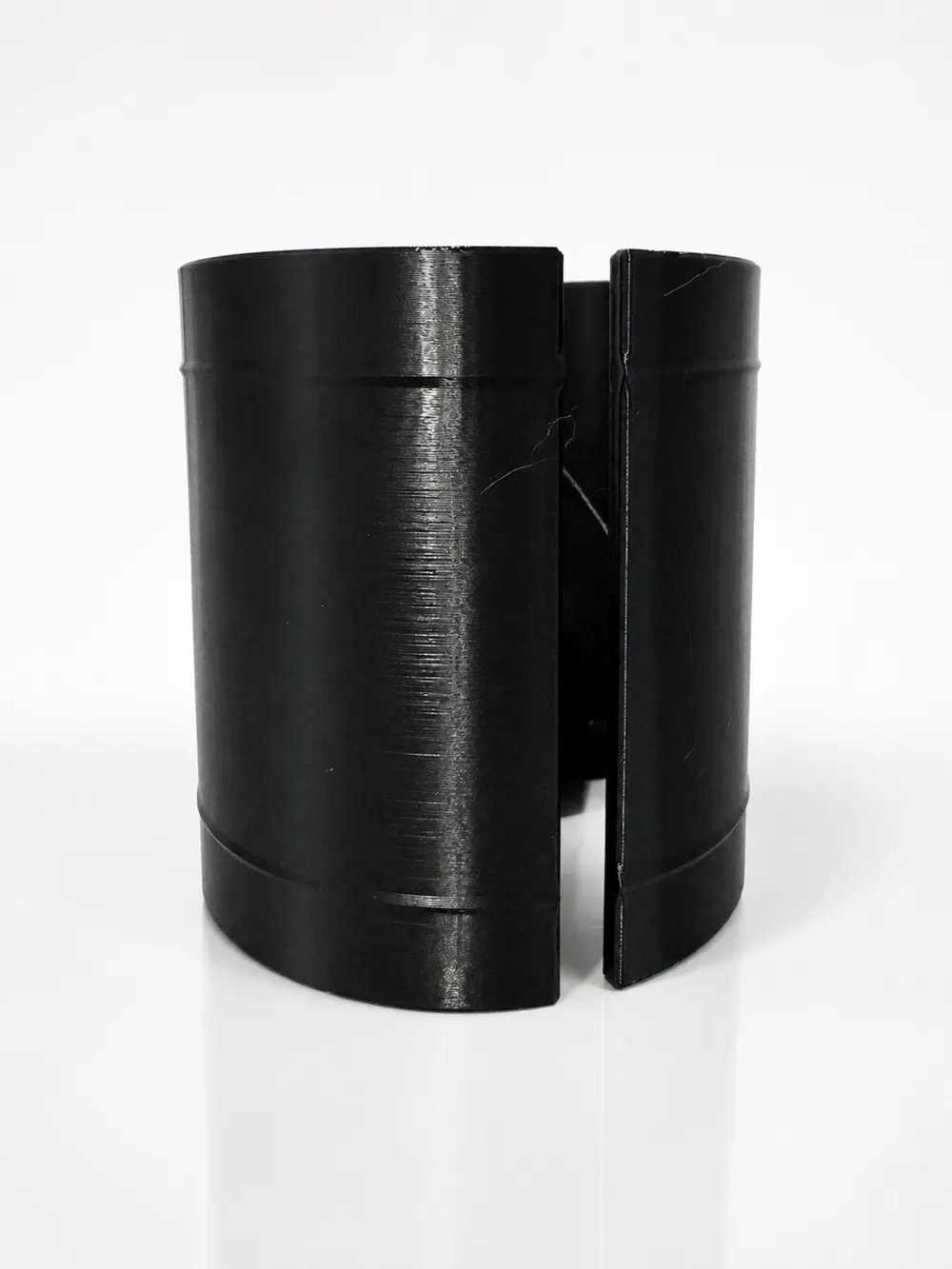
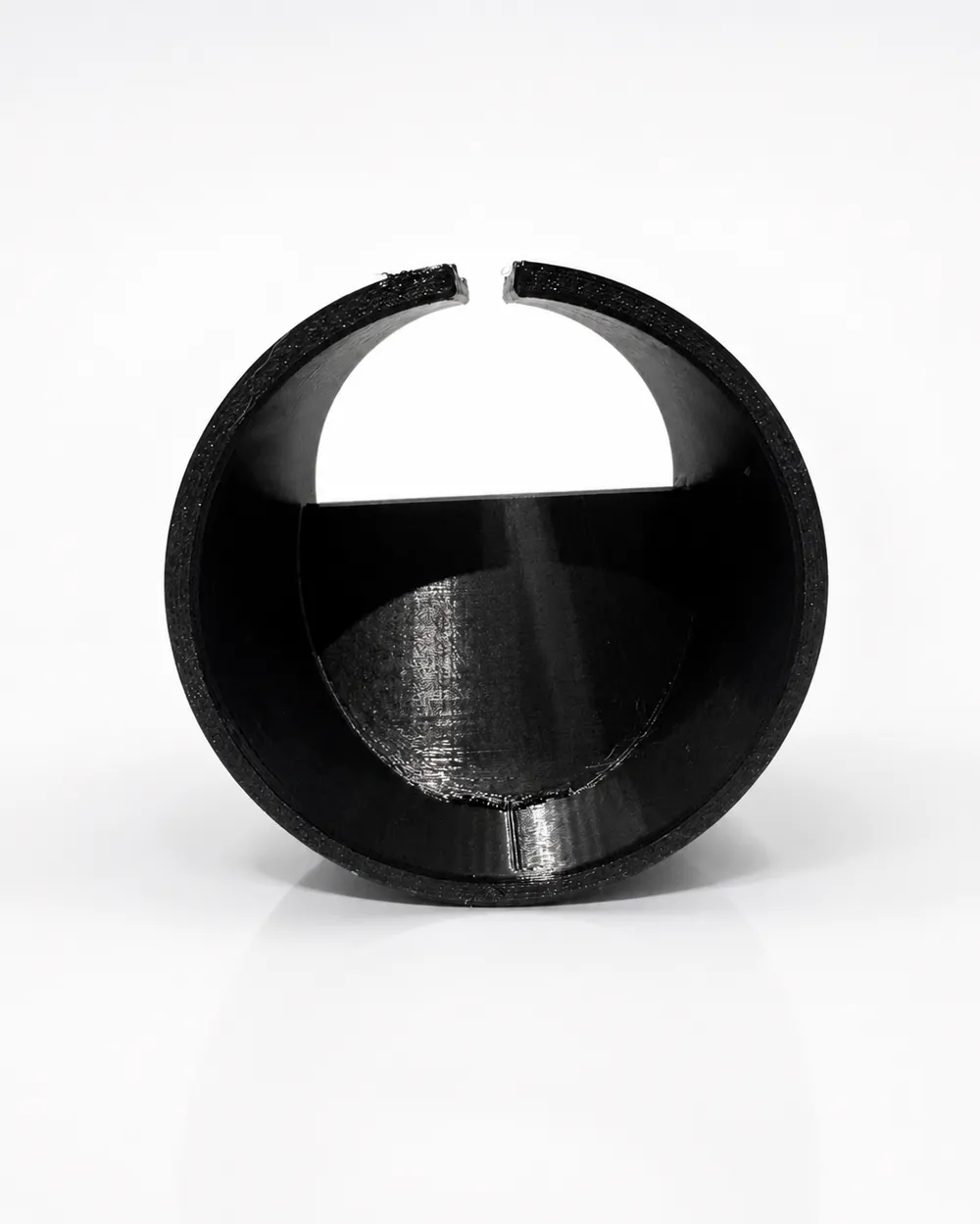
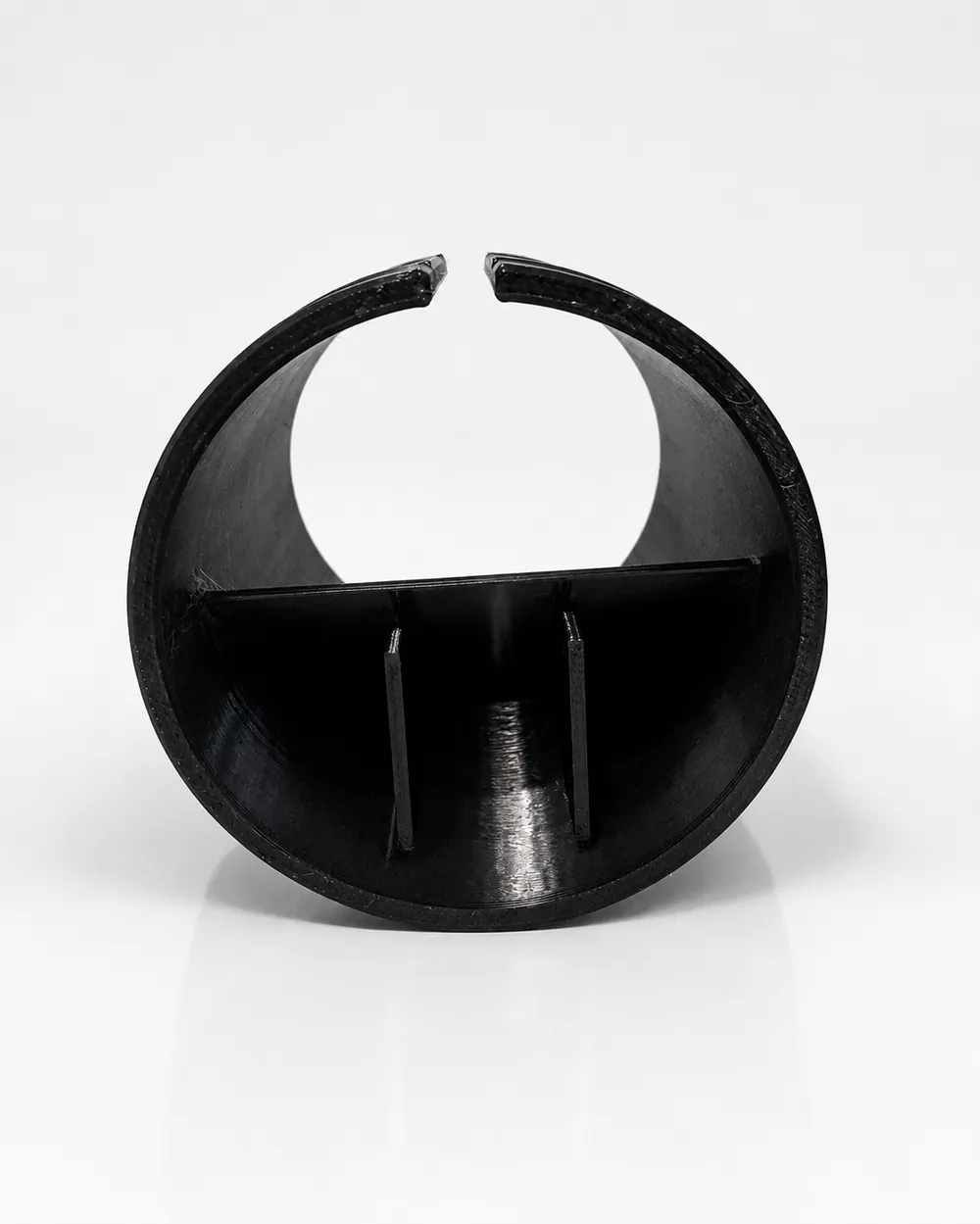
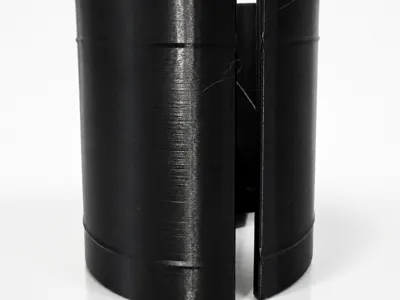
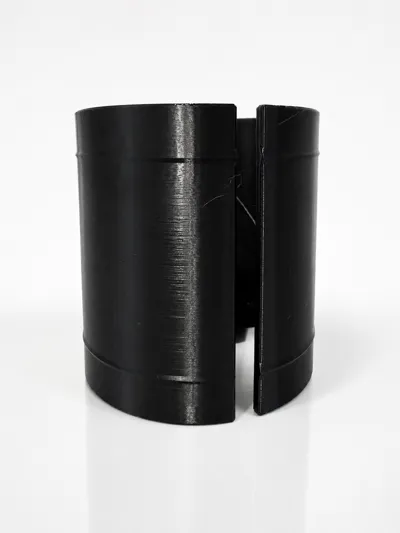
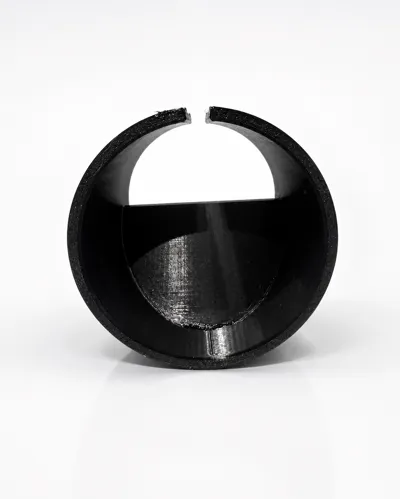
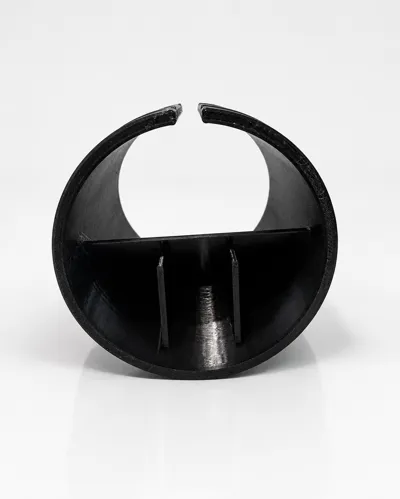
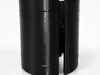
The model consists of a cylindrical insert with an open water guide. The inner chute is designed to collect the water and direct it specifically towards the rain diverter. The two small webs are connected to this chute but intentionally not to the outer cylinder. This makes the cylinder a bit more flexible and allows it to be compressed when inserted. This way, the part clamps firmly in the pipe without the water guide losing its position.
The opening is intentionally kept generous. Small impurities, some sand, or even a single leaf can pass through more easily, rather than immediately accumulating in front of the insert. Of course, blockages cannot be completely prevented, especially if there is a lot of foliage or coarse dirt in the gutter. The insert should therefore be checked occasionally and cleaned if necessary.
The model is designed for a downpipe with an approximate diameter of 80 mm. Since downpipes do not always measure exactly 80 mm depending on the manufacturer, material, and age, the inner diameter should be checked before printing. If necessary, the model must be slightly scaled or adjusted in the slicer.
The two outer rings serve as clamping and holding areas inside the pipe. They ensure that the insert fits better, has more grip, and does not slip immediately. However, the clamping effect directly depends on the actual pipe diameter.
The model is primarily intended for rainwater solutions with little slope, for example, on garden sheds, carports, sheds, or similar roof areas. It does not replace a properly planned rainwater drainage system but can help to make existing solutions more usable.
Print Note:
The model should be printed from PETG at a minimum. For areas heavily exposed to sunlight or permanent outdoor installation, ASA or comparably weather-resistant materials may be suitable.
Please let me know if there are any problems. It is my first model and certainly not perfect. But for me, it's a good solution.
License

You shall not share, sub-license, sell, rent, host, transfer, or distribute in any way the digital or 3D printed versions of this object, nor any other derivative work of this object in its digital or physical format (including - but not limited to - remixes of this object, and hosting on other digital platforms). The objects may not be used without permission in any way whatsoever in which you charge money, or collect fees.


Comment & Rating (0)