
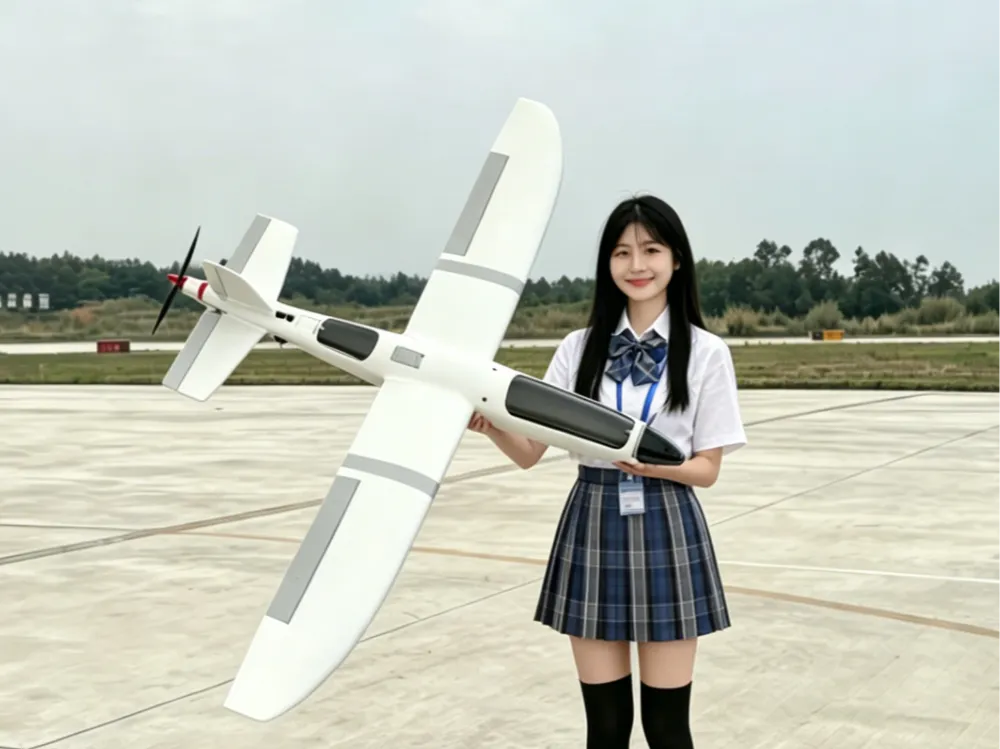
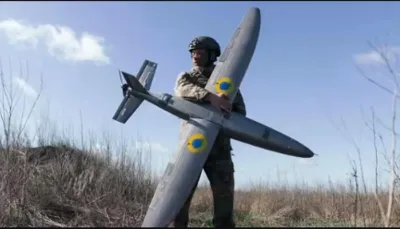
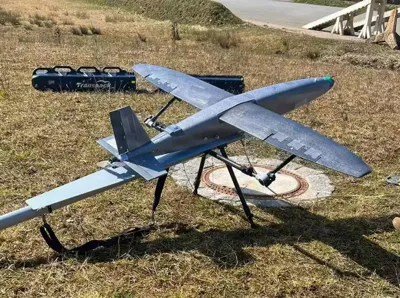
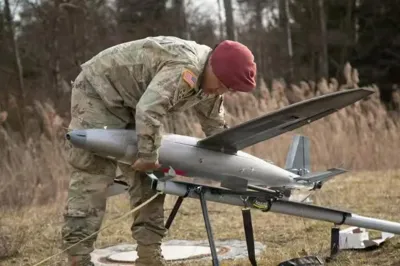
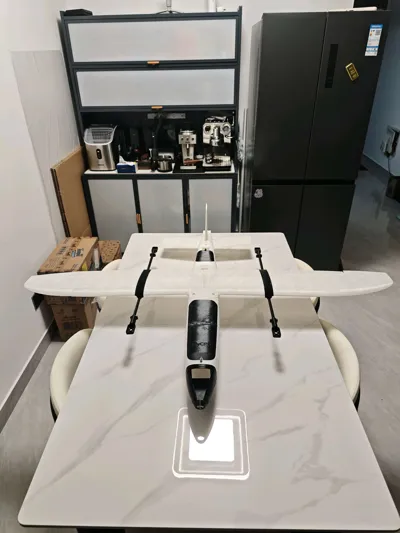
Javelin x140 FPV Carrier Aircraft (Scaled-down RC model of the Ukrainian Hornet drone)
Print Profile(1)
Description
Currently in testing, flight quality cannot be guaranteed at this stage
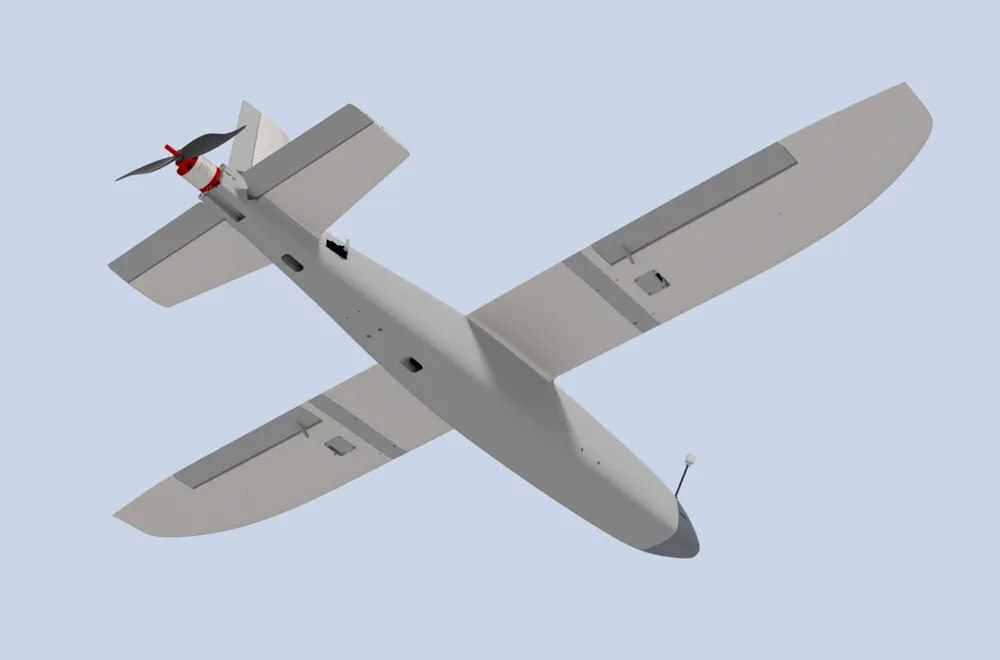
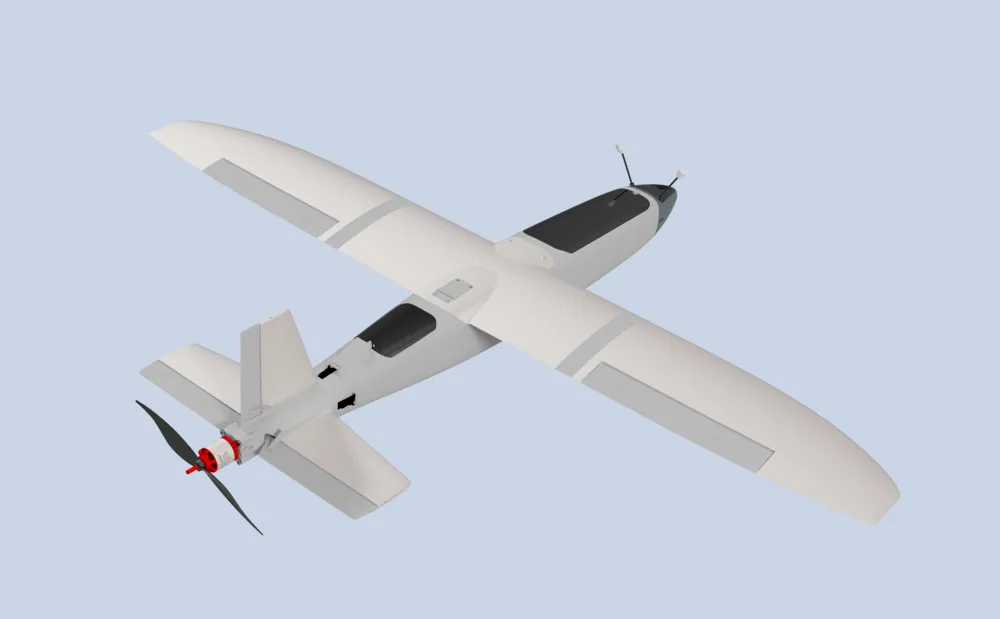
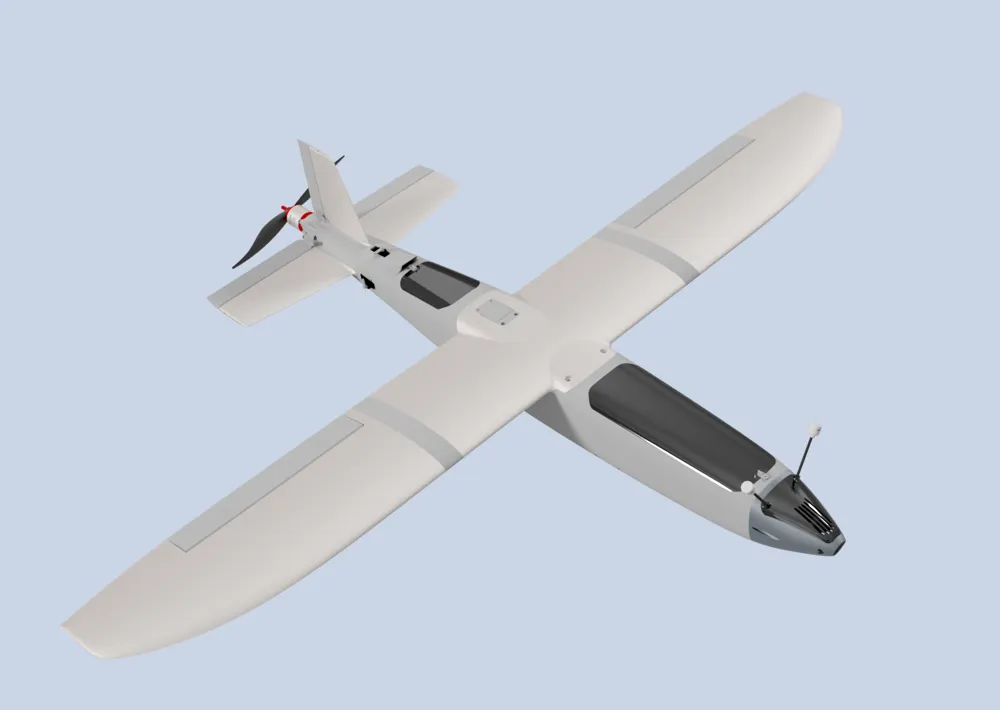
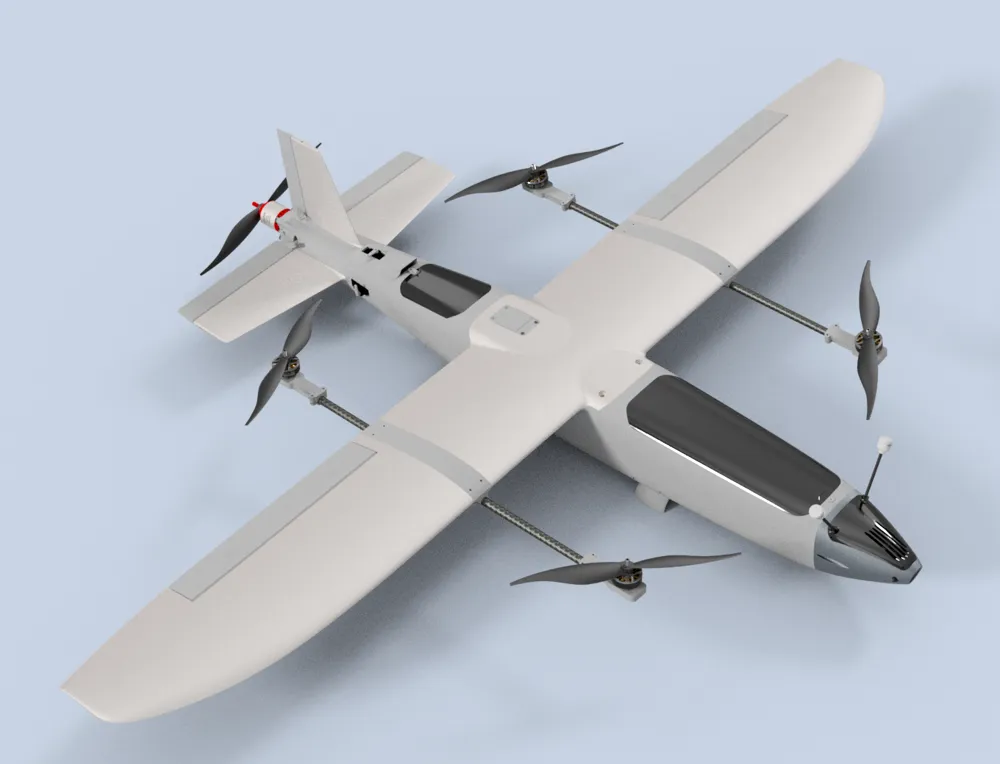
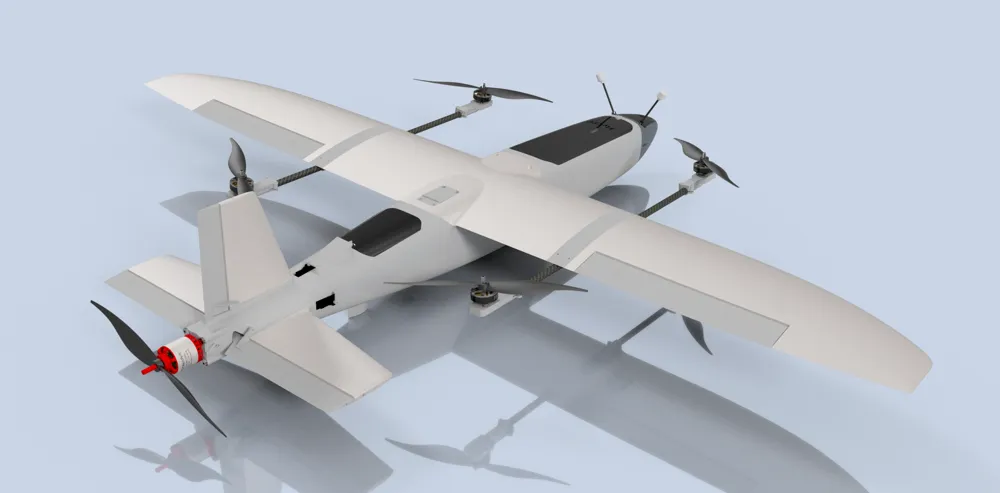
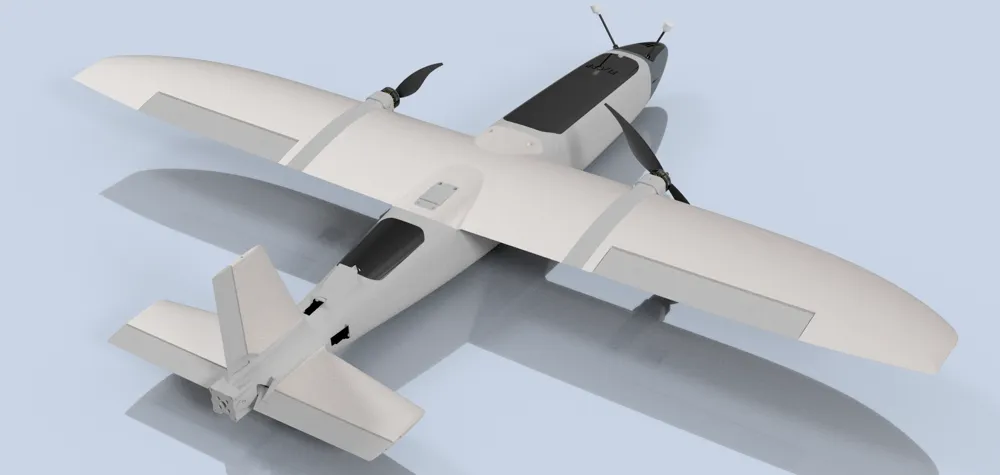
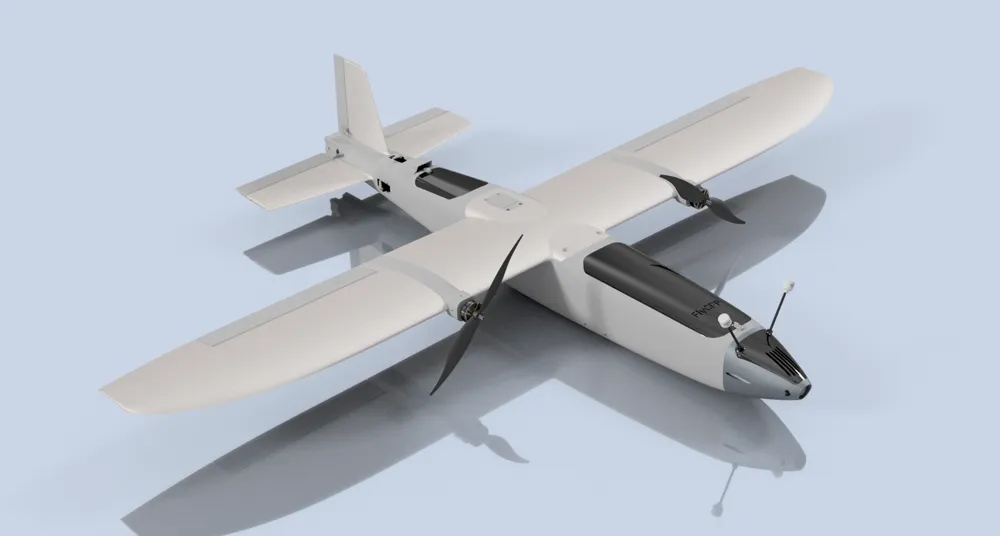
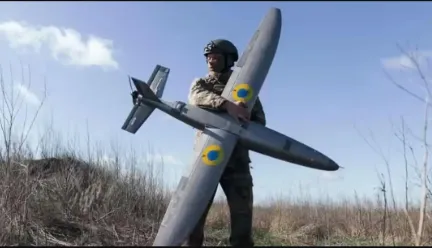
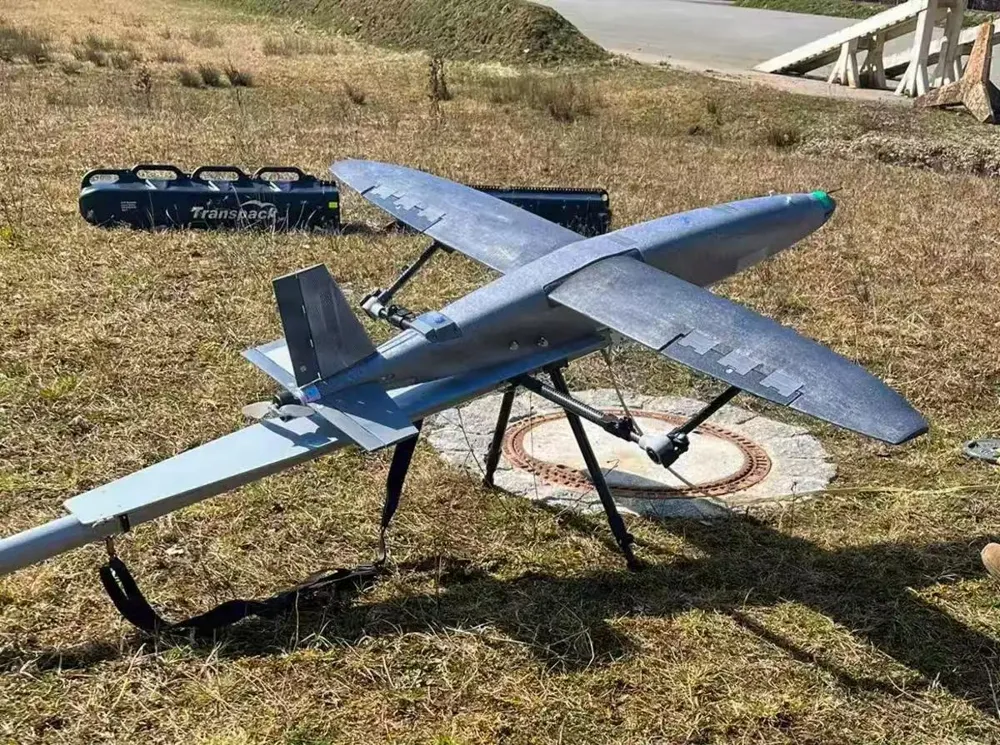
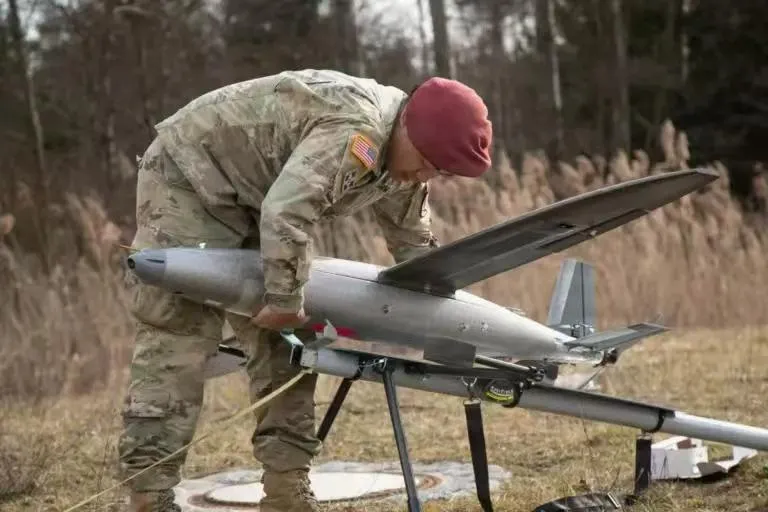
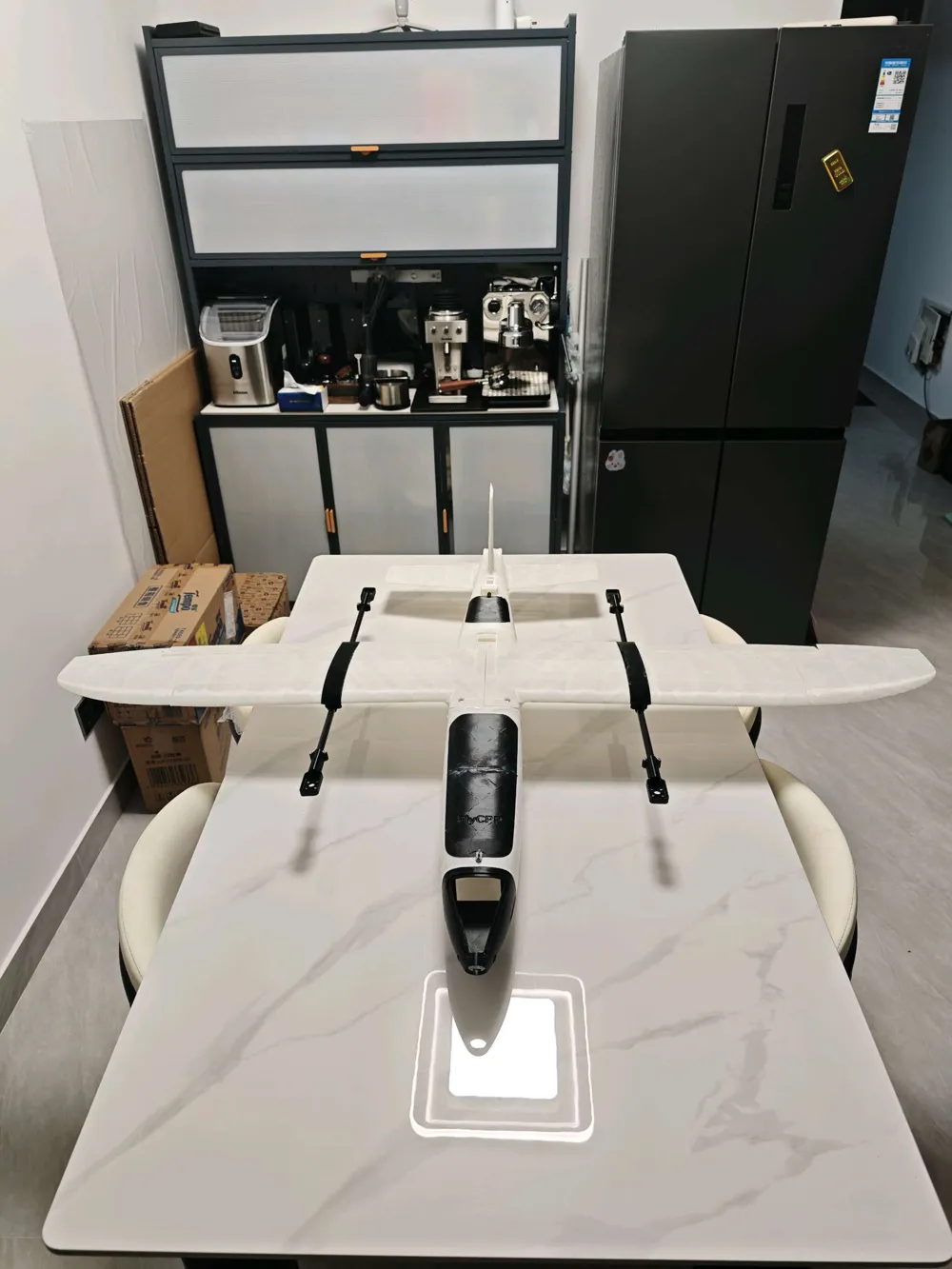
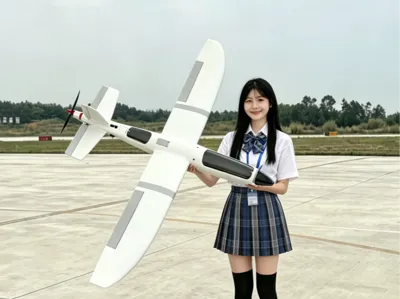
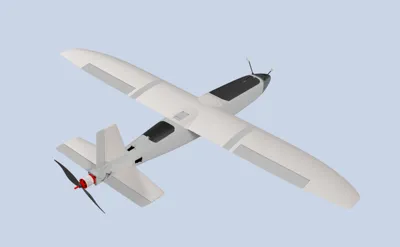
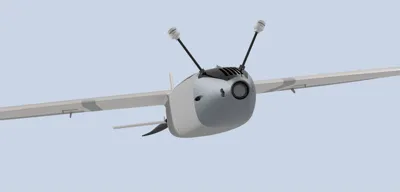
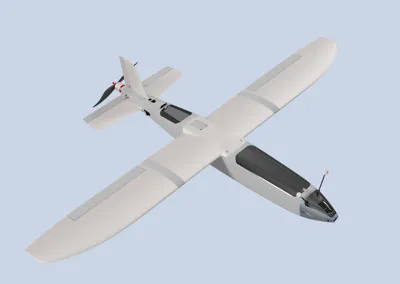
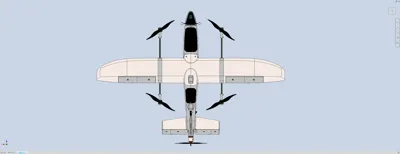
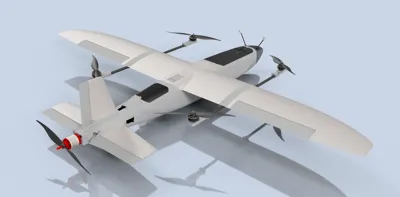
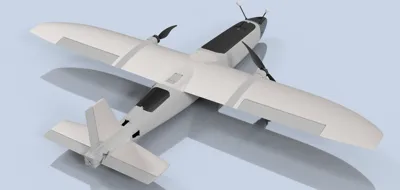
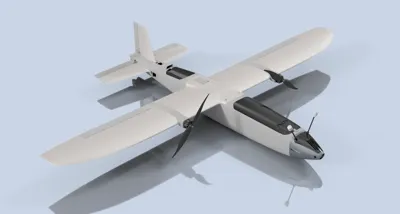
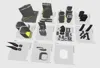
This is a 1.4-meter wingspan FPV RC model, scaled down from the US-made Hornet drone commonly seen on the Ukrainian front lines, with a takeoff weight of around 2 to 3kg.
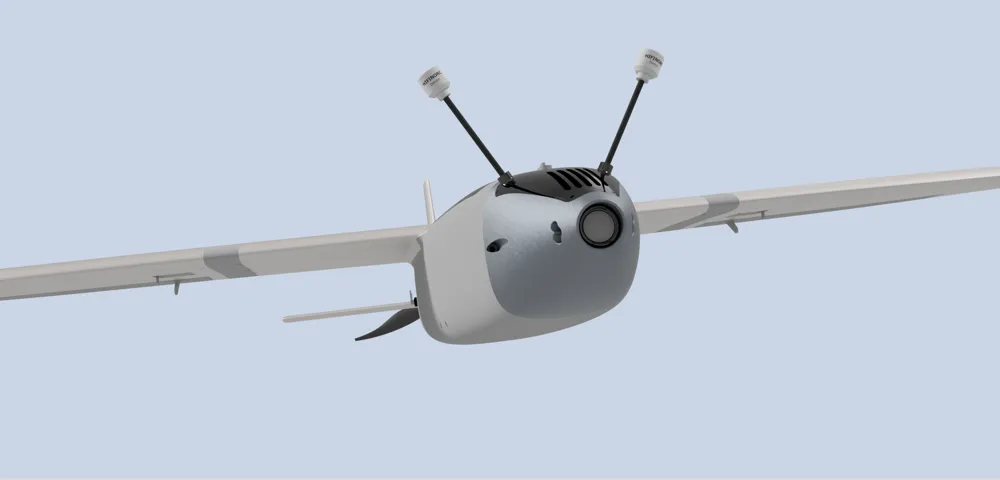
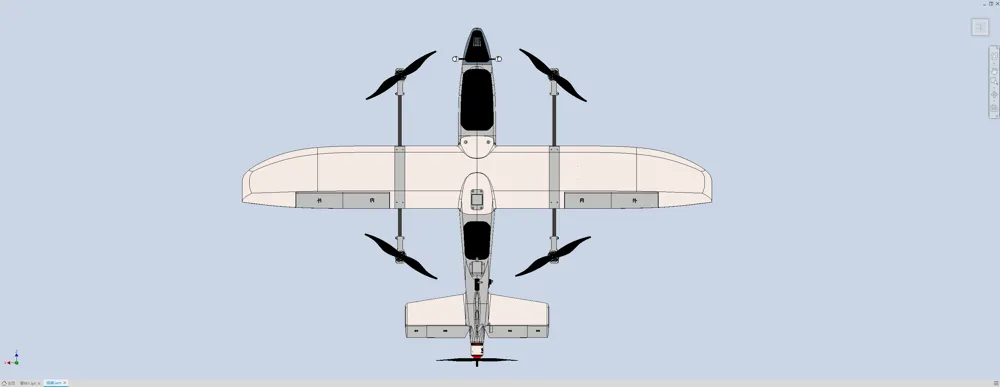
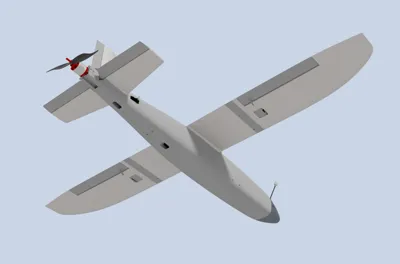
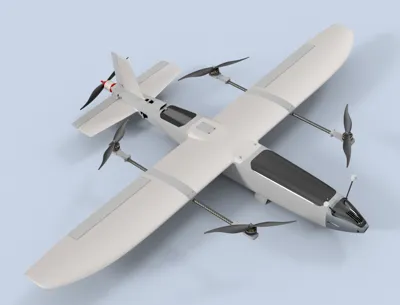
Numerous optimizations have been made based on the original design, such as changing the original rectangular section tail wings to symmetrical airfoils, and designing the main wing with an inner incidence angle of 3 degrees and wingtip 0 degrees NACA4412 to improve acceleration performance. The battery compartment can accommodate 6S2P 21700 batteries. The STP files for the fuselage and wing sections used for mounting twin motors are fully open source, making it convenient for players to modify the model according to their power preferences (download the STP file after opening it on a webpage).
Carbon tube 10*8*1000 x1
Carbon rod 3*1000 x1
3*200 x2
3*300 x2
3*40 x2
3*150 x1
3*400 x1
3*180 x1
3*100 x1
Hardware (hardware stores usually sell by pack, so specific quantities are not listed)
Heat-set inserts M3*4*5 (two)
M3 screws, 10mm long and 6mm long
2mm self-tapping screws, 8mm long and 6mm long
Wire for servo pushrods, 1mm thick is fine, or thicker; I usually use 1.2mm stainless steel wire directly
Tools
For beginners, I don't recommend touching 3D printed airplanes, but let me add a bit of content anyway.
Small electric grinder and 40mm grinding/cutting discs, used for cutting carbon rods
Needle-nose pliers for twisting servo pushrods
Screwdriver set
Servo tester
Soldering iron
Heat gun
Well, that was a bit much indeed........
Electronics
4x 9g servos, PTK7452 or YinYan ES08 recommended
1x Langyu 2814 or 2820 motor, around 900KV, paired with a 9-10 inch propeller. The mounting holes directly fit Langyu motor mounts, but you can also use the 16*16 and 19*19 hole pattern motor mounts I made to be compatible with other motors, for example, most 2810 motors have a 19*19 hole pattern. This aircraft uses a 6S1P battery with a takeoff weight of around 2kg (ABSASA filament). The sliced plate I provided is PETG, which will be a bit heavier, resulting in a takeoff weight of about 2.5kg. As long as the thrust reaches 2kg, it's generally sufficient.
ESC (Electronic Speed Controller) recommended to be 60A or higher; Hobbywing Skywalker V2 is suitable. If using a twin-engine configuration, it is recommended to use 2212 or larger motors like 2810, also with 900 to 1000KV paired with 7-10 inch propellers. If using two Langyu 2212 1000KV motors with 6S batteries and 9060 propellers, a 30A ESC might be sufficient, but a larger one of 45A or more is recommended for safety. If your build is relatively light and the takeoff weight is controlled within 2kg, you can also fly with two 2306 motors.
A flight controller is not essential unless it's a VTOL (Vertical Takeoff and Landing) setup. A 6-channel receiver is sufficient. There's no specific flight controller recommendation; Coolfly, Feidan, MATEK are all fine, as long as they have more than 6 outputs. VTOL setups require at least 10 outputs.
The FPV camera compartment can generally accommodate most digital FPV systems and 19mm size cameras.
Documentation (1)
License

You shall not share, sub-license, sell, rent, host, transfer, or distribute in any way the digital or 3D printed versions of this object, nor any other derivative work of this object in its digital or physical format (including - but not limited to - remixes of this object, and hosting on other digital platforms). The objects may not be used without permission in any way whatsoever in which you charge money, or collect fees.


Comment & Rating (15)