
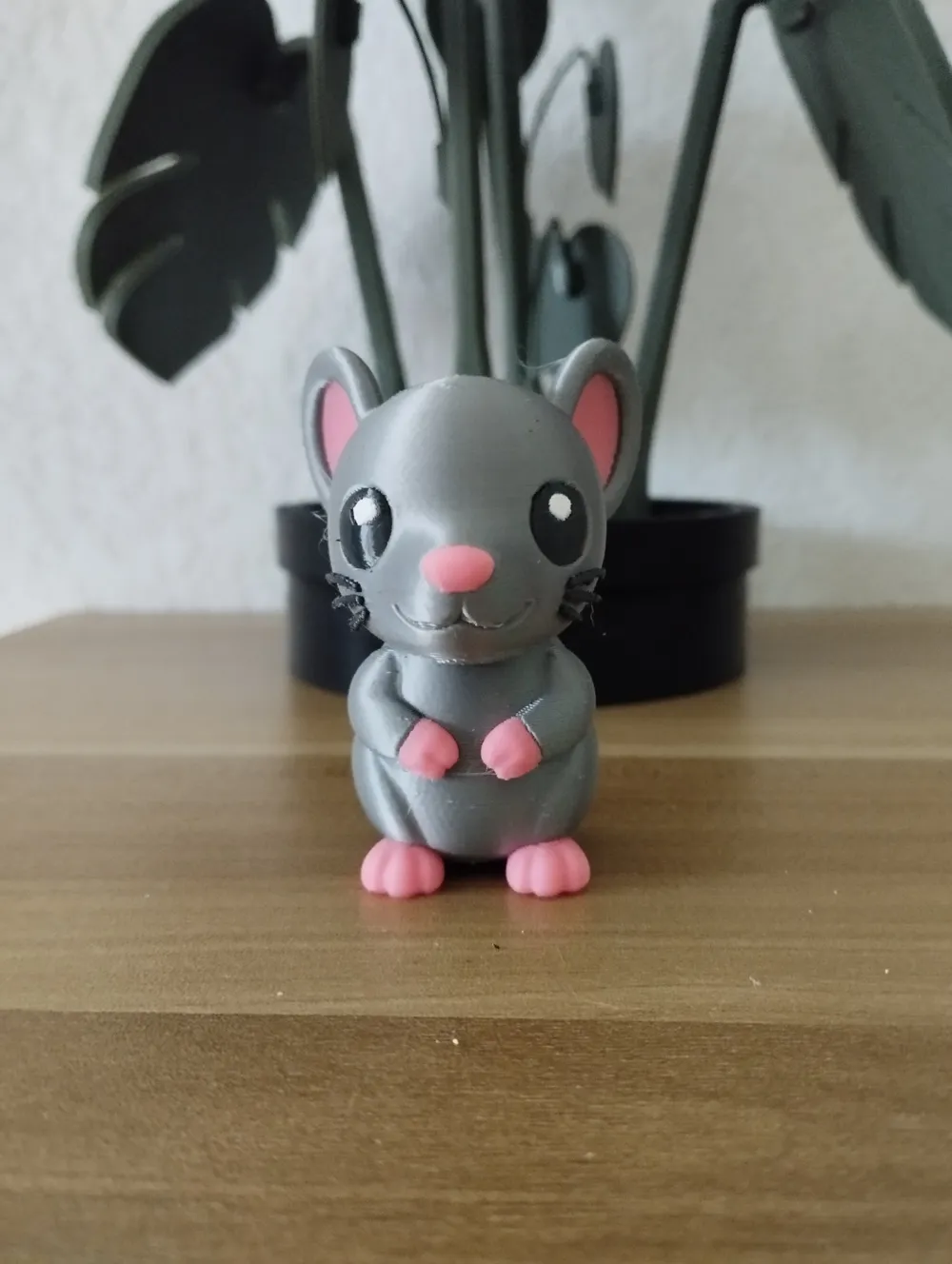
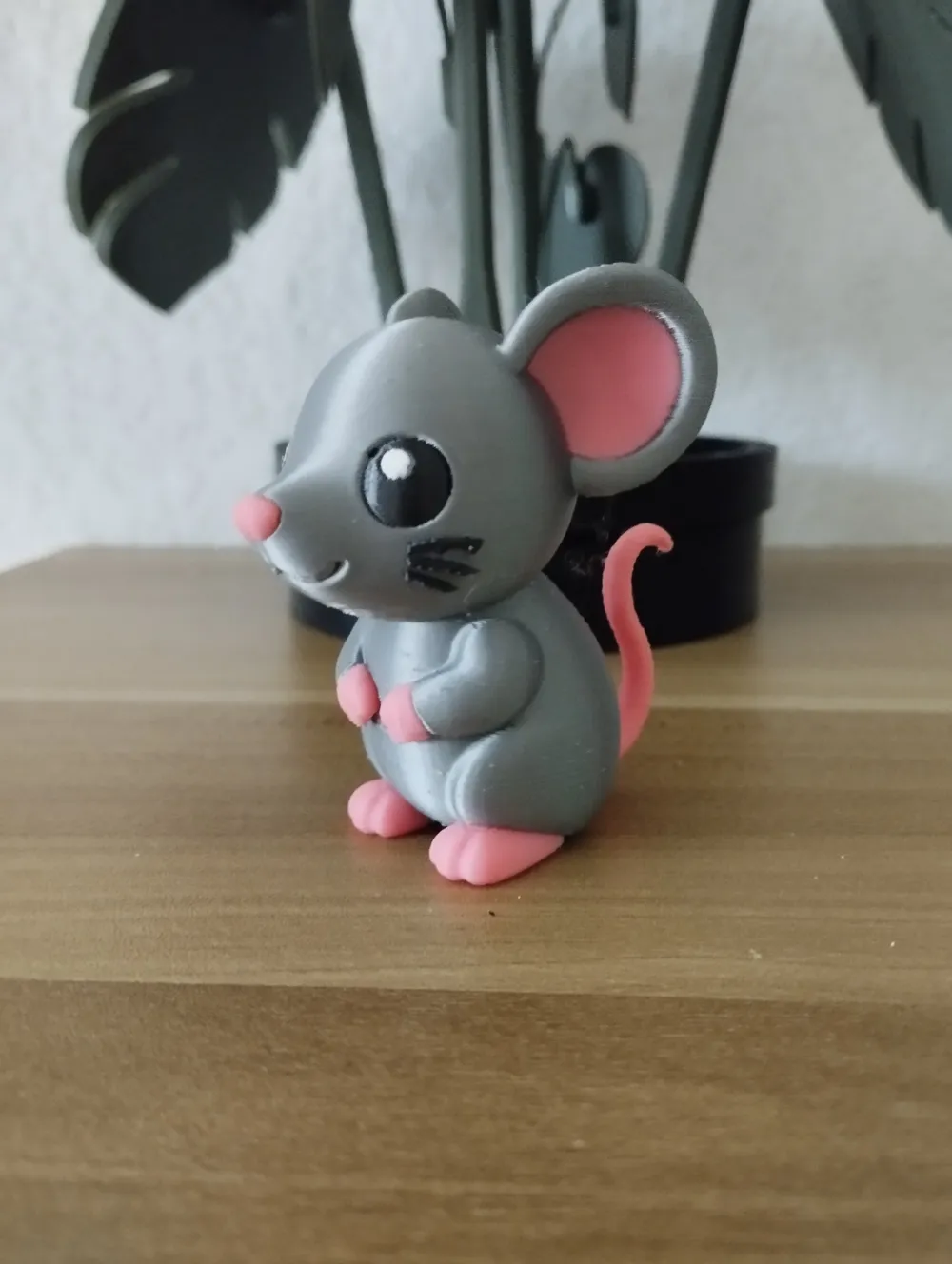
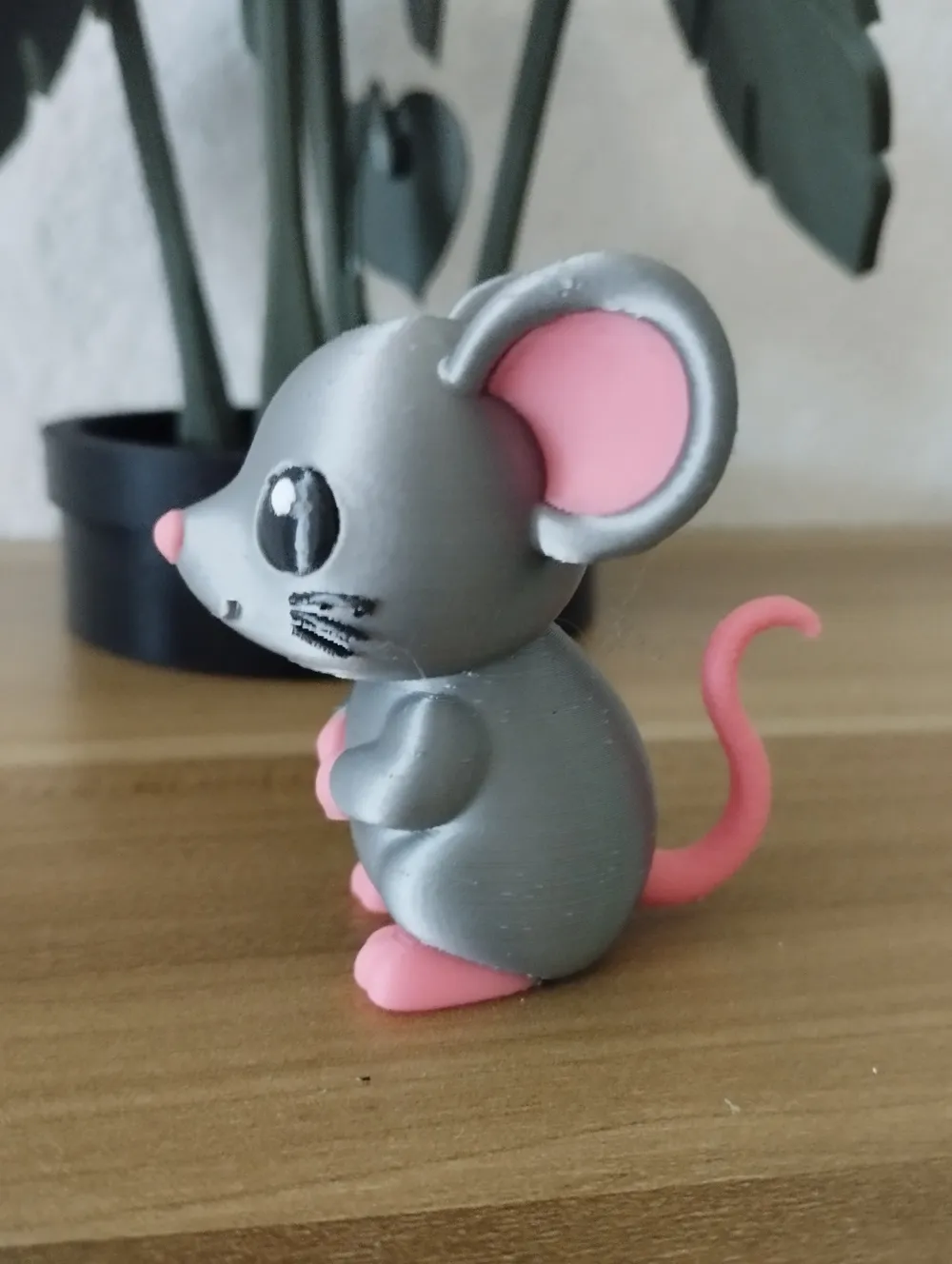
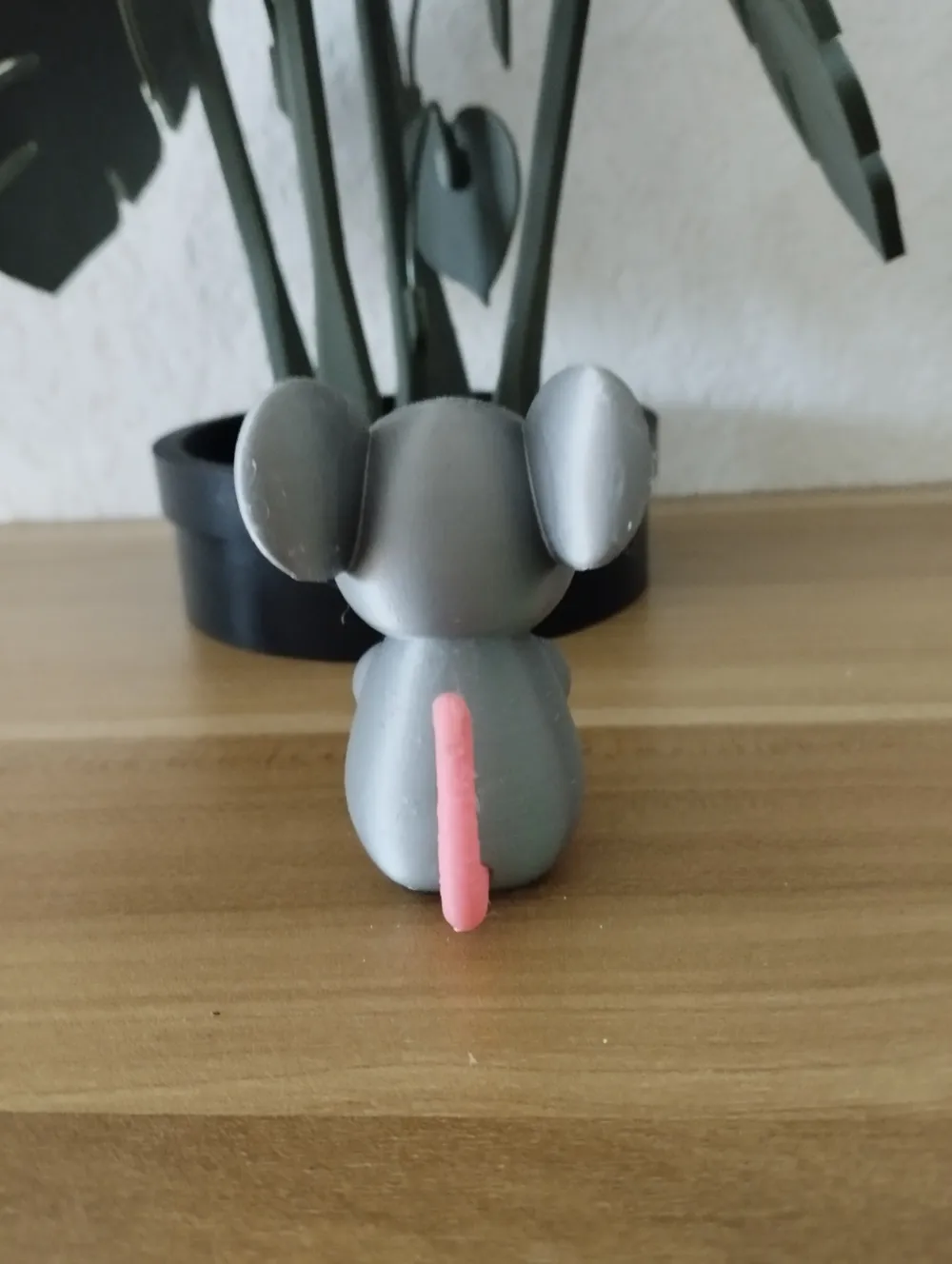
cute little mouse


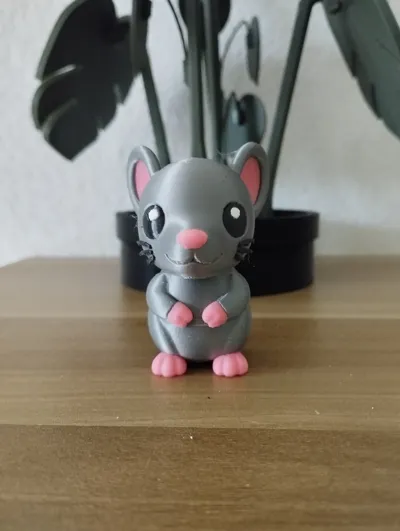
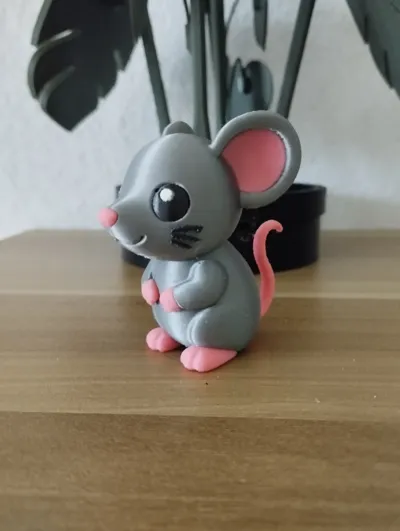

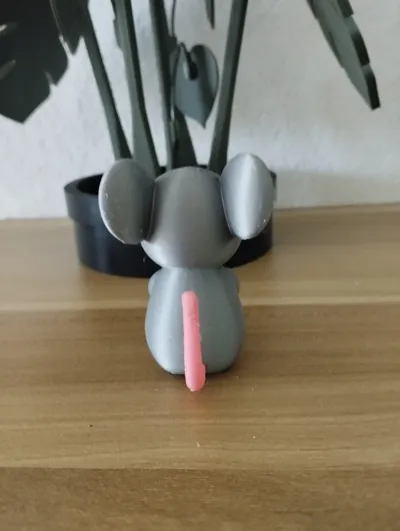
Print Profile(2)


Description
Here's a summary of the mouse, this small, discreet yet incredibly lively rodent that has shared human history for millennia:
What is it?
The mouse is a small herbivorous and omnivorous mammal belonging to the order of rodents (family Muridae). The species closest to humans is the domestic mouse (Mus musculus). The male is the mouse (or male mouse pup) and the young is the mouse pup.
Physical Characteristics
- Teeth that grow continuously: Like all rodents, its incisors grow continuously. It must imperatively gnaw everything it finds (wood, plastic, cables) to wear them down.
- Highly developed senses: Its eyesight is quite poor, but its sense of smell and hearing are exceptional. It has very sensitive vibrissae (its whiskers) which allow it to navigate perfectly in the dark.
- Incredible agility: Its body is extremely flexible. If its head can pass through a hole the size of a ballpoint pen, its entire body can pass through! It is also an excellent jumper and climber.
Lifestyle and Rapid Reproduction
- A champion of birth rate: The mouse is famous for its rapid reproduction rate. A single female can have up to 5 to 15 litters per year, with 4 to 12 pups each time! The young become adults in just 6 weeks.
- Nocturnal life: It is a primarily nocturnal animal. It is at night that it becomes active to search for food, out of sight.
- The nest: It builds cozy nests using pieces of fabric, paper, wool, or straw in hidden places (partitions, attics, wall holes).
Diet
Contrary to the cliché of a piece of cheese, the mouse especially loves seeds, cereals, fruits, and insects. However, by living near humans, it has become very opportunistic and can nibble on almost all food scraps.
Its relationship with humans
The mouse has a dual image in our society:
- A pest: In homes or farms, it can devastate food stocks, damage insulation, and transmit diseases through its urine and droppings.
- An ally for science: The laboratory mouse (usually white) is the most used animal in medical research. Its DNA is surprisingly close to that of humans, which has allowed for immense progress in medicine (vaccines, cancer treatments).
- A pet: Gentle and curious, the domestic mouse is today a much-loved pet (NAC).
Boost Me (for free)
thank you
License

You shall not share, sub-license, sell, rent, host, transfer, or distribute in any way the digital or 3D printed versions of this object, nor any other derivative work of this object in its digital or physical format (including - but not limited to - remixes of this object, and hosting on other digital platforms). The objects may not be used without permission in any way whatsoever in which you charge money, or collect fees.


Comment & Rating (0)