
Towel Dryer Vent Fan Attachment
Print Profile(1)

Bill of Materials


Description
Overview
Turn an overpowered bed-cooling fan into a practical towel-drying machine.
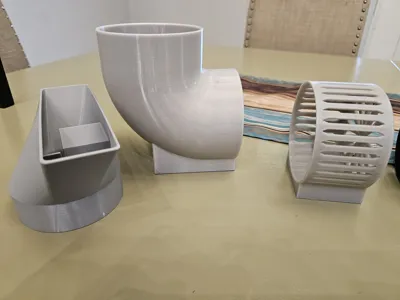
This printable towel dryer attachment redirects airflow through a wide drying head, helping move air across towels, cloths, small garments, or damp fabric items. It was designed around a compact vent-style fan and includes multiple head options so users can choose the airflow pattern that works best for their setup.
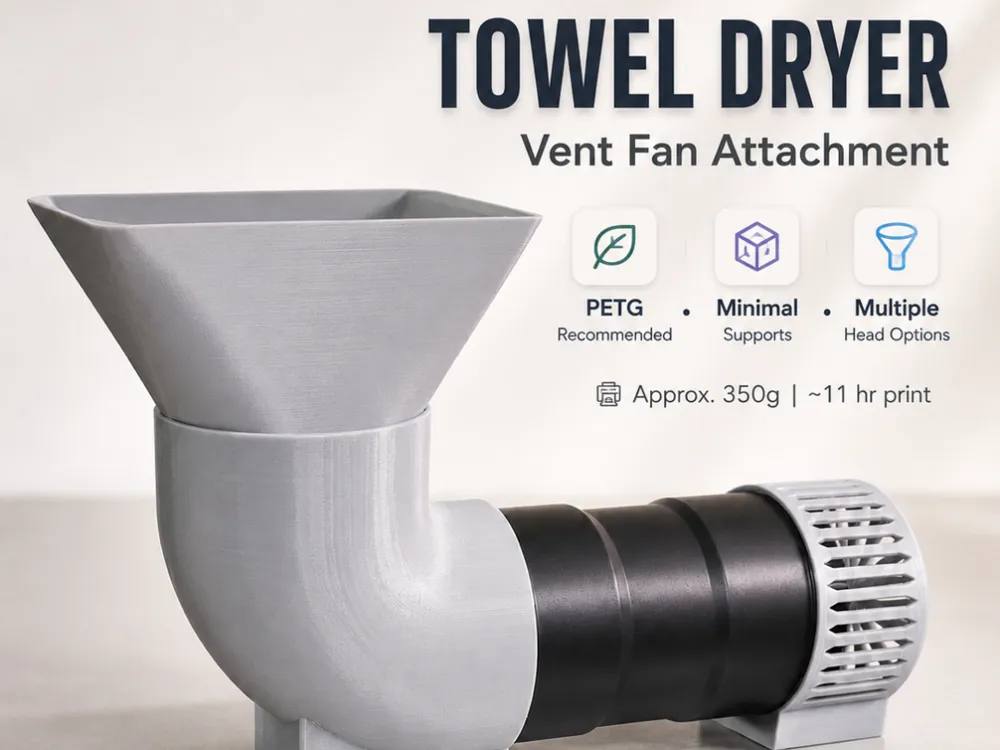
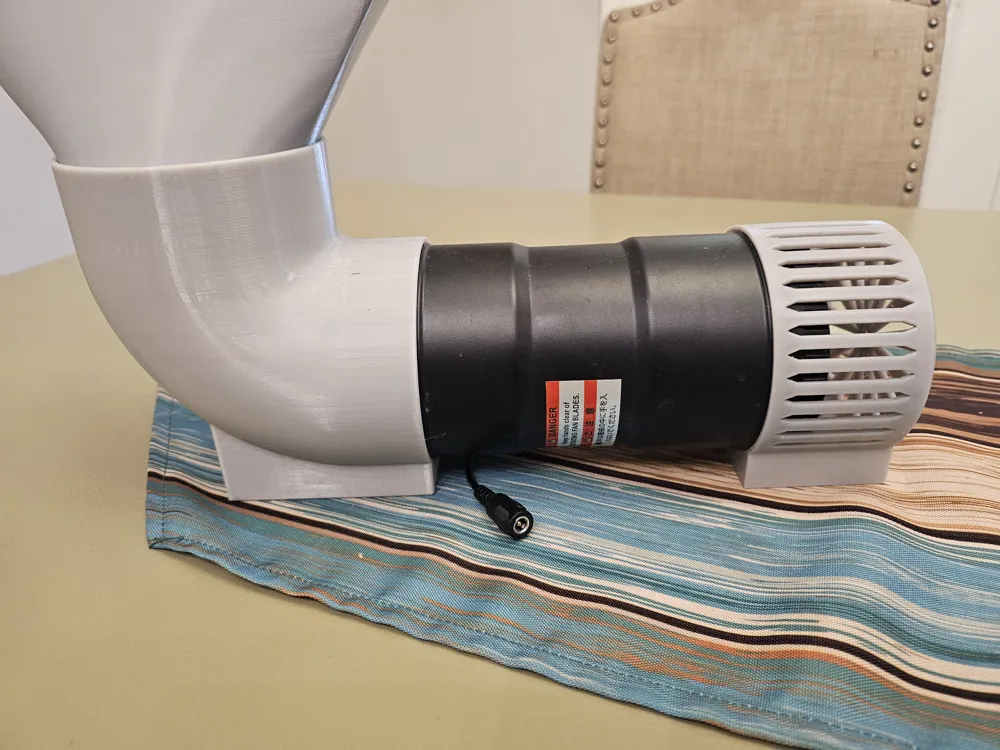
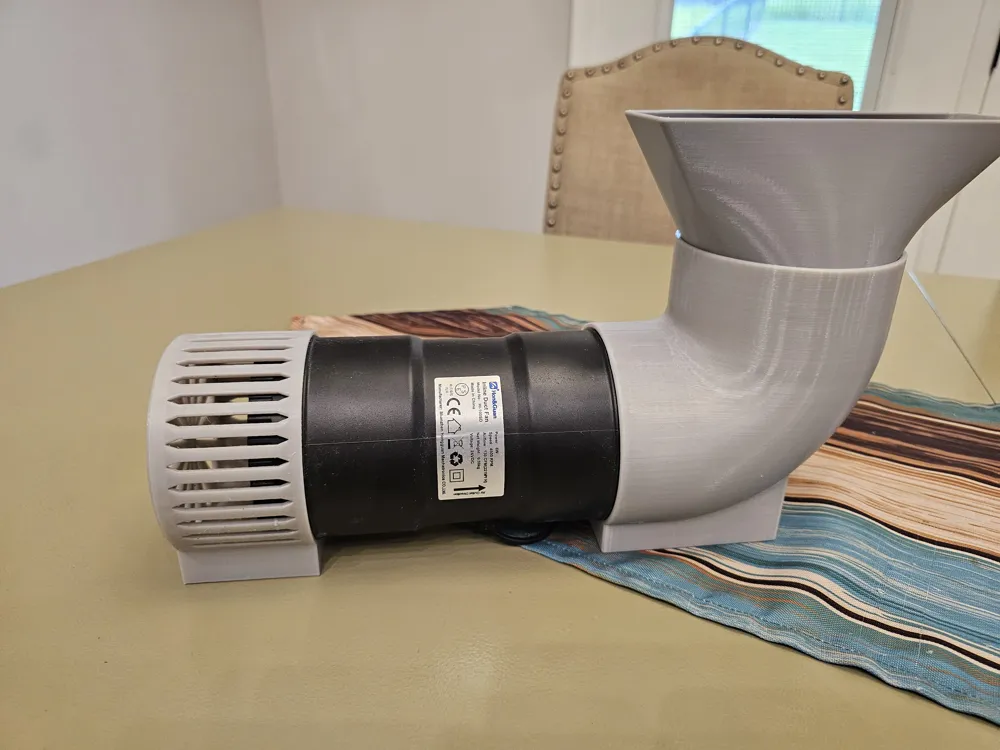
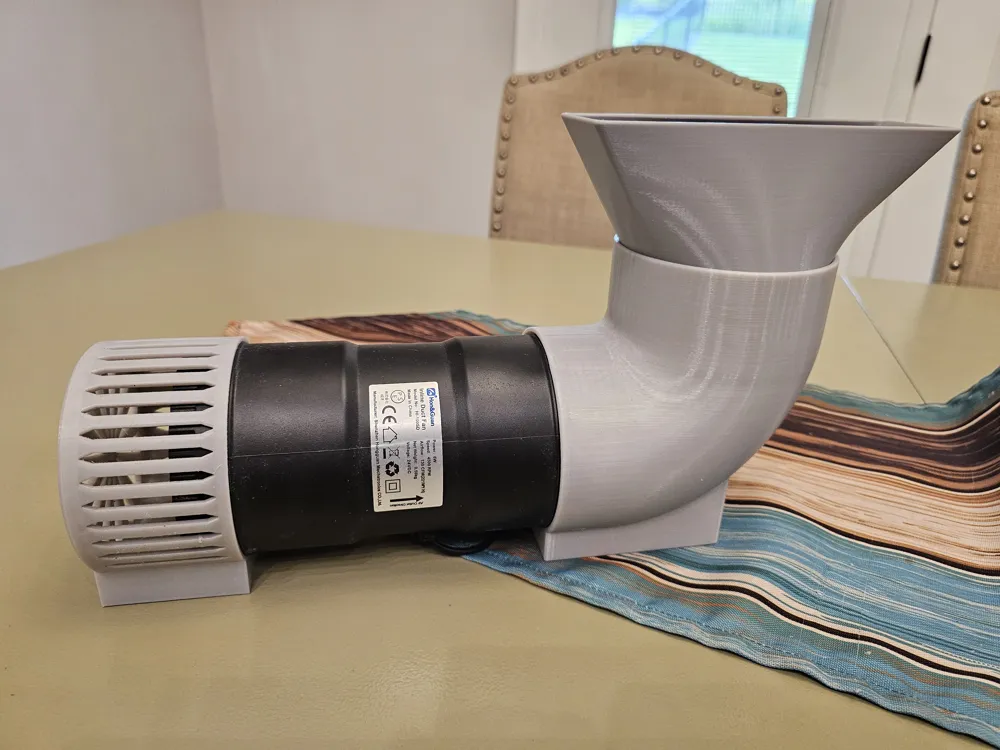
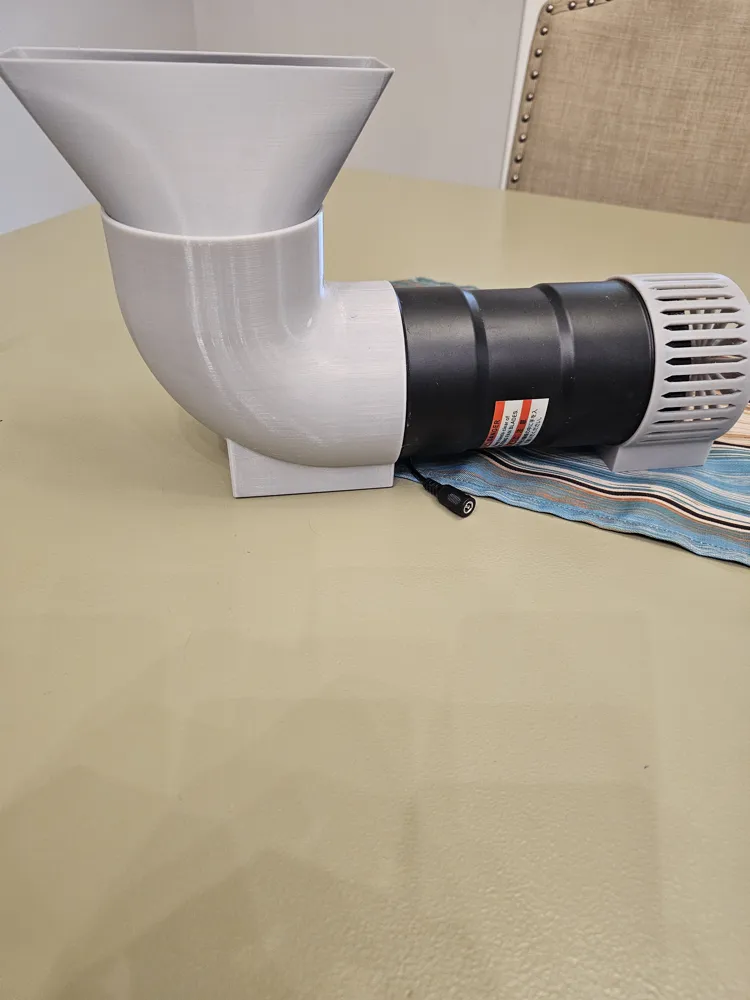
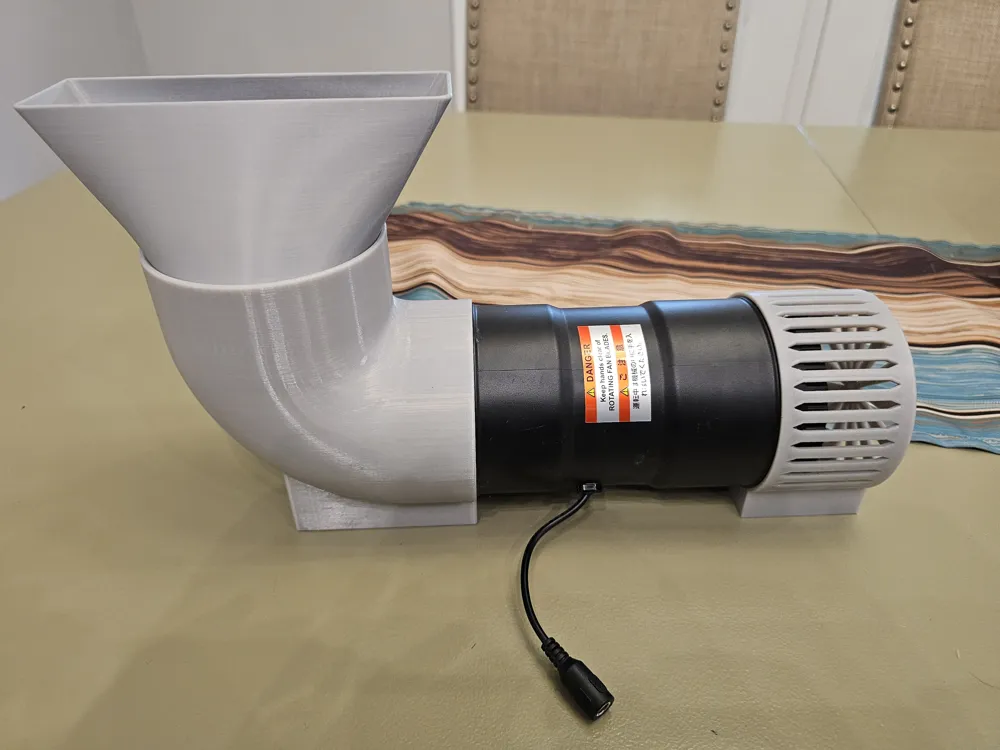
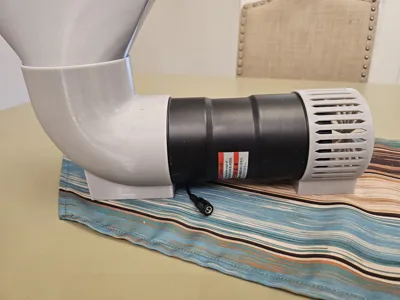
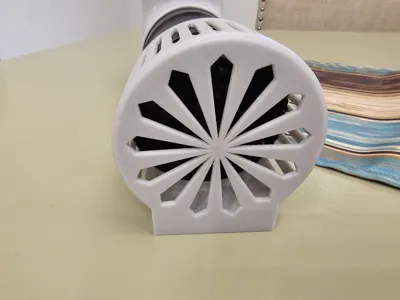
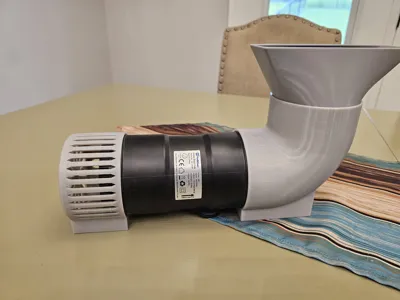
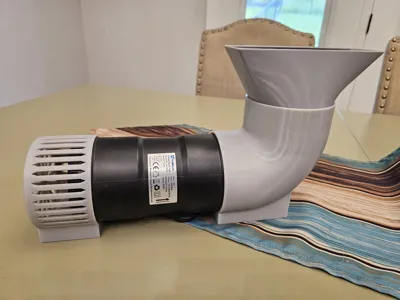
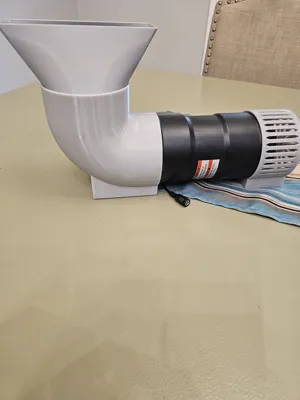
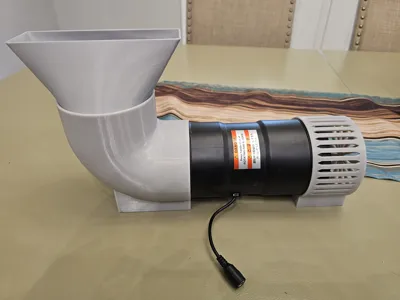
As shown in the photo, the printed adapter connects directly to the fan body and creates a stable, functional airflow path.
Features
- Repurposes a vent fan into a towel dryer
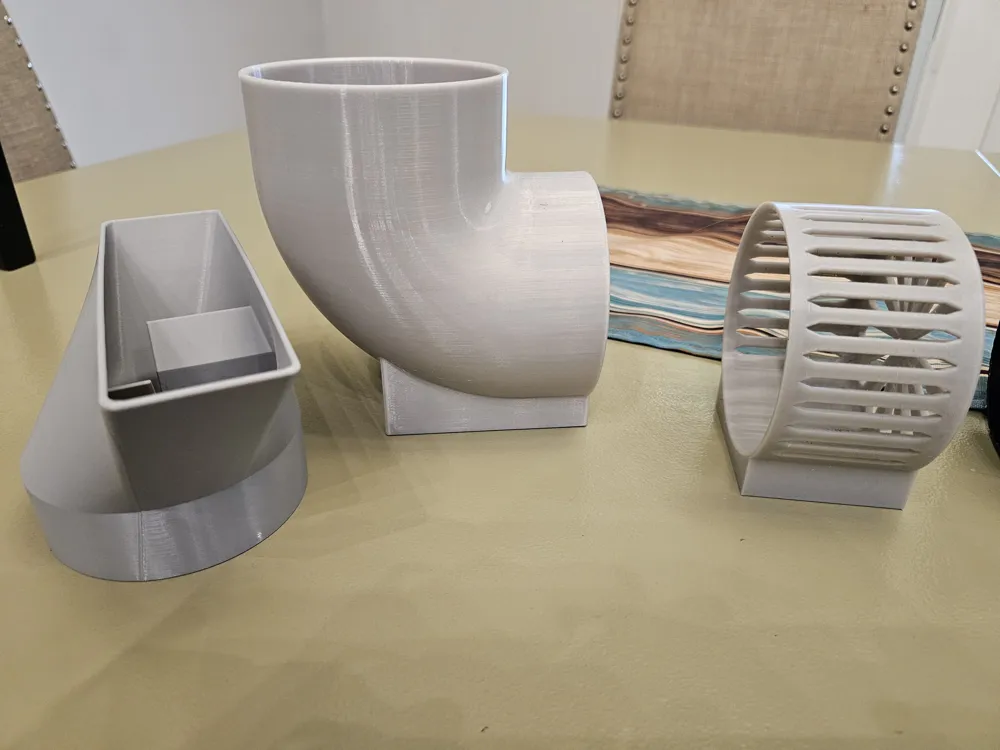
- Multiple head options included
- Wide outlet design for better airflow coverage
- PETG recommended for humidity resistance
- Minimal supports
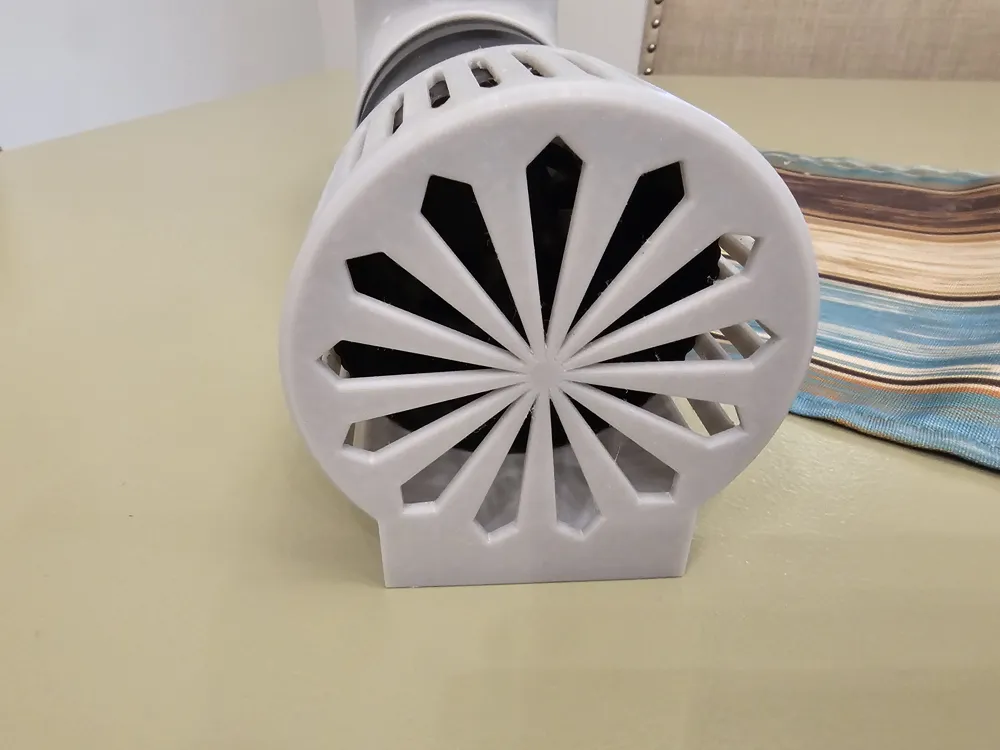
- Functional base attachments
- Designed for practical household use
- Great for towels, washcloths, small clothing items, camping, RV use, bathrooms, and laundry areas
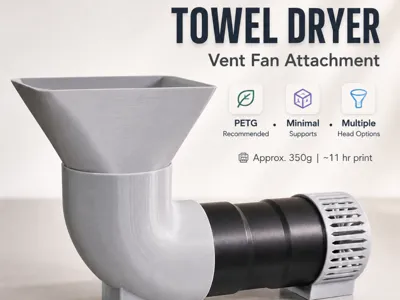
- One complete setup prints in approximately 11 hours
- Uses approximately 350 g of filament
Description
My wife originally wanted the Bed Rocket V2 bed-cooling system by Paul 2 Travel. The problem was simple: it worked a little too well. Apparently, there is such a thing as “too much breeze while trying to sleep,” so I suddenly had a perfectly good fan looking for a new purpose. Instead of letting it sit in shame, I gave it a career change. Since the redesign (about a year ago give or take) the towels are completely dry each morning when we shower. If you reuse your towel multiple times this design is for you!
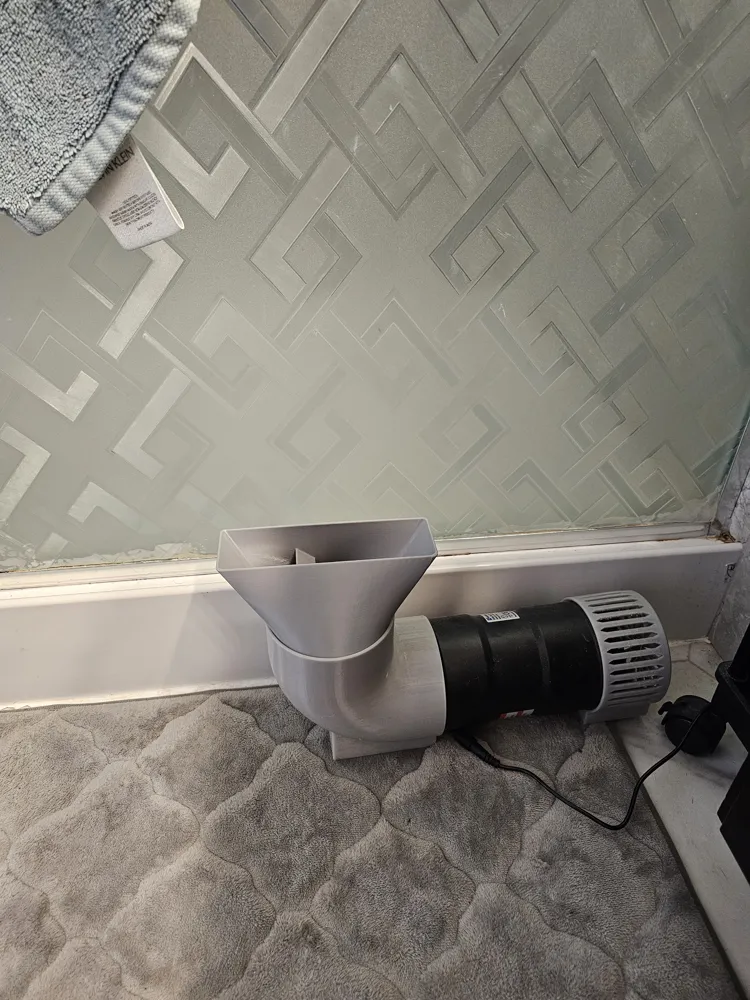
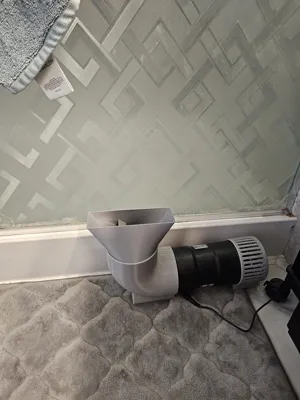
This towel dryer turns that fan into a focused airflow system for drying towels, cloths, and other damp items. Simply place it under your item(s), plug it in, and let it do its thing! The design uses a printed adapter body, base attachments, and interchangeable drying heads to guide air where you need it. The large curved duct gives it a clean, appliance-like look, while the wide outlet head makes it feel like something that belongs in a bathroom, laundry room, camper, or workshop.
It is functional, a little ridiculous, and surprisingly useful — exactly the kind of project that makes 3D printing fun.
The model shown in the photo was printed and assembled with the fan, proving the design fits together and works as intended. PETG is recommended because this model is intended for humid environments and repeated airflow use. PLA may work, but it has not been fully tested for tolerances, heat, or long-term use in this application.
Assembly Guide
- Print the required base attachment pieces
Start with the fan adapter/base components that connect to the vent fan body. - Choose your drying head
Select the airflow head that best fits your use case. Multiple heads are included for different airflow patterns. - Slide or fit the printed adapter onto the fan
Install the printed adapter onto the fan body. The fit should be snug but not forced. - Attach the selected towel dryer head
Connect the drying head to the adapter section. - Place the fan on a stable surface
Make sure the fan and printed base are sitting flat before turning it on. - Test airflow before use
Run the fan briefly and confirm that air is moving cleanly through the printed duct and out of the drying head. - Use with damp towels or cloths
Position the towel near the airflow path and let the fan do the work.
Bill of Materials
Fan if needed - https://amzn.to/4ugrnqx
If you want to get fancy, hook it up to a smart plug to auto shut off - https://amzn.to/4ueo7fz
No screws, magnets, or extra hardware required.
Recommended Filament
- PETG
- PETG-HF
- Any filament designed to handle light weight and a humid environment
Not Recommended / Untested
- PLA is not recommended as the primary material. It may work, but it has not been fully tested for humidity, tolerances, or airflow use.
Recommended Profile
| Setting | Recommendation |
|---|---|
| Layer Height | 0.20 mm |
| Wall Loops | 3 |
| Infill | 15% |
| Infill Pattern | Gyroid |
| Supports | Minimal |
| Material | PETG |
| Estimated Filament | 350 g |
| Estimated Print Time | 11 hours for one complete setup |
Additional Recommendations
- Use PETG for humidity resistance and better long-term durability.
- Avoid supports inside airflow channels when possible.
- Use a brim on taller or narrow-base head options if bed adhesion is a concern.
- Use 4 walls for a stronger fan adapter if the fit is tight or the part will be handled often.
- Dry PETG before printing for cleaner walls and better dimensional accuracy.
License

You shall not share, sub-license, sell, rent, host, transfer, or distribute in any way the digital or 3D printed versions of this object, nor any other derivative work of this object in its digital or physical format (including - but not limited to - remixes of this object, and hosting on other digital platforms). The objects may not be used without permission in any way whatsoever in which you charge money, or collect fees.


Comment & Rating (0)