
Plaster Molds for Kids Painting – Dino Edition
Print Profile(1)
Description
Membership
🚀 Turn Plastic into Profit with P3D Design! Want to sell high-margin products on your shop? By joining P3D Commercial Standard, you get full rights to sell physical 3D prints of my entire library of engineering upgrades and functional workshop fixtures. All models are designed in Autodesk Inventor and optimized for flawless printing on Bambu Lab. Cover your costs with just a few sales and keep your printers running 24/7! (Physical prints with your own photos only; no STL sharing).
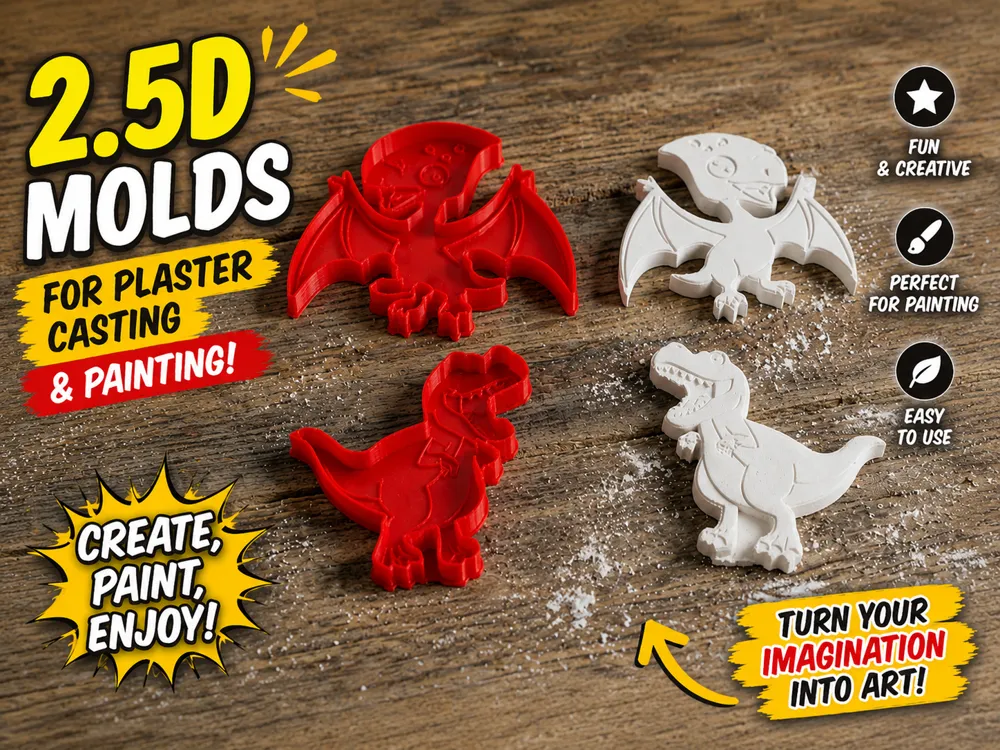
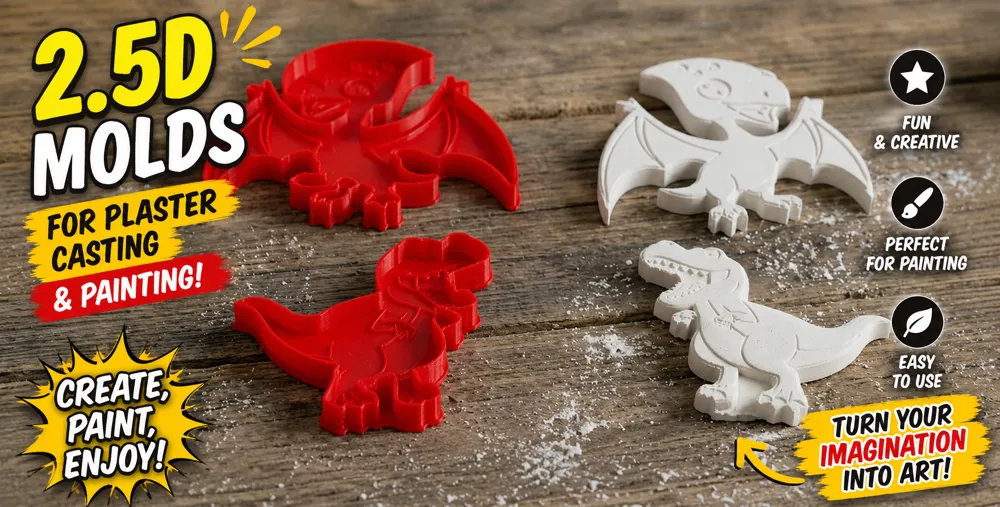
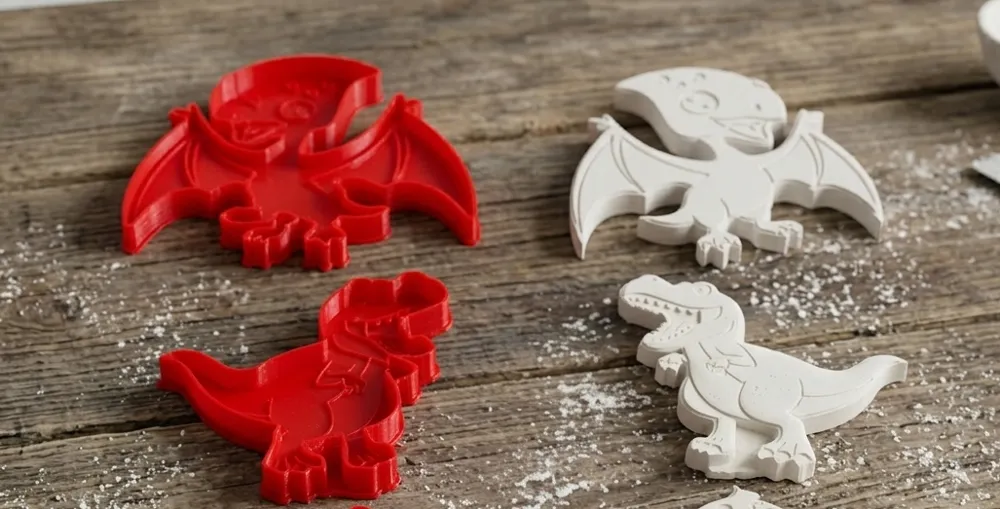
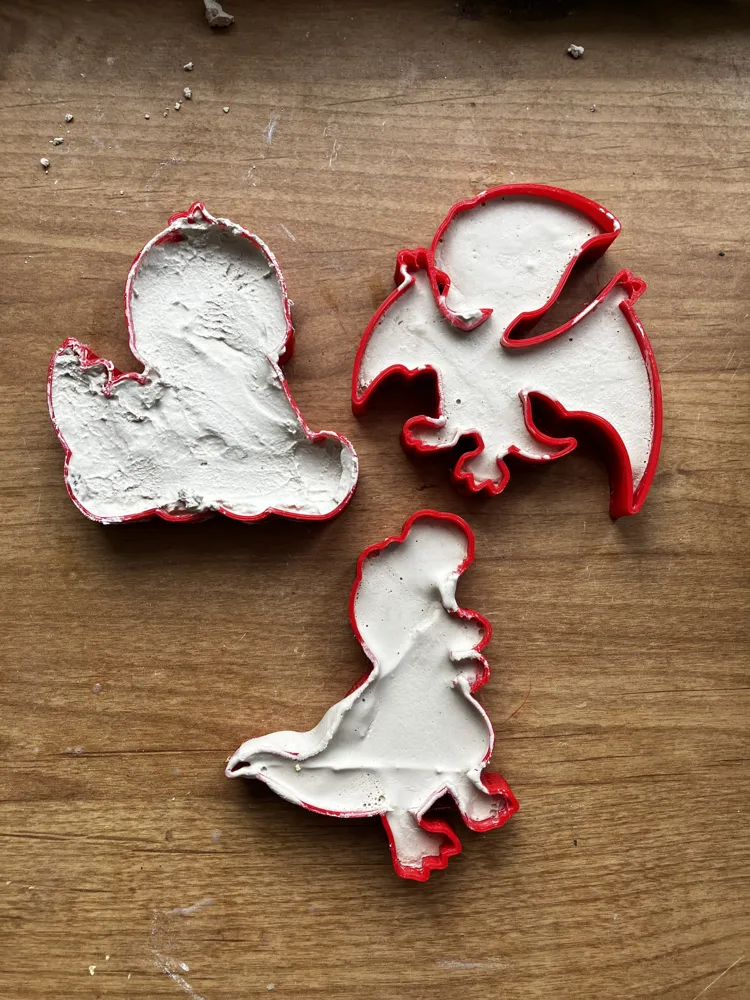
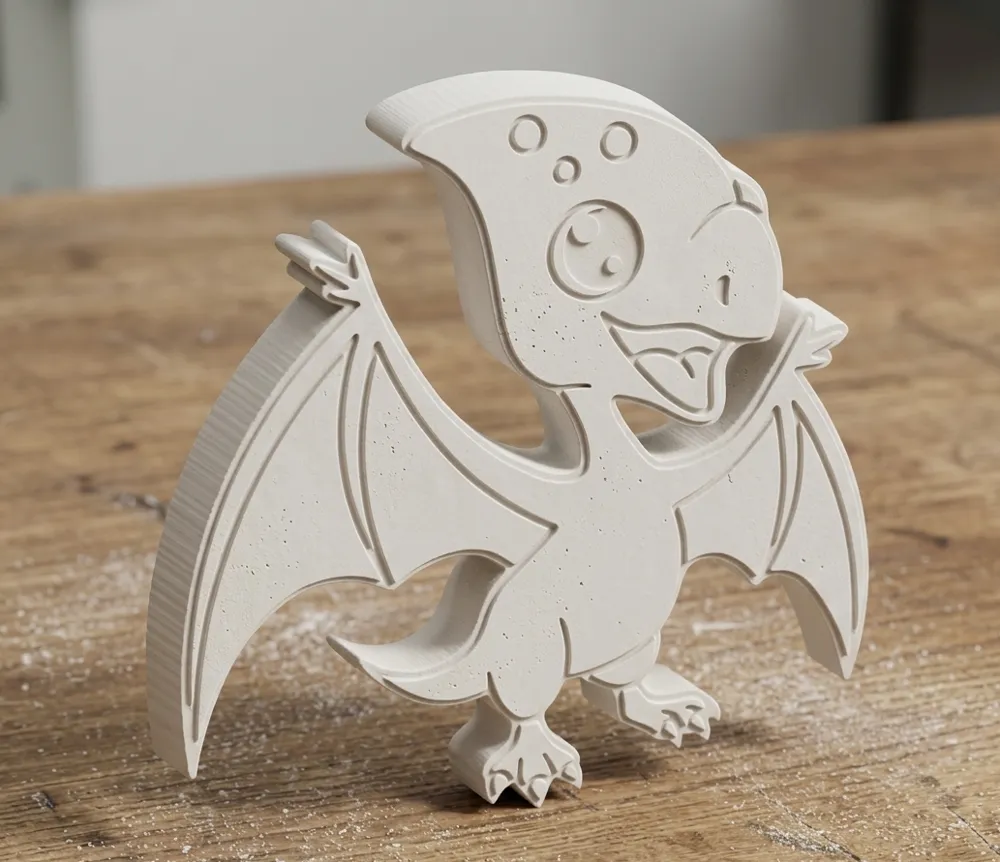
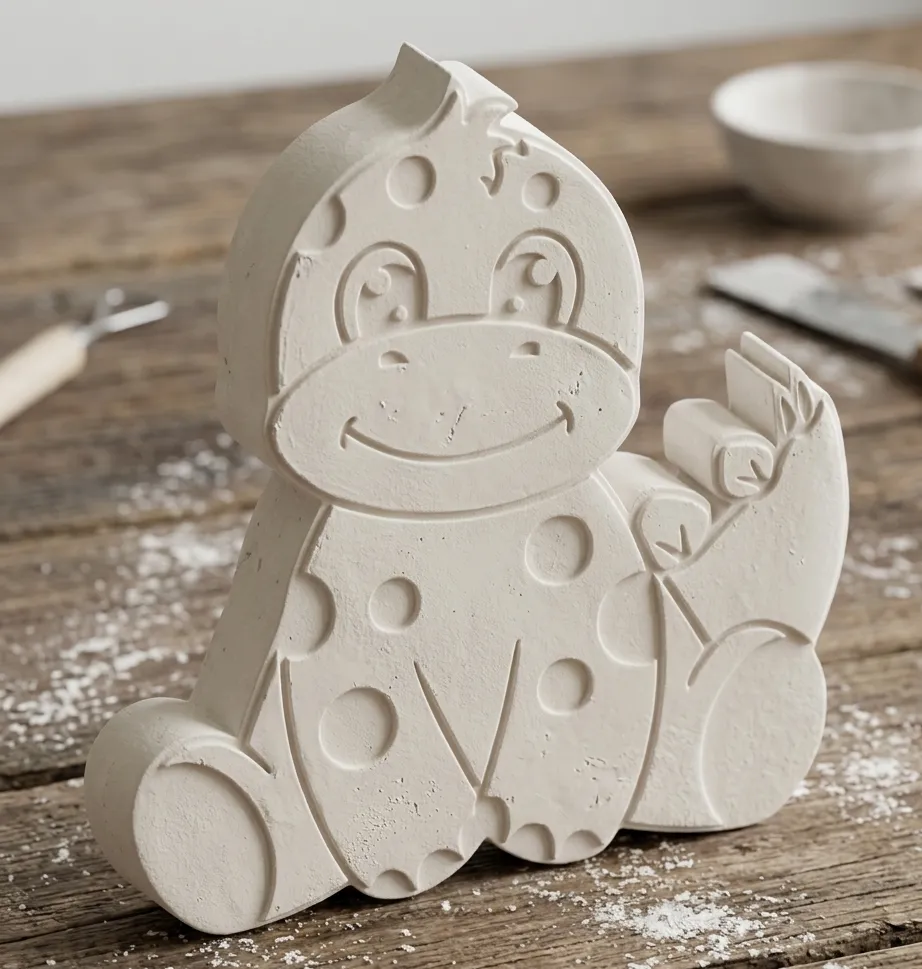
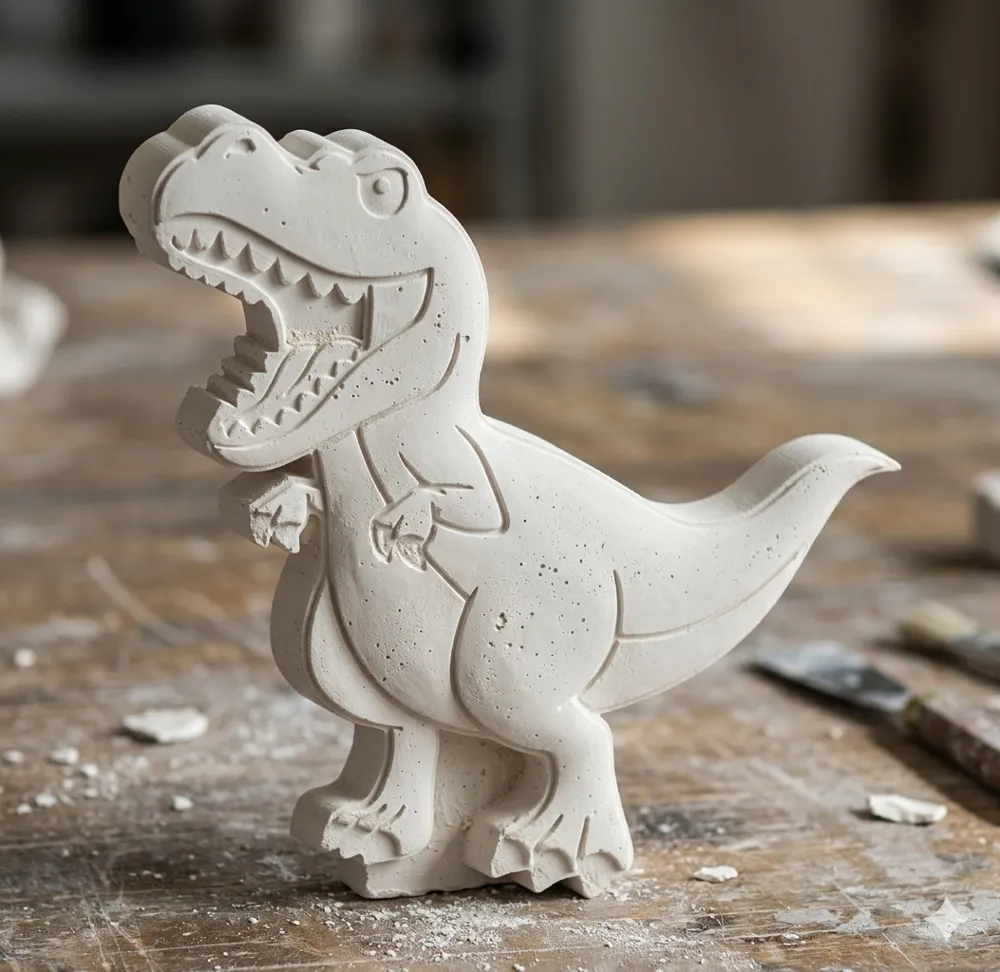
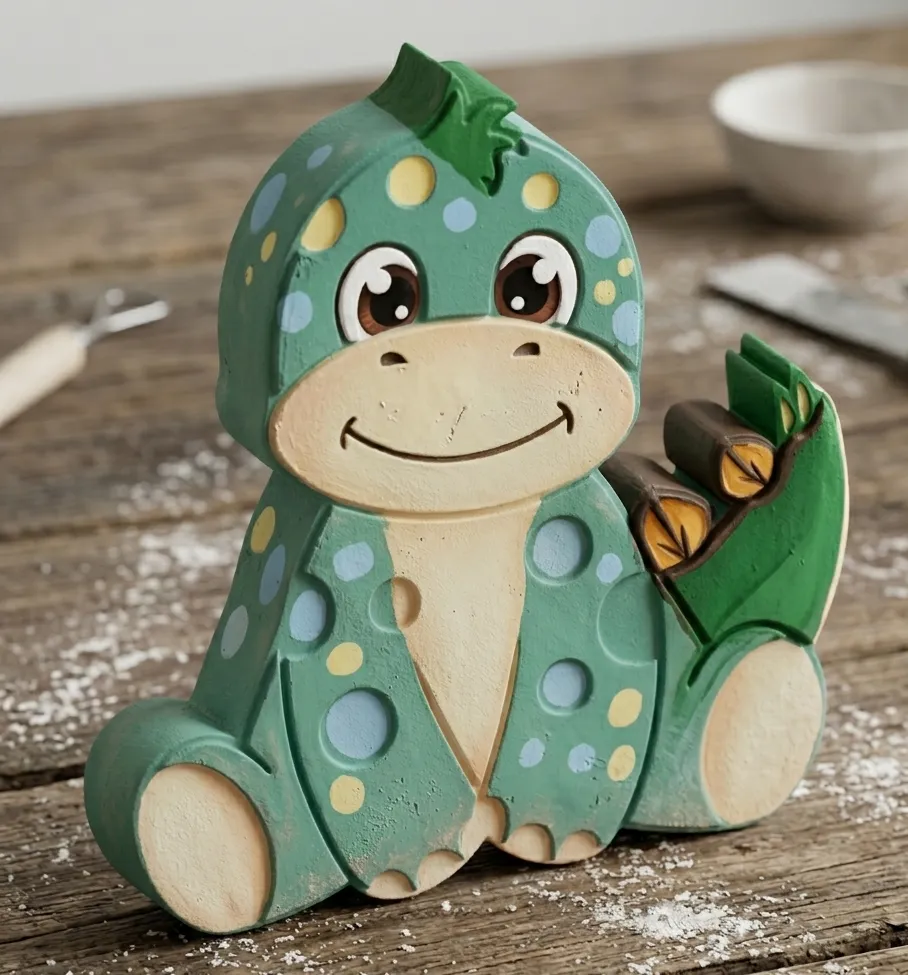
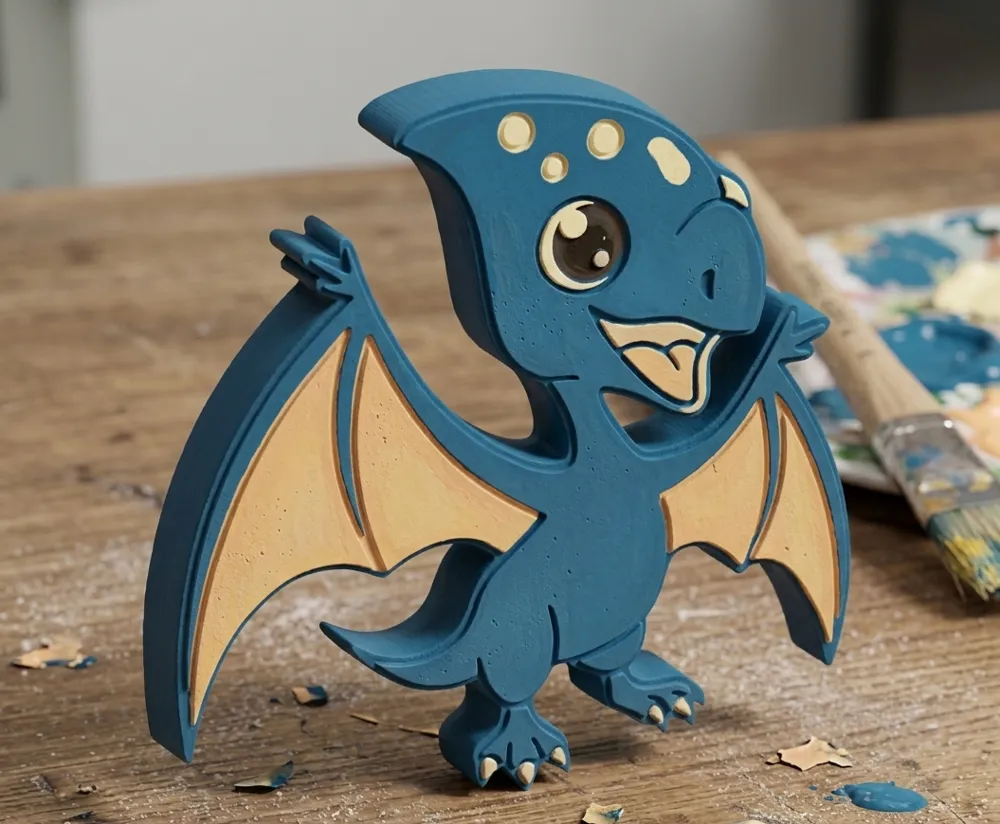
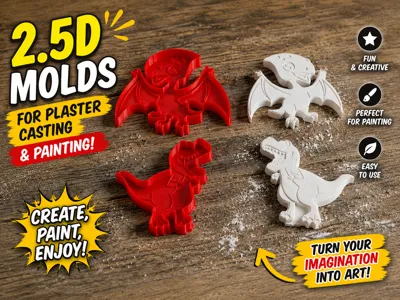
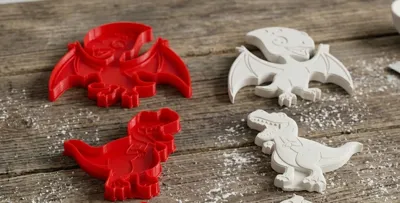
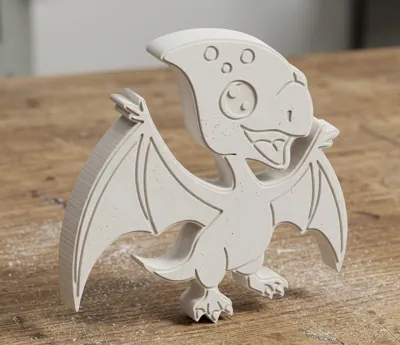
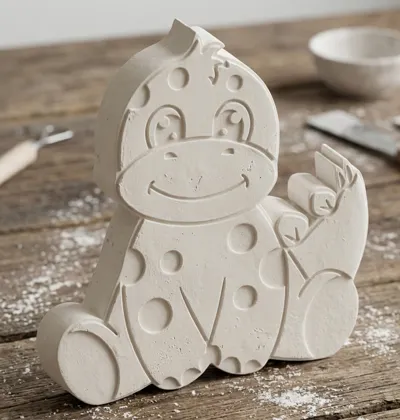
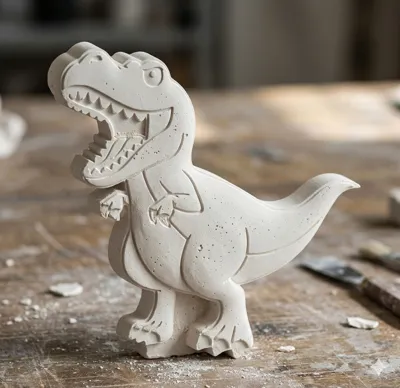
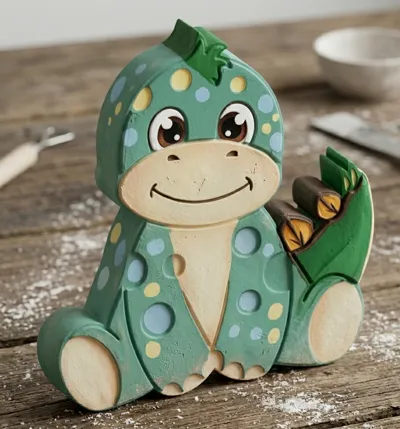
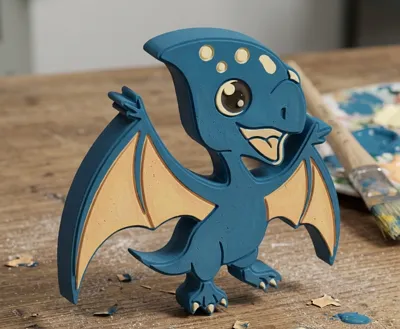
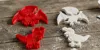
2.5 D Plaster Molds Dino🦖🎨
Turn your 3D printer into a never-ending factory for creative toys!
Are you looking for a great weekend activity to keep your kids entertained for hours? This project perfectly combines 3D printing technology with classic hands-on crafting.
Anyone who has tried letting kids paint a standard 3D printed model (made of PLA or PETG) with watercolours or tempera knows it’s a struggle – the paint slides off the plastic surface, runs, and doesn't cover well. Plaster casts made from these TPU molds are a complete game-changer. Plaster has the perfect absorbency, so colors stick flawlessly, dry instantly, and look incredibly vibrant.
You only need to print these flexible molds once, and you can cast plaster dinosaurs for your kids every single weekend, over and over again.
💡 Why TPU 95A?
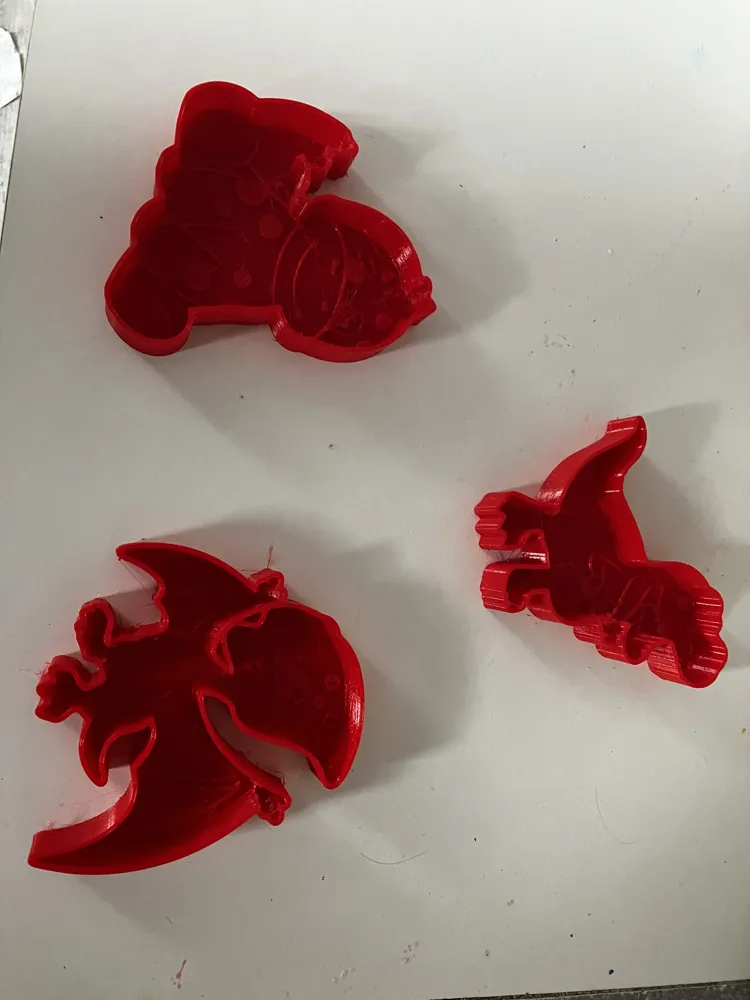
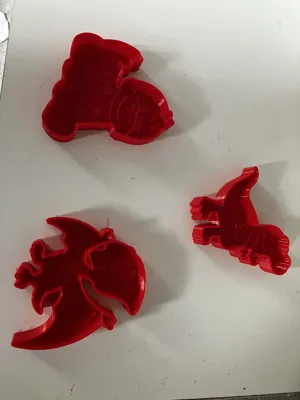
These molds are designed specifically for printing with TPU 95A flexible filament. Thanks to the unique compliance of this material, you don't have to worry about complex mold-release draft angles during modeling. The model is designed with an optimal wall thickness of 1.5 mm, which provides the perfect balance: the mold keeps its geometry perfectly and doesn't bulge under the weight of liquid plaster, yet it remains flexible enough that you can incredibly easily peel it off the hardened cast like a banana skin. No getting stuck, no broken details.
🛠️ Recommended Print Settings:
- Material: TPU 95A (e.g., Bambu TPU).
- Wall Thickness / Perimeters: 3 walls (crucial for maintaining the mold's stability).
- Infill: 10%.
- Note: Print directly from the rear spool holder of your printer, do NOT use the AMS, as flexible materials tend to get tangled and stuck in it! For a perfectly smooth inner surface, make sure your TPU is well dried before printing.
🧪 Step-by-Step Casting Guide for Kids:
- Preparation: Place the clean and dry TPU mold on a flat, stable surface.
- Pro Trick for Zero Bubbles: Lightly spray the inside of the mold with a spray bottle filled with water and a single drop of regular dish soap. The soap acts as a wetting agent – it lowers surface tension, allowing the plaster to flow flawlessly into the smallest details without leaving air bubbles on the surface. Alternatively, you can use a release agent made of wax dissolved in alcohol.
- Mixing the Plaster: Mix standard white hobby plaster with water according to the package instructions. Make sure to mix the consistency a bit thinner (like runny pancake batter) – this is very important to ensure the plaster flows easily and without resistance into all the fine details and crevices of the dinosaur.
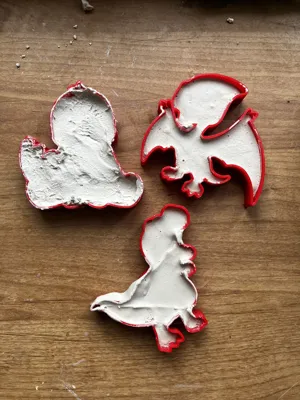
- Pouring: Carefully pour the plaster into the mold. It is recommended to leave about 2–3 mm from the top rim for easier handling. Once poured, gently tap the mold against the table a couple of times (vibration) to release any remaining trapped air bubbles to the surface.
- Releasing the Mold: Wait about 20 to 30 minutes. Once the plaster is solid and warm to the touch (due to the exothermic reaction), gently peel the TPU mold away by bending it. Thanks to the 1.5 mm thin wall, it will come off effortlessly.
- Creative Finale: Let the cast dry completely (ideally in the sun or on a radiator until it turns bright white and "rings" when tapped). Then, just give your kids brushes, tempera, or acrylic paints and let them create!
License

You shall not share, sub-license, sell, rent, host, transfer, or distribute in any way the digital or 3D printed versions of this object, nor any other derivative work of this object in its digital or physical format (including - but not limited to - remixes of this object, and hosting on other digital platforms). The objects may not be used without permission in any way whatsoever in which you charge money, or collect fees.


Comment & Rating (2)