
[Teaching Aid] Coffee Cherry Sectional Model
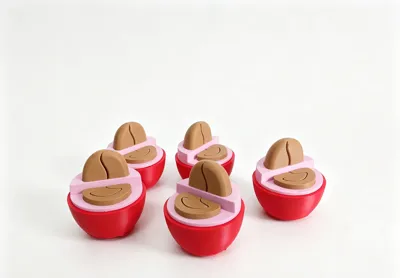
Print Profile(1)
Description
Boost Me (for free)
If you like this model, please boost me! Let's build a high-quality open-source sharing community together!
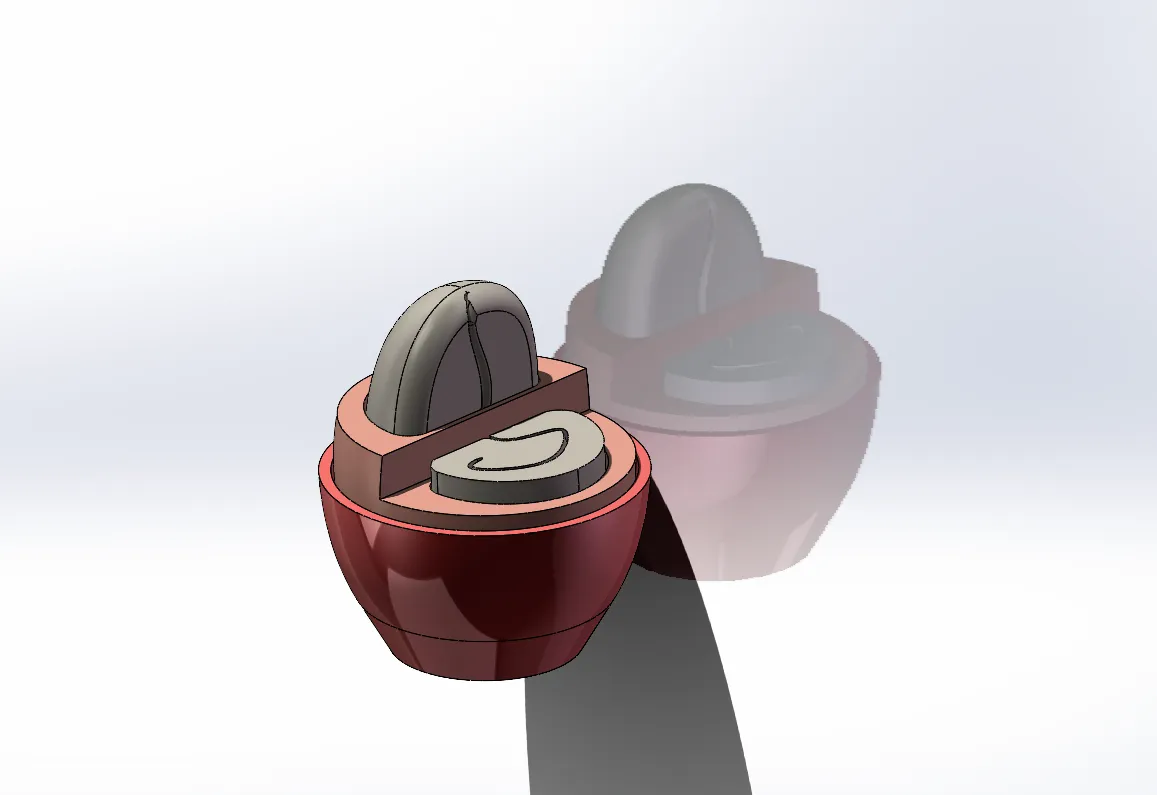
⭐Precisely modeled using SolidWorks, with a reasonable structure
⭐Display model printed with Bambu Lab PLA Pure
🚀Model Introduction
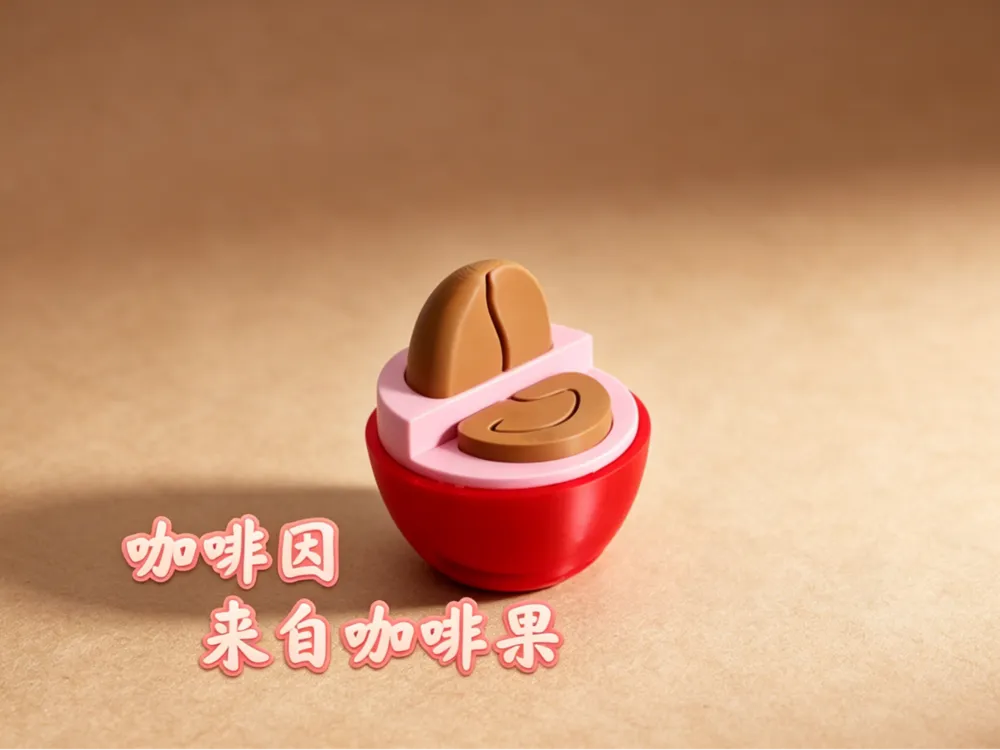
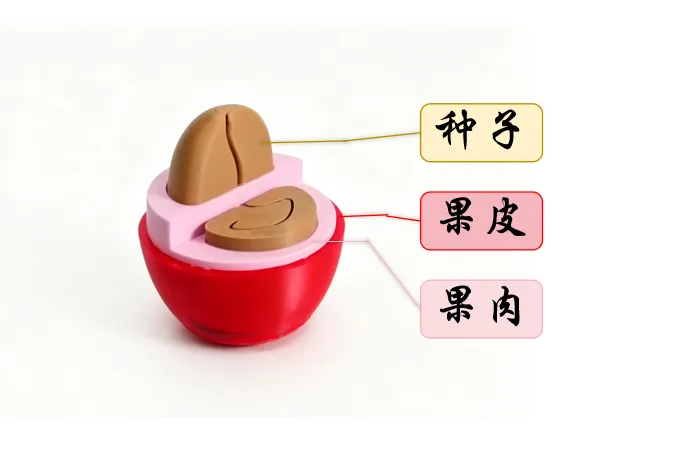
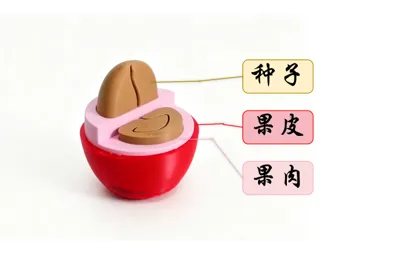
The coffee cherry is the drupe of a Coffea plant in the family Rubiaceae, commonly known as a "coffee berry" in the industry due to its round and juicy appearance. A typical mature Arabica coffee cherry consists of five layers from outside to inside: exocarp, mesocarp (pulp), endocarp (parchment), spermoderm (silver skin), and seed. To meet the teaching needs of elementary school science enlightenment and introductory popular science, this model simplifies the structure into three core modules that are easiest for beginners to understand: exocarp, pulp, and seed. The seed module integrates the endocarp and spermoderm structures, avoiding cognitive confusion caused by overly minute details
1. Exocarp
The exocarp is the outermost dense protective tissue of the coffee cherry, composed of a single layer of keratinized epidermal cells. When immature, it is dark green, gradually transforming into a vibrant bright red (some varieties are yellow, orange, or purple) during maturation, with a smooth surface and natural waxy luster. Its function is to isolate external physical damage, pest and disease invasion, and water evaporation, providing a stable developmental environment for internal tissues
2. Mesocarp (commonly known as pulp)
The mesocarp is the fleshy parenchyma tissue located inside the exocarp and is the only edible part of the coffee cherry; farms in Yunnan and other regions offer coffee cherry picking experiences. When mature, it is a translucent gelatinous substance, soft and juicy, rich in fructose, glucose, citric acid, and pectin. The mesocarp provides carbohydrates and other nutrients for seed development; when mature, it emits fragrance to attract birds and other animals for consumption, facilitating natural seed dispersal. In industrial coffee processing, the pulp is completely removed through washing, natural drying, or honey processing methods, with only the internal seeds retained for subsequent roasting
3. Seed (i.e., Coffee Bean)
The coffee bean is the reproductive organ of the coffee tree and also the raw material source for daily coffee consumption. A standard Arabica coffee cherry usually contains two opposing flat elliptical seeds. Each side of the opposing seeds has a distinctive deep central groove. The seed surface is successively covered by a thin and tough endocarp (commonly known as 'parchment') and a membranous spermoderm (commonly known as 'silver skin'). Seeds store proteins, fats, and other nutrients, germinating into new coffee plants under suitable conditions. Unroasted green coffee beans may have germination conditions; interested friends can try
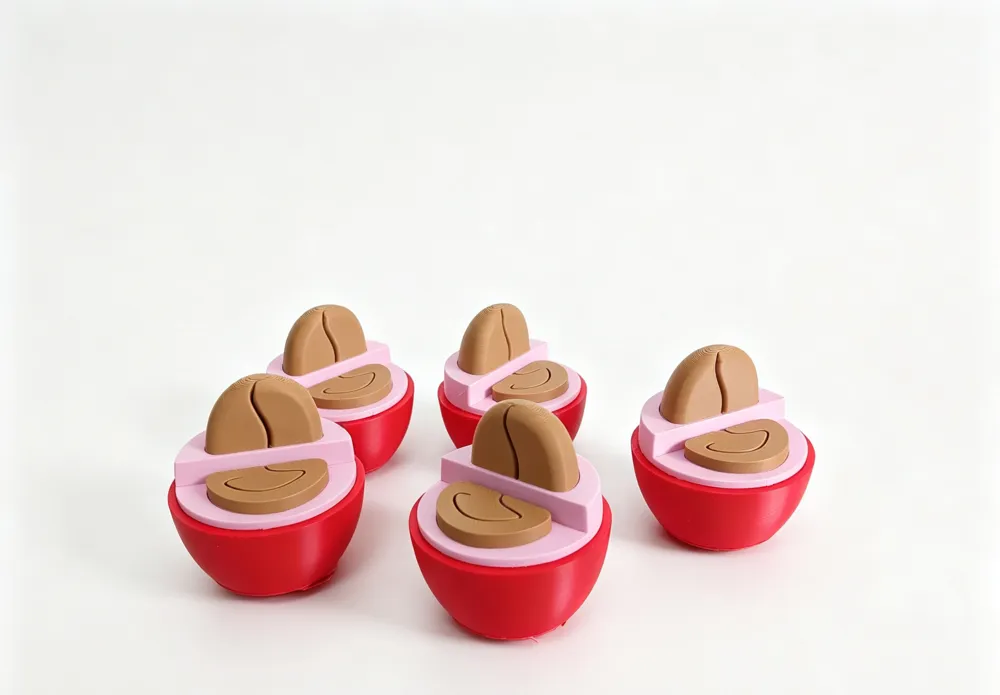
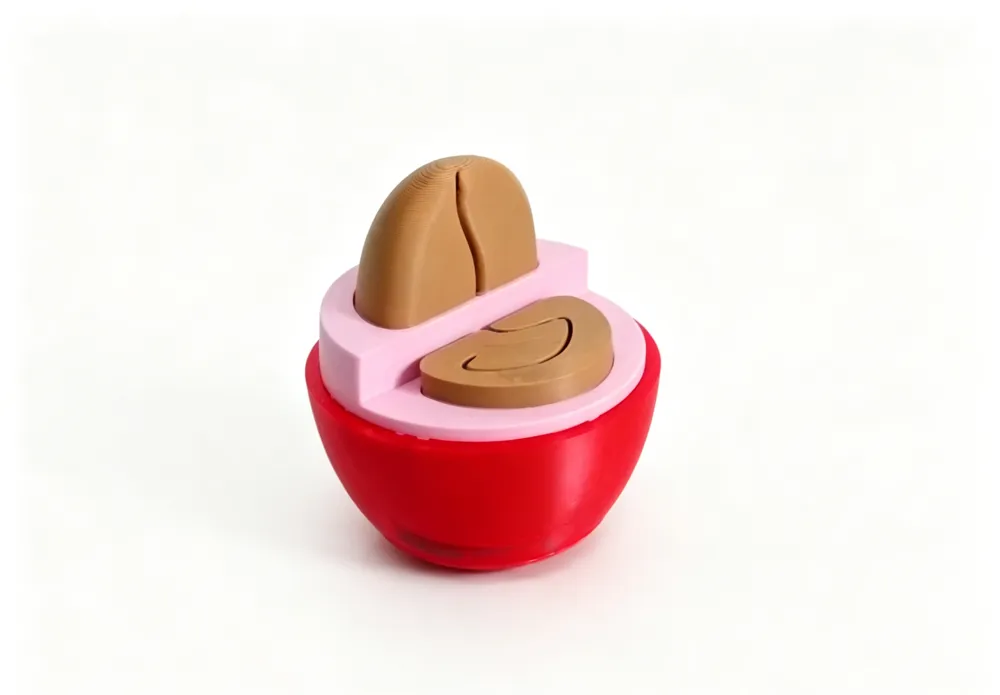
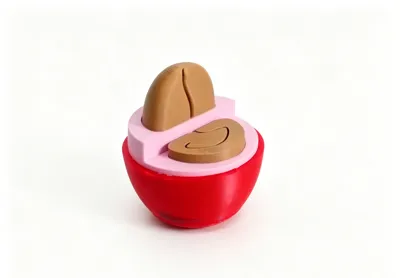
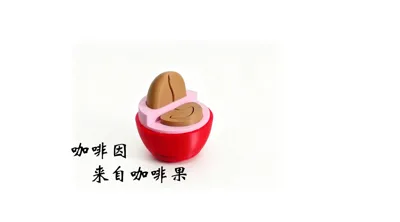
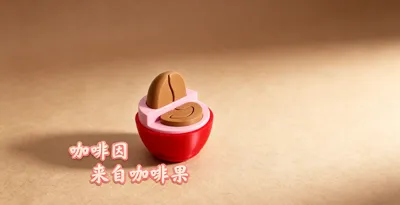
This model is based on the actual form of a mature Arabica coffee cherry, scaled 1:1. Using FDM three-color simultaneous Print in Place technology, it accurately restores the spatial relationships and morphological characteristics of the three core structures
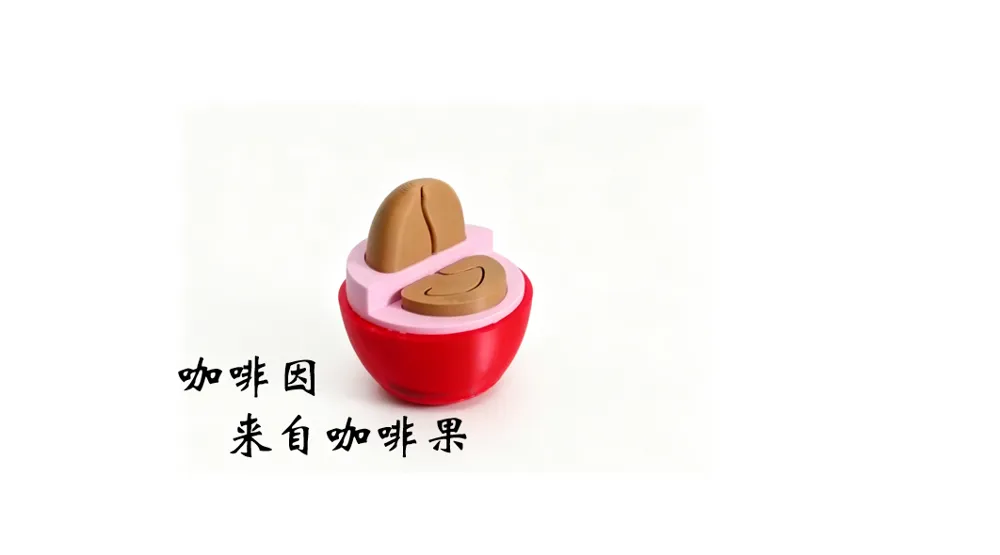
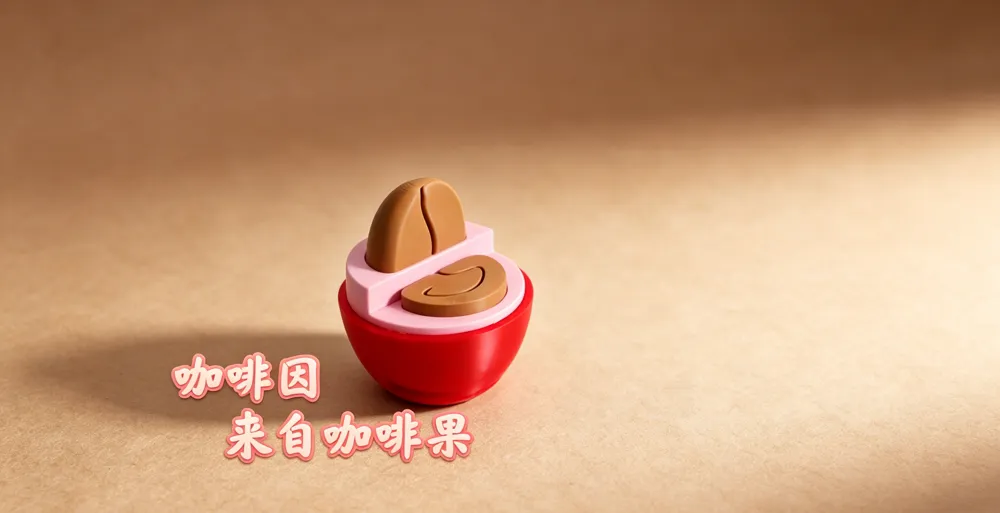
It uses a scientific color coding system for differentiation, with the bright red shell 1:1 restoring the rounded spherical contour of the exocarp and its iconic color when mature. The light pink structure restores the thickness and spatial position of the mesocarp (pulp), forming a clear color boundary with the red exocarp. The brown structure accurately restores the morphology and texture of the coffee bean seed. At the same time, the model provides a high-precision replica of coffee bean seeds, truly presenting the typical biological feature of two opposing seeds in Arabica coffee cherries. It accurately replicates the unique depth and orientation of the central groove specific to coffee beans, restoring their iconic morphology, and innovatively adopts a dual-perspective comparative display design, with the upper part showing the complete three-dimensional shape of the coffee bean and the lower part showing its cross-sectional structure. Students can grasp both the external morphology and internal structure of the seed simultaneously through one model
This model's design fully considers teaching needs, scientifically simplifying it for beginners' cognitive levels. It eliminates easily confusing minute structures such as the endocarp and spermoderm. All structural boundaries are clear and sharp, with distinct color contrasts, allowing quick identification of each part without additional instructions. It also adopts a complete Print in Place, seamless design with no detachable small parts, and all edges are rounded, fully complying with campus safety standards
🚀Machine Compatibility
It is recommended to print with H2C to minimize waste
The model requires AMS and is ensured to be compatible with all Bambu Lab printers
🚀Application Scenarios
This model's design is simple and intuitive, safe and durable, and has extremely low printing costs. It can be widely used in three major areas: botany education, coffee industry training, and public science popularization, with specific scenarios as follows
I. Botany Education and Teaching Scenarios
- Primary and Secondary School Science / Biology Classes: Used for unit teaching on "Plant Fruits", "Life Cycle of Angiosperms", etc., intuitively demonstrating the three basic layers of drupe plants, addressing the pain points of flattened and abstract textbook illustrations. It can be used with other drupe models such as peaches and plums for comparative teaching
- University / Vocational School Professional Teaching: Suitable for courses such as plant anatomy, economic crop cultivation, and agricultural product processing in majors like agronomy, horticulture, and food science, helping students understand the correspondence between the biological structure of coffee cherries and processing techniques
- Nature Education Camp Activities: As supplementary teaching aids for outdoor plant exploration activities, allowing students to deeply understand the internal structure of coffee cherry fruits through the model while observing real coffee trees
II. Coffee Industry Specific Scenarios
- Specialty Coffee Shops: Placed on the counter or in the product display area, serving as both a decorative and educational display item. When customers order, it can intuitively explain "coffee beans are not beans, but the seeds of the coffee tree," enhancing brand professionalism and customer experience
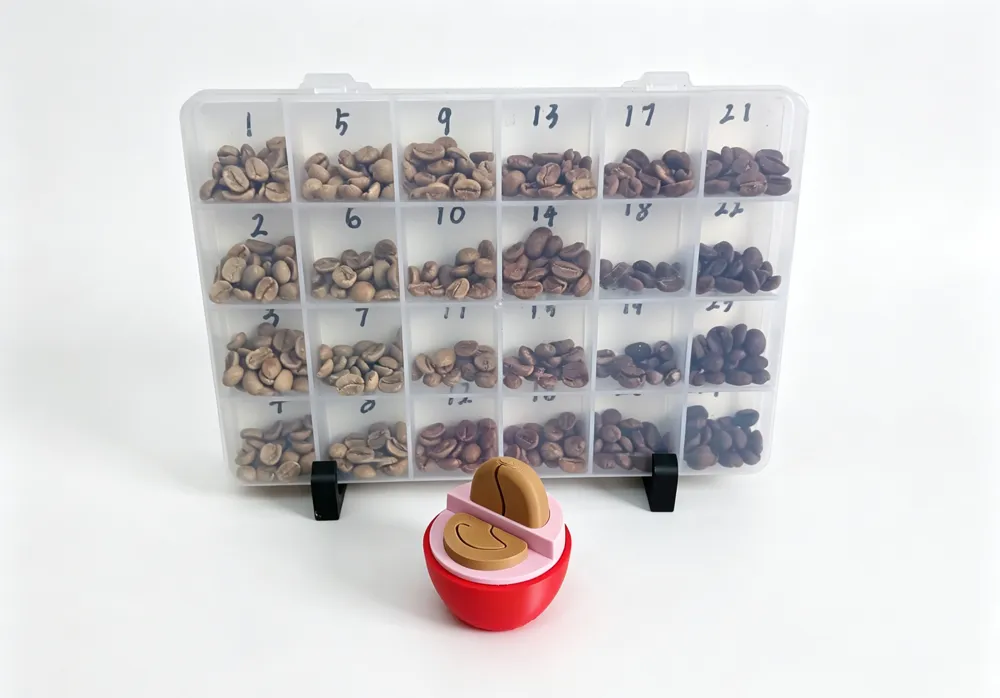
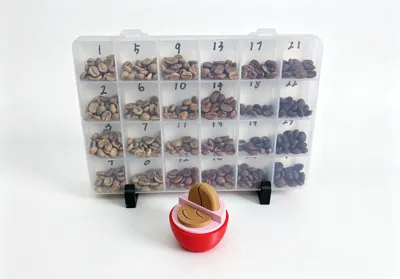
- Barista Training Classrooms: As standard teaching aids for the first lesson in coffee basics, used with green beans, roasted beans, and roasting sample displays to systematically explain the complete industry chain "from coffee cherry to a cup of coffee"
- Coffee-Themed Science Popularization Activities: Suitable for activities such as coffee festivals, farm open days, and brand tasting events, serving as interactive experience props, allowing participants to touch and observe firsthand, quickly building a basic understanding of coffee raw materials
III. Public Science Popularization and Personal Scenarios
- Science Museums / Natural History Museum Exhibitions: As small interactive exhibits in the "Economic Crops" / "Plant Diversity" sections, suitable for young audiences to observe and learn independently
- Family Science Enlightenment: As parent-child interactive toys, cultivating children's observation skills and scientific thinking while expanding their knowledge of coffee culture
- Self-Study for Coffee Enthusiasts: As a desktop reference tool, helping enthusiasts to more deeply understand the principles and flavor differences of various coffee processing methods (washed, natural, honey-processed)
🚀Printing Recommendations
All printing parameters are configured, ensuring a high success rate. If spaghetti occurs, please refer to the tips below
⭐Recommended to use Bambu Lab PLA Pure filament for printing and refer toAdvanced Printing Guide for PLA Pure
🚀Assembly Instructions
No assembly is required for multi-color printing configurations
License

You shall not share, sub-license, sell, rent, host, transfer, or distribute in any way the digital or 3D printed versions of this object, nor any other derivative work of this object in its digital or physical format (including - but not limited to - remixes of this object, and hosting on other digital platforms). The objects may not be used without permission in any way whatsoever in which you charge money, or collect fees.


Comment & Rating (0)