
[Teaching Aid] FDM Workpiece Structure Dissection Model
Print Profile(3)
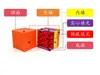
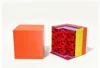

Description
Boost Me (for free)
If you like this model, please boost me! Let's build a high-quality open-source sharing community together!
⭐Precisely modeled with SolidWorks, with a reasonable structure
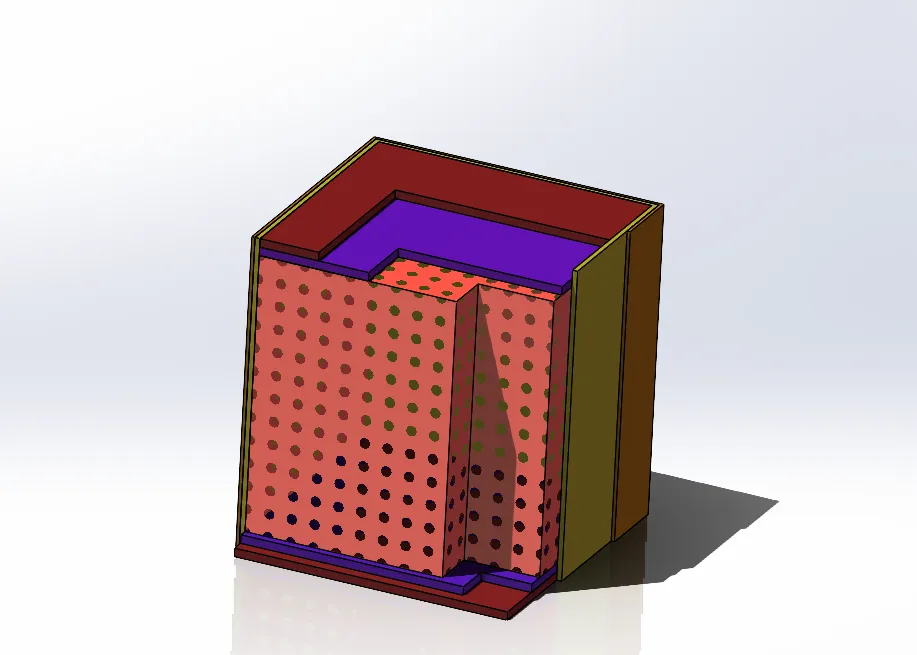
🚀Model Introduction
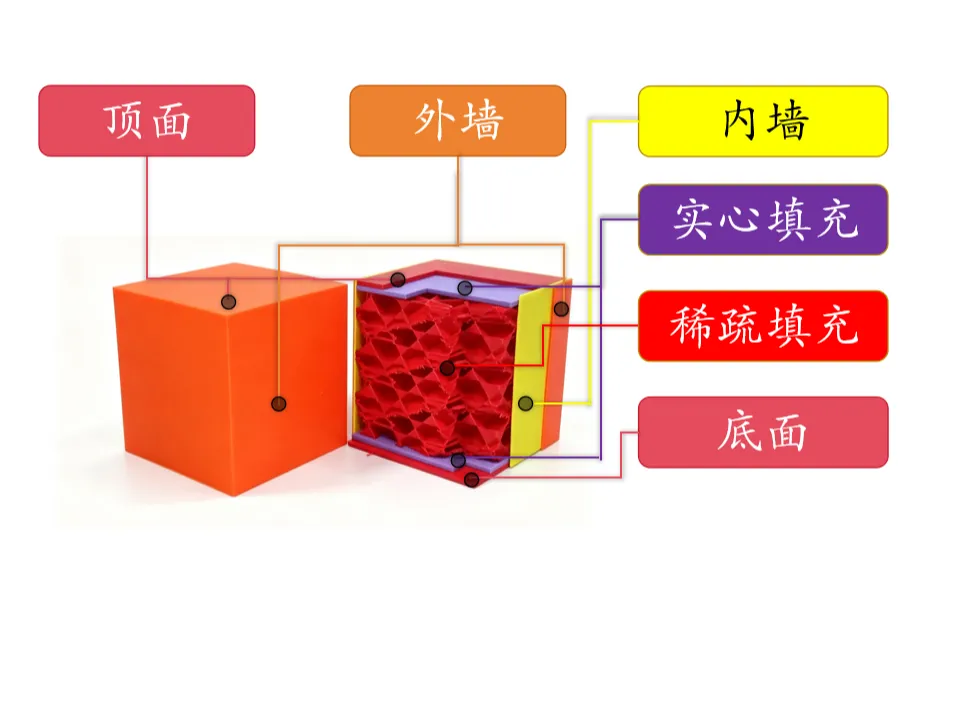
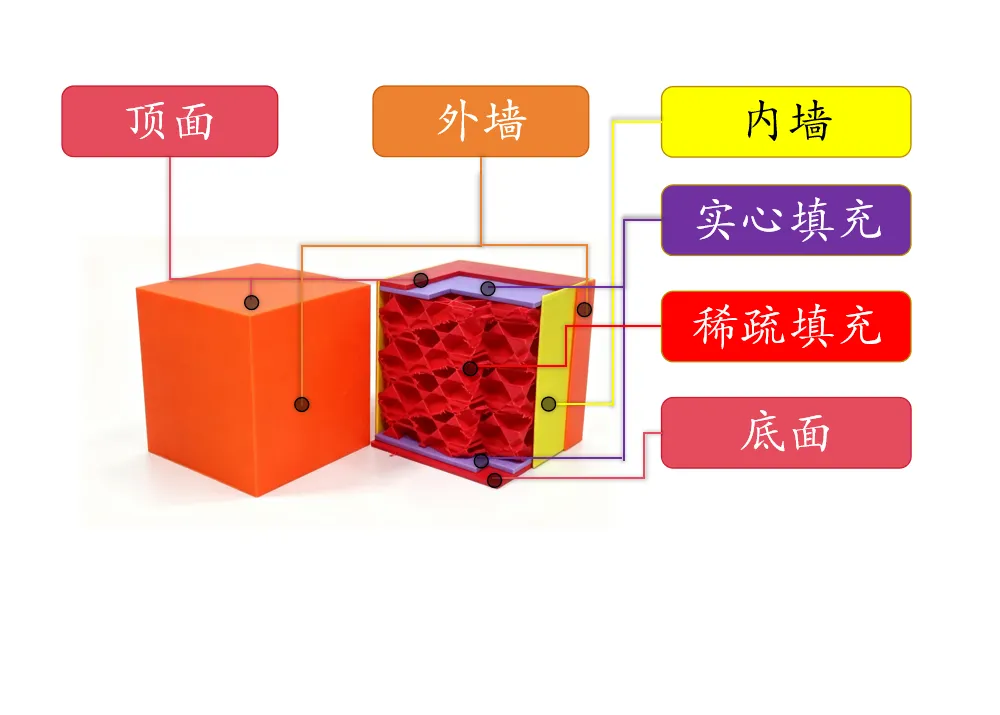
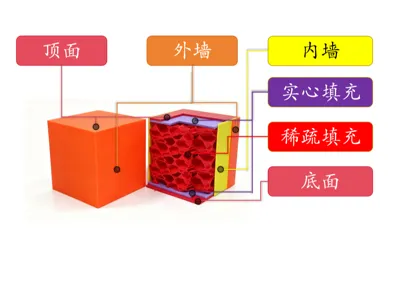
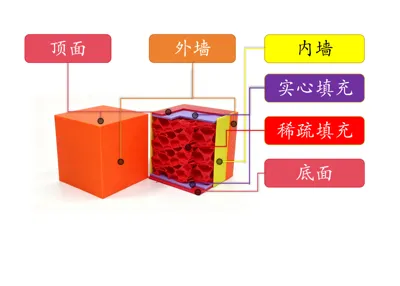
An introductory cognitive tool designed for 3D printing beginners to quickly understand the basic structure of FDM prints
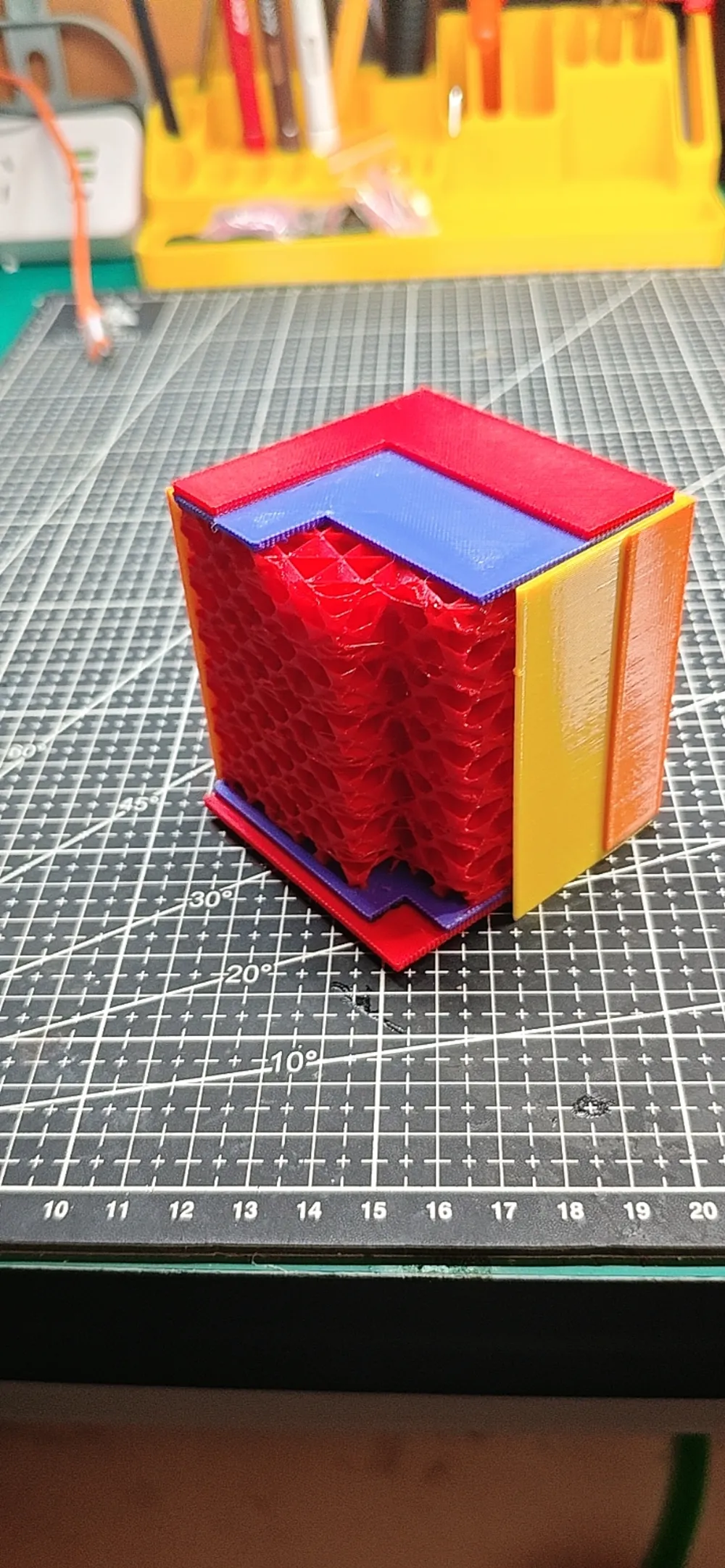
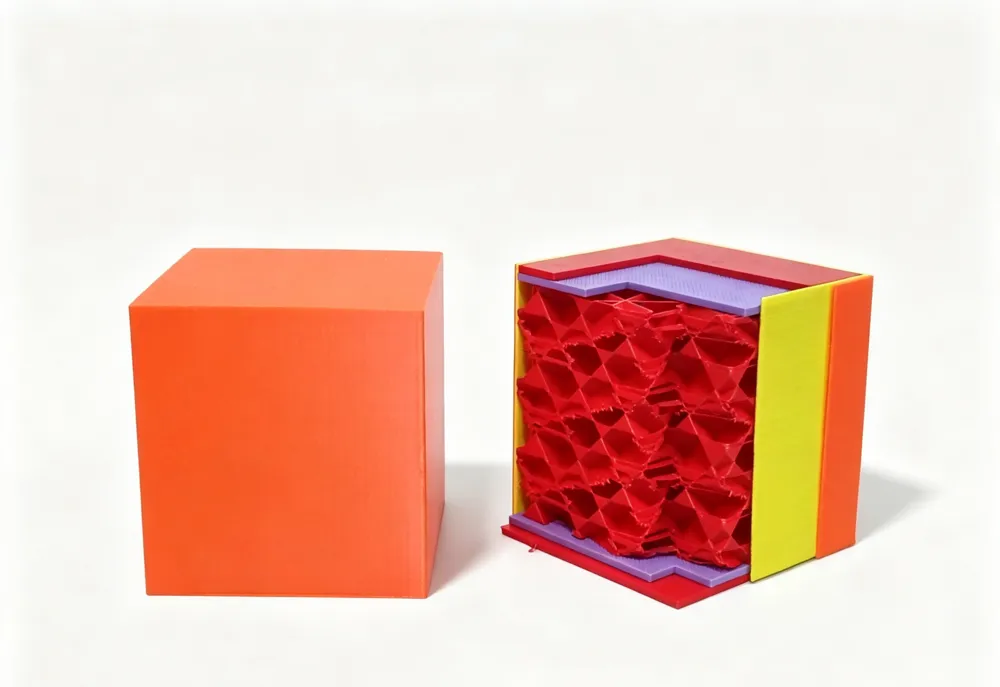
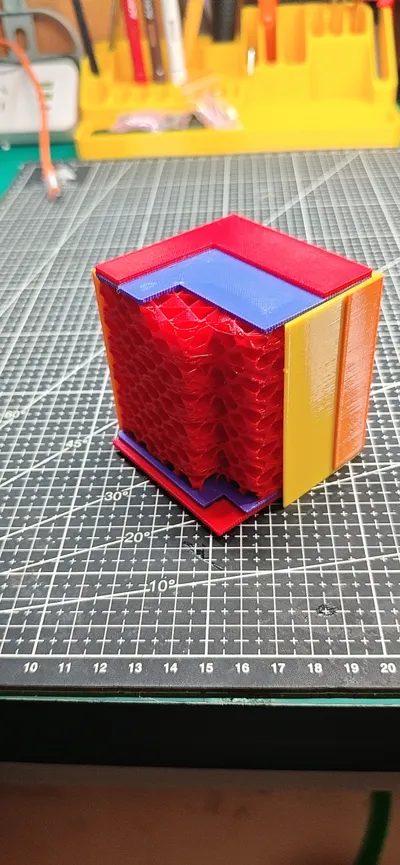
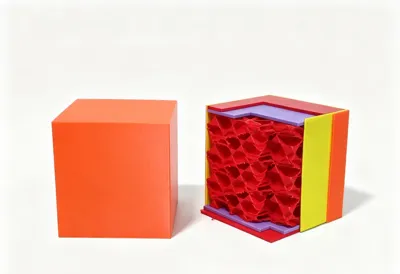
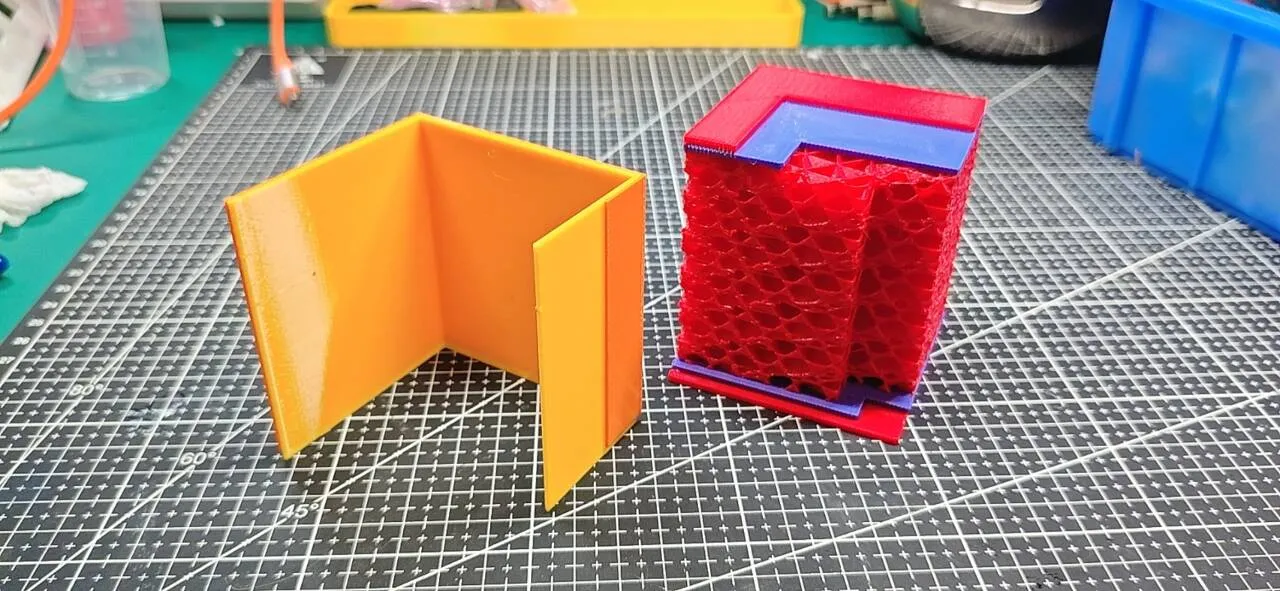
Through a layered section design, while retaining the top, bottom, and outer walls, the print's three major internal invisible structures—inner walls, sparse infill, and solid infill—are fully visualized The model uses a multi-color design, making it simple and easy to understand No complex explanations are needed; beginners can instantly establish the correspondence between "slicing parameters - physical structure," completely solving the pain point of "learning 3D printing by imagination"
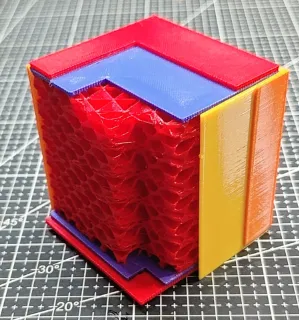
The model has the following significant advantages
Full structure coverage, one model, multiple interpretations
One model fully displays 6 core structures, eliminating the need to print multiple individual models and significantly reducing teaching costs
Layered sectioning, intuitive structure
The model is sectioned in layers, simultaneously showcasing external contours, internal infill, and interlayer structures across three dimensions, improving display effect by 2 times compared to planar sectioning
One-piece molding, sturdy and durable
The model has no buckles, no detachable parts, no fragile components, and features a one-piece molding design
Ultimate printability
The entire model has a zero-support design, and all structural details are clearly visible even with a 0.2mm layer height
🚀Printer Compatibility
Multi-color configurations suitable for all printer models have now been released
Additionally, to reduce filament consumption, this model has been optimized with a split-part design for H2D and X2D dual-nozzle printers, reducing purge and prime tower waste by 90%
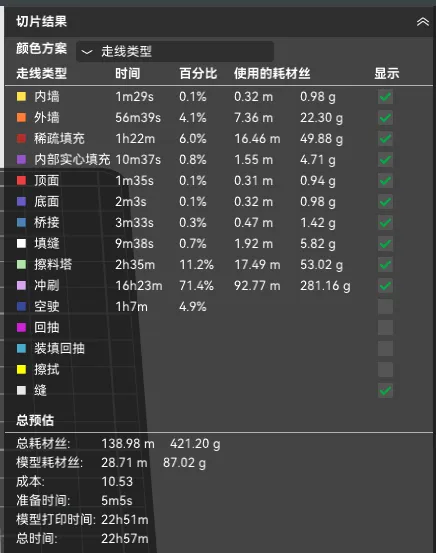
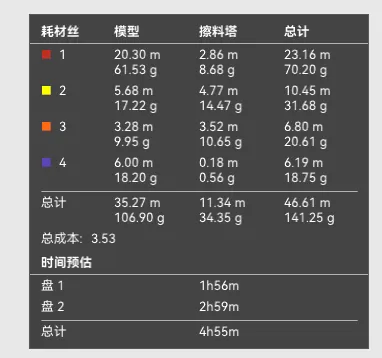
Furthermore, to accommodate users without an AMS, a fully segmented print profile has been provided, allowing printing to be completed by pausing for color changes on the main components, truly making the model suitable for everyone!
🚀Application Scenarios
The model perfectly covers the following four core scenarios, possessing broad application prospects
1. Classroom Teaching (Core Scenario)
- Suitable for general technology courses in primary and secondary schools, 3D printing majors in vocational colleges, and engineering training centers in universities
- Provide each student/group with a model, and explain each area in conjunction with slicing software path previews
- Students can measure actual wall thickness with calipers and conduct quantitative comparative experiments against set values
2. Printer Debugging and Troubleshooting
- When printing issues like "top layer stringing," "infill collapse," or "layer separation" occur, use this model to explain the root causes
- Helps beginners intuitively understand the impact of parameter adjustments on the physical structure
3. Reference for Self-Learners
- Serves as a "visible slicing manual," available for reference next to the printer at any time
- Every time a new parameter is encountered, its corresponding physical structure can be found on the model
4. Enterprise New Employee Training
- As a standardized introductory teaching aid, it quickly establishes a unified understanding of FDM technology within the team
- Shortens the training cycle for new employees and reduces training costs
🚀Printing Recommendations
All print parameters have been configured for high success rates; if spaghetti occurs, please refer to the tips below
🚀Assembly Instructions
Multi-color print profiles require no assembly
X2D and H2D configurations require adhesive for bonding
Segmented configurations can be bonded, or considered for simple display assembly and disassembled when needed
License

You shall not share, sub-license, sell, rent, host, transfer, or distribute in any way the digital or 3D printed versions of this object, nor any other derivative work of this object in its digital or physical format (including - but not limited to - remixes of this object, and hosting on other digital platforms). The objects may not be used without permission in any way whatsoever in which you charge money, or collect fees.


Comment & Rating (0)