
Omega Phoenix (LeftBurst Projectile Beyblade)


Print Profile(1)

Description
Boost Me (for free)
Please Boost :(
THIS BEY IS NOT MADE BY ME, IT IS BY LEFTBURST ON YOUTUBE.
For the attribution, do not attribute me, attribute LeftBurst: LeftBurst - YouTube
I have converted the bey into a .3mf file and adjusted some tolerances.
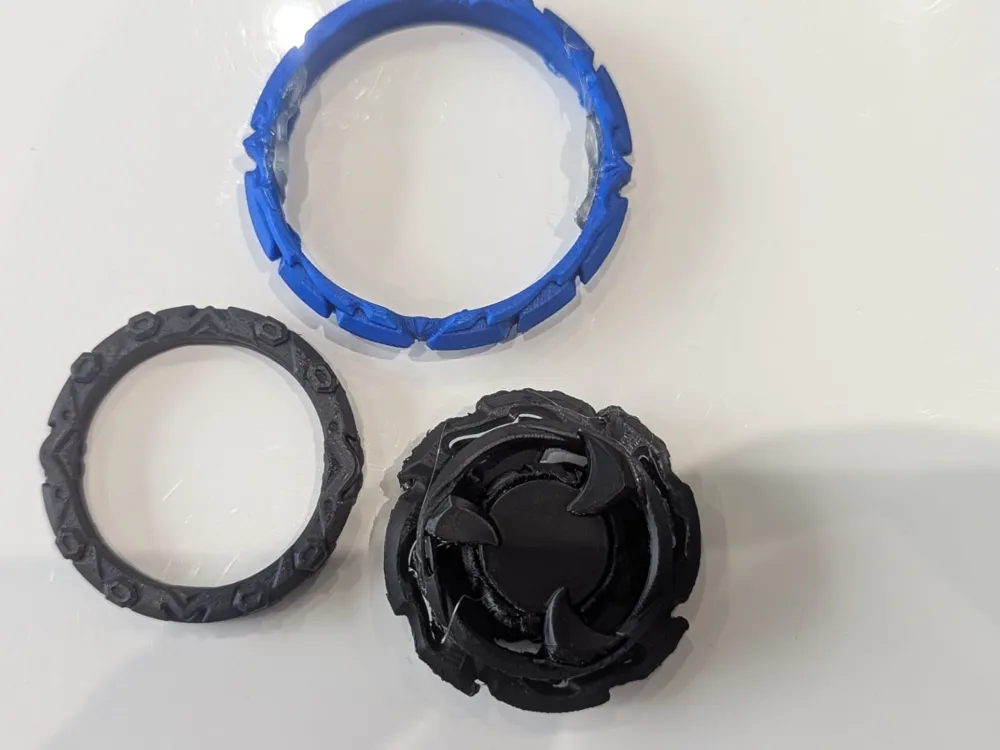
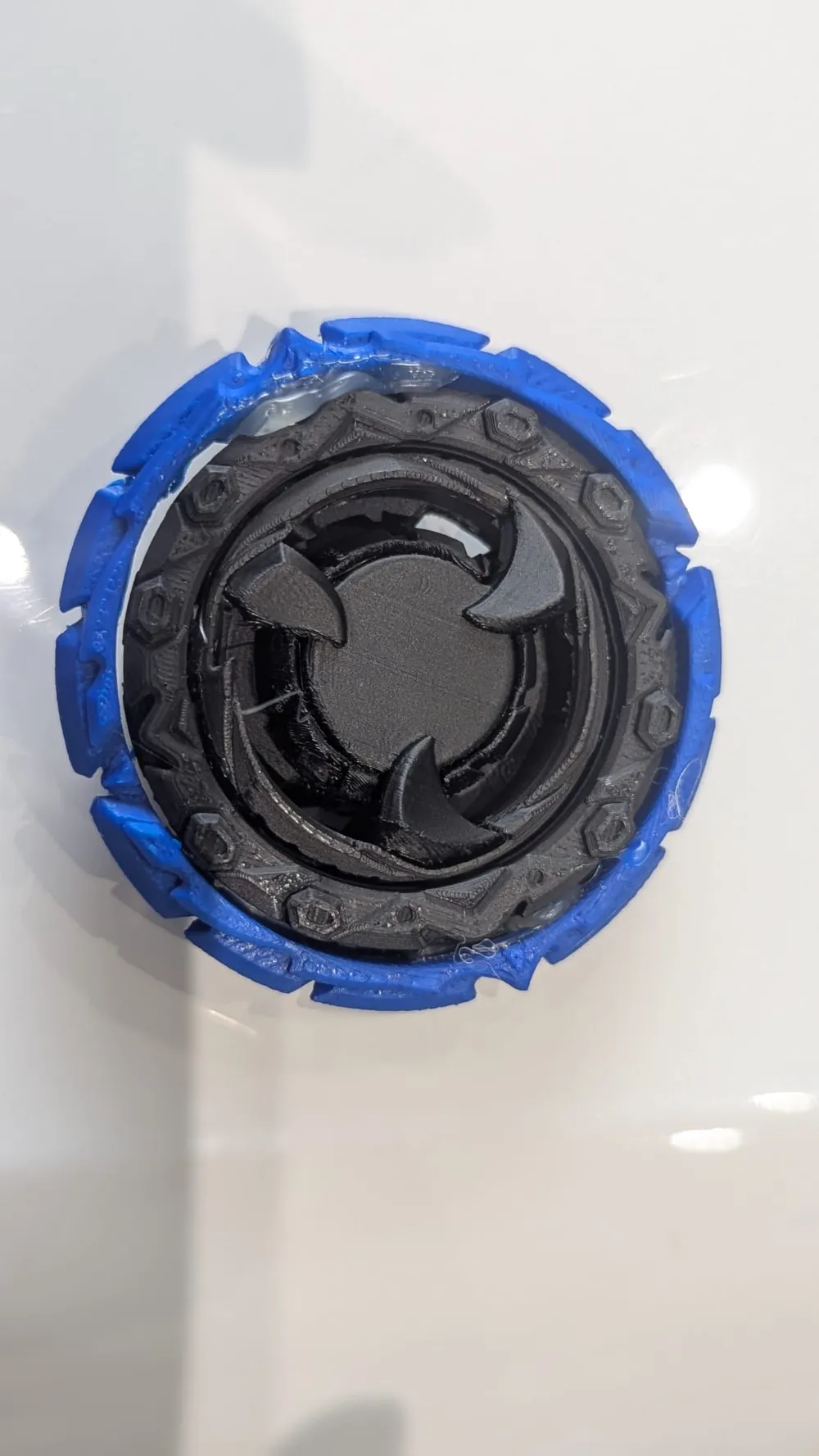
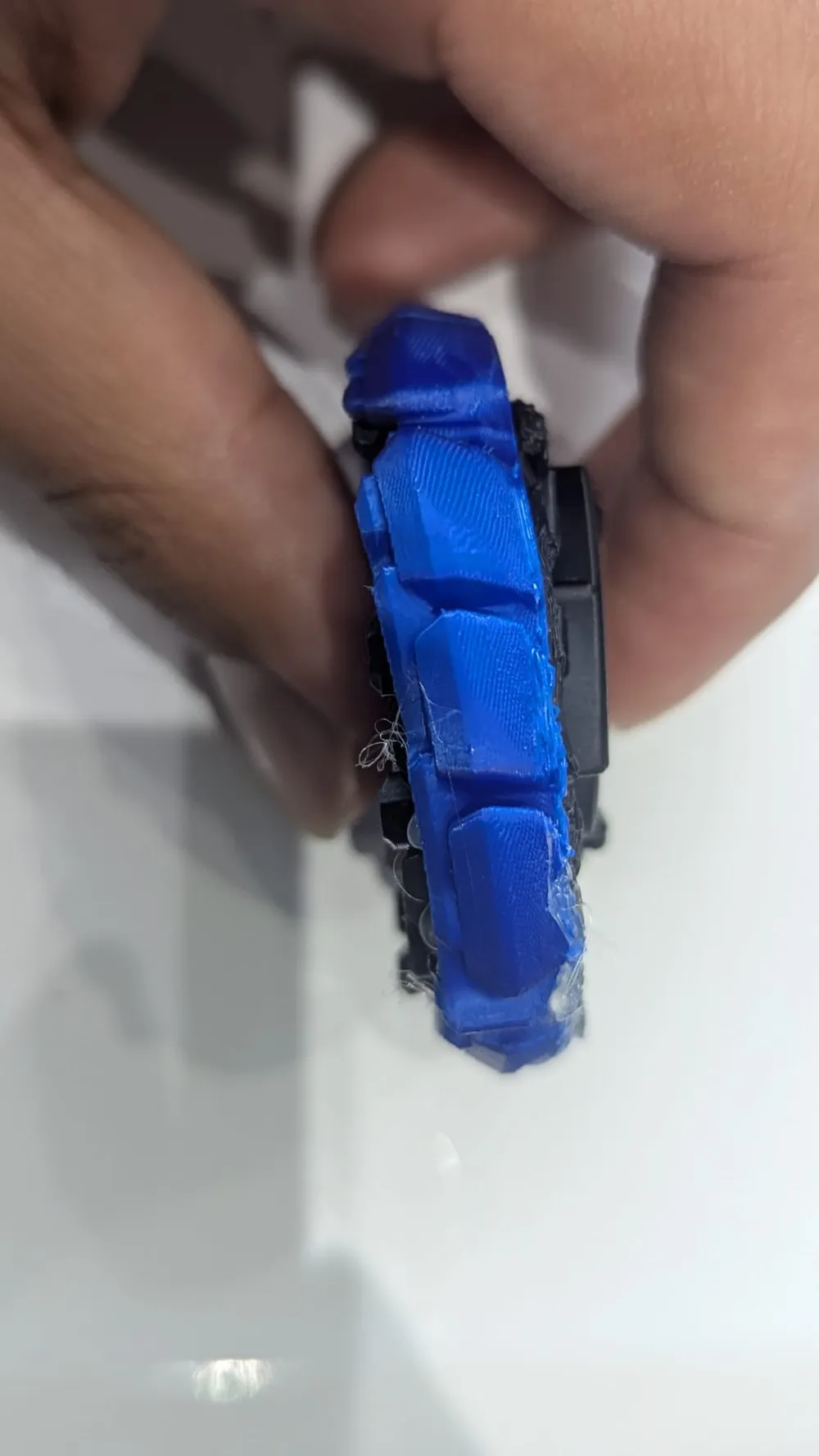
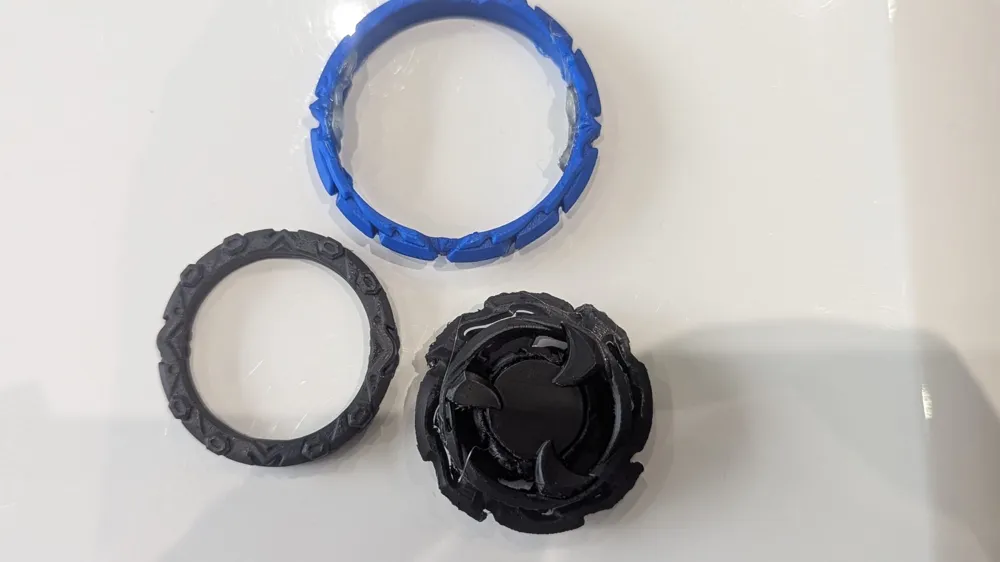
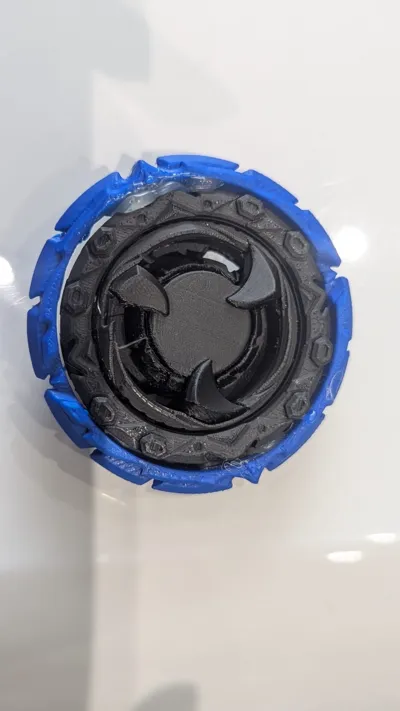
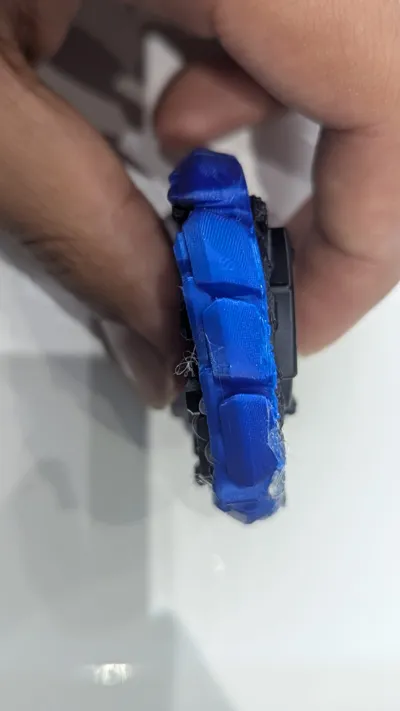
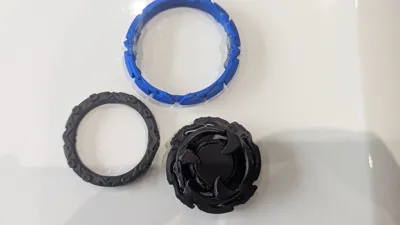
Underneath the chaos of the Drone, the Omega Phoenix itself is a fortified heavyweight powerhouse designed for absolute stability. It features a perfectly circular, low-profile chassis that prioritizes a "Center-Stage" defense, using a thick, metal-integrated base to tank hits that would send lighter Beys flying. Even when stripped of its outer ring, the main Bey utilizes high-tension internal springs and a streamlined, aerodynamic shape to maintain its RPM, ensuring that while the Drone distracts the opponent, the Phoenix remains an unshakeable anchor in the middle of the stadium.
The Drone is the flashy part, but the actual Beyblade is what has to carry the win. Let’s refocus on the physicality and construction of the main unit itself.
Here is the updated breakdown for Omega Phoenix, balancing the actual Bey with its signature gimmick.
Omega Phoenix: The Absolute Core
While the Drone gets the hype, Omega Phoenix itself is a masterclass in weight distribution and defensive geometry. It’s built to be a "Perfect Circle" tank, minimizing air resistance and maximizing the recoil-to-weight ratio that LeftBurst loves to experiment with.
The Build: Structural Integrity
The Omega Layer Base
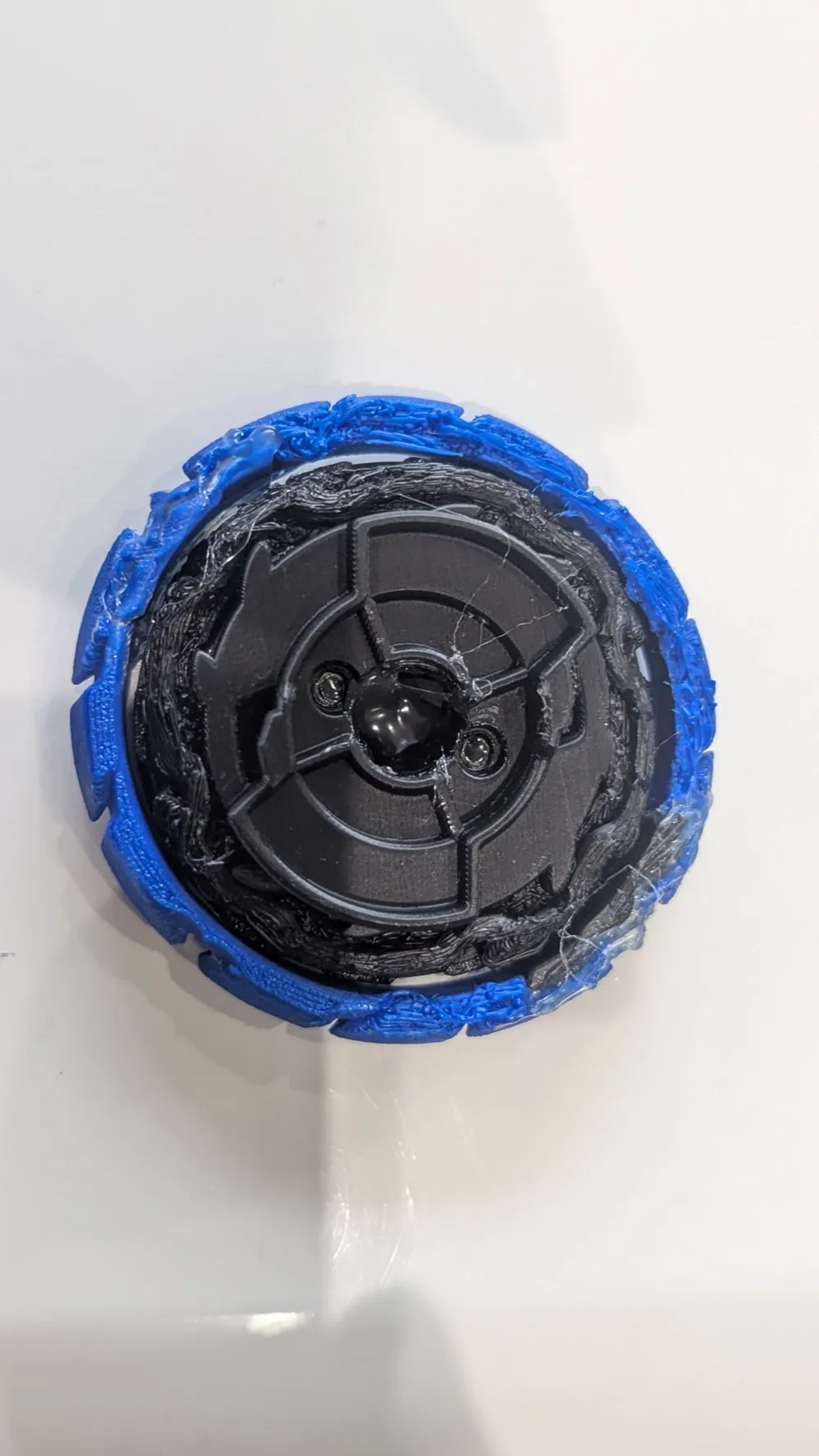
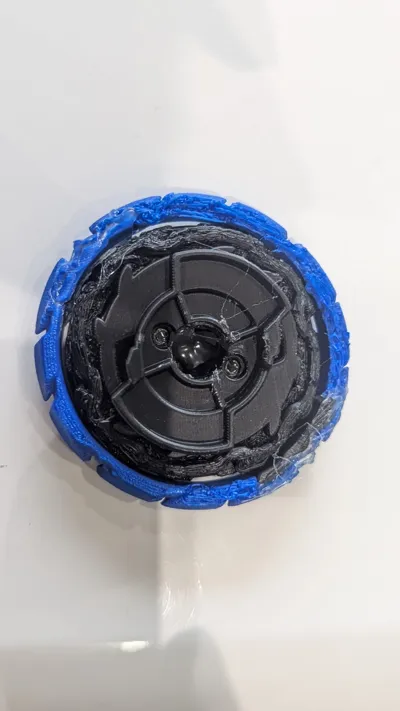
The actual base of this Bey is incredibly thick. Even without the armor, it’s designed with a low center of gravity to ensure it doesn't topple once it becomes lighter. The plastic is reinforced at the impact points with "Metal Infusion" style detailing, giving it the density needed to stand its ground against heavy hitters.
The "Claw" Locking System
To support the Drone, the actual Bey uses a specialized set of Recoil-Sensitive Latches. These aren't your standard weak clips; they are calibrated so that only a high-energy impact will trigger the separation. This means the Bey stays in its "Heavy Mode" for as long as possible, draining the opponent's energy before the Drone even enters the fray.
Aerodynamic Underbelly
Once the armor is gone, the main Bey reveals a streamlined, "V-shaped" profile. This reduces "stadium drag," allowing the Phoenix to actually gain RPM in the mid-game—a rare feat for a Defense type.
Performance Specs
- Impact Absorption: The main body uses a hollow-chamber design. When it gets hit, the vibration is channeled through the layer and dissipated, rather than being transferred to the spinning axis. This keeps the Bey stable while the opponent recoils.
- Balance Correction: Because the Phoenix core is perfectly centered, the Bey doesn't "wobble" after losing the Drone. It remains a surgical, spinning top that holds the dead center of the stadium with zero deviation.
- The "Second Wind" Burst Resistance: The internal clicking mechanism is tightened. By the time an opponent gets through the Drone and reaches the actual Bey, they’re usually too weak to overcome the high-tension springs required to actually Burst it.
The LeftBurst Edge
In the video, you’ll notice the actual Bey is the anchor. While the Drone is out there causing chaos, the Phoenix is the one doing the "heavy lifting"—holding the center, tanking the hits, and out-spinning everything in its path. It’s a "Defense-First" philosophy: if they can't move you, they can't beat you.
This remix is based on

License



Comment & Rating (4)