
Print Profile(3)


Description
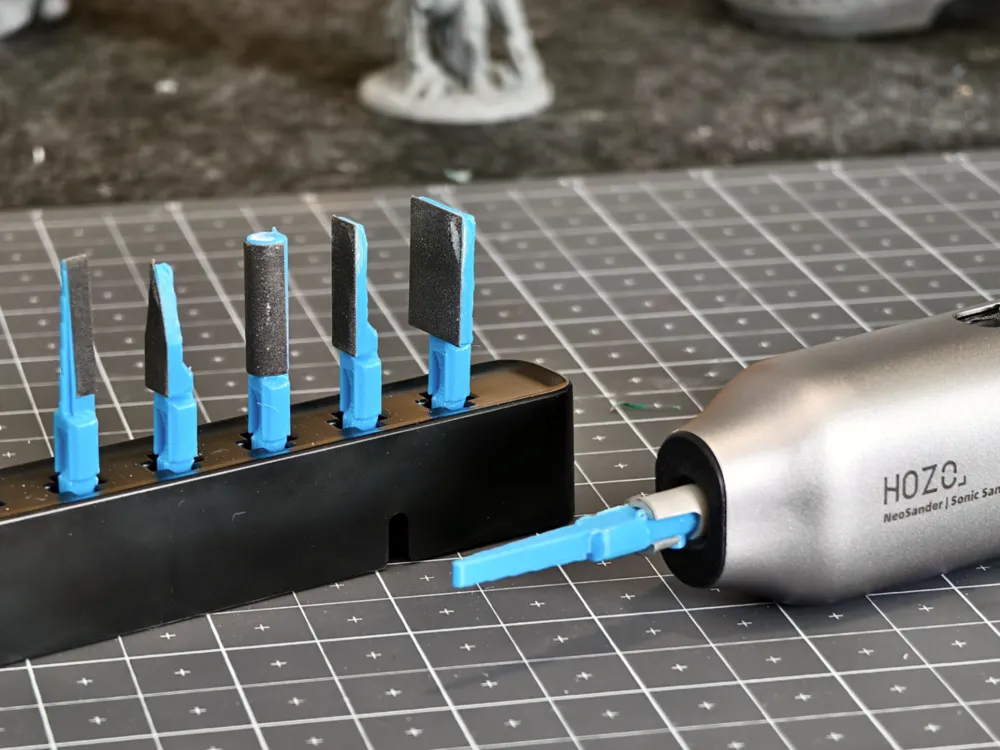

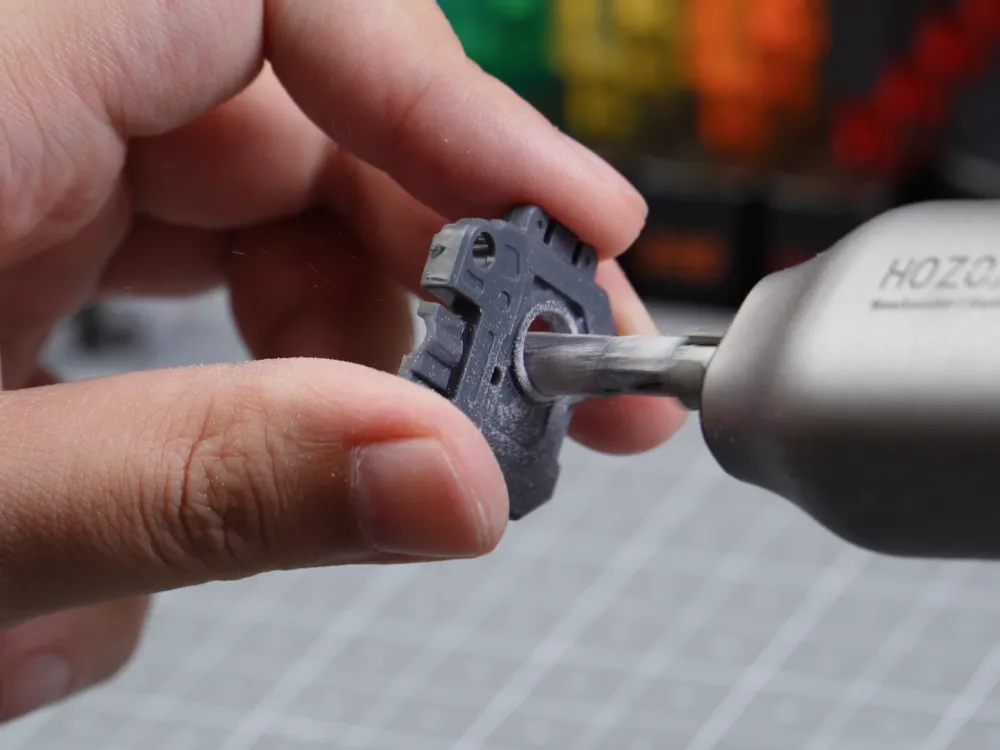
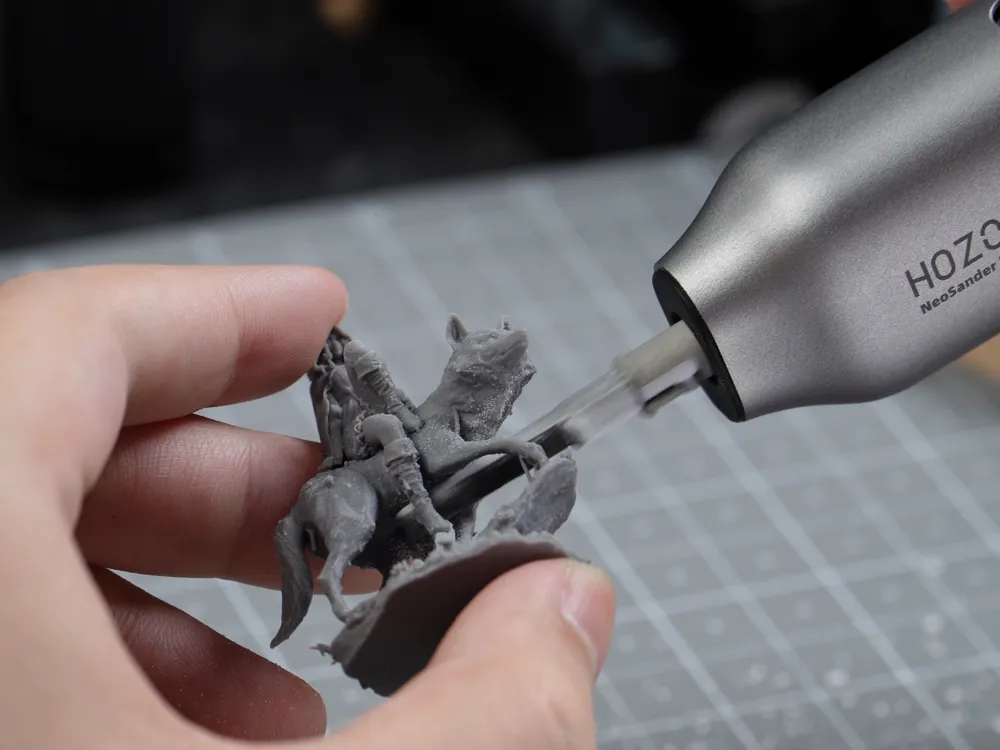
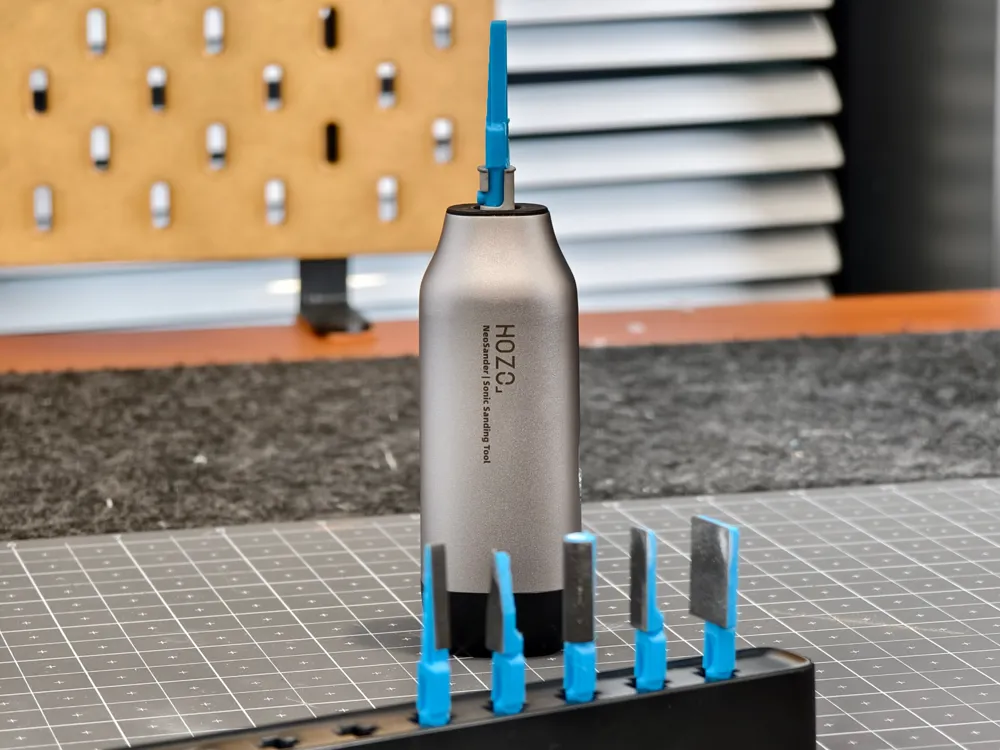
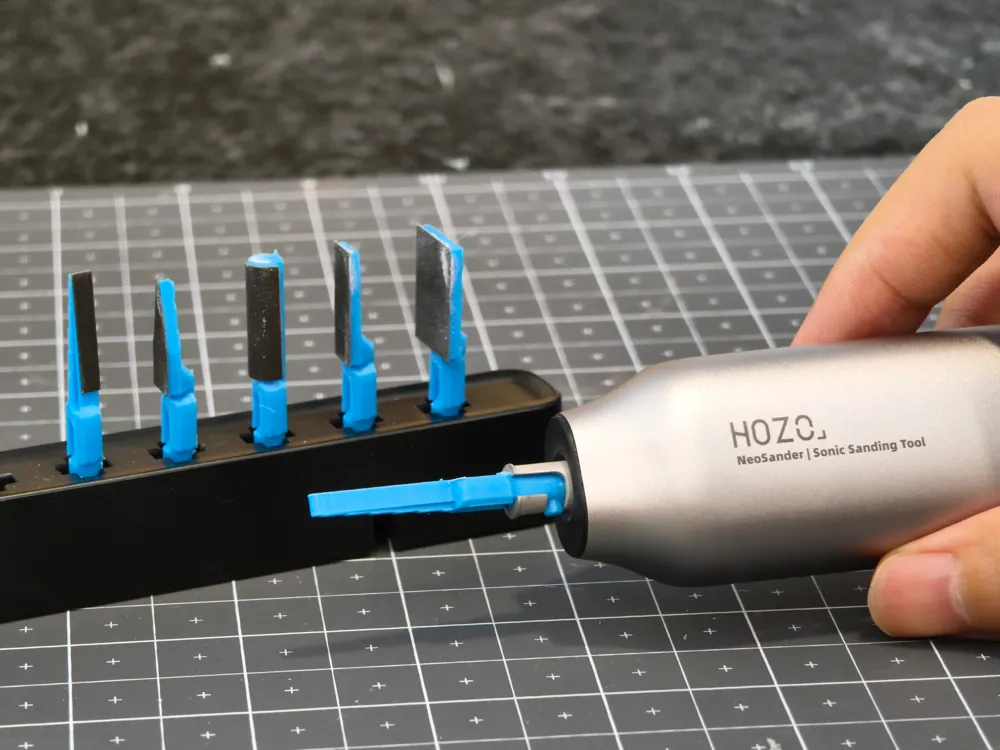
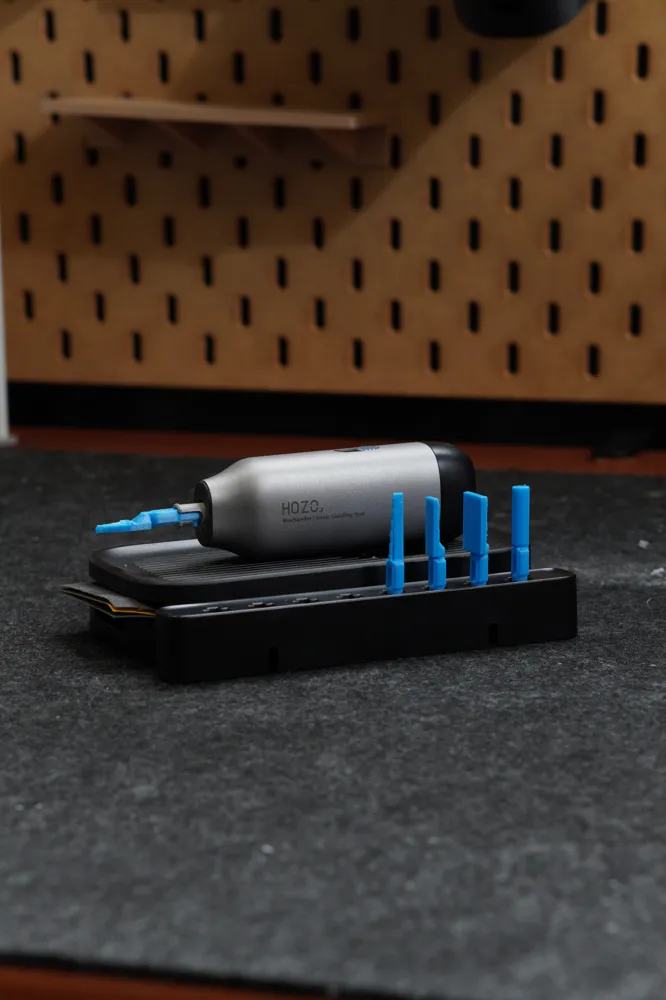
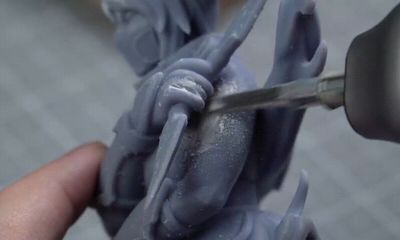
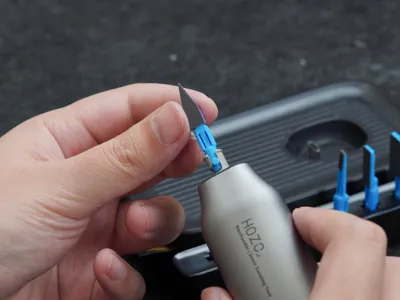
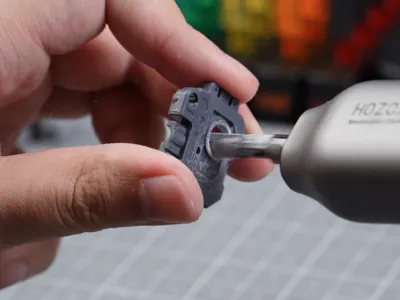
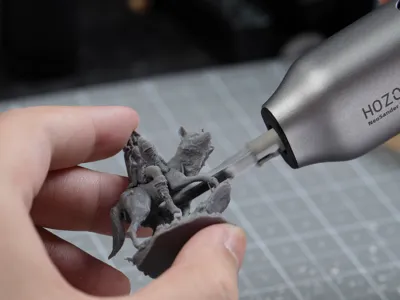
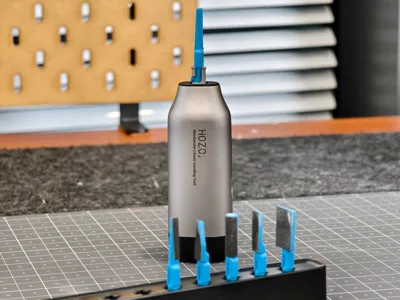
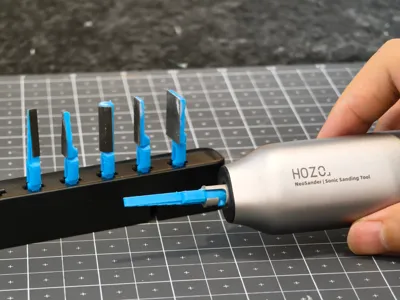
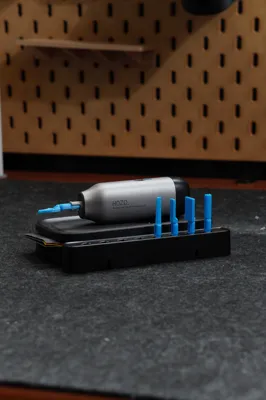
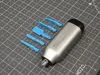
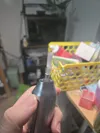

We’re excited to share an open-source set of sanding head models designed specifically for NeoSander, optimized for detailed sanding tasks in 3D printing post-processing.
Although the original 8 sanding head shapes of NeoSander already cover most common use cases, we found that certain edge cases and highly specific needs still call for more specialized solutions.
That’s why we created this open-source set — making it easier for makers to print, customize, and experiment with different sanding head configurations.
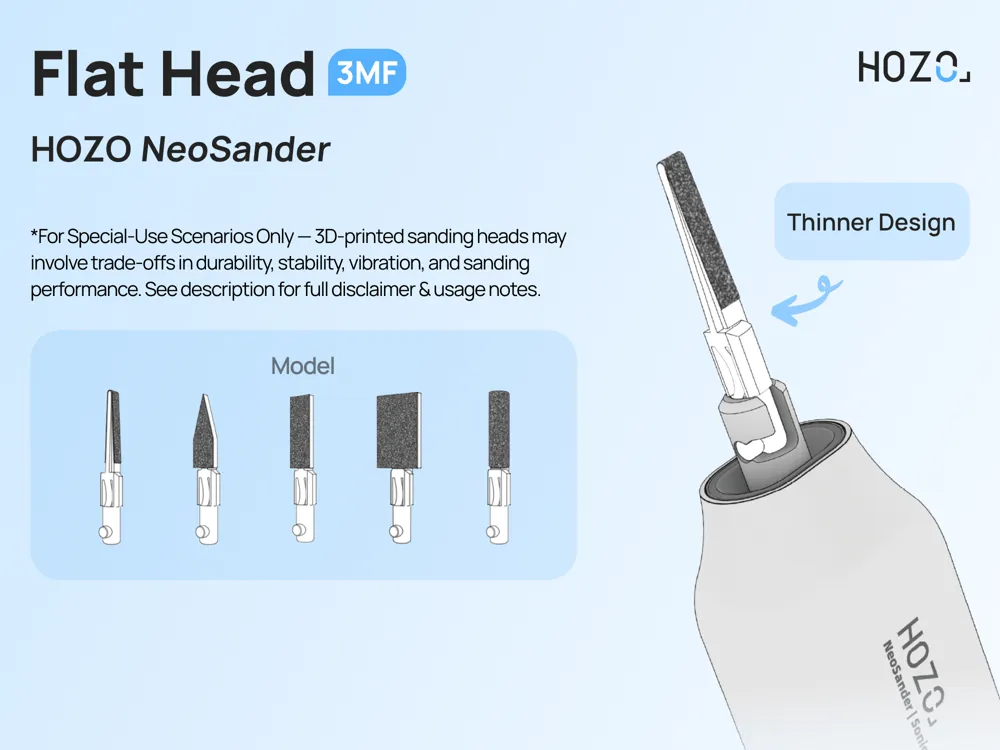
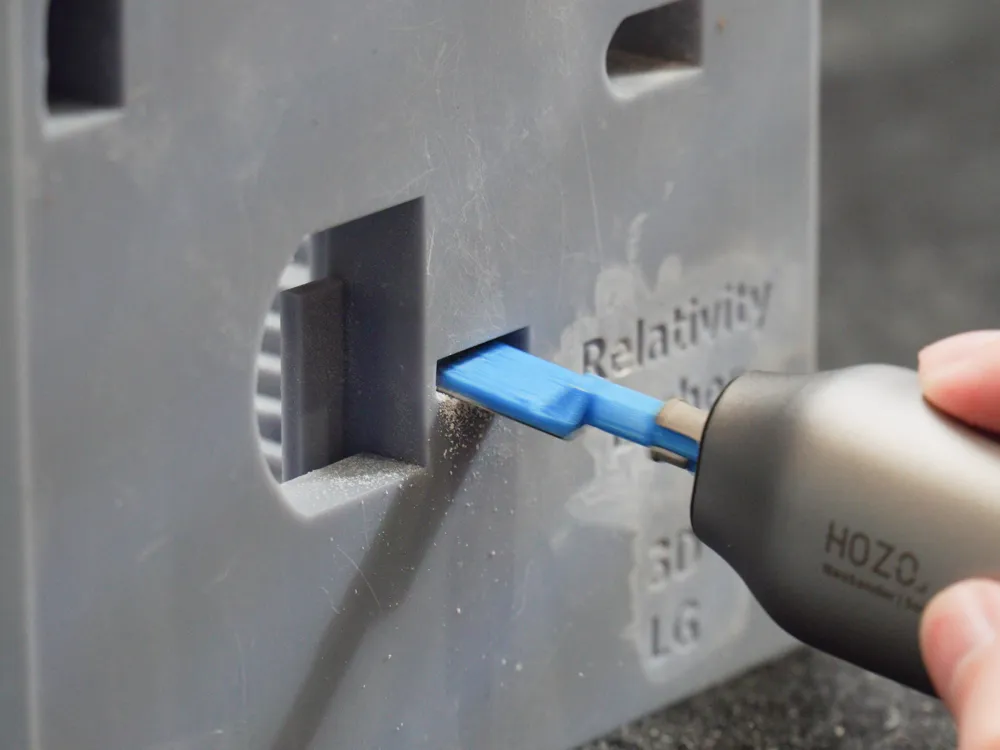
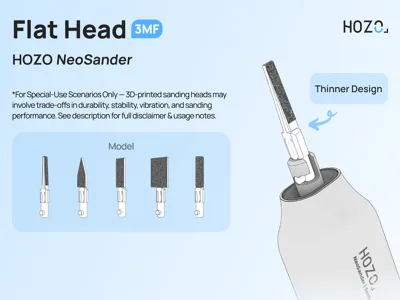
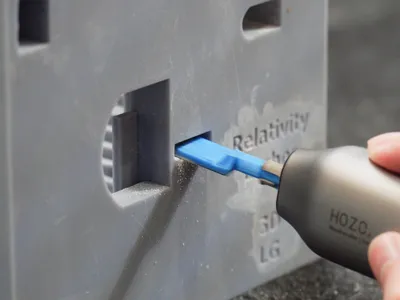
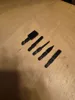
These flat head variants are designed for tight and narrow spaces, with a minimum thickness of just 2.2mm, enabling precision sanding in confined areas.
⚠️ Please Read Before Printing
1️⃣ Usage Scope
These designs are intended to complement the original 8 NeoSander sanding head shapes, mainly for edge cases and more experimental sanding situations—not to replace the original heads for everyday use, as non-original designs may involve trade-offs in durability and sanding performance.
For normal operation, we recommend always using properly fitted sanding heads. Running NeoSander without a sanding head—or with poorly fitted custom designs—may affect reciprocating balance and can sometimes result in increased noise or additional wear on the tool.
We fully encourage experimentation and customization, but also recommend keeping custom designs within reasonable limits to ensure stable and reliable operation.
2️⃣ Printing Notes
- FDM Printing: Pay close attention to model orientation to avoid weak Z-axis strength, which may lead to breakage and difficulty removing the sanding head.
- Resin Printing: Use high-toughness resin. Brittle materials may cause breakage and make removal from the mounting shaft difficult.
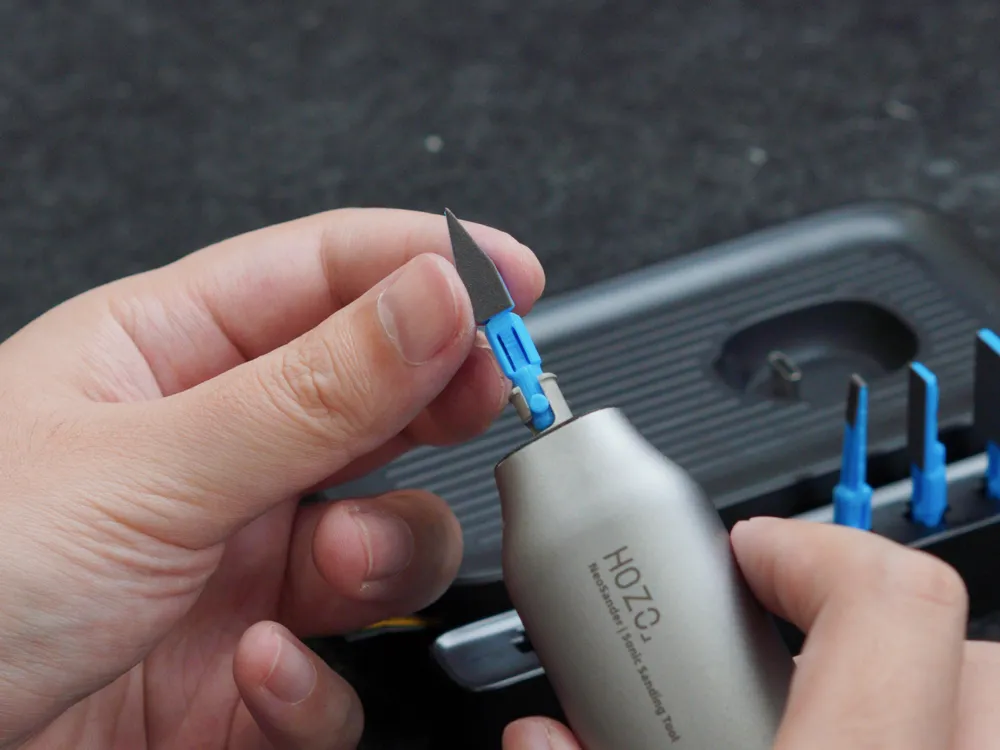
- Due to differences in printers, materials, and environments, tolerances may vary. Please ensure the sanding head can be properly inserted and removed after printing.
- Recommended weight: 0.9 – 1.1g. Adjust via infill and wall thickness if needed
3️⃣ Fit & Assembly Warning
Do not force the sanding head into NeoSander if it feels too tight. Slight oversizing can happen due to printer tolerances, residual support material, or material shrinkage—this is normal for FDM/resin prints. Forcing installation may cause the part to get stuck or break, and in some cases the broken shaft may remain inside the tool.
If the fit is too tight, please lightly sand or trim the printed part before assembly.

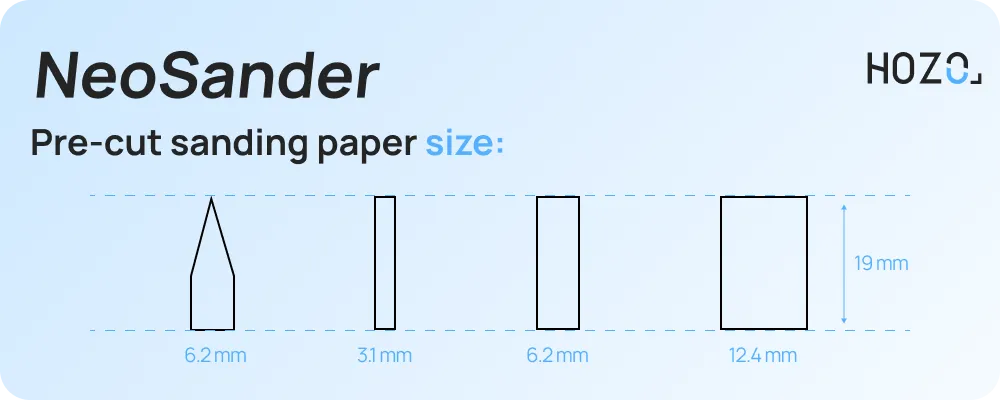
📏 Sandpaper Dimensions
To make things easier for makers, we’ve included reference dimensions for sandpaper sizing, so you can easily cut or match standard sandpaper without guesswork.
Due to 3D printing layer lines and material properties, the surface flatness of the sanding head and the adhesion of the sandpaper are lower than those of the original version, and partial gaps or uneven contact are commonly expected. This is a normal characteristic of 3D-printed parts.
💡 Maker Note
This is an open-source release made for experimentation, iteration, and community-driven improvements.
Feel free to remix, optimize, or build your own sanding workflows on top of it.
License



Comment & Rating (22)