
Chopped & Twisted Glitched Wind Spinner
Print Profile(8)
Description







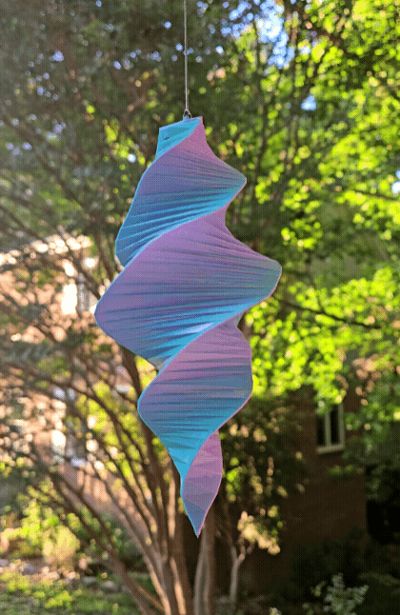
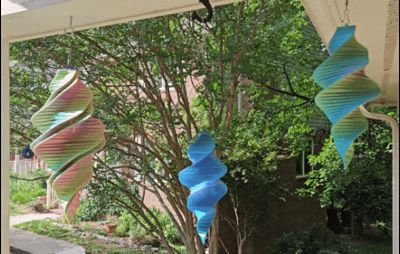
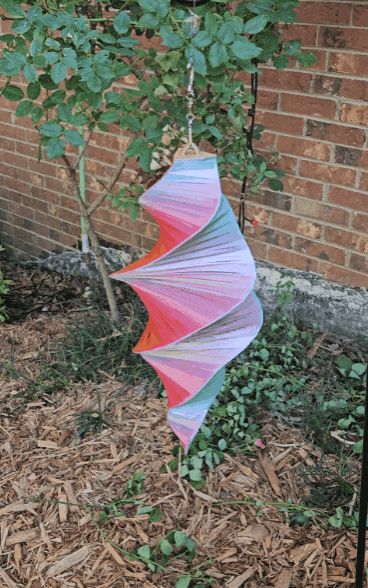
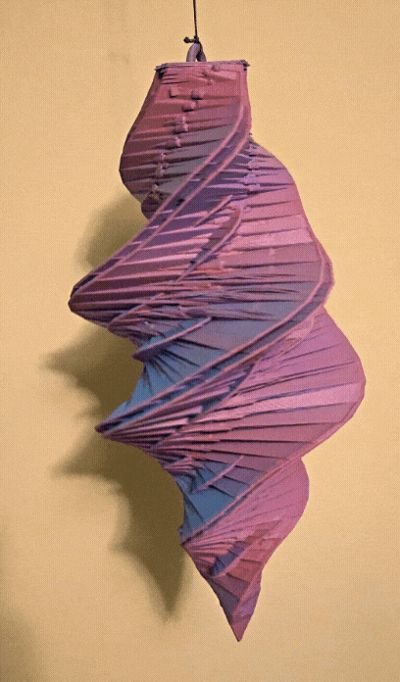
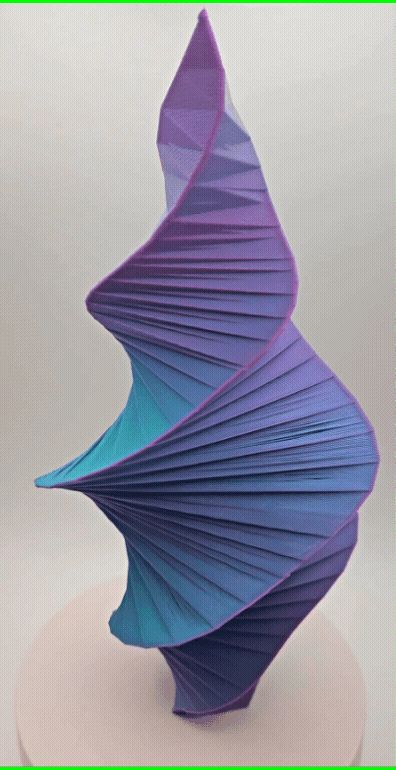
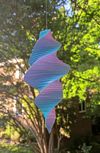
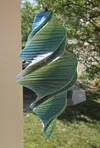
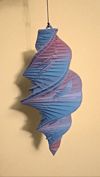
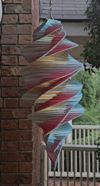
This is a lightweight wind spinner, built through experiments with damaged and glitchy geometry. What emerged is sharp angular facets that work especially well with multi-extrusion filament, and a semi-complete structure through the middle that contributes to a striking digital-looking shimmer effect while the model spins. It uses less than 22 g of filament to make a 195 mm tall hanging decoration.
Design: Chopped and rebuilt
The design approach is inspired by chopped & screwed hip-hop: slowed, warped, broken down, and rebuilt into a strange, wonky swagger. The process behind this model applies the idea to geometry - I started with a simple triple-helix spiral, intentionally broke the face geometry by simplifying it too far, and then recombined the broken form with itself, on loop, until it looked interesting.
Chopped Cuts (versions)
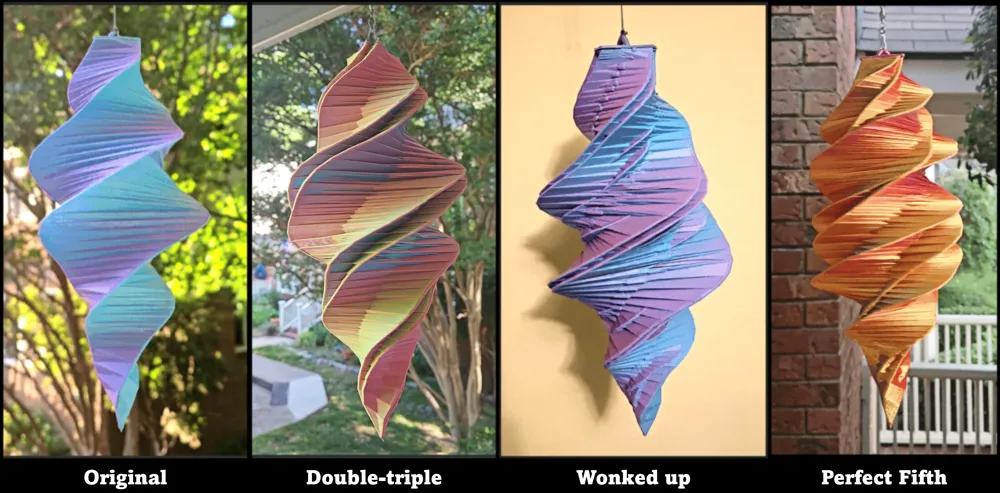
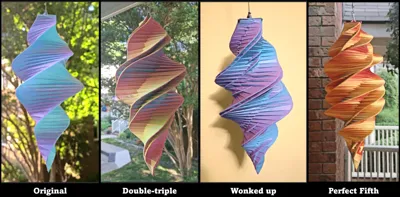
Original sizes use a 0.4mm nozzle, and XL versions max out the height on H2 printers and use a 0.6mm nozzle (and are quite a bit heftier).
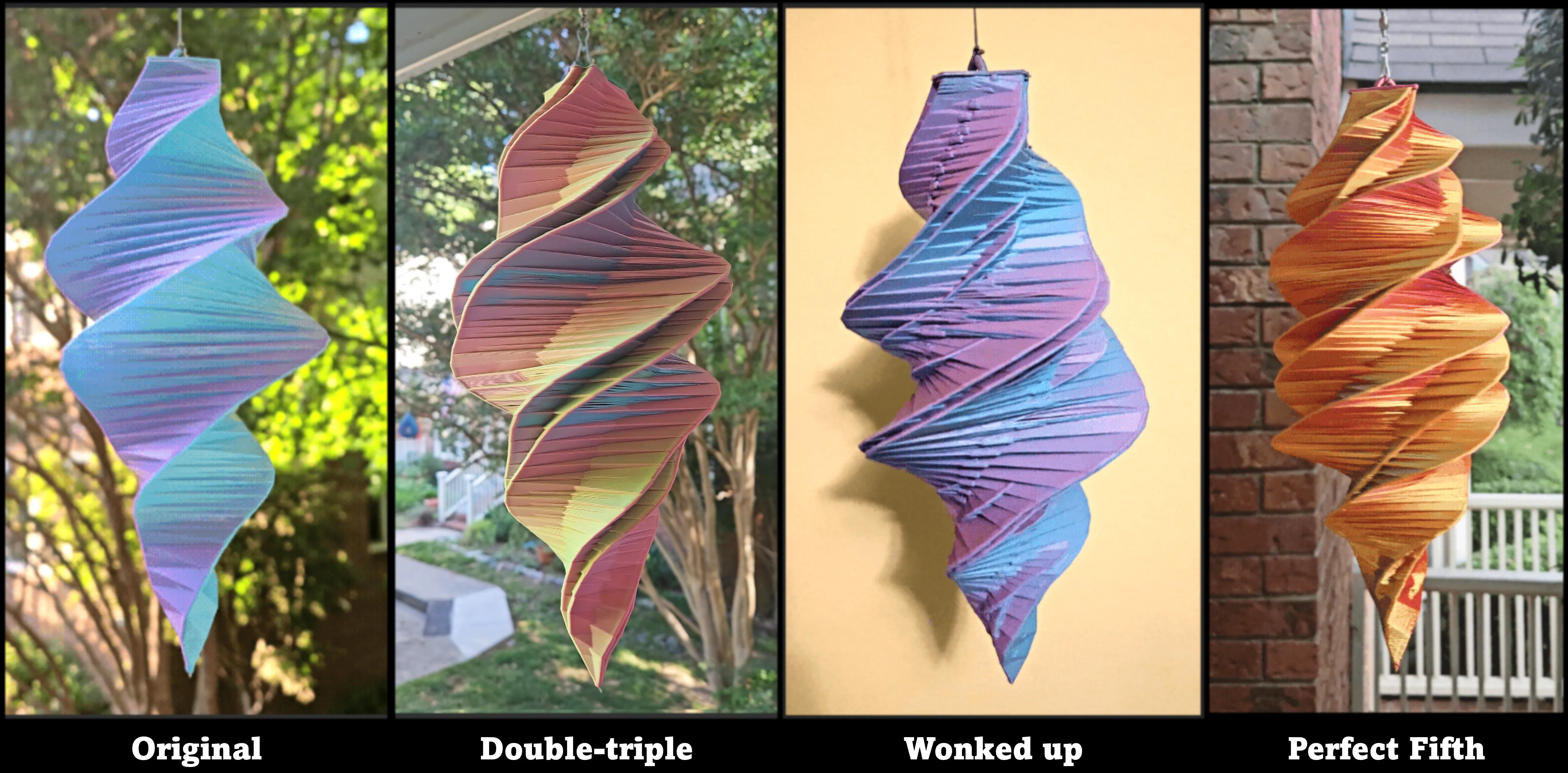
- Original: The triple helix chopped up and rebuilt via rotation and layering. Best for that striking clean shimmer effect as it rotates.
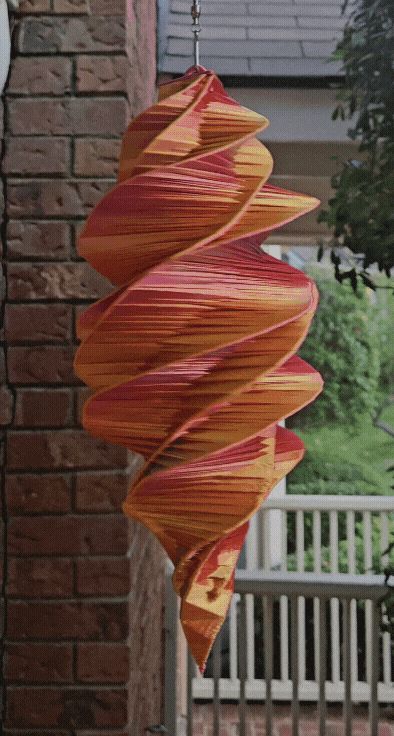
- Double-triple: The helix is duplicated and rotated like a phase shifted beat, adding another set of spiraling ribs, more angle to the faces, and more visual complexity.
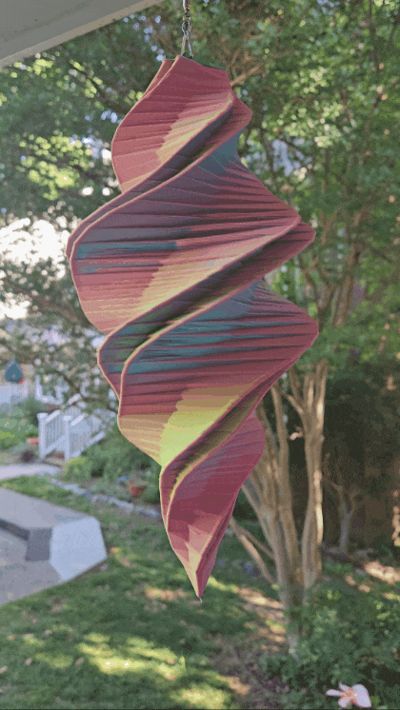
- Wonked up: The most distorted version that actively plays into the theme, maybe a little heavy on the lean: chopped, shifted, and recombined into a woozier more chaotic form.
- Perfect Fifth: A shorter-height helix is fit into the original such that it looks satisfying and mesmerizing. After making this, I ran some analyzes and realized that the shorter helix completes 3 rotations when the original completes 2… which, in music theory, is referred to as a perfect fifth! An example of that is “Twinkle Twinkle Little Star”, the pitch relationship between the first and second “twinkles” in the song is the same as the rotational relationship in this helix version!
Print: Lightweight vase mode
I wanted the base version of this to be a spinner that weighed almost nothing and spins in a lighter breeze, so these designs print as a single continuous vase-mode line (with settings such as line width set on the helix object). The corners give it some structure, while the wider faces are fairly delicate. The XL/0.6mm nozzle versions use even wider lines and aren't quite as lightweight, but still fairly low in filament usage for the size.
Some of the inner lines do not fully bond to the lines below them, which you can see in some of the GIFs. Given the philosophy of the design, I decided to leave that in. It turns out, that imperfection contributes to the shimmering effect at certain viewing angles, little bursts of light can reach your eyes through the object. From my testing it seems like this is somewhat filament dependent, and it helps if it's bright behind the spinner. Occasionally there may be 2-3 lines that are ‘loose’, like they sagged too much while bridging. Trimming them cleans it right up and still looks good, or you can just roll with it.
Cappin' it
Since there is not a great way to hang a vase-mode object directly, a glue-on hanging cap is included on the second plate. The cap has to be printed in regular mode, not vase mode.
-----
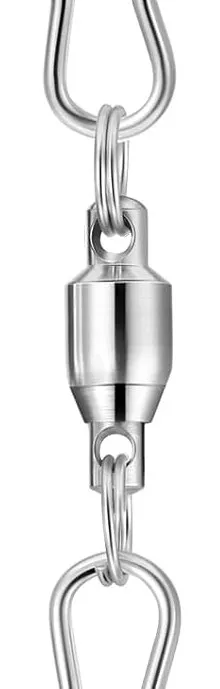
Note: Think of this model like a paper lantern, the sides are fragile like paper so handle it by the ‘corners’/helix edges
-------------------------------------------------------------------------------------------
===================================================
Some interesting shape analysis:
===================================================
I was curious why the actual spiral shape looks so interesting as it spins, so I plotted the shape of an individual helix as waveforms and got a little carried away. This is a hobby topic for me so I'm not an expert, and if anyone has any corrections on it I'd love to understand this stuff better.
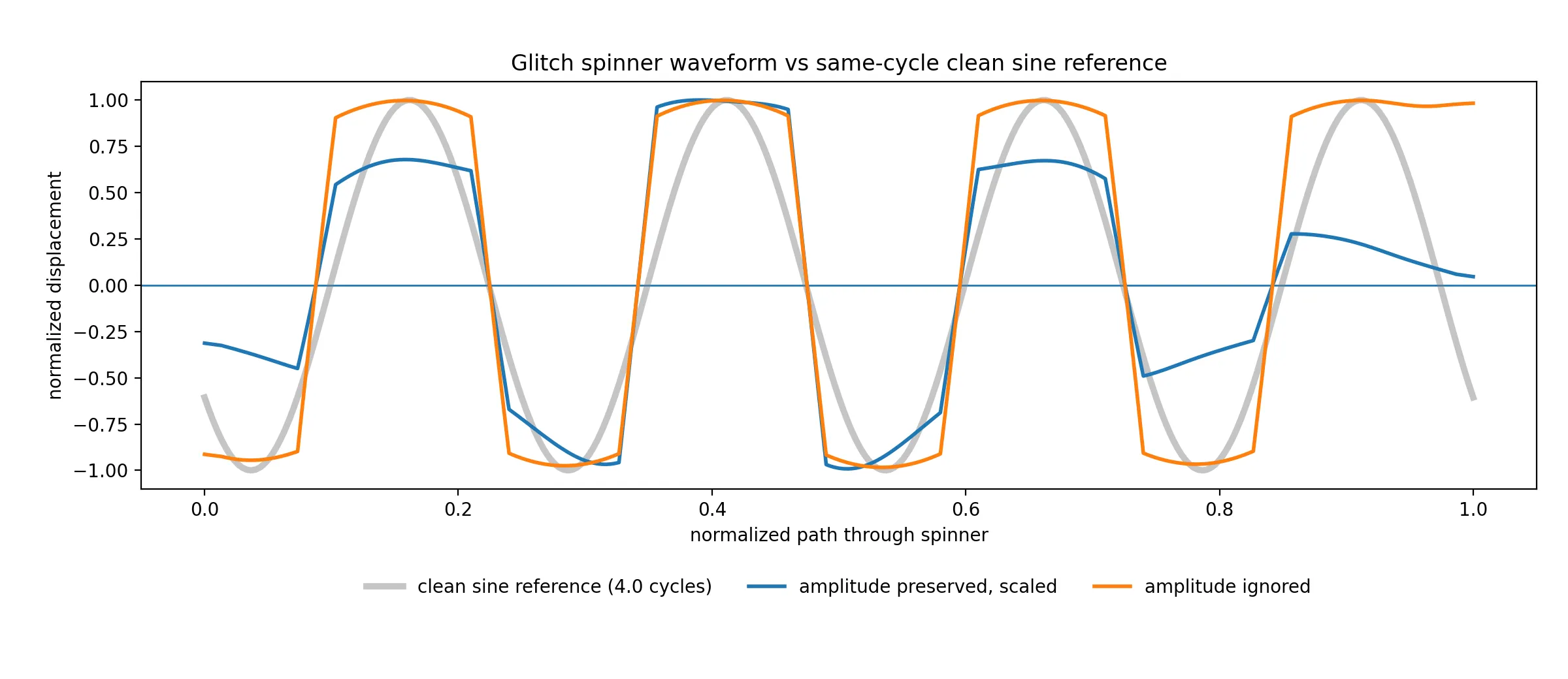
A ‘normal’ helix would be a clean sine wave (gray), which is what this design started as, and it's interesting to see that it wound up as the orange waveform. It looks like a hard-clipped sine wave whose clipped peak-plateau has been warped/rounded in a way that looks like distortion in music production.
Some typical music manipulations:
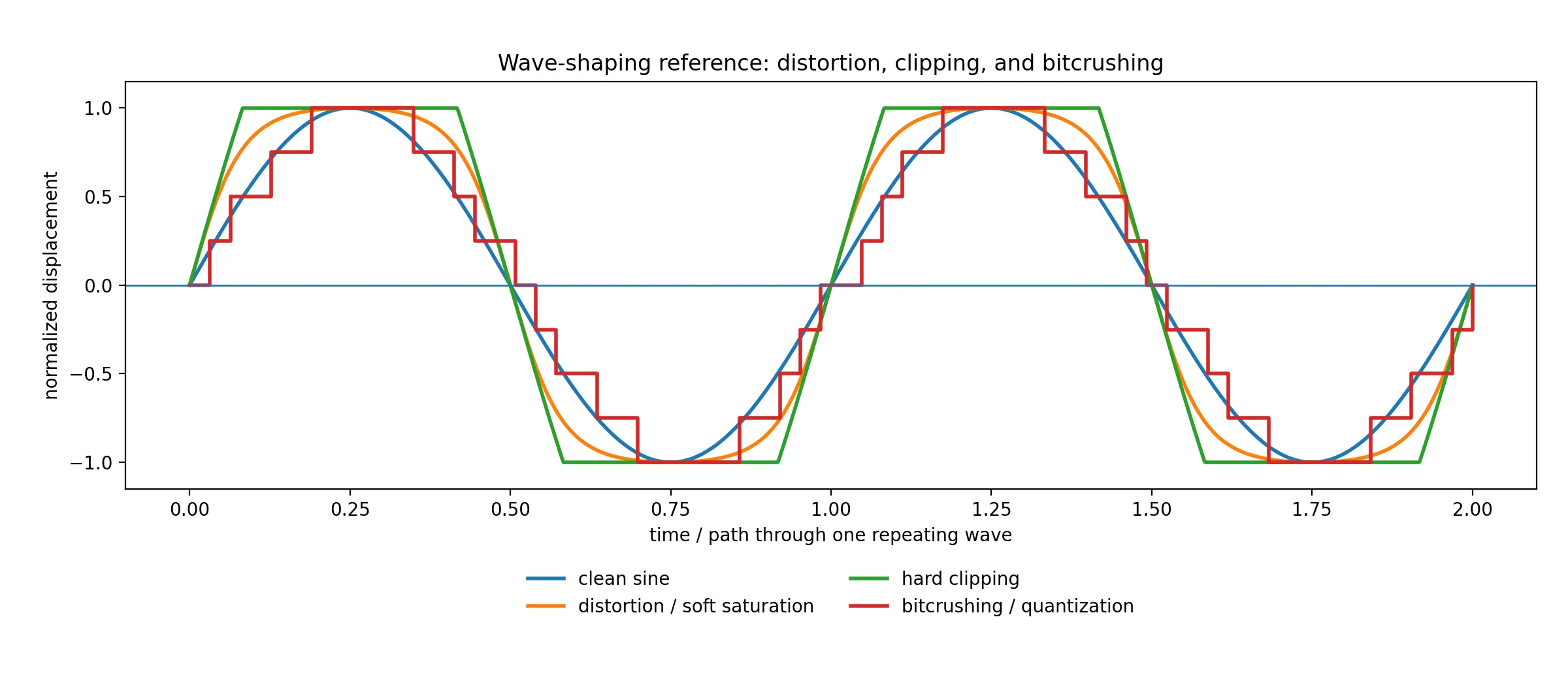
The model was essentially run through a geometric manipulation chain similar to running your guitar through these types of effects with pedals. Over-simplification acted like bitcrushing, breaking smooth curves into larger, flatter faces. Self-overlap and recombination then selected a new outer envelope and partially smoothed the damaged geometry. Repeating that cycle pushed the actual helix shape toward a clipped, square-like waveform while preserving warped rounded caps. And what is super interesting to me is that the face geometry wound up in those stepped shimmery digital-like facets that read almost exactly like bitcrushing translated into geometry!
Then to get even nerdier, you can run a Fourier analysis of the waveform, which essentially breaks down how the shape is constructed from simpler waveforms: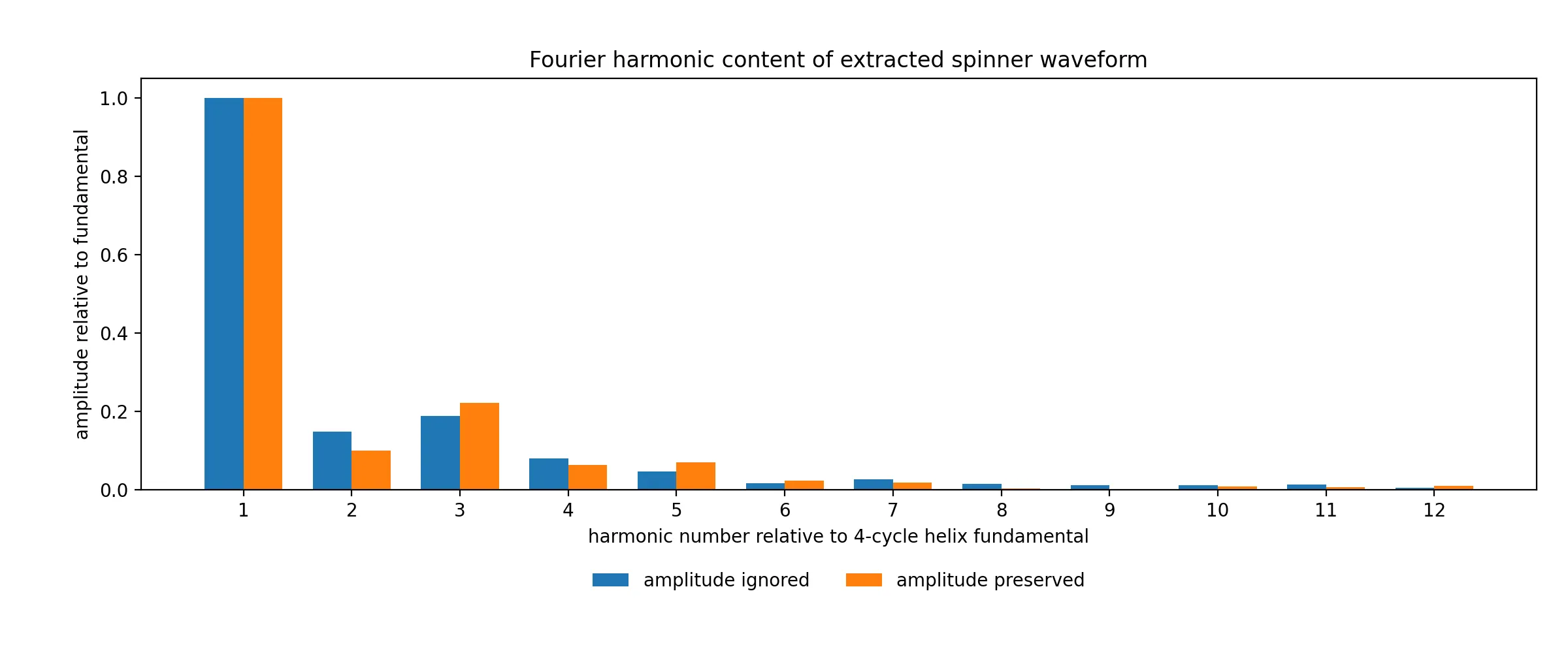
The first harmonic is the base helix projection: the normal sine-like shape you would expect from a clean spiral viewed from the side. After that, the higher harmonics are progressively smaller waves that neatly fit inside of it (e.g. second harmonic completes two cycles, third completes 3, etc).
Distortion and clipping effects tend to introduce odd-numbered harmonics, which push a sine wave toward a square wave. We see a relatively strong third harmonic here which makes sense given the look of the geometry. But the second harmonic is also contributing, so this is not a clean symmetric distortion effect. It suggests the shaping is lopsided, probably from the self-overlap and recombination process warping the clipped caps instead of producing a perfectly even clip.
Last, I figured since it's a waveform why not see how it sounds? So this is what it sounds like at 100 Hz in a couple forms (hosted on Jumpshare since I can't upload a .wav here):
- Glitch spinner → waveform → 100Hz sound
- Made a little more pleasant by omitting some of the noisy high frequencies
License

You shall not share, sub-license, sell, rent, host, transfer, or distribute in any way the digital or 3D printed versions of this object, nor any other derivative work of this object in its digital or physical format (including - but not limited to - remixes of this object, and hosting on other digital platforms). The objects may not be used without permission in any way whatsoever in which you charge money, or collect fees.


Comment & Rating (65)