
SafeMount - The secure universal wall mount
Print Profile(2)

Description
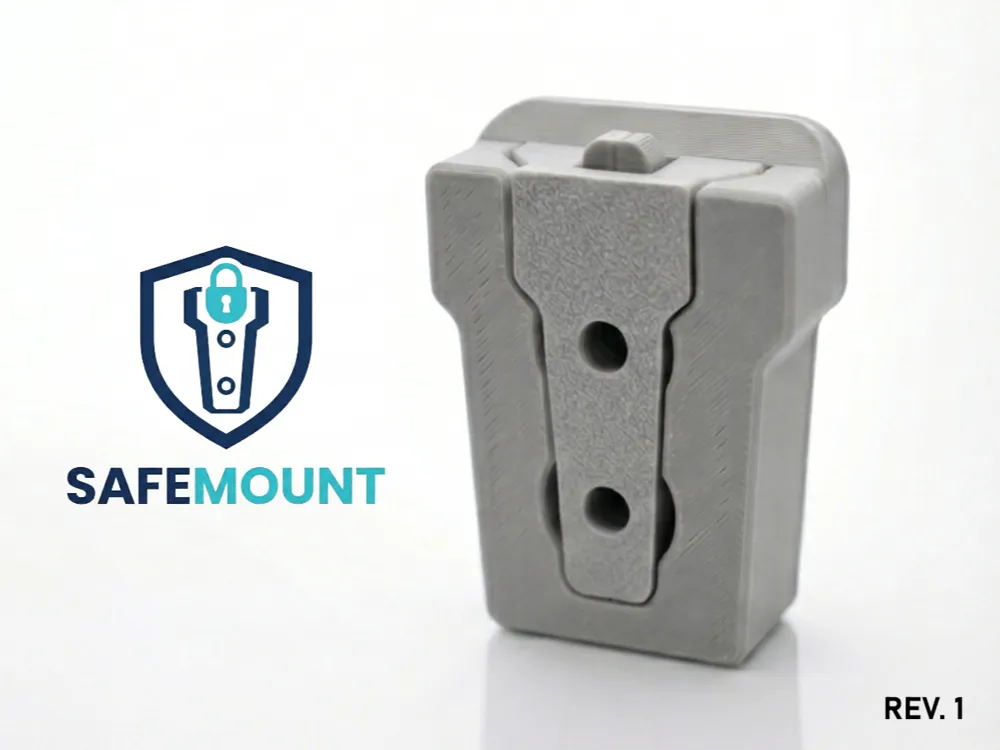
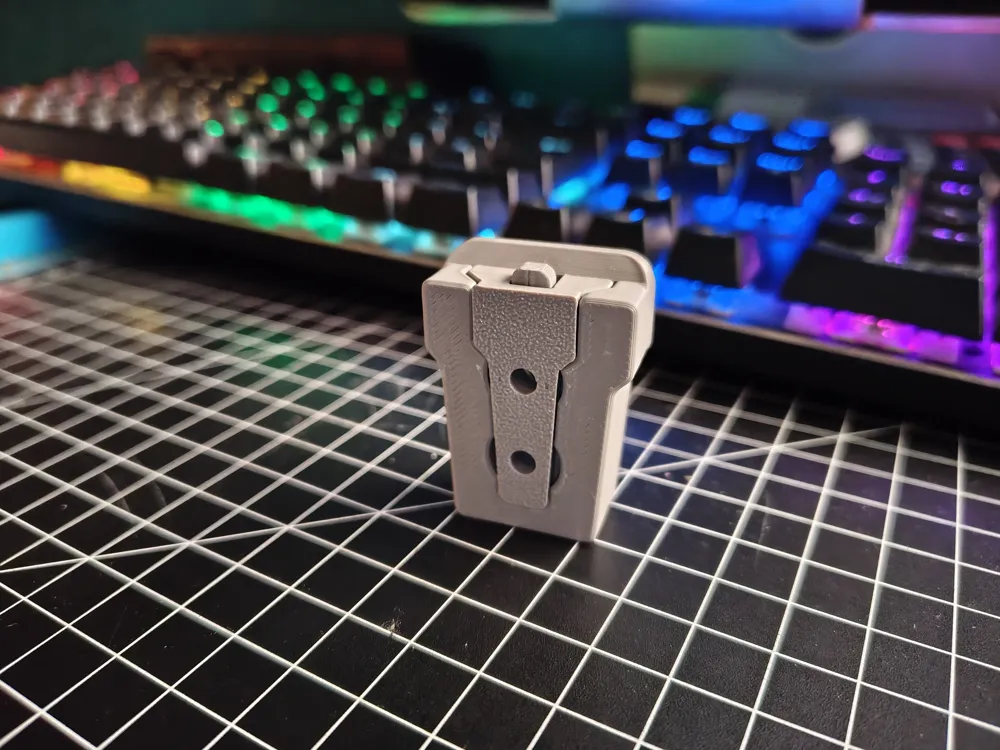
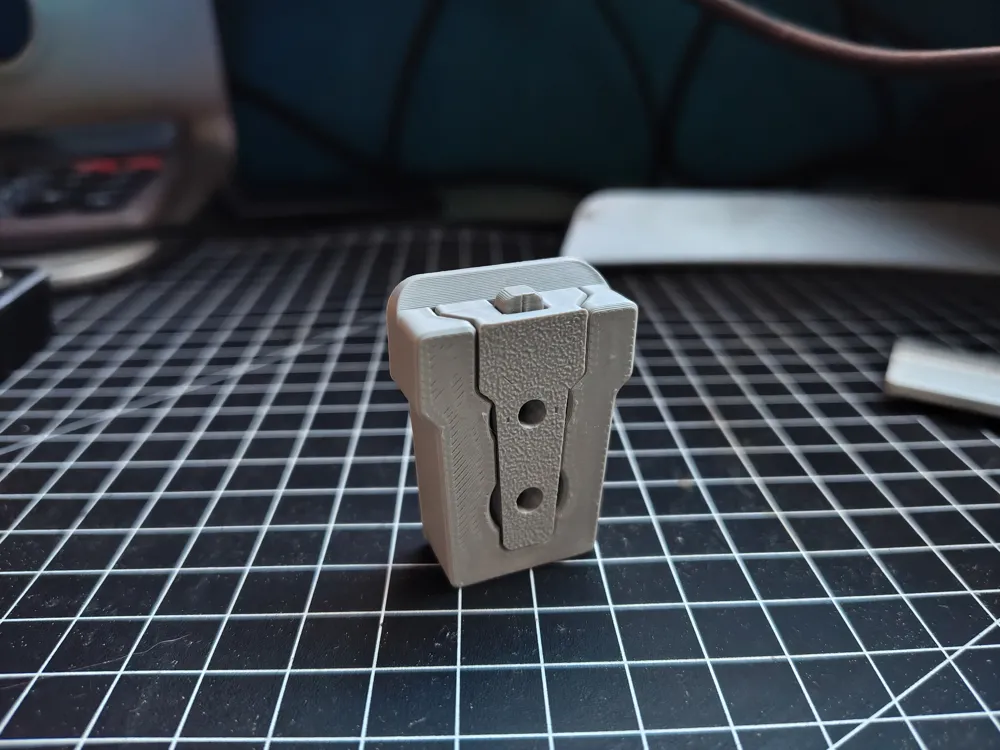
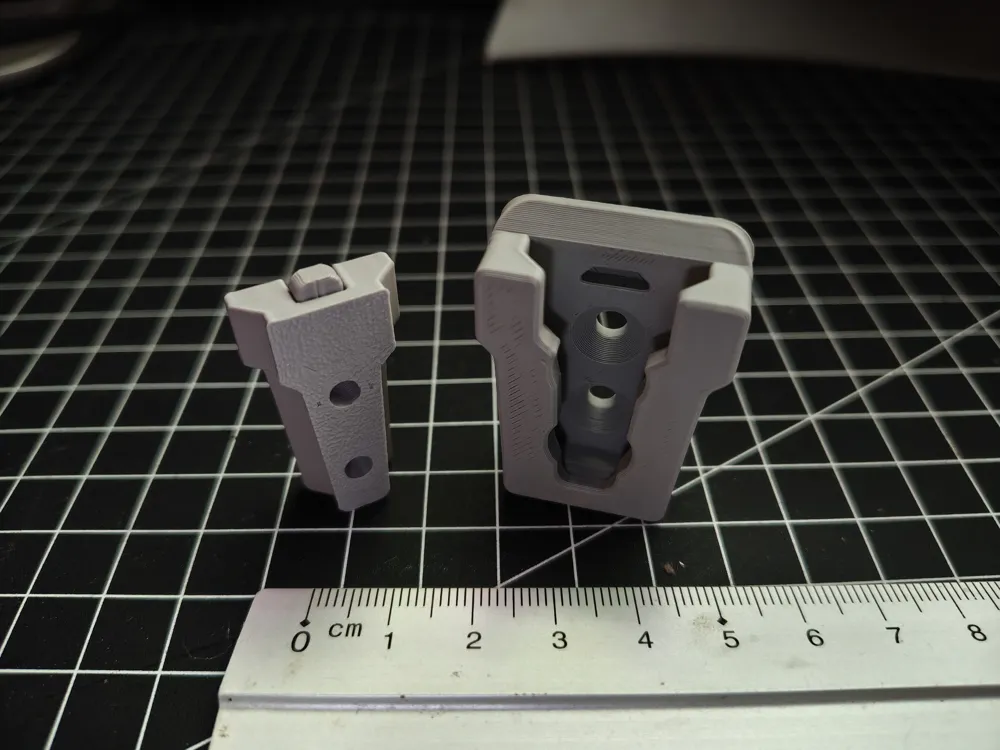
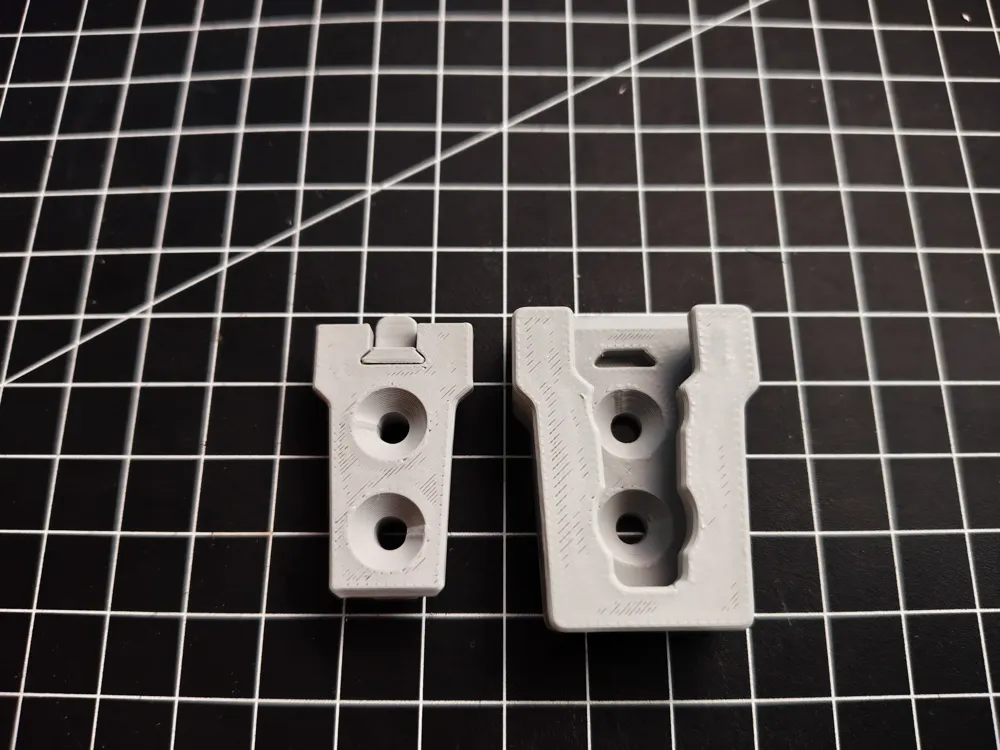
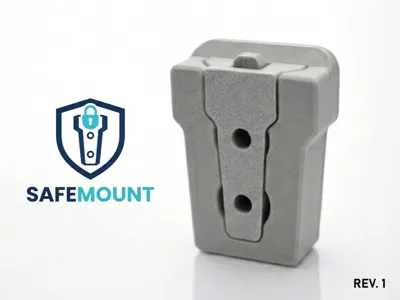
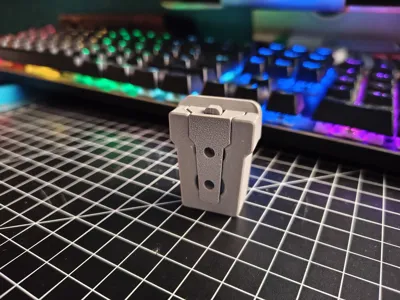
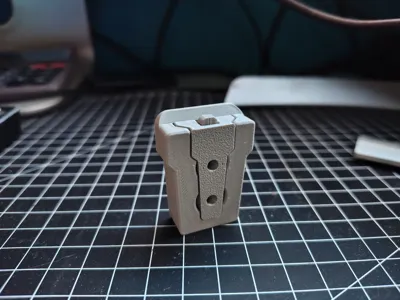
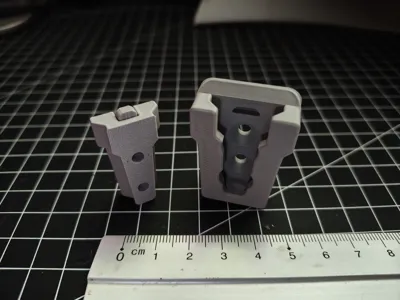
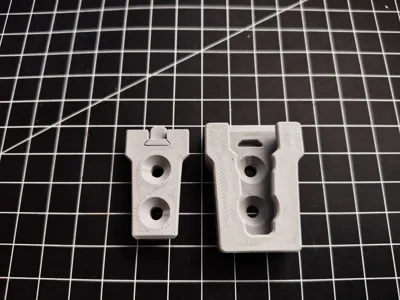
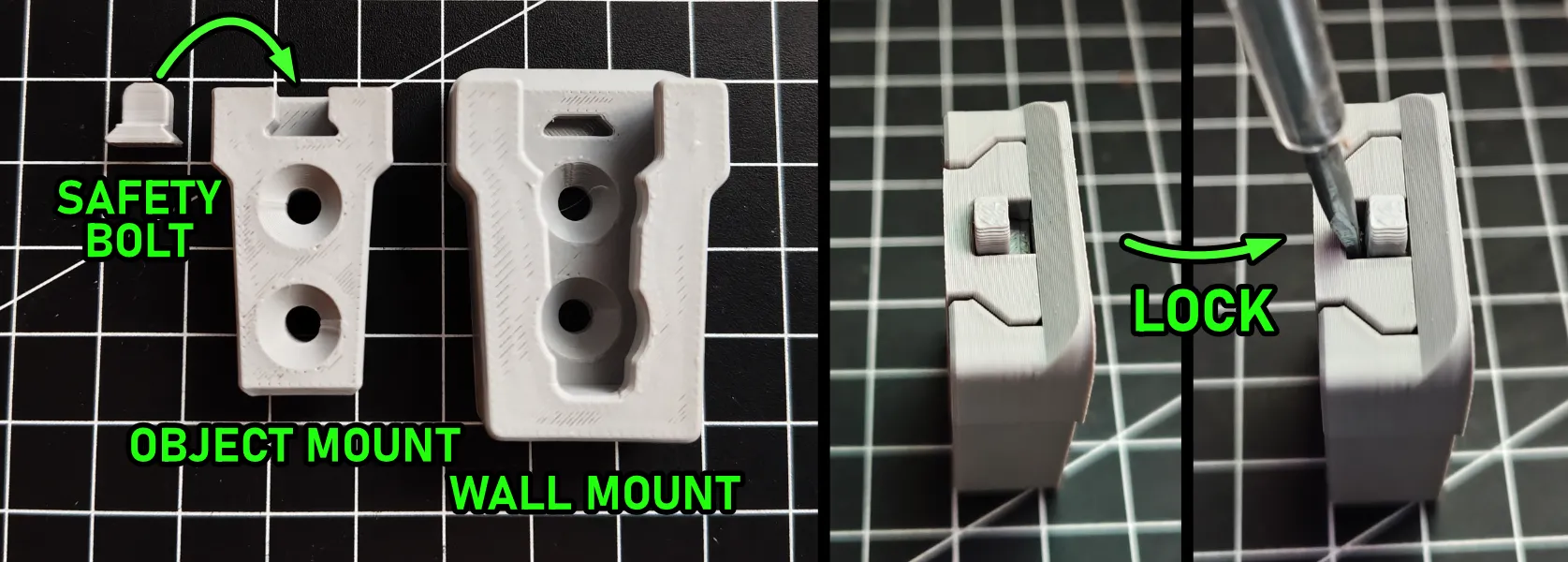
SafeMount is a modular wall mount with a safety mechanism, optimized for maximum load capacity with minimal material usage (< 13g). The mount consists of a robust wall base, a slide rail counterpart, and a locking bolt for reliable securing
Constructive Features
The mechanical properties of SafeMount are based on a conical V-guide (dovetail principle). This geometry offers significant advantages:
- Self-centering: When hanging, the clip is intuitively guided into the final position (Guided Entry)
- Play-free Fit: Under load, the system wedges itself, eliminating any mechanical play
Intelligent Locking Mechanism
The highlight of SafeMount is the integrated safety lock:
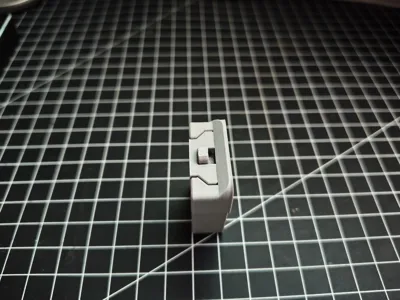
- Preparation: The locking bolt is pre-inserted into the rail (Object Mount), which you screw to the object you want to hang
- Mounting: The object is hung into the mounted wall base (Wall Mount)
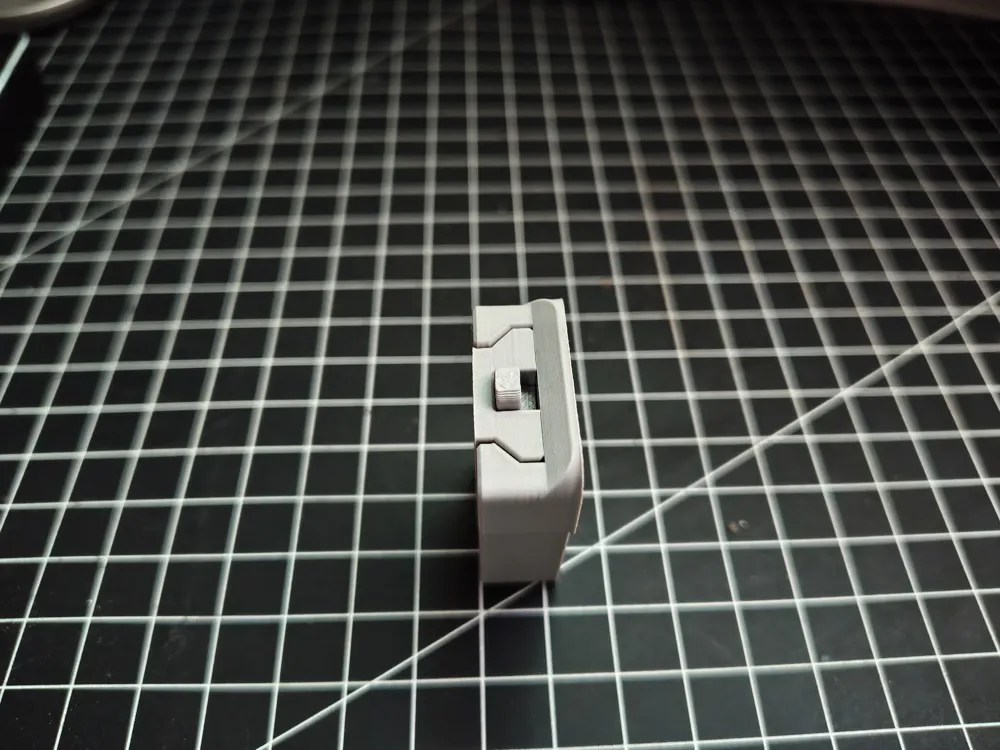
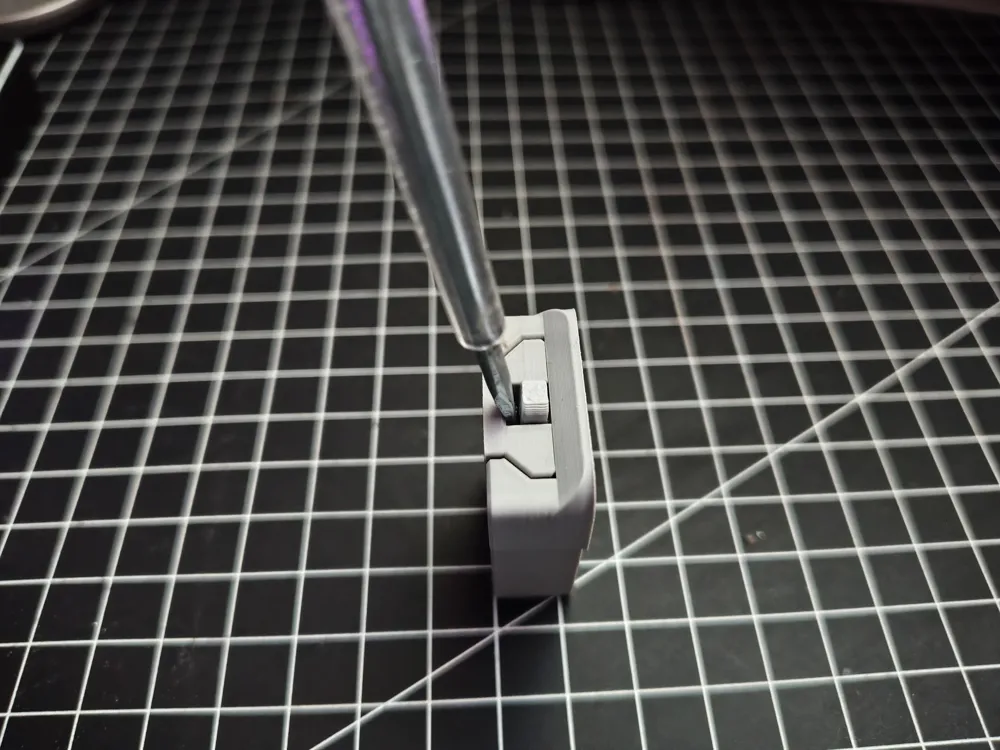
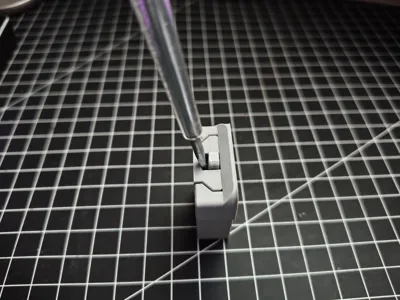
- Locking: The locking bolt is now pressed into the base with a screwdriver
This physically prevents unintentional lifting (e.g., by impacts from below). The connection is form-fit secured and can only be deliberately released again
Print & Material Properties
The design is consistently optimized for horizontal print orientation and a layer height of 0.16 mm. This causes the load to act as shear stress transverse to the layers, which massively increases the load capacity compared to vertical printing. The holes are designed at 4.2 mm to ensure an ideal fit for standard screws (approx 4 mm) after material-related shrinkage
05/13/2026 - Revision 1
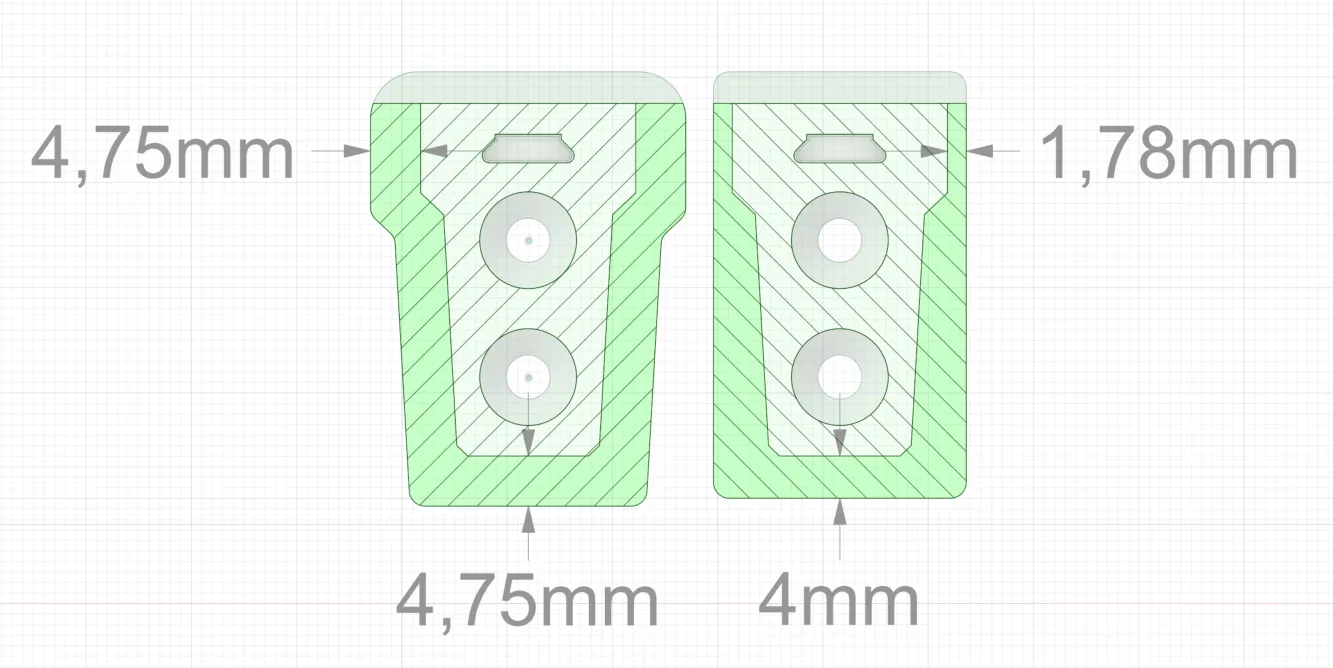
Following user feedback and further testing, we optimized the wall base in Revision 1 because, just like you, we want an absolutely reliable system. The most important innovation is ensuring significantly better force distribution through a continuous wall thickness of 4.75 mm instead of the previous 1.78 mm on the flanks. By standardizing the wall thickness, stress concentrations are eliminated, and the load is better dissipated. Furthermore, reinforcing the material at the guide rails prevents the base from bending under leverage, which significantly increases safety compared to the initial version. Here is the comparison to the first version in cross-section:
Load Values & Challenge
In static tests, loads of 10 kg were demonstrated without structural failure. For daily use, we recommend a load of up to 5 kg. When used as a shelf bracket (leverage), we recommend using at least two holders and reducing the maximum load capacity depending on the lever depth - light shelves for decorative elements
Although we have good ideas in the workshop, we lack a professional tensile force measuring device, so we need you: Who would like to push SafeMount to its load limit in a controlled manner? Send us your pictures or data from the break test. We will immortalize the first "Master of Destruction" with valid measurements by name and his data here in the description!
👍 Free support: A like and a place in your collection show us that the CAD hours were worth it. ☺️
License

You shall not share, sub-license, sell, rent, host, transfer, or distribute in any way the digital or 3D printed versions of this object, nor any other derivative work of this object in its digital or physical format (including - but not limited to - remixes of this object, and hosting on other digital platforms). The objects may not be used without permission in any way whatsoever in which you charge money, or collect fees.


Comment & Rating (44)