
Staggered 3D joint - Geometric version
Print Profile(3)
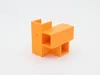
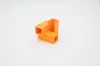

Description
DESIGN CONCEPT
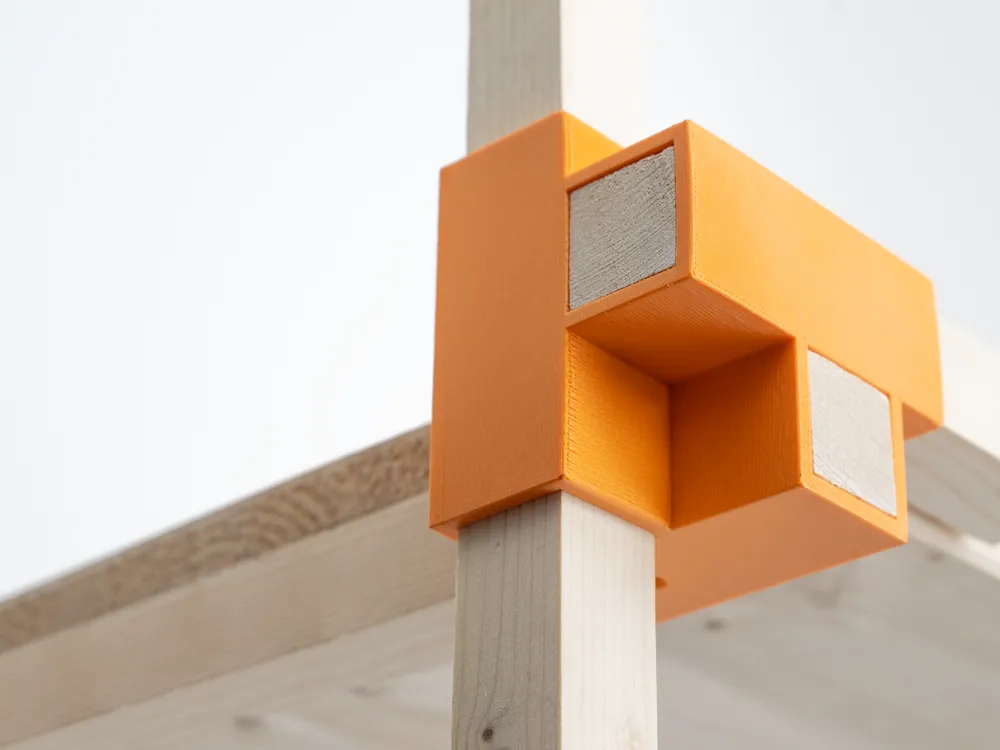
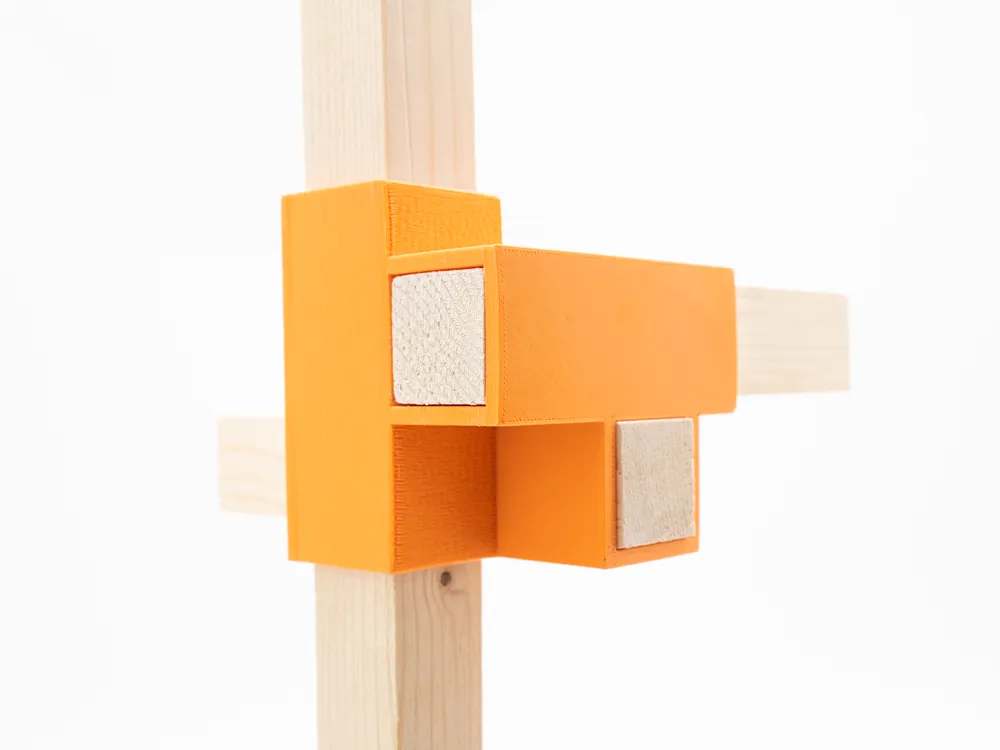
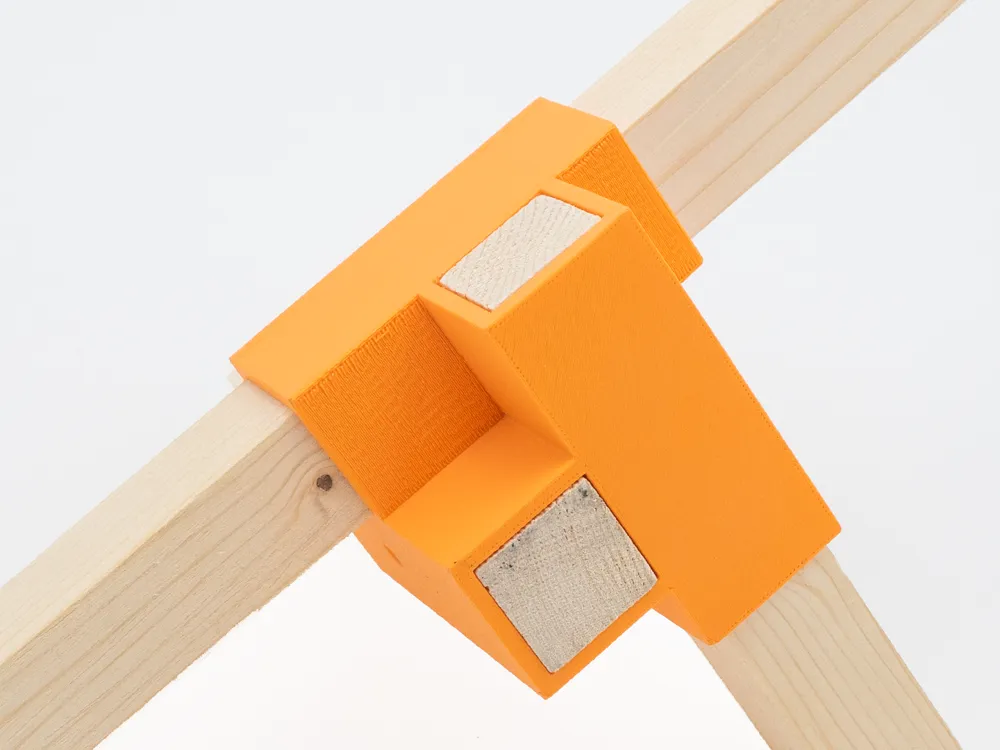
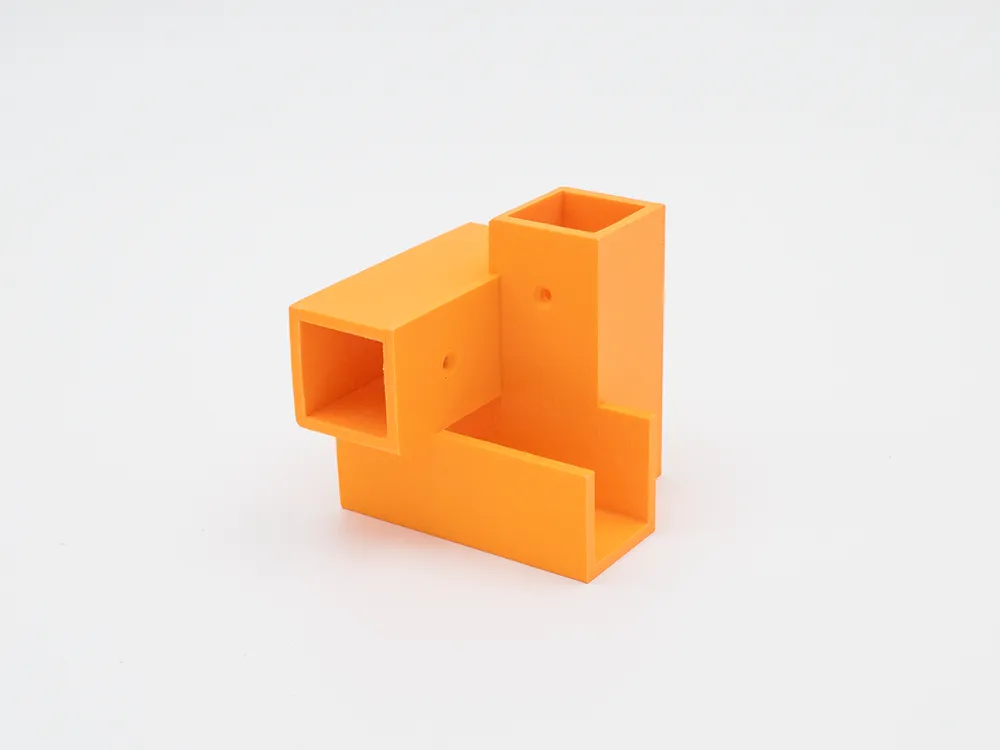
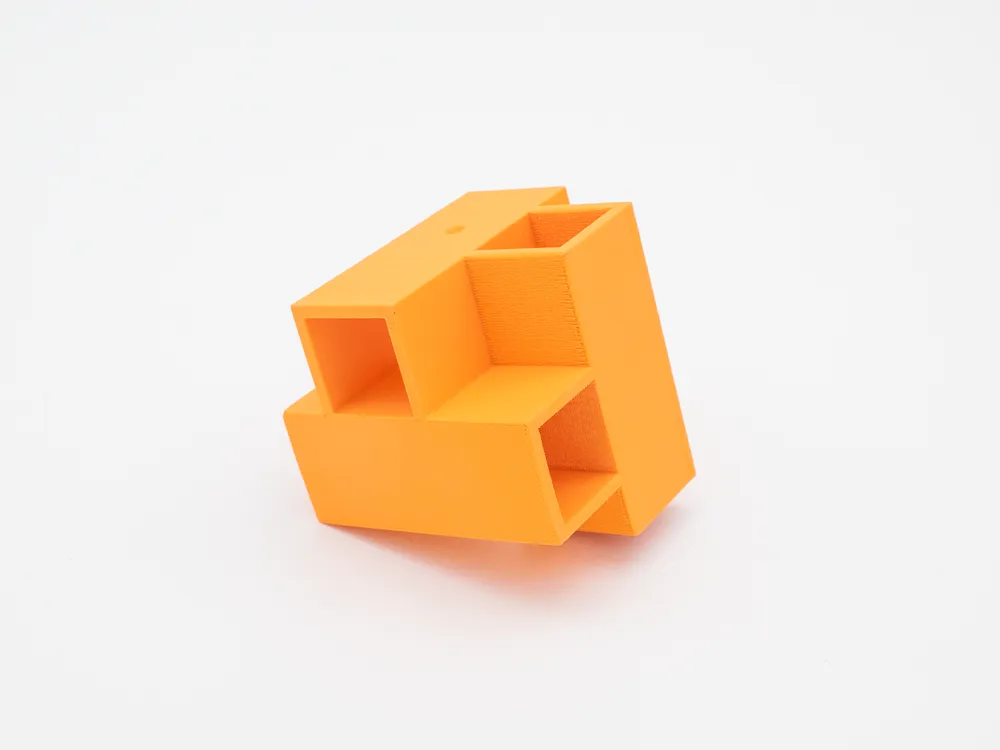
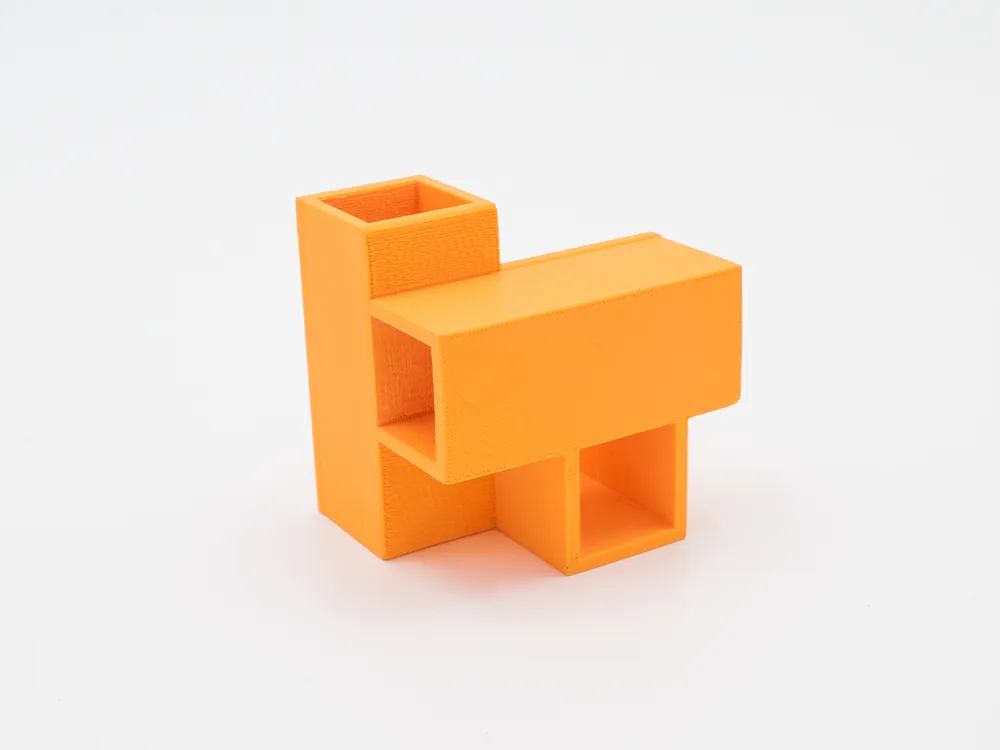
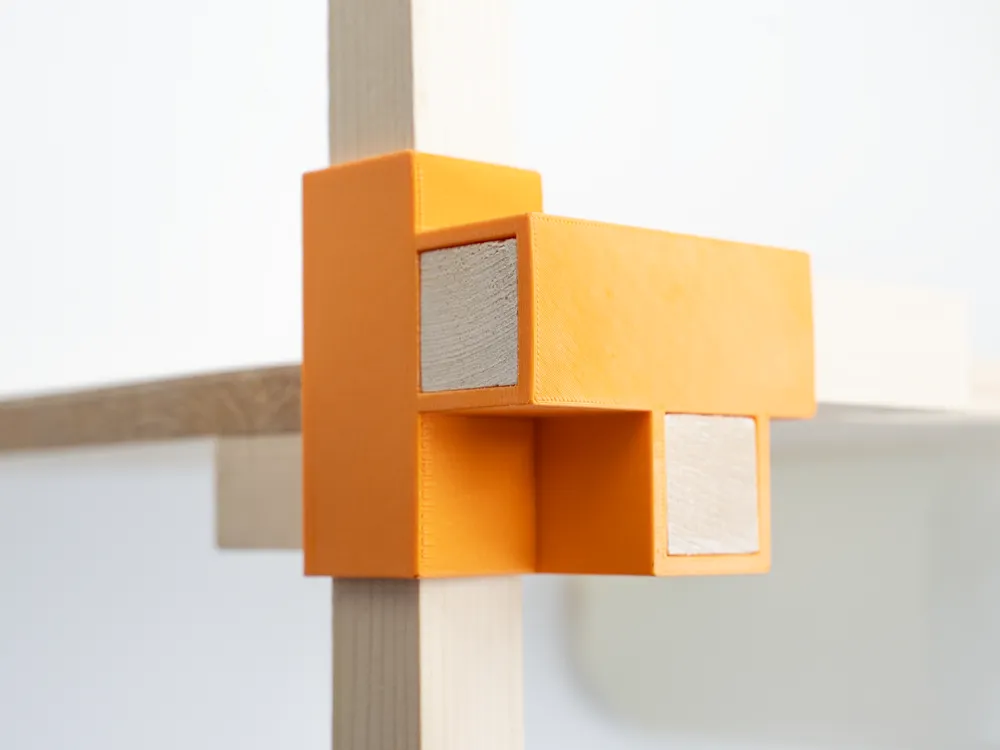
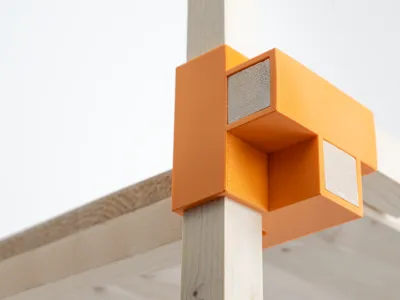
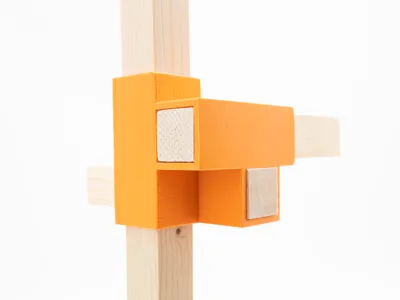
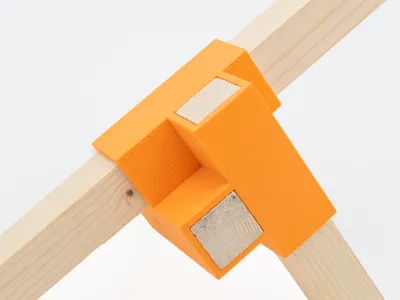
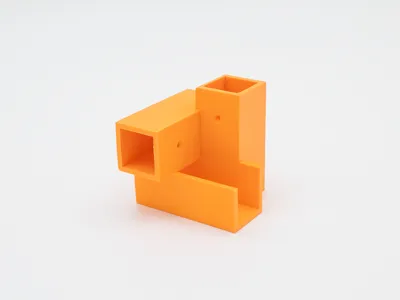
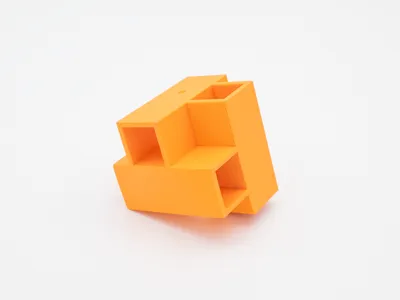
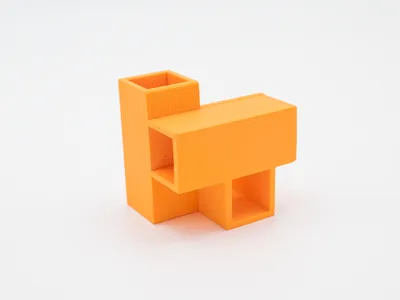
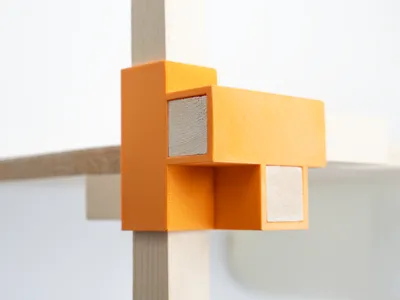
This joint was designed to create a modular frame system composed of vertical and horizontal rods positioned on staggered planes.
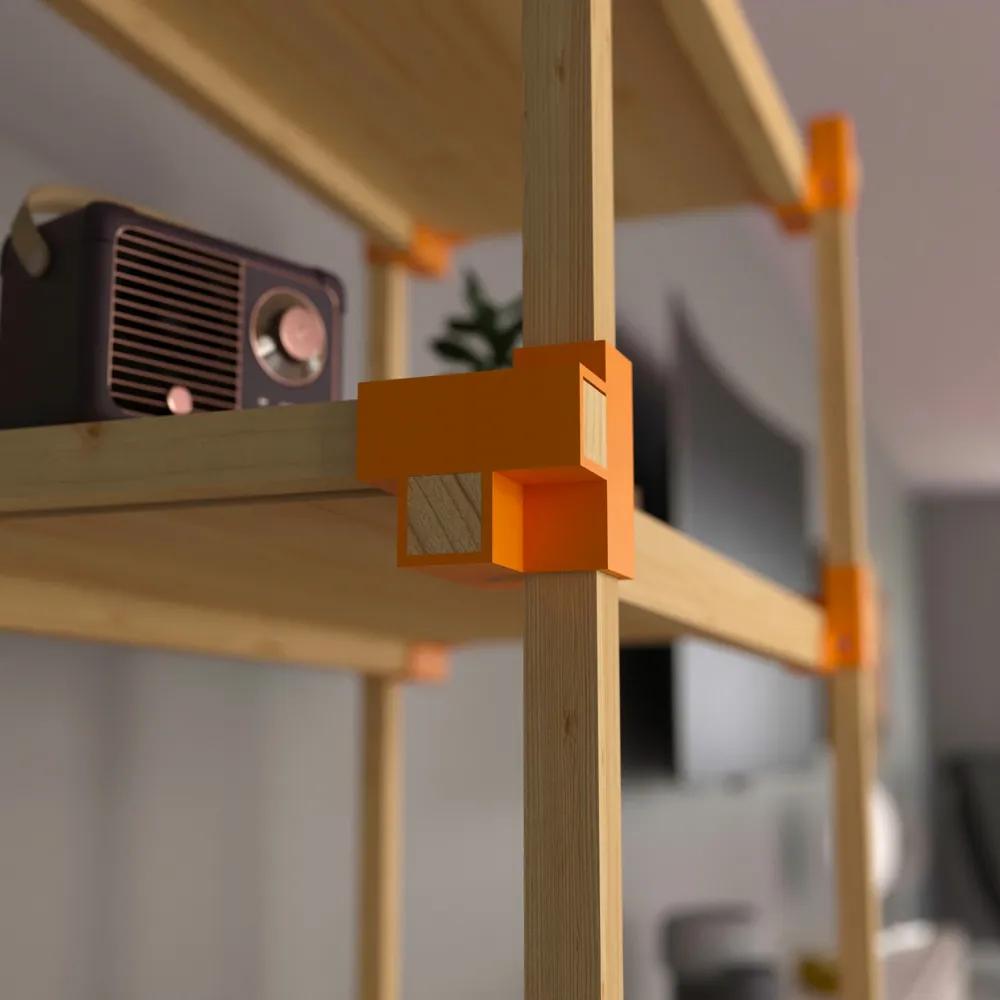
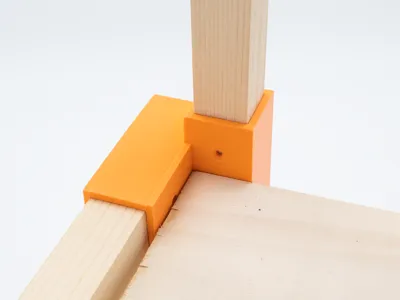
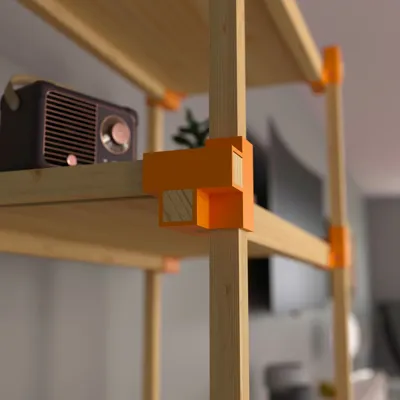
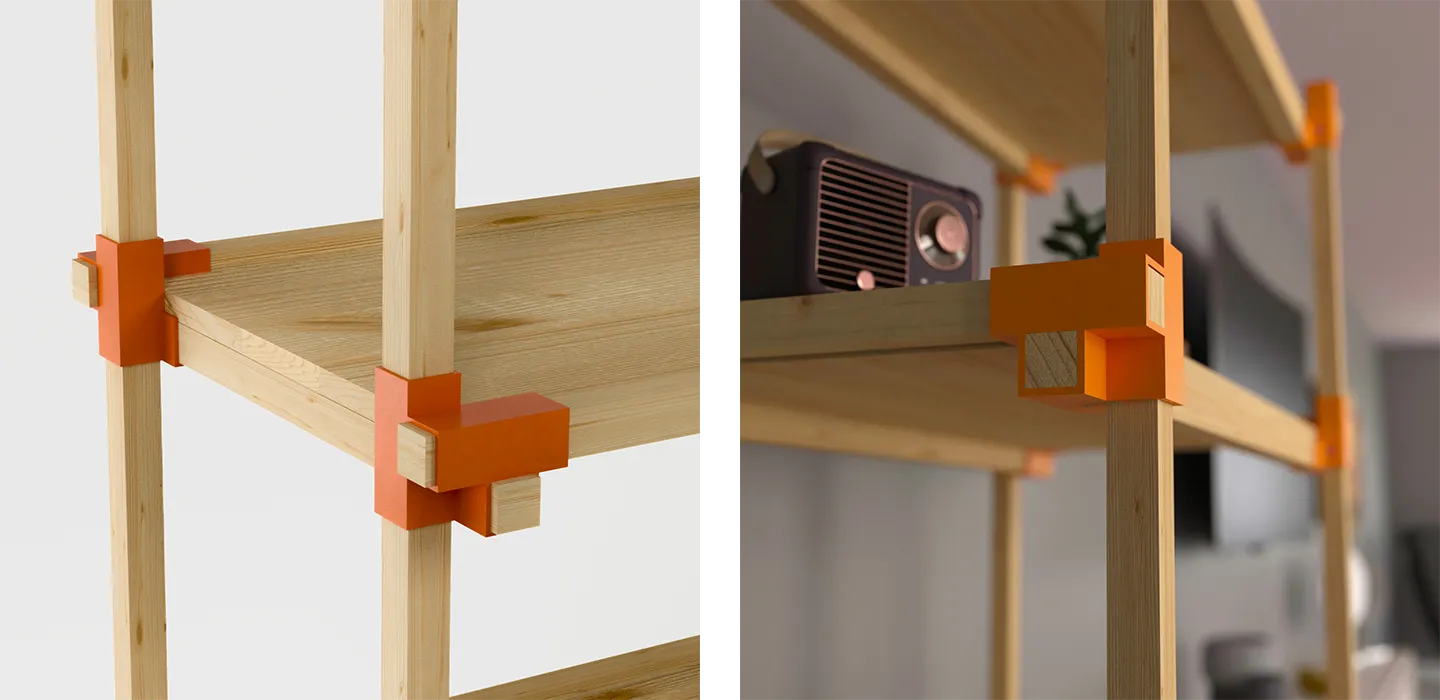
The main idea behind the project is to use the rods themselves as direct supports for the shelves, allowing the panels to rest inside the structure rather than being mechanically fixed on top of it. This approach creates a lighter and more open construction while maintaining structural stability.
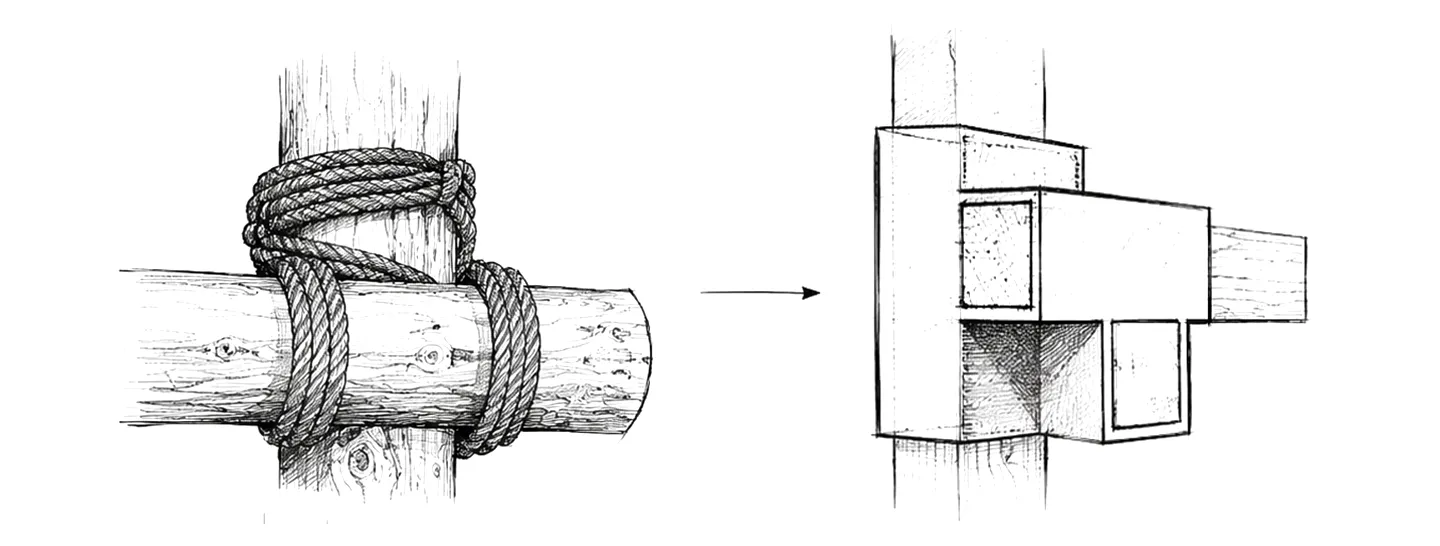
The geometry of the joint is inspired by traditional self-built wooden structures, where natural elements such as ropes and vines are used to connect intersecting rods.
The overlapping volumes and exposed connections recall this construction principle, giving the system a handcrafted yet contemporary appearance. This solution makes it possible to create a fully self-supporting structure composed exclusively of rods and joints, increasing flexibility in the overall configuration and allowing different shelving layouts to be assembled with a minimal number of components.
The Staggered Joint does not include multiple structural variants. Instead, the system uses a mirrored version of the same joint, allowing symmetrical assembly throughout the shelving structure while maintaining visual consistency.
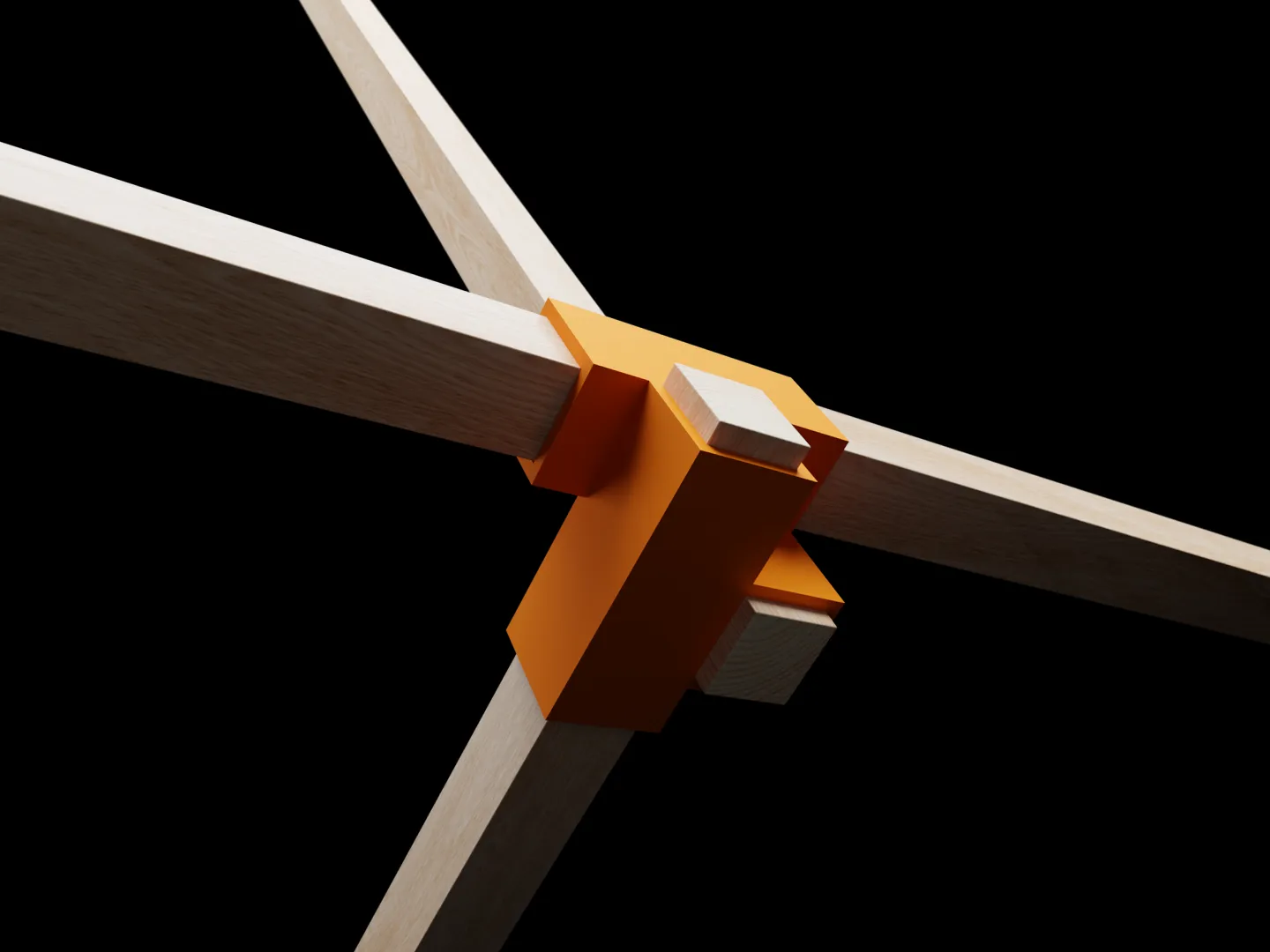
The geometry has been carefully optimized for FDM 3D printing, ensuring:
- Good mechanical performance (max load per shelf: 7Kg, with a shelving unit of maximum 5 shelves)
- Stable connection between staggered rods
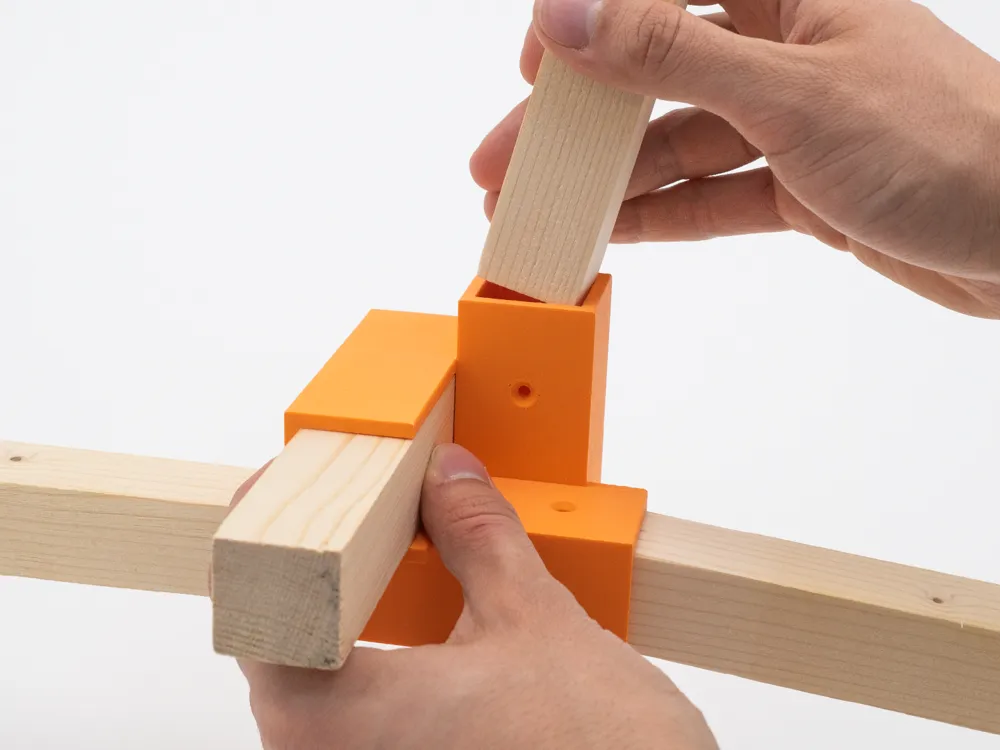
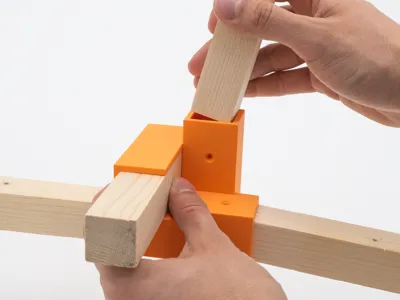
- Easy and intuitive assembly
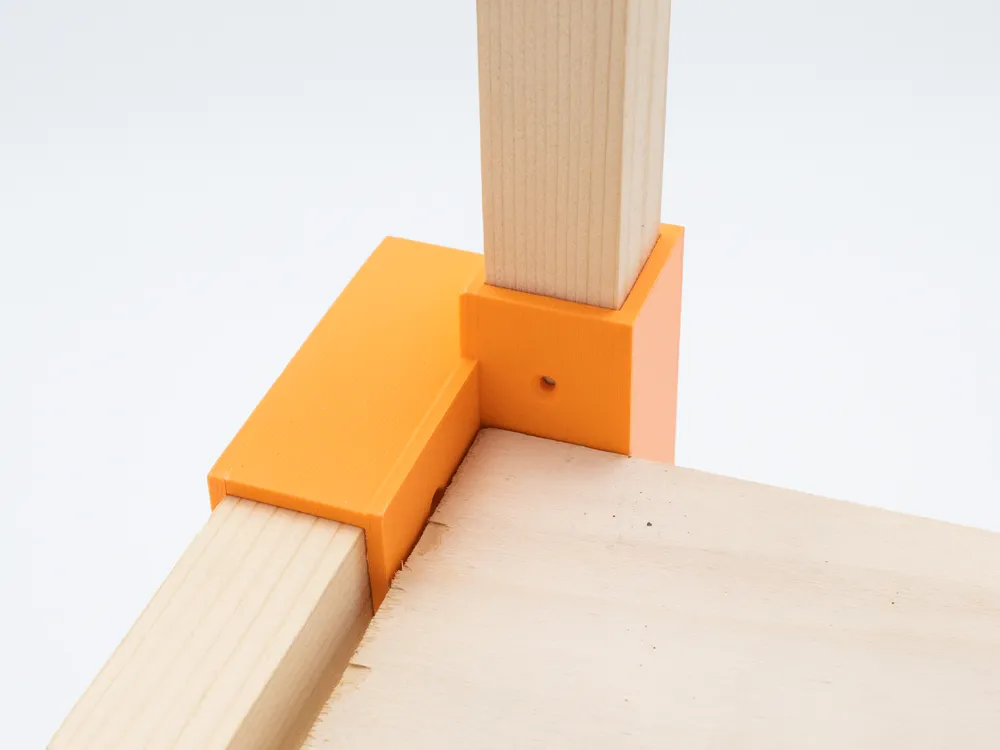
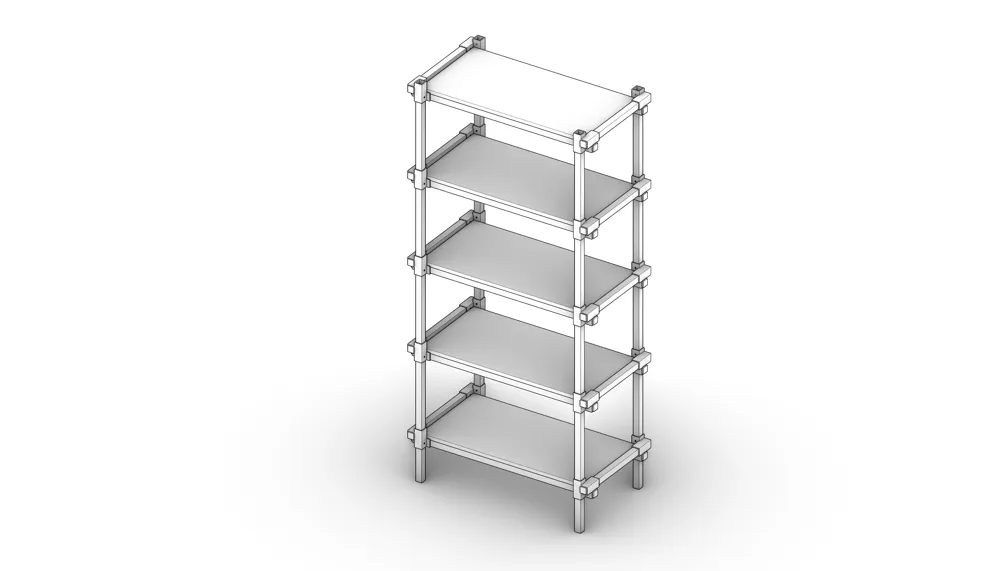
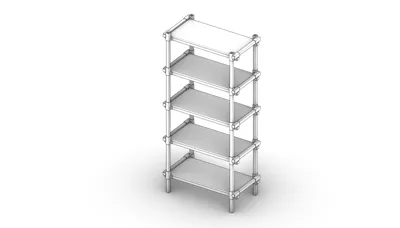
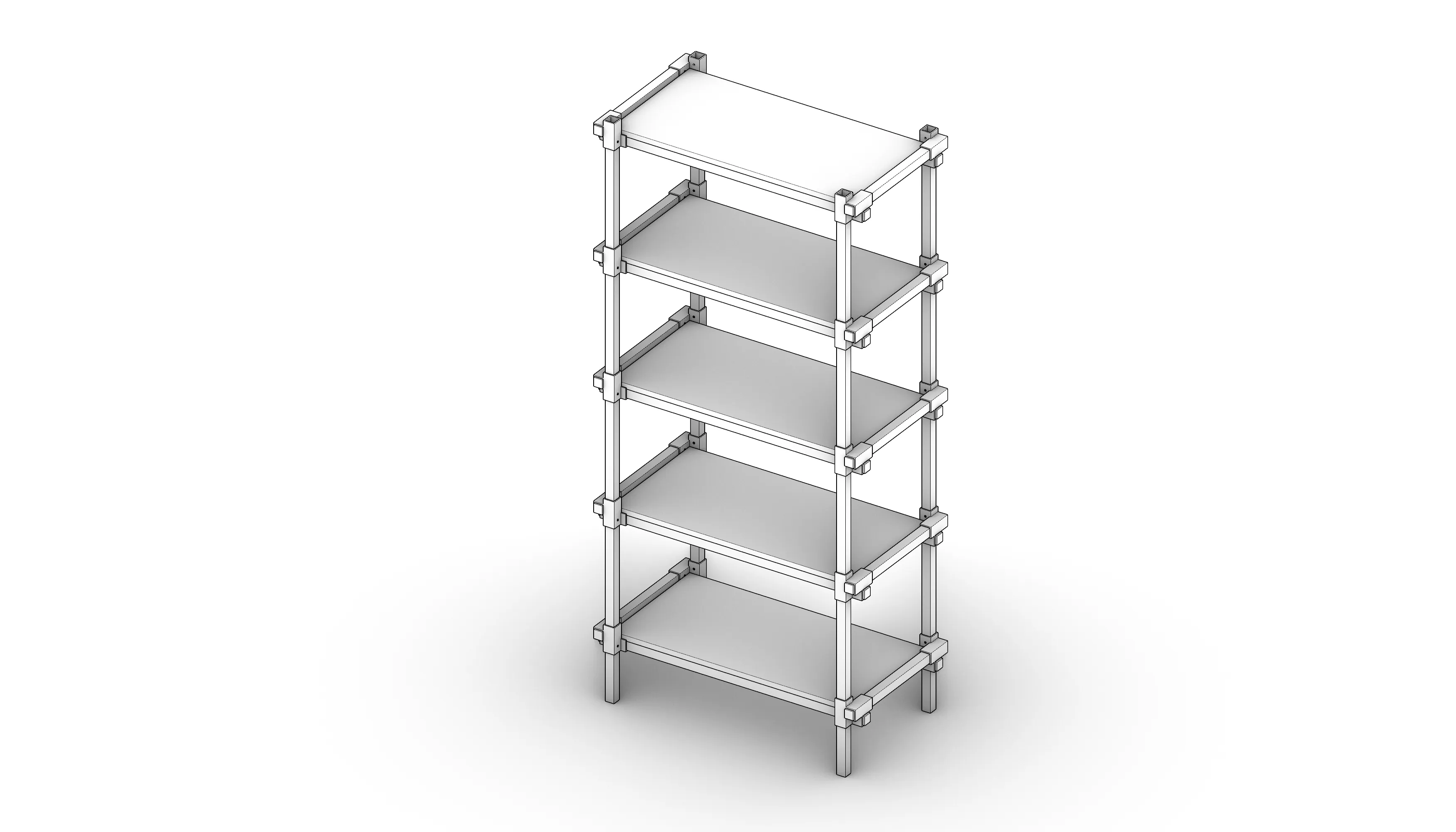
In the image below, you can see the joint integrated into the shelving structure. These dimensions follow the most common semi-finished wood sizes in the European market.
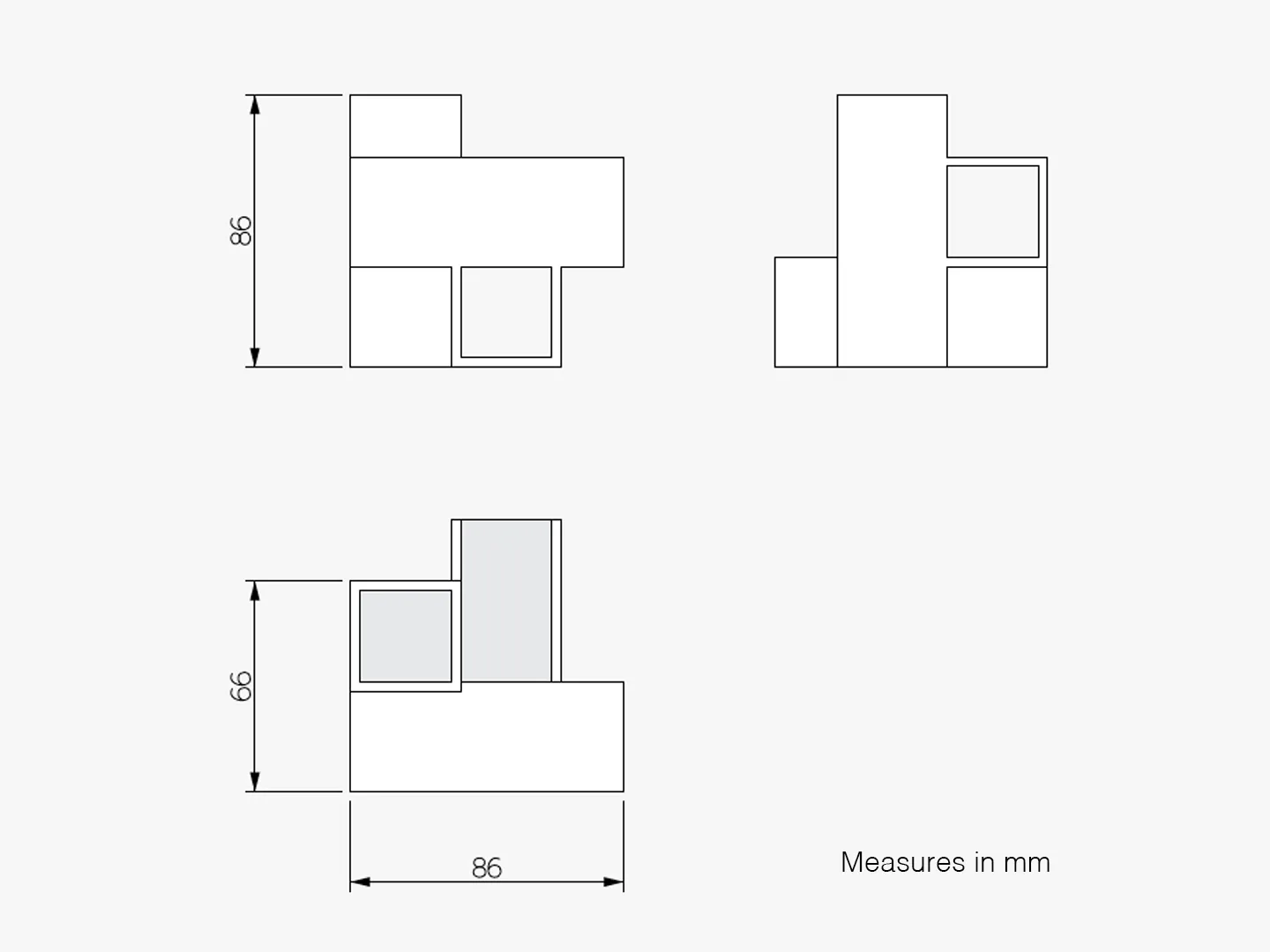
SPECS & FEATURES
This joint is designed to build a modular shelving system using:
- 30 × 30 mm square wooden rods*
- 18-30 mm thick wooden panels*
*(originally based on European wood semi-finished standard measures)
The system allows you to create custom shelving structures (maximum 5 shelves) with a minimal number of parts, with a max load per shelf of 7Kg
TIPS & TRICKS
For maximum strength and durability:
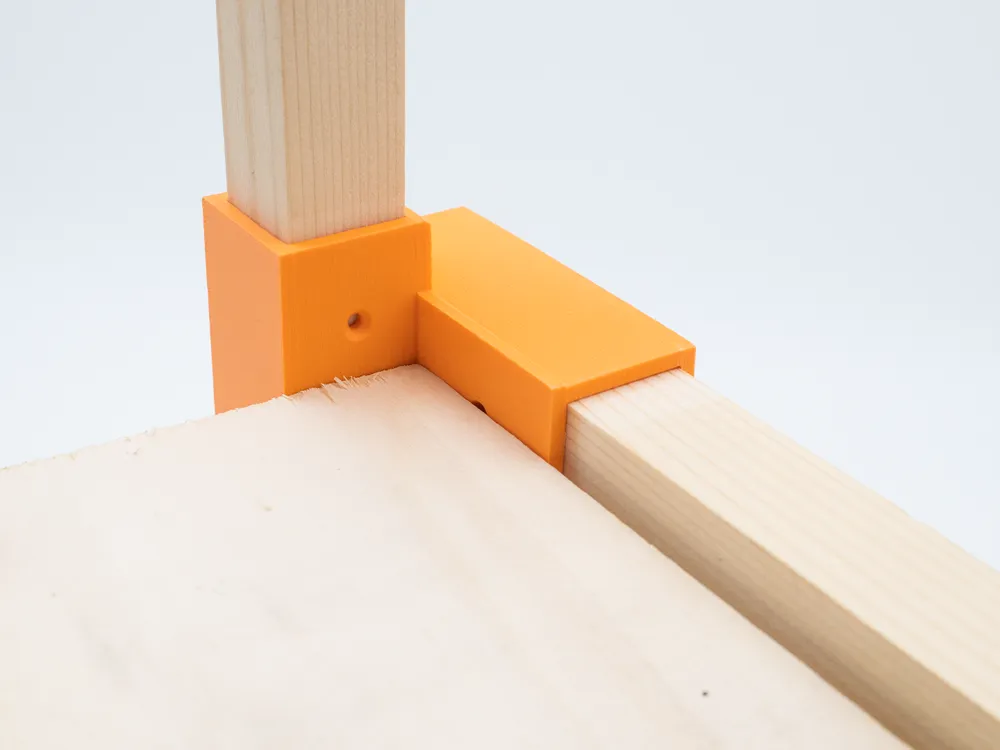
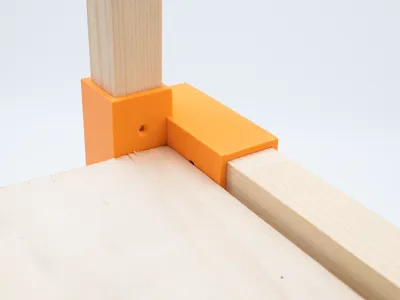
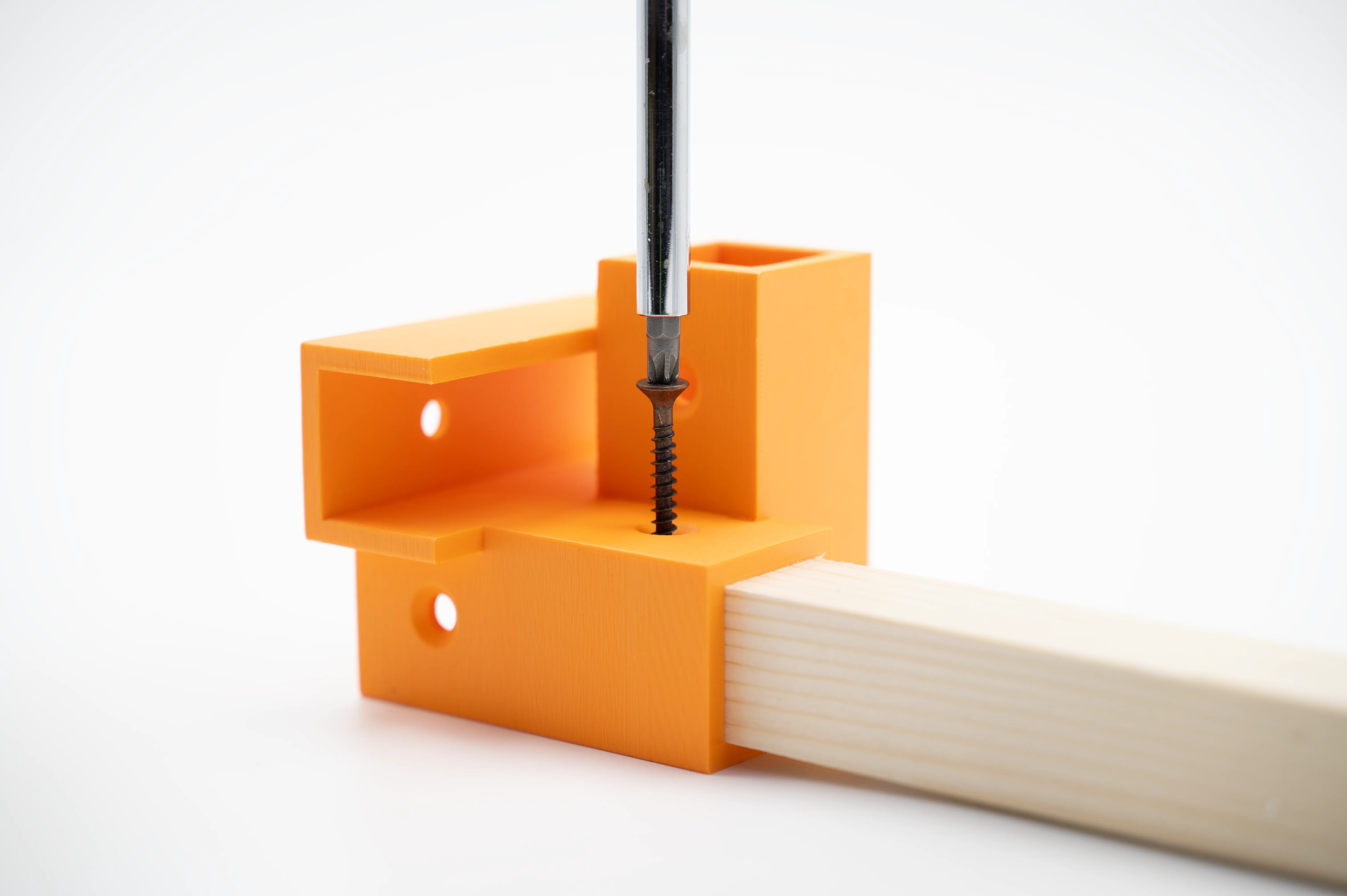
- Secure the joints to the panels using wood screws into the dedicated holes (not mandatory, the structure works anyway)*
- Print with 100% infill
- Based on structural analysis, we recommend not exceeding 800 mm plank length
*The joint tolerances have been optimized for a standard wood thickness commonly available on the European market, ensuring strong and stable connections. Screws were introduced as an additional precaution because commercially available wood panels can sometimes present slight dimensional variations (for example, 2.8–2.9 mm instead of the nominal 3.0 mm). These small discrepancies may reduce the effectiveness of the rod connection, whose tolerances were calibrated during the design process, leading to the need of screws.
We would love to see your shelves!
If you print this project, share photos of your build and let others see how you used the system.
Happy printing!
Davide & Lorenzo
Boost Me (for free)
pls help us get rid of our old Ender 3 :'(
Changelog
13-05-2026
- Added a second print profile with more walls in order to decrease the printing time
License

You shall not share, sub-license, sell, rent, host, transfer, or distribute in any way the digital or 3D printed versions of this object, nor any other derivative work of this object in its digital or physical format (including - but not limited to - remixes of this object, and hosting on other digital platforms). The objects may not be used without permission in any way whatsoever in which you charge money, or collect fees.


Comment & Rating (21)