
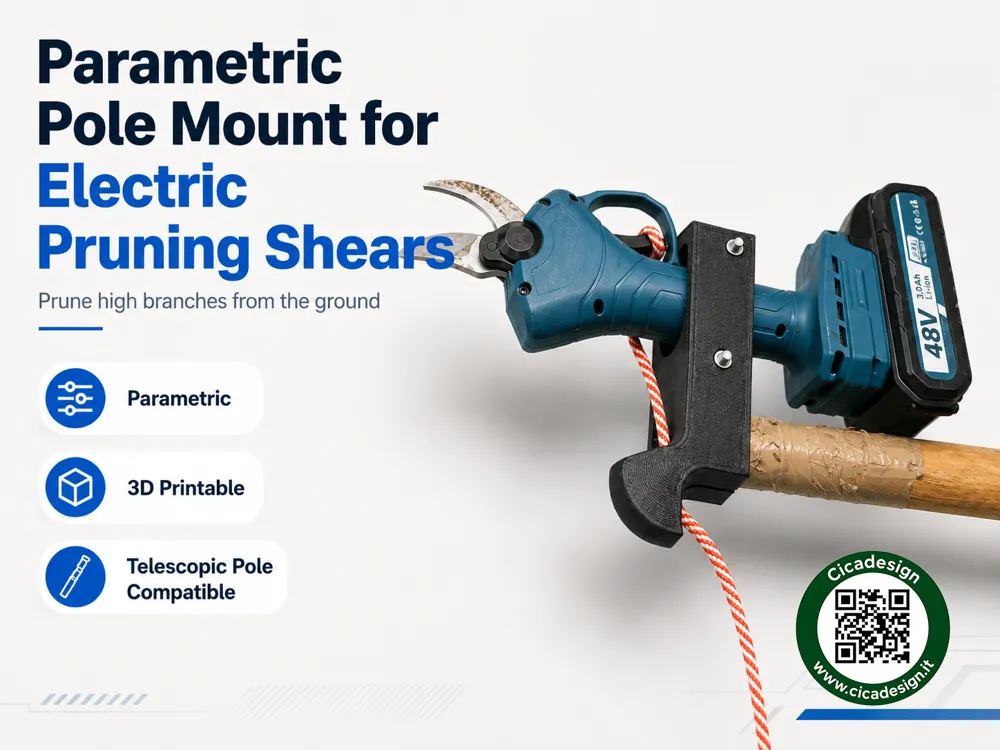
Parametric Pole Mount for Electric Pruning Shears

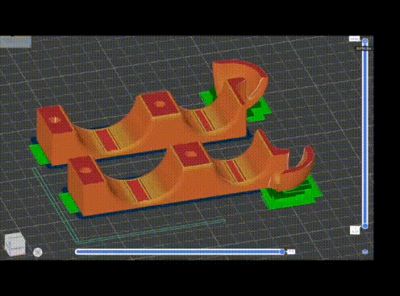
Print Profile(1)
Description
Boost Me (for free)
If you find this model useful, a Boost is always appreciated.
It helps support future functional and parametric designs.
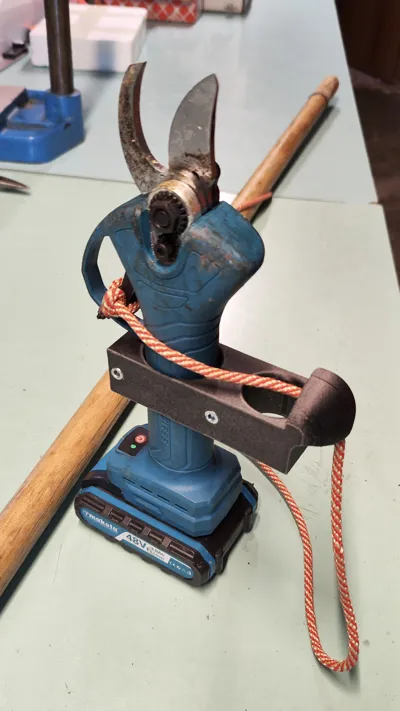
Parametric 3D-printable pole mount for cordless electric pruning shears.

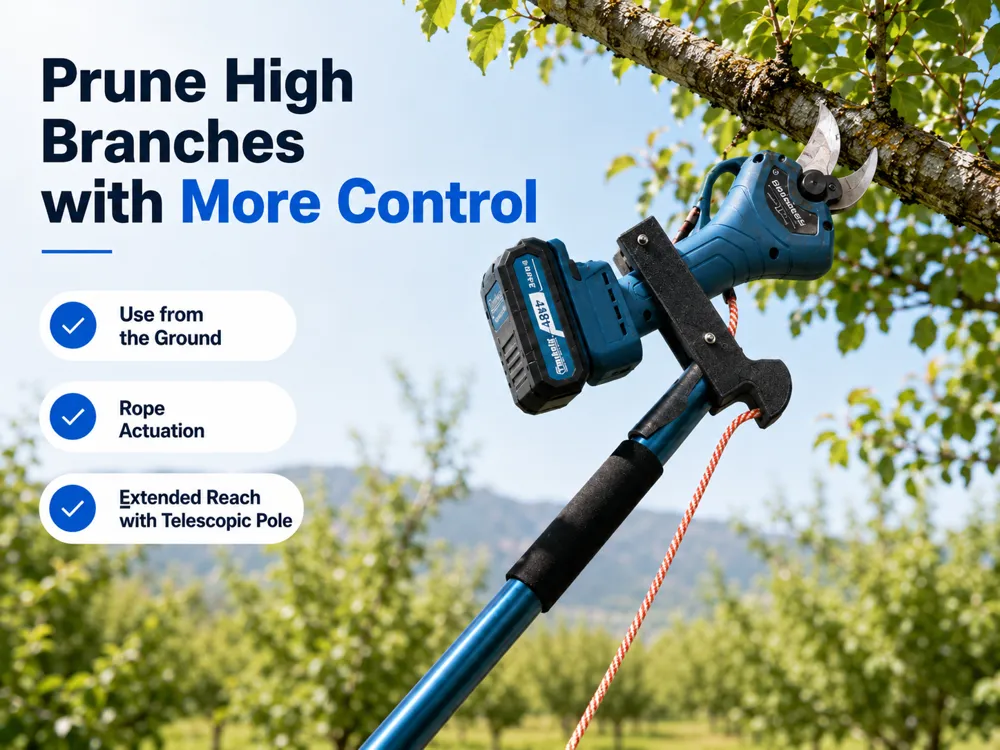
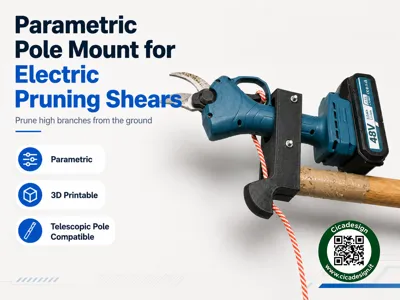
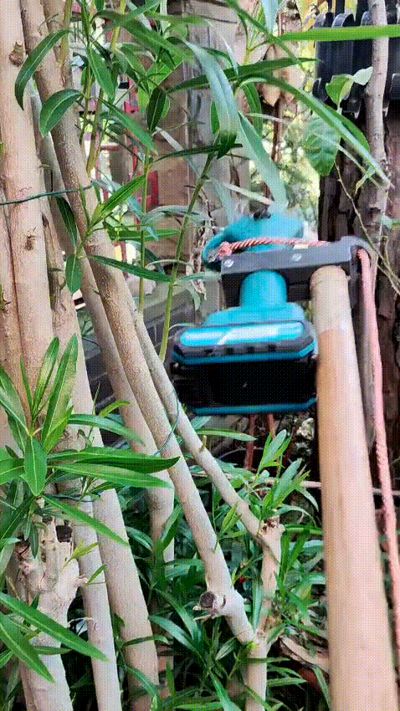
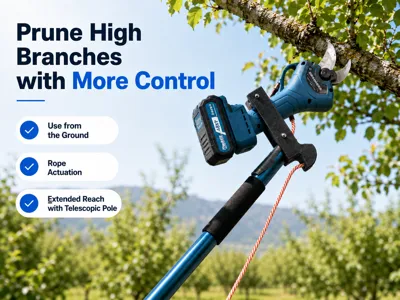
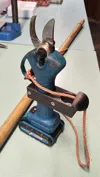
This model allows you to attach an electric pruning shear to a telescopic pole and operate it from the ground using a simple rope-actuation system.
Recommended materials: PA12-CF or ASA-CF.
PLA is not recommended for functional use.
Always test carefully before use and inspect the printed part before every pruning session.
Parametric Pole Mount for Electric Pruning Shears
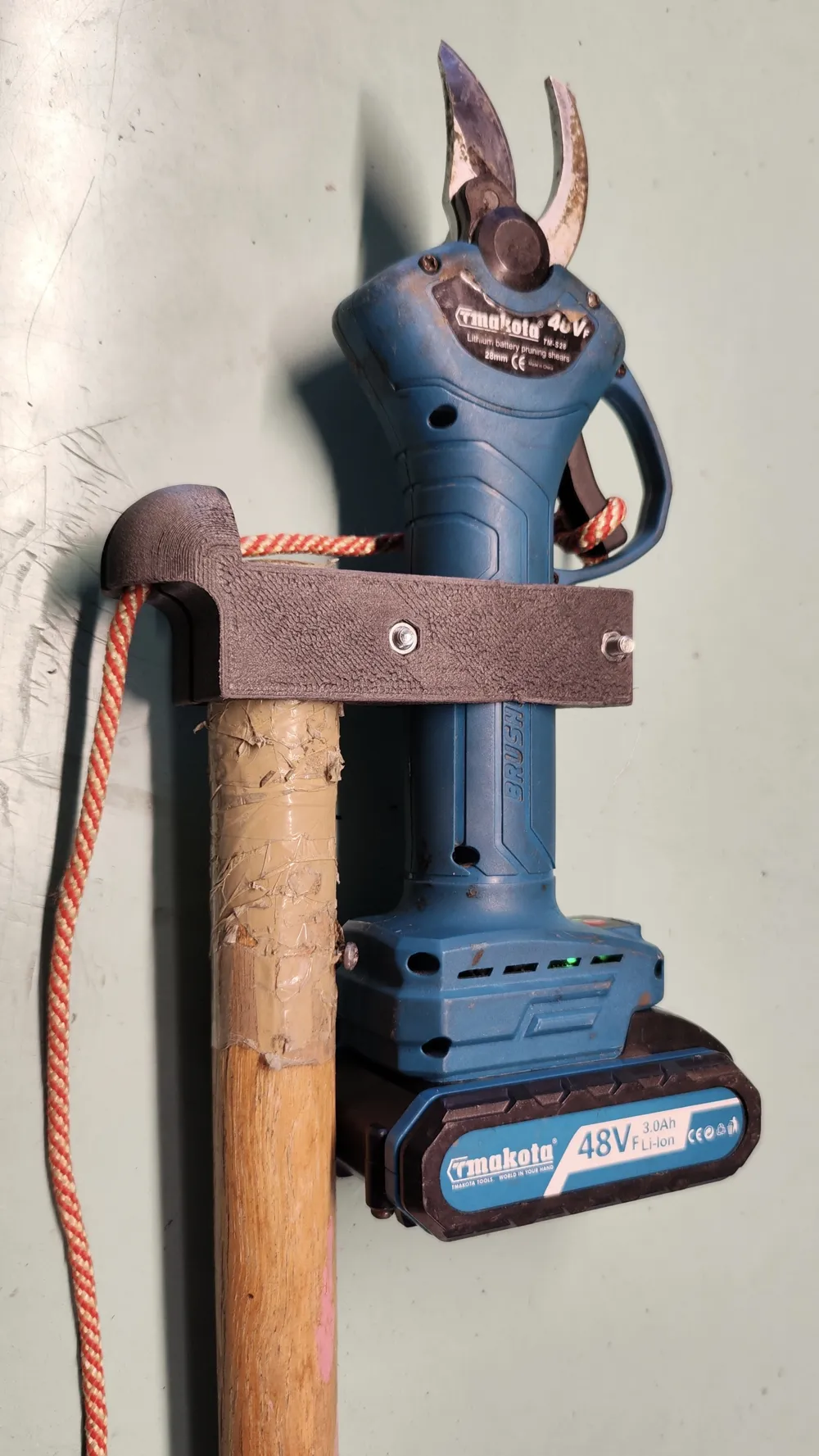
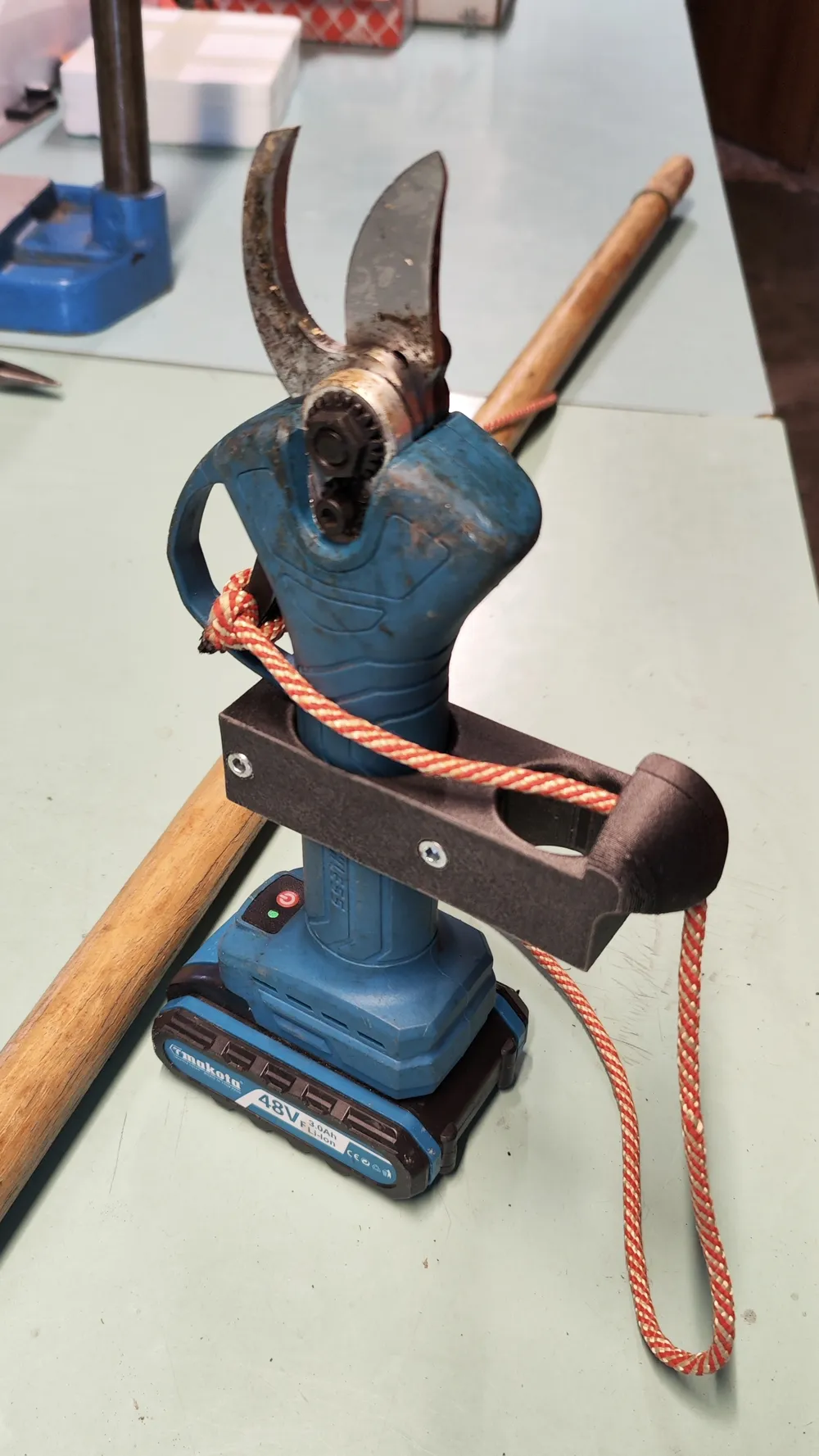
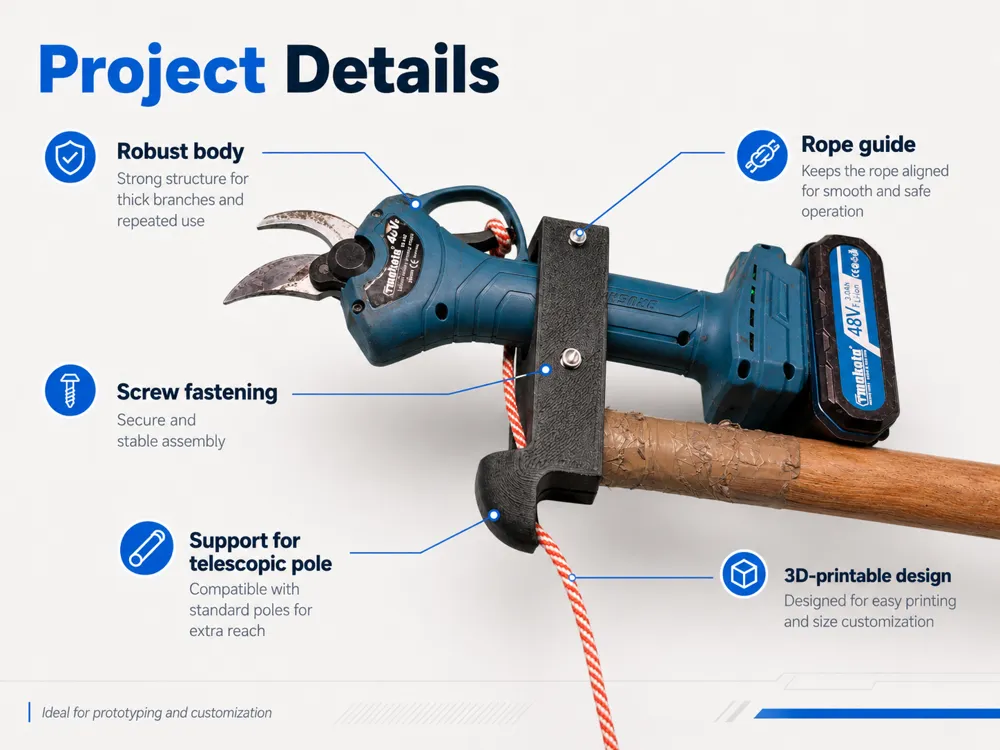

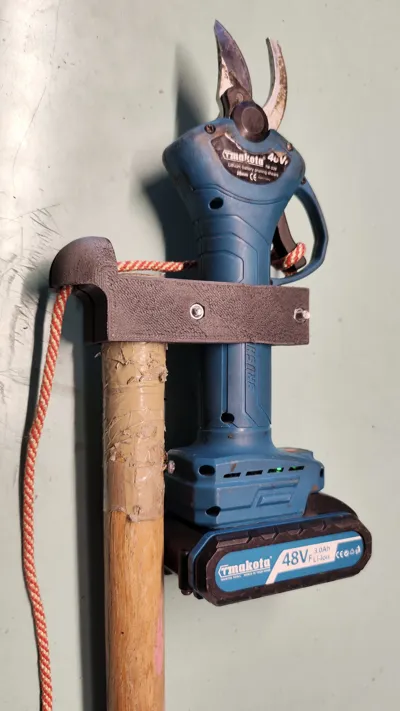
This is a 3D-printable support bracket designed to mount a cordless electric pruning shear onto a telescopic pole.
The goal is simple: turn a standard electric pruning shear into a pole-mounted pruning tool for reaching higher branches while staying on the ground.
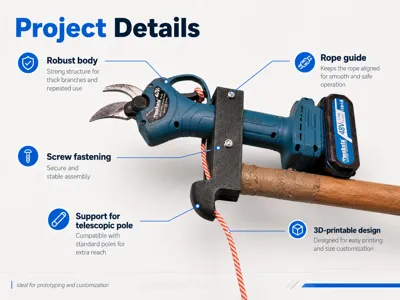
The bracket holds the pruning shear in position and provides a simple rope-actuation path, allowing the trigger/handle area to be operated remotely from below.
This is my first published model, designed as a practical and customizable tool for gardening, orchard work, DIY pruning setups, and general prototyping.
Key Features
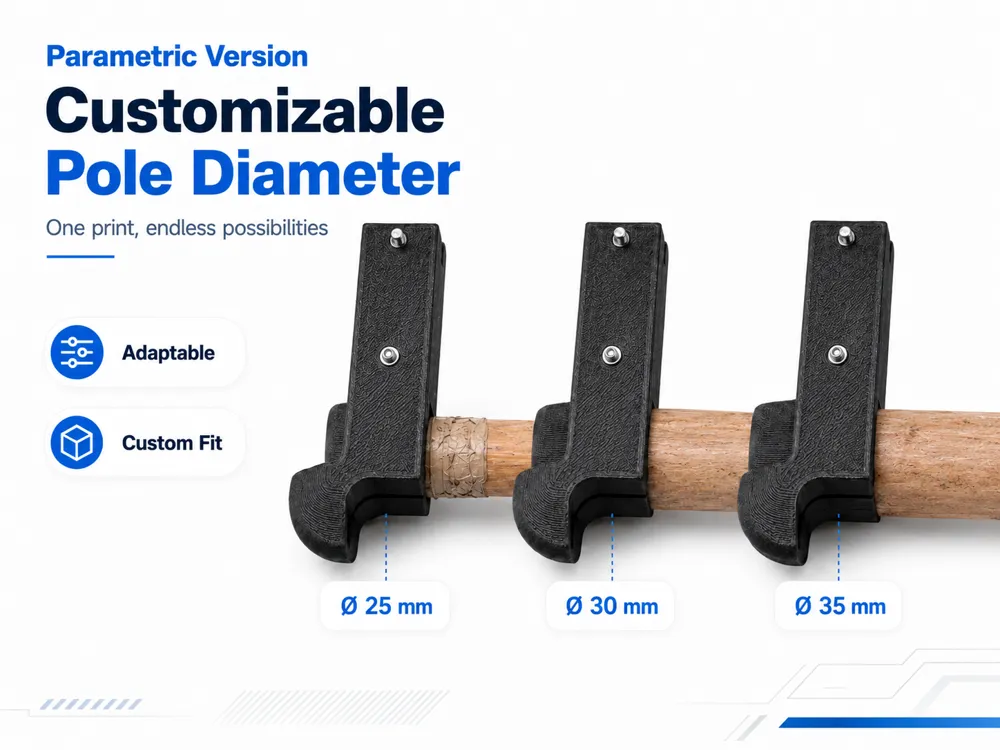
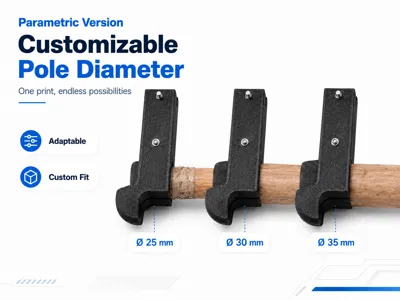
Parametric design
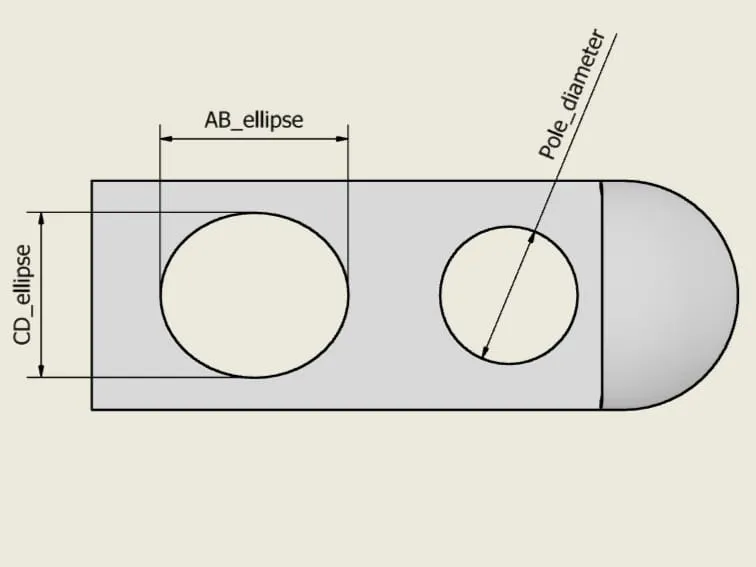
The model is designed to be adaptable to different pole diameters. Adjust the parameters to match your own telescopic pole or handle.
Rope-actuated operation
A simple rope can be routed through the bracket to activate the pruning shear from the ground.
Designed for strong materials
Recommended materials are PA12-CF or ASA-CF, especially for outdoor use and mechanical strength.
Compatible with telescopic poles
The bracket is intended for standard round poles, broom handles, telescopic handles, or similar tubular supports.
Simple assembly
The design uses screws/bolts to secure the mount and create a stable connection between the pruning shear and the pole.
Useful for pruning high branches
Ideal for reaching branches that would otherwise require a ladder, while keeping the operator on the ground.
Recommended Use
This mount is intended for:
- cordless electric pruning shears
- Makita-style or generic electric pruning shears
- telescopic poles
- garden pruning
- orchard maintenance
- prototype pole-pruner setups
- DIY tool adaptations
The design is especially useful when you already own an electric pruning shear and want to increase its reach without buying a dedicated pole-pruner.
Important Safety Notice
This is a DIY 3D-printed tool adapter. Use it responsibly.
Always test the mount at low height before using it overhead.
Make sure the pruning shear is firmly fixed to the bracket and that the bracket is firmly fixed to the pole.
Use only strong materials and proper hardware.
Do not stand under the cutting area.
Wear eye protection, gloves, and suitable protective equipment.
Keep hands, people, animals, and cables away from the blade.
Do not use near power lines.
Do not use if the printed part shows cracks, delamination, excessive flex, or damage.
The user is responsible for checking the strength and safety of the printed part before use.
This model is a functional DIY adapter, not a certified commercial safety device.
Print Settings – English
Recommended Materials
Best option: PA12-CF
Recommended for maximum strength, stiffness, heat resistance, and long-term durability.
Suggested settings:
| Setting | Recommendation |
|---|---|
| Material | PA12-CF / PA-CF |
| Nozzle | Hardened steel, 0.4–0.6 mm |
| Layer height | 0.20 mm |
| Walls | 5–6 perimeters |
| Top/Bottom layers | 6–8 |
| Infill | 50–80% |
| Infill type | Gyroid, cubic, or grid |
| Print orientation | Keep layer lines as strong as possible against bending loads |
| Supports | Only where needed |
| Bed adhesion | Brim recommended |
| Drying | Strongly recommended before printing |
For PA12-CF, dry the filament properly before printing. Wet nylon can cause weak layers, poor surface quality, bubbles, and reduced mechanical strength.
Good alternative: ASA-CF
ASA-CF is a good option if PA12-CF is not available. It offers good stiffness, outdoor resistance, and better UV/temperature resistance than PLA or PETG.
Suggested settings:
| Setting | Recommendation |
|---|---|
| Material | ASA-CF |
| Nozzle | Hardened steel, 0.4–0.6 mm |
| Layer height | 0.20 mm |
| Walls | 5–6 perimeters |
| Top/Bottom layers | 6–8 |
| Infill | 50–70% |
| Infill type | Gyroid, cubic, or grid |
| Chamber | Recommended |
| Brim | Recommended |
| Cooling | Low or off, depending on printer/material |
For ASA-CF, print in a closed chamber if possible to reduce warping and improve layer adhesion.
Materials Not Recommended
I do not recommend PLA for functional use, especially outdoors or under mechanical load.
PETG may work for light testing, but it is not the best choice for long-term mechanical use, especially if the tool is used overhead or exposed to heat and sunlight.
For real use, PA12-CF or ASA-CF is strongly preferred.
Strength Recommendations
For a functional print, I recommend:
- at least 5 walls
- at least 50% infill
- strong layer adhesion
- proper screw tightening
- no visible cracks or delamination
- test at low height before real use
- inspect before each use
For demanding use, print with PA12-CF, 6 walls, 70–80% infill.
Hardware
Suggested hardware depends on your version and pole diameter, but typically:
- 2x bolts or screws for clamping/fixing
- 2x nuts or threaded inserts
- washers if needed
- strong rope or cord for actuation
- telescopic pole or round handle
Use hardware suitable for your actual load and pole diameter.
Do not rely only on friction if the tool can rotate or slip. Add anti-slip tape, rubber pad, or mechanical locking if needed.
Parametric Notes
This model is intended to be customizable.
Possible parameters:
- pole diameter
- bracket width
- screw diameter
- screw spacing
- rope guide diameter
- clearance/tolerance
- wall thickness
Before printing the final part, print a small test section or low-height prototype to check fit with your pole and pruning shear.
Print profile note
I do not currently provide an official verified Bambu-specific print profile for every machine.
The model was originally designed and tested on a Qidi Plus 4 and also tested on Bambu Lab H2D.
Please slice the model according to your printer, material, nozzle and hardware setup.
Verified Bambu Lab print profiles from the community are very welcome.
If you successfully print and test this model on a Bambu printer, feel free to upload a verified profile to help other users.
PS: This is a DIY 3D-printed adapter, not a certified safety device. The user is responsible for printing, assembling, testing and using it safely.
The parametric version is intended to be edited from Fusion 360 / MakerWorld Customizer (PC version). Bambu Handy is mainly intended for direct printing from ready print profiles and may not provide full access to editable source geometry.
License

You may create derivative works based on this object, provided that all such derivative works are published exclusively on the MakerWorld platform and include proper attribution to the original creator. You may not share, upload, host, distribute, or publish this object—or any derivative work of this object—on any other digital platform, marketplace, or distribution channel. Commercial use of this object and any derivative works is strictly prohibited. This includes, but is not limited to, selling, renting, sublicensing, or using the object in any context in which you receive monetary compensation or other financial benefits.


Comment & Rating (0)