
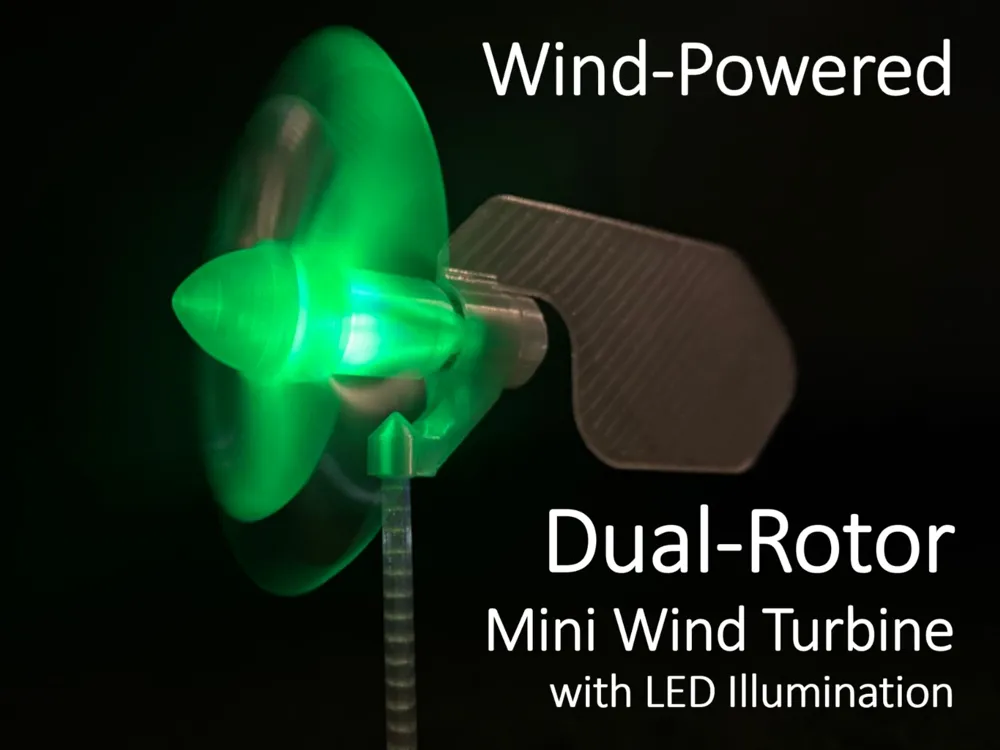
Dual-Rotor Mini Wind Turbine with LED Illumination
Print Profile(2)
Bill of Materials


- 3mm LEDs x 2: https://amzn.eu/d/00UoJtZK
- 47µF 16V Capacitor x 1: https://amzn.eu/d/0fiJ46uP
- 0.9V–5V to 5V Step-Up Converter Module x 1: https://amzn.eu/d/04laRKNS
Description
Boost Me (for free)
Leave a like if you find this concept interesting and would like to see it developed further! 😀
Dual-Rotor Mini Wind Turbine with LED Illumination
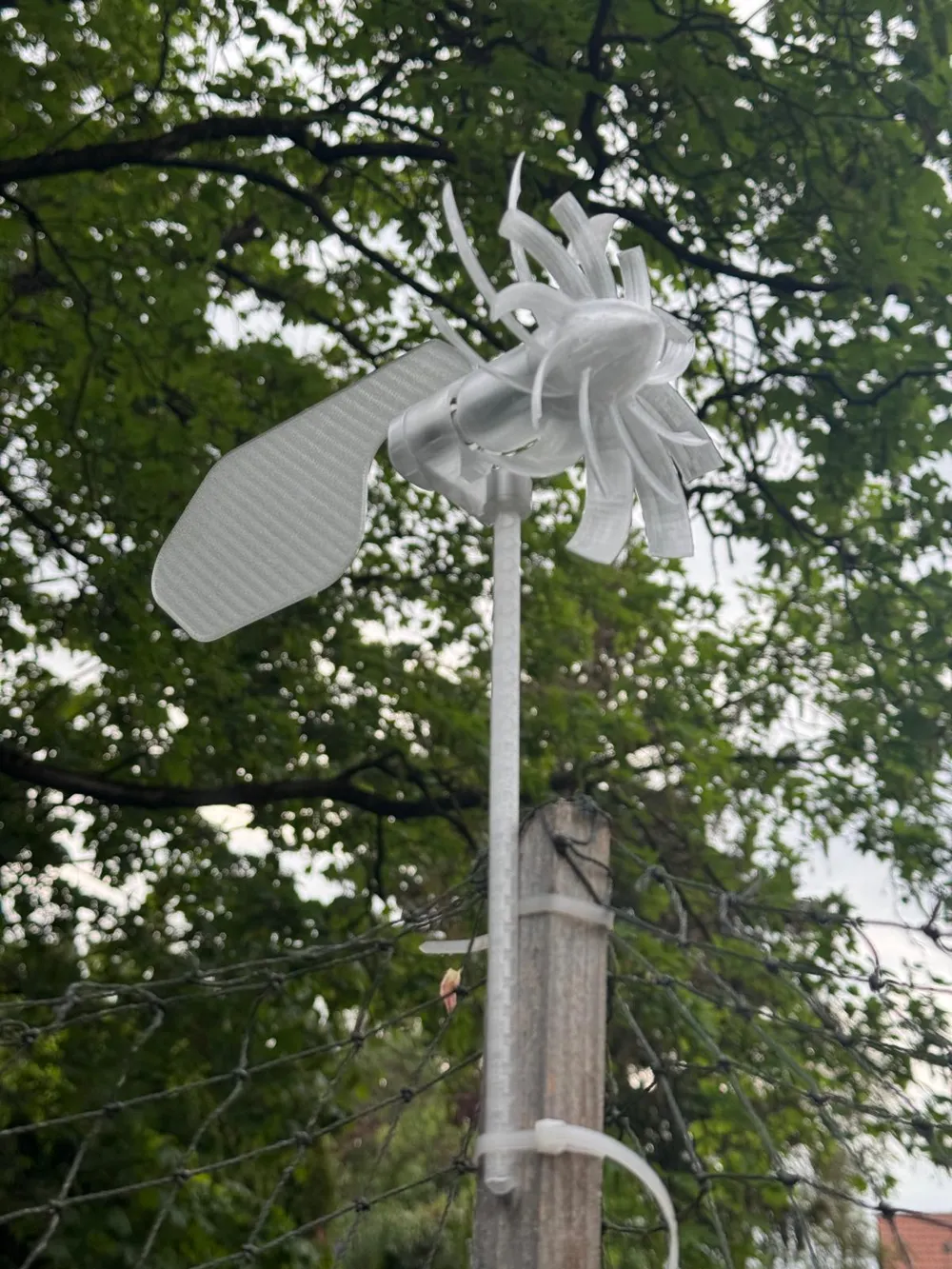
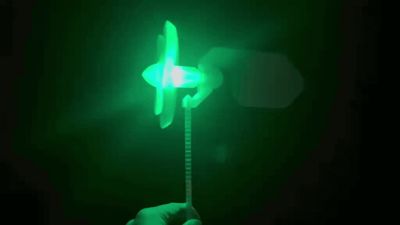
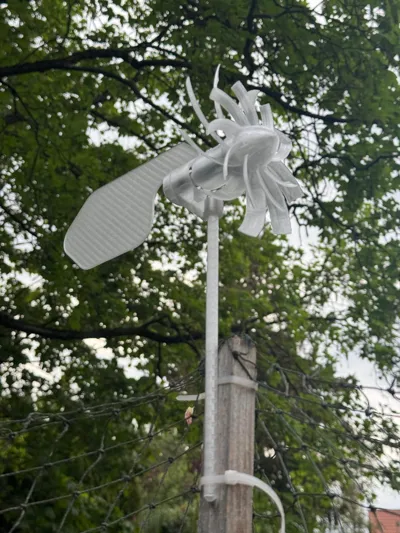
This is the next iteration of my mini wind turbine, incorporating a dual-rotor system.
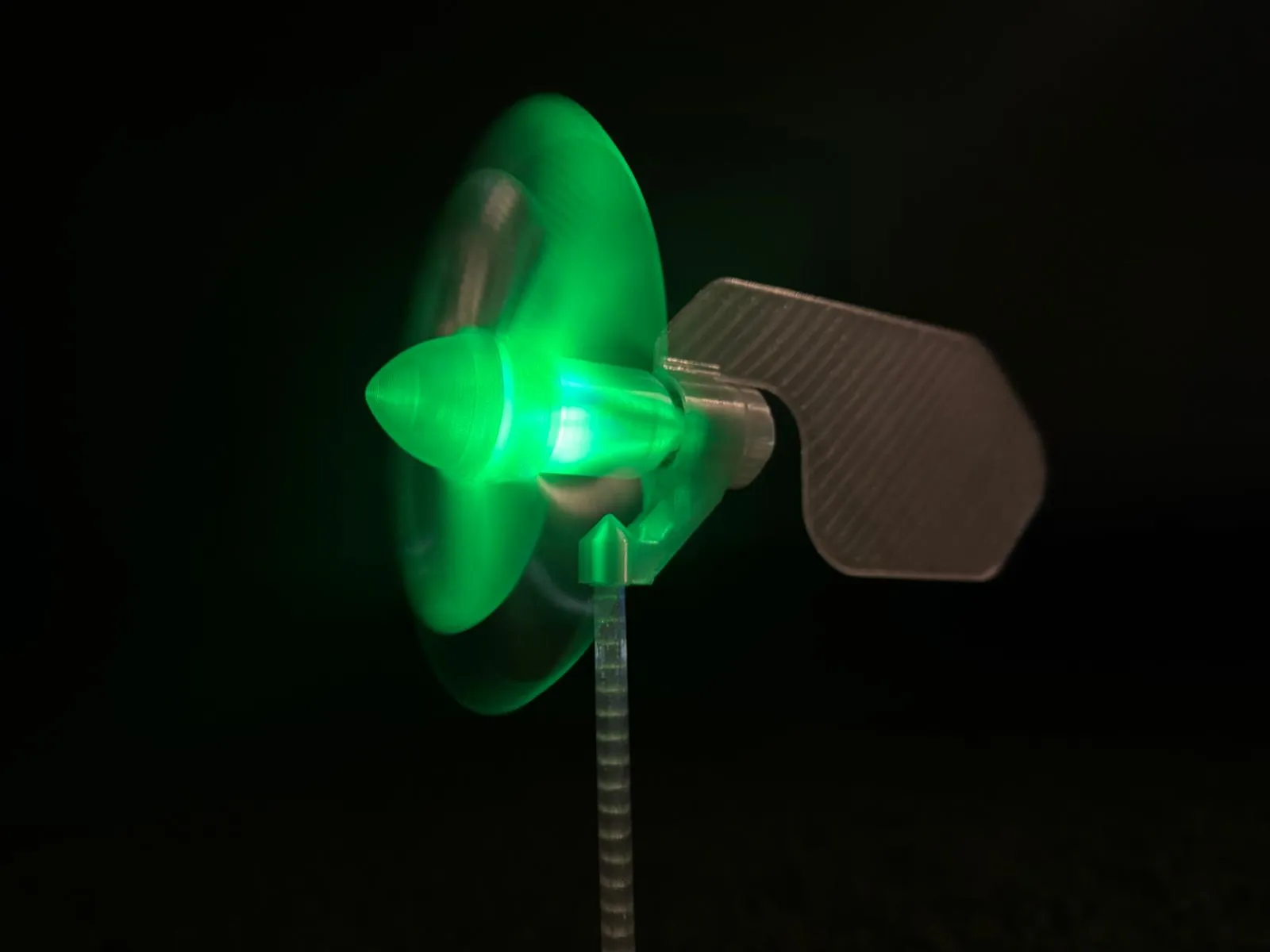

The turbine still operates under low wind conditions; the relative rotational speed of the motor is increased thanks to the two rotors rotating in opposite directions, allowing the LEDs to shine brighter.
Note before you start: Make sure to read the complete assembly guide before printing or buying any components.
To make it work, the following components are needed:
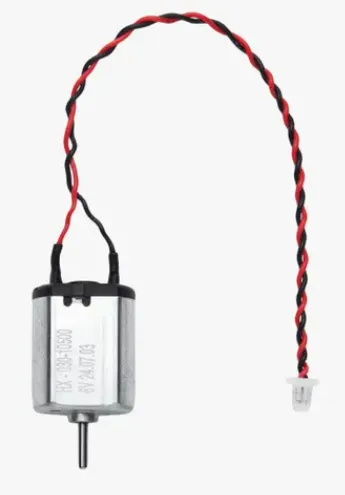
030 DC Motor – LA024 from Makers Supply. If needed, please use the Bill of Materials below to purchase it and support this project.
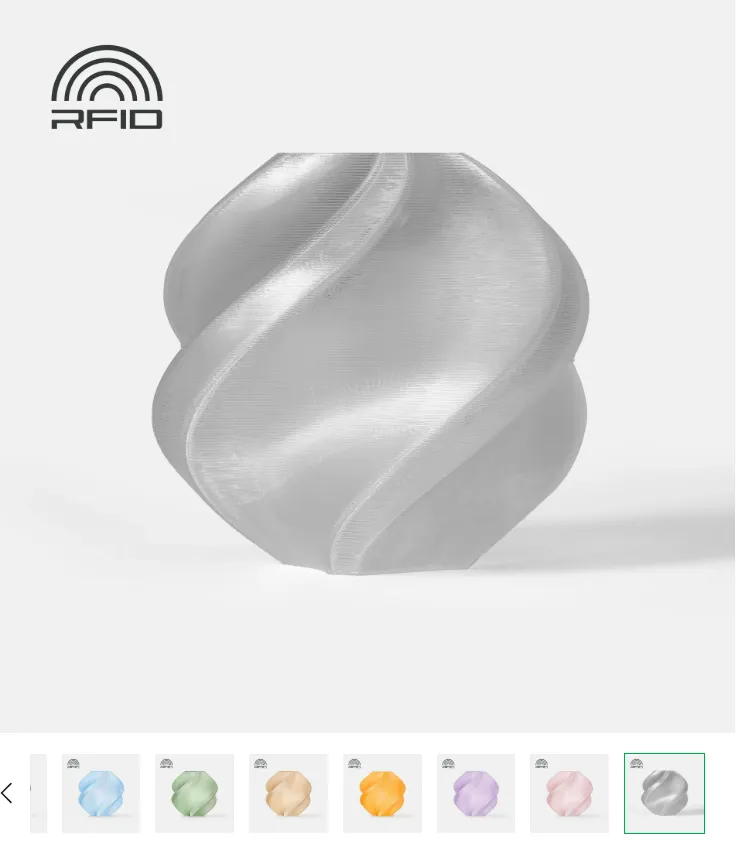
PETG translucent filament – at least the body must be transparent so the LED light is visible. Multiple colors can be combined. If needed, please use the Bill of Materials below to purchase it and support this project.
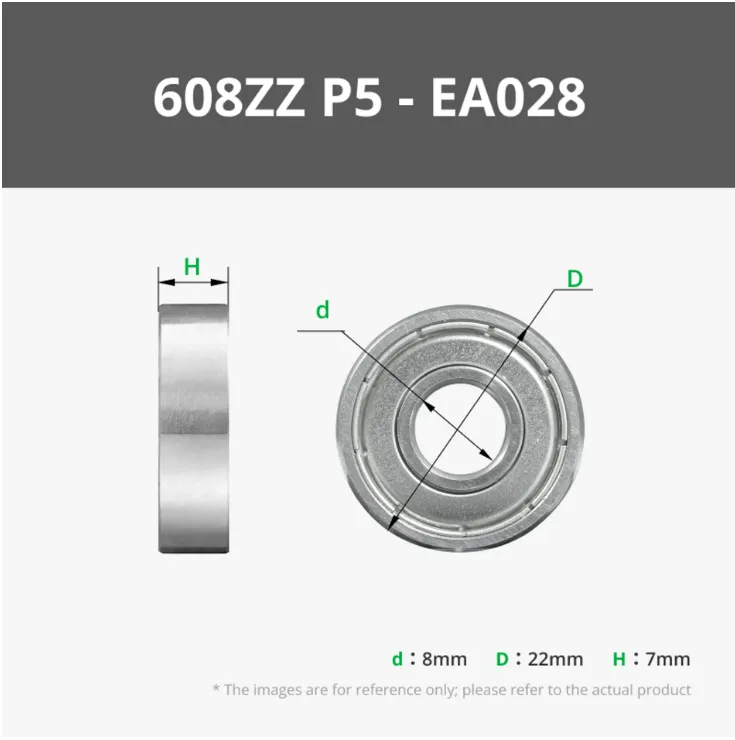
High-Performance Bearings – Support the turbine body and allow rotation in the opposite direction to the motor rotor. If needed, please use the Bill of Materials below to purchase it and support this project.
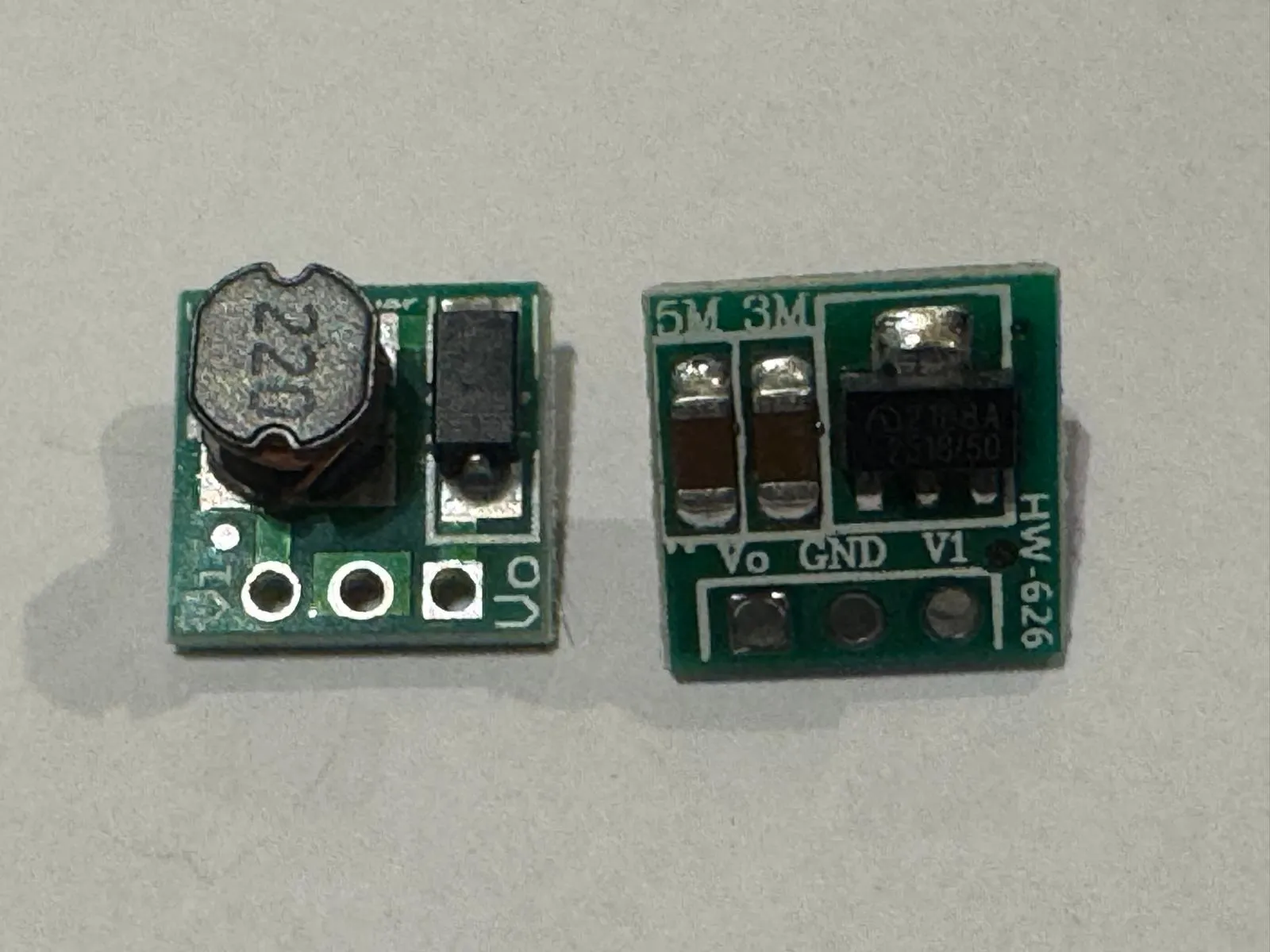
0.9V–5V to 5V Step-Up Converter Module – This component ensures that the motor doesn’t need to reach high RPMs for the LEDs to start lighting up.
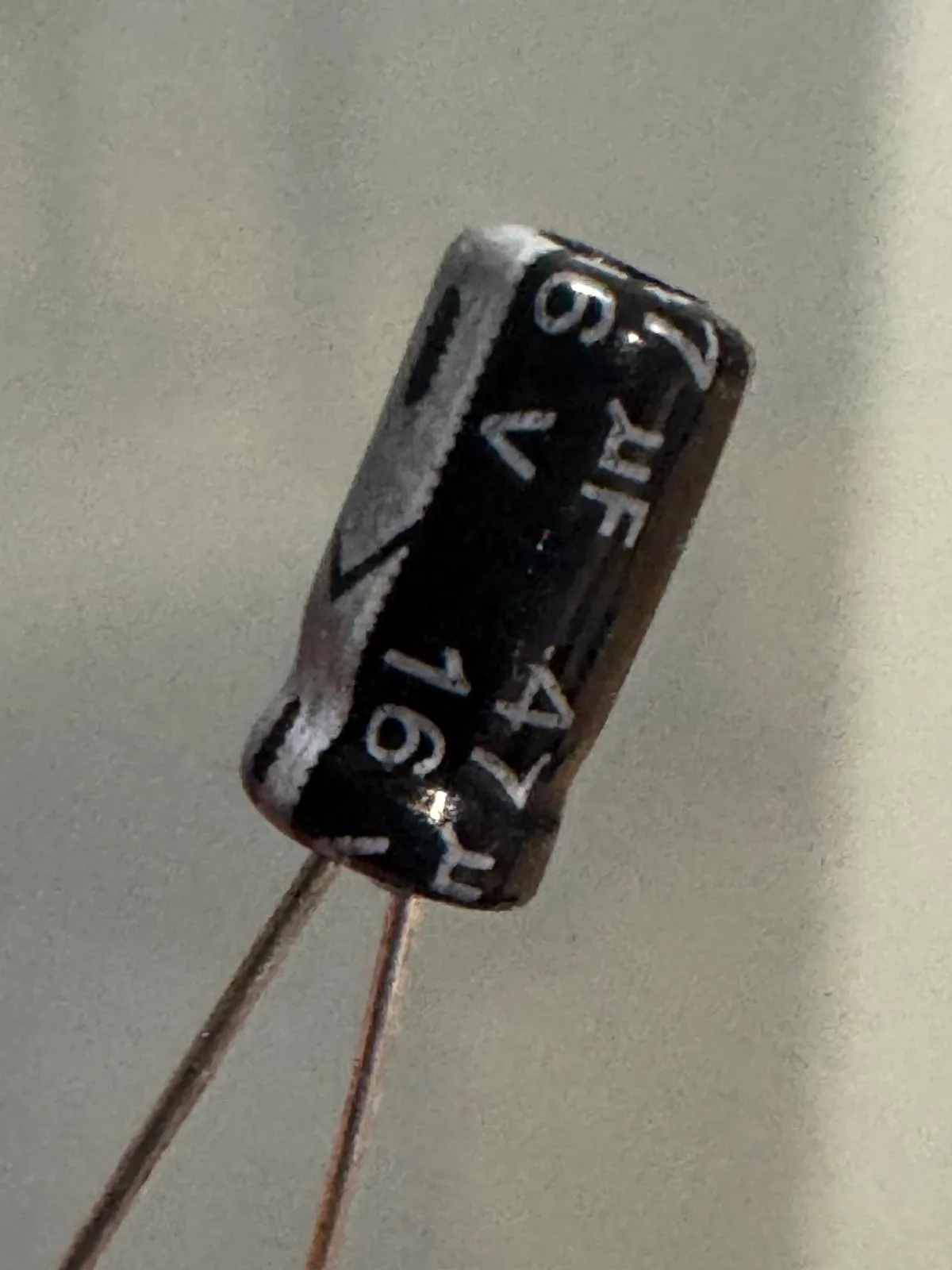
47µF 16V Capacitor – It helps stabilize the LEDs by storing a small amount of energy and will later help when soldering the electrical components together.
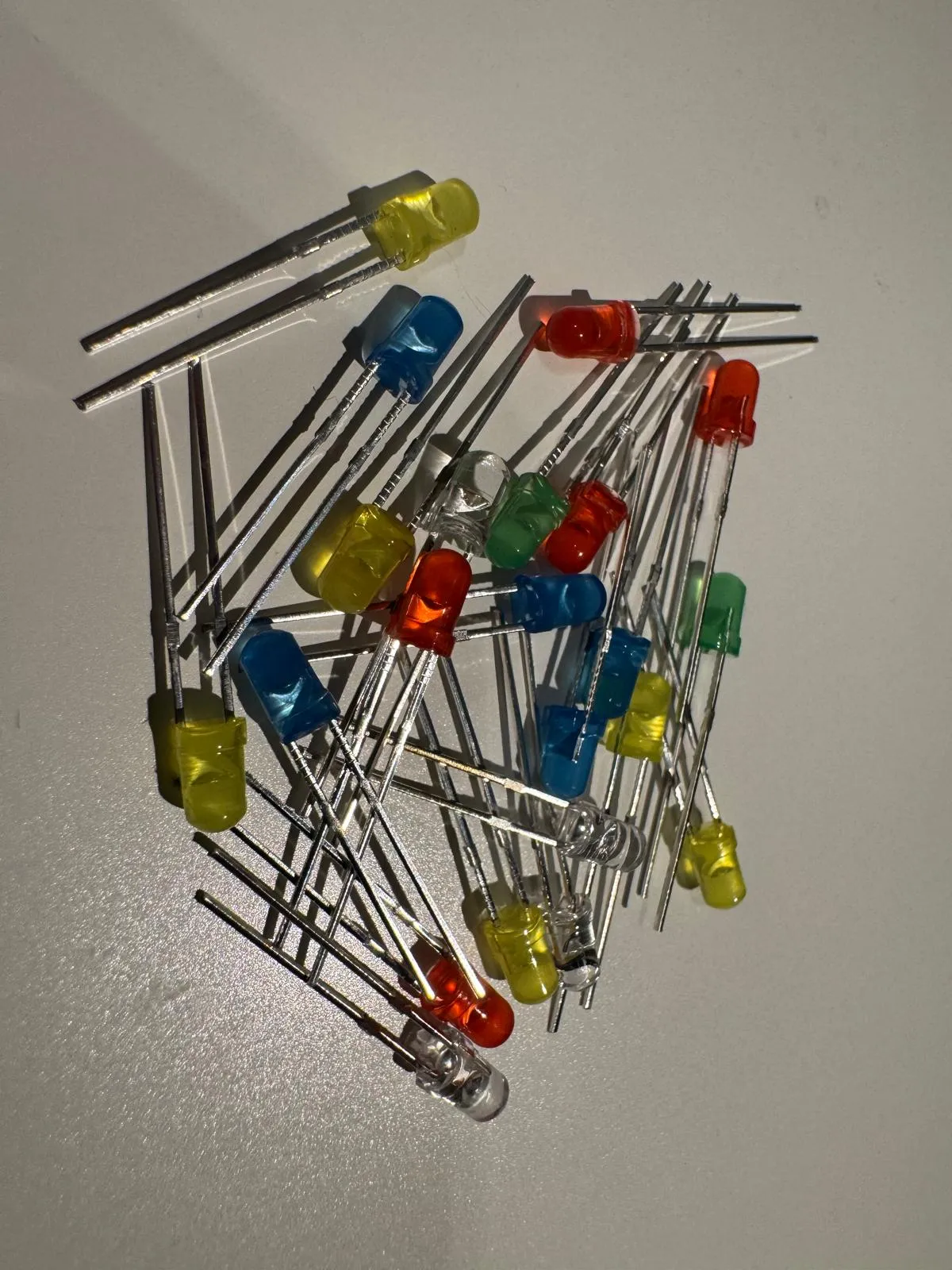
3mm LEDs – various colors can be used, but only the same color should be used within one turbine.
Red starts lighting up the fastest, while green shines noticeably brighter.
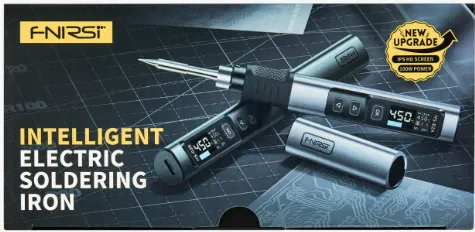
Soldering iron and Solder – It requires some soldering skill to assemble the small parts. If you don’t have any yet, it’s a great opportunity to get started :D
Print Instruction
- Printtime is about 2,5 hours, about 65 g translucent PETG needed
- The Body should be printed with 0,2 mm layer height and 4 walls
- The Base should be printed with 0,2 mm layer height, 4 walls and 30% infill
- The CCW Rotor should be printed with 0,12 mm layer height and 103% X-Y-scale
- The CW Rotor should be printed with 0,12 mm layer height too
- Make sure, the buildplate is realy clean before printing the both rotors
- The BackCover should be printed with 98% X-Y-scale
- The Nut should be printed with 104% X-Y-scale
- Other parts should be printed with standart 0,2 mm settings
- Support is not needed
- Set the seam to the back side.
Notes and TODOs
- Wind is required for the LEDs to light up.
- In direct sunlight, the LED light may not be visible.
- There may be more efficient rotor designs—I’ll continue exploring this. For now the rotors works fine and are good printable
- If the motor provides too much power (HAHA), a resistor can be added to protect the LEDs.
- I may improve the settings for transparent PETG in the future.
- …
Documentation (1)
License

You shall not share, sub-license, sell, rent, host, transfer, or distribute in any way the digital or 3D printed versions of this object, nor any other derivative work of this object in its digital or physical format (including - but not limited to - remixes of this object, and hosting on other digital platforms). The objects may not be used without permission in any way whatsoever in which you charge money, or collect fees.


Comment & Rating (24)