
Print Profile(2)
Description
The first plants are in the ground… and immediately the first slugs are already there - there's nothing worse.
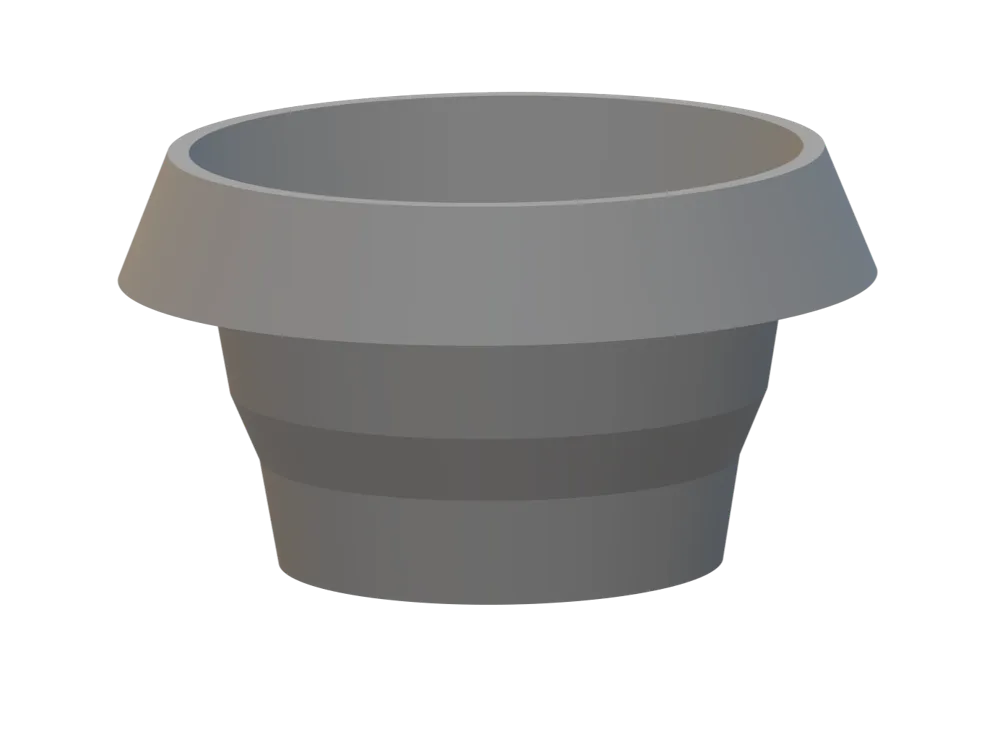
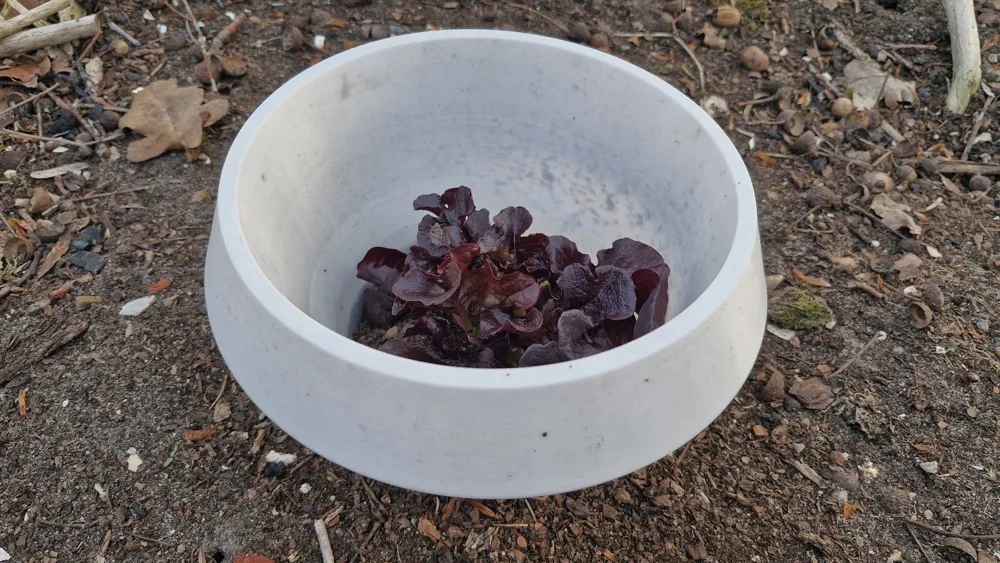
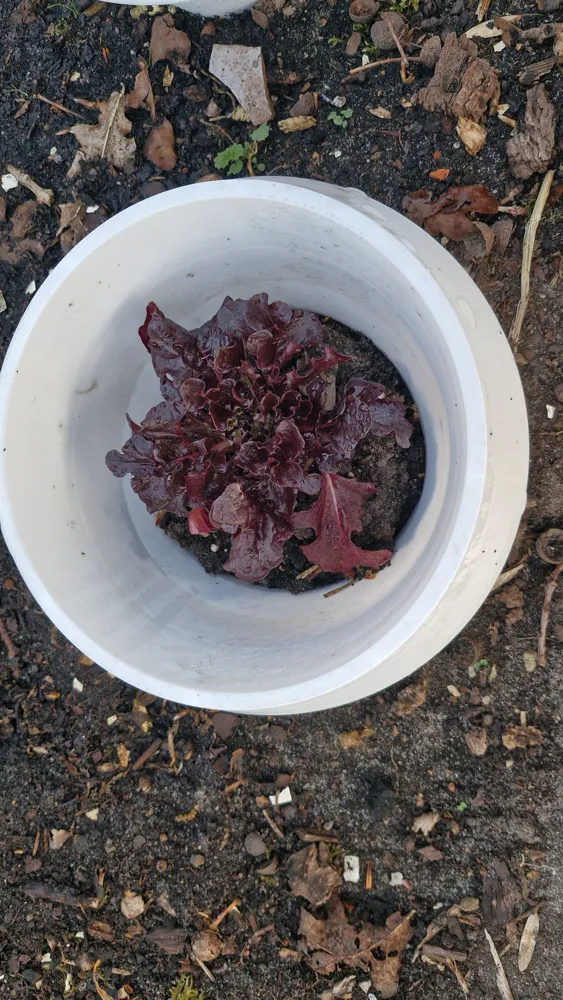
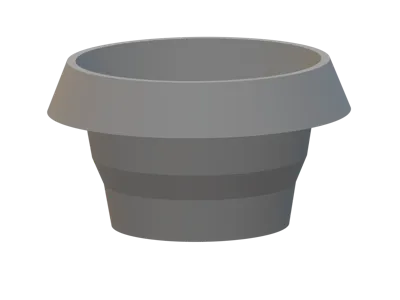
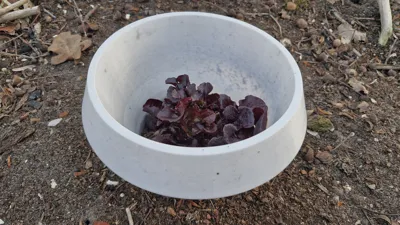
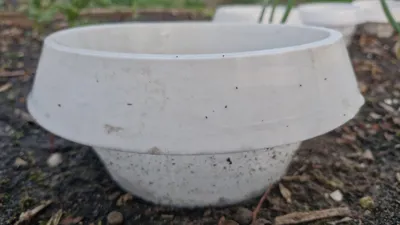
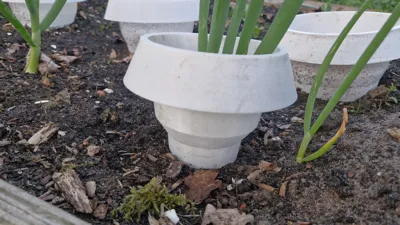
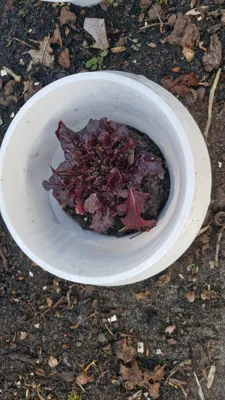
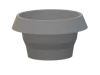
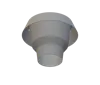
Since we are not fans of chemical agents, physics must come into play. Years ago, we bought plastic slug collars that served their purpose very well. But: we needed more. Based on this product, the following two slug collars were created:
- A large model, ideal for salads, cabbage, … and other larger plants
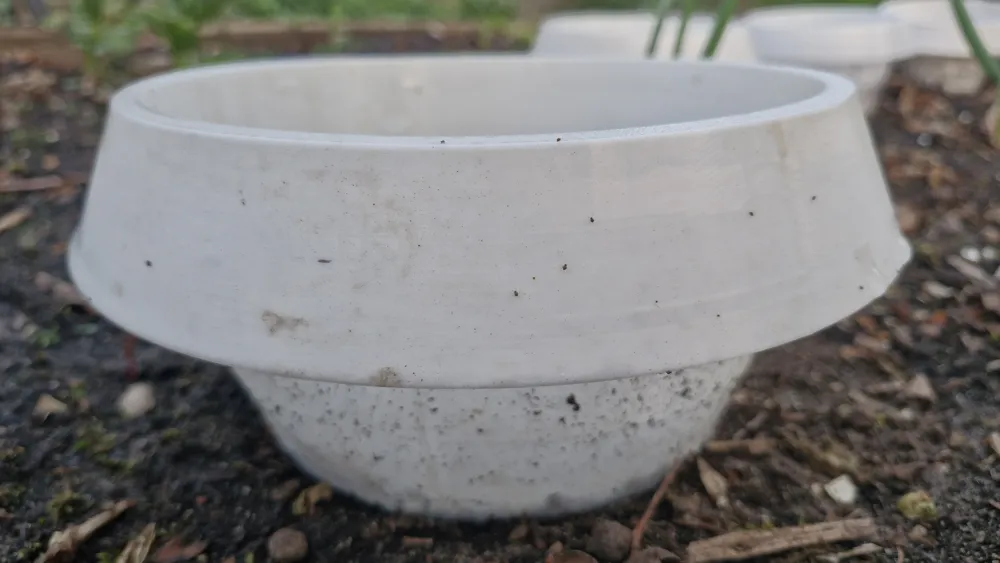
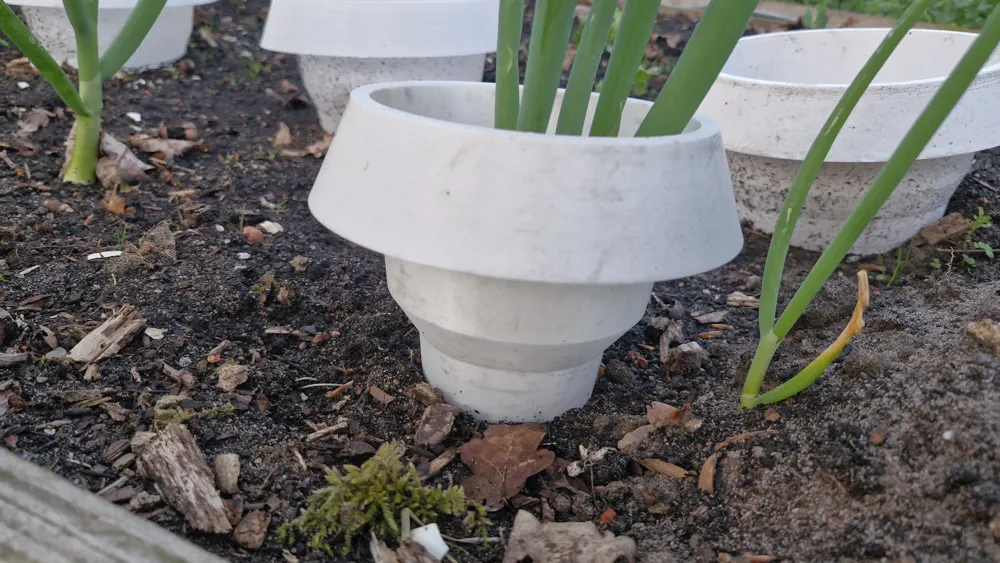
- A small model with about half the diameter, ideal for smaller plants, seedlings, bulb plants, etc.
The principle of operation is always the same: The collar is placed around the plant in the soil. Should a greedy slug come, it crawls up the collar, but then reaches the inside of the collar. When trying to overcome it, gravity acts, and due to the small rim, the slug cannot hold on and falls back down to the outside. Important: The slug collar must be placed about 1-2 cm deep in the soil & there must be no "bridge" (through branches, twigs, leaves, etc.) that would allow a slug to crawl from the outside to the inside.
I chose PETG as the material because of its UV resistance. Oh yes: the models date from 2025. I wanted to ensure their function and effectiveness before I put the model online here.
Have fun gardening and greetings from Northern Germany
Boost Me (for free)
Well, if you like it, boost me. I'll be grateful to you for the rest of my life. 🙏
License



Comment & Rating (1)