
Door Wedge – 150 mm PETG No Supports - Fast Print
Print Profile(1)
Description
Door Wedge – 150 mm, PETG, No Supports – Fast and Sturdy Print (Scalable!)
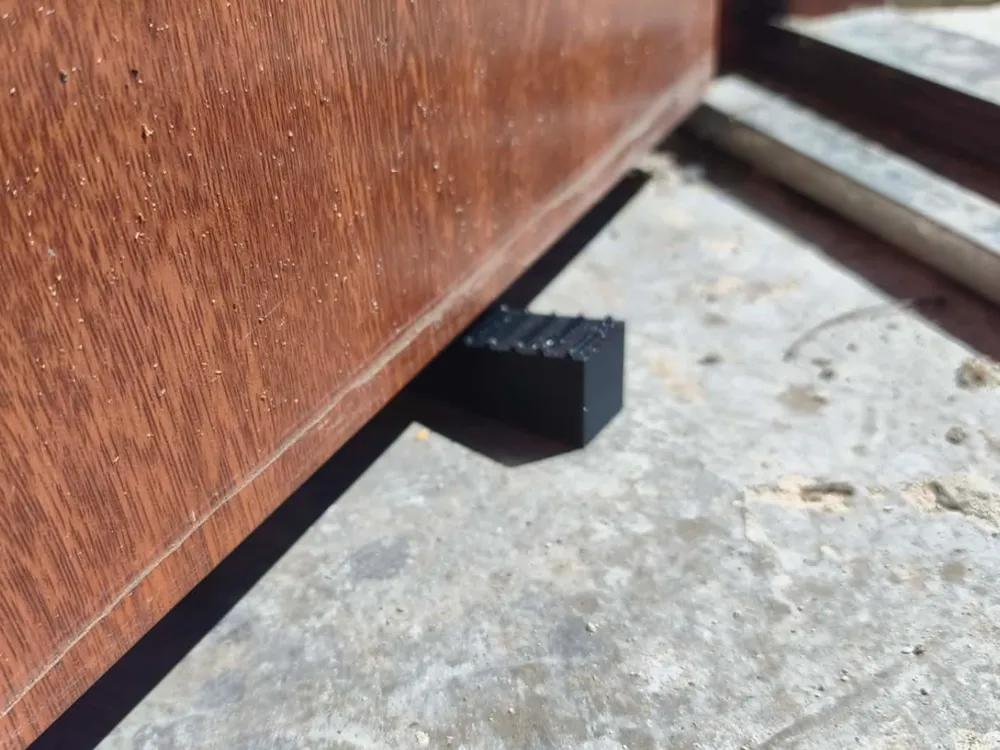
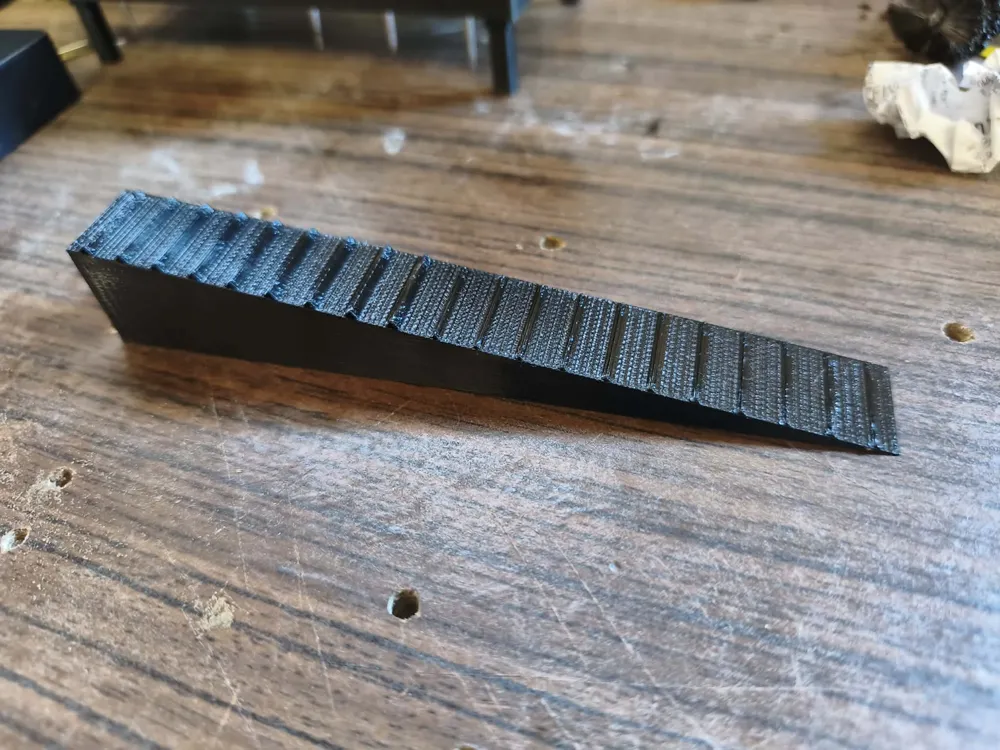
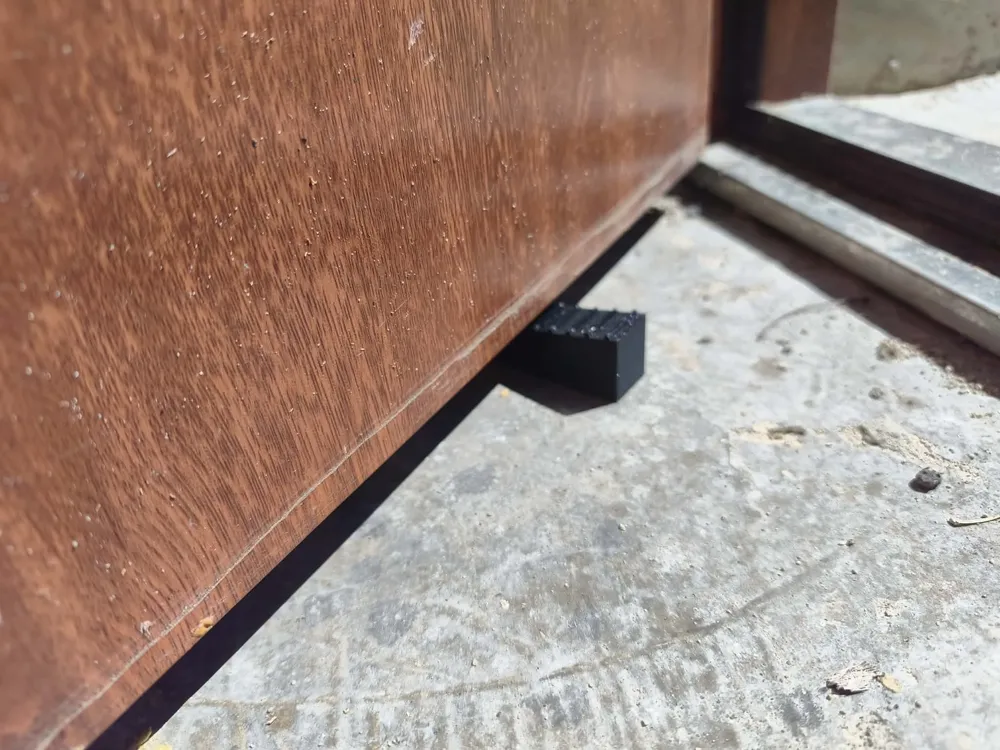
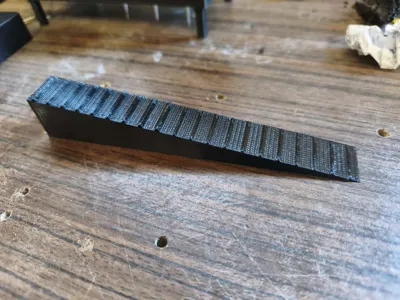
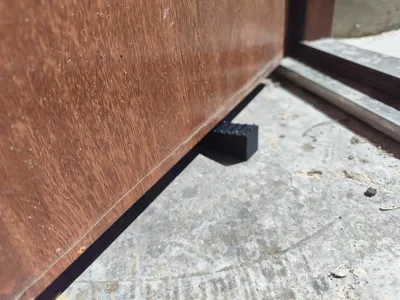
Here's a simple yet sturdy door wedge with a base length of 150 mm. It's a classic, proven shape that effectively holds doors open – perfect for home, office, garage, or workshop. The wedge is designed for PETG printing (though PLA will also work), requires no supports, and doesn't need AMS.
✨ SCALABLE ✨
You can freely scale this model in your slicer – make it taller, wider, or longer to fit your specific needs. Have very high doors? Need an extra‑long wedge for a heavy door? Or a narrow one for a tiny gap? Just increase or decrease the scale in the X/Y/Z axes – the model will keep its proportions (or not, if you only change one axis). Full freedom!
Why 150 mm?
- Long enough to work even under heavier doors.
- Not too big – easy to hide behind a door or put in your pocket.
- Works great for entry doors, interior doors, balcony doors, and sliding doors.
- Need a different size? Just scale it in your slicer!
Why PETG?
- PETG is more flexible and durable than PLA – the wedge won't crack if you accidentally kick it.
- Handles loads better and won't deform under the weight of the door.
- More resistant to wear and impact.
Model features:
- Base length: 150 mm (fully scalable).
- Graduated wedge shape – classic, effective design.
- No supports needed – the geometry is designed to print without any supports.
- No AMS required – single color, simple and economical.
- Fast print – under 1–1.5 hours at standard settings.
- Optional textured surface – better grip on the floor.
How to scale (quick guide):
- Load the model into your slicer (Bambu Studio, Orca Slicer, Cura, PrusaSlicer).
- Select the model and use the scale tool.
- Change the dimensions in X, Y, Z as needed:
- Longer – increase Y (length of the wedge).
- Wider – increase X (width).
- Taller – increase Z (height / thickness).
- You can also scale uniformly (all axes at once).
- Send to print – done!
Scaling examples:
- Entry door with a high threshold → print taller (increase Z).
- Very heavy security door → print longer (increase Y) and wider (increase X).
- Small gap under a bathroom door → scale down (e.g., 70%).
- Workshop wedge for thick doors → increase all axes by 150%.
Print settings (PETG):
- Material: PETG (recommended) – PLA works, but PETG is better.
- Base model length: 150 mm (will change after scaling).
- Layer height: 0.2–0.28 mm (for speed).
- Infill: 15–20% (the wedge doesn't need high infill).
- Supports: NOT required.
- Bed adhesion: No brim needed – the flat bottom sticks well.
- Orientation: Place the wedge flat side down (slope facing up).
Use cases:
- Hold the door open while carrying groceries.
- Air out a room without doors slamming.
- Door lock in a workshop or garage.
- Handy gadget for DIY enthusiasts.
Why print this specific wedge?
- Simple, fast, no messing with supports.
- PETG gives strength and flexibility.
- You can scale it to fit any door!
- The base 150 mm size is universal – and if it doesn't fit, just scale it.
- Print a few in different sizes and keep one in every room.
License

You shall not share, sub-license, sell, rent, host, transfer, or distribute in any way the digital or 3D printed versions of this object, nor any other derivative work of this object in its digital or physical format (including - but not limited to - remixes of this object, and hosting on other digital platforms). The objects may not be used without permission in any way whatsoever in which you charge money, or collect fees.


Comment & Rating (0)