
Print Profile(1)
Bill of Materials
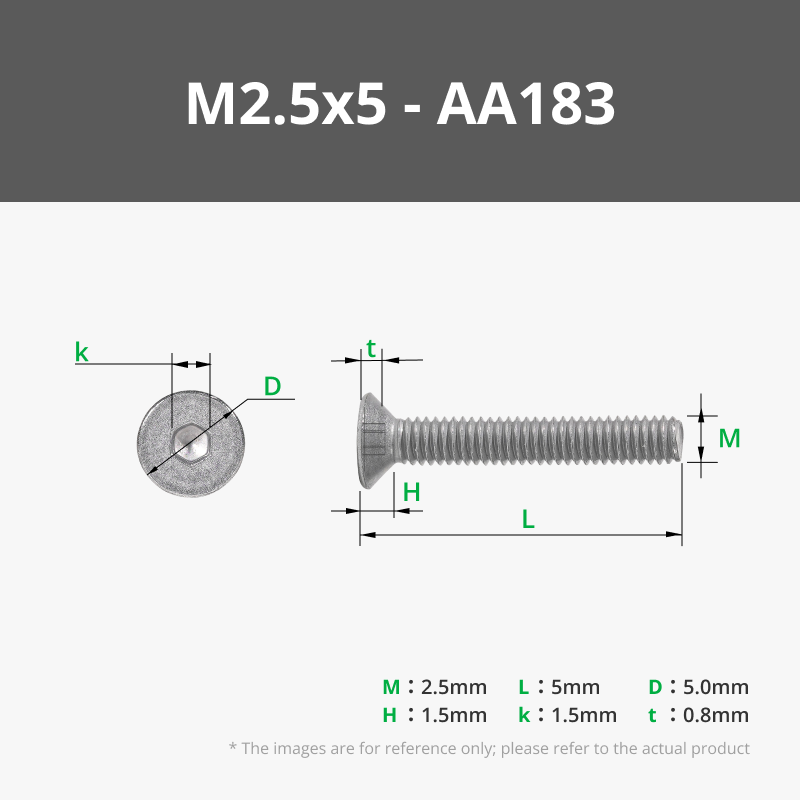
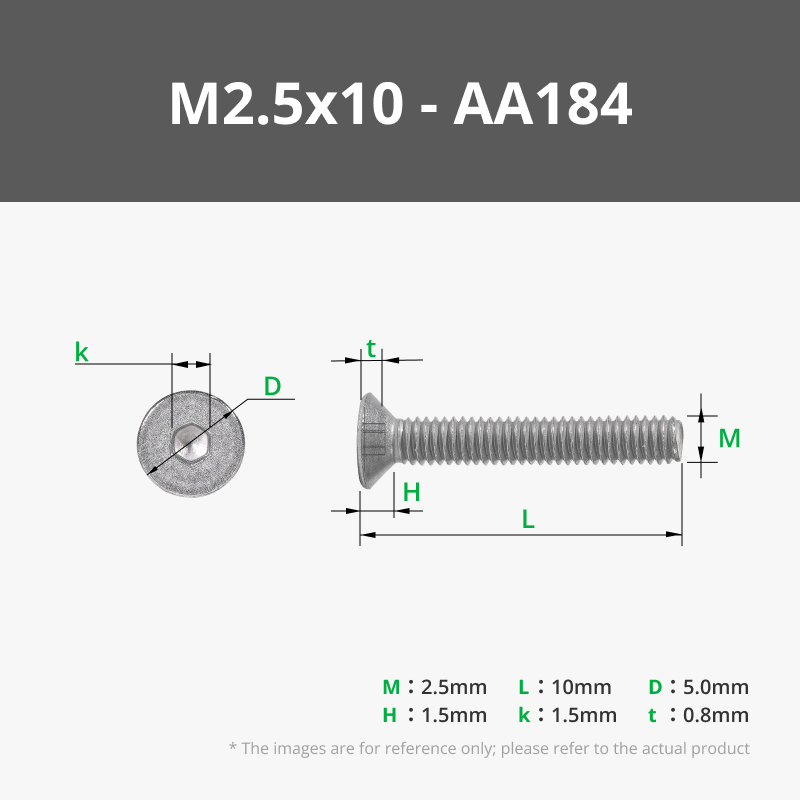


.jpg)


Description
Overview
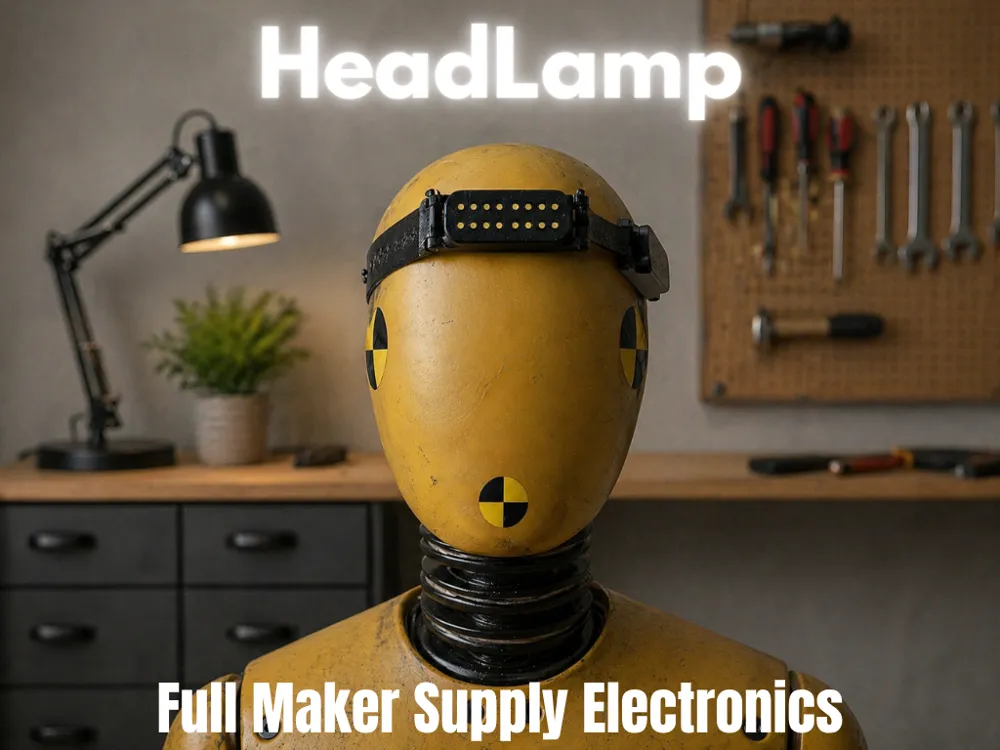
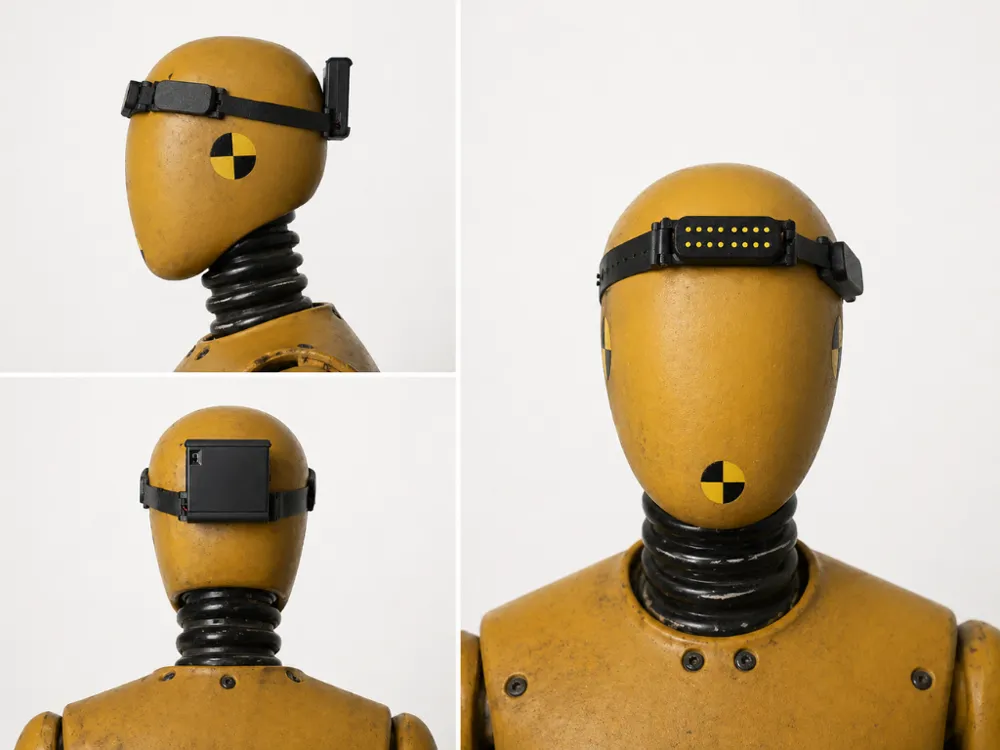
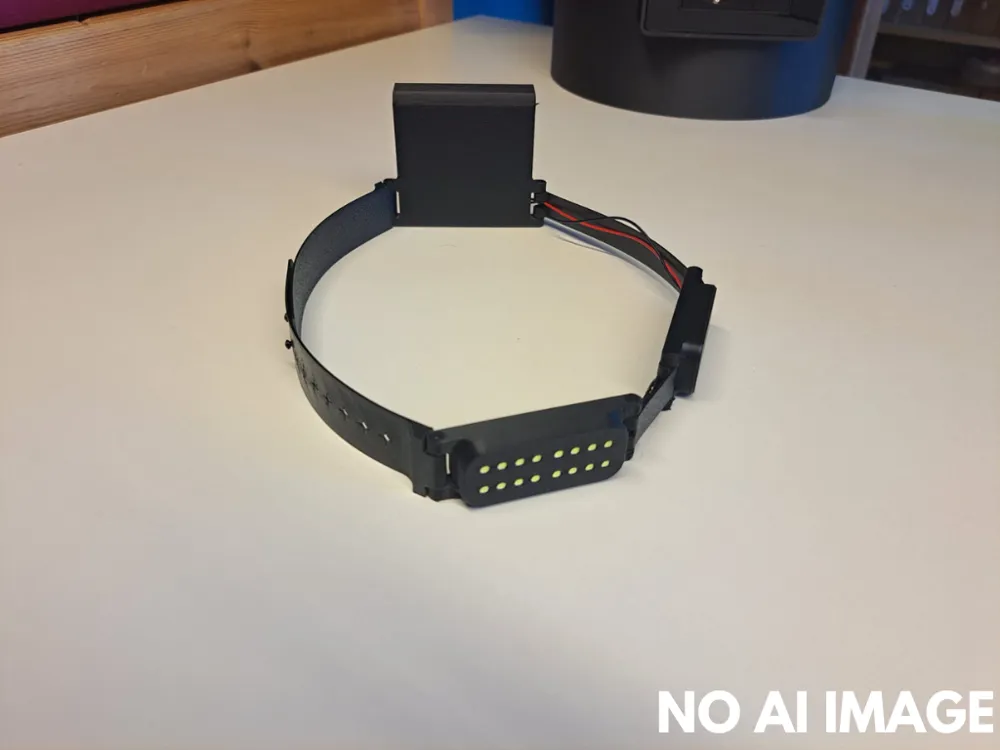
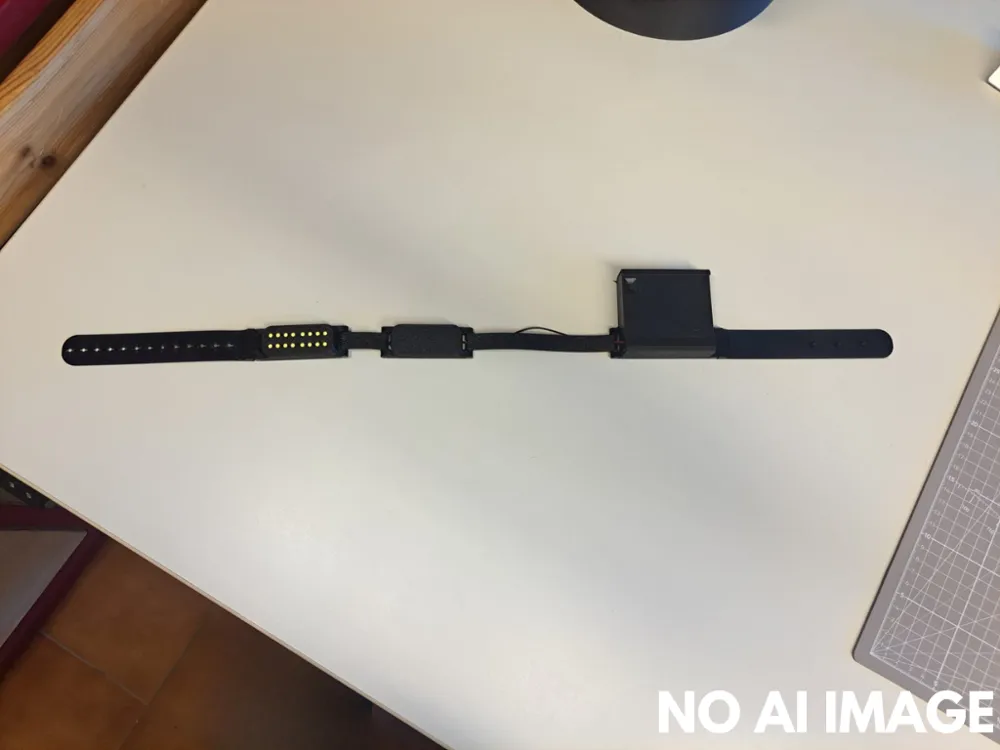
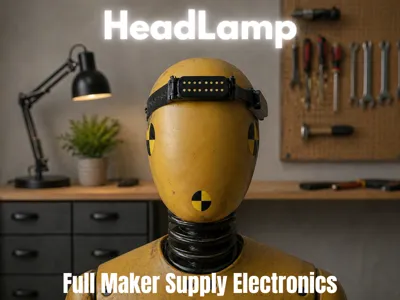
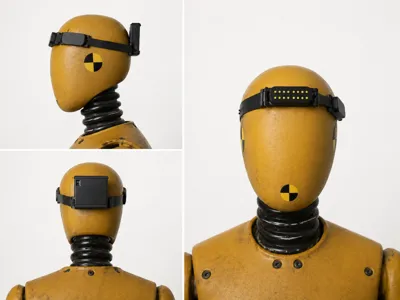
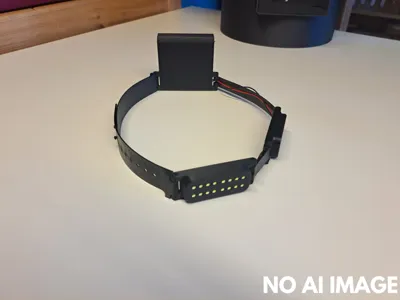
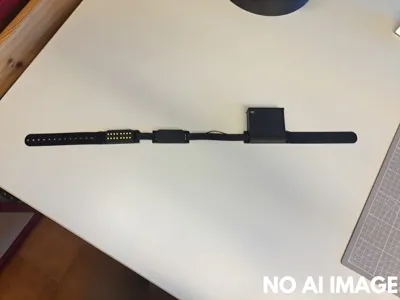
This project is a headlamp designed to allow hands-free work.
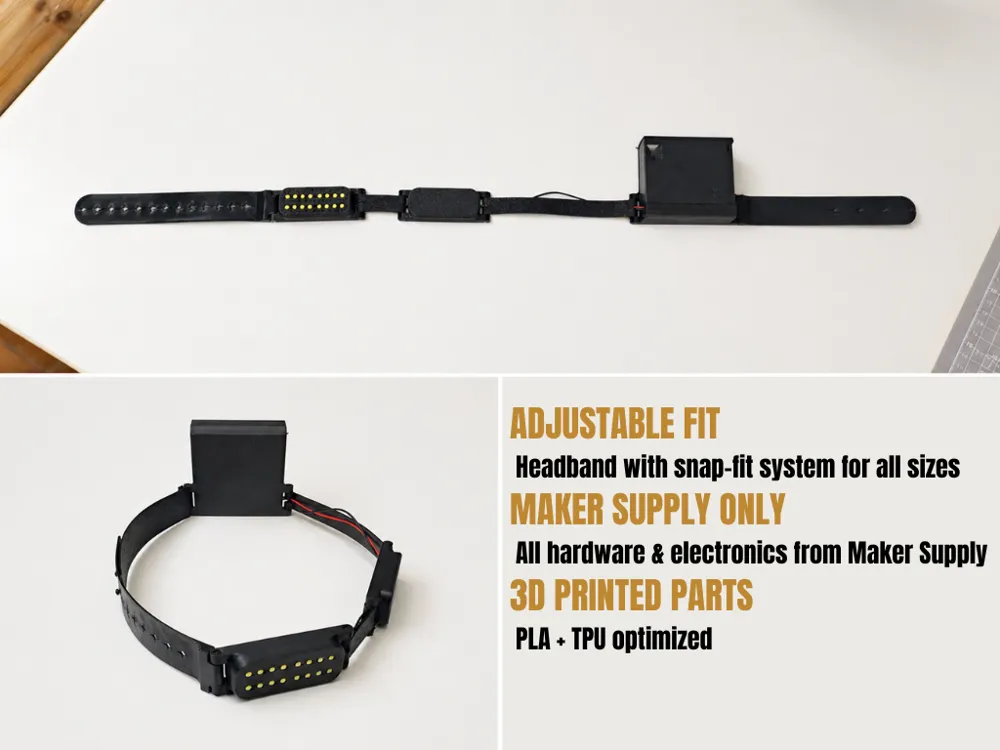
It has been specifically developed to use Maker Supply components, with the goal of simplifying material sourcing and standardizing the project as much as possible.
It is strongly recommended to carefully read all available resources before printing and assembling: this description, images, any notes in the print profiles, and the tutorial included in the documents. Many issues can be avoided by properly reviewing the provided material.
General Notes
As with any project, some precautions are required.
It is important that the printer is properly set up for flexible materials such as TPU. It is recommended to follow Bambu Lab’s official guidelines to achieve optimal results, as well as to always keep the build plate clean.
Regarding materials, it is important to use filaments with characteristics similar to those specified. TPU that is too rigid, such as some variants designed for AMS systems, may negatively affect the mechanism, making it harder and less functional.
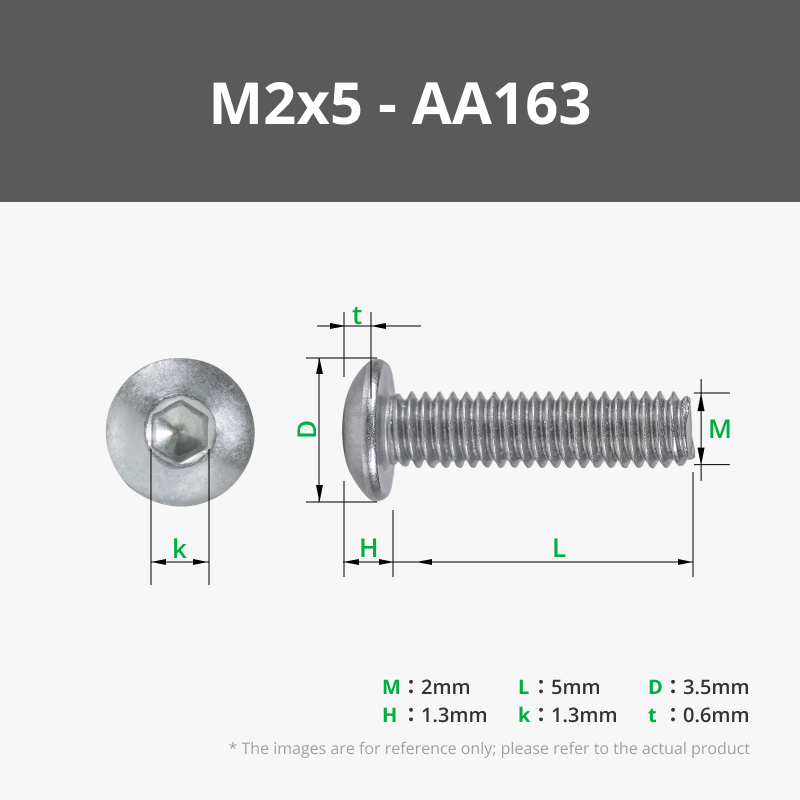
The same applies to screws: it is not mandatory to purchase them from Bambu Lab, but it is essential to match the exact specifications listed in the BOM. If a specific length or diameter is indicated, there is a reason for it.
Electronics, on the other hand, are exclusively Maker Supply.
Printing Materials
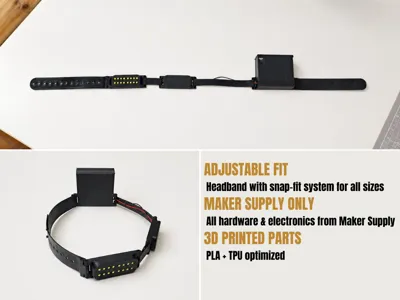
The parts that house the electronics are designed to be printed in PLA, which is more than sufficient for this application. Alternatively, stronger PLA variants (such as PLA Tough) or PETG can be used.
Flexible parts that connect the different modules must be printed in TPU. The project has been tested using Overture TPU 95A.
Maintaining the correct level of flexibility is critical. TPU that is too rigid may negatively affect the mechanism, making it harder to operate and less effective.
More experienced users may attempt to print flexible parts in PLA or PETG, taking advantage of reduced thickness to achieve some flexibility. However, this behavior is not guaranteed. TPU with a hardness around 95A remains the officially recommended material.
Adjustment System

The headlamp uses a mechanical snap-fit adjustment system, designed to fit different head sizes without the need for velcro or additional components.
At first use, the system may feel slightly stiff. It is recommended to adjust the size off-head, close the band to the desired position, and then wear it. This makes the process easier and more precise.
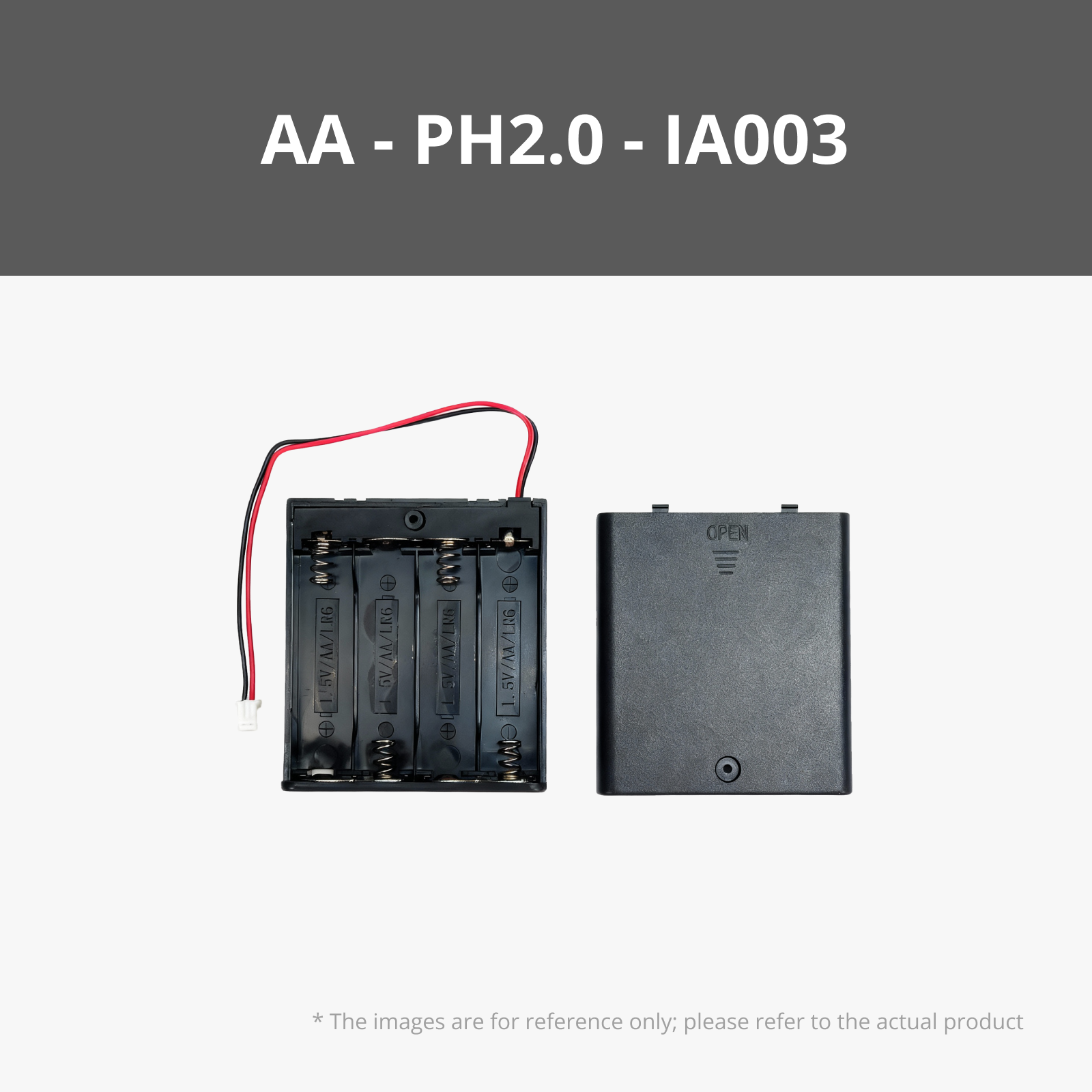
Power Supply and Battery Pack
The system currently uses a 4×AA battery holder. The original idea was to use compact rechargeable batteries available on Maker Supply, but they are not compatible with the system in terms of voltage and connectors.
At the moment, this is the only available solution. The battery pack adds some weight, but for usage sessions of about 30–60 minutes it does not cause significant discomfort and provides good autonomy.
Ergonomics
The system has been tested for approximately one hour of continuous use without significant issues.
To improve comfort, it is possible to add a soft interface layer between the structure and the head, such as adhesive foam designed for skin contact or materials commonly used in wearable applications.
Neoprene has been tested but is not recommended, as it is not designed for prolonged skin contact and tends to retain sweat, making it less comfortable.
Documentation
A detailed assembly tutorial is included in the project files. It is recommended to follow it carefully and review all provided resources before proceeding.


Boost Me (for free)
🚀 Thank you for downloading my model! If you enjoyed it and would like to support me even more, you can use the Boost.me feature: every contribution helps me keep creating new projects.
Documentation (1)
License

You shall not share, sub-license, sell, rent, host, transfer, or distribute in any way the digital or 3D printed versions of this object, nor any other derivative work of this object in its digital or physical format (including - but not limited to - remixes of this object, and hosting on other digital platforms). The objects may not be used without permission in any way whatsoever in which you charge money, or collect fees.


Comment & Rating (0)