
Parametric Drilling Aid / Drilling Aid
Print Profile(1)
Description
Boost Me (for free)
Do you like my designs? Then hit boost, please. This helps me a lot, especially as my recent designs get more complicated and thus expensive to prototype. Boosts help me to afford new prototyping filament and printer replacement parts. Thank you!
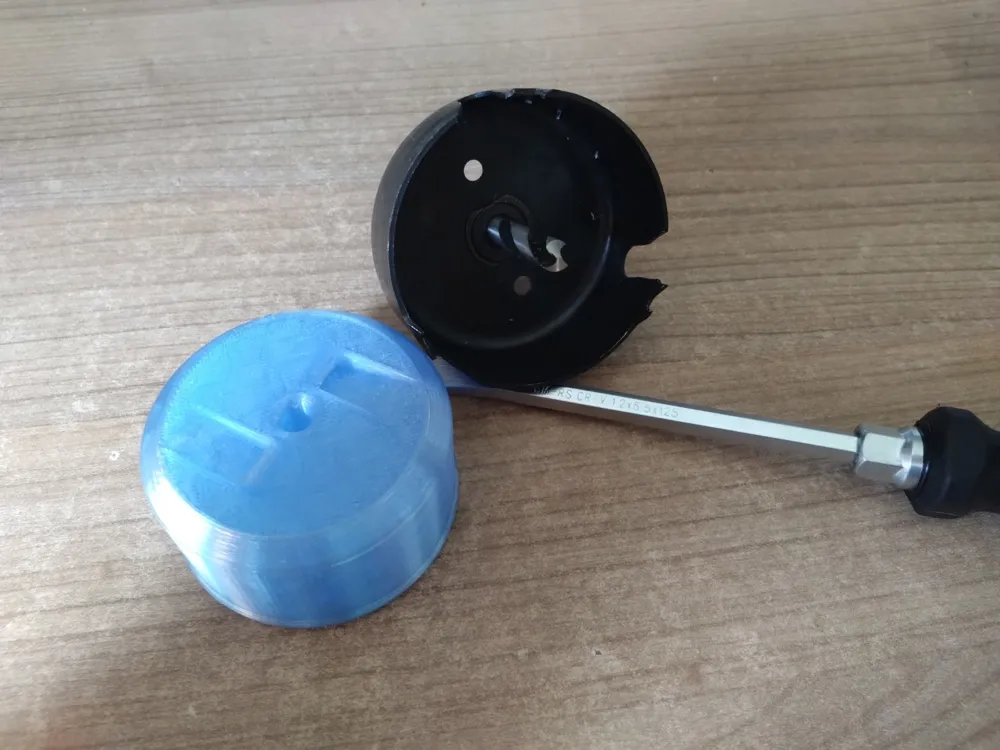
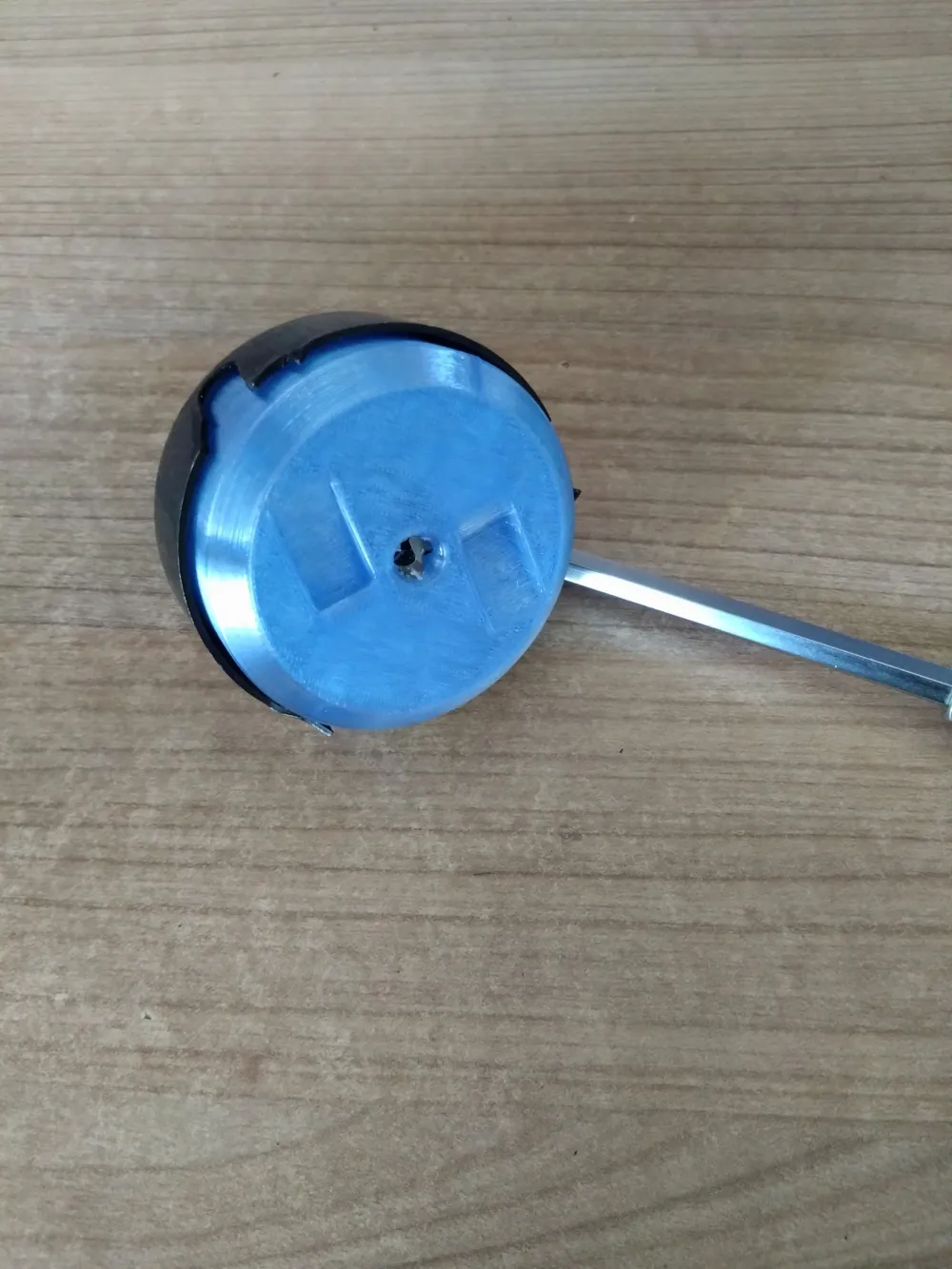
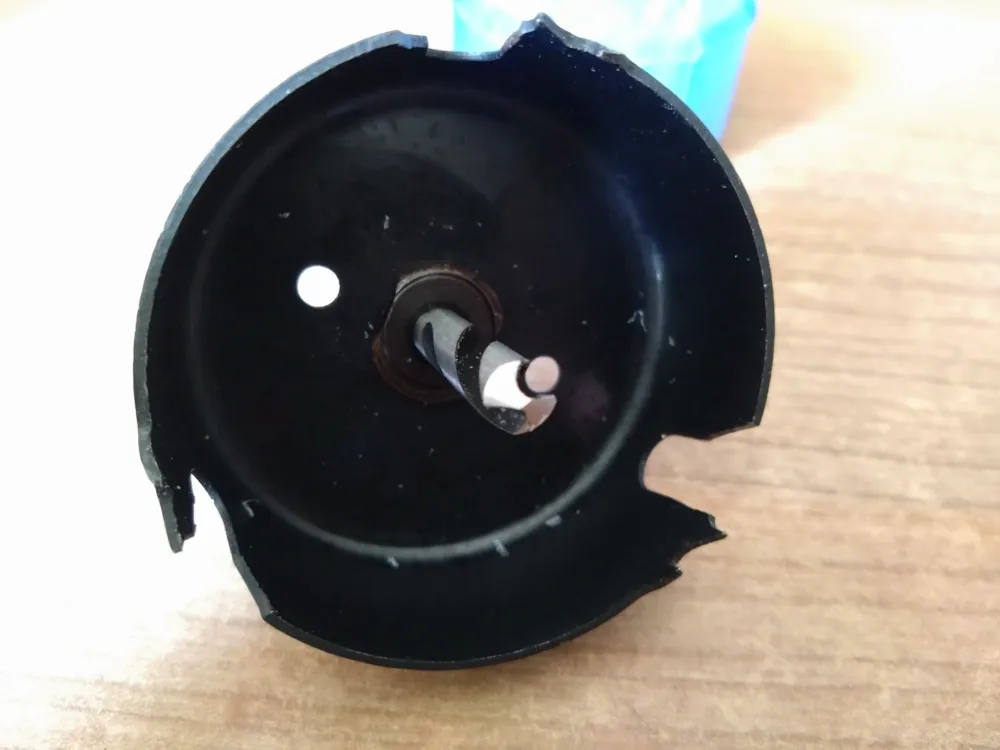
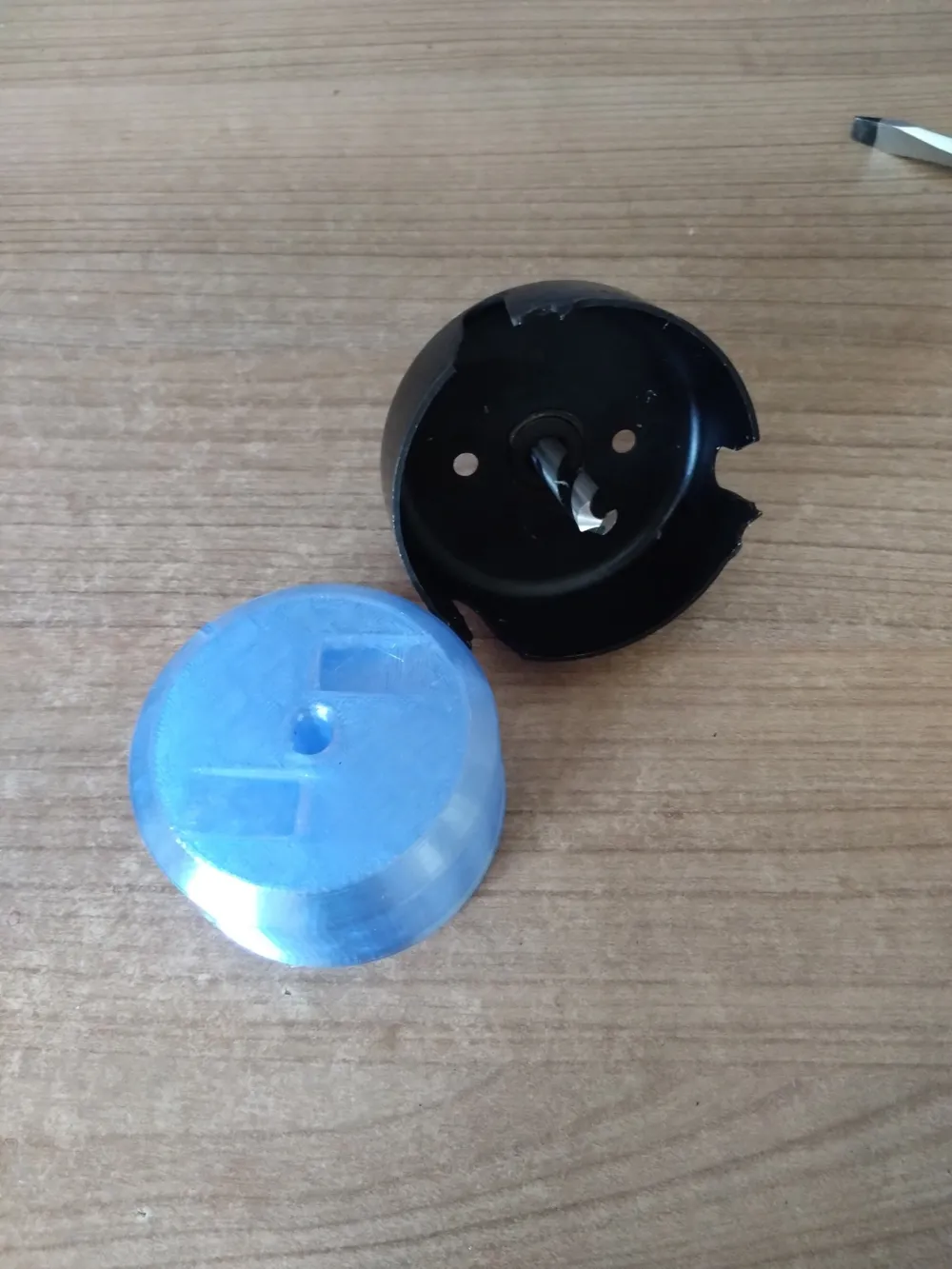
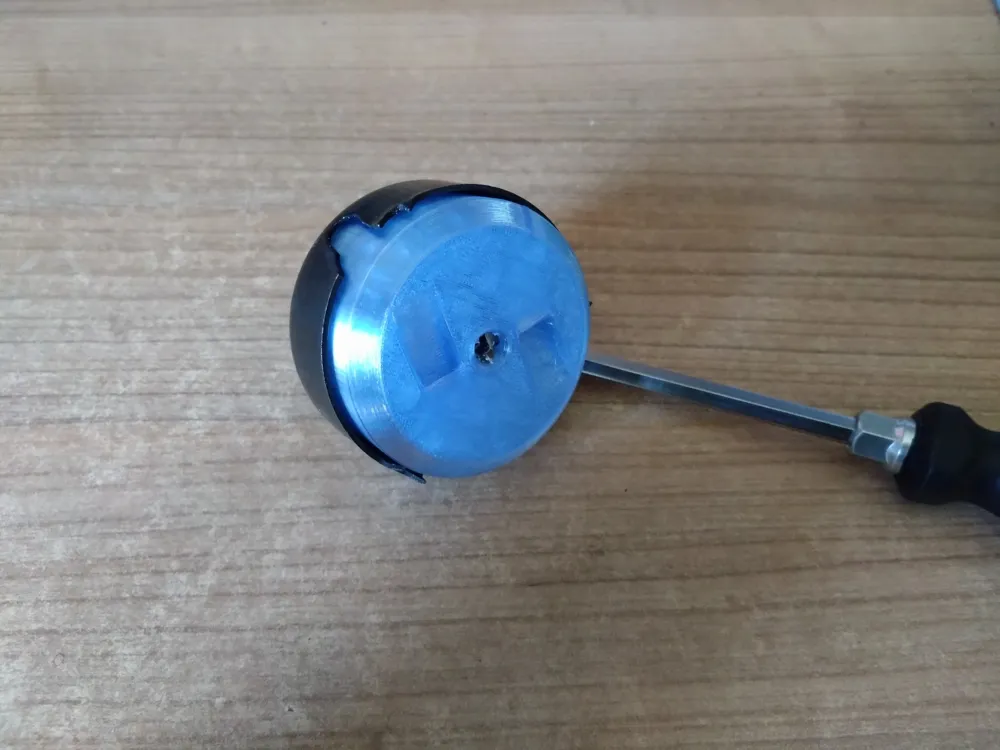
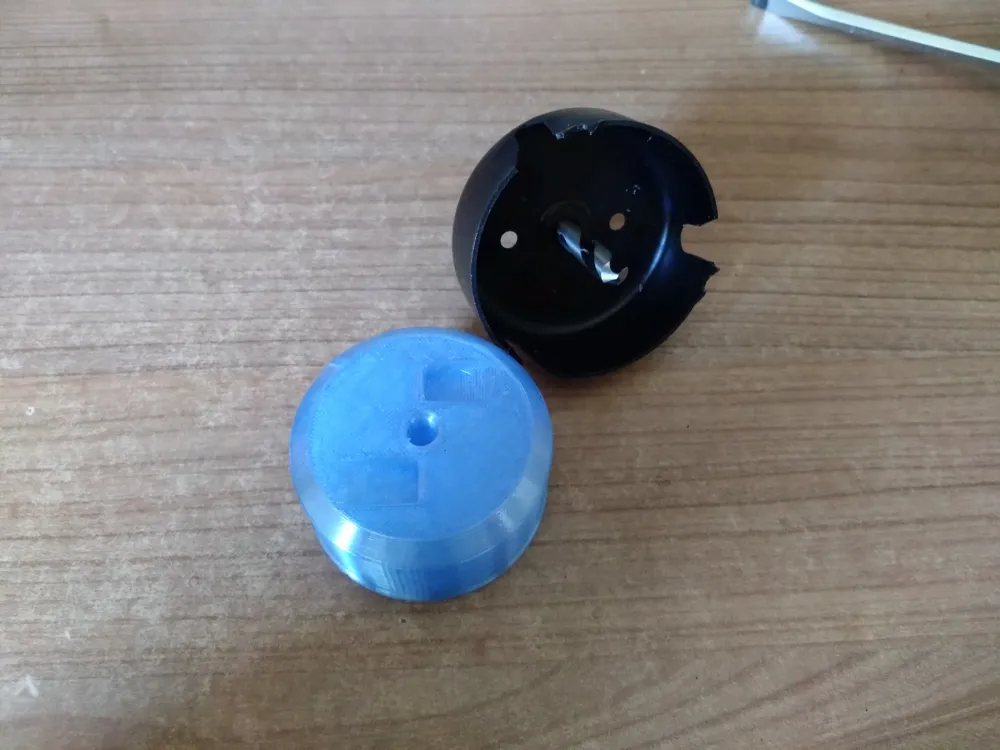
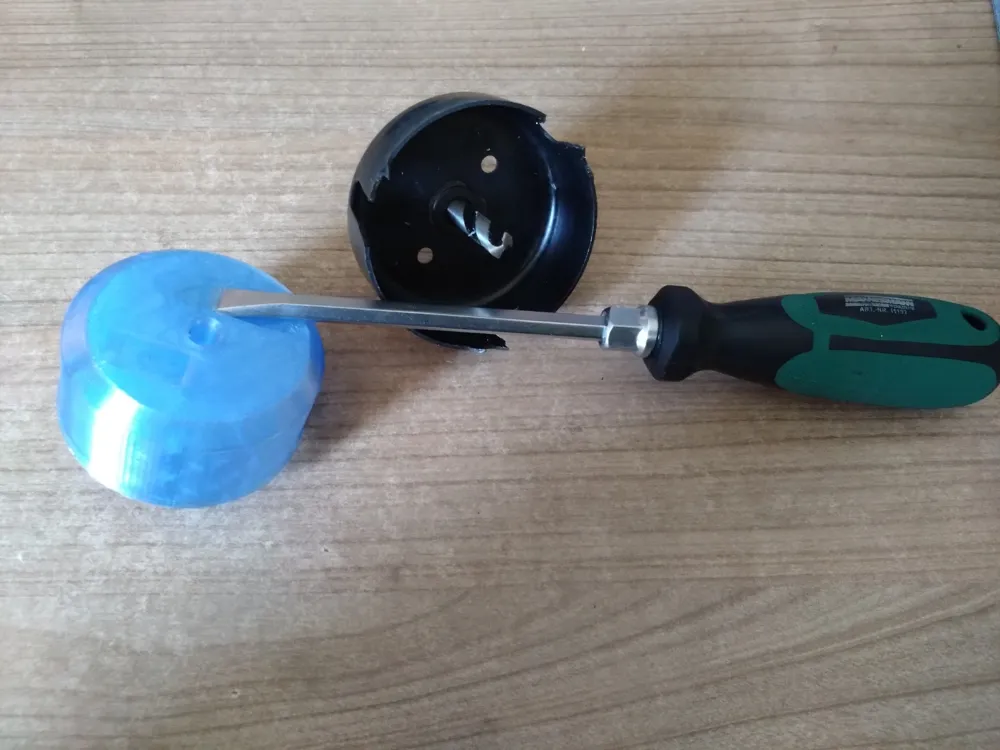
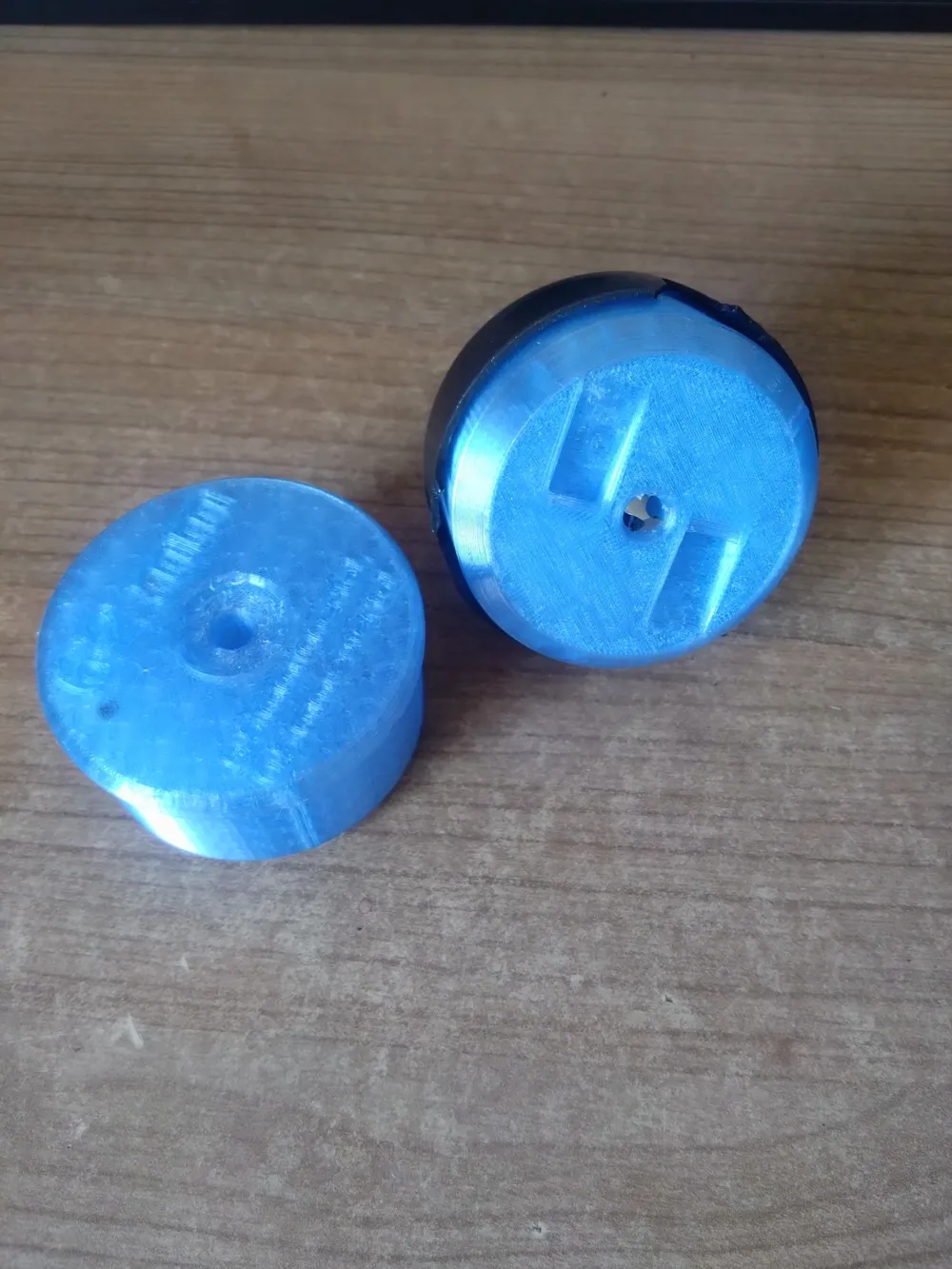
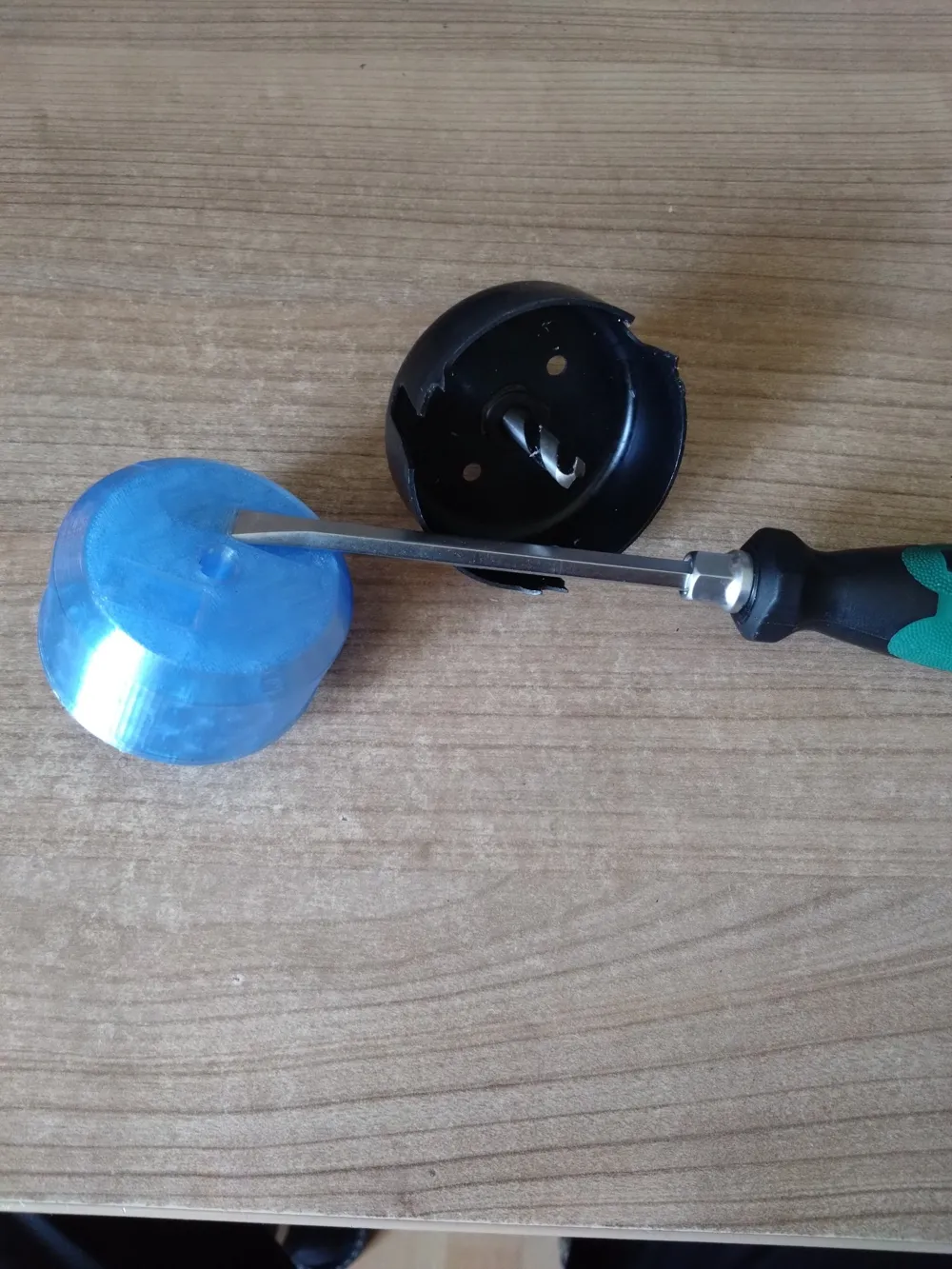
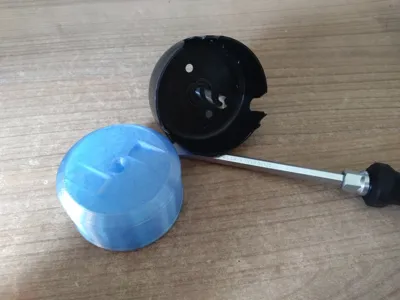
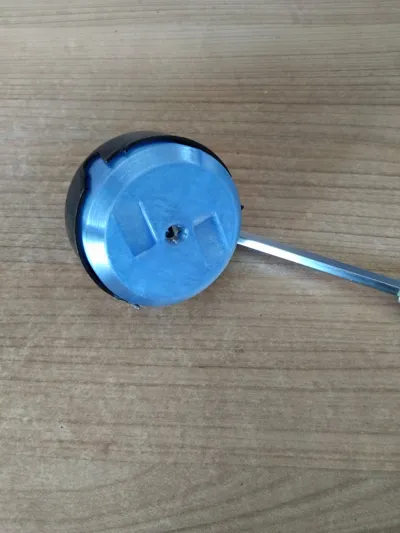
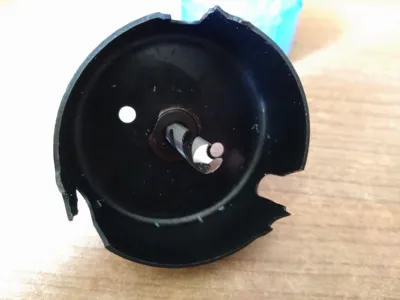
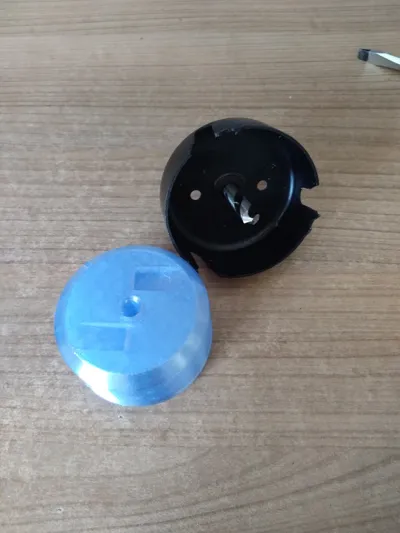
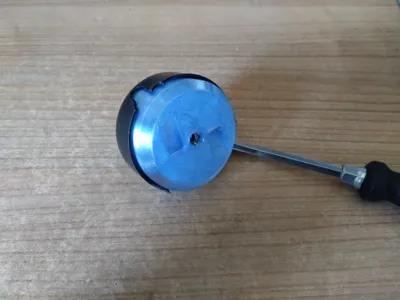
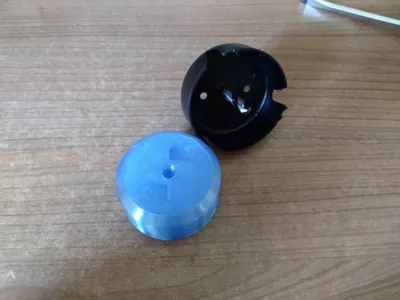
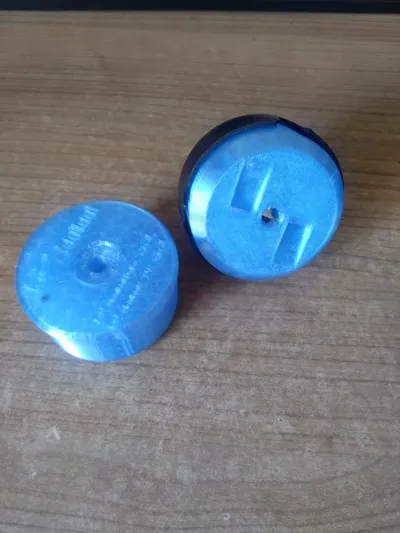
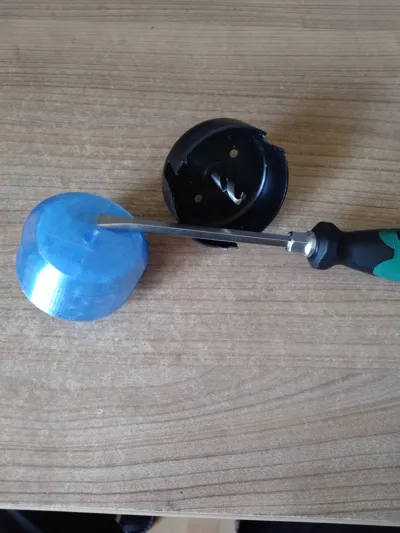
This model is a simple drilling aid designed to be inserted into a hole saw to center it while widening an existing hole, e.g. for changing old 62mm halogen spots with modern spots that require bigger mounting holes.
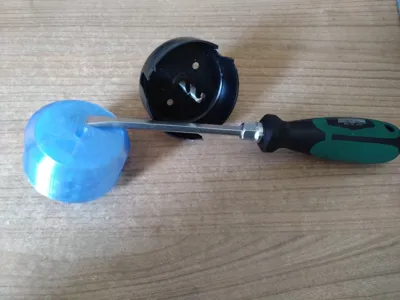
I took the path to investigate parametric modeling, so it can be used with different hole saws and sizes. The included 3D files and print profiles are made for an existing 62mm hole for a specific 68mm hole saw. The model also features to pockets on the top. Those are for flathead screwdrivers to lock into the model and pull it off the hole saw. Two pockets so you can insert two screwdrivers and pull while the hole saw is locked into a vise. This is necessary for tight fits around the drill or the saw body.
Print Settings: Arachne Wall Generator, 4 Wall Loops, 8% Gyroid Infill, tree supports for critical regions.
Print from a heat resistant filament, at minimum PETG. Your drill will generate quite some heat which could melt the drill aid. Please use caution!
The customizable model has the following parameters:
| Parameter | Default for linked holesaw | Expression | Explanation |
|---|---|---|---|
| Drill_Diameter | 7.15mm | - | the diameter of your hole saw center drill. measure your center drill and add a little tolerance |
| Inner_Diameter | 62.0mm | Inner_Diameter - inner_tolerance | the diameter of the hole you want to expand; will be printed on the base of the model; a tolerance is added separately, so the label on the bottom is easier to recognize and to work with in general. so for tuning you will only have to adjust the tolerance |
| Outer_Diameter | 64.40mm | Outer_Diameter - outer_tolerance | the inner diameter of your hole saw (and thus the outer diameter of the widest part). This is measured inside your hole saw without measuring the sawing teeth. it has to be the diameter the model will bind against on the bottom |
| Height | 35mm | - | the total height of the drill aid. should be larger than the height of your hole saw, so it will be guided into the hole before sawing |
| height_base | 5mm | - | the height of the lower outer ring. this ring will lock the drill aid against the inner wall of your hole saw |
| Chamfer_top | 5mm | - | the size of the top chamfer. This makes the insertion into the existing hole easier |
| inner_tolerance | -0.2mm | Inner_Diameter - inner_tolerance | tolerance for the inner diameter. this is subtracted from Outer_Diameter, so negative values make it larger; this value is also printed on the bottom of the model, so you can distinguish between different printed versions |
| outer_tolerance | 0.5mm | Outer_Diameter - outer_tolerance | tolerance for the outer diameter. this is subtracted from Outer_Diameter, so negative values make it larger; this value is also printed on the bottom of the model, so you can distinguish between different printed versions |
| chamfer_bottom | 3mm | - | the size of the chamfer on the bottom side of the model. This is relevant dependent on your hole saw. My hole saw has a small inner chamfer/rounding, so this chamfer is necessary to get the drill aid completely down to the bottom. |
| indent_base_dia | 18.5mm | - | the diameter of the little standoff many hole saws have around the drill within the holesaw. this is necessary to get the drill aid completely down to the bottom. |
| indent_base_height | 2mm | - | the height of the little standoff around the drill. to get the drill aid completely down to the bottom. |
For all of my models that include supports, I highly recommend a detailing / support removal tool like the one from anish or C59. Those make use of a replacement filament cutter and have proven themselves a very valuable tool for clean and easy support removal, especially for threads.
Also, please keep in mind, that the quality of threads is highly dependent on the quality and dryness of your filament, the calibration of your printer and the print resolution. A thread printed with .2mm layer height will be way harder to thread nicely and will require more force, than a thread printed at .08mm or .12mm layer height. Also, the Arachne wall generator does contribute a lot to precise threads. If you need more part strength, increase the number of walls, make use of the alternate extra wall feature and DO NOT use PLA.
If you like my work and want to support me, please consider boosting or buying me a coffee :)

Boost Me (for free)
I you like my work, please hit boost or consider buying me a coffee - this helps this project to reach more makers and new designs coming as I am able to afford new prototyping filament. Thank you!
License



Comment & Rating (0)