
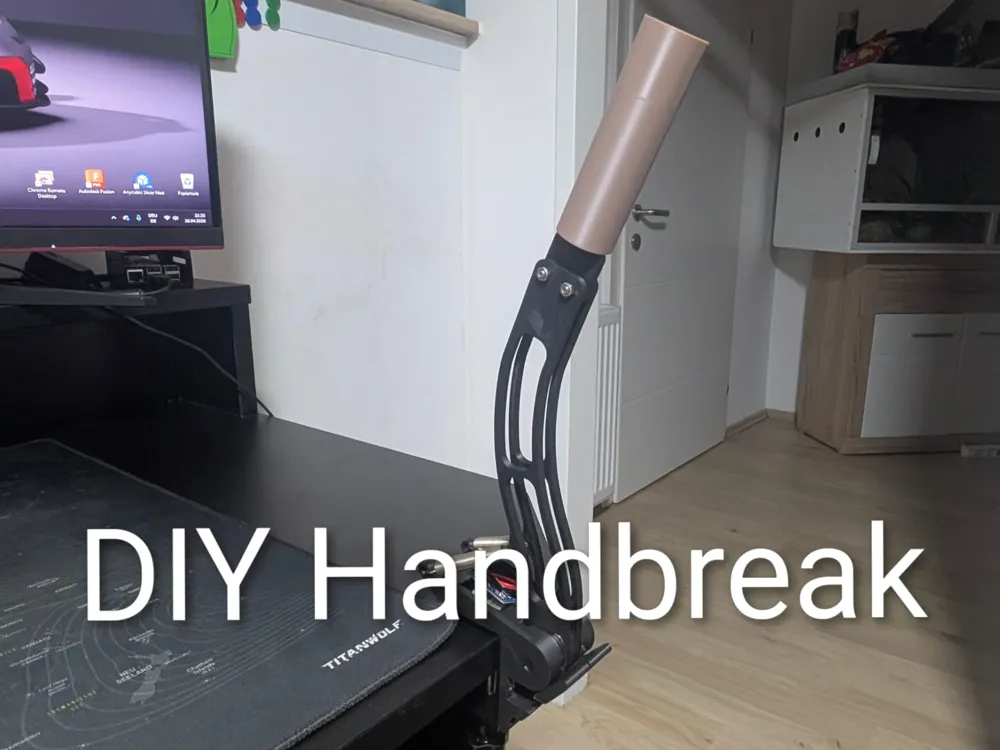
DIY Handbreak
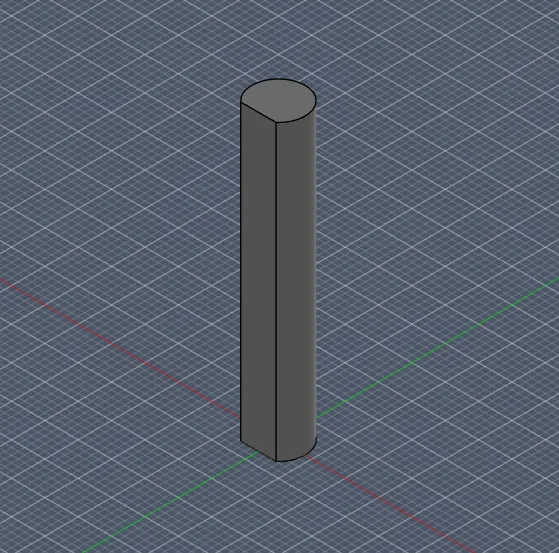
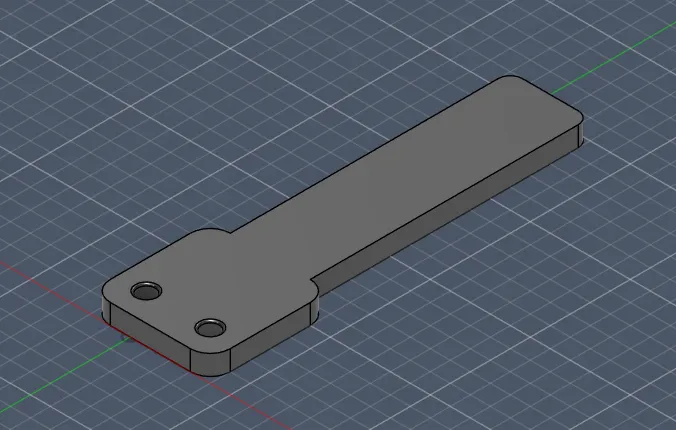
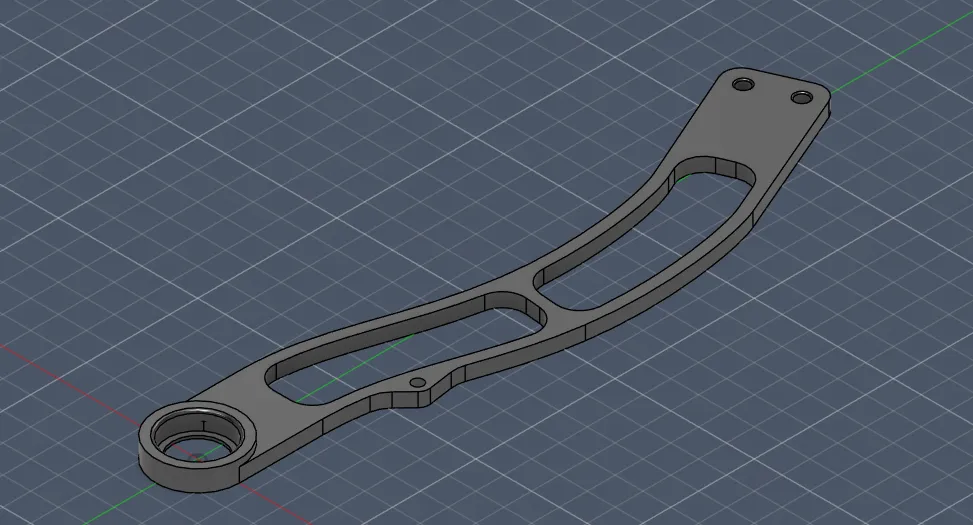
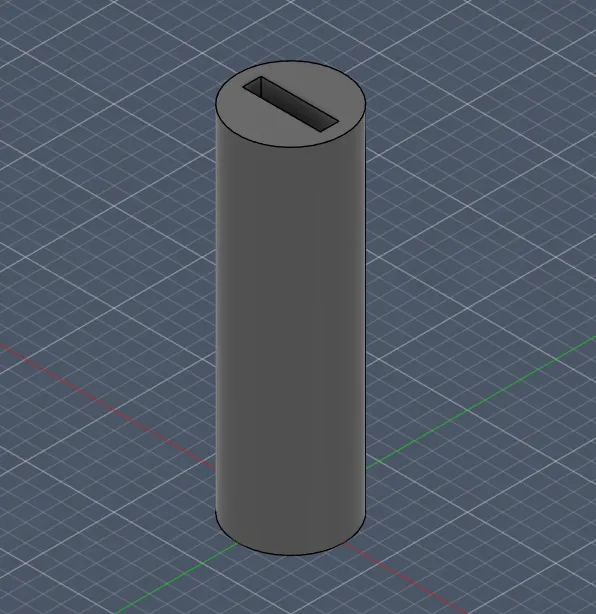
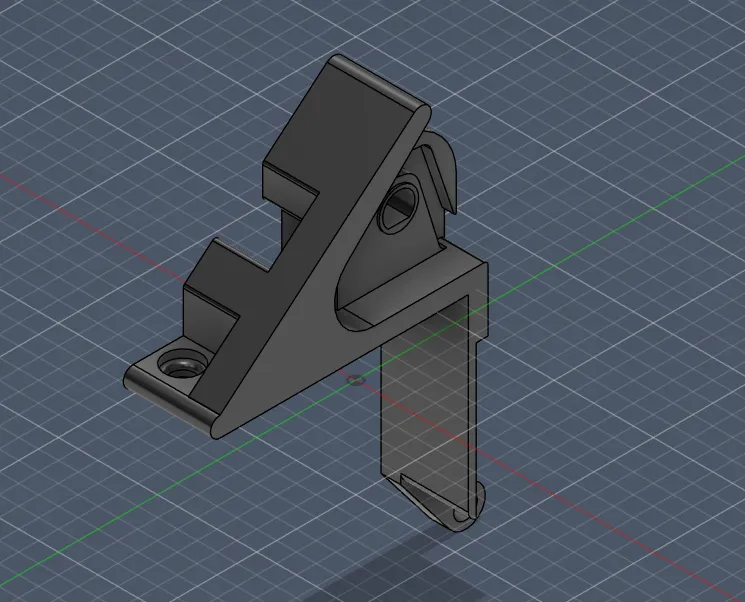
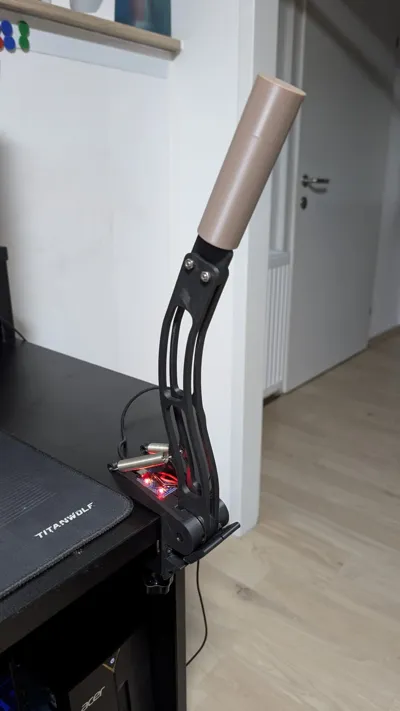
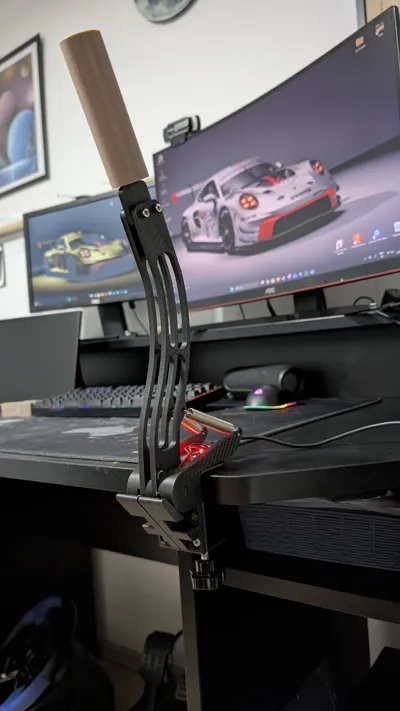
Print Profile(0)


Description
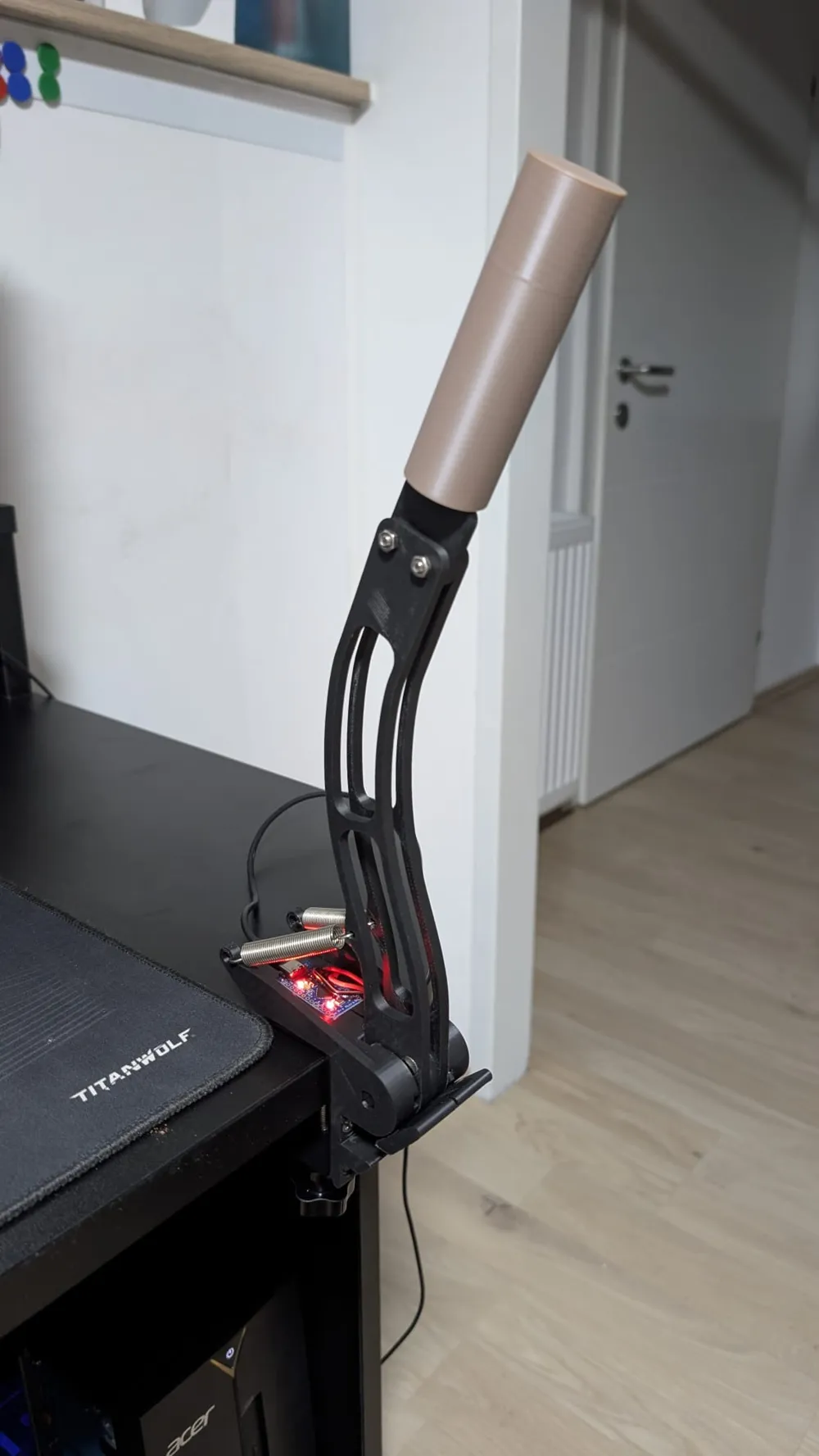
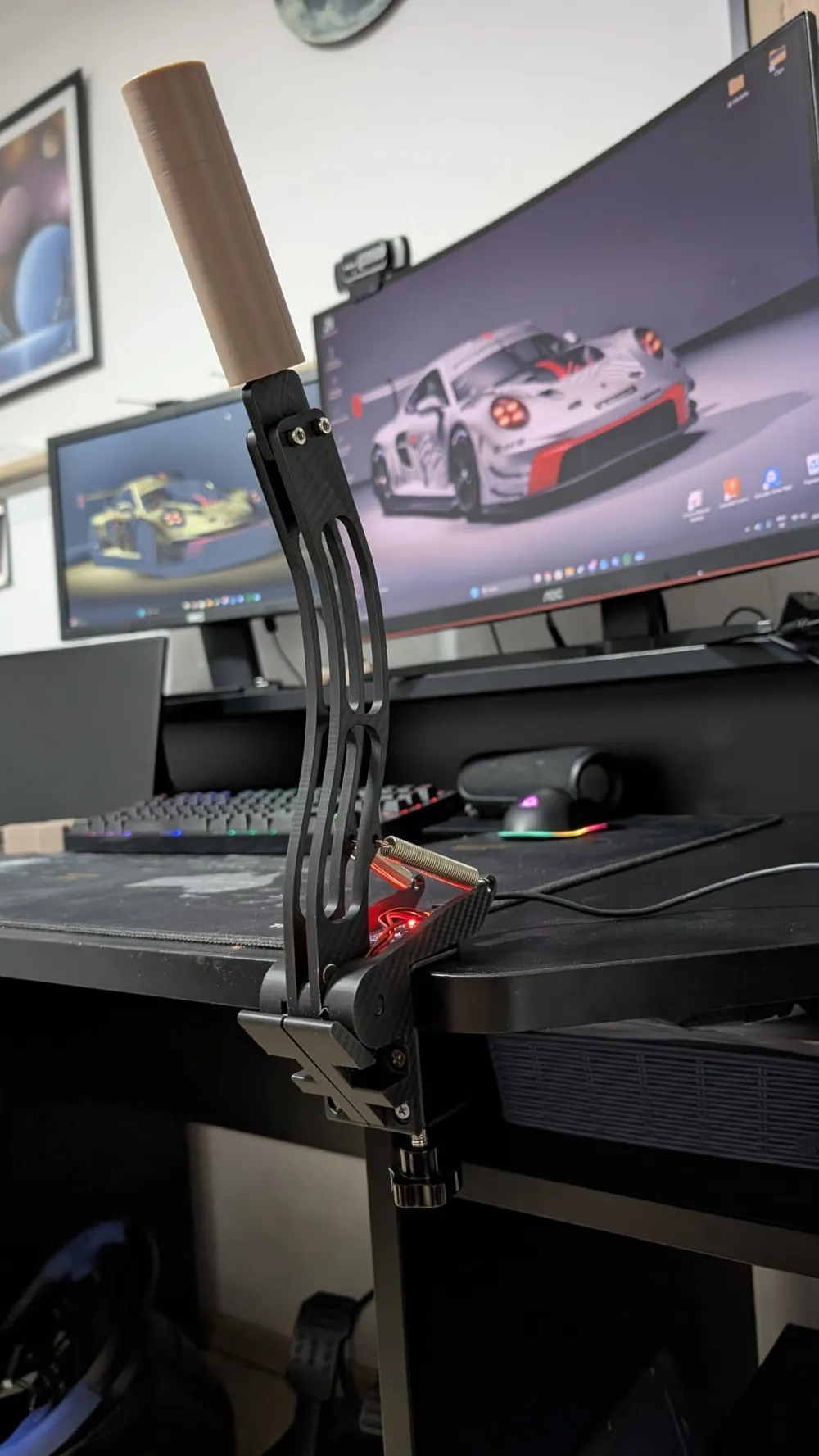
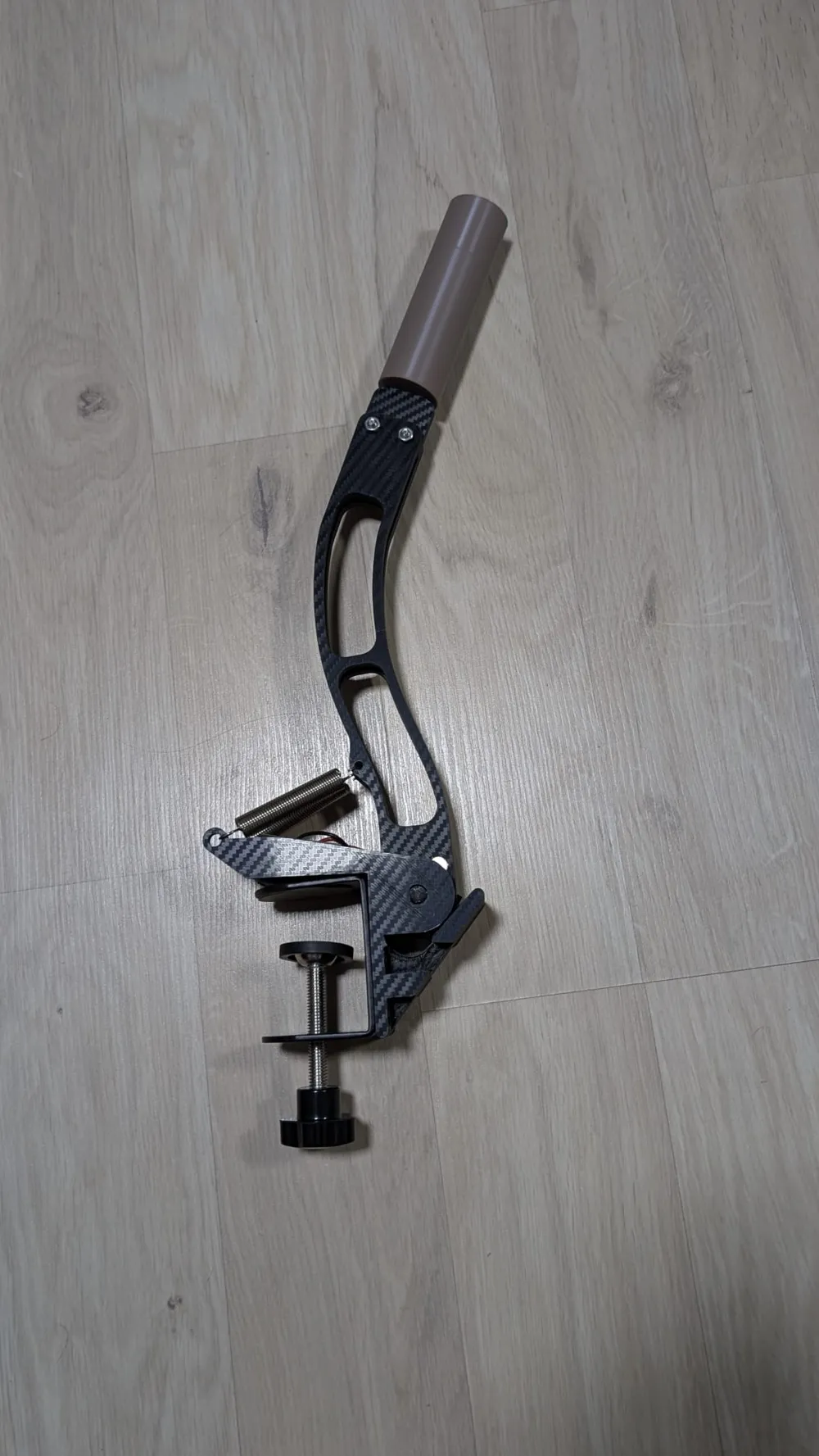
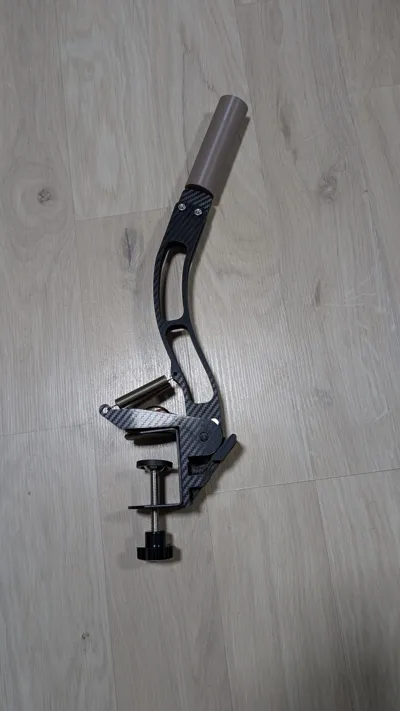
DIY Sim Racing Handbrake
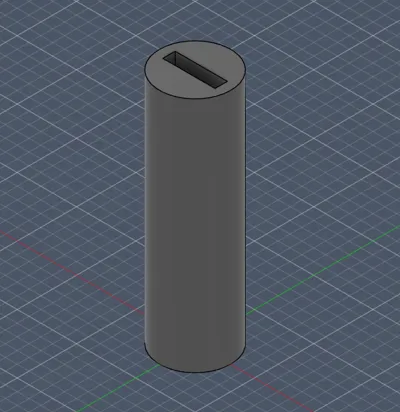
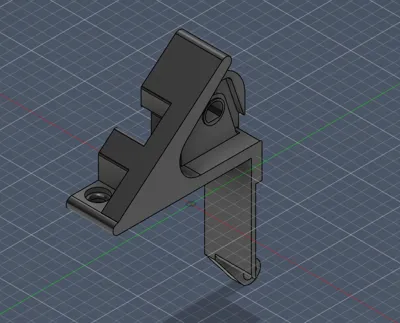
This is a simple and modern DIY handbrake designed for sim racing. The goal of this project was to create a clean and minimalistic design that is easy to build while still being durable and functional.
The handbrake combines 3D printed parts with a few commonly available components. Most parts are designed to be printed without supports, making the printing process straightforward and efficient.
Assembly is relatively simple. However, basic electronics knowledge is required, as you will need to solder wires to the Hall effect sensor and the Arduino.
Required components
Hall effect sensor SS49E: https://amzn.eu/d/0fYUgpDQ
C clamp used as mounting solution: https://amzn.eu/d/00Zr24oR
Wires or cables: https://amzn.eu/d/0fVlcSx9
Ball bearings: https://amzn.eu/d/0e7aEudU
Tension springs: https://amzn.eu/d/02SbteH0
Arduino Micro: https://amzn.eu/d/04Rzd2VU
Magnets: https://amzn.eu/d/00lDoteZ
Screws: 4 screws coume with the C clamp. The other 2 are some random screws i found at home
Filament
I used Anycubic PLA, but you can use any filament you prefer.
Design notes
The model is designed to minimize or avoid supports wherever possible.
The construction is simple and focuses on a clean appearance.
It is suitable for beginners with basic soldering skills.
The handbrake can be mounted easily using a C clamp.
This project should be considered a prototype (It works, but it need a little bit of approvement). I would be happy to see others improve, modify, or further develop the design. Feel free to iterate on it and make it better.
Problems
- The current version has a relatively large dead zone, which affects precision and responsiveness. This is something that should be improved in future iterations.
- Additionally, the structure could benefit from extra stiffening in certain areas to increase overall rigidity and durability under load.
License



Comment & Rating (2)