
Bambu Studio ABS/ASA Temperature Test Tower
Print Profile(1)
Description
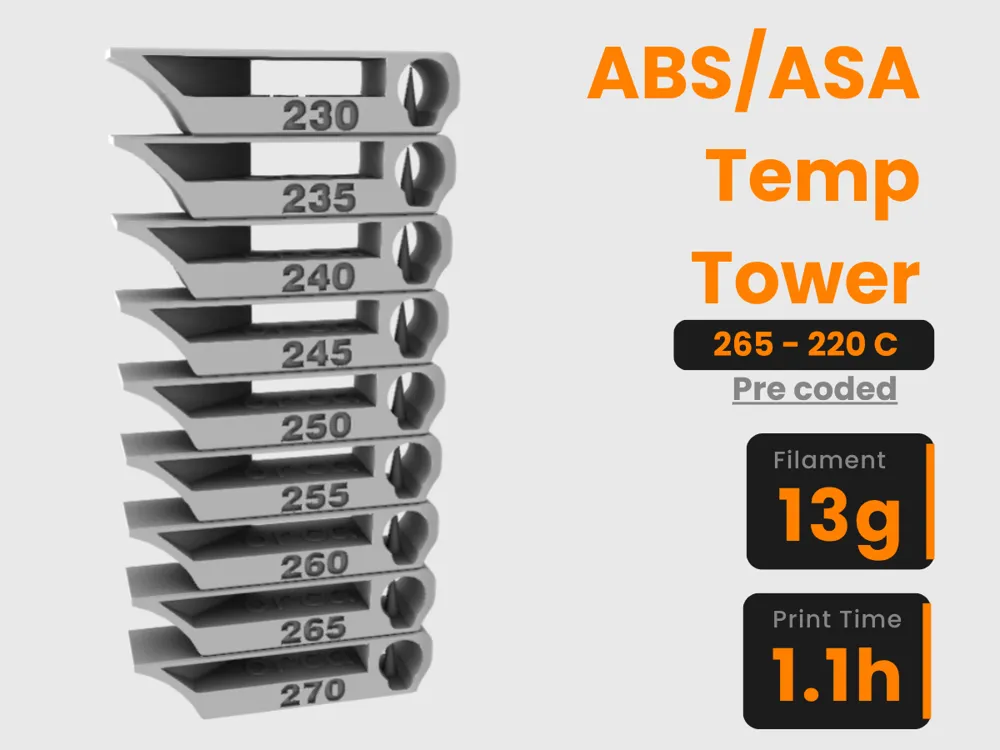
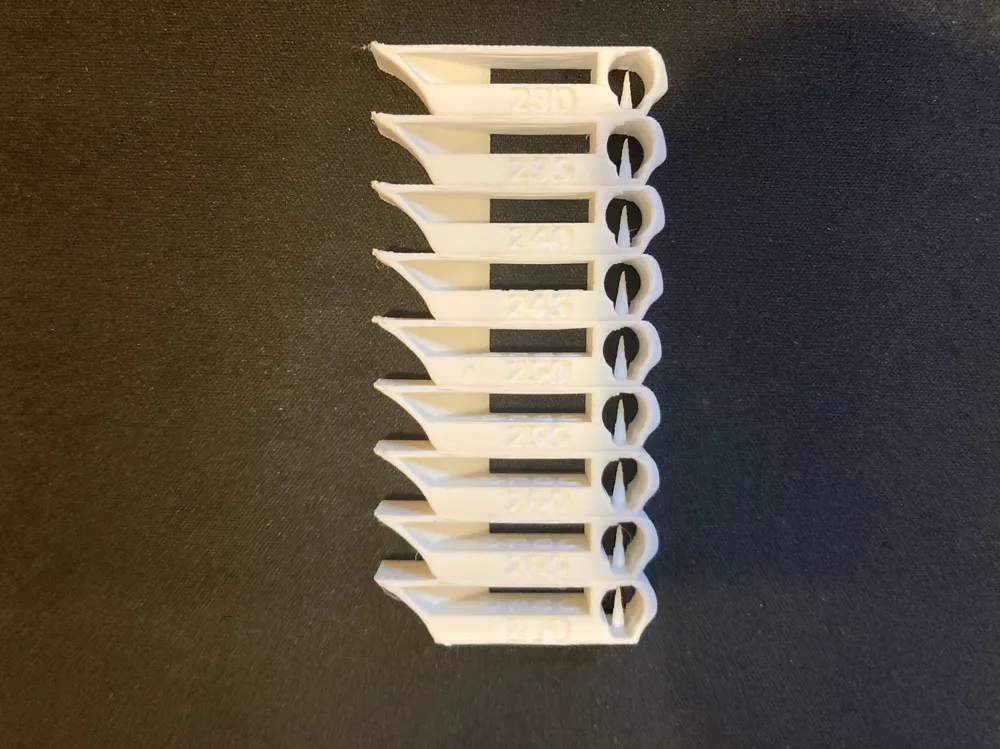
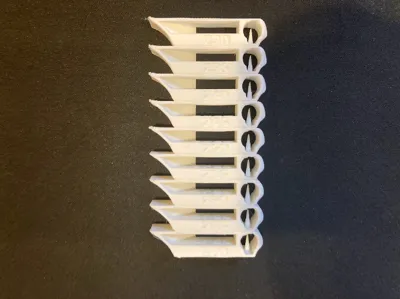
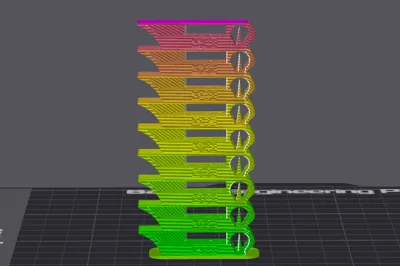
ABS/ASA Temperature Tower
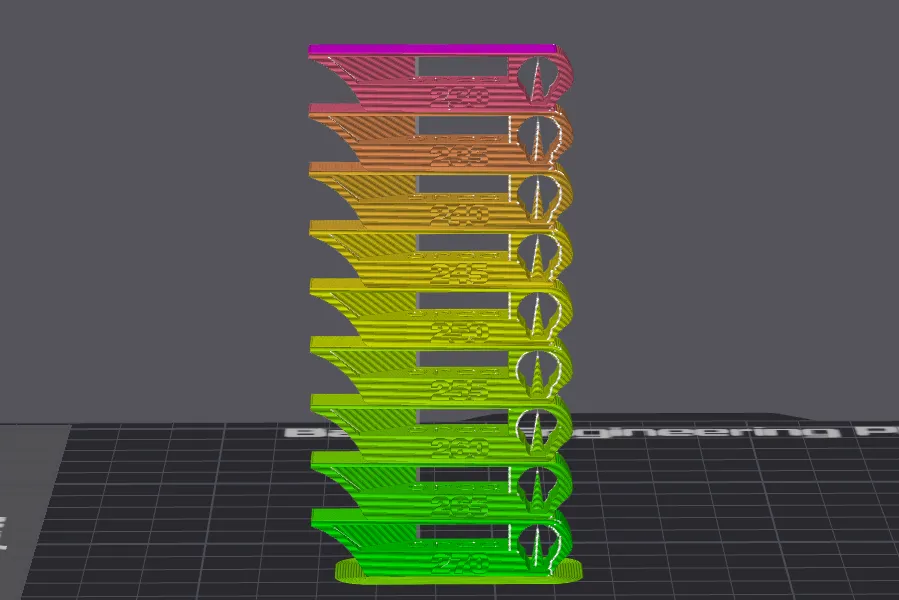
This ABS/ASA temperature tower is adapted from OrcaSlicer's built-in calibration model and modified to work reliably with Bambu Studio. It prints a stack of blocks, stepping through a defined ABS or ASA temperature range, so you can quickly find the optimal nozzle temperature for your specific filament and setup.
What to check on each block:
- Stringing – Look for fine hairs or wisps between features. Excess stringing at higher temps usually means reducing temperature or adjusting retraction settings.
- Layer adhesion – Check how firmly layers have bonded, since ABS/ASA are prone to poor interlayer strength (and delamination) at lower temperatures. Try flexing the block gently — weak points may separate along a layer line.
- Extrusion consistency – Look at wall smoothness and consistency. Under-extrusion appears as gaps or thin, weak lines; over-extrusion looks lumpy or shows excess material buildup.
- Bridging – Inspect bridged sections for sag. ABS/ASA can be more heat-sensitive when bridging, so noticeable drooping suggests the temperature is too high for that span.
- Surface finish and clarity – Check for a clean, consistent surface without blobs, zits, or rough texture. ASA in particular should show good clarity and a slightly matte-to-satin finish when dialed in correctly.
- Warping or cracking – Look at the base and corners of each block for lifting, warping, or small cracks, which are common ABS/ASA issues linked to incorrect temperature, cooling, or enclosure conditions.
- Strength – If possible, test the durability of each block by applying light pressure or a snap test; the ideal temperature should show strong resistance without being brittle.
Picking your temperature: If several temperatures look good, pick the middle one for balance. For higher flow rates or faster speeds, lean toward the higher end for better layer bonding and extrusion stability.
License & attribution: This remix follows the AGPL-3.0 license of the original asset, includes all source files, and credits OrcaSlicer (https://github.com/OrcaSlicer/OrcaSlicer) and gaaZolee (https://www.thingiverse.com/gaaZolee/designs).
Thanks for downloading, and I hope this was useful! Please leave an honest review or comment with any concerns about the model or profile. Have a wonderful day!
This remix is based on


License



Comment & Rating (29)