
Print Profile(2)


Description
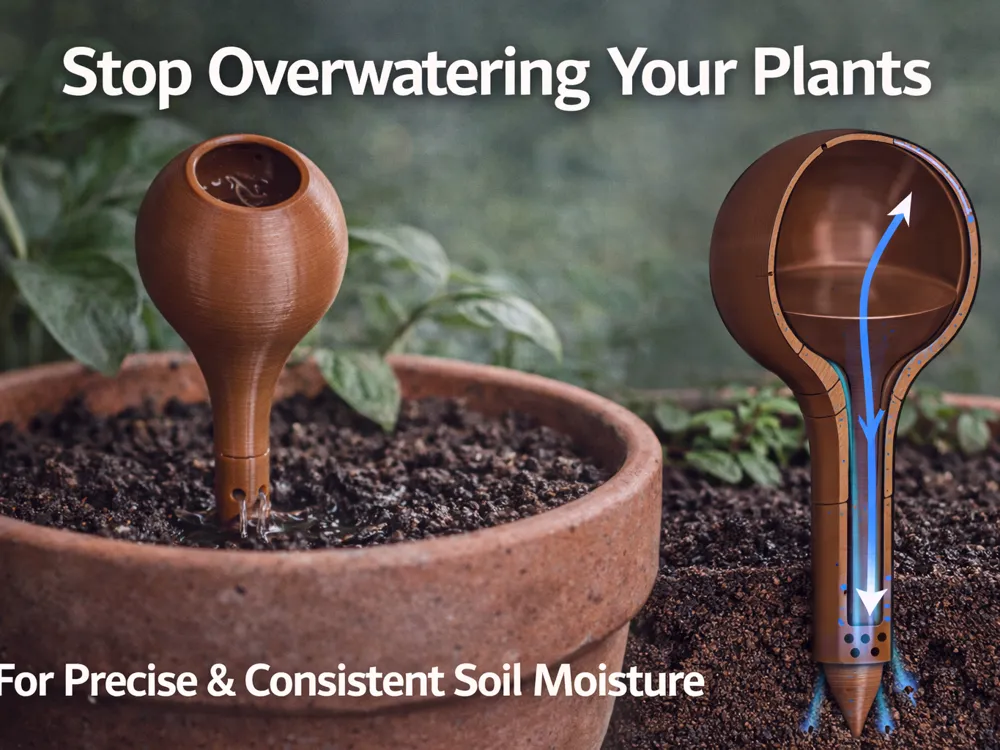
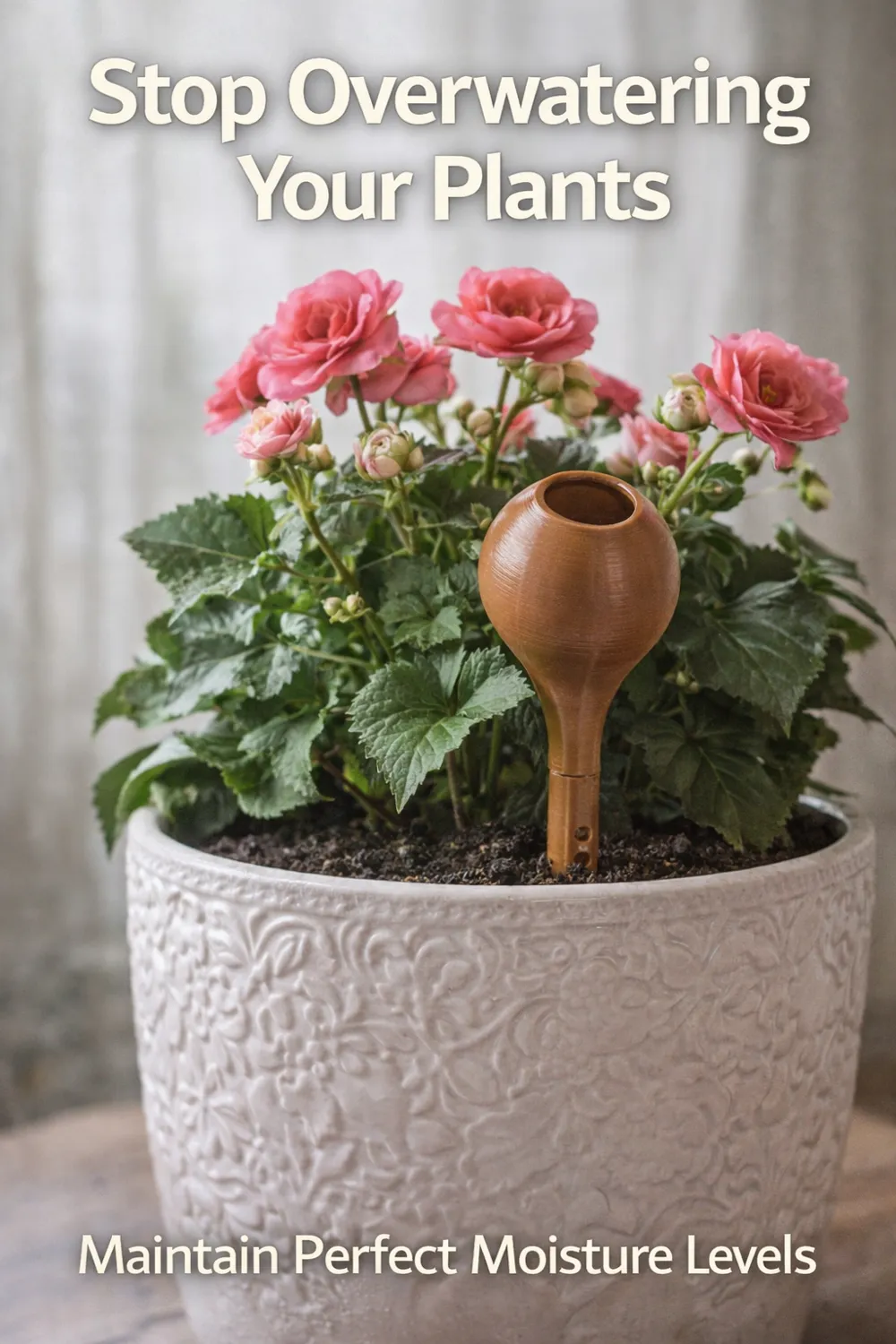
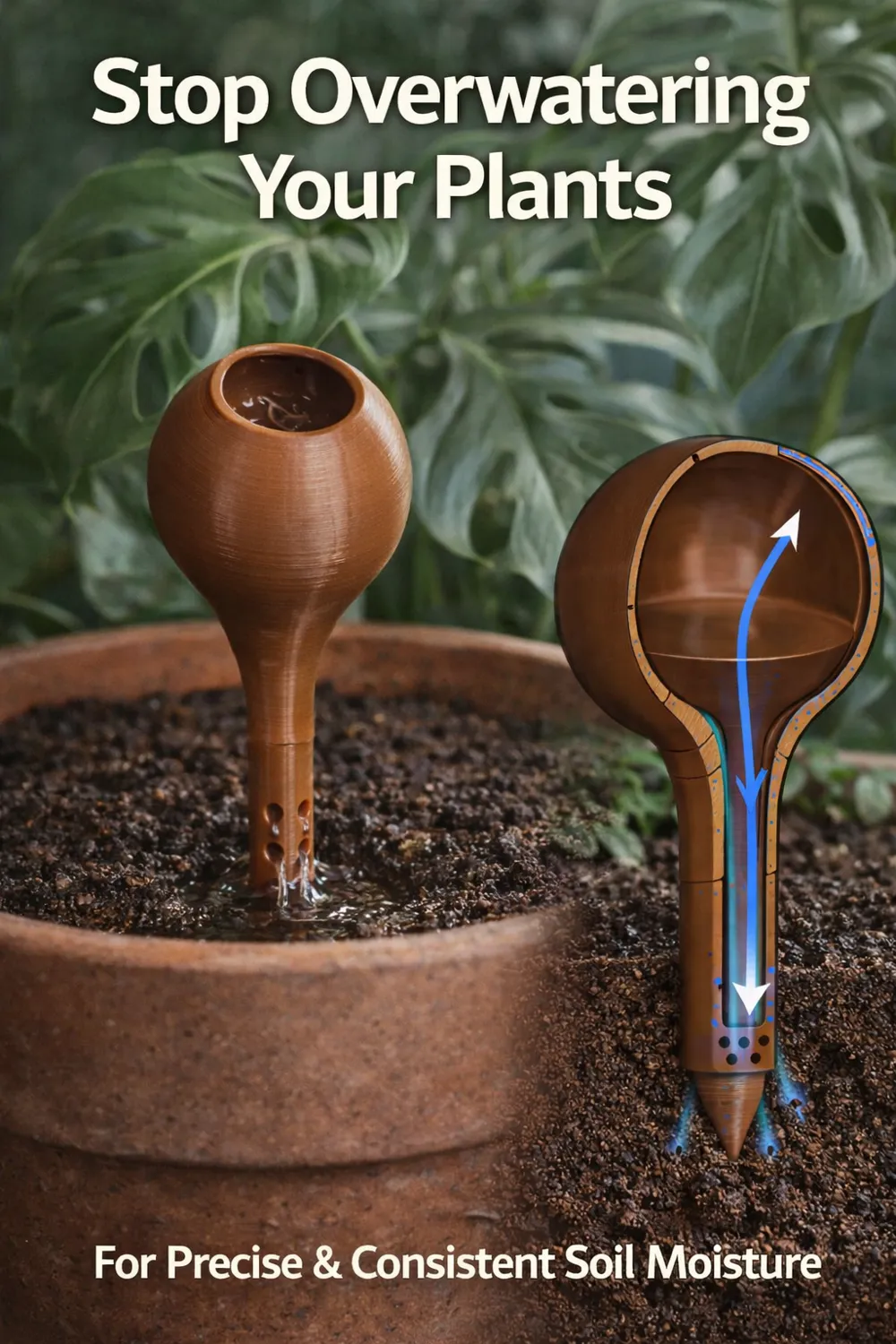
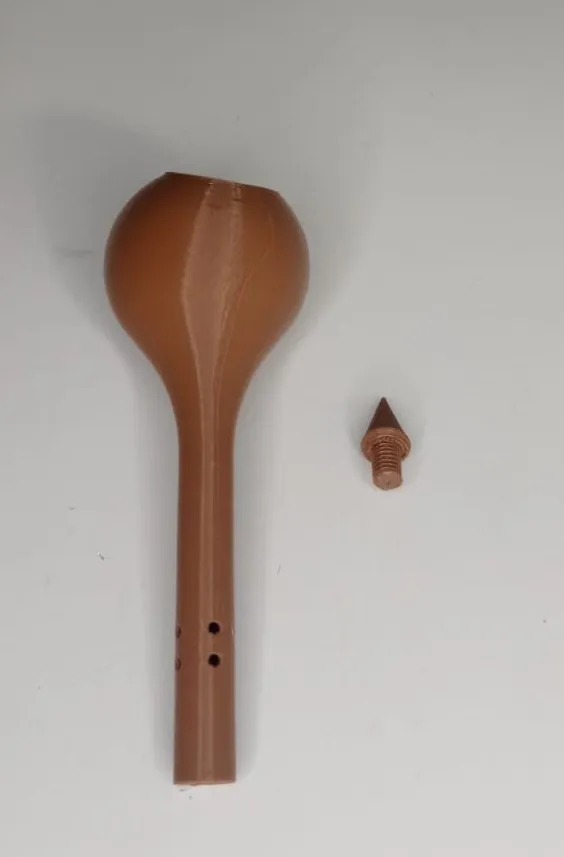
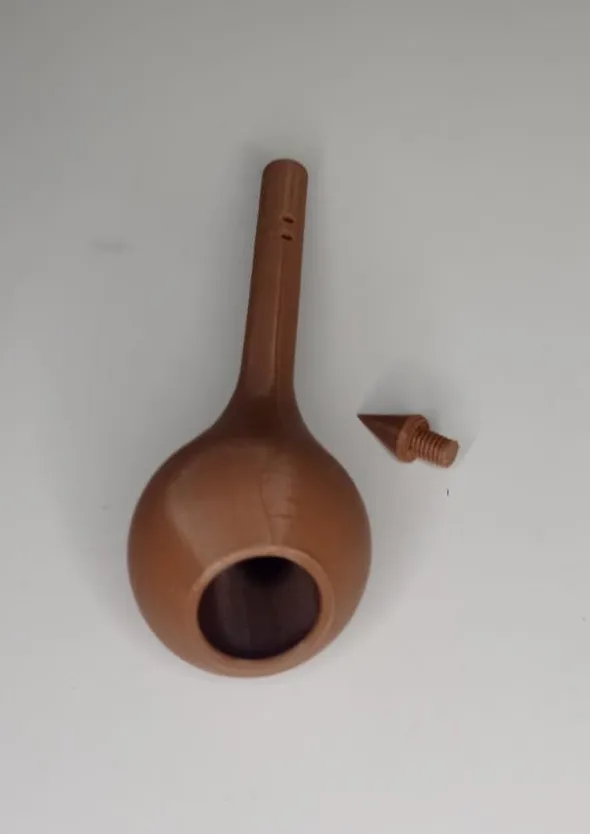
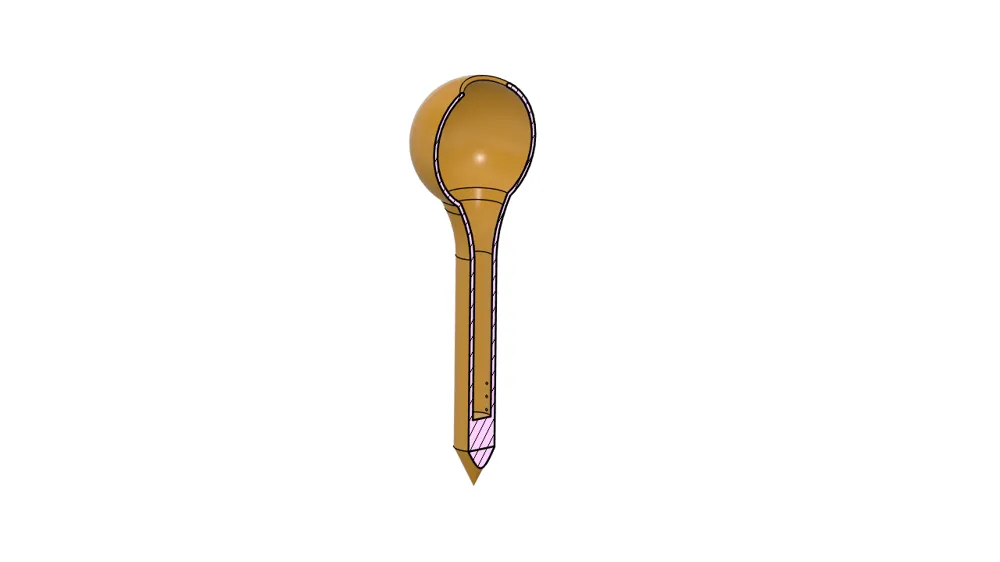
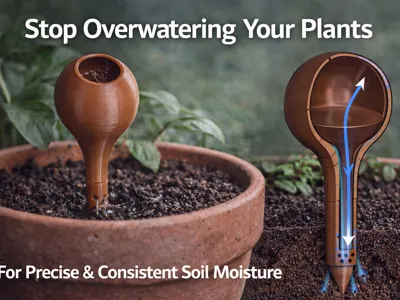
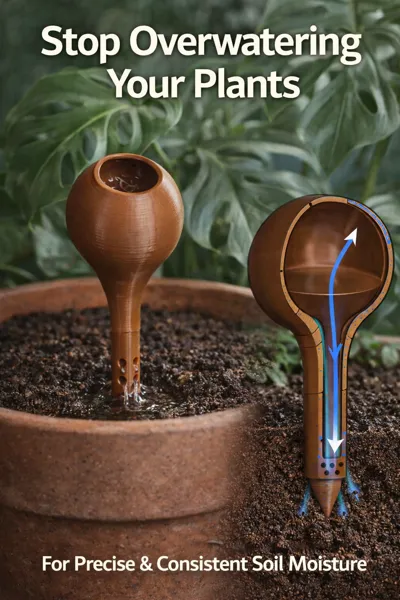
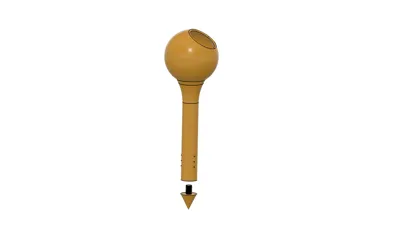
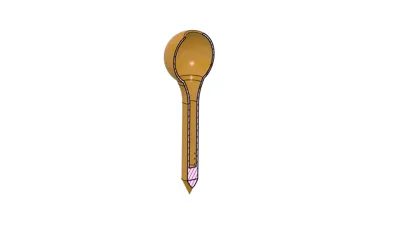
This fully parametric self-watering globe is designed for efficient root irrigation of houseplants. It delivers water directly into the soil, ensuring consistent moisture without overwatering.
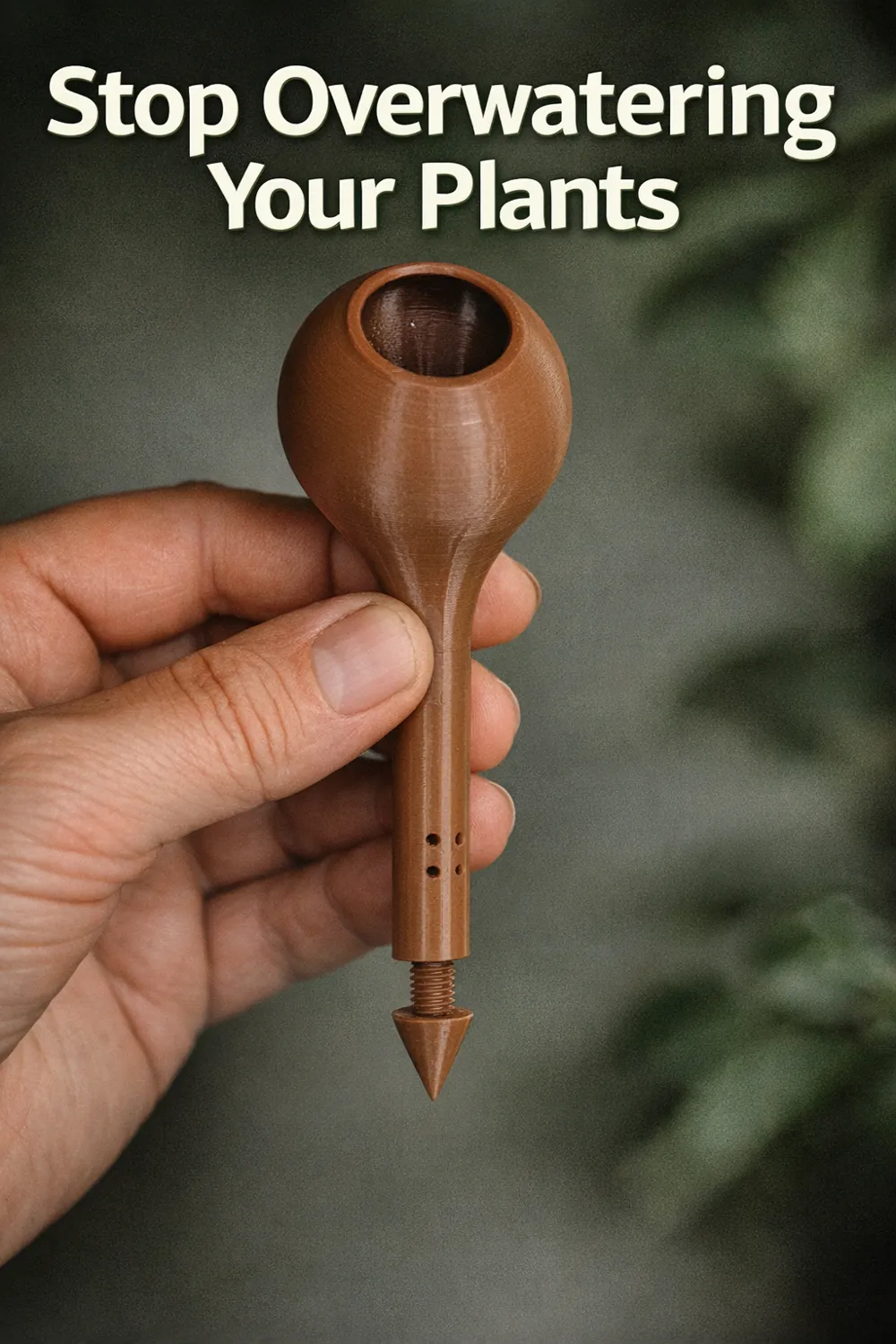
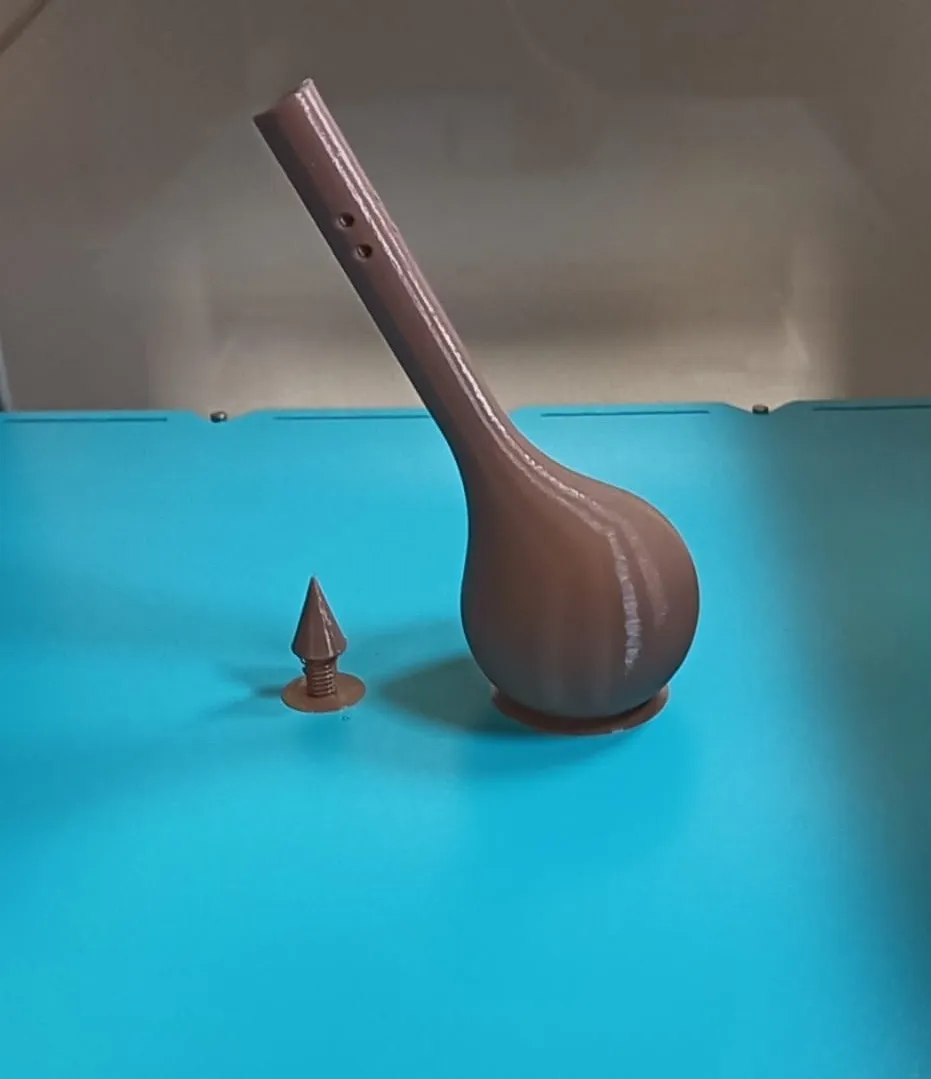
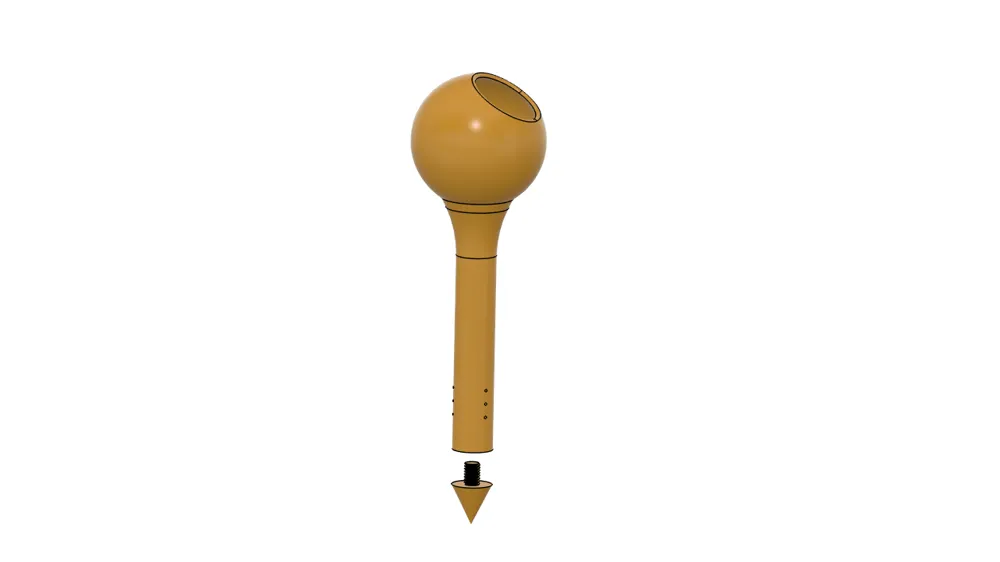
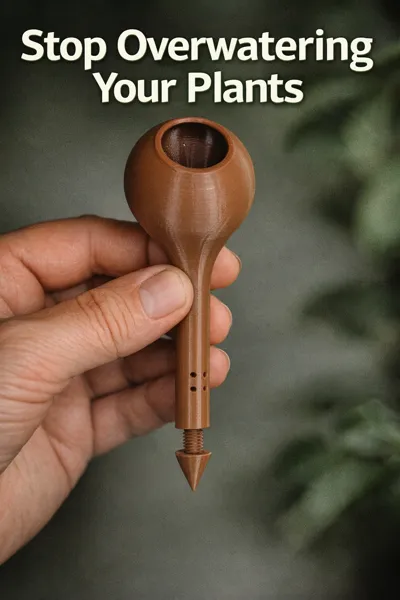
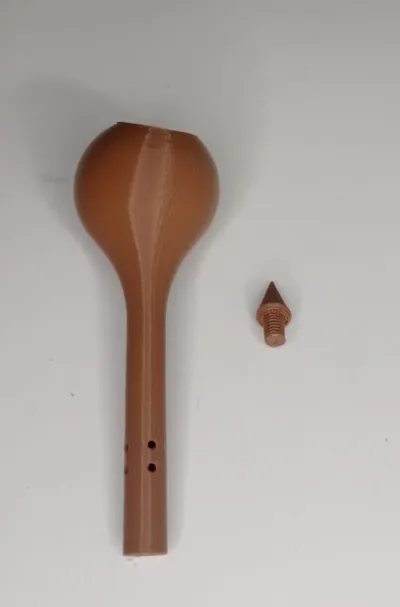
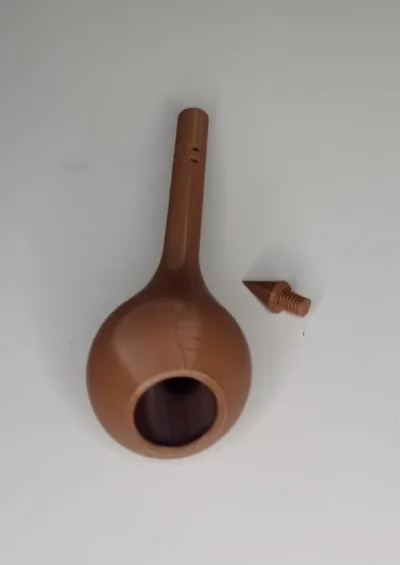
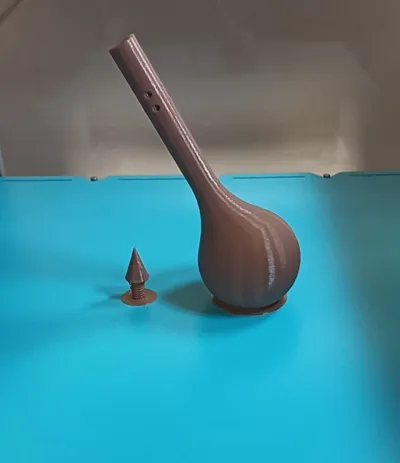
The model allows full customization of size, flow rate, and spike configuration. A removable threaded spike tip improves usability and makes printing easier without supports.
🔧 Key Features:
- Fully parametric design
- Adjustable custom flow control according to your needs, by entering parameters:
- Hole diameter
- Number of holes per row
- Number of rows
- Optional threaded spike tip (easy cleaning & printability)
- Optimized for support-free printing
- Designed specifically for houseplants
⚙️ Custom Parameters:
- Globe diameter
- Spike length
- Wall thickness
- Hole diameter
- Holes per row
- Number of rows
- Hole spacing
- Optional spike tip (ON / OFF)
🔹 Print Settings
- Material: PETG (recommended for durability and water resistance)
- Layer height: 0.2 mm
- Nozzle: 0.4 mm
- Walls: 3 perimeters
- Infill: 15% Gyroid
- Supports: Not required
- Print orientation: Vertical (spike down)
💡 Tip: If using PLA, expect shorter lifespan due to moisture exposure.
🔹 Use Case
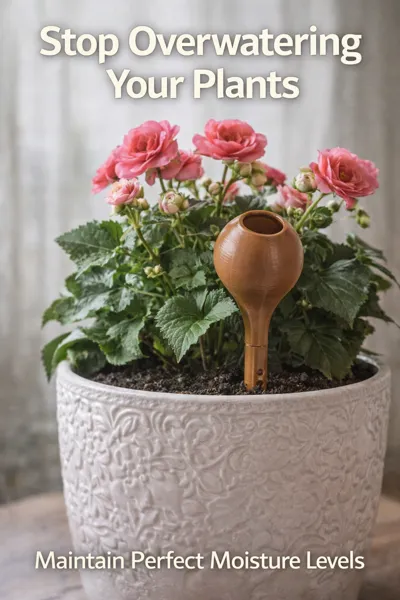
Designed for indoor houseplants, this watering globe slowly releases water directly to the root zone.
Ideal for:
- Regular watering support
- Preventing overwatering
- Maintaining soil moisture during short absences
If you like it or it helps your workflow:
👉 BOOST ME 🚀
👉 and share your make!
💧 Self-Watering Globe – Flow Rate & Hole Size Guide
Many people asked how fast the water flows and how hole size affects performance, so here is a practical explanation based on real testing (not just theory).
🔹 Key Principle
The flow rate is mainly controlled by:
* hole diameter
* number of holes
* soil moisture and air pressure inside the globe
👉 Important: this system does NOT behave like free-flowing water.
It works with vacuum + soil resistance, so real flow is much slower than physics formulas suggest.
📊 TABLE – hole diameter vs. emptying time
👉 assumptions:
sphere volume ≈ 110 ml (sphere Ø60 mm)
regular soil
PETG, smooth tip
real dripping (not an ideal spout!)
📊 Hole Diameter vs. Emptying Time (single hole)
| Hole Diameter | Behavior | Approx. Flow | Emptying Time |
| ------------- | ------------------- | --------------- | ------------- |
| **0.6 mm** | Very slow, may clog | ~0.05 ml/min | 1–3 weeks |
| **0.8 mm** | Stable drip | ~0.1 ml/min | 10–15 days |
| **1.0 mm** | Best balance | ~0.2–0.5 ml/min | 3–7 days |
| **1.2 mm** | Faster flow | ~0.5–1 ml/min | 1–3 days |
| **1.5 mm** | Quite fast | ~1–2 ml/min | ~1 day |
| **2.0 mm** | Almost free flow | 3+ ml/min | few hours |
(Based on ~110 ml globe, typical soil conditions)
Multiple Holes
Flow increases roughly with the number of holes:
* 2 holes ≈ ~2× faster emptying
* 3 holes ≈ ~3× faster
👉 BUT:
* soil saturation slows things down
* airflow changes behavior
* results are not perfectly linear
🔹 Important Insight
Small changes matter a LOT:
👉 0.2 mm difference can double the flow rate
🔹 Recommended Setup
For most plants:
* Hole diameter: 0.8 – 1.0 mm
* Number of holes: 2–3
This gives:
* stable dripping
* less clogging risk
* consistent watering
🔹 Tip: Multiple Small Holes vs One Large
✔ Better: 3 × 0.8 mm
❌ Worse: 1 × 1.5 mm
Why?
* more stable flow
* redundancy if one hole clogs
* smoother water release
🔹 Design Tips for Best Performance
* long spike (80–100 mm) for stable pressure
* hole above the tip
* smooth internal channel
* use PETG (PLA may leak or degrade)
⚠️ Final Note
These are real-world estimates, not exact science.
Soil type, humidity, and plant demand will always affect the result.
👉 Best approach: start with 1.0 mm, then adjust ±0.2 mm based on your needs.
If you have questions or test results, feel free to share 👍
Hi everyone 👋
I’ve just released an improved version of this model:
💧 Self-Watering Globe V2 – Adjustable Flow Control Lid
The new version adds a parametric lid that lets you fine-tune the drip speed by adjusting hole size and number of holes.
👉 This makes the watering much more stable and adaptable for different plants and soil types.
You can check it out here:
🔗 [LINK TO V2 MODEL] Self-Watering Globe V2 Adjustable Flow Control Lid - Free 3D Print Model - MakerWorld
Thanks a lot for all your feedback and support – it helped shape this upgrade 🙌
I do not recommend Martin's press profile - reasons below in the "Important Notice" description.
Important notice!!
🛠️ Print Profile Comparison (Watering Globe)
There was a question about different print settings, so here is a clear comparison between:
Model Author Profile
Martin’s Profile
🔹 Settings Overview
Model Author Profile:
0.2 mm layer height
0.4 mm nozzle
3 walls
15% gyroid infill
PETG
Martin’s Profile:
0.22 mm layer height
0.4 mm nozzle
3 walls
5% gyroid infill
PLA
🔹 What matters most?
For this type of model (water container + controlled dripping), the key factors are:
Material
Wall integrity (sealing)
Layer bonding
🔹 Material Comparison
PETG (Model Author Profile)
✔ better water resistance
✔ more durable in wet conditions
✔ less brittle (stronger tip)
PLA (Martin’s Profile)
❌ can develop micro leaks over time
❌ degrades with moisture
❌ more brittle
👉 Material is the biggest difference here.
🔹 Layer Height
0.2 mm → slightly better sealing
0.22 mm → slightly faster print
👉 Small difference, but 0.2 mm is safer for watertight prints
🔹 Infill
15% vs 5% → minimal impact
👉 This model behaves like a shell, so:
walls matter
infill is mostly irrelevant
🔹 Walls (Perimeters)
Both use:
3 walls ✔
👉 This is important for:
watertightness
structural strength
🔹 Final Verdict
👉 Model Author Profile is better suited for this model
Main reasons:
PETG is more reliable for water use
better long-term durability
slightly better sealing with 0.2 mm layers
🔹 Recommended Setup
For best results:
PETG
0.2 mm layer height
3–4 walls
5–10% infill
⚠️ Note
PLA can work short-term, but for long-term use with water, PETG is the safer and more reliable choice.
Feel free to share your own results 👍
Boost Me (for free)
If you like clean parametric designs and practical tools for everyday use, support this model with a Boost 🚀 – more smart designs coming!
License

You shall not share, sub-license, sell, rent, host, transfer, or distribute in any way the digital or 3D printed versions of this object, nor any other derivative work of this object in its digital or physical format (including - but not limited to - remixes of this object, and hosting on other digital platforms). The objects may not be used without permission in any way whatsoever in which you charge money, or collect fees.


Comment & Rating (133)