
Articulated Dragon / Wyvern V2
Print Profile(3)

Description
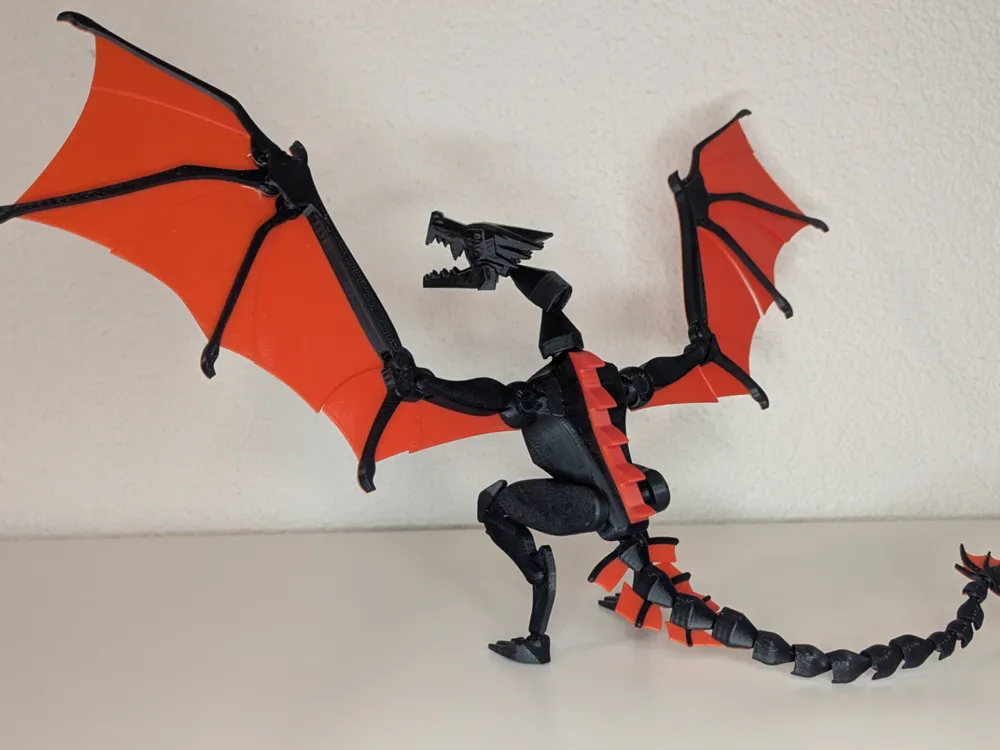
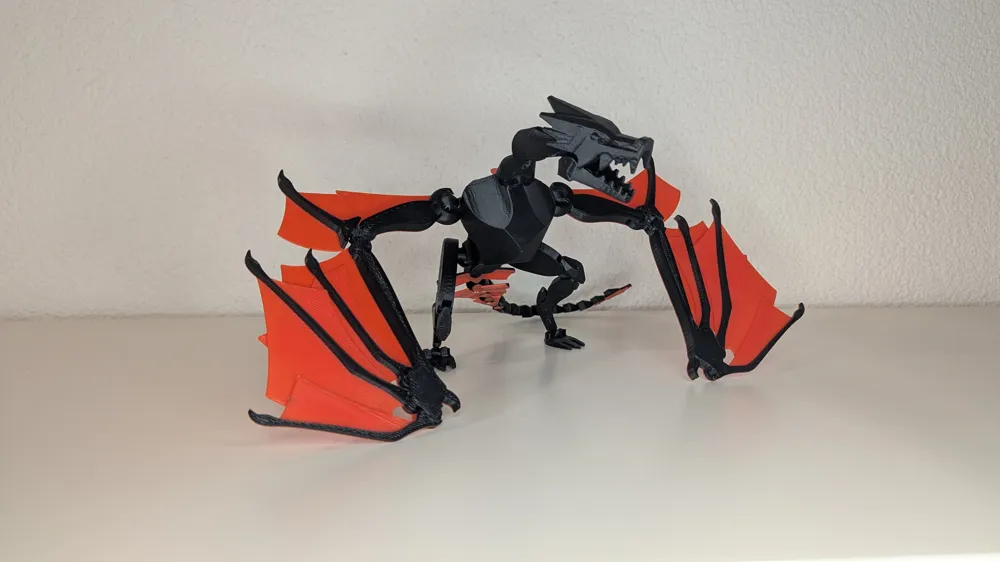
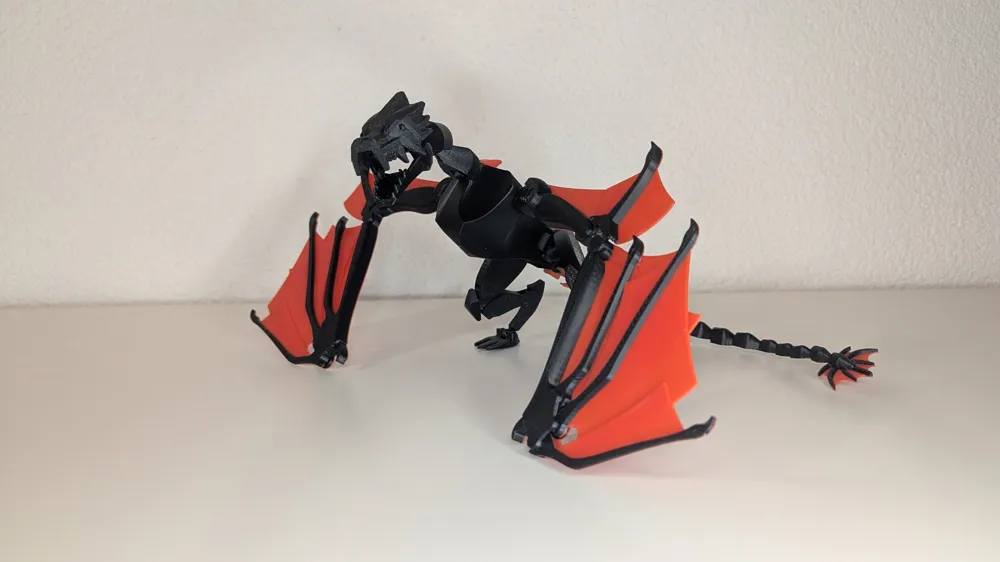
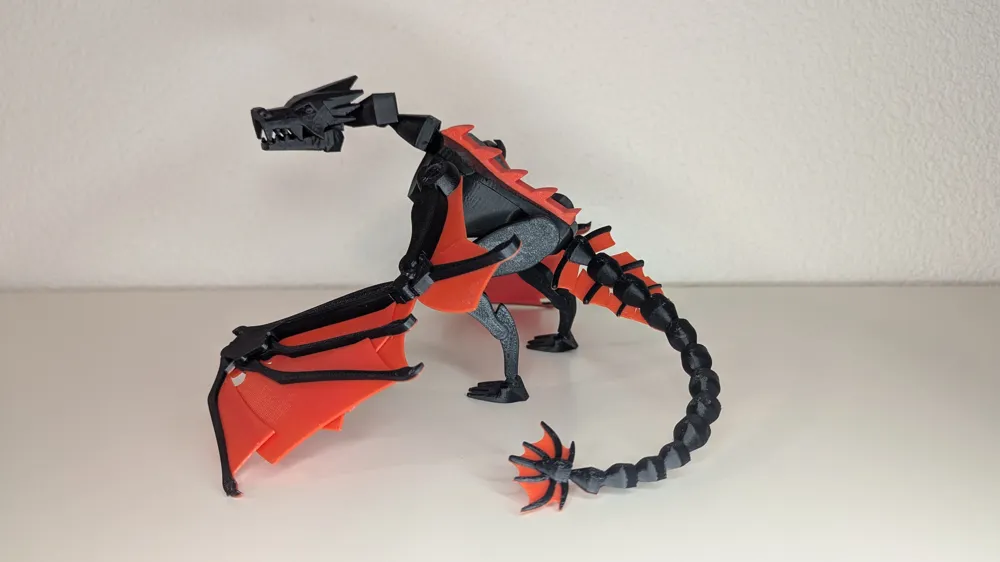
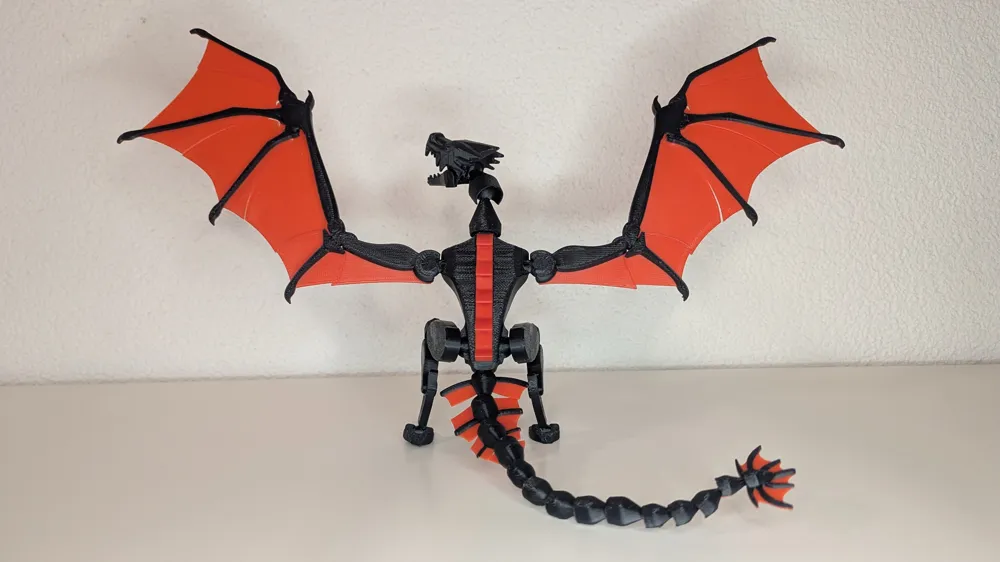
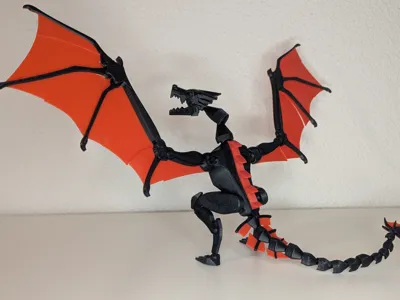
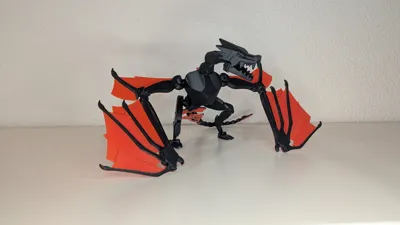
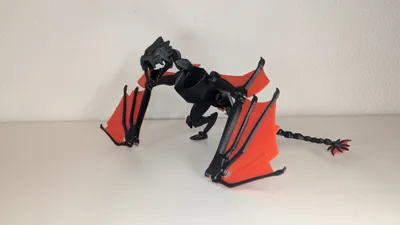
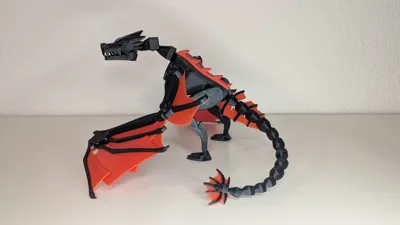
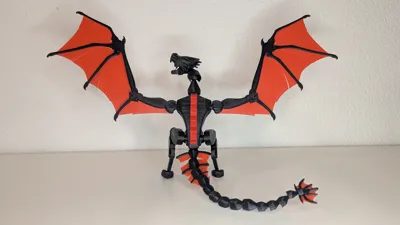
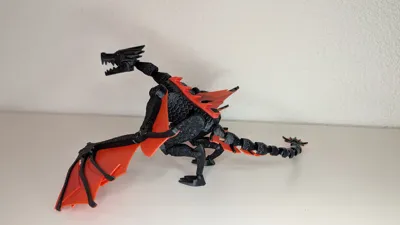
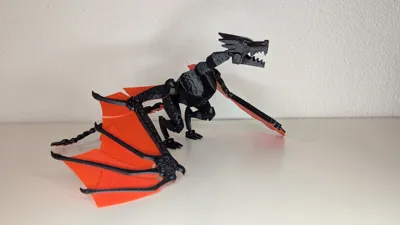
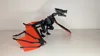
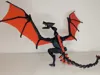
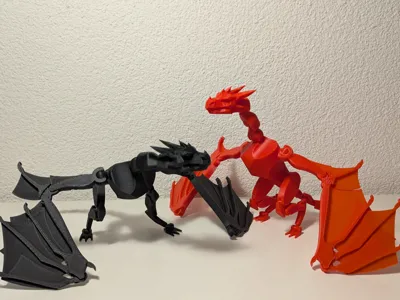
Articulating Dragon V2
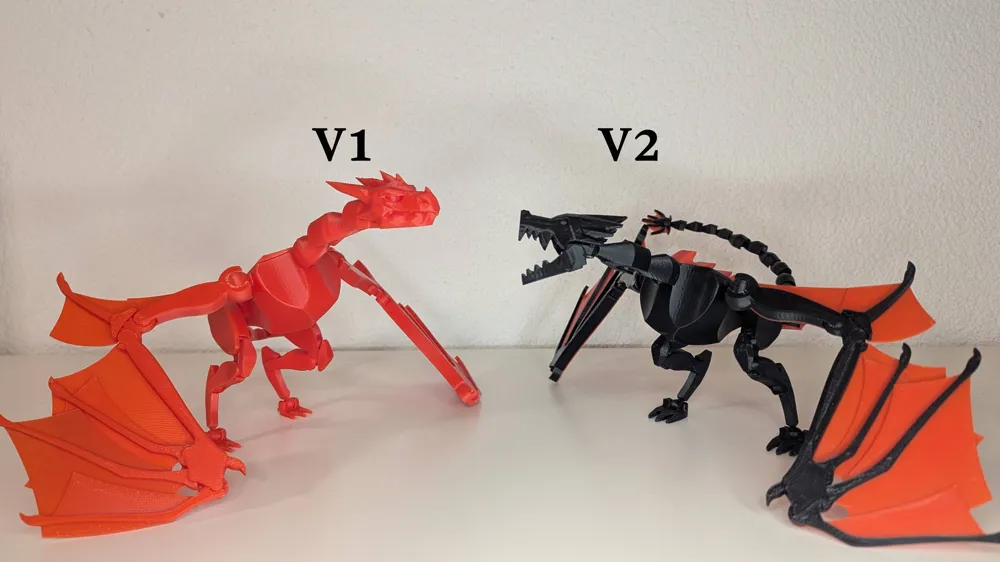
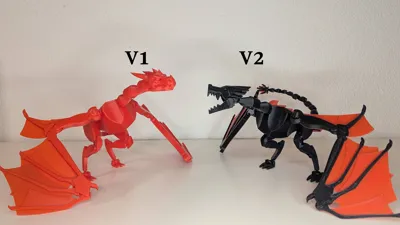
This is the second version of my articulating dragon model. While it is based on the V1 design, it includes several improvements in durability, functionality, and detail.
Improvements
Improved Joint Fit
One of the main issues with V1 was that the joints were too tight, requiring excessive force to assemble.
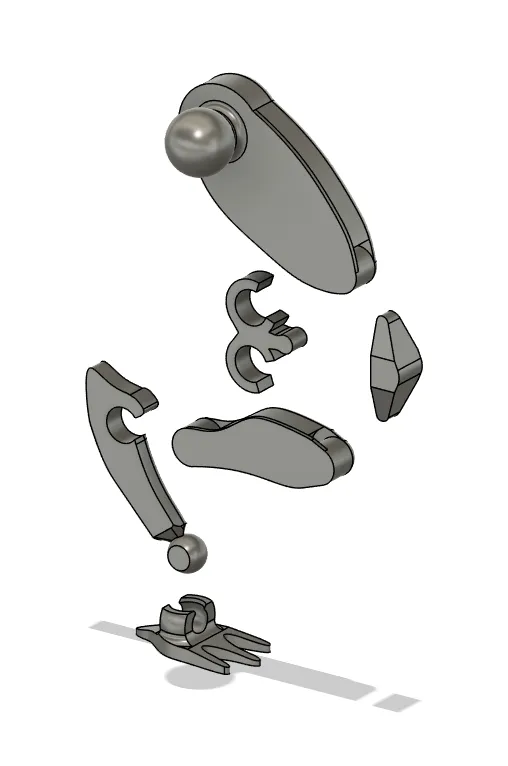
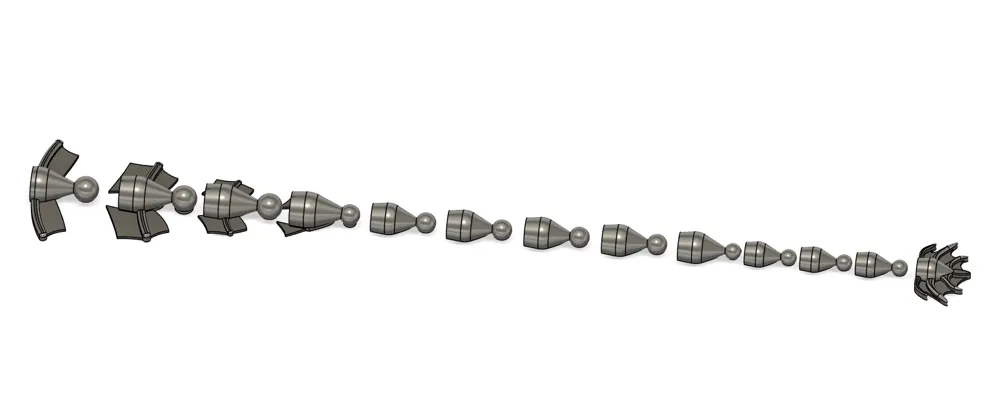
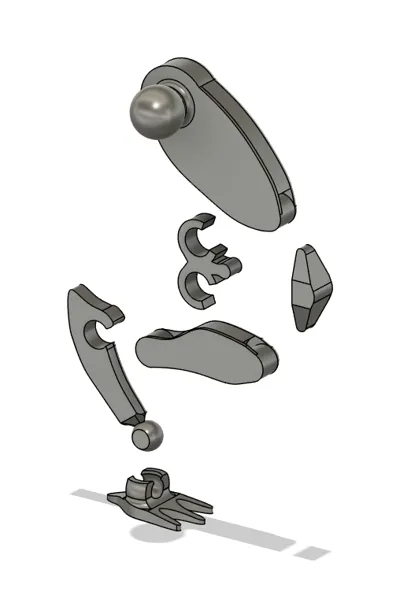
For V2, the ball joints in the neck, head, hips, and tail have been redesigned to snap together more easily. The leg joints have also been adjusted for smoother assembly while maintaining a secure fit.
Reinforced Weak Points
Some parts in V1 were prone to breaking or bending:
- Feet: Previously fragile due to size and print orientation. The feet have been redesigned to be sturdier and optimized for better print orientation.
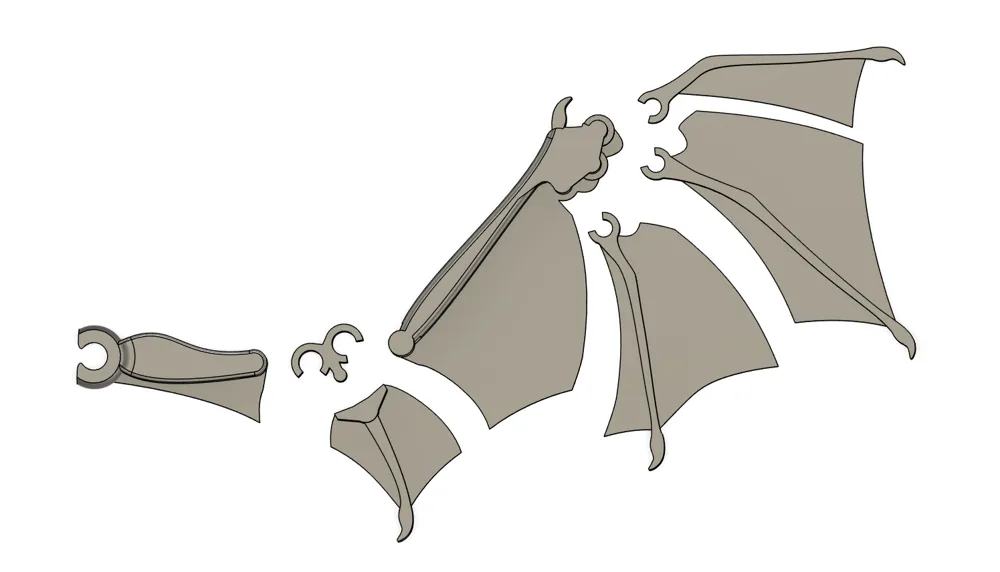
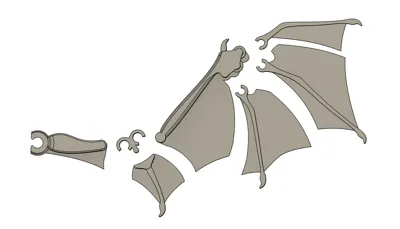
- Wing connection: The last wing segment often bent, causing looseness. This connection has been thickened to improve strength and prevent deformation.
Redesigned Torso Connection
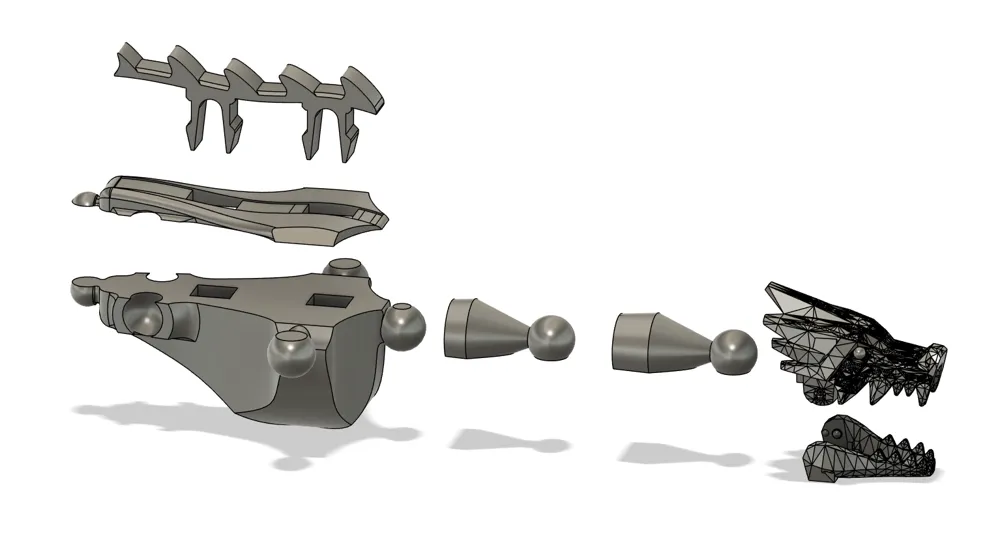
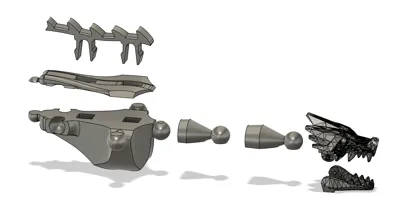
The torso is split into two parts to allow support-free printing.
In V1, these parts were connected using pegs, which caused issues due to varying printer tolerances—either too tight to fit or too loose to hold properly.
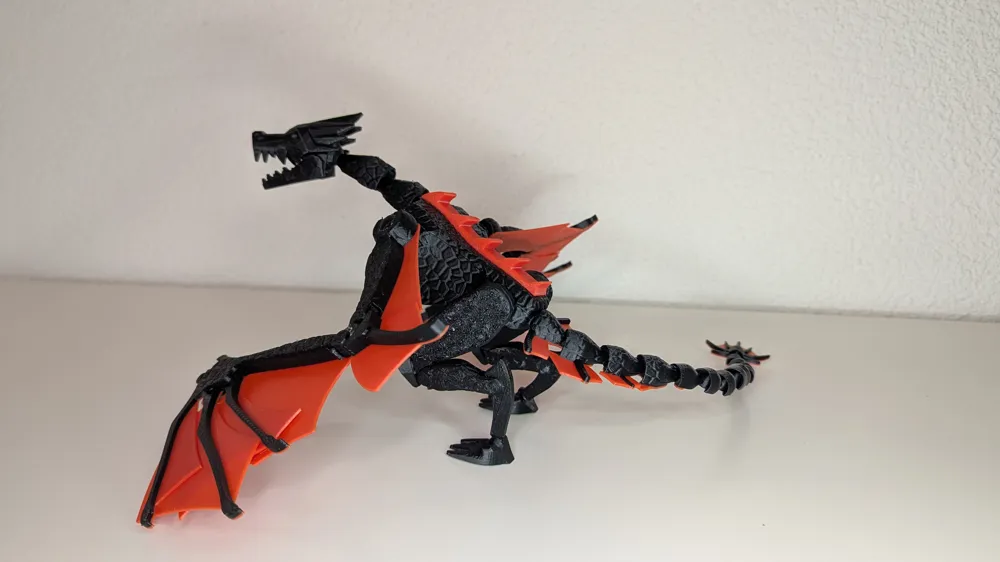
In V2, this has been replaced with a clamping mechanism that securely holds both halves together regardless of minor tolerance differences. This clamping piece also adds extra visual detail in the form of spikes along the dragon’s back.
New Features
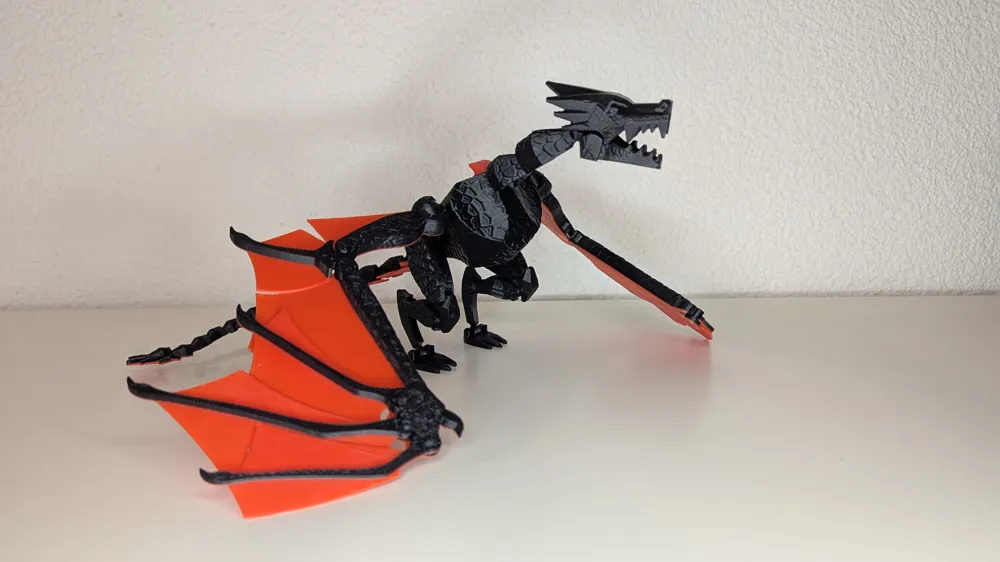
Opening Mouth
A major addition in V2 is a redesigned head featuring an articulated, opening mouth. The V1 Head still fits if you prefer the aesthetics of the old Head.
Enhanced Tail Detail
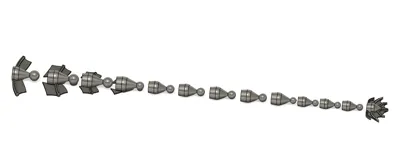
Additional sculpted details have been added to the tail for a more refined look.
Textured Version Available
A variant of the model is available with a scale texture across the body.
Printing Recommendations
- No supports required
- Recommended materials: ABS or PETG
These materials are preferred because the joints are constantly under tension. Materials like PLA may deform over time due to creep, which can cause the joints to become loose.
This remix is based on
License



Comment & Rating (37)