Search models, users, collections, and posts

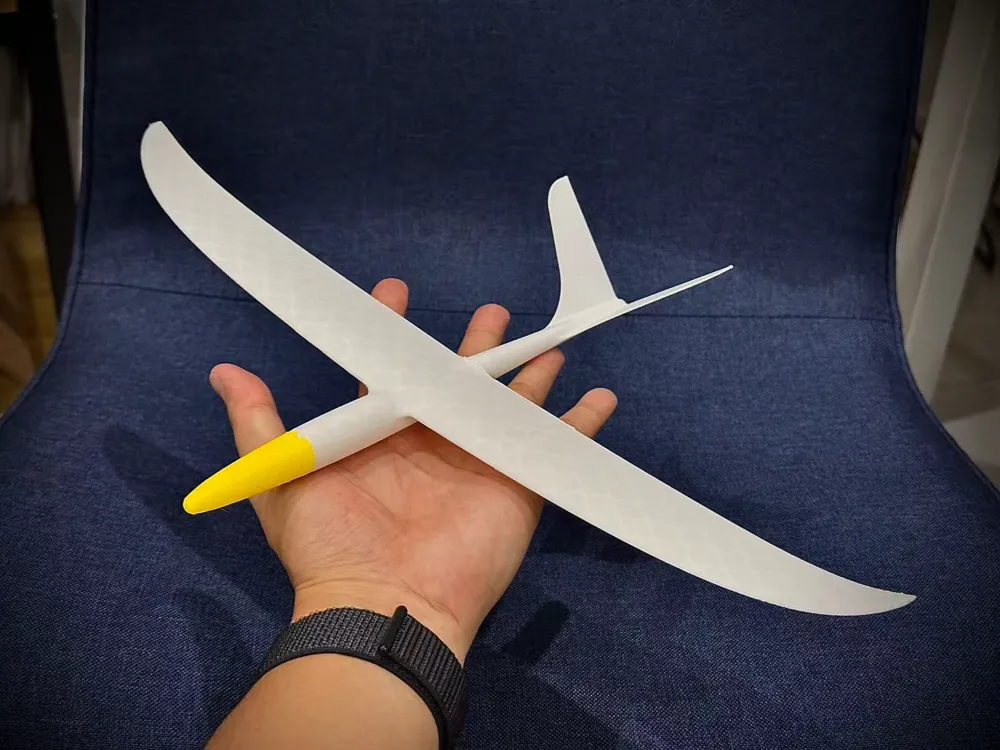
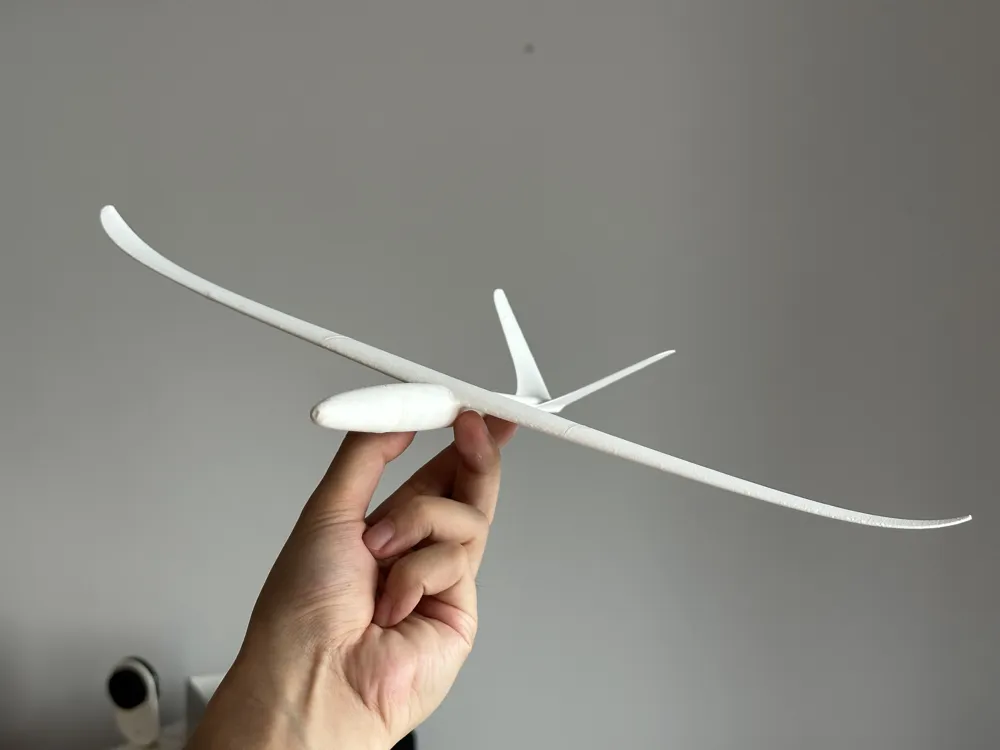
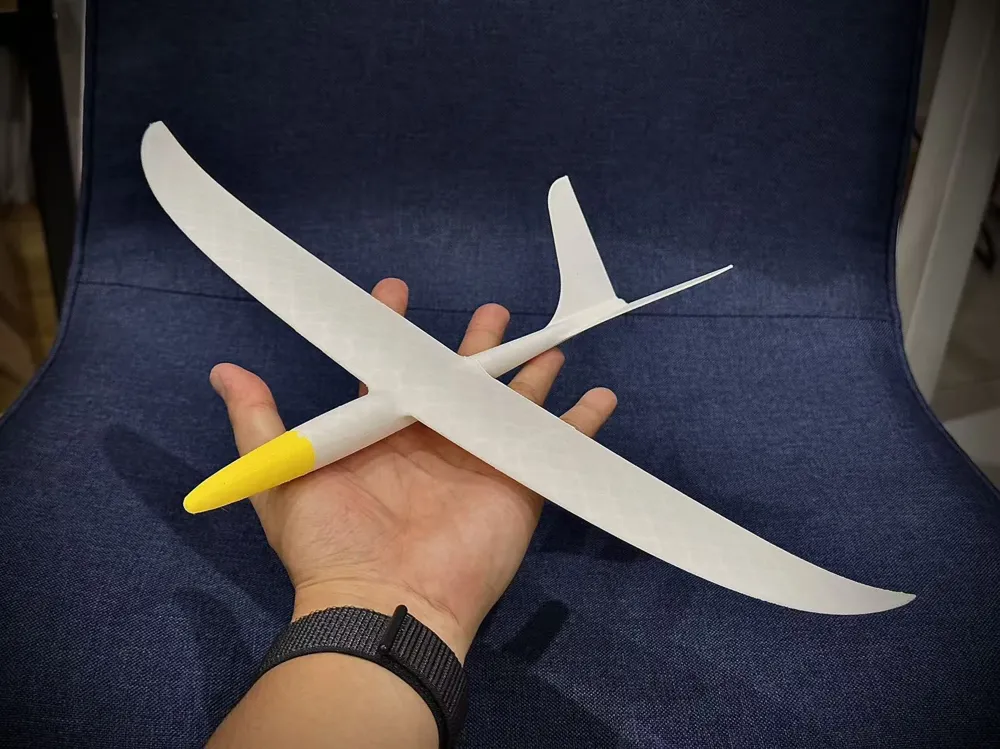
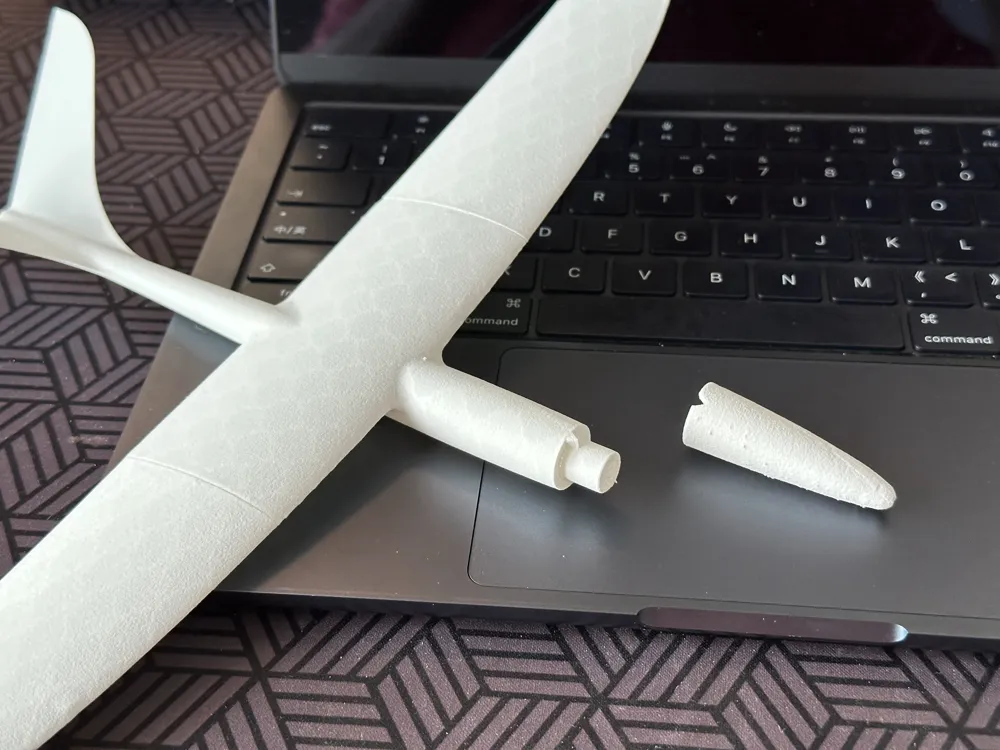
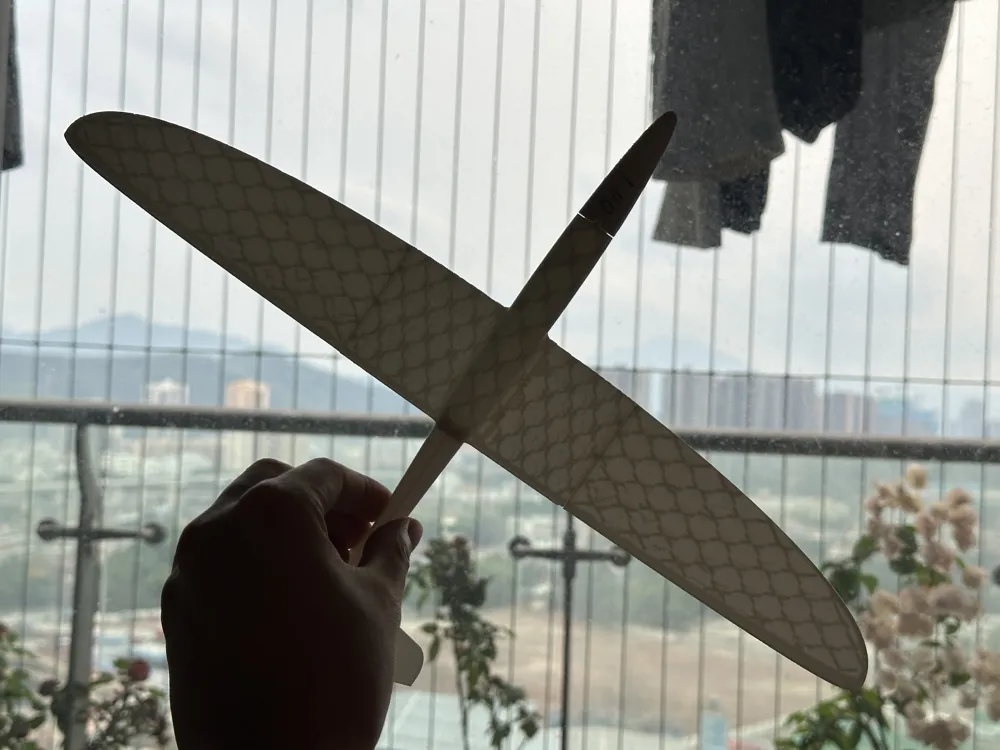
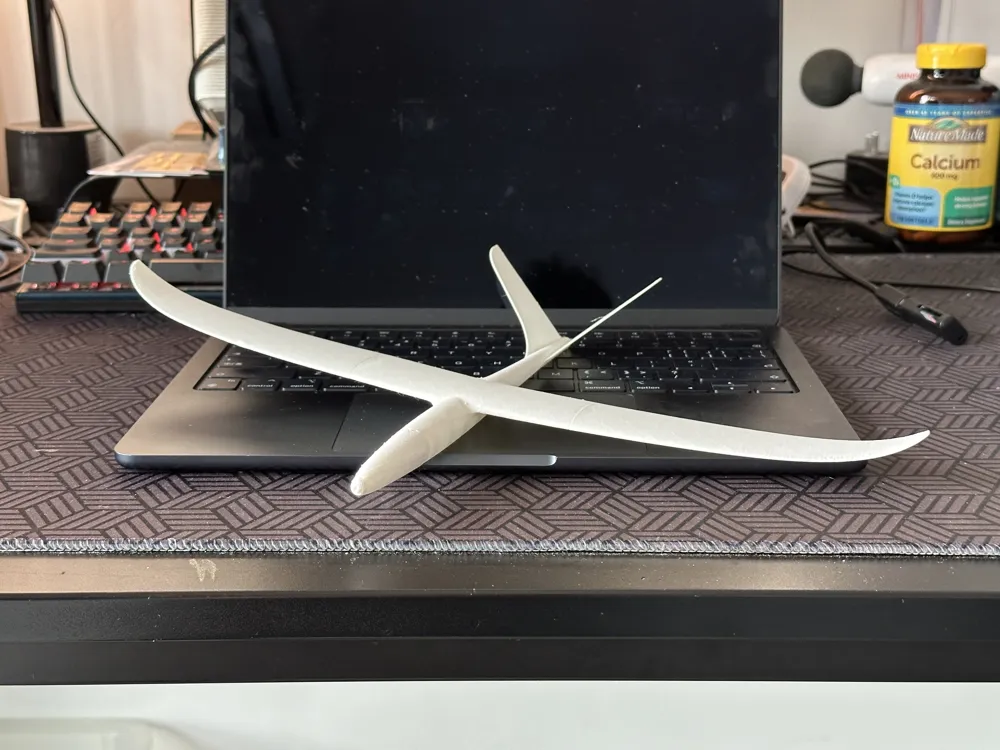
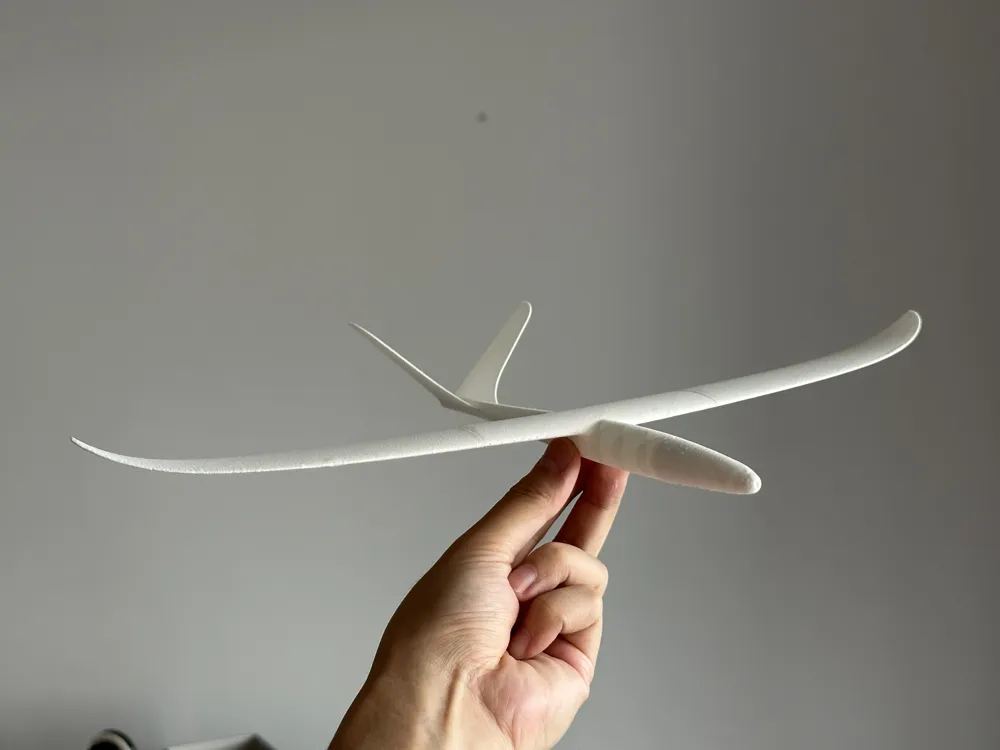
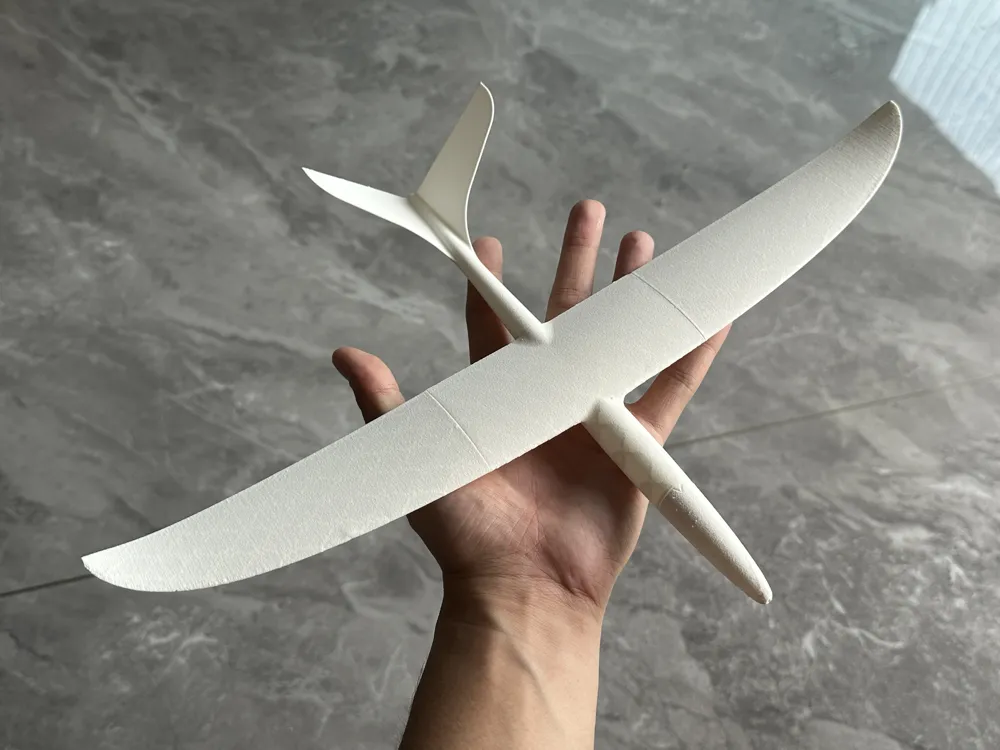
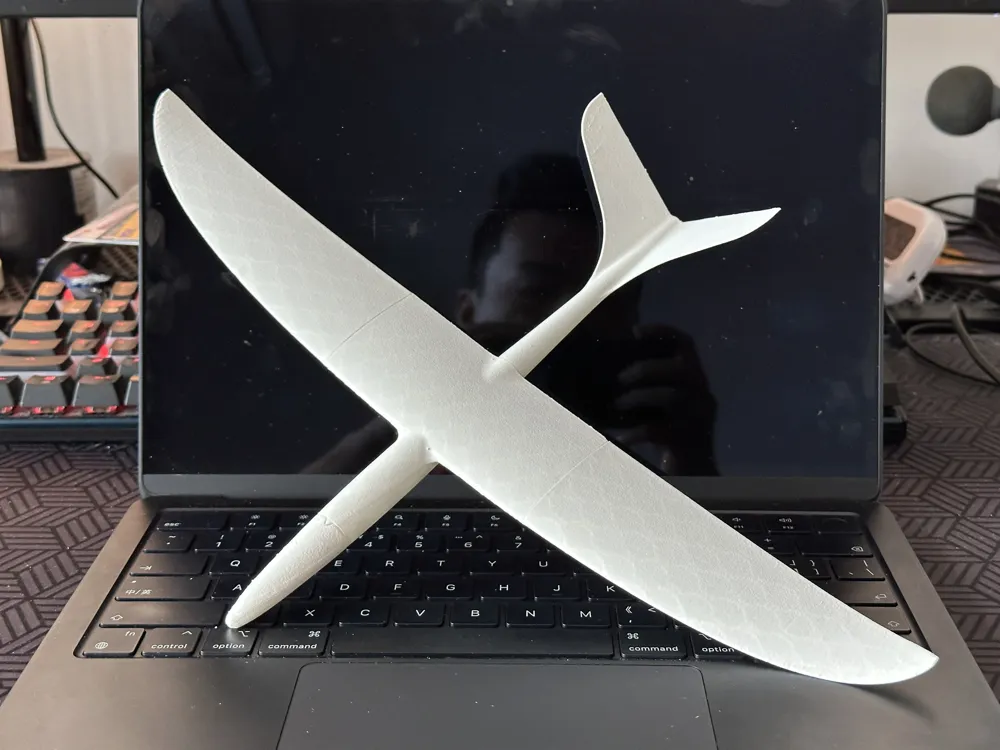
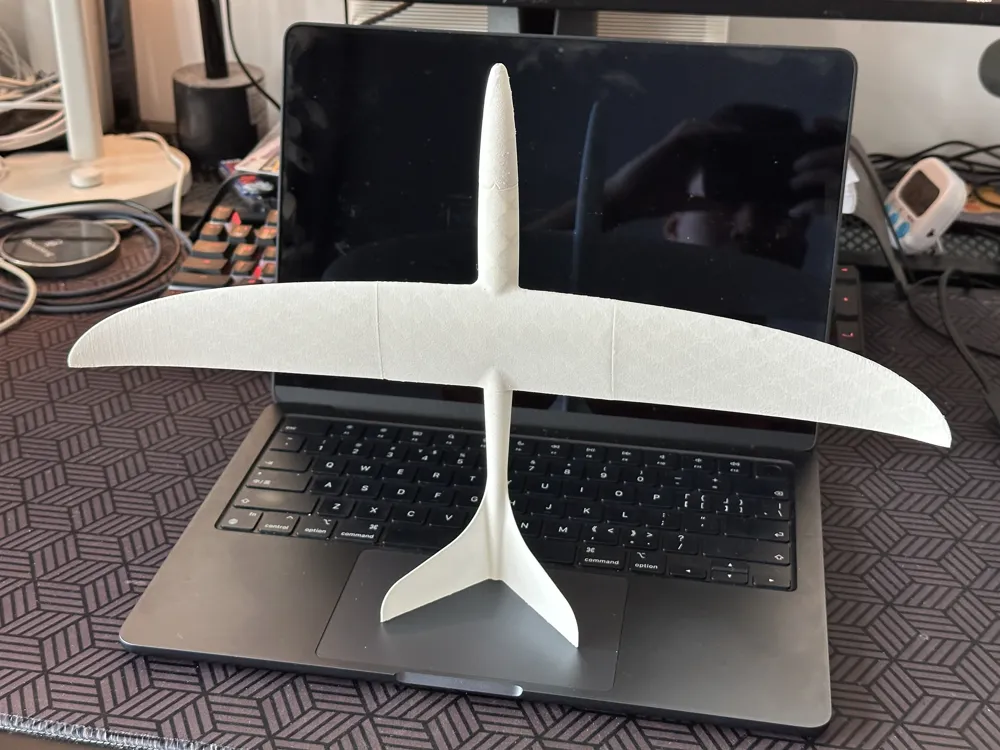
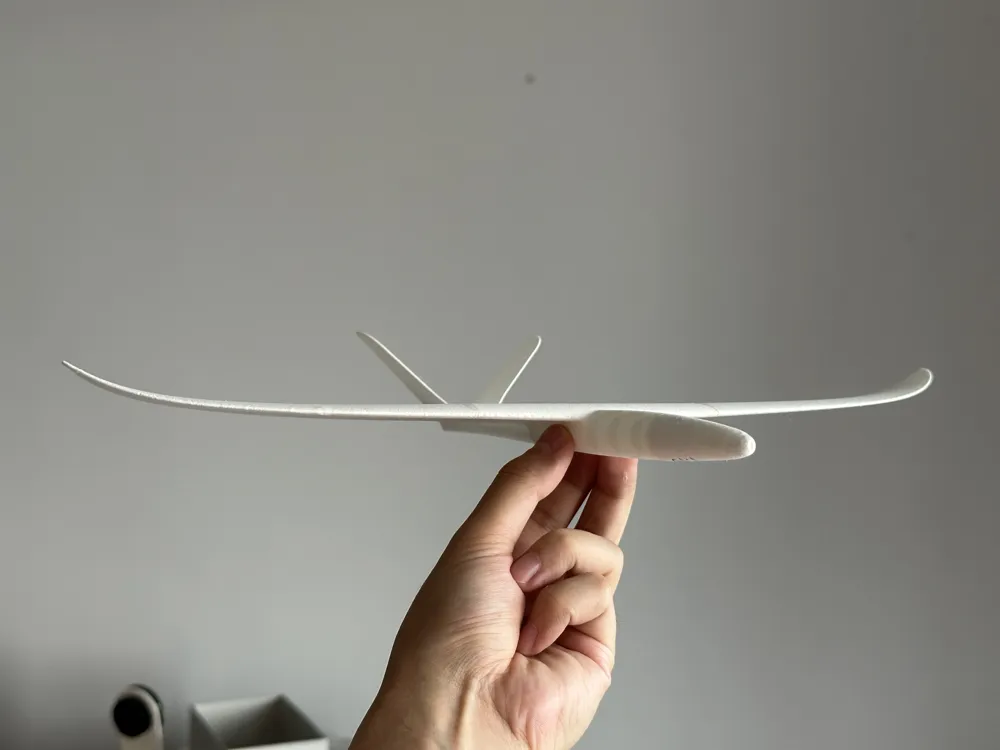
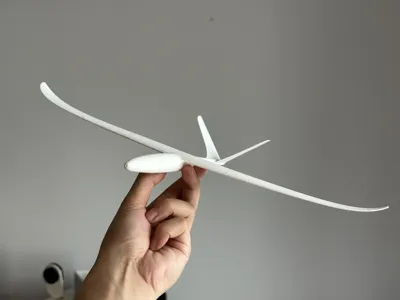
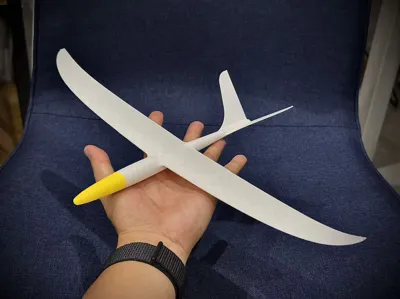
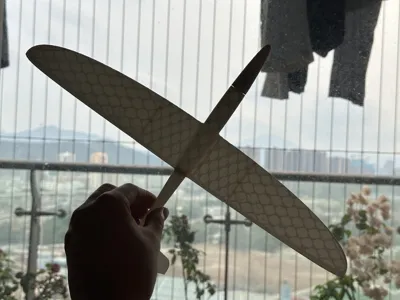
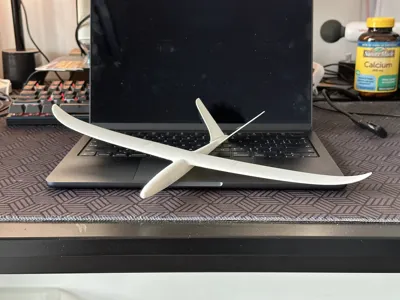
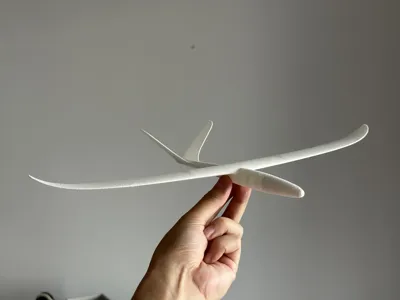
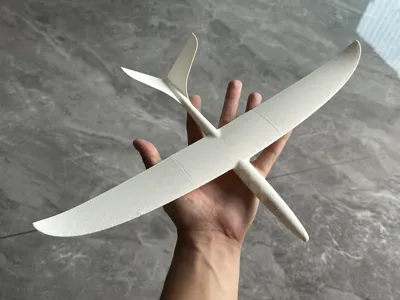
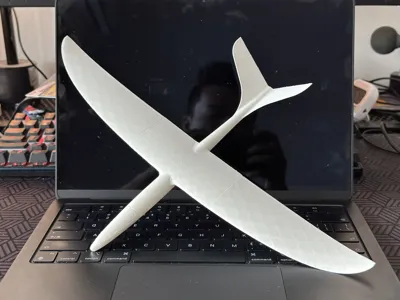
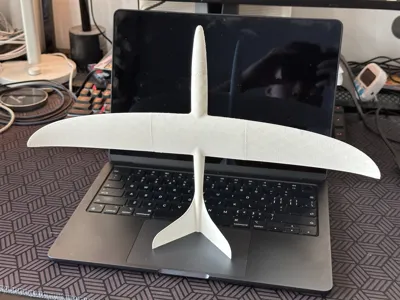
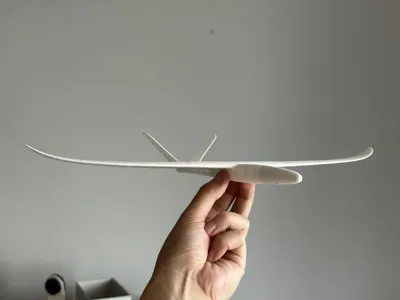
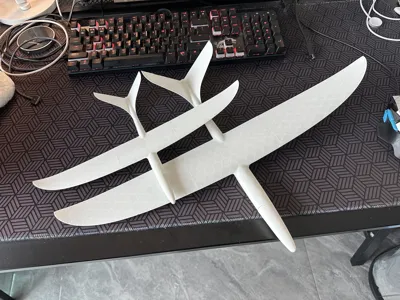
Ultralight Palm Glider, 10.8 grams flyable; 37cm wingspan; V6 version
IP Report
Print Profile(4)
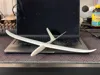
0.2mm layer, 1 walls, 7% infill (old setting, do not use)
Designer
5.3 h
4 plates
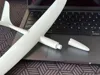
Aero TPU nose
Designer
1.3 h
1 plate
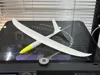
Latest PLA Aero process settings
Designer
2.9 h
4 plates
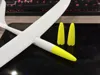
Three-weight nose cones: 95A non-foaming TPU
Designer
45 min
1 plate
Open in Bambu Studio
Boost
14
54
10
0
84
20
Released
Description
Content has been automatically translated.
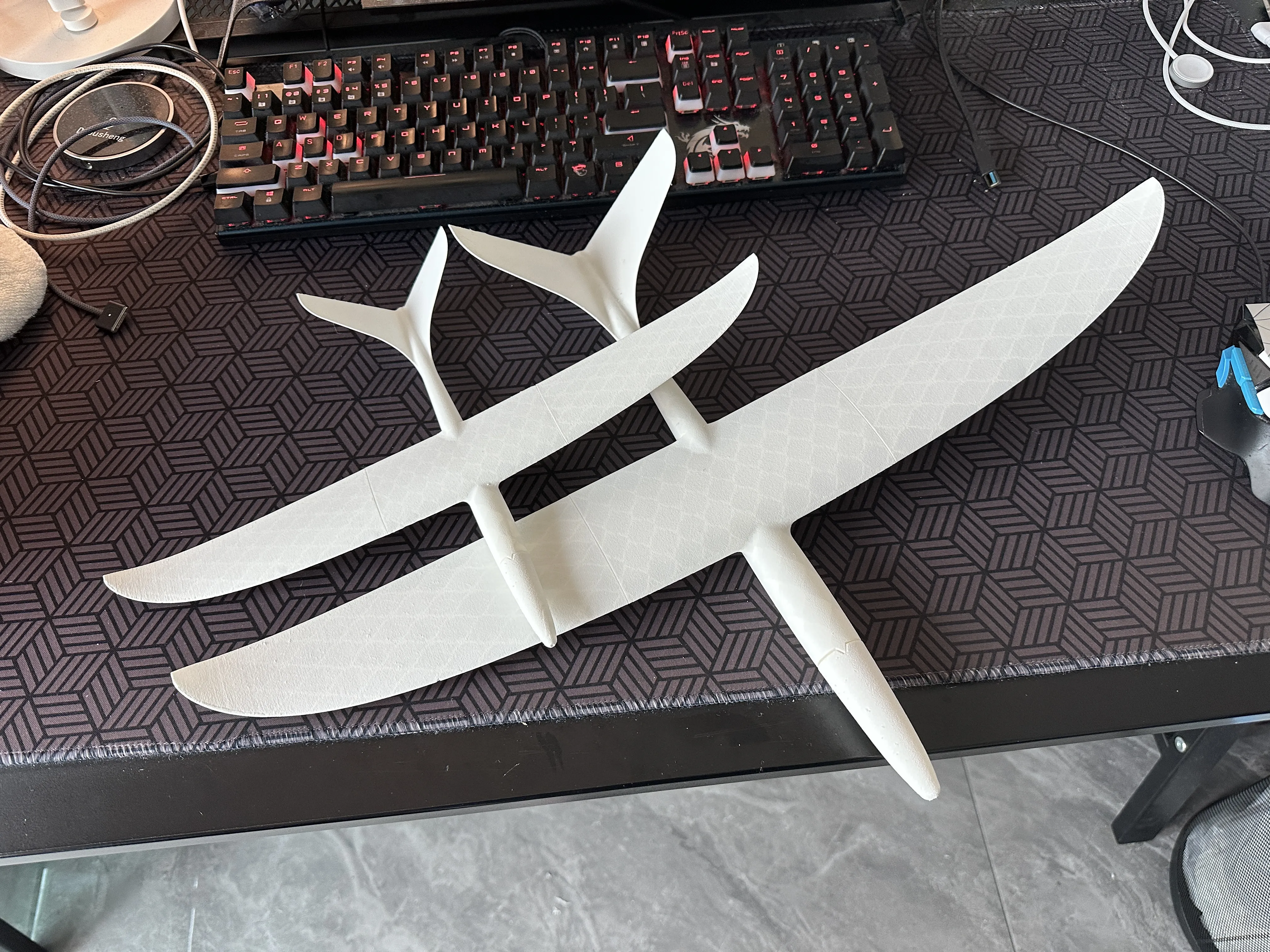
It took six iterations to achieve satisfaction, and now both the exterior lines and flight performance are close to perfection
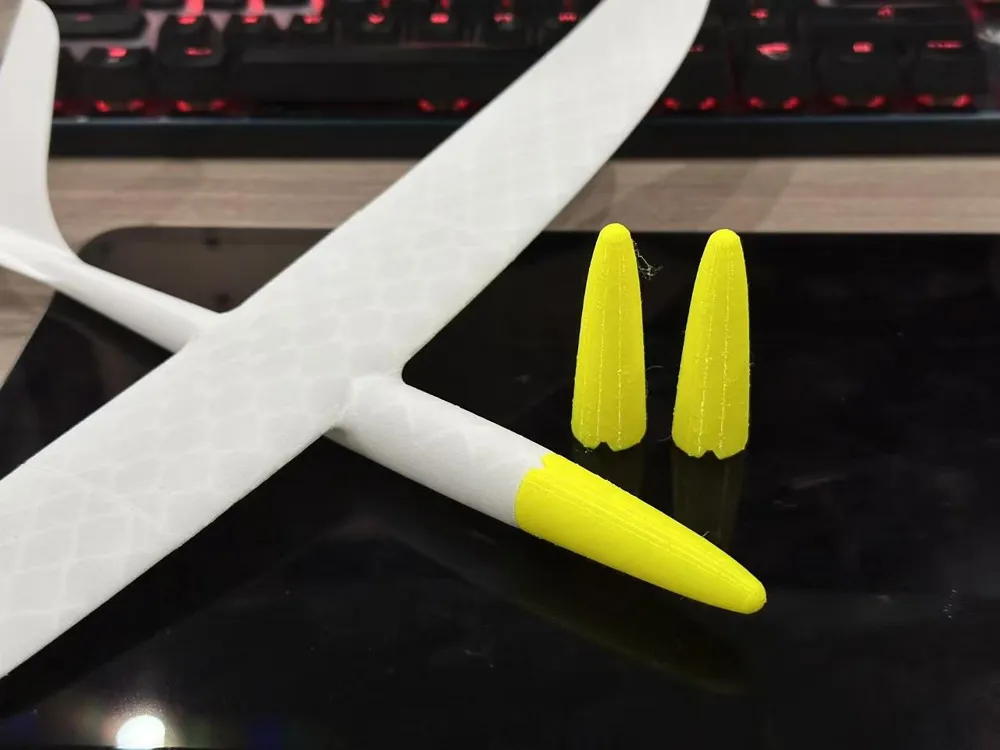
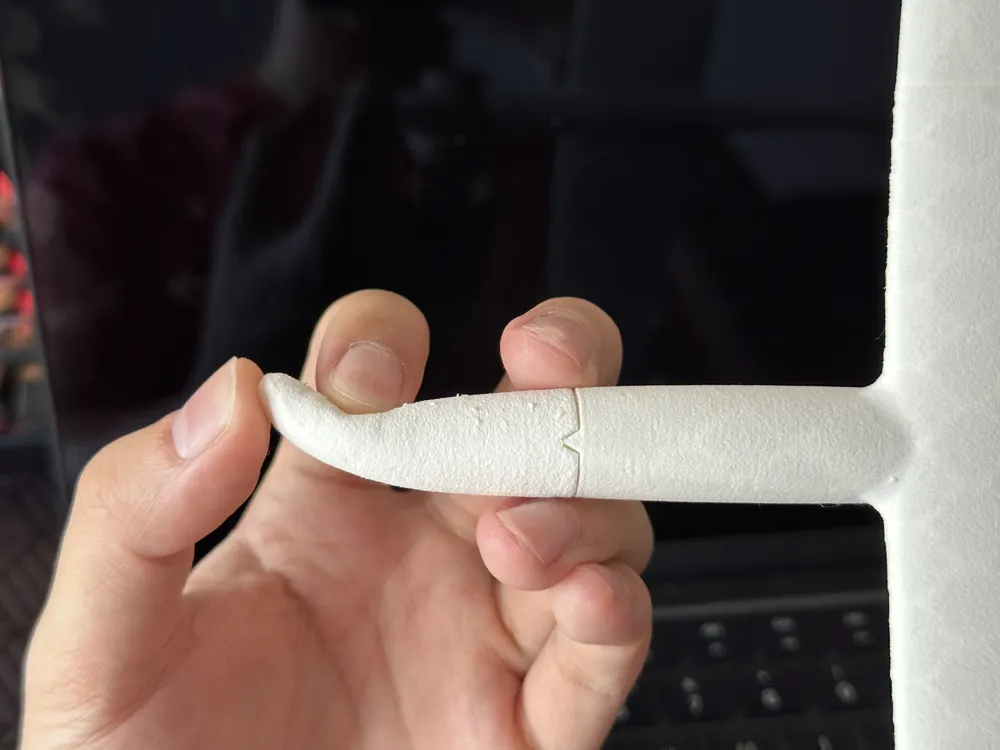
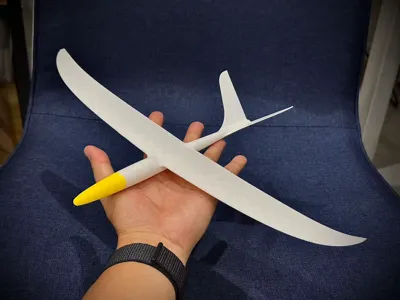
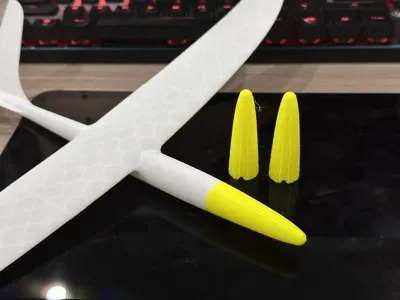
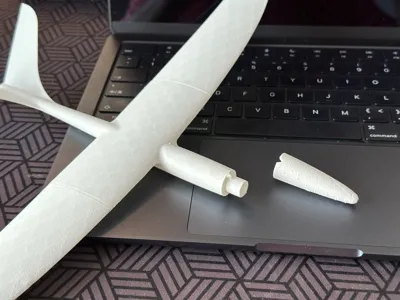
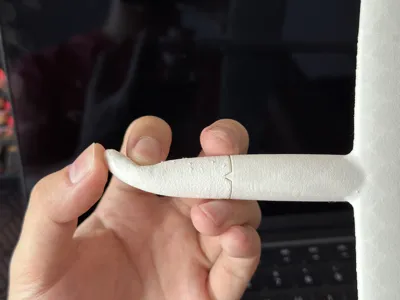
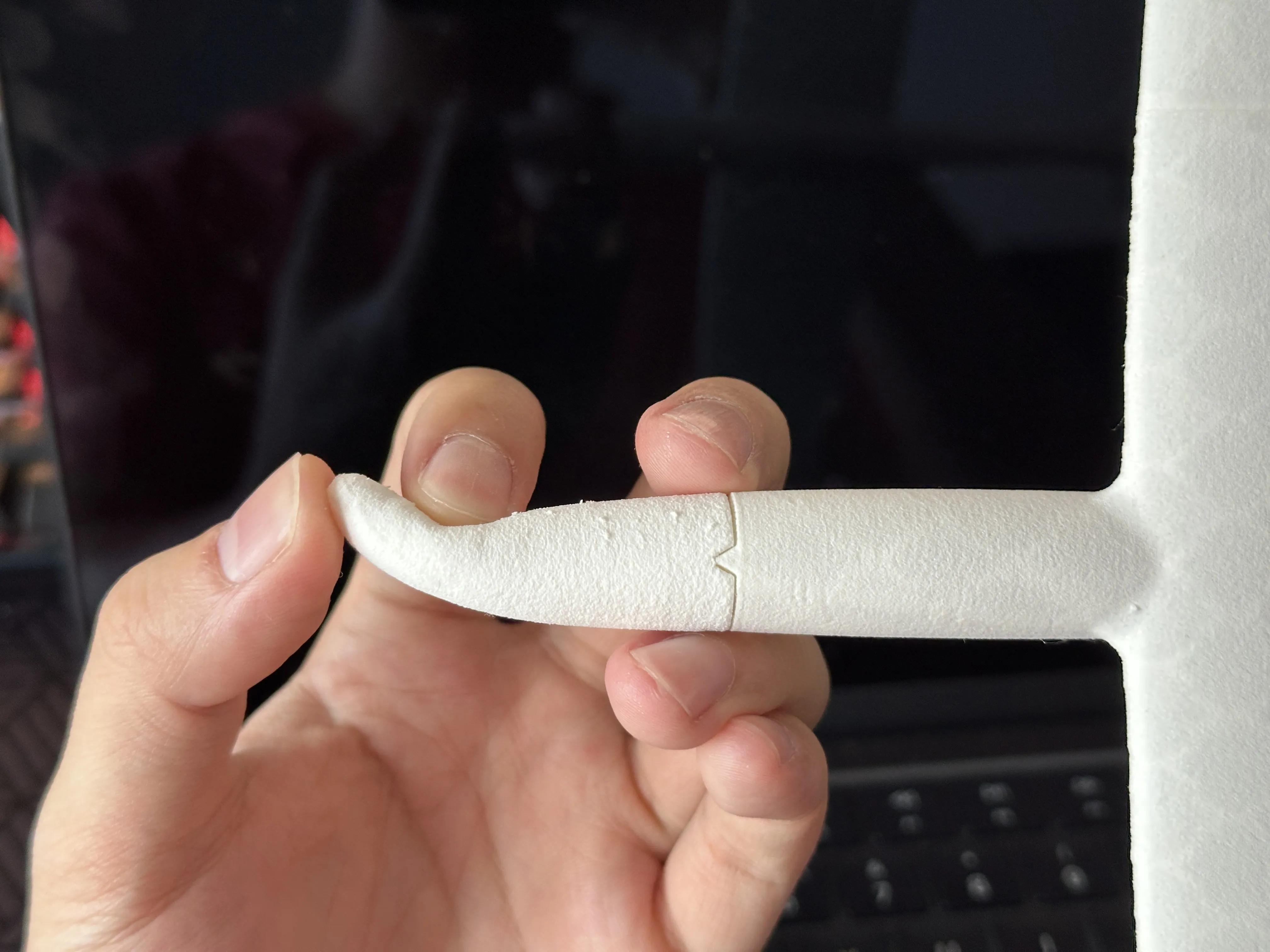
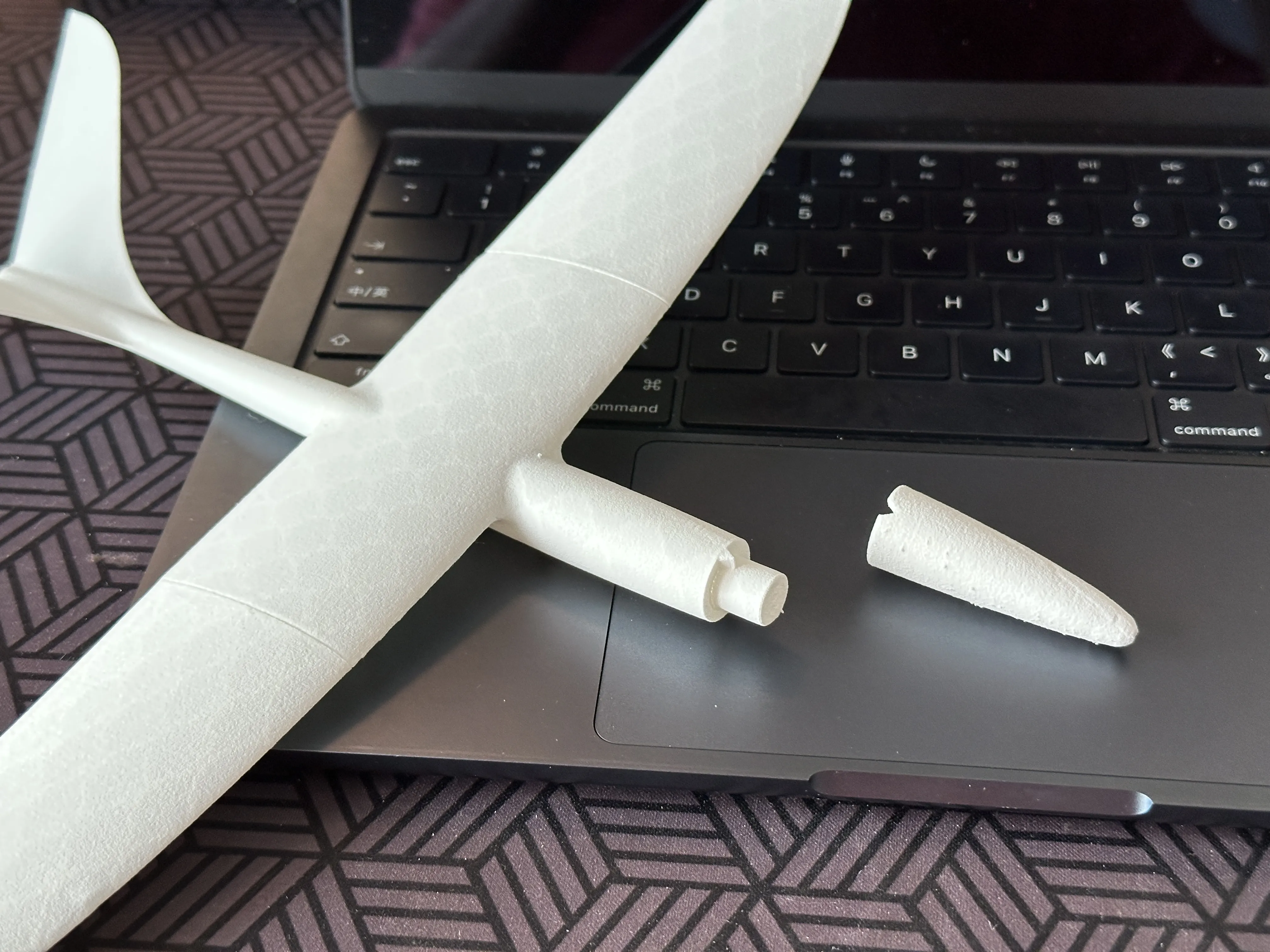
The nose adopts a modular design, making it convenient to replace noses with different counterweights. It also uses TPU for cushioning, allowing it to withstand impacts in environments like the living room.
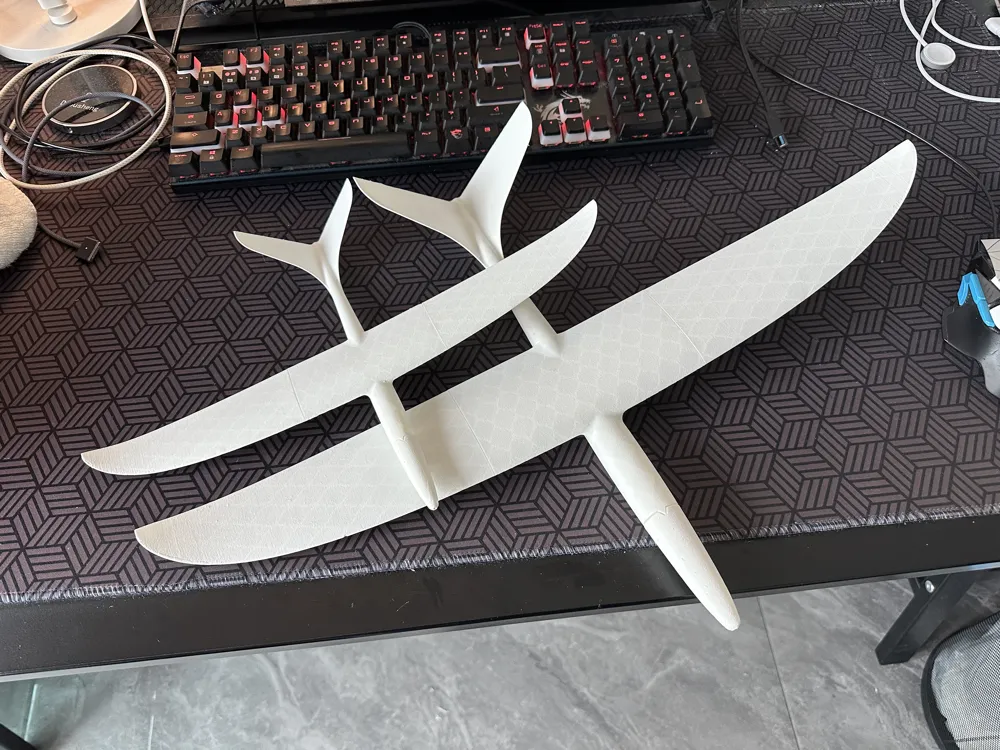
It can be scaled freely; it has been tested at 1.5x magnification with excellent performance.
Tools:
- Requires CA glue like 502 for adhesion
- A sharp utility knife and flush cutters are best for cleaning up imperfections
Materials:
- The main body is printed with foamed PLA using the maximum foaming rate
- For the nose, I used Fusrock foamed TPU; if using ordinary TPU 95A, the hardness will be too high, lacking a cushioning effect. Although the nose won't break, a strong impact might damage the fuselage. Also, the nose might be too heavy, requiring tail counterweight for balanced flight.
- Heavier manufacturing methods, such as directly printing with PLA PETG, are not recommended. Even with a 0.2 nozzle, the weight will exceed 15g. I've tested it, and it's basically unflyable, with a launch success rate less than 20%.
Tuning:
- The parameters for foamed TPU have been precisely set, but individual results may vary. Therefore, there are three nose weights, approximately 1.34~1.45g each.
- Adjust the nose weight according to your needs and test flights. You can adjust the print infill or insert items into the nose.
Scalability:
- Can be scaled up for play. I tested a 1.5x magnification with excellent results. However, you'll need to adjust infill and other settings yourself, especially for the tail boom, which becomes softer and less crash-resistant when scaled up. The nose also needs its weight re-calibrated.
- Looking forward to someone making an extra-large version
Boost Me (for free)
If You Like
License

This user content is licensed under a
Creative Commons Attribution-Noncommercial-Share Alike


Comment & Rating (10)