Search models, users, collections, and posts

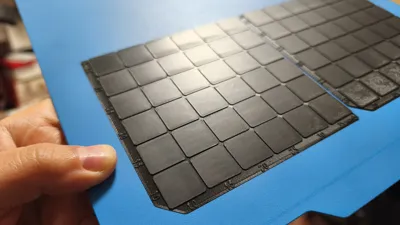
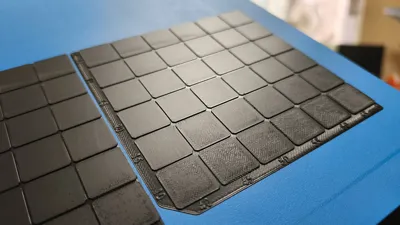
Time and Material-Saving (36g) Ironing Test
IP Report
Print Profile(1)
0.2mm layer, 2 walls, 15% infill
Designer
3.8 h
1 plate
Open in Bambu Studio
Boost
2
9
2
0
16
12
Released
Description
Content has been automatically translated.
Boost Me (for free)
If you find it useful, please give me a boost.Your boost is the greatest validation and encouragement I could ever receive. Thank you very much!
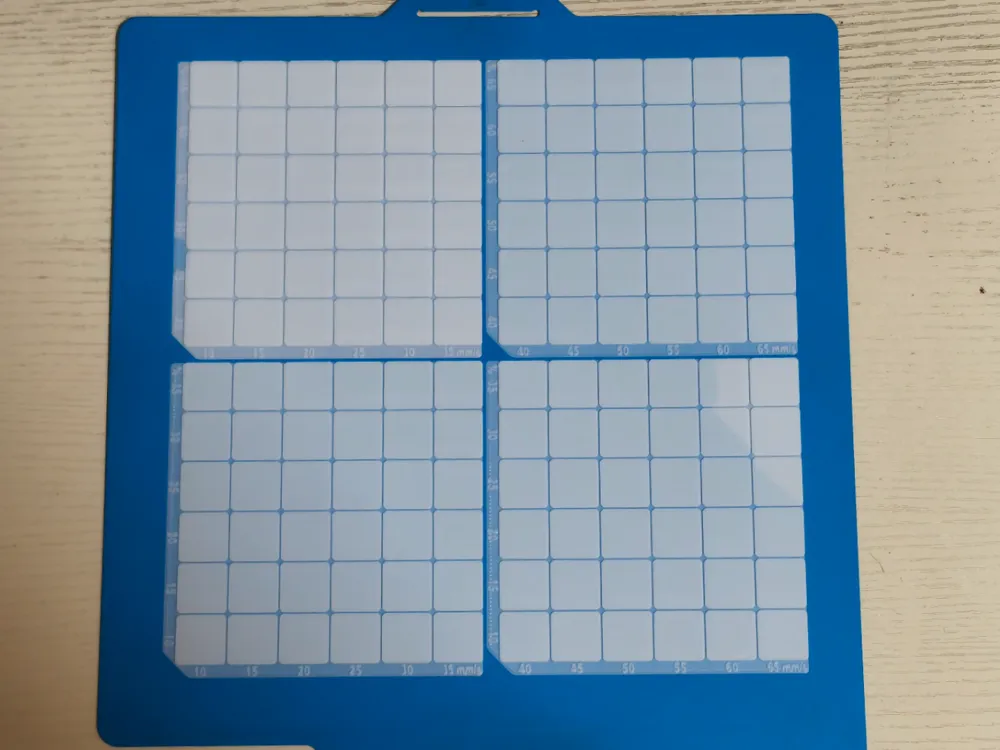
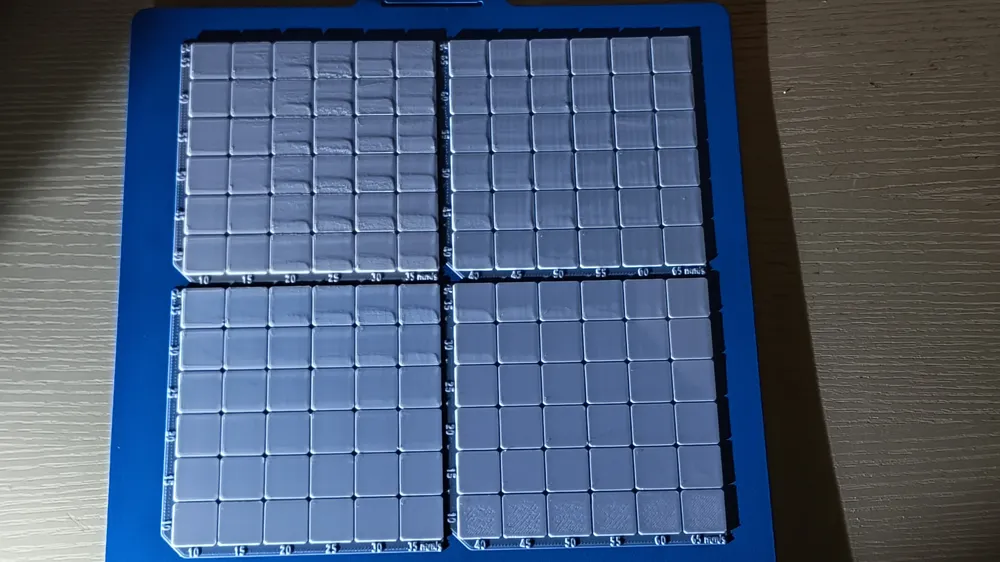
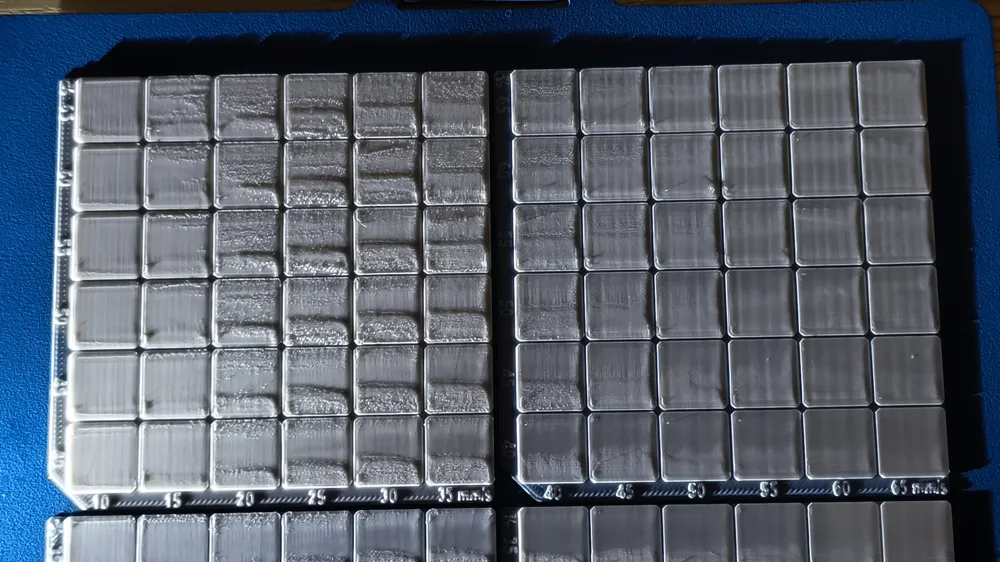
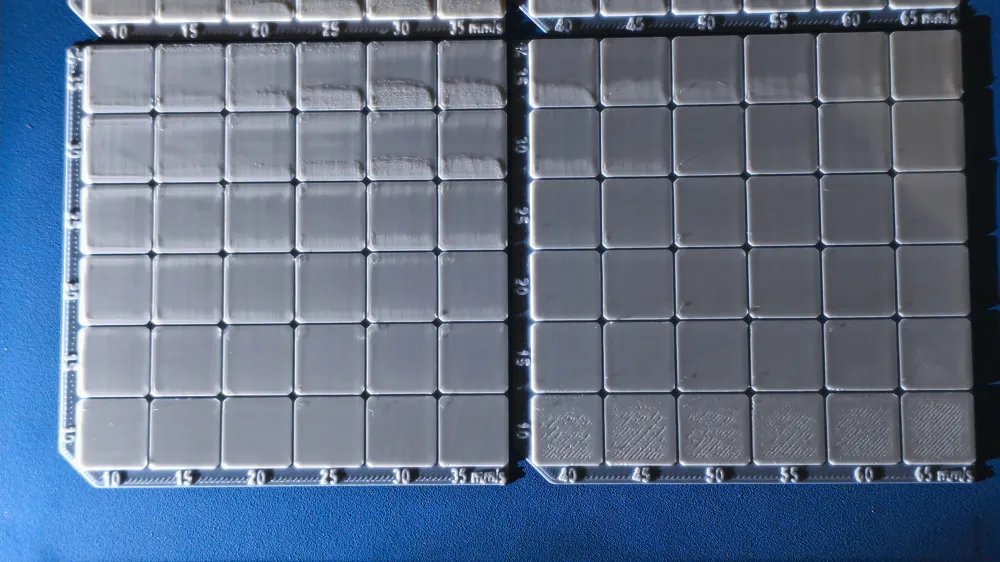
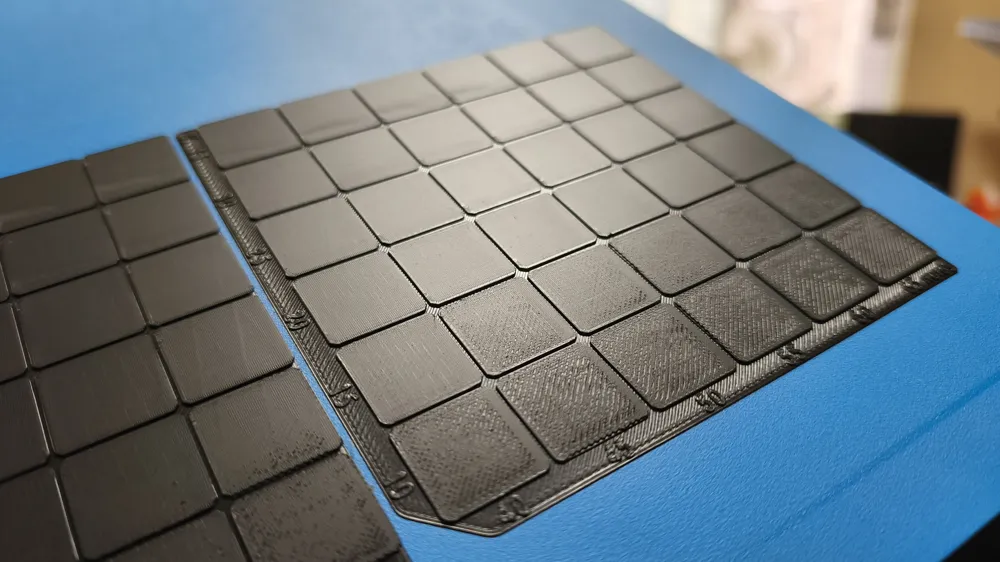
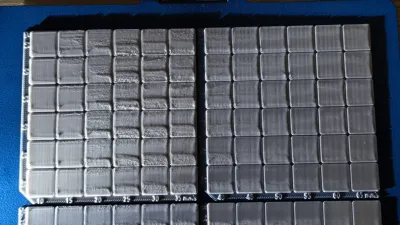
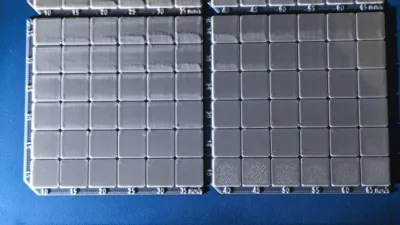
Recently, a number of ironing test models have emerged online. I have conducted extensive tests on my 3D printing filaments with these models, and through the tests, I have found the corresponding speed and flow parameters for achieving perfect ironing with these different filaments.
However, I also identified several issues with these test models during the testing process: Firstly, the thickness of many test models is set too large, leading to excessive material consumption and an unduly long printing test time. In addition, the test parameter range of some models is too narrow, which is likely to result in incomplete and inaccurate test results. Thirdly, the test squares of certain models are too small (e.g., only 11×11 mm), making it inconvenient to observe and compare the test results.
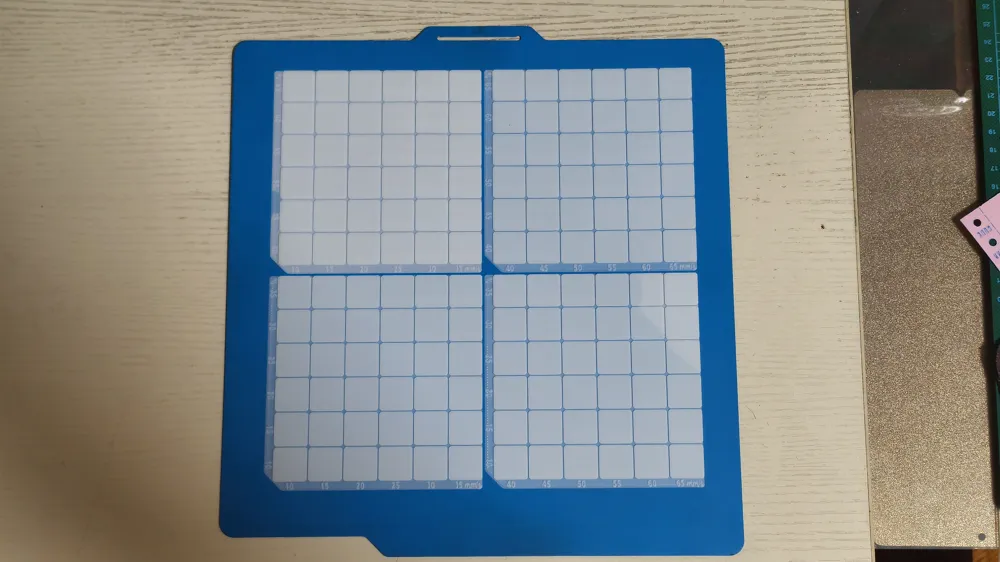
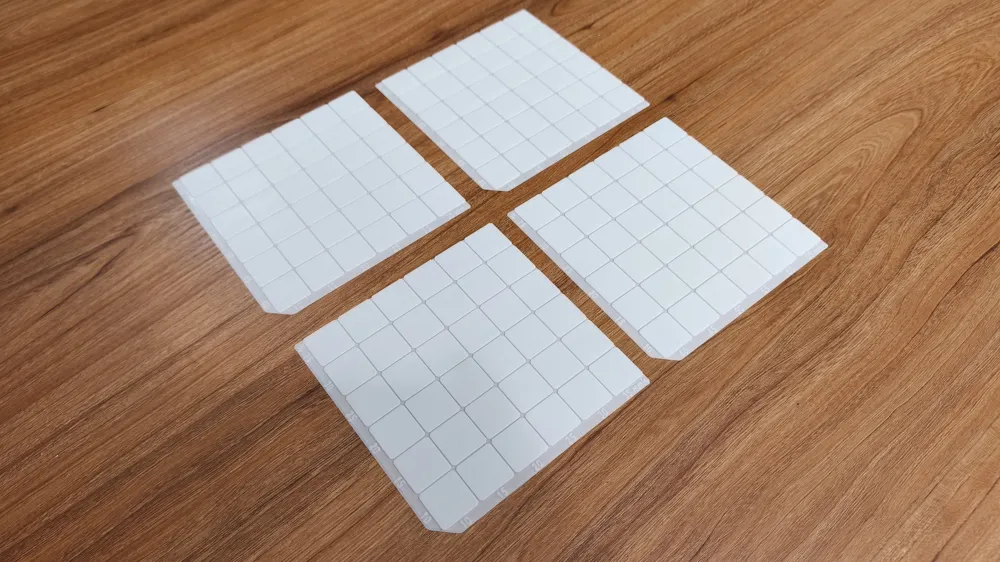
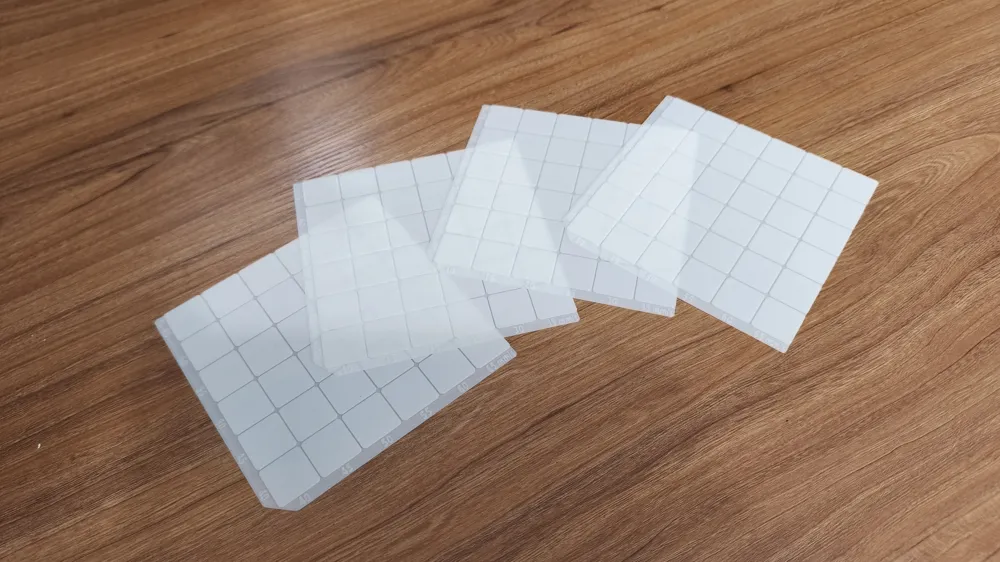
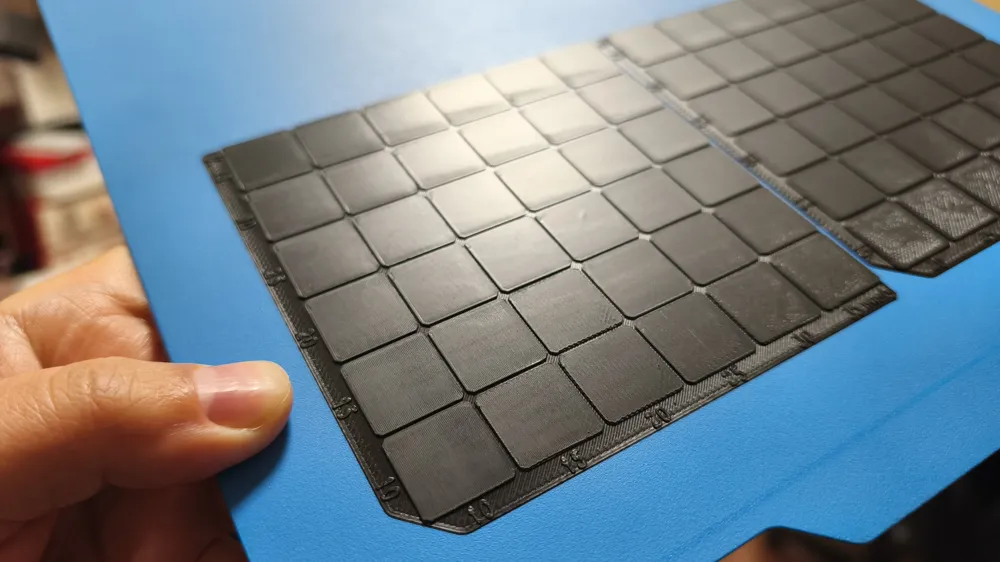
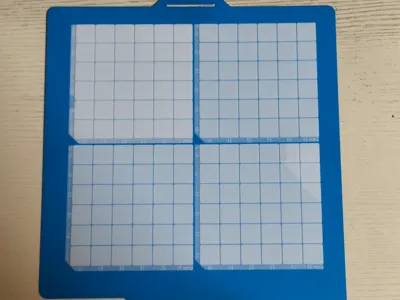
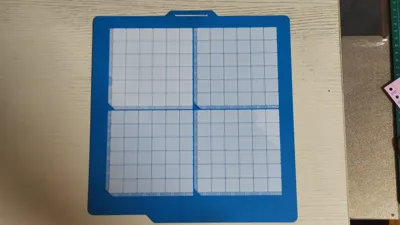
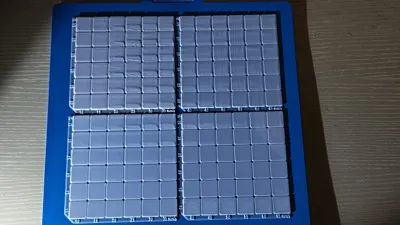
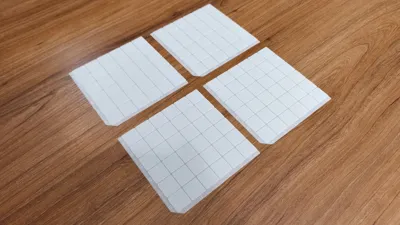
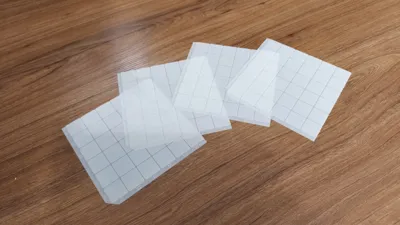
To address these problems, I have developed this set of ironing test models. First, multiple tests have shown that setting the thickness of the test model to 0.6mm is sufficient to reflect the differences in various ironing parameters, and crucially, this saves a great deal of material and printing time (e.g., a full plate test print for PLA filament only consumes 36 grams and takes about 3 hours 50 minutes). Furthermore, this test model features a wide parameter range, with speed from 10 to 65mm/s and flow from 10 to 65%, which is more than enough to cover the common test parameter range for various filaments. Thirdly, the test squares of the model are larger (17*17mm), facilitating the observation and comparison of test results. Finally, the model is divided into four independent sections, allowing users to choose to print the entire model or only a part of it as needed (e.g., each section for PLA filament weighs about 9 grams and takes less than 1 hour to print on average), which offers greater flexibility and the potential to save even more time and material.
Welcome all interested fellow makers to download and print it!
License

This user content is licensed under a Standard Digital File License.
You shall not share, sub-license, sell, rent, host, transfer, or distribute in any way the digital or 3D printed versions of this object, nor any other derivative work of this object in its digital or physical format (including - but not limited to - remixes of this object, and hosting on other digital platforms). The objects may not be used without permission in any way whatsoever in which you charge money, or collect fees.


Comment & Rating (2)