
Periscope – Fun Optics Experiment


Print Profile(1)
Description
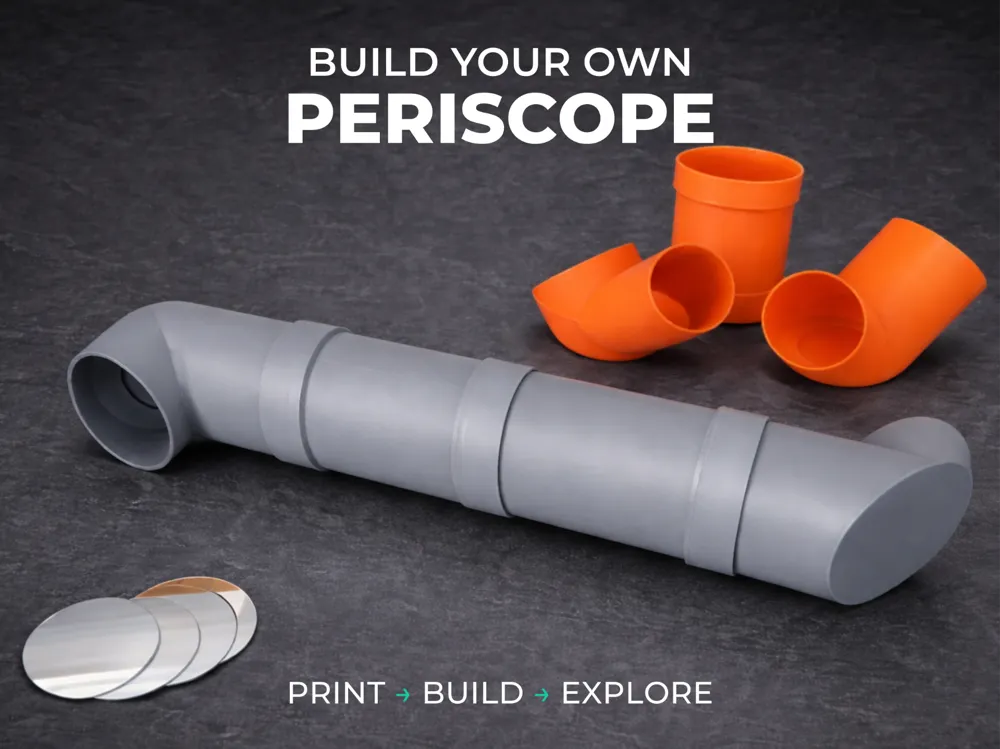
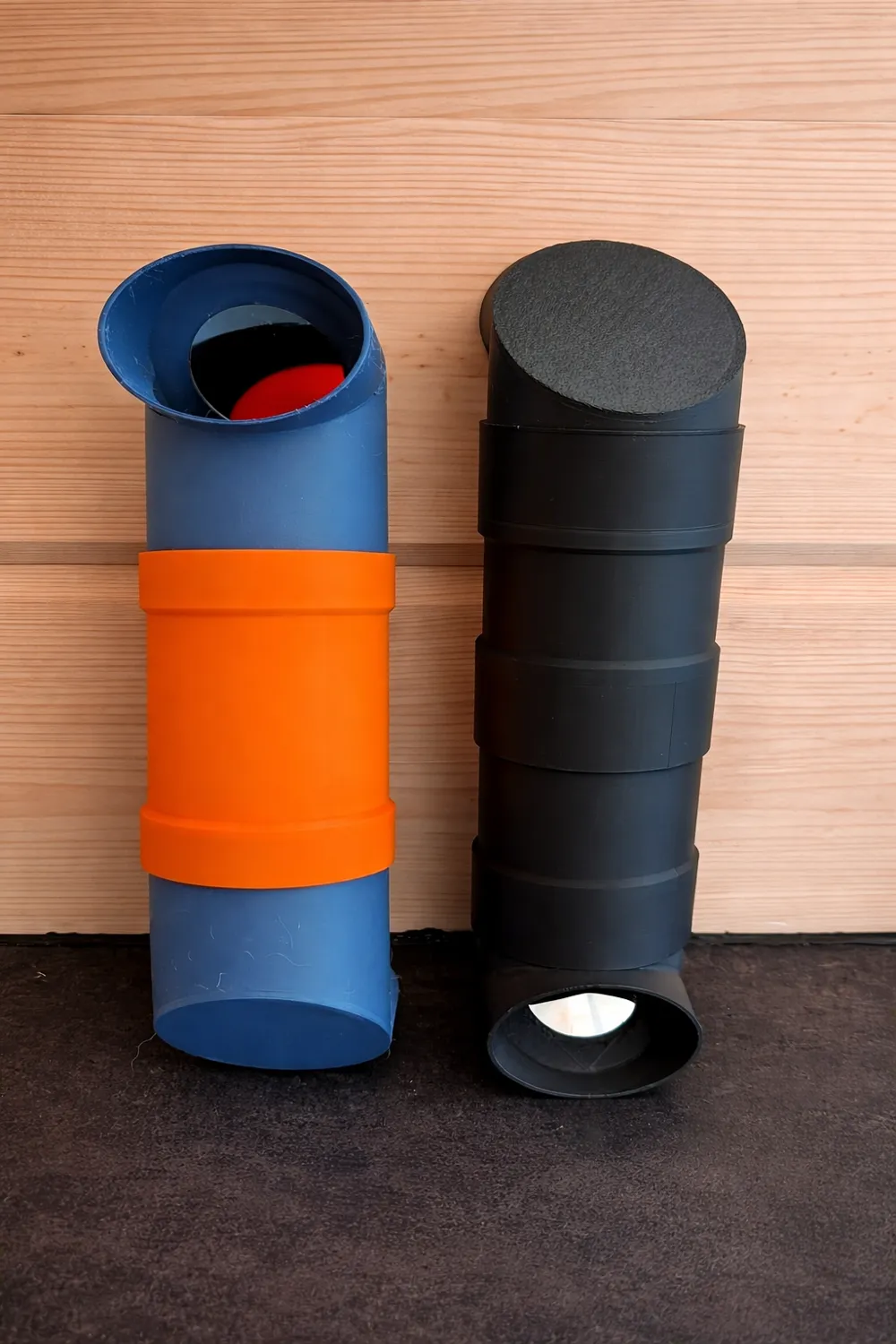
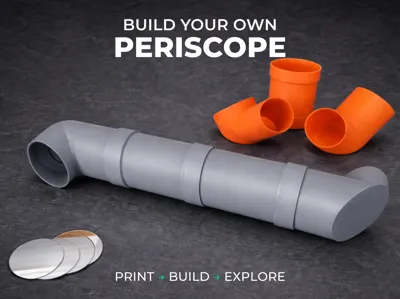
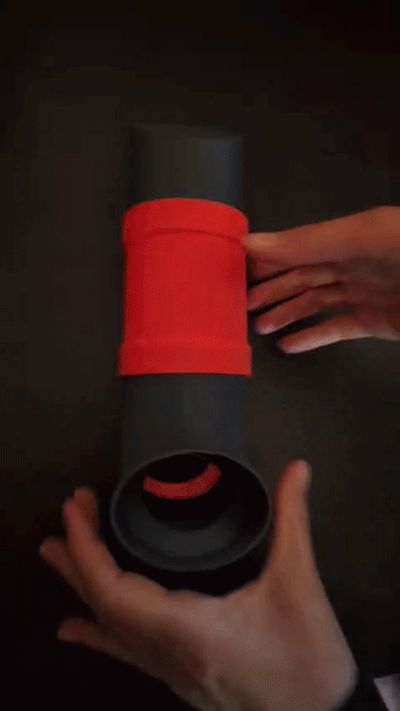
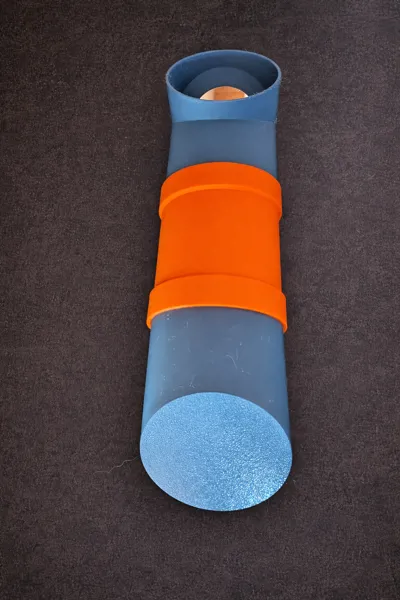
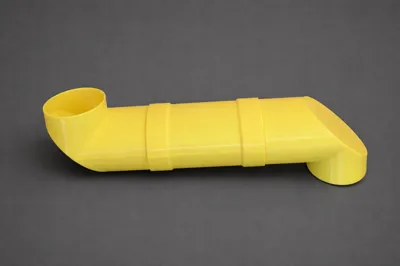
Ever wondered how submarines see above the water? Build a real working periscope using two mirrors and a 3D printer and explore how mirrors redirect light!
Most parts print without supports; only the main tube requires a small amount of supports.
This model demonstrates how light reflects at 45° angles, allowing you to see over obstacles — the same optical principle used in classic periscopes.
The included OpenSCAD file (Customize button) allows you to adjust the mirror size, tube length, and other parameters to fit your own mirrors or experiment with different periscope sizes.
This periscope is not waterproof, hence it cannot be used underwater.
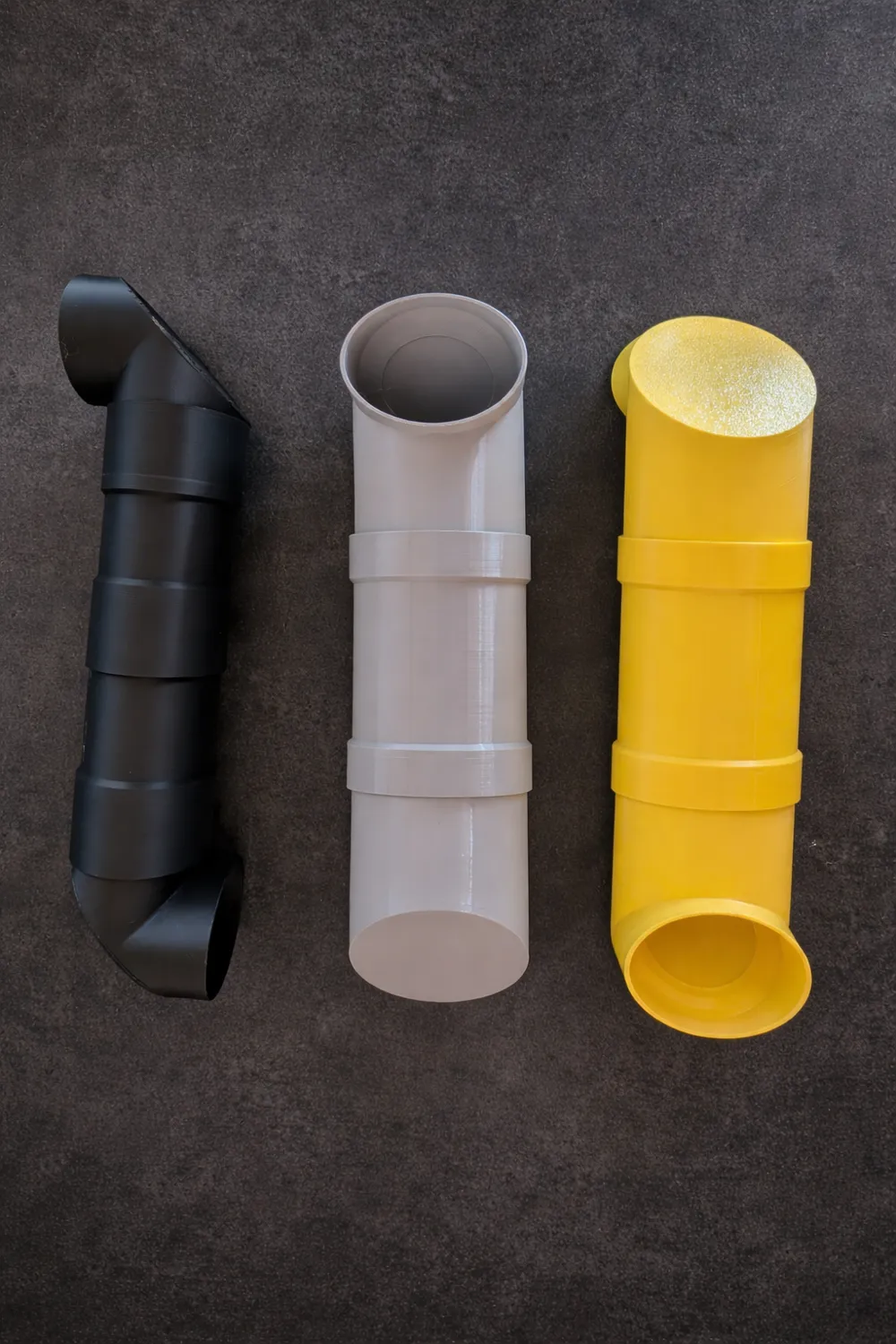
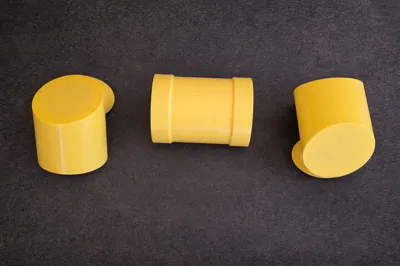
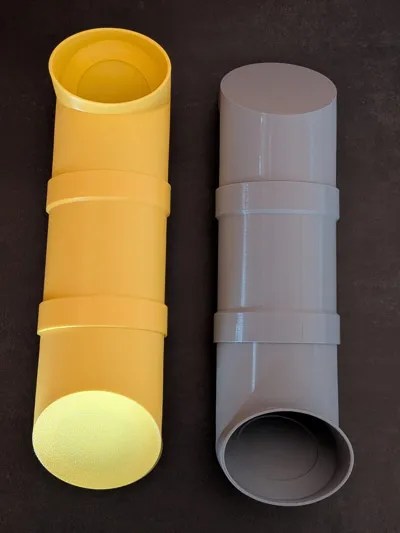
3D Printed Parts

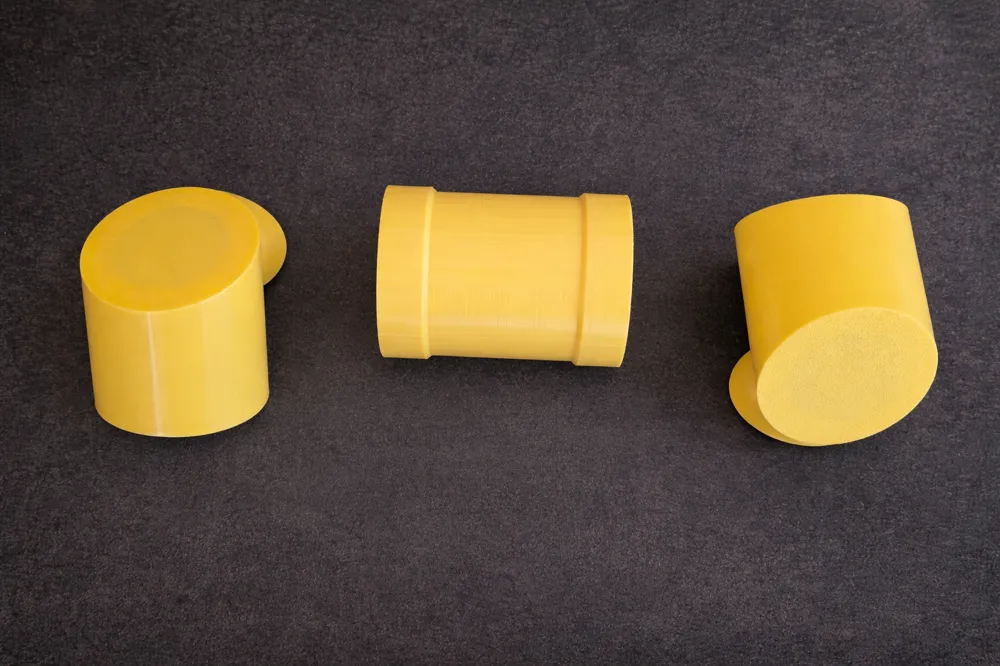
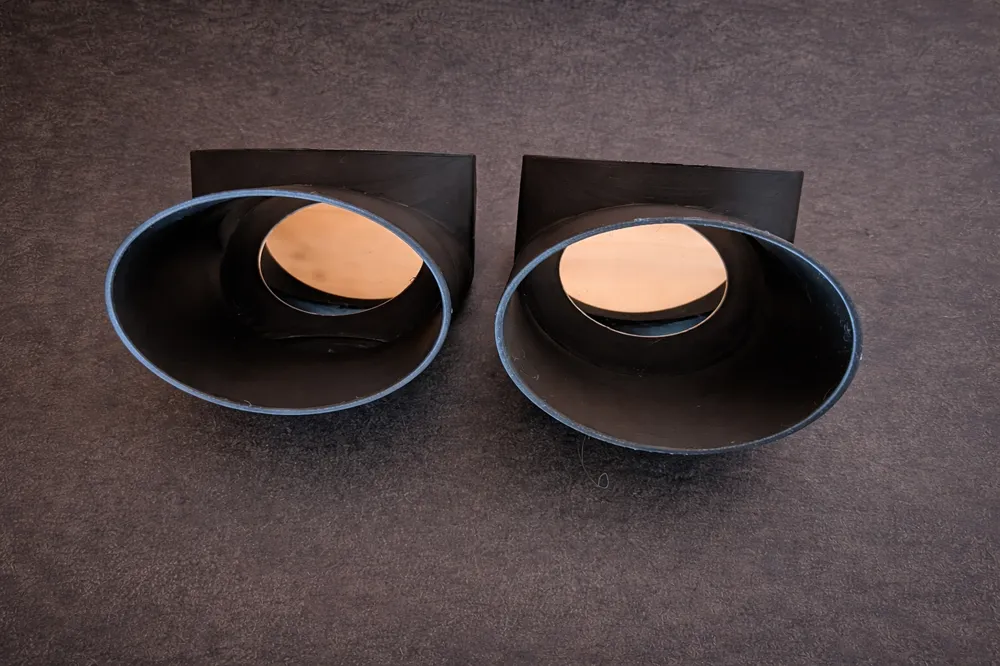
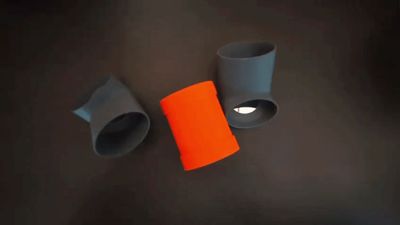
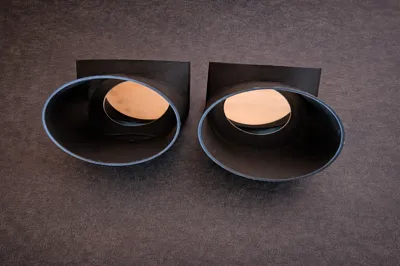
• mirror corner modules
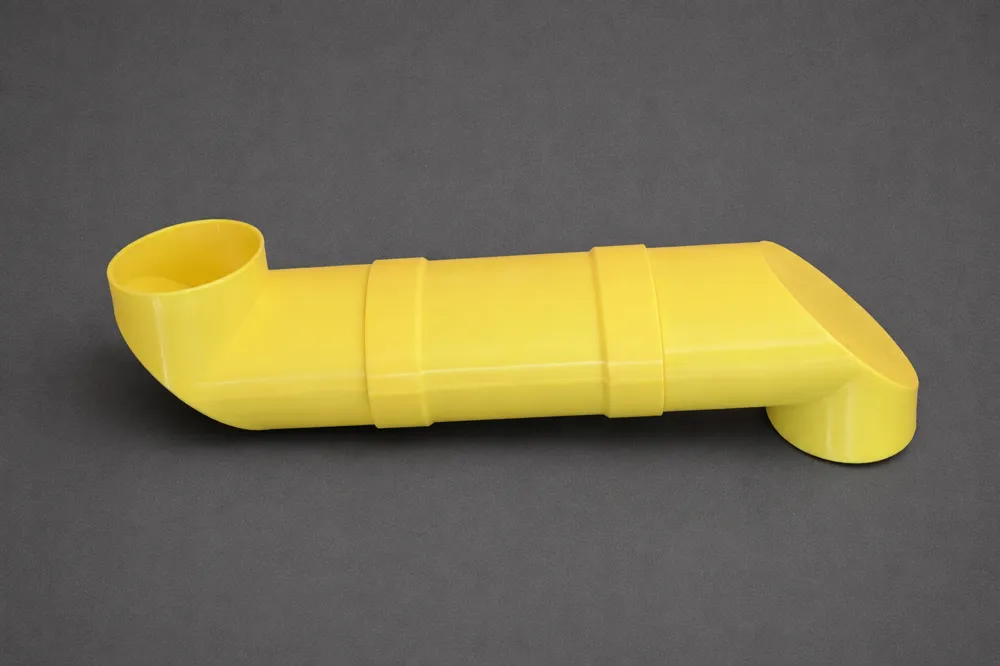
• main tube
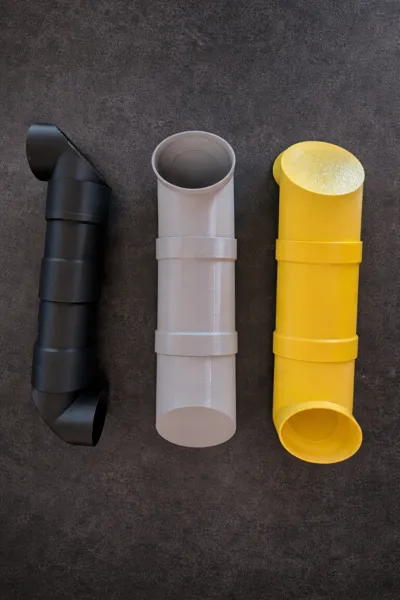
• extension tube

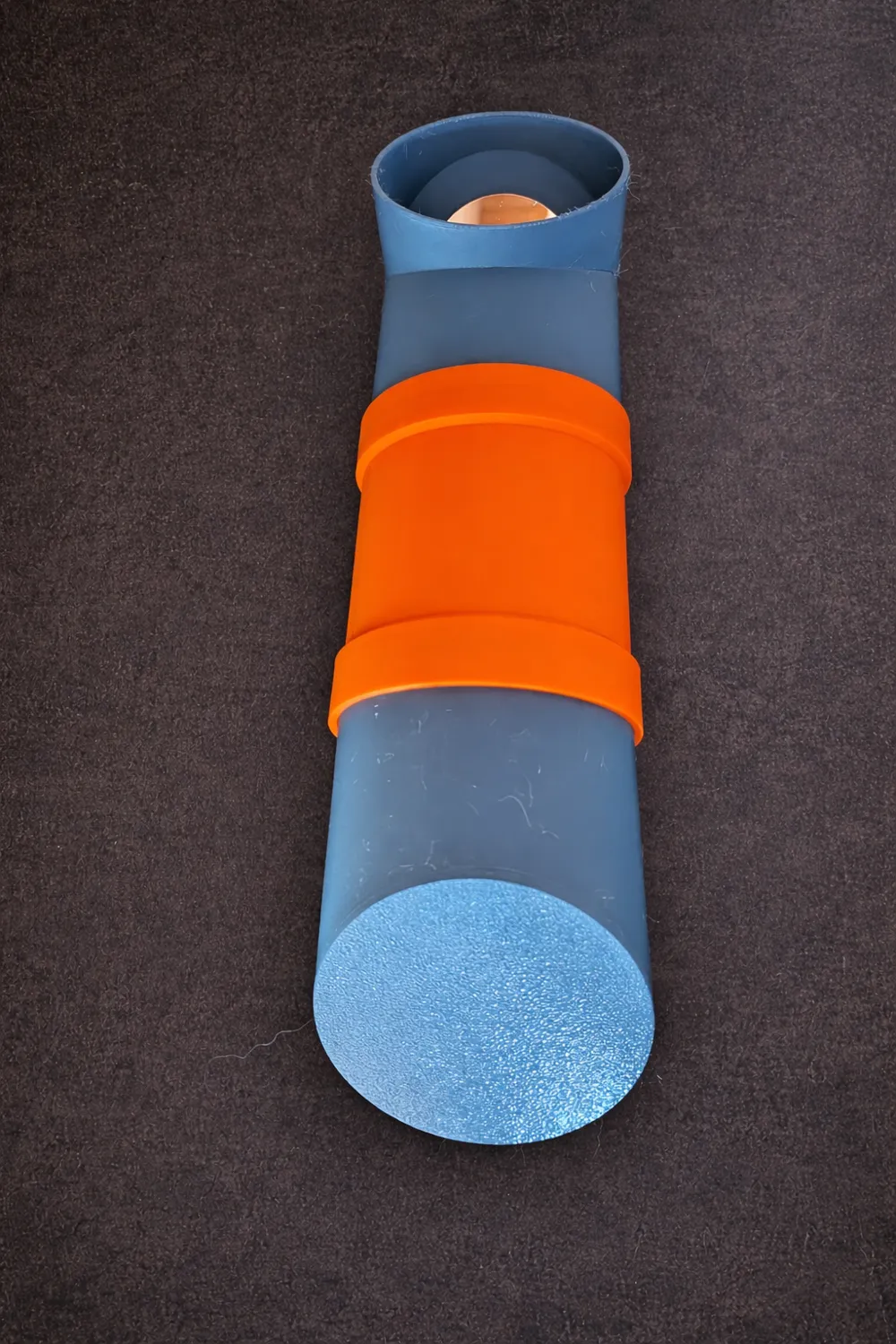
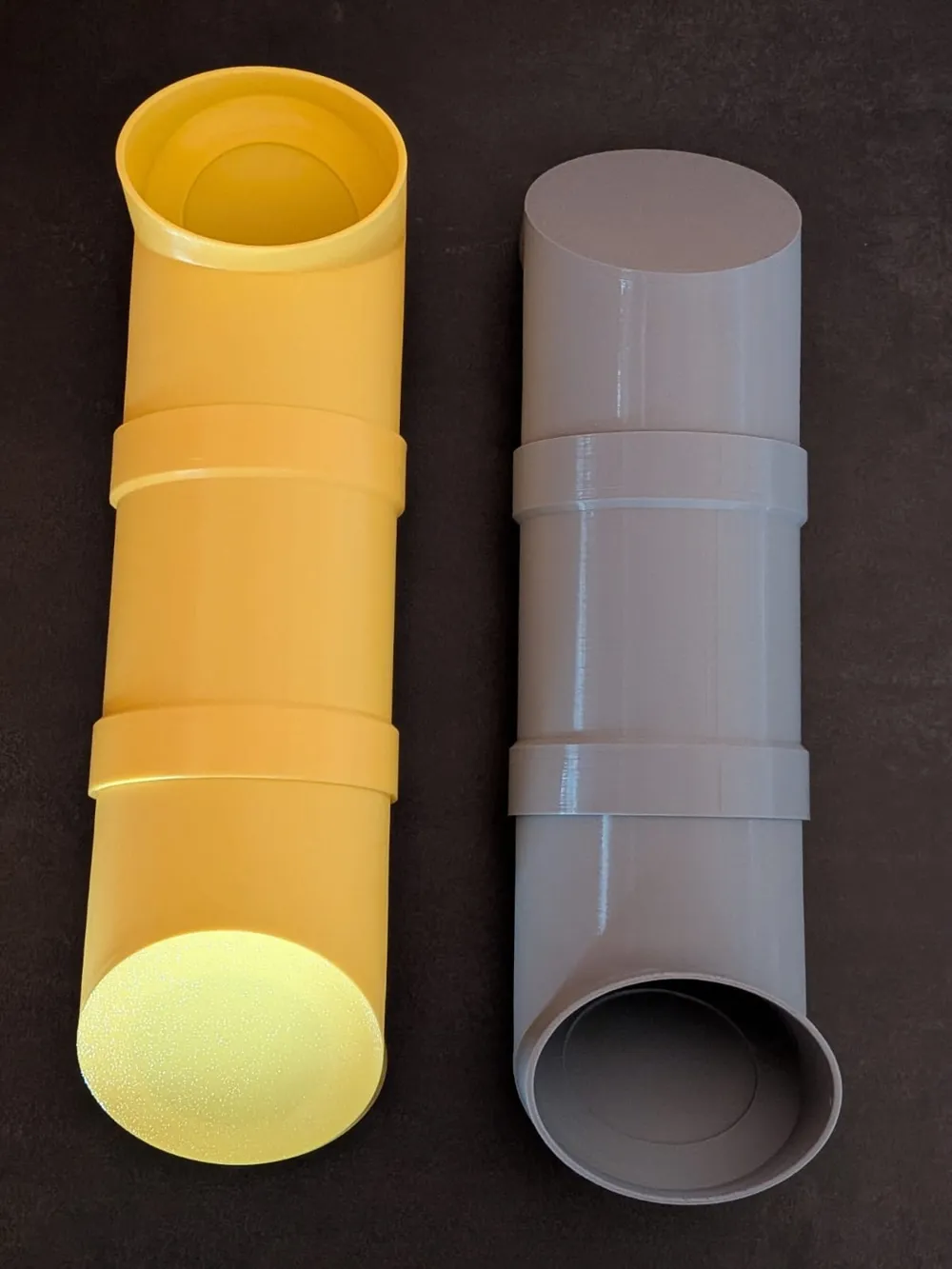
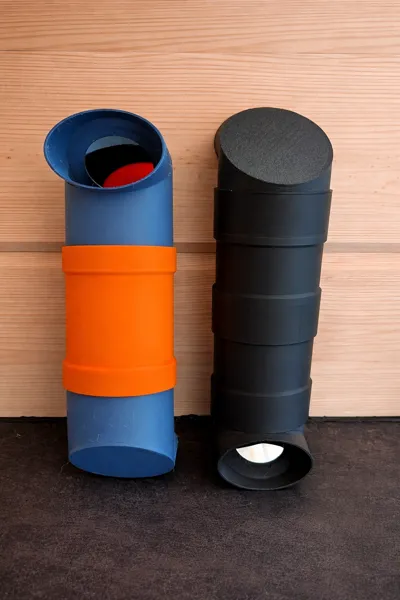
The tubes connect using sleeve joints, allowing the periscope to be extended (using the extension tubes).
Mirrors
This periscope uses two small round, flat mirrors, positioned at 45°. (It is important that the mirror is flat.)
For this model I used 50 mm acrylic mirrors, which are inexpensive and easy to find online (mine were from Temu). Mirror diameter can be adjusted using the Customize option (OpenSCAD) - you can bore an inset for the mirror to place it more easily.
You can use acrylic or glass mirrors. Acrylic mirrors are lightweight and safe, making them a great choice for kids and classroom use. Their drawback is that they can introduce distortion, especially if the backing is not rigid. For better image quality, mirrors with a solid backing (or glass mirrors) will give better results.
Features
• Fully parametric OpenSCAD model - bore an inset for the mirror
• Mirror diameter can be easily customized
• Modular sleeve connections for easy assembly
Printing
Layer height: 0.2 mm
Supports: required for the main tube only
Tip: if you notice small vertical lines caused by gap infill, setting the outer wall line width to a smaller value than the default one, e.g. 0.4 mm, usually removes them.
Use
You can use this periscope for:
• physics demonstrations
• STEM workshops
• classroom experiments
• home science projects
• play
📂 This model is part of my 3D model collections.
Explore more functional & educational models on my profile.
Boost Me (for free)
If you like this model and want to support my work, consider giving it a boost 🚀
License

You shall not share, sub-license, sell, rent, host, transfer, or distribute in any way the digital or 3D printed versions of this object, nor any other derivative work of this object in its digital or physical format (including - but not limited to - remixes of this object, and hosting on other digital platforms). The objects may not be used without permission in any way whatsoever in which you charge money, or collect fees.


Comment & Rating (4)