
Planets To-Scale Learning Activity
Print Profile(1)

Bill of Materials


Description
Planets To-Scale Learning Activity
The Purpose of this Activity:
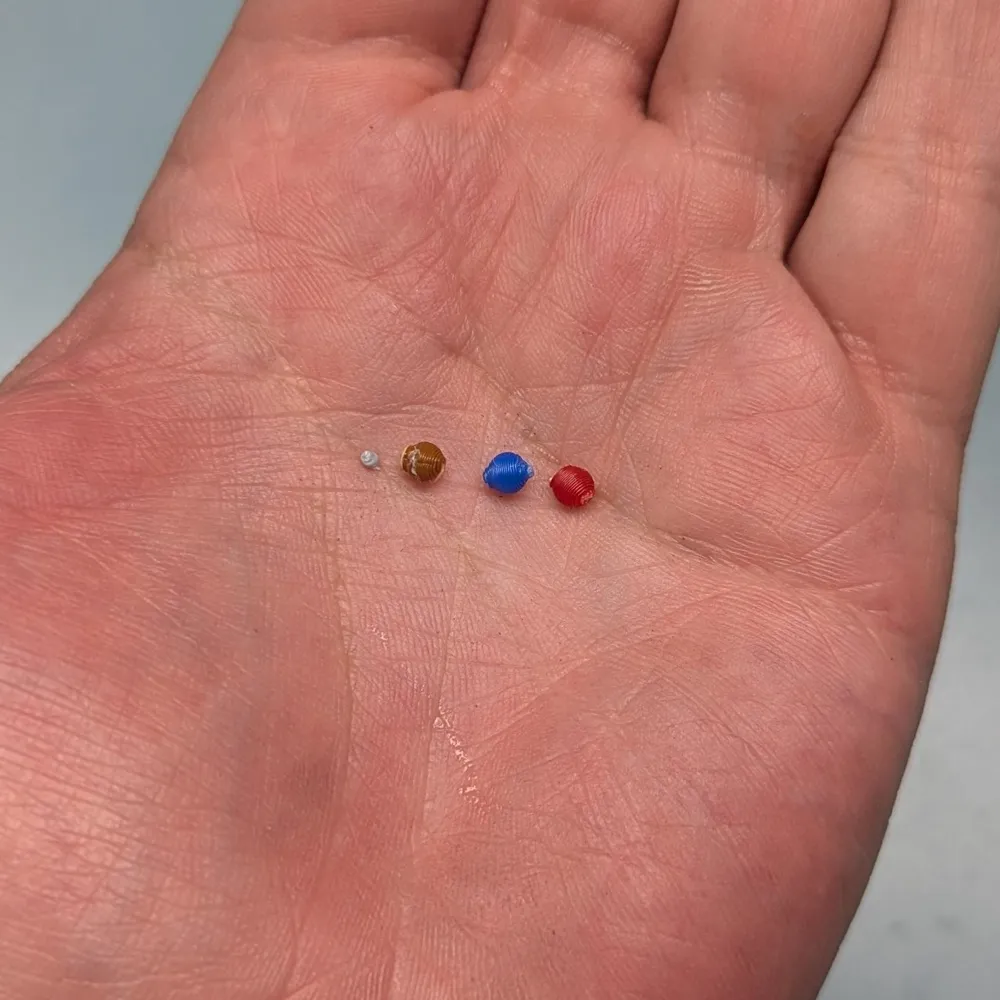
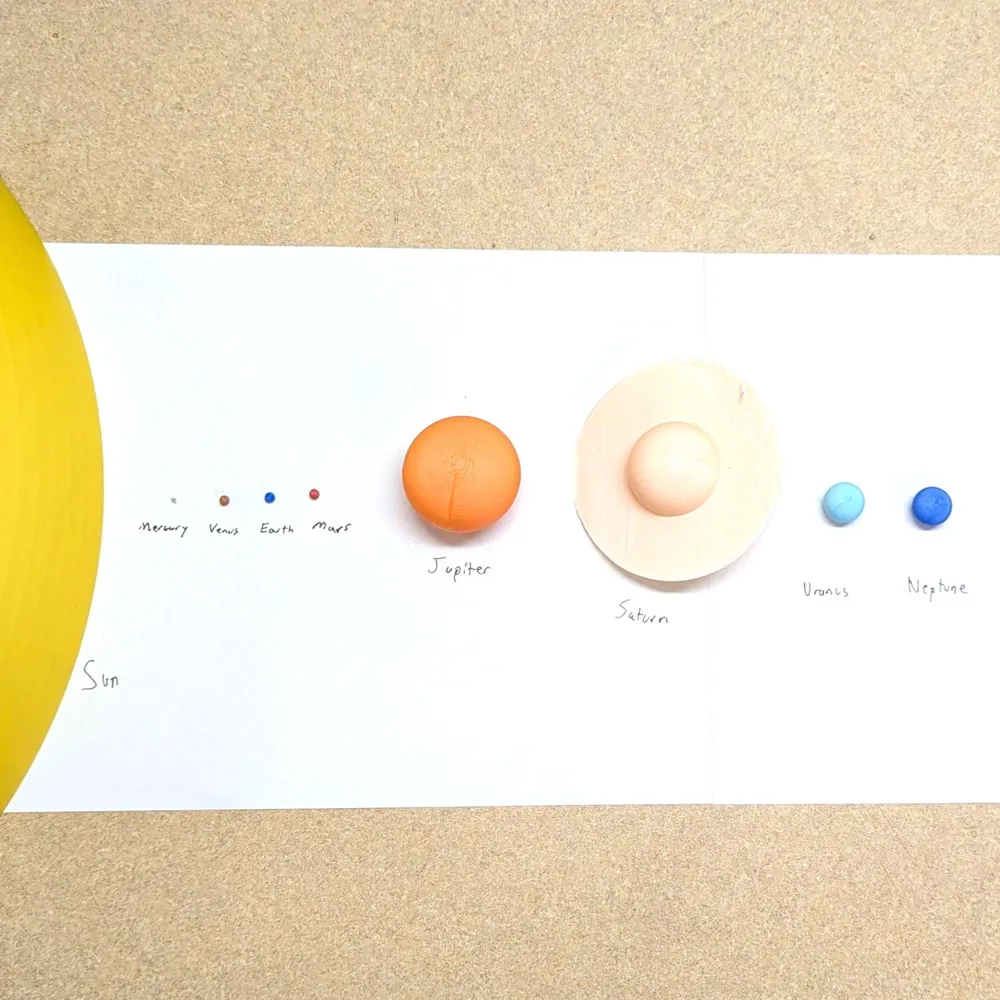
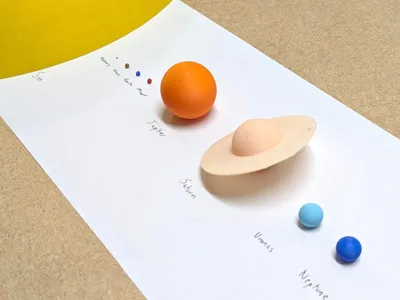
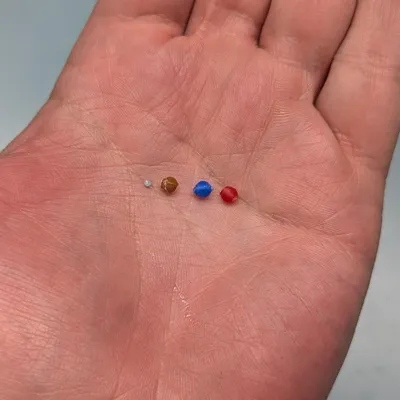
The distances in our solar system are enormous! Even when the planets are scaled down to fit into the palm of our hand, the distances between them are still quite a chore to hike. This activity is designed to illustrate just how vast the distances in our solar system are.
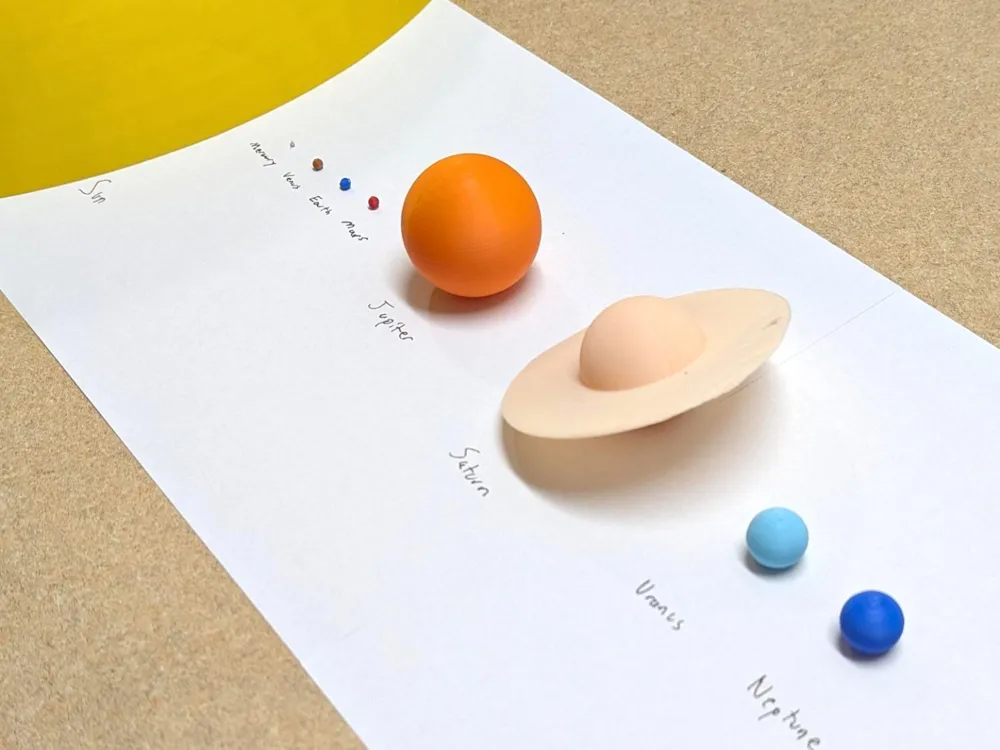
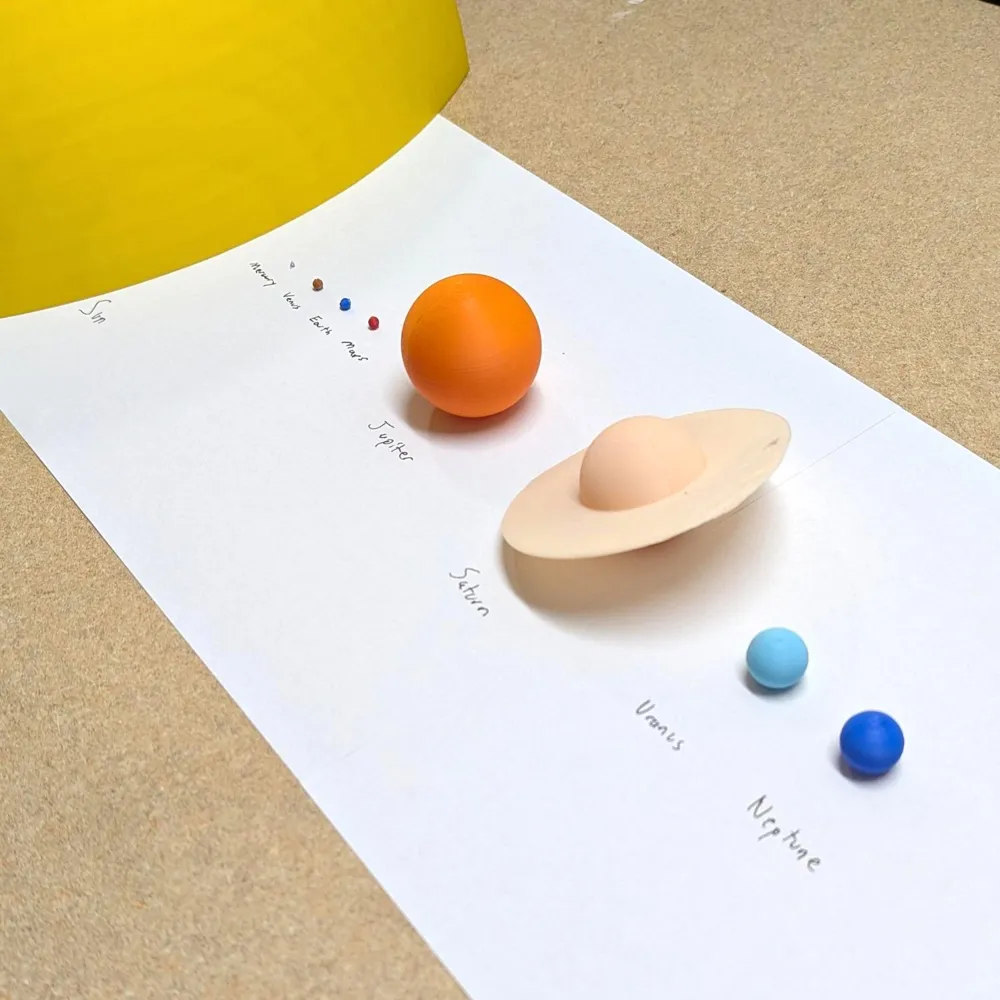
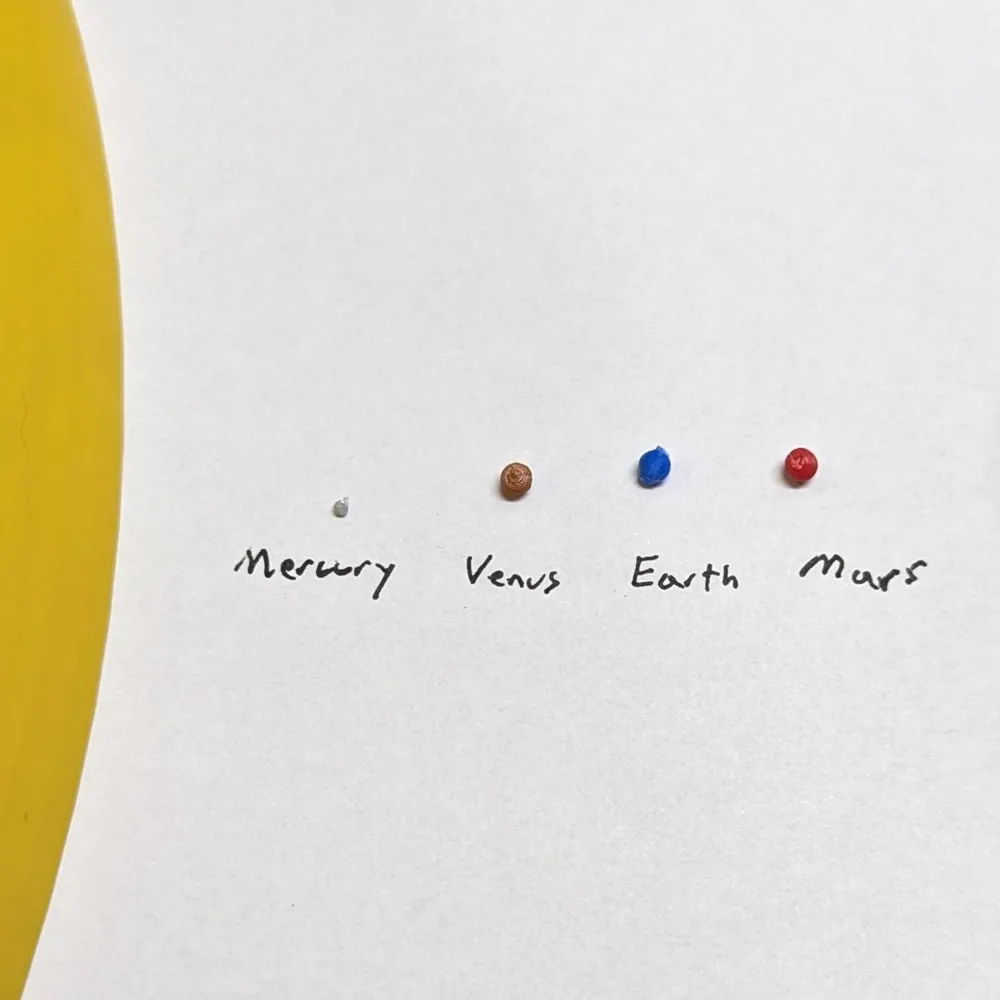
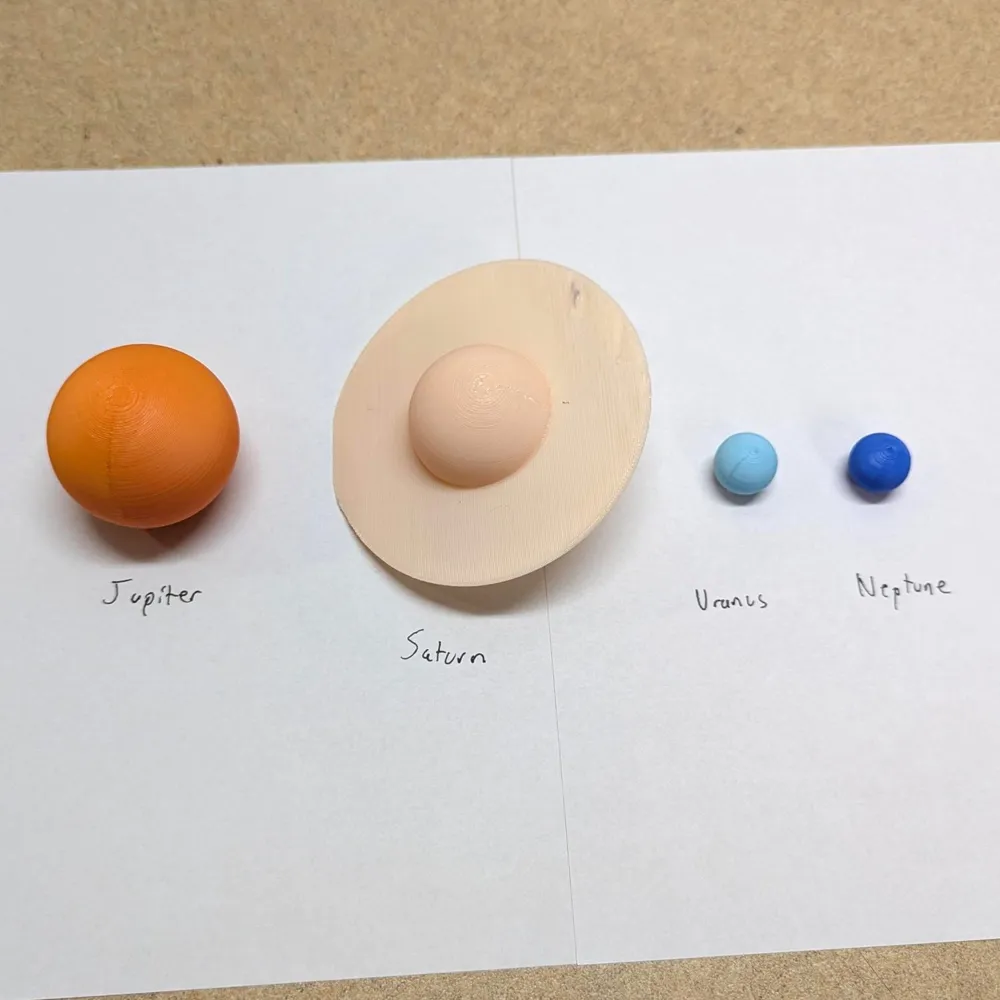
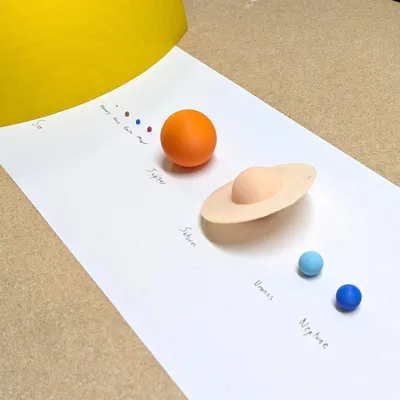
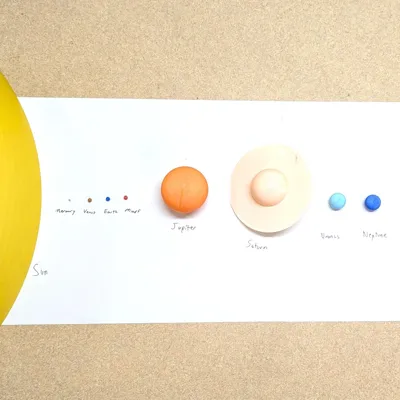
In this activity you will carry 3D-printed models of the planets to their scaled distances away from the sun. Students will be able to hold the tiny planets in their hands before walking the distances associated with each model. This is a great way for students to internalize how truly vast the cosmos is.
Video:
Check out the video to see a timelapse of the model setup!
Mapping Out the Activity

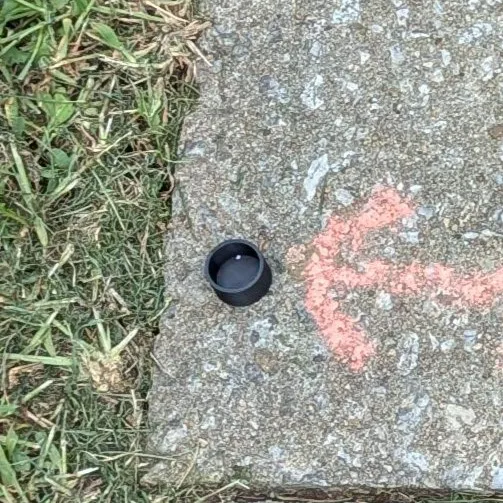
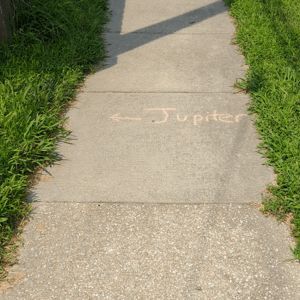
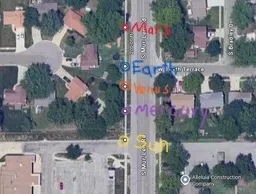
You will want to plan to set up on a walking-trail or at a large park. Somewhere there is about 1.5 km of walking distance available. I chose a long, straight sidewalk near where I live.
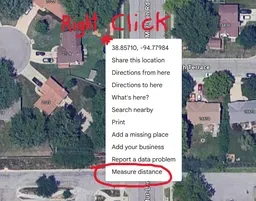
Before the activity starts, find the area on Google Maps (or any other map website) and use the distance measuring tool to mark out landmarks where planets should be placed. You can also just use a GPS or other tools on-site to measure the distances.
Printing the Planets:
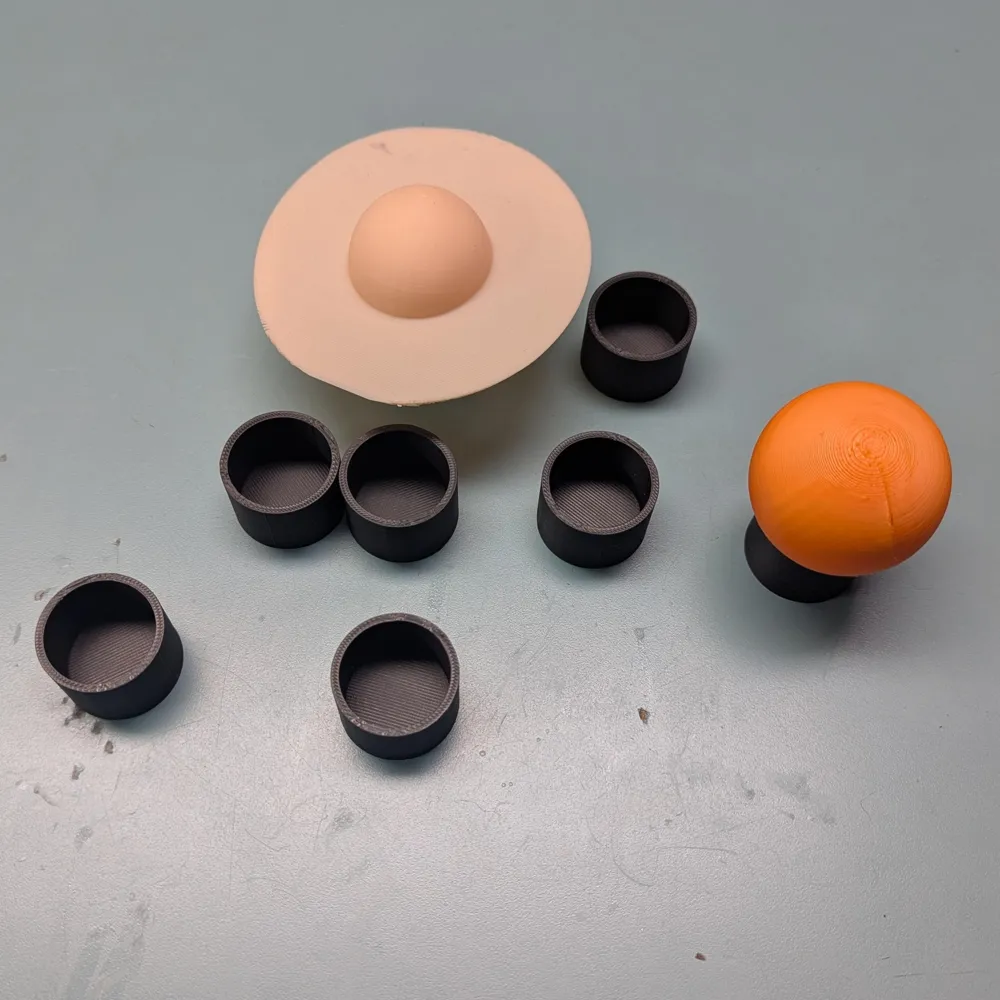
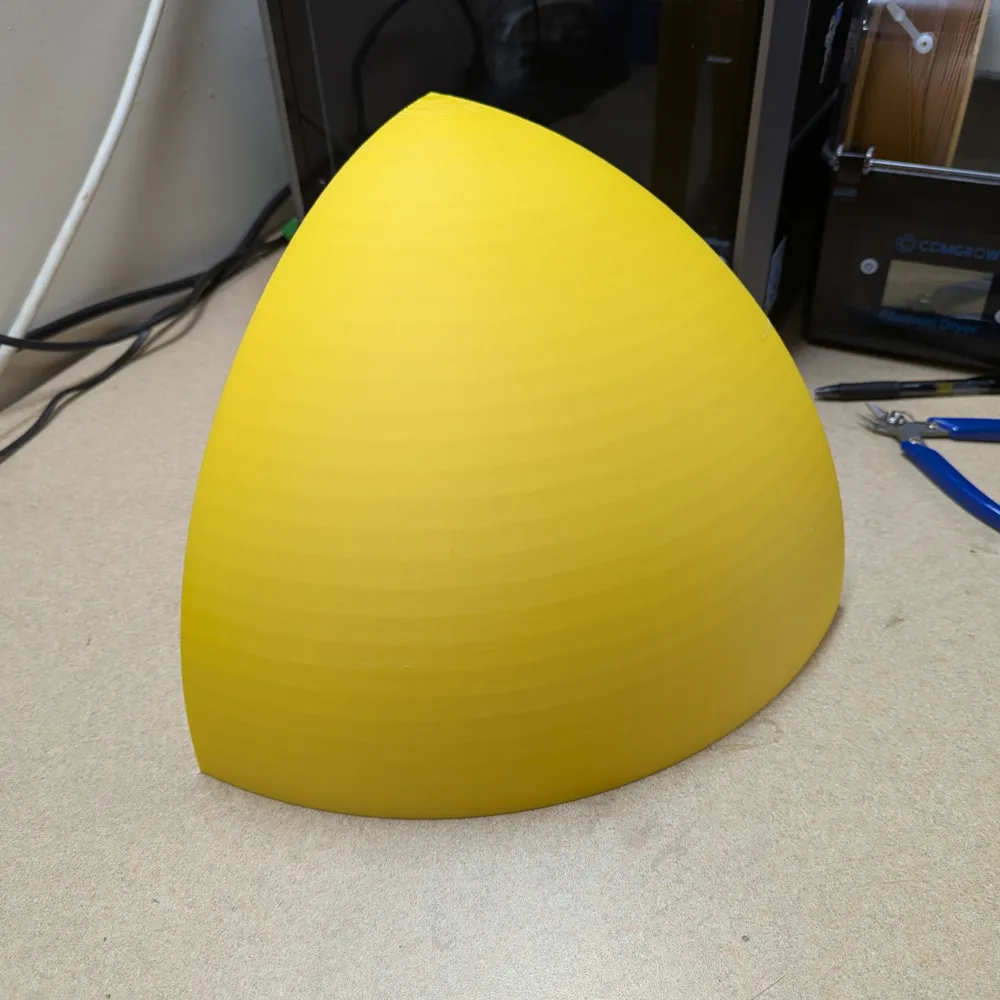
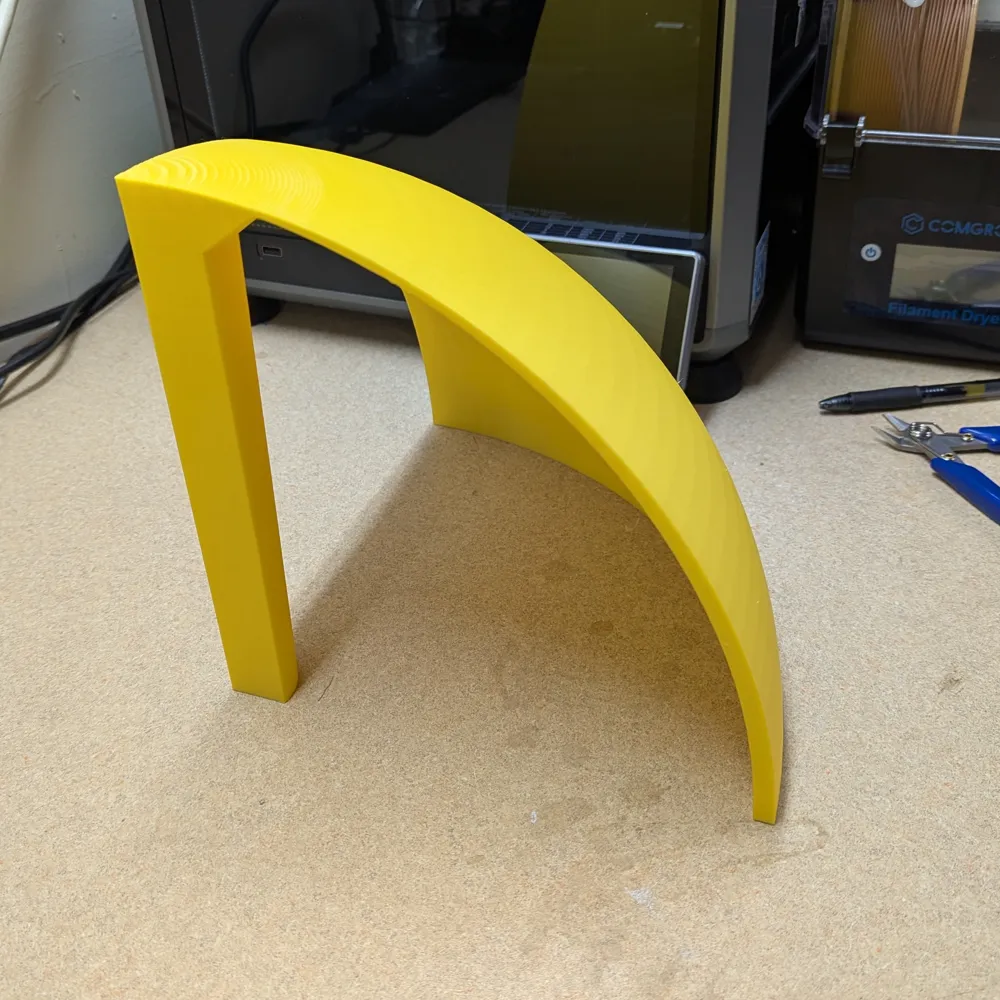
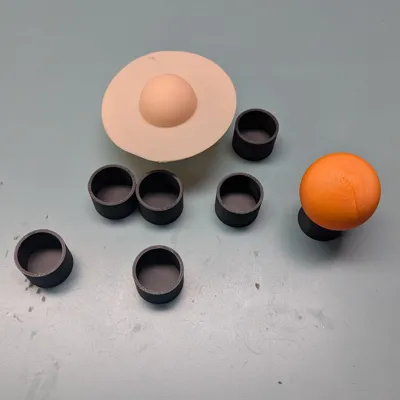
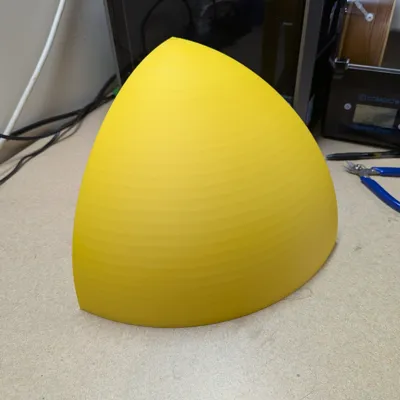
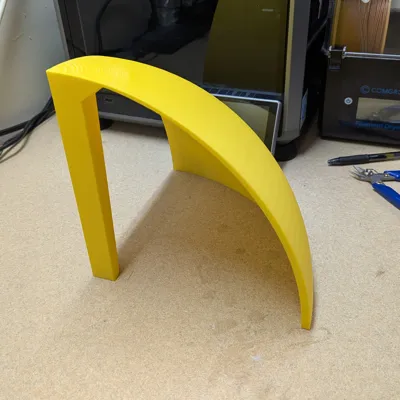
Obviously, you’ll need to print the planets before the activity starts. This can be a fun activity for students as well! Decide whether you are going to assemble a whole Sun or just print a chunk of it. It is a big commitment to print it all! I recommend ONLY printing one hollowed-out chunk of the sun! The single sliver of it should be enough to demonstrate scale. (The Whole Sun, even at only 10% infill would take almost 6.5 Kg of filament.)
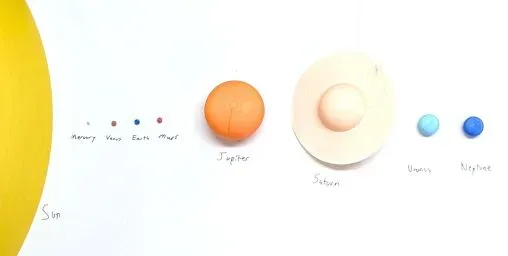
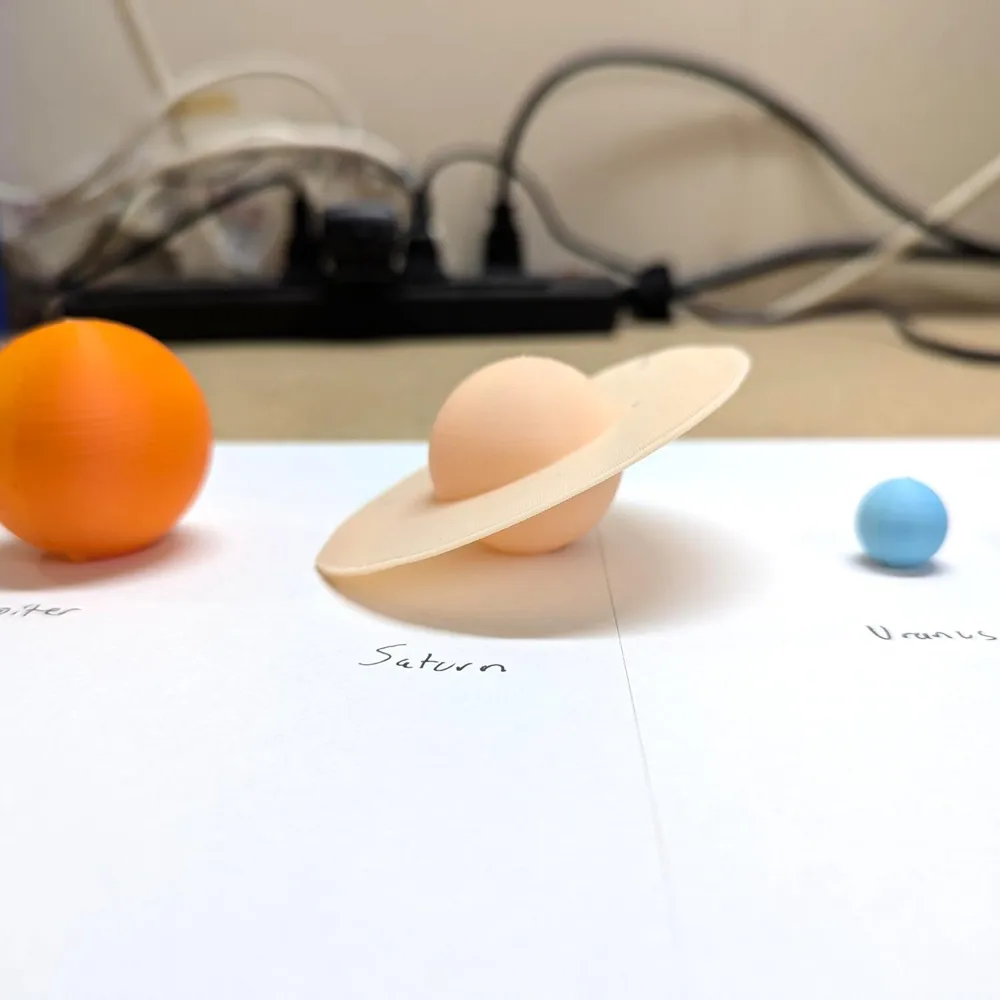
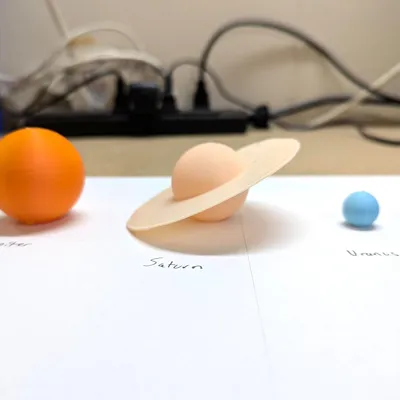
I wanted to avoid support and assembly, so the bottoms of the planets have been flattened out just a little to allow the spheres to print.
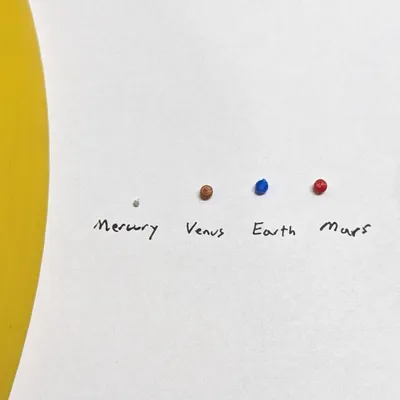
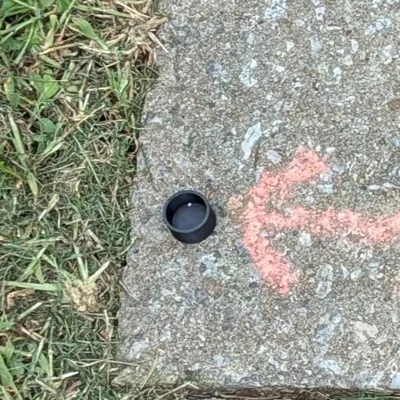
Mercury is very small; it prints as just a tiny blob with 0.4mm nozzle. I recommend printing with 0.2 mm nozzle or even better a resin printer if you have access to one.
You are welcome to scale up the models, but remember, you’ll also have to scale up the distances!
Support:
No Support required, although I would recommend using a brim for the smaller planets.
On some printers, the overhang of Saturn’s rings may be steep enough to need support.
Assembly:
If you choose to print all eight pieces of the sun, you will need to glue them together. (NOT recommended!)
Optional Math Activity: Determine the sizes of the planets and distances at scale.
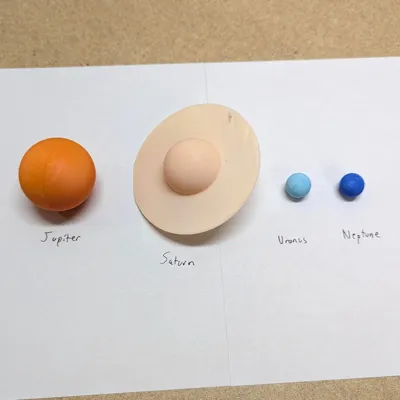
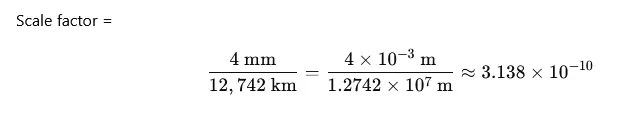
The planet models are to-scale. I scaled the Earth to 4mm and determined the rest of the planets’ sizes from there.
Have students first determine the scale factor (solution above) and then have them determine the diameter of all the planets in the solar system (solutions in the table below) prior to printing.
Setting Up the Distance Model:
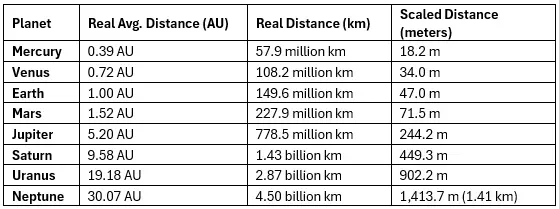
If doing this activity with students, it is good to walk as group and place the planets at their respective distances. This way everyone really gets a feel for the distances involved. Encourage students to visualize tiny spacecraft traveling from our little blue ball out to the other bodies of the solar system.
This table shows the distances the planets should be placed from the sun.
Commercial Use:
This model is for PERSONAL AND EDUCATIONAL USE ONLY.
💲💲💲
If you would like permission to SELL THIS MODEL please subscribe to my Patreon here: https://patreon.com/davidsitgarage
License

You shall not share, sub-license, sell, rent, host, transfer, or distribute in any way the digital or 3D printed versions of this object, nor any other derivative work of this object in its digital or physical format (including - but not limited to - remixes of this object, and hosting on other digital platforms). The objects may not be used without permission in any way whatsoever in which you charge money, or collect fees.


Comment & Rating (6)