
Modular Lock Picking Trainer – Learn & Fidget
Print Profile(1)
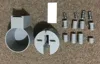
Bill of Materials


Description
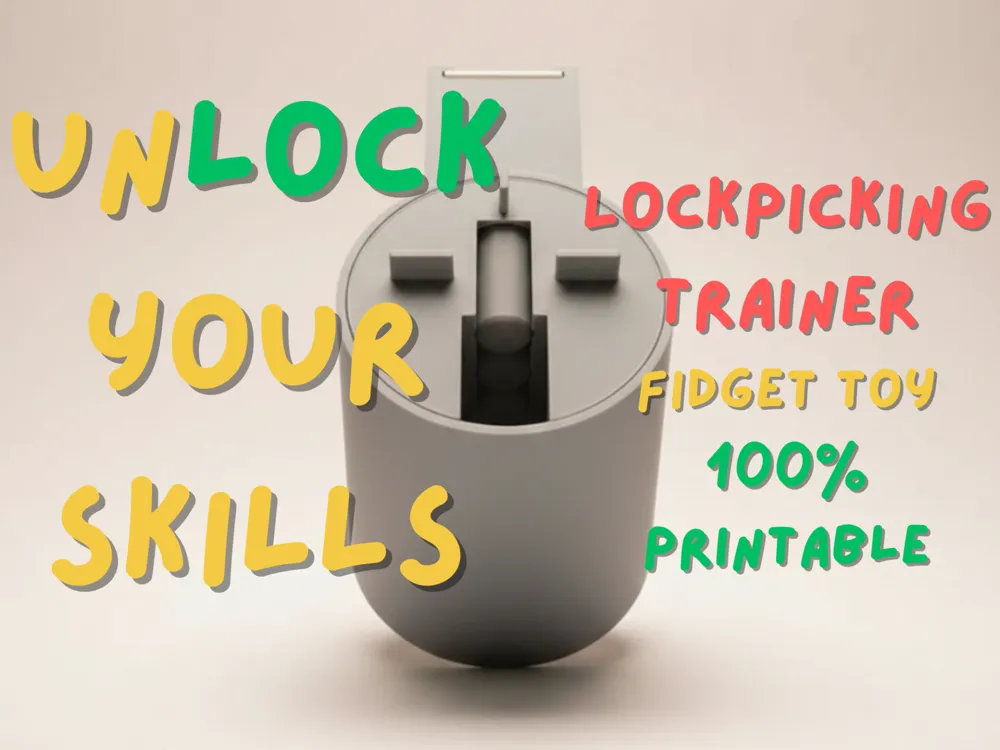
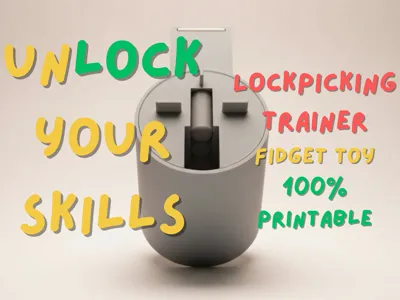
Want to learn lock picking… or just enjoy a super satisfying mechanical fidget?
This Lock Picking Trainer combines realistic feedback, customisable difficulty, and a fun tactile mechanism into one print.
🧠 What This Is
A functional lock-picking trainer + fidget toy designed to simulate the feel of pin-tumbler locks.
Perfect for:
- Learning the basics of lock picking
- Practicing tension and pin control
- Or just enjoying a fun, mechanical fidget toy
✨ Key Features
- 🔧 Realistic Pin Mechanism – Simulates pin stacks for authentic feedback and realistic picking
- 🎚️ Adjustable Difficulty – Swap springs to change resistance & feel, change pin number and bitting, and trial more difficult pin geometry
- 🧩 Modular Design – Easy to assemble, modify, and experiment
- 🎮 Fidget-Friendly – Satisfying tactile experience to keep hands occupied while watching TV or other mental tasks
- 🖨️ Fully 3D Printable – Optional metal spring
⚙️ Spring Options (Important!)
You have two options:
Option 1 – DIY Spring using PLA
- Wrap filament around a pen while heating it (eg in hot water or with a hair dryer)
- Gives a softer, more forgiving feel
- Can adjust length or rate of wrapping as required
Option 2 – Compression Spring
- Use 12mm diameter compression springs - 25mm length recommended but different lengths can be used to create more or less pushing force on the pins.
- Provides stronger, more realistic resistance
- Better for advanced practice
⚙️ Print Settings
- Layer Height: 0.24mm for the plug/body/lid, 0.08mm for the pins (better to reduce the tactile feedback from layer lines)
- Infill: 7%
- Supports: Not required
- Material: PLA (PETG if you want more durability)
💡 Smooth prints = better tactile feedback
🧩 Assembly Overview
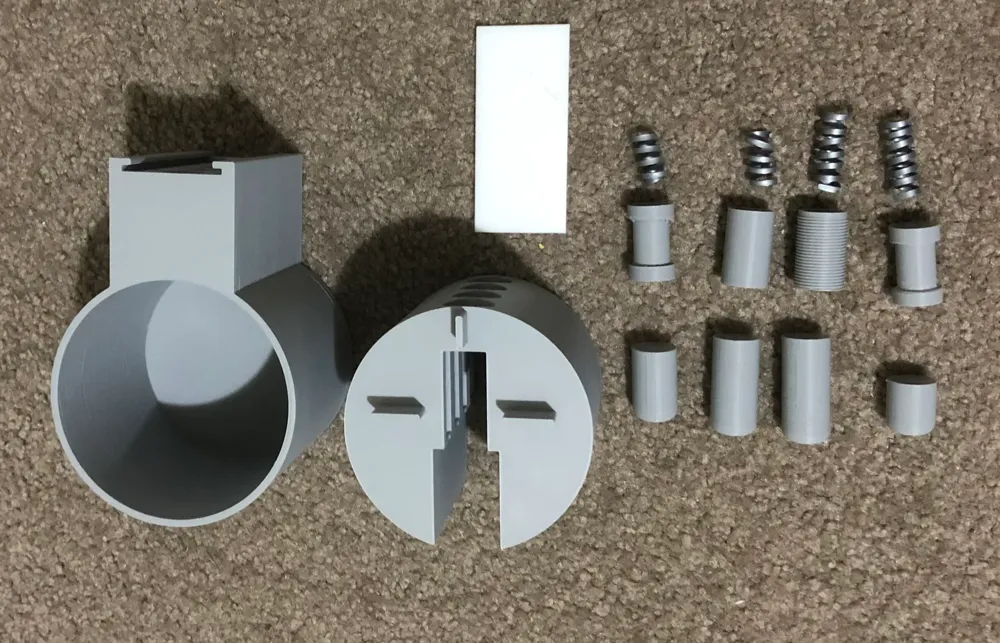
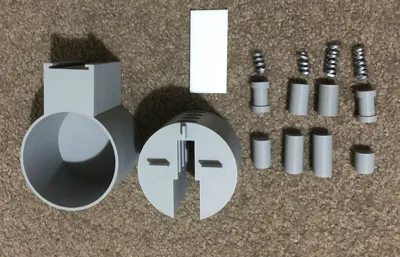
- Print both plates
- I recommend that you start by only using 1 pin stack, but as you gain confidence you can fill all 4
- Place the plug into the body, then insert a key pin (the rounded tip pins) with the rounded end downwards into the hole
- Follow this with a driver pin - I recommend starting with the smooth pins - serrated and spool pins are more challenging
- Add a spring on top, compress it, then slide the cover over the top so that the spring can't escape
🔐 How to Use
This trainer is designed to simulate the feel of a real pin-tumbler lock using just your fingers.
🟢 Step 1 – Apply Tension
Use one hand to apply light rotational pressure to the plug.
- You want the plug to slightly turn
- This creates resistance against the pins (just like a real lock)
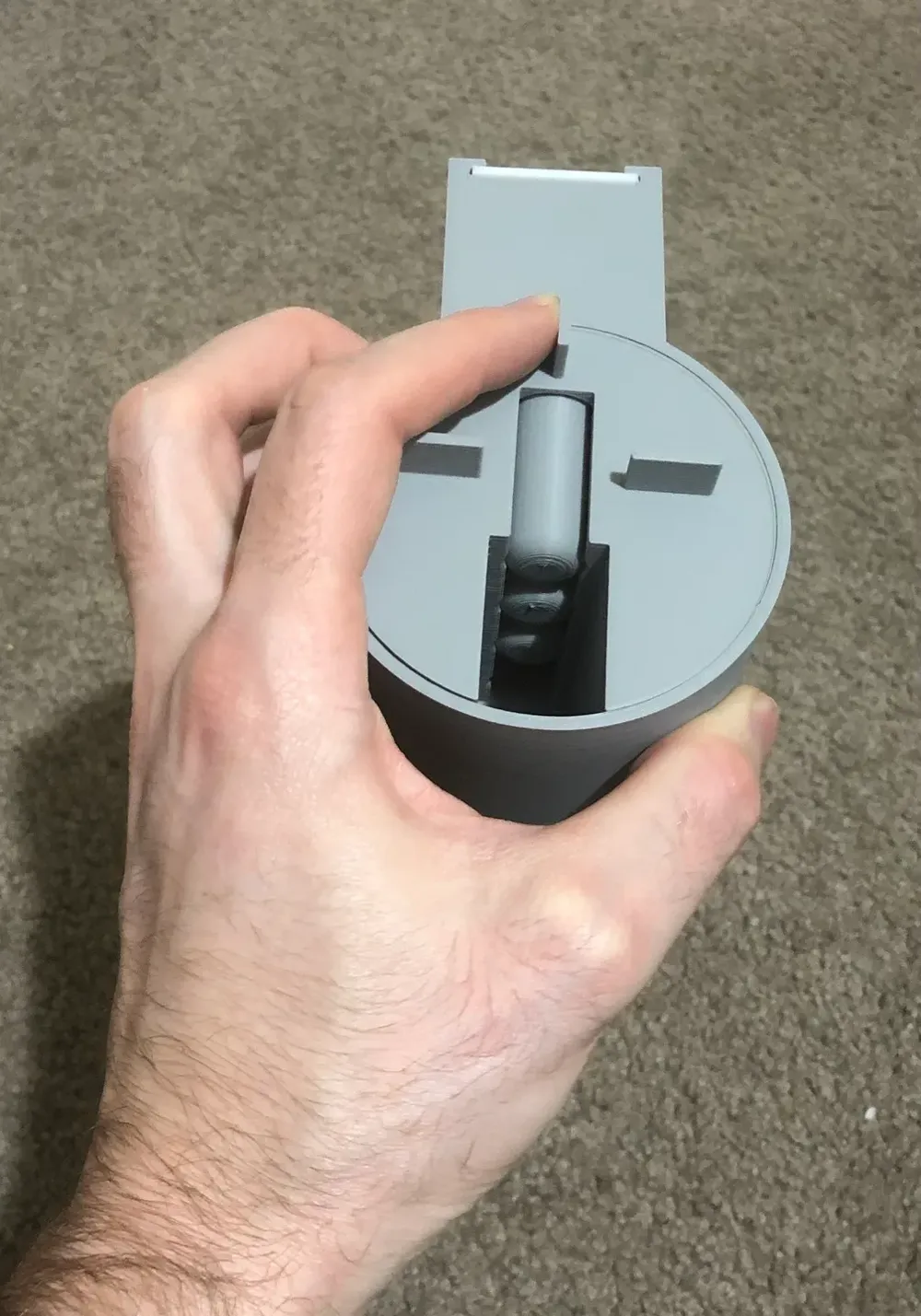
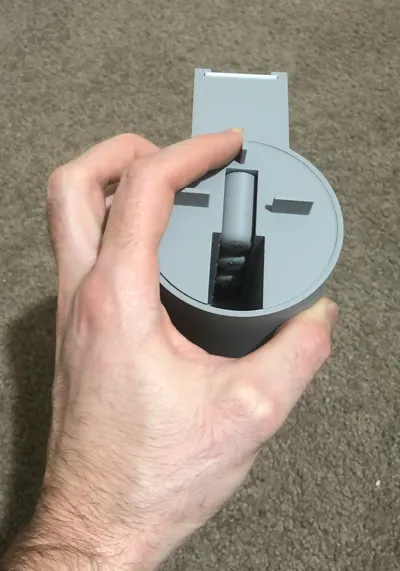
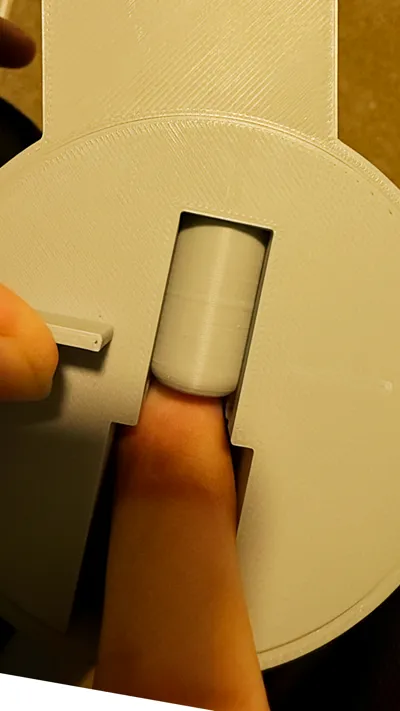
🟢 Step 2 – Lift a Pin
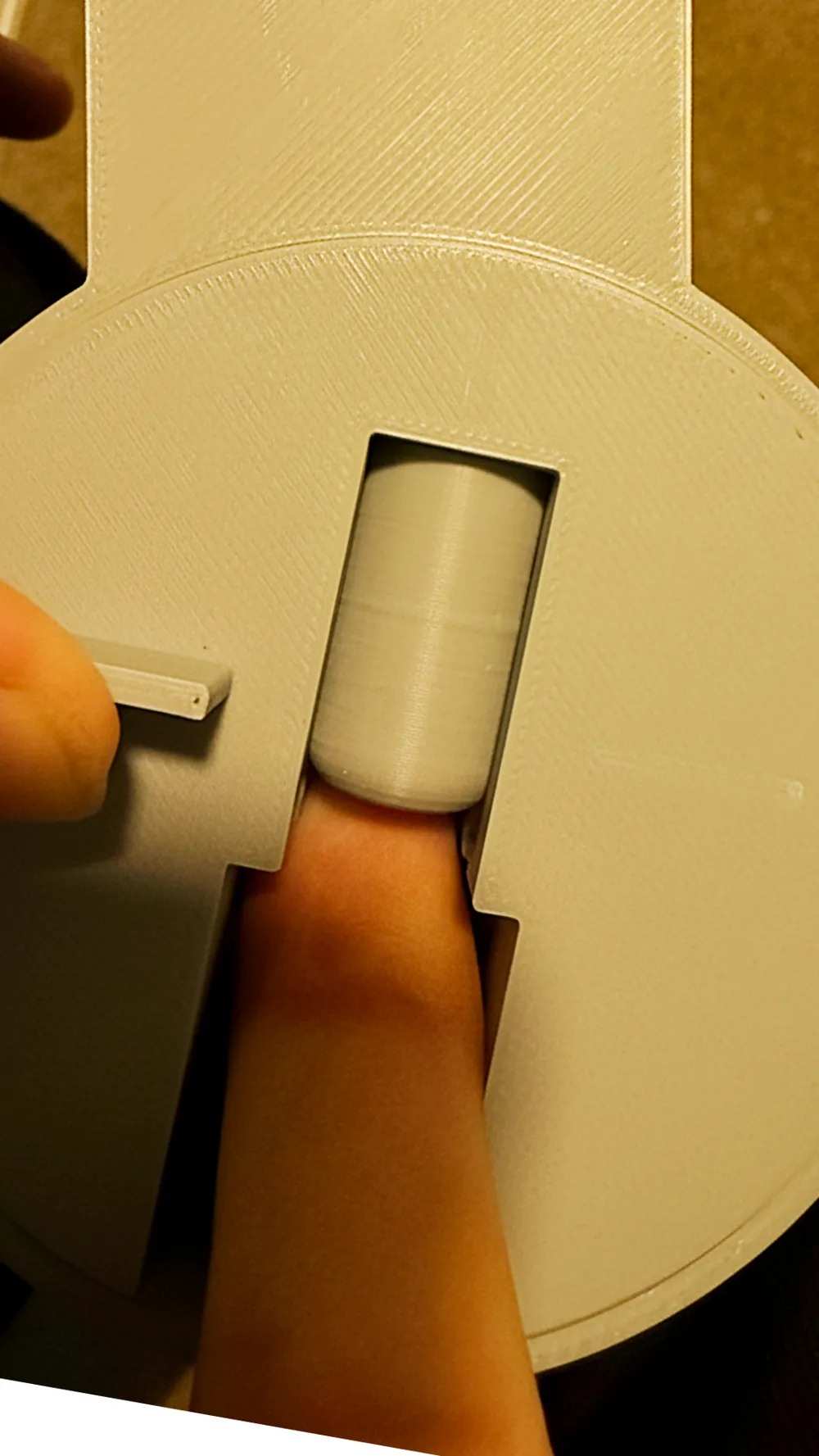
With your other hand, use your finger to push up a key pin.
Your goal:
👉 Raise the pin until the gap between the key pin and driver pin aligns with the plug edge
👉 This point is called the shear line
✅ With only 1 pin, the lock should open easily once aligned
🟢 Step 3 – Add More Pins
Now increase the difficulty by adding more pin stacks.
- Use different key pin heights
- This simulates real lock variation
🟢 Step 4 – Find the Binding Pin
When tension is applied:
👉 Usually one pin will feel harder to push (this is the binding pin)
- Push this pin first
- Lift it carefully until you feel a slight movement or “set”
🟢 Step 5 – Repeat the Process
After setting one pin:
- Another pin will become the new binding pin
- Repeat the process
👉 Continue until all pins are set and the lock opens
🔥 Advanced Practice
Once comfortable with standard pins, try:
- 🌀 Spool Pins
- 🔩 Serrated Pins
These introduce more complex feedback:
- Spool pins can cause counter-rotation
- You’ll feel the plug rotate backwards slightly before setting
- The pin will fall into a “false set” when the narrow part of the spool is at the shear line
👉 This mimics real-world lock picking challenges
💡 Tips
- Use light tension — too much makes pins harder to set
- Go slowly and feel for feedback
- Try different springs for different difficulty levels
🎨 Tips for Best Experience
- Sand/lightly clean pin channels or pins if needed
- Try different spring strengths
- Change the bitting (size and order of the key pins), and try mixing in spool or serrated driver pins for added challenge
- Get someone else to fill out the lock so you don't know what you're facing
License

You may create derivative works based on this object, provided that all such derivative works are published exclusively on the MakerWorld platform and include proper attribution to the original creator. You may not share, upload, host, distribute, or publish this object—or any derivative work of this object—on any other digital platform, marketplace, or distribution channel. Commercial use of this object and any derivative works is strictly prohibited. This includes, but is not limited to, selling, renting, sublicensing, or using the object in any context in which you receive monetary compensation or other financial benefits.


Comment & Rating (3)