
Paperfolding Creasing Guide - Pocket Quarter fold
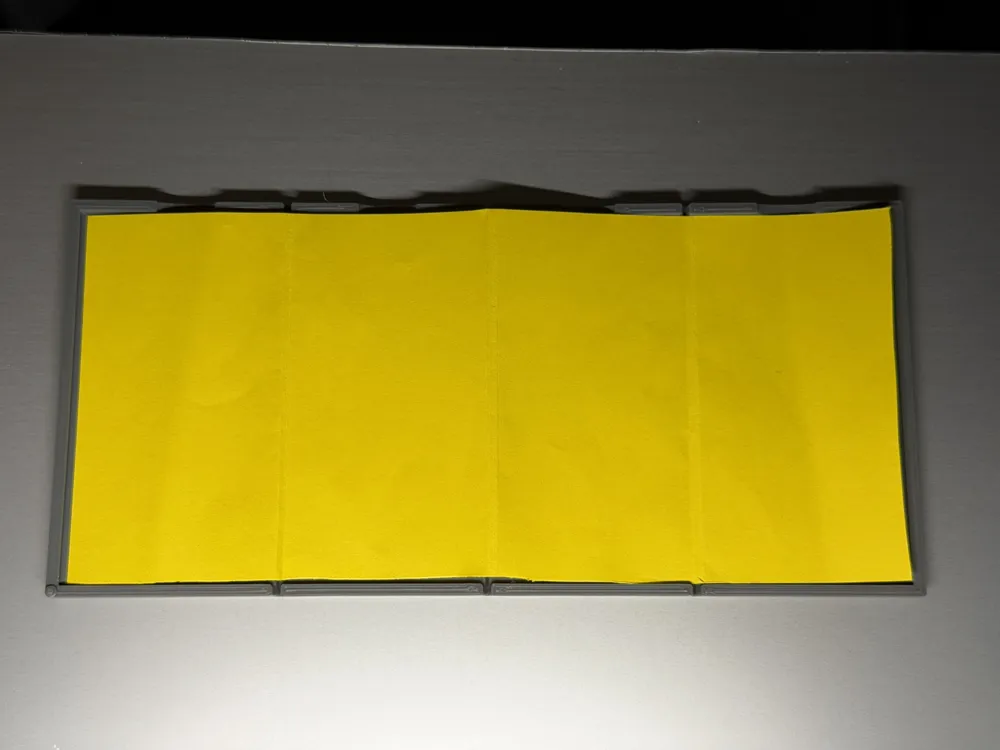
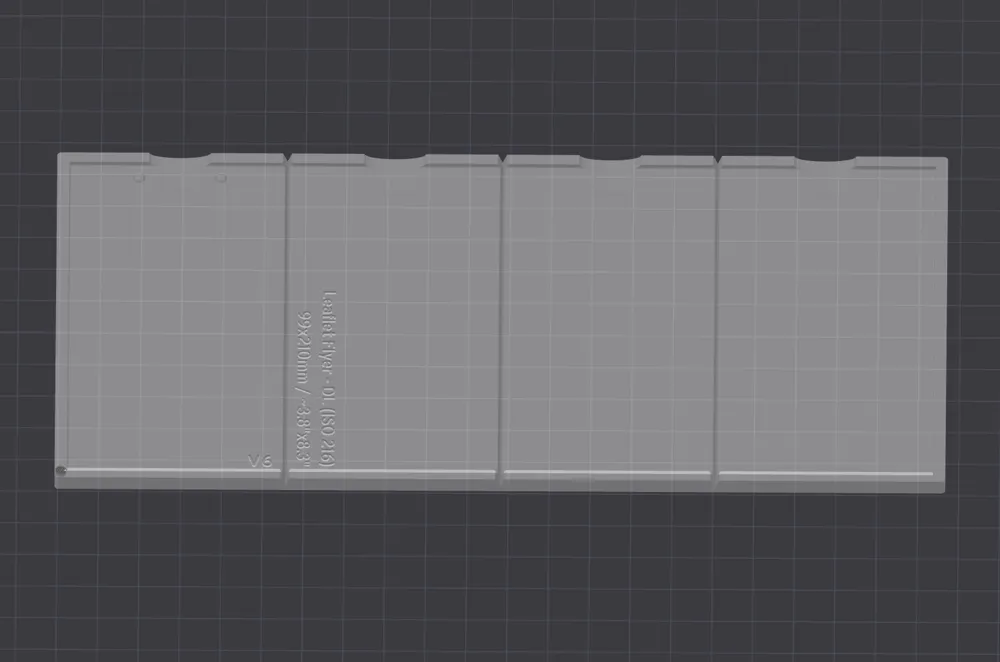
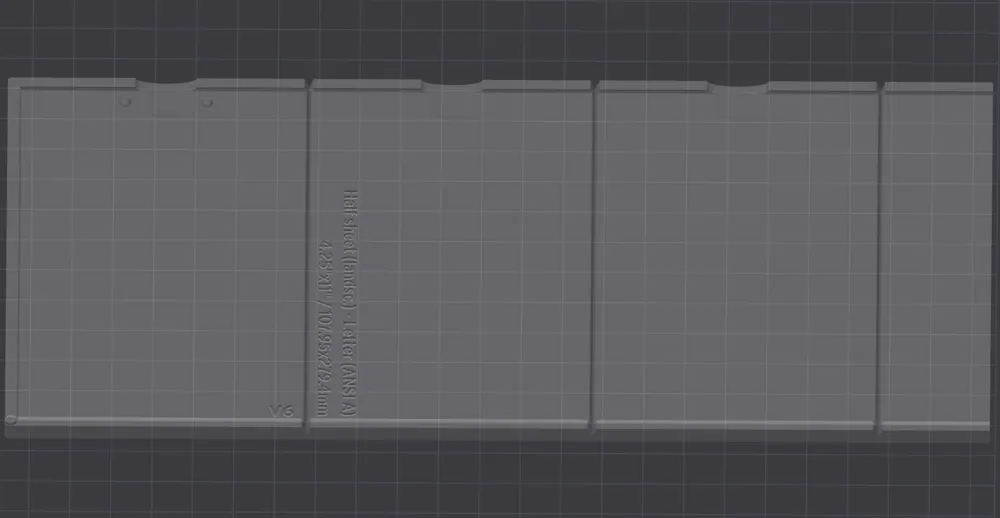
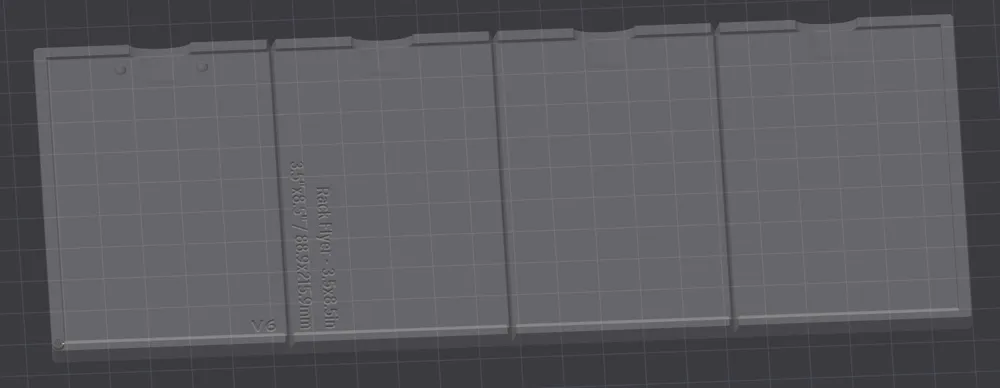
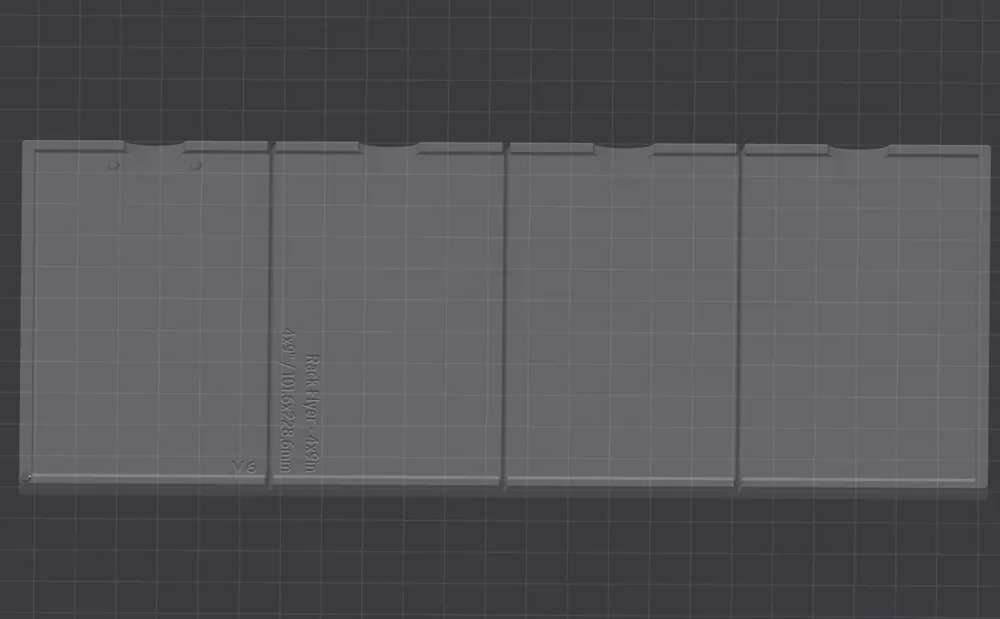
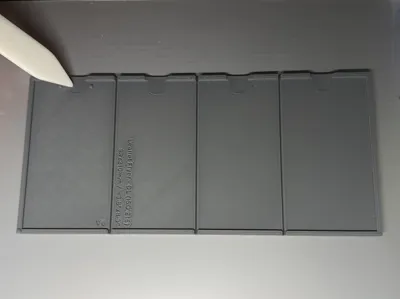
Print Profile(4)
Bill of Materials

- Folding Creaser/Bone Folder hand tool x 1: A variety of Bone Folder hand tools can be used with the creasing guide. See below for details.
Description
Check out my latest new model - the AMS HT mount for X2D/P2S Standalone or AMS Flipper compatible with my X2D Filament Track Switch Holder and Cable Organizer for AMS HT side-mount.
Boost Me (for free)
If my model was helpful, I always appreciate a thanks, a note, or even a boost :)
Folding four-panel booklets/flyers/brochures can be tedious by hand and requires getting each of the folds right to make a good-looking booklet.
By creasing the folds, it simplifies the task a lot and ensures consistent and accurate folding without misalignments to get that perfect fold repeatedly.
Variety of folds and sizes
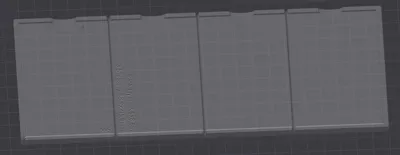
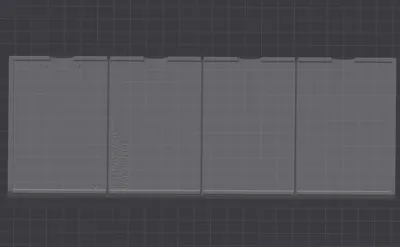
Designed for small pocket-sized booklets with 4 panels on each side.
There are a handful of different common industry norms for such booklets and which paper size they start from. A detailed table and comparison of sizes can be found further below.
The booklets can be folded in a variety of ways using different folding techniques for quarter panel folds - Double Parallel fold (also known as an inside quarter fold), Accordion fold, Quarter pocket fold (also known as a roll fold), Double Gate fold. See more details below on each fold type.
Once folded, these booklets make great pocket guides to reference on-the-go and easily fit in a wallet to pull out as a ready reference.
Print Settings
- Supports: No
- Layer Height: 0.20mm
- Infill: 10%
- Walls: 2
- Print orientation: Flat on the print bed
- Material: PLA is sturdy enough since only moderate light pressure is needed for the creasing
Usage

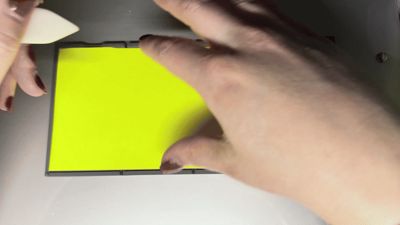
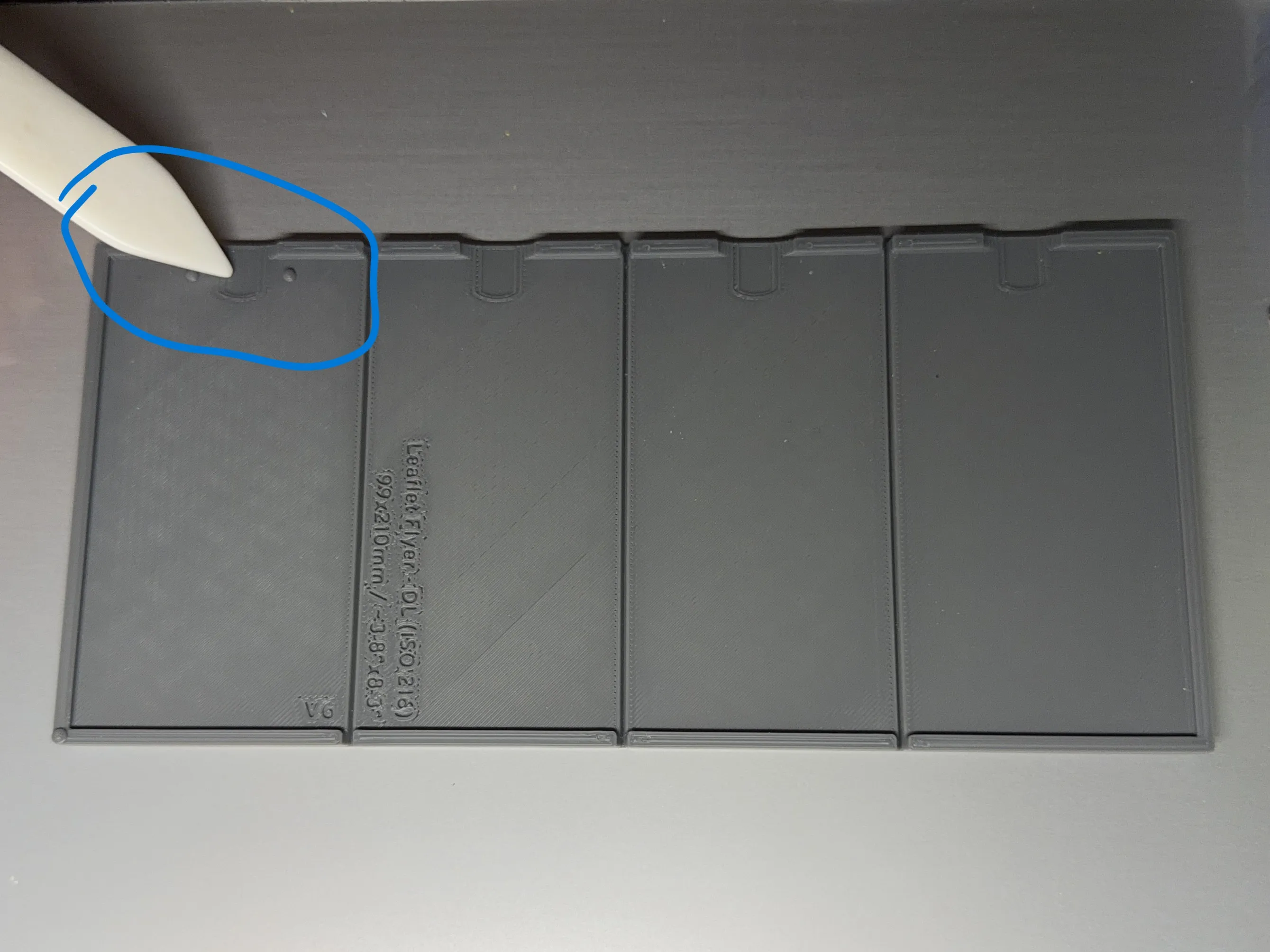
Simply load your piece of paper into the guide and align with the edges (bottom left corner is marked as alignment guide) and then use a creasing tool/bone folder to crease the fold lines.
- Load paper to be folded into the guide
Align the paper to the bottom left corner (see the raised dome to find it)
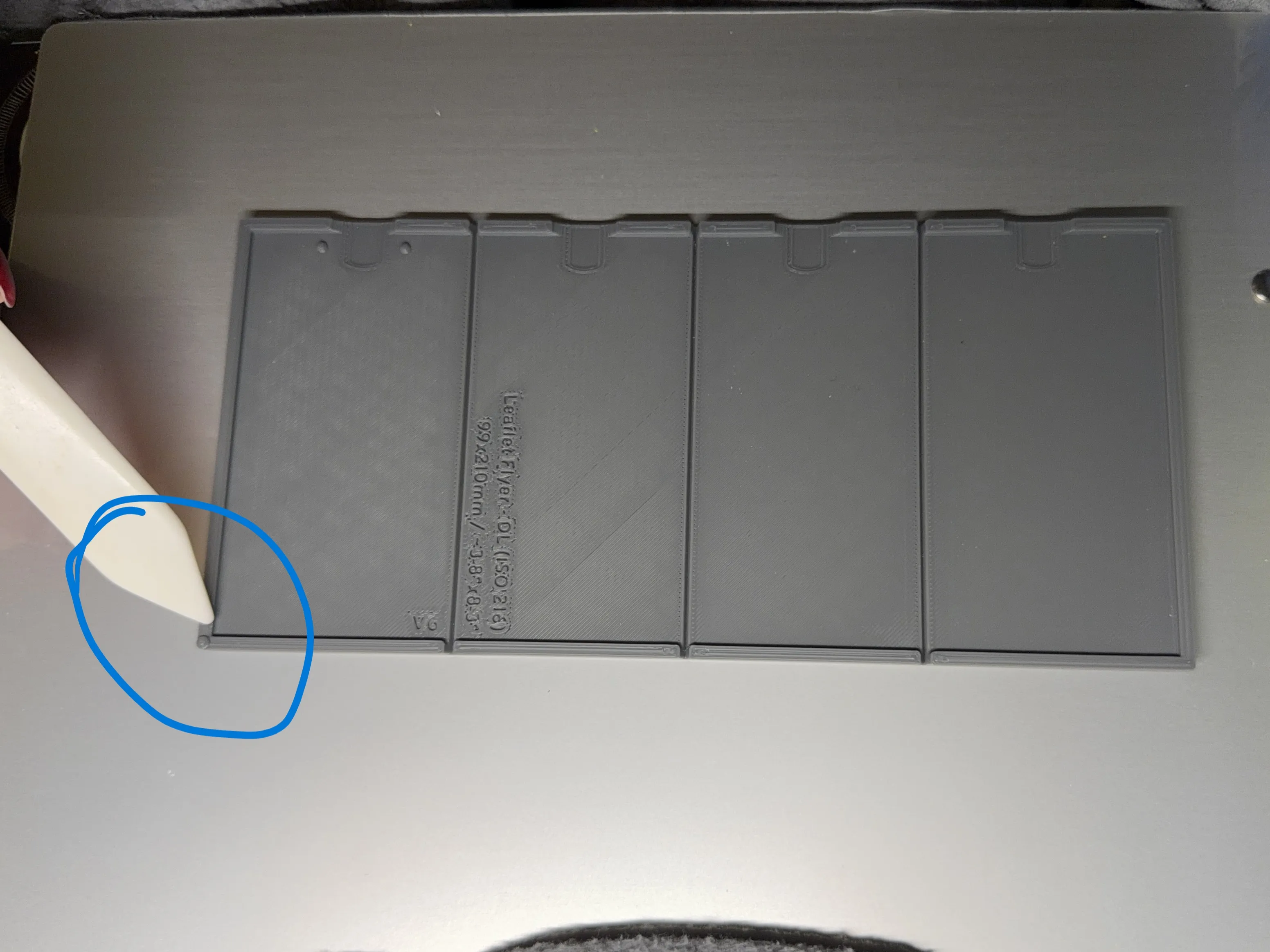
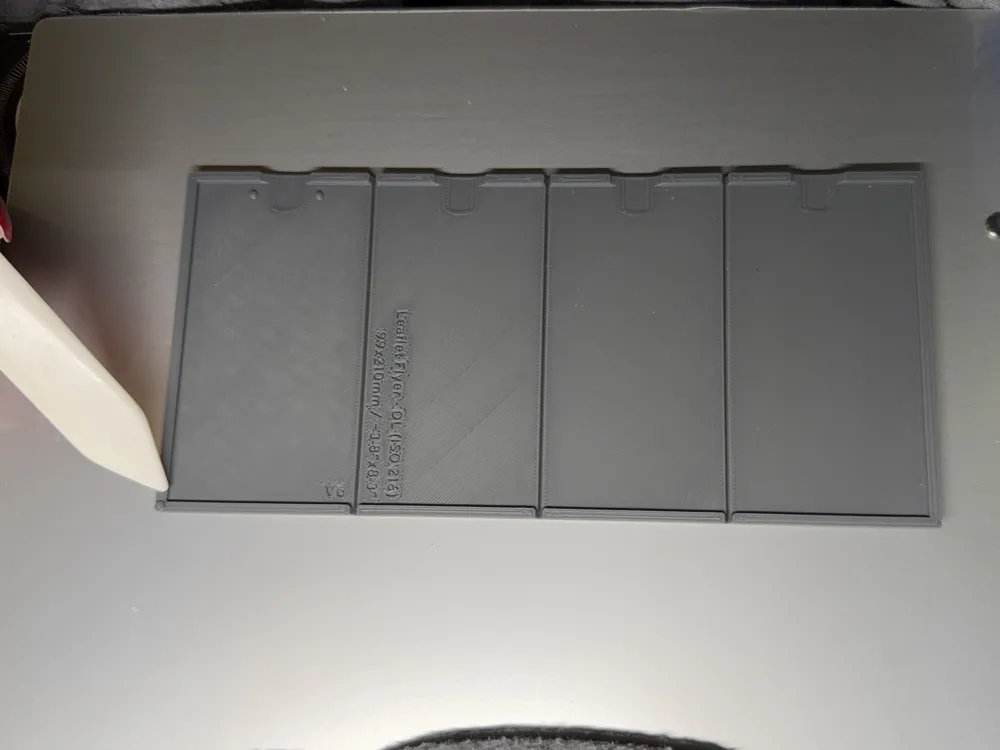
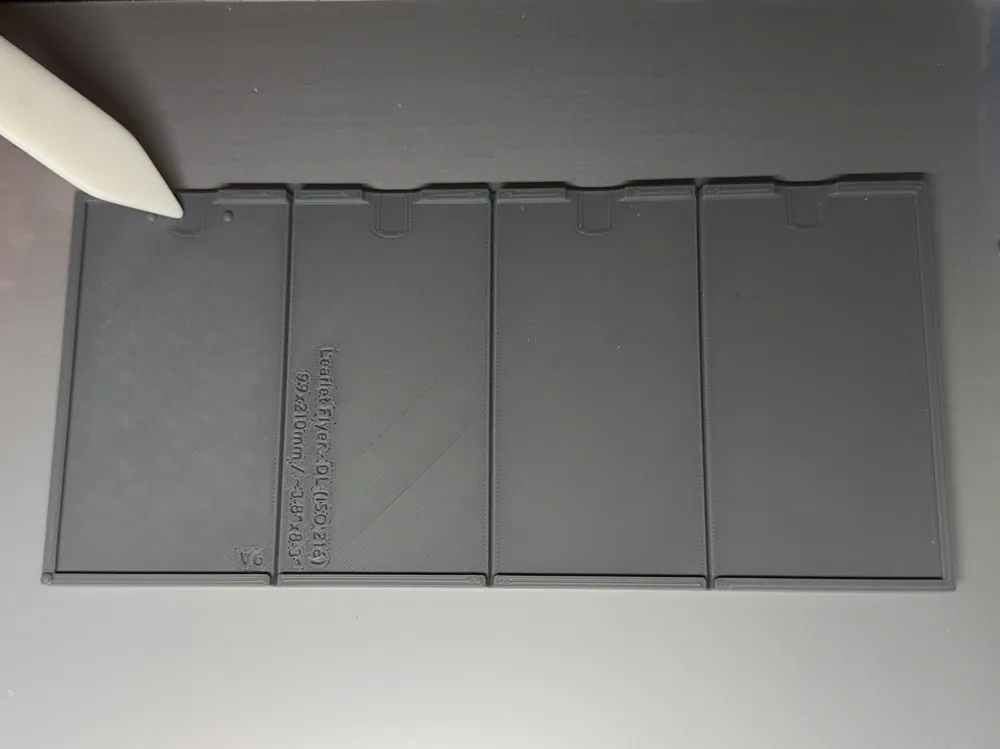
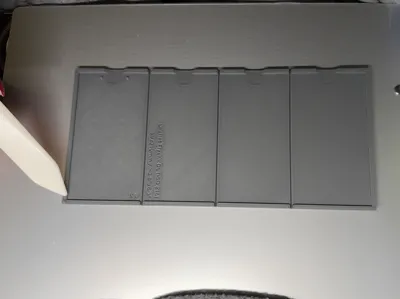
Run Crease Bone Folding tool along the notches to crease the paper.

Lift the paper out of the guide. Using the notched areas at the top make it easier as the paper is lifted by the small domes in the top left panel.
- Fold the paper as desired in one of the possible folding shapes.
Quarter panel folding patterns
- Fold the creases based on your intended fold, choosing one of the many options, such as:
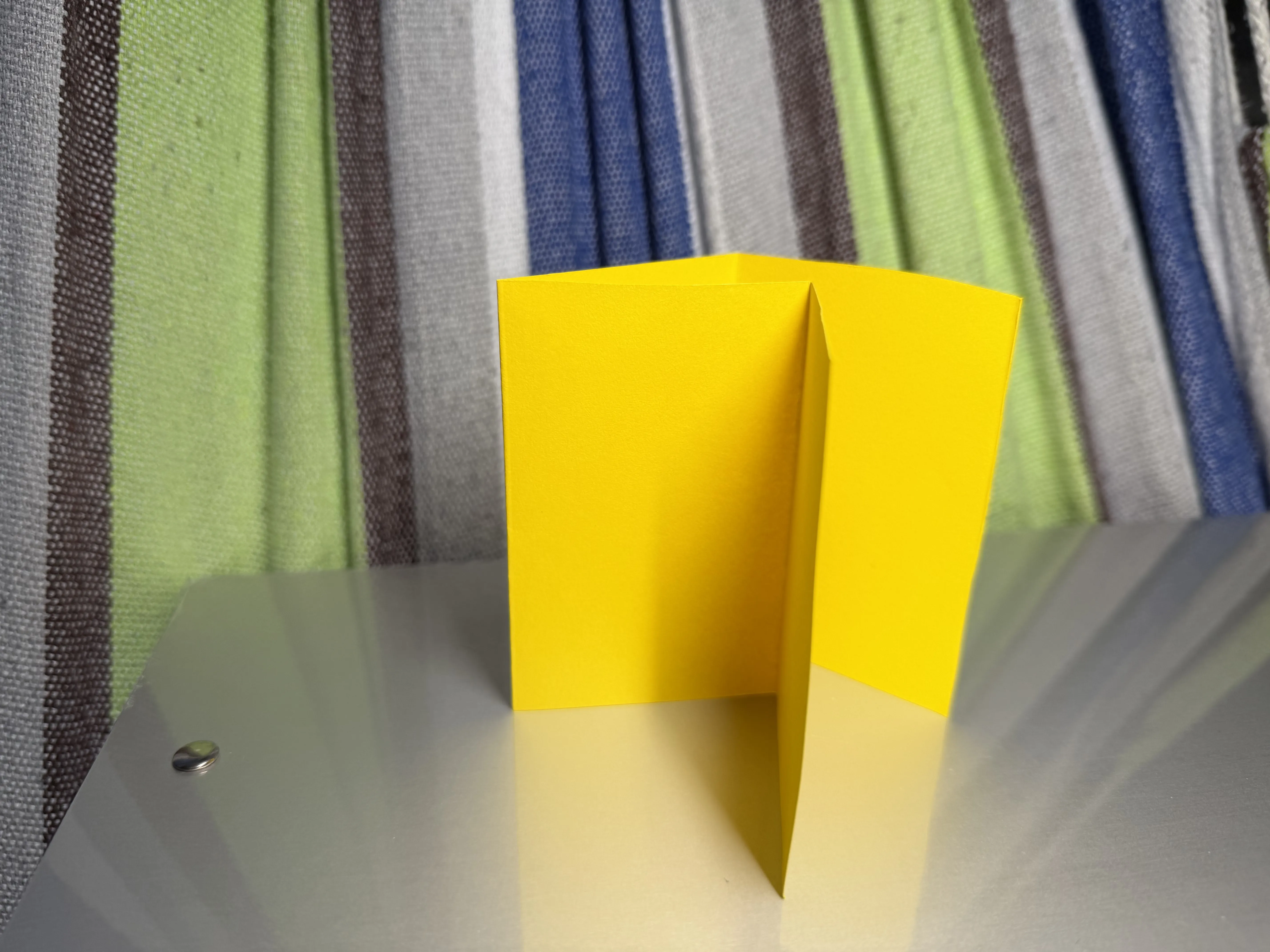
- Double Parallel fold
- Fold in half along the center crease
- Now fold the remaining new “center” crease across both halves of the sheet that are parallel on top of each other
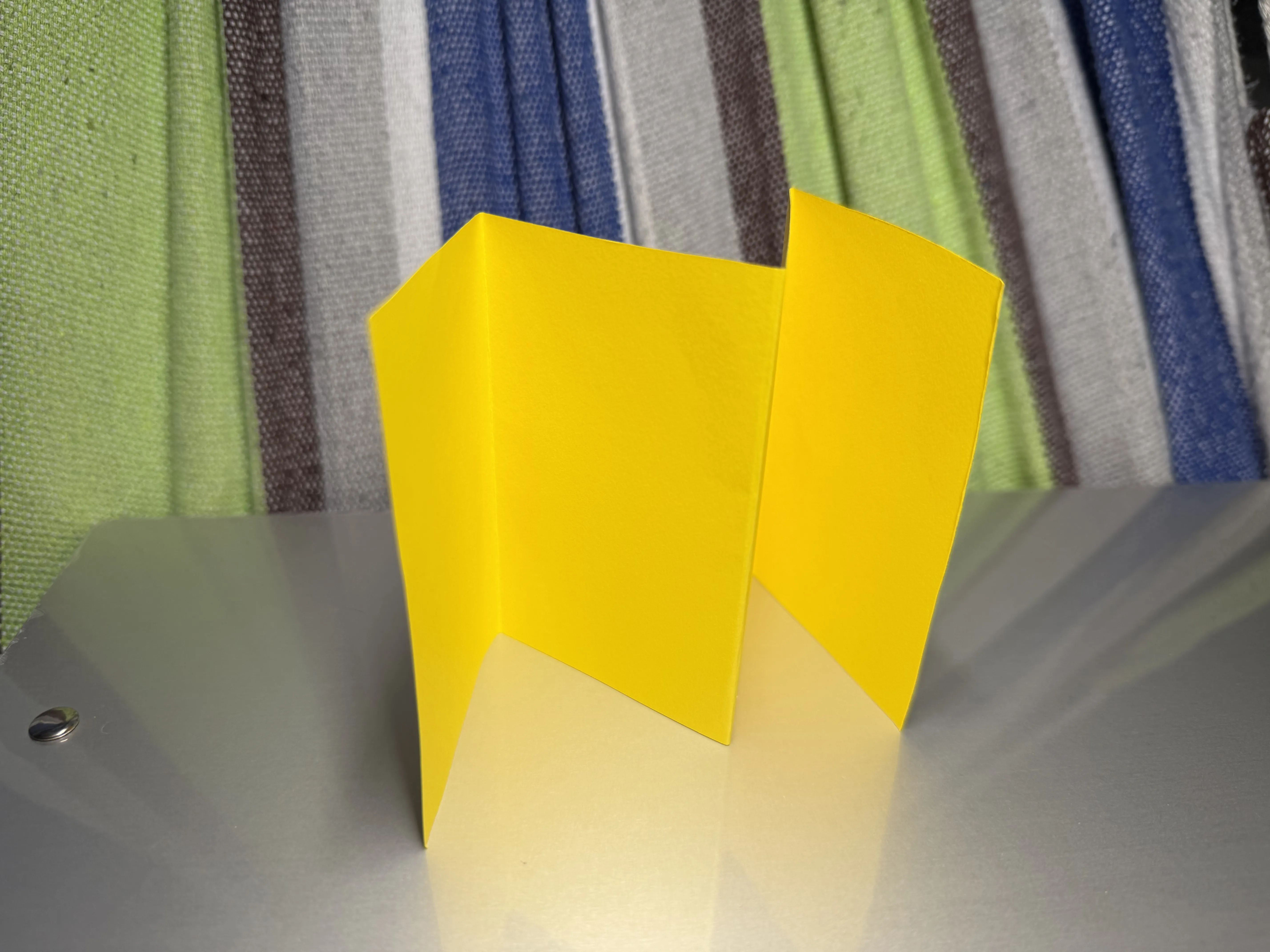
- Accordion fold
Fold each crease from left to right, alternating the direction with each crease
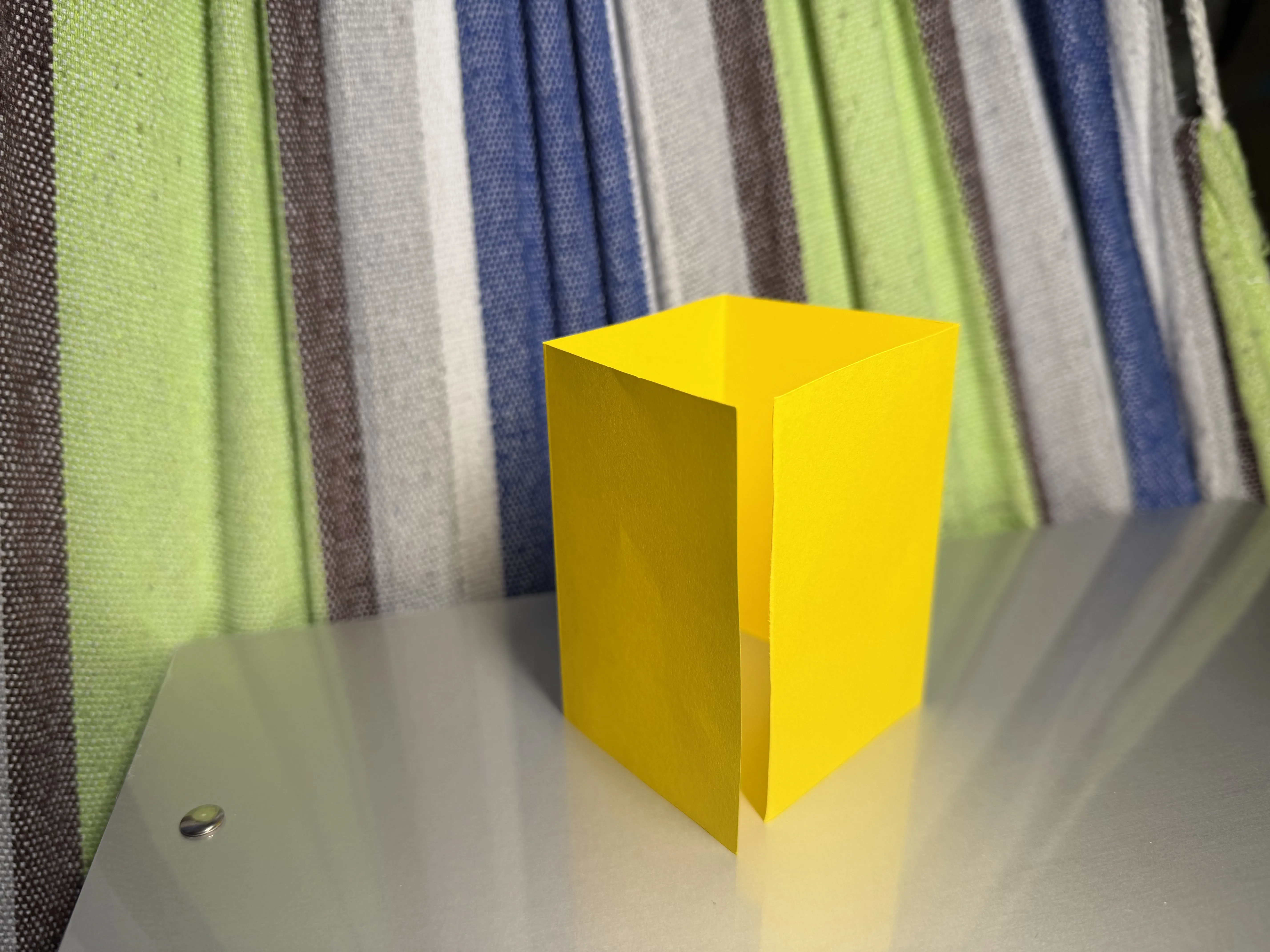
- Double Gate fold
- Fold in the left panel along the left side crease towards the center
- Fold in the right panel along the right side crease towards the center
Fold in half along the center crease
- Roll fold
- Fold the right panel along the right side crease towards the center
- Repeat by folding the new right side along the center crease towards the left crease
Fold the left panel along the left crease over the “rolled up” panels to close
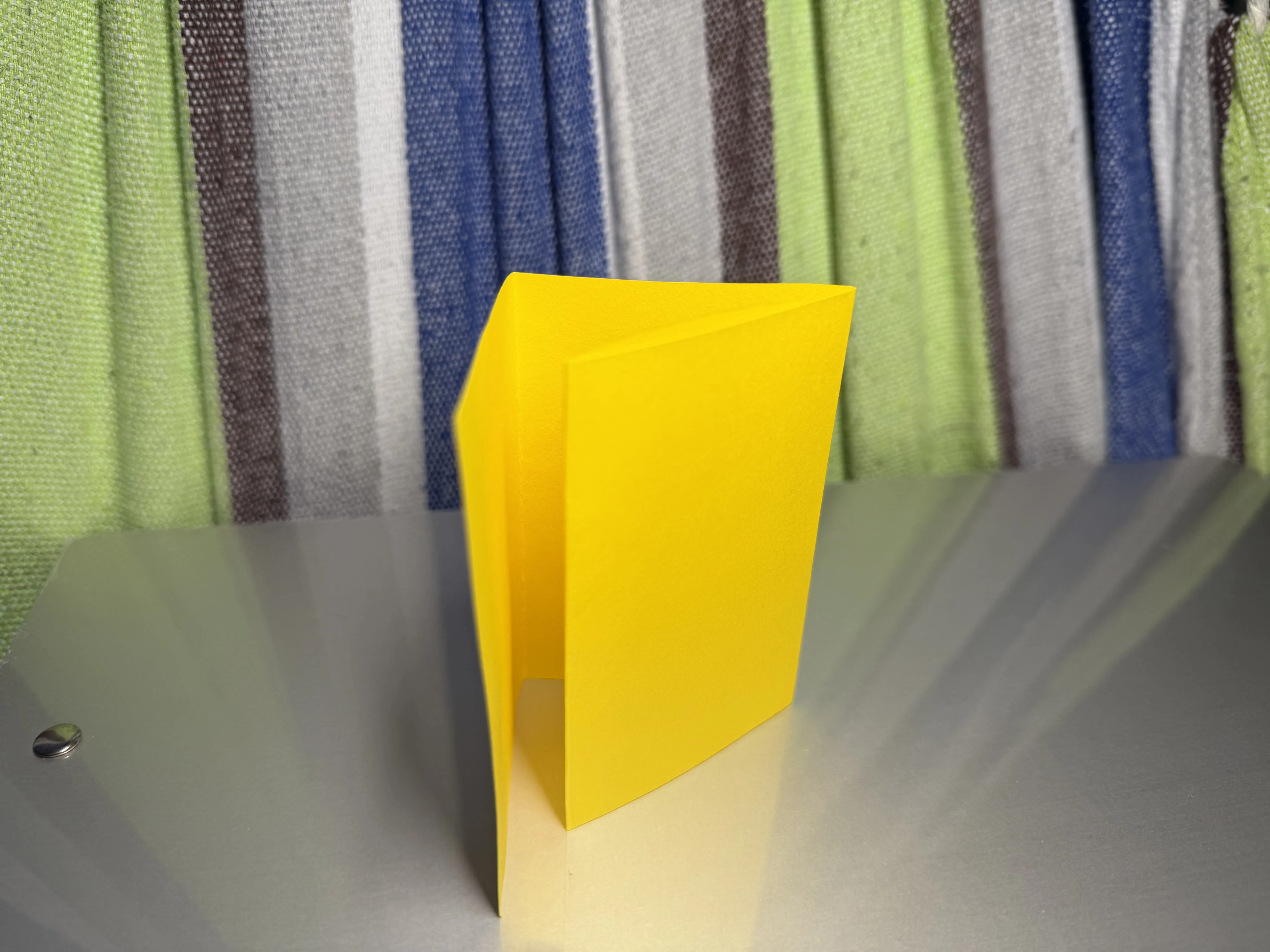
- Double Parallel fold
Paper size selection
There are a small handful of common paper sizes used for folding this type of pocket size guides and brochures, so this model includes a few versions to fit these most common paper sizes used, whether they are professionally printed, or hand crafted and cut from A4 or Letter sheets.
| Common name | Standard | Dimensions | Folded Dimensions | Note |
|---|---|---|---|---|
| Rack card / Leaflet flyer 3.5x8.5 | Common industry size | 3.5 x 8.5in / 88.9 x 215.9mm | 2.13 x 3.5in / 53.98 x 88.9mm | Common business card size. About 3mm wider than a credit card. |
| Rack card / Leaflet Flyer DL size | DL-size (ISO 216) ⅓ A4 sheet (cut portrait oriented) | 99 x 210mm / ~3.8 x 8.3in | 52.5 x 99mm / ~2.1 x 3.9in | Folds down to slightly longer than a business card.
Some professional printers may advertise this size as 3.75x8.25in but actually trim it to DL width of 210mm. |
| Rack card / Leaflet flyer 4x9 | Common industry size | 4 x 9in / 101.6 x 228.6mm | 2.25 x 4.5in / 57.15 x 101.6mm | Slightly bigger than a business card. |
| Half Letter sheet (landscape cut) | Letter sheet (ANSI A) | 4.25 x 11in / 107.95 x 279.4mm | 2.75 x 4.25in / 69.85 x 107.95mm | Slightly smaller than a passport. |
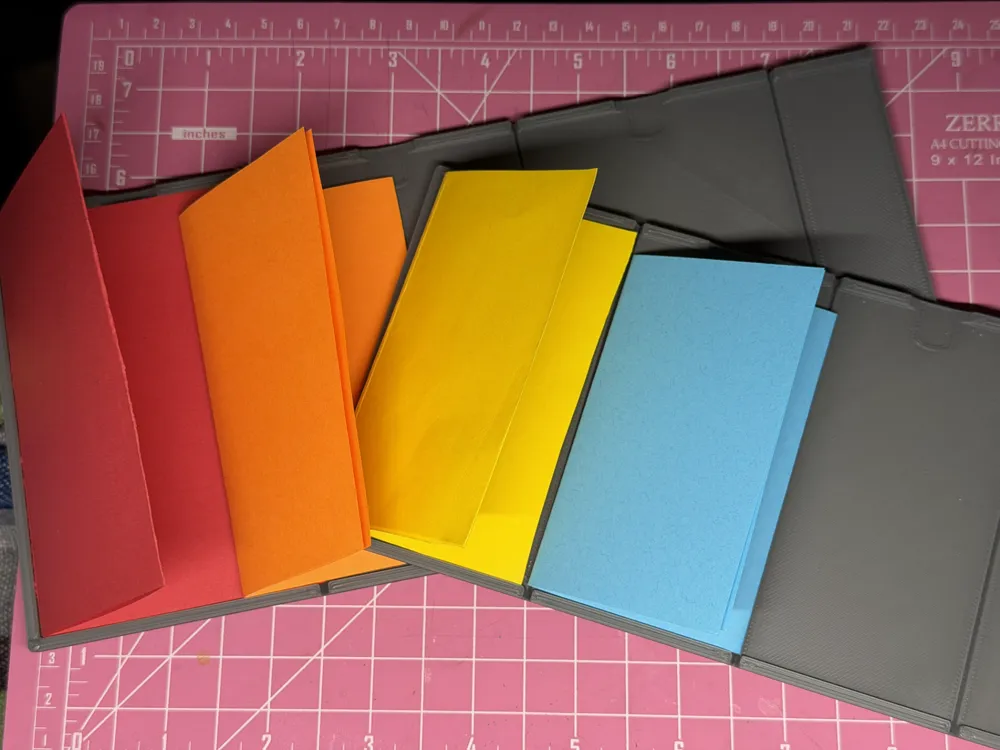
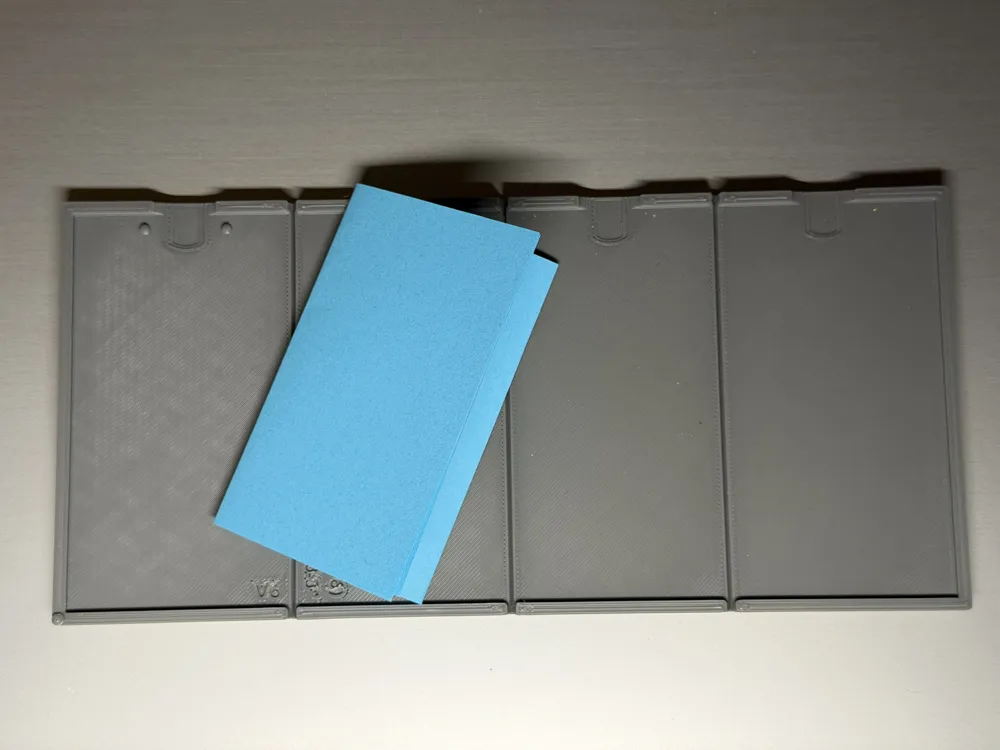
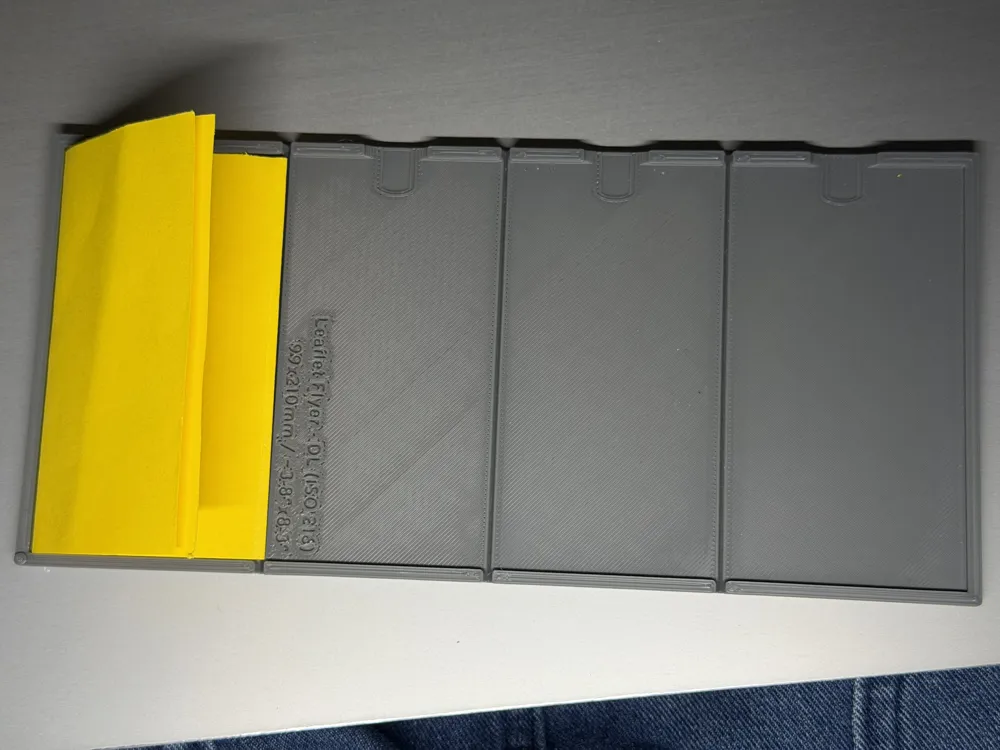
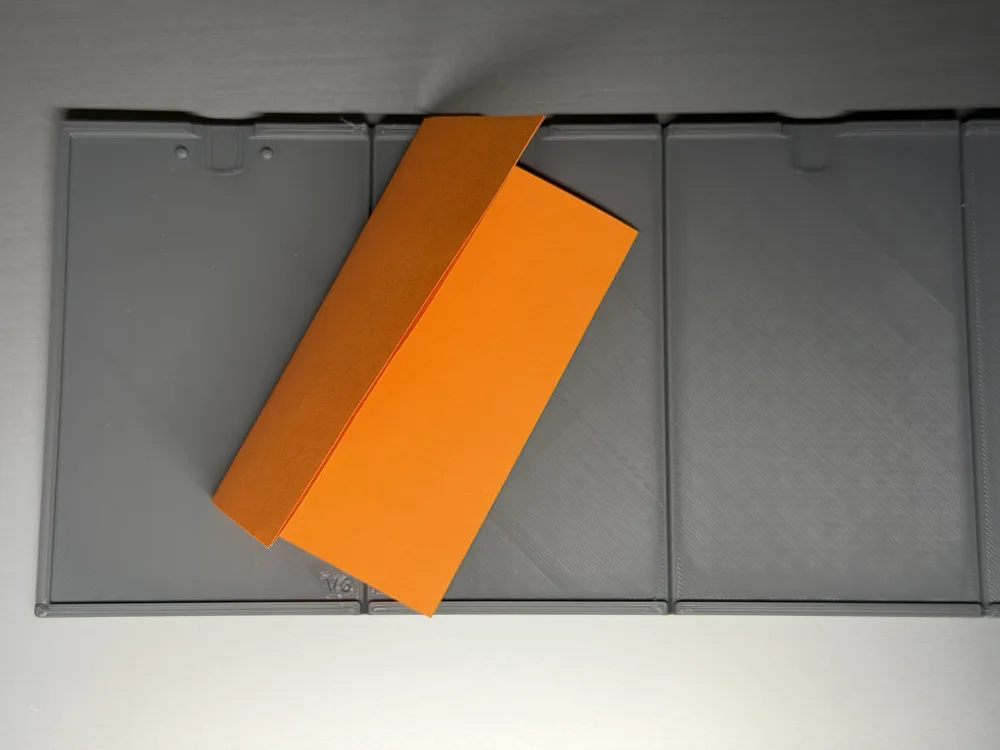
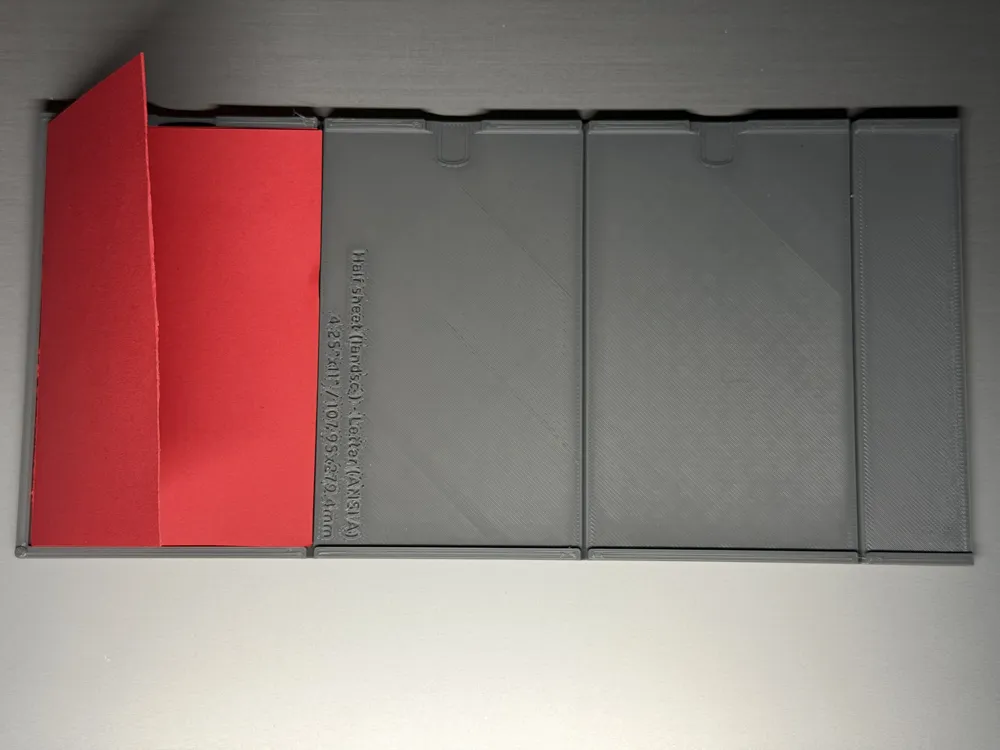
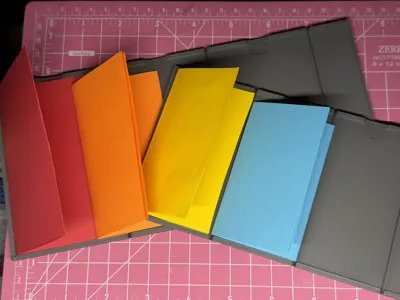
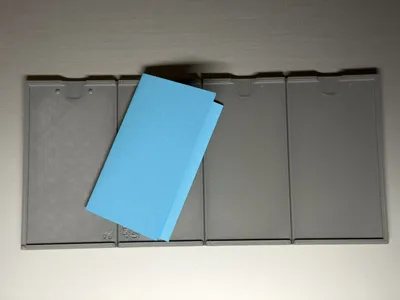
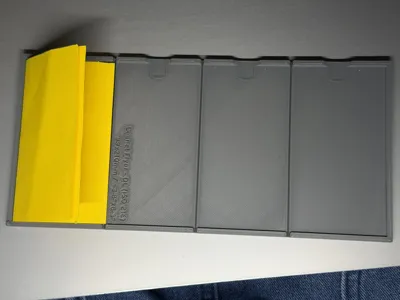
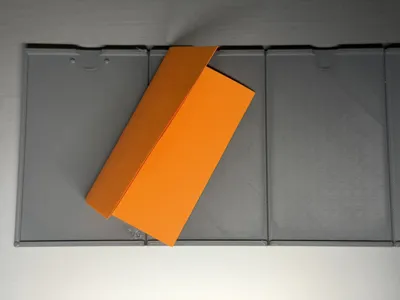
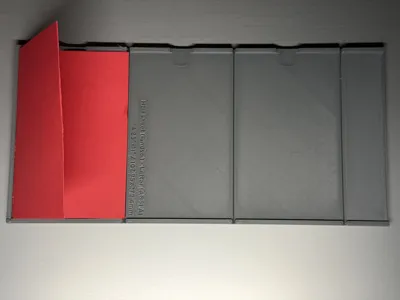
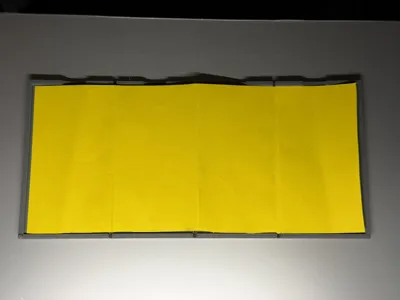
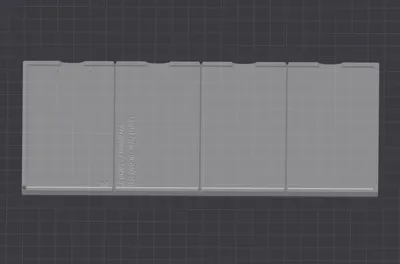
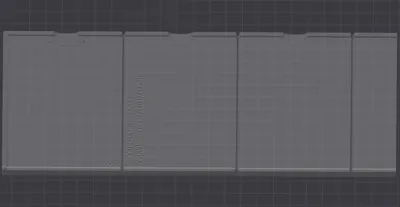
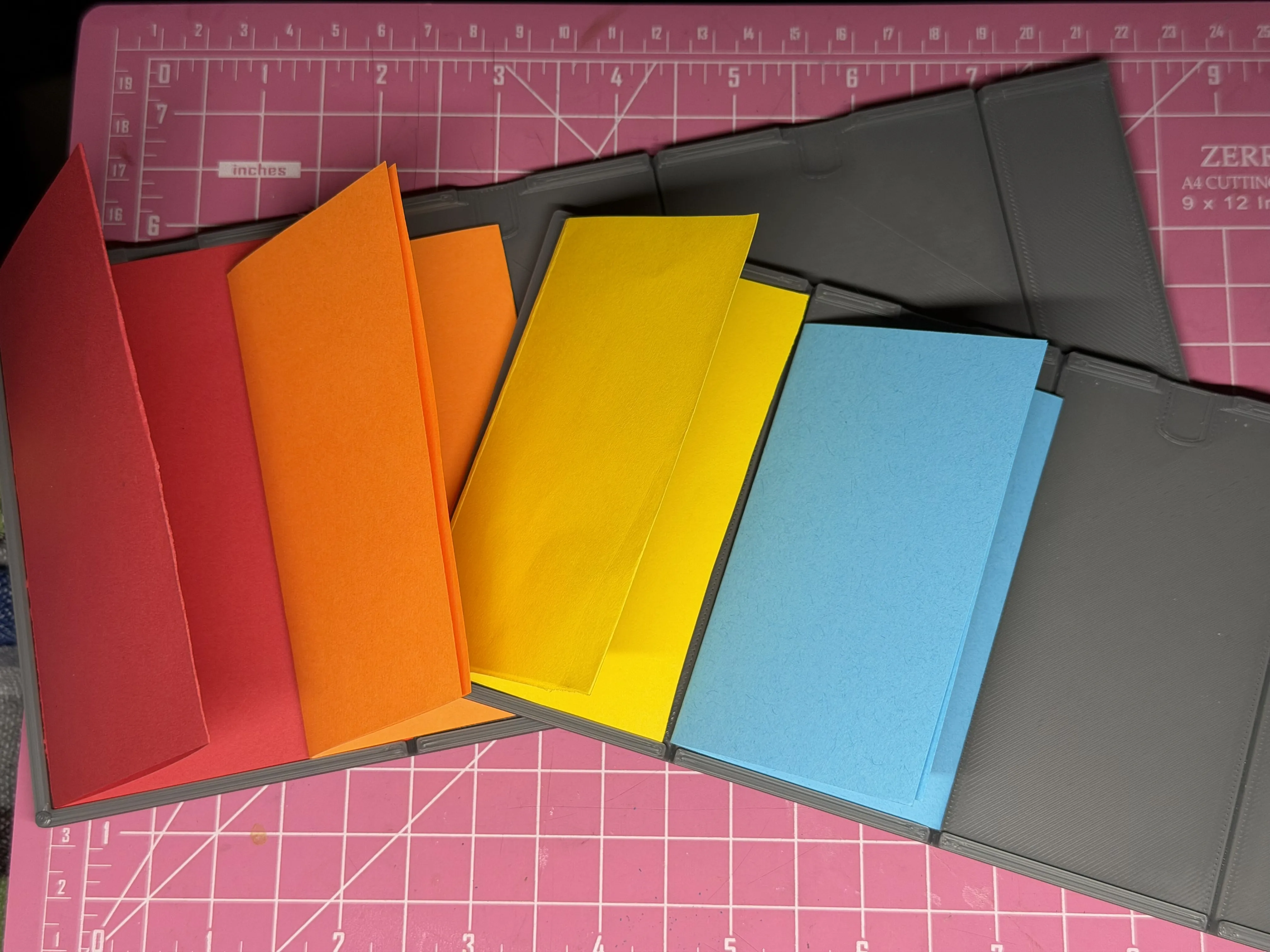
Some images to help with sizing comparing the four paper sizes for which there are creasing guides.
From left to right below - Red: Half Letter, Orange: 4x9", Yellow: DL size, Blue 3.5x8.5in
Individually from smallest to largest:
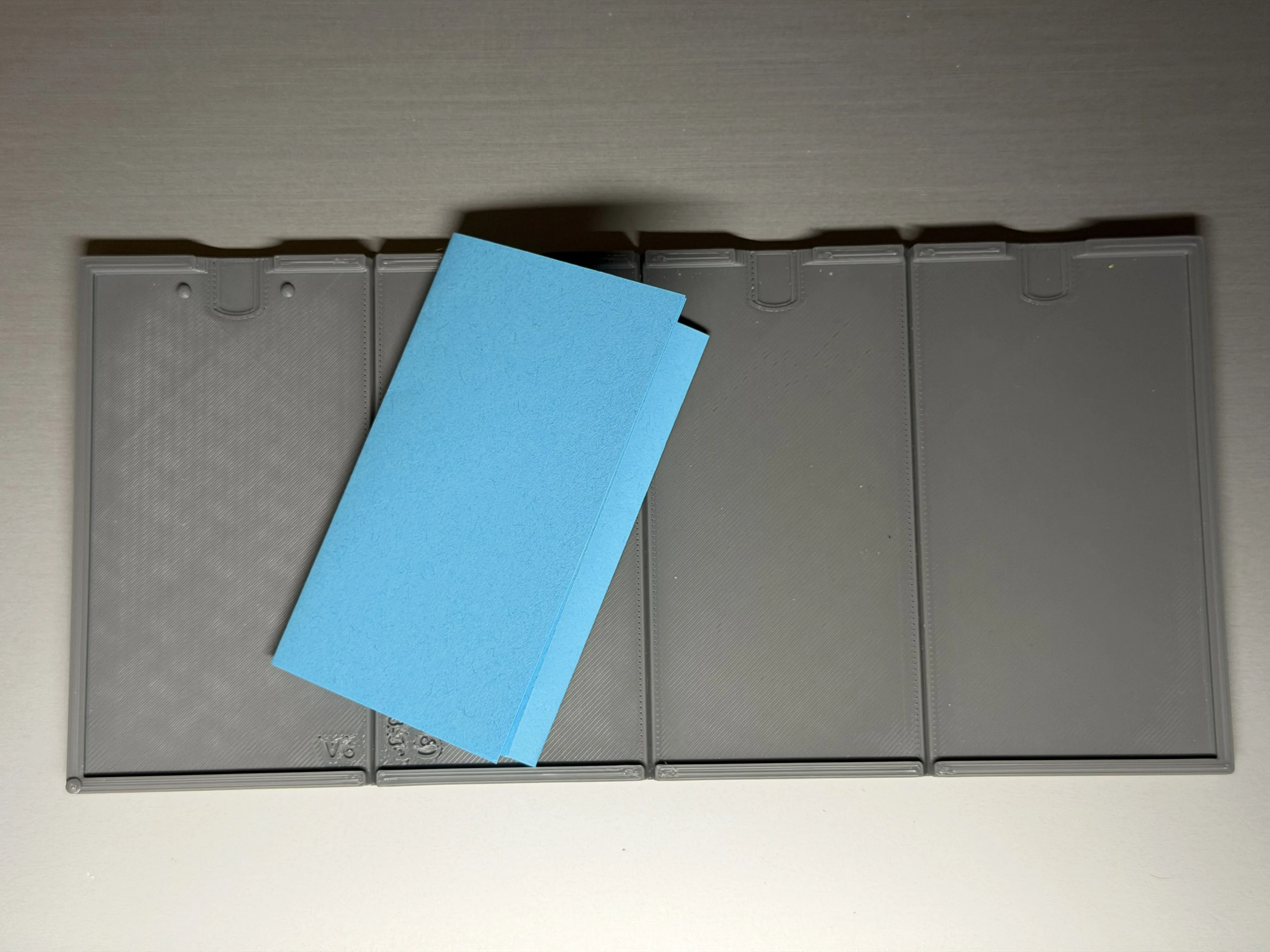 3.5 x 8.5in size
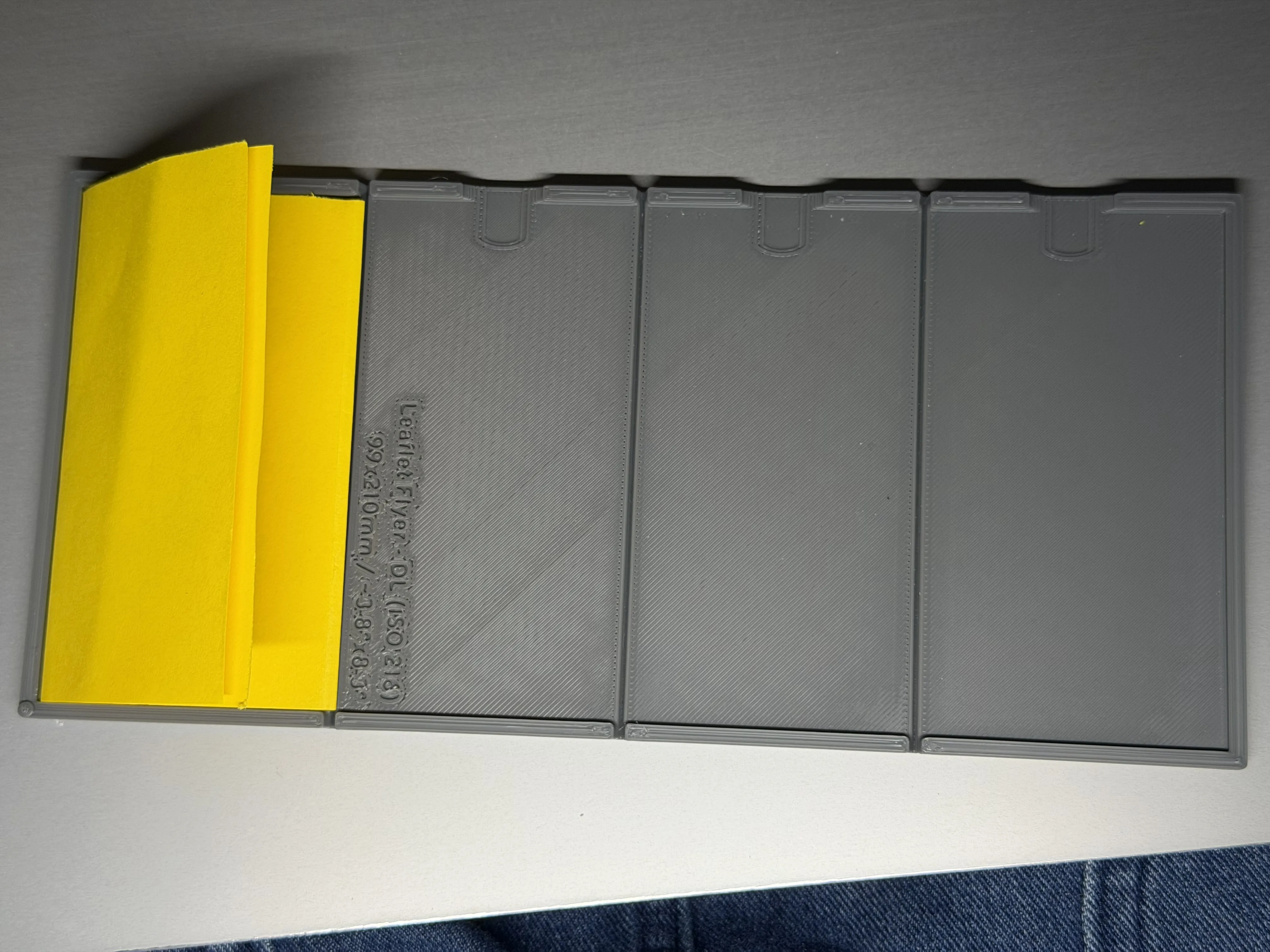 DL size
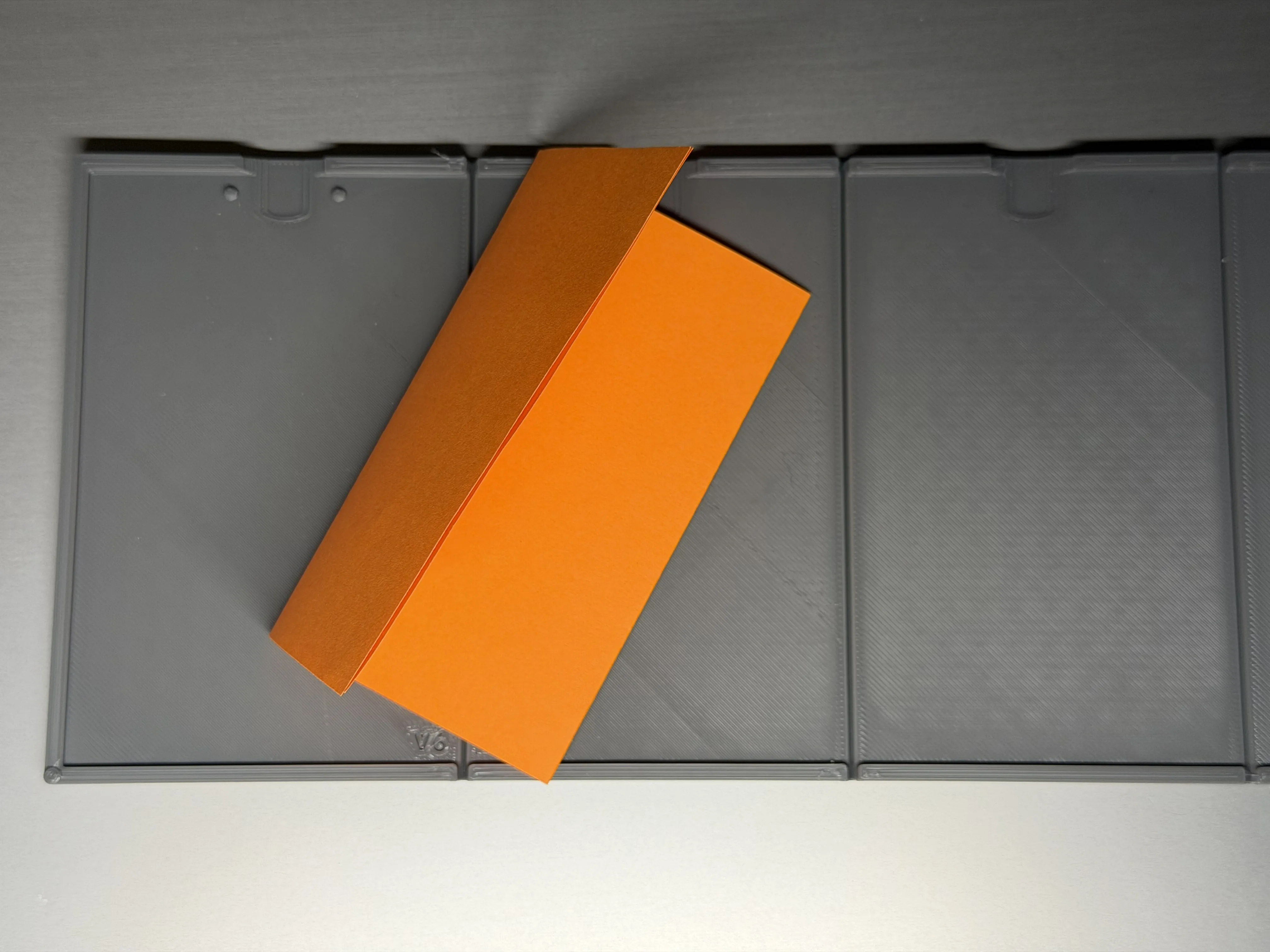 4 x 9 in size
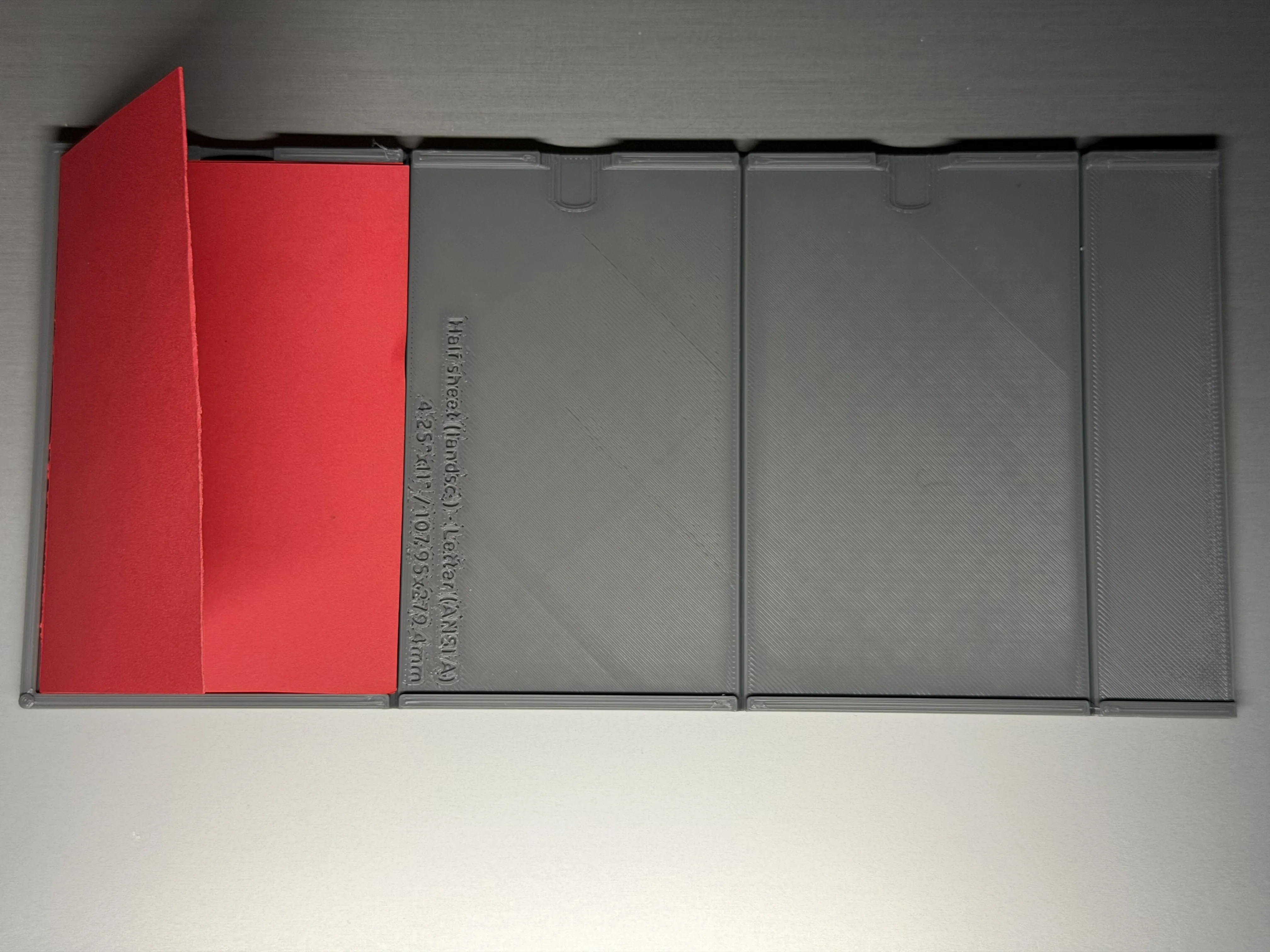 Half Letter size
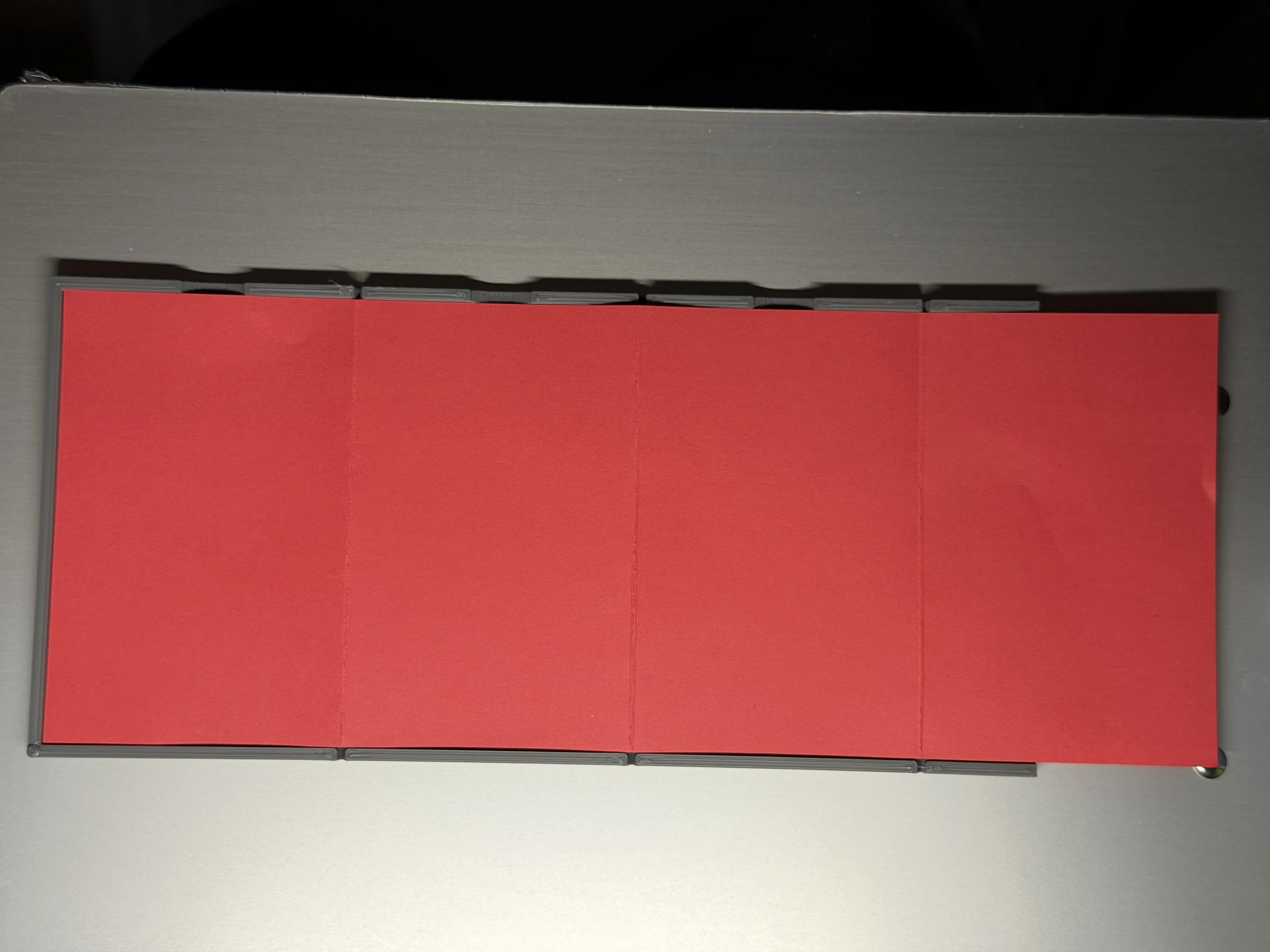
Note that the creasing guide for Half Letter size sheets is intentionally left open to the right as it would otherwise be bigger than most print beds and is unnecessary for creasing:
Folding edge/Bone folder hand tool to use with the Paperfolding Creasing Guide
To indent the crease into the paper, a dull creasing tool is used to carve the crease into the paper along the notches.
These come in a variety of shapes and materials from bone to plastics. The important thing is that the edge is not sharp so that the creasing process doesn't pierce and cut the paper (unless using it as a cutting guide).
You can find paper creasing/bone folders for paper crafting in most craft stores, online, or print one yourself from one of the many 3D print models available.
If you're looking for a direct recommendation, I suggest the Ergonomic Bone Folder & Creasing Tool by Mokipy Lab - the model “Plate 3 - Bone Folder - 3” in particular works well for this.
Some simple household items can also be used as a replacement in a pinch, such as a wooden popsicle stick, a ballpoint pen, or the side of a ruler. When using any of these, ensure not to apply too much pressure which could pierce the paper. You can also try other similar non-sharp sturdy edges.
Boost Me (for free)
If you like my model and would like to share your thanks, a boost is always graciously appreciated. Thanks :)
I enjoy crafting and making things, from practical tools to make life easier, to crafty bits and silly or pretty artsy things.
Check out my other models and see if something takes your fancy.
I love seeing people's prints and applications of my models, so if you print one of my models, please don't forget to leave a review or comment with a picture :)
License

You may create derivative works based on this object, provided that all such derivative works are published exclusively on the MakerWorld platform and include proper attribution to the original creator. You may not share, upload, host, distribute, or publish this object—or any derivative work of this object—on any other digital platform, marketplace, or distribution channel. Commercial use of this object and any derivative works is strictly prohibited. This includes, but is not limited to, selling, renting, sublicensing, or using the object in any context in which you receive monetary compensation or other financial benefits.


Comment & Rating (2)