Search models, users, collections, and posts

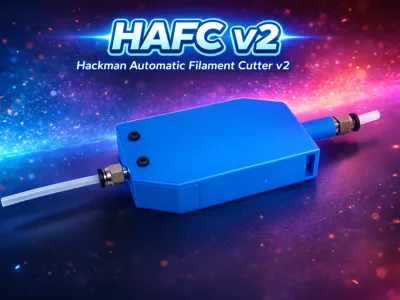
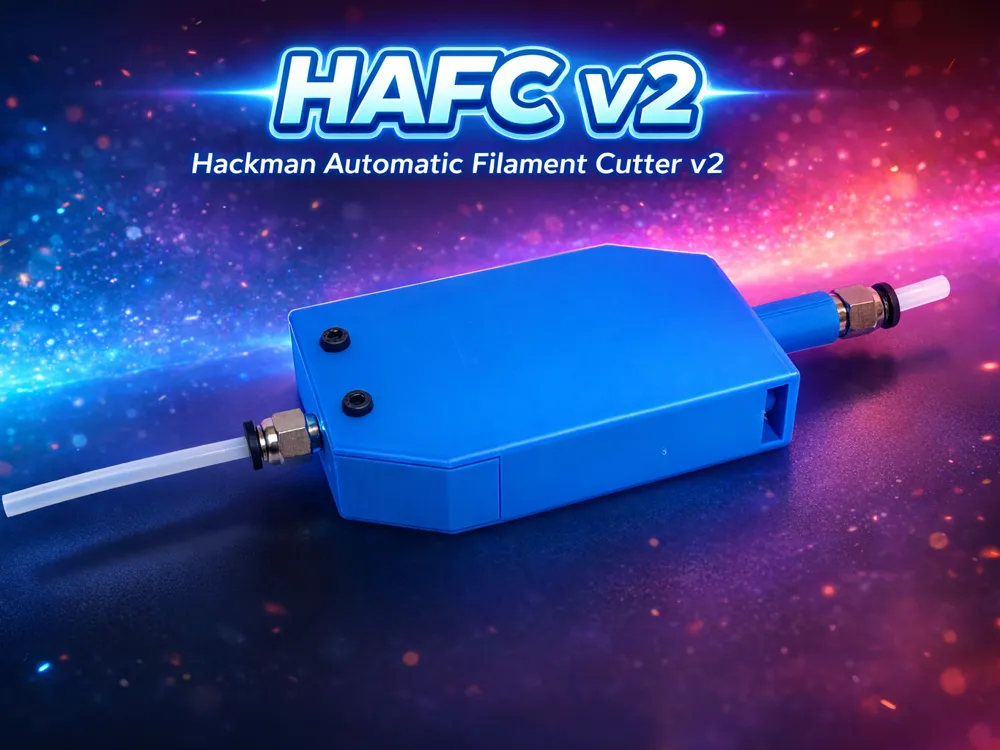
HAFC V2 - Hackman Automatic Filament Cutter V2
Print Profile(1)

All
P2S
X1 Carbon
A1 mini
A1
X1
H2S
P1P
H2D Pro
P1S
H2C
H2D
X1E
X2D
A2L

Custom Profil HAFC v2
Designer
1.7 h
1 plate
4.7(14)

Open in Bambu Studio
Boost
405
1040
66
23
560
178
Released 

Bill of Materials

Maker's Supply Kits and Parts
Select all
PC4-M6 Pneumatic Connector (5PCS) - FC001
X1/P1/A1/A2
M3x20 SHCS Machine Screw (10PCS) - AA040
M3x12 SHCS Machine Screw (20PCS) - AA038
D8x2 mm Round Magnet (20PCS) - CA005
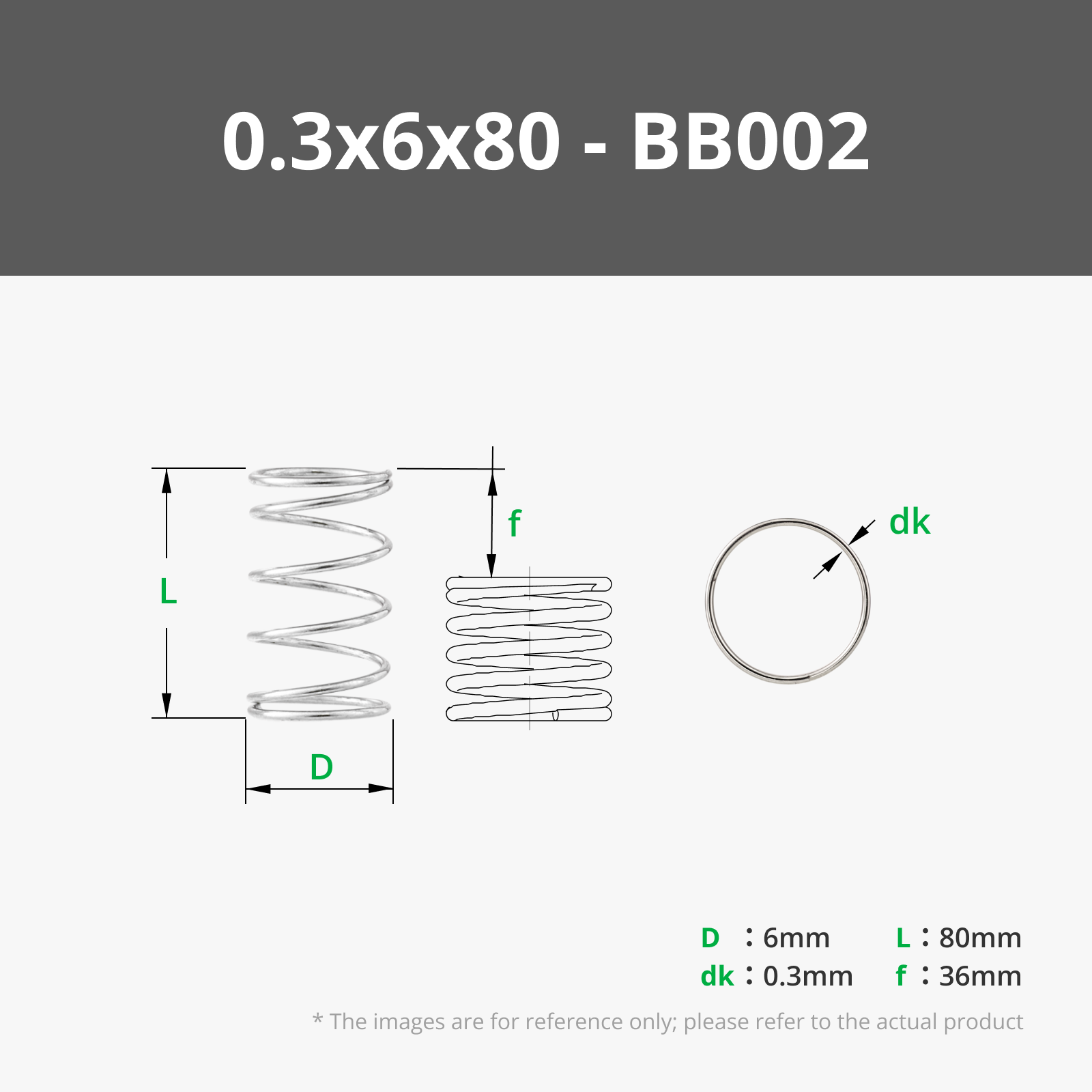
0.3x6x80 mm (5PCS) - BB002
Bambu Filaments
Select all
Jade White (10100) / Refill / 1kg

Description

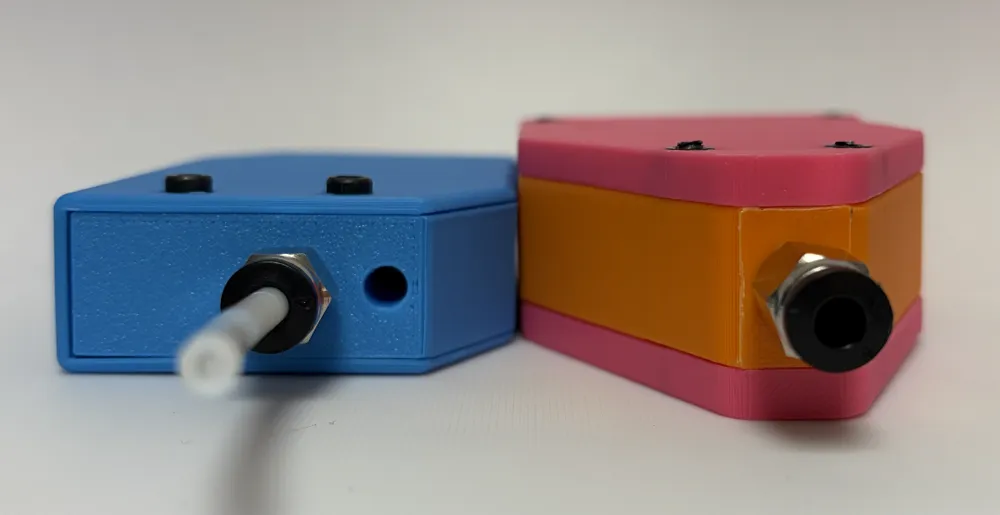
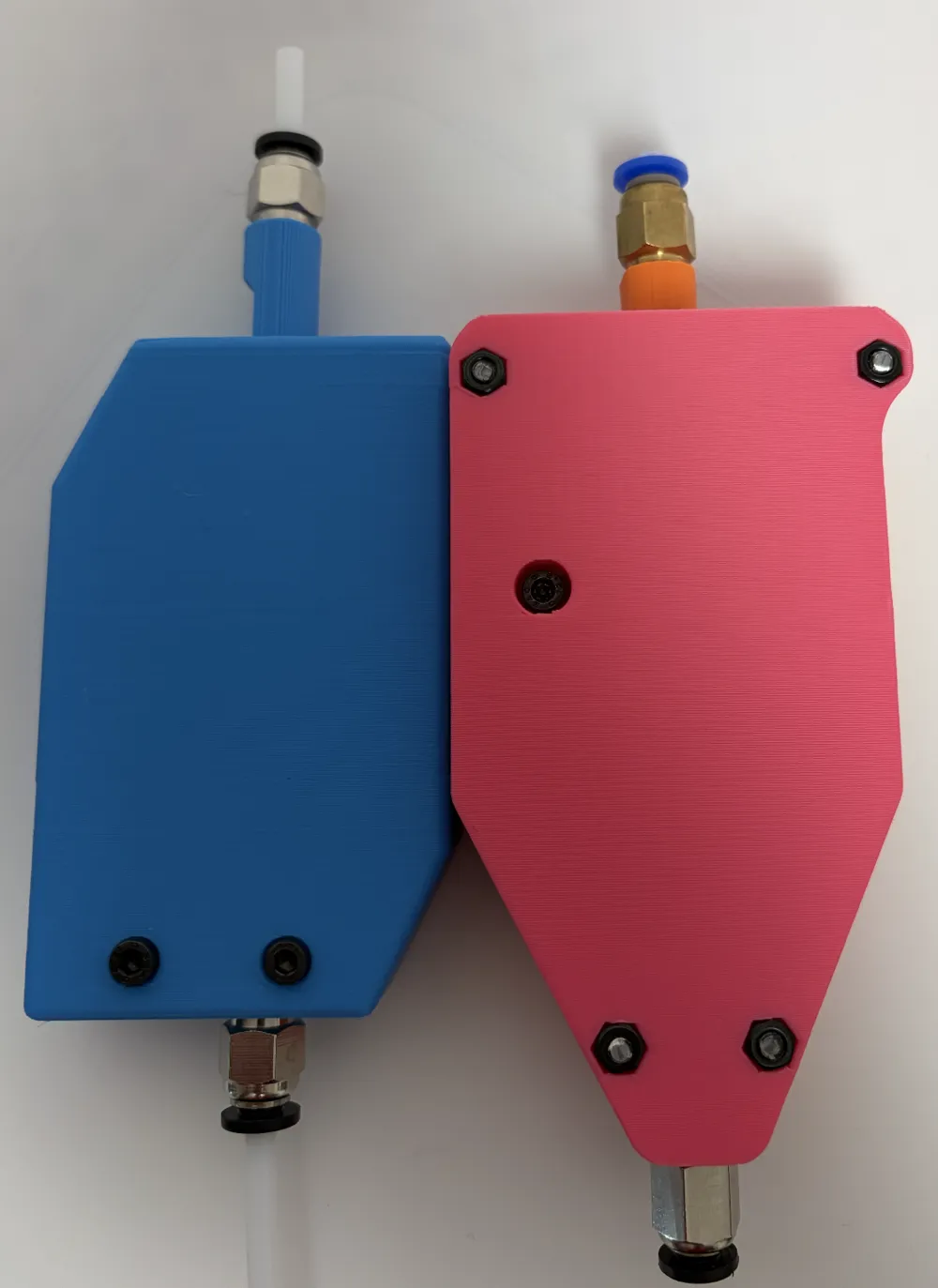
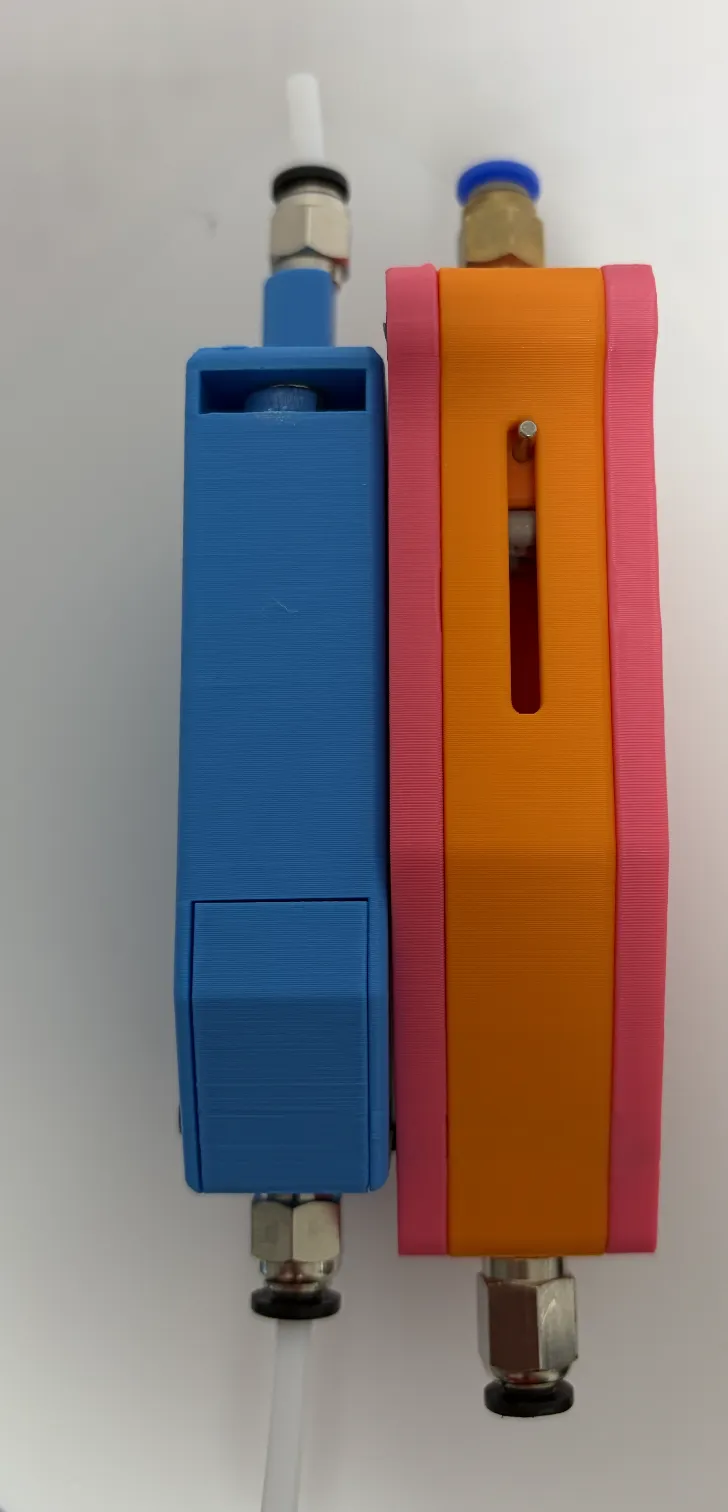
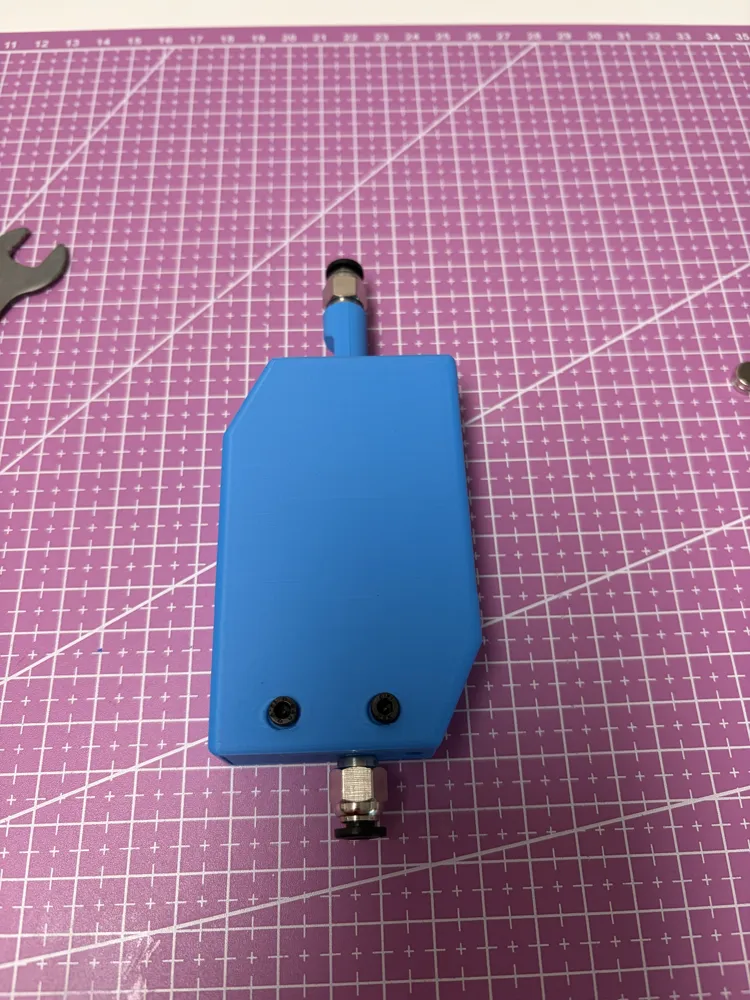
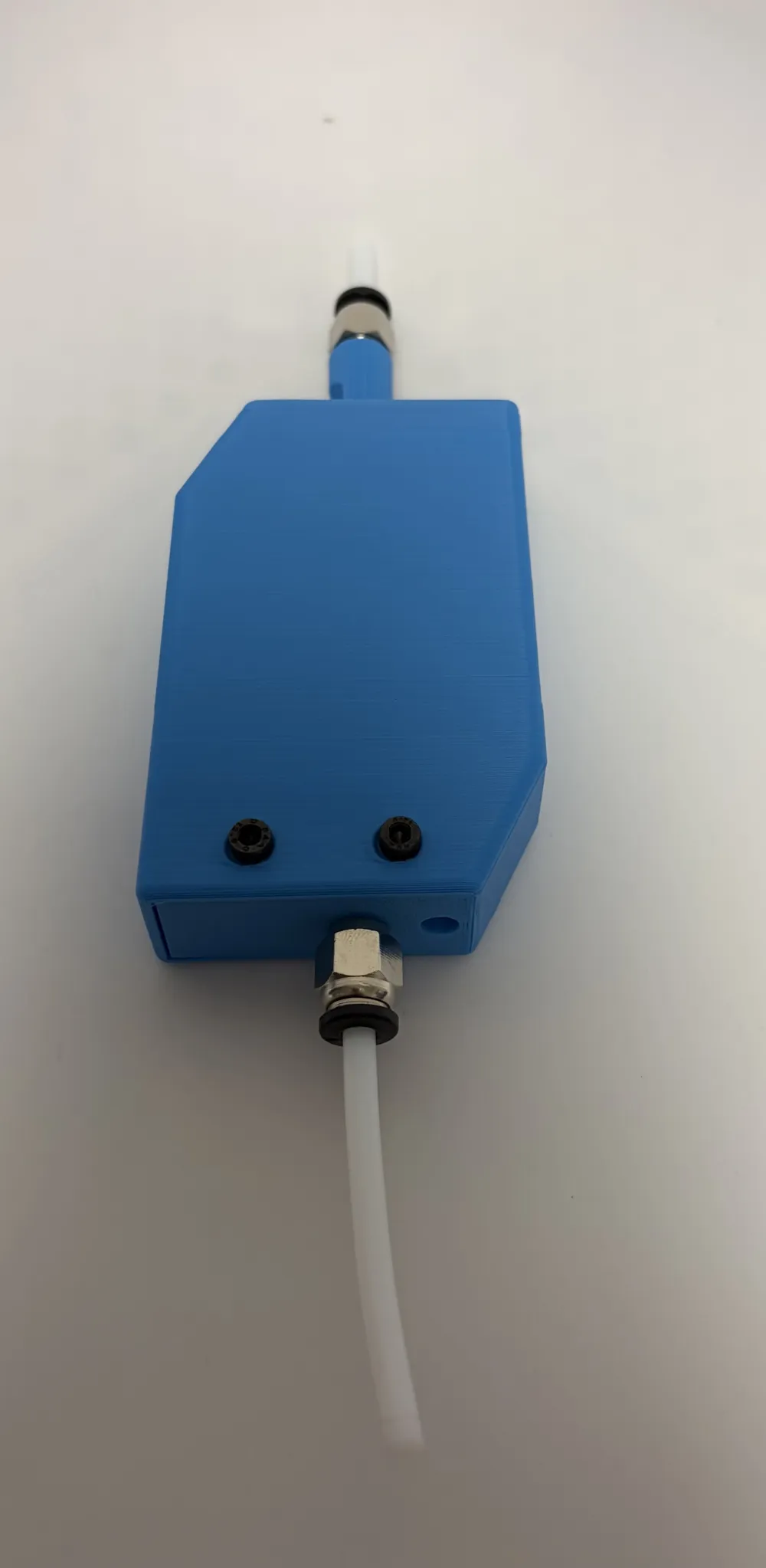
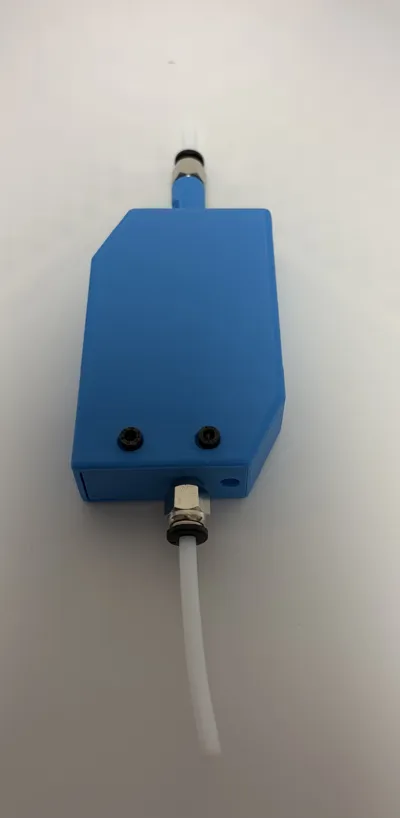
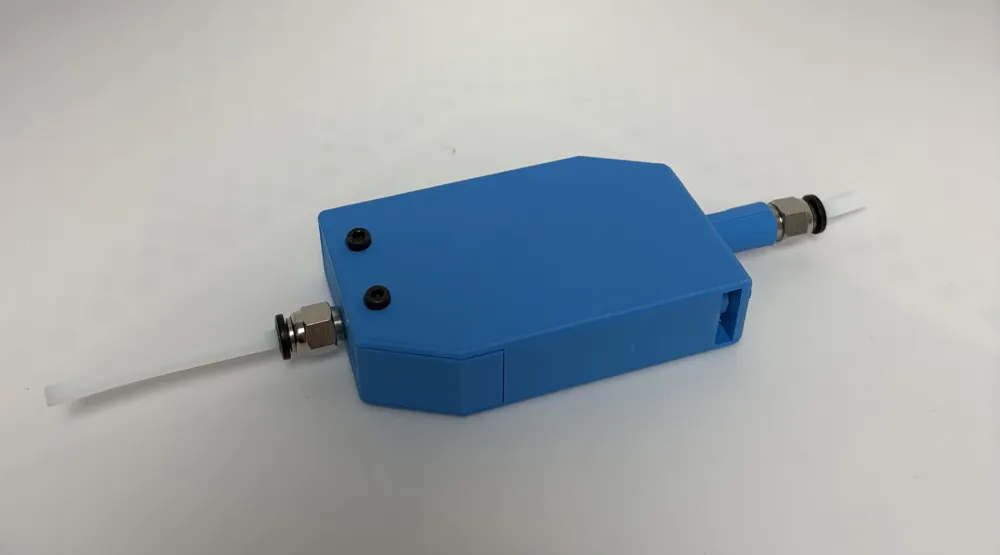
🔪 HAFC V2 – Hackman Automatic Filament Cutter

by Hackman3D

Here's a link to get the necessary hardware. No partnership or affiliation involved, but since the price is reasonable, I haven't asked for a commission.


HAFC Aliexpress Pack back in stock :


https://a.aliexpress.com/_EweXgXQ


operation in video :

https://youtube.com/shorts/-0ykCtMGRbw?feature=share


⸝


⚠️ If images don’t load properly, try disabling automatic translation


⸝


🧠 Concept & Purpose


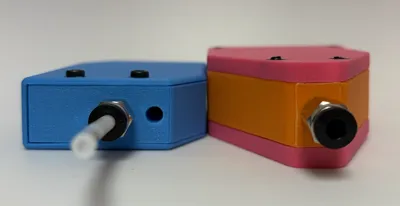
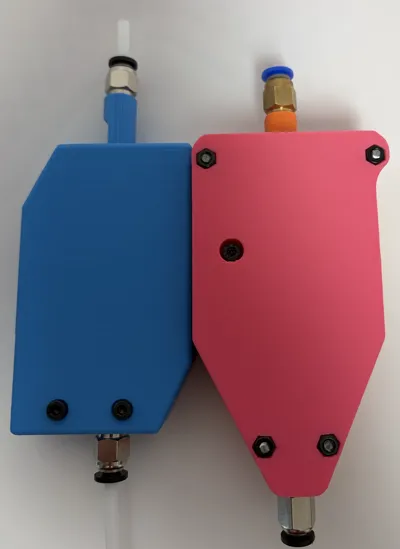
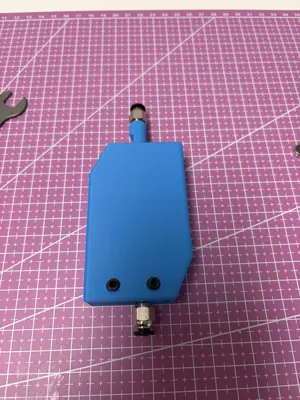
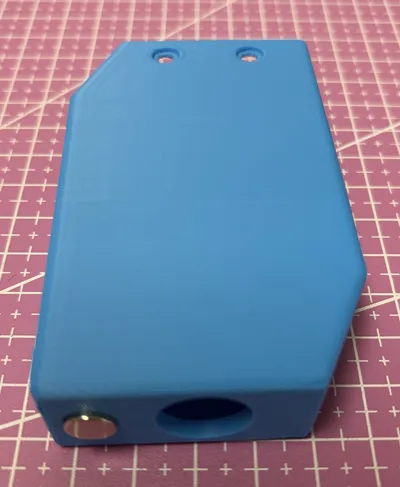
The HAFC V2 (Hackman Automatic Filament Cutter) is a fully mechanical system compatible with any FDM 3D printer using 1.75 mm filament with a PTFE tube.


I designed it to solve a very common issue:

filament getting stuck on the spool (tangles, friction, jammed spool…).


Instead of forcing the extruder:

• filament tension increases

• the mechanism triggers

• the filament is cleanly cut

• the printer pauses thanks to its filament runout sensor


👉 You just reload filament and resume the print


No electronics, no sensors involved —

everything is passive, simple, and reliable.


⸝


⚙️ What’s new in V2


This version is based directly on feedback from V1.


The main focus was improving reliability and behavior:

• more compact design

• faster to print

• improved tolerances (filament path + internal sliding)

• added return spring → automatic reset

• stronger resistance to reduce false triggers

• improved magnet alignment

• possibility to add extra magnets externally to fine-tune trigger force


The result is a more stable and predictable system, even on very precise machines.


⸝


⚙️ How it works


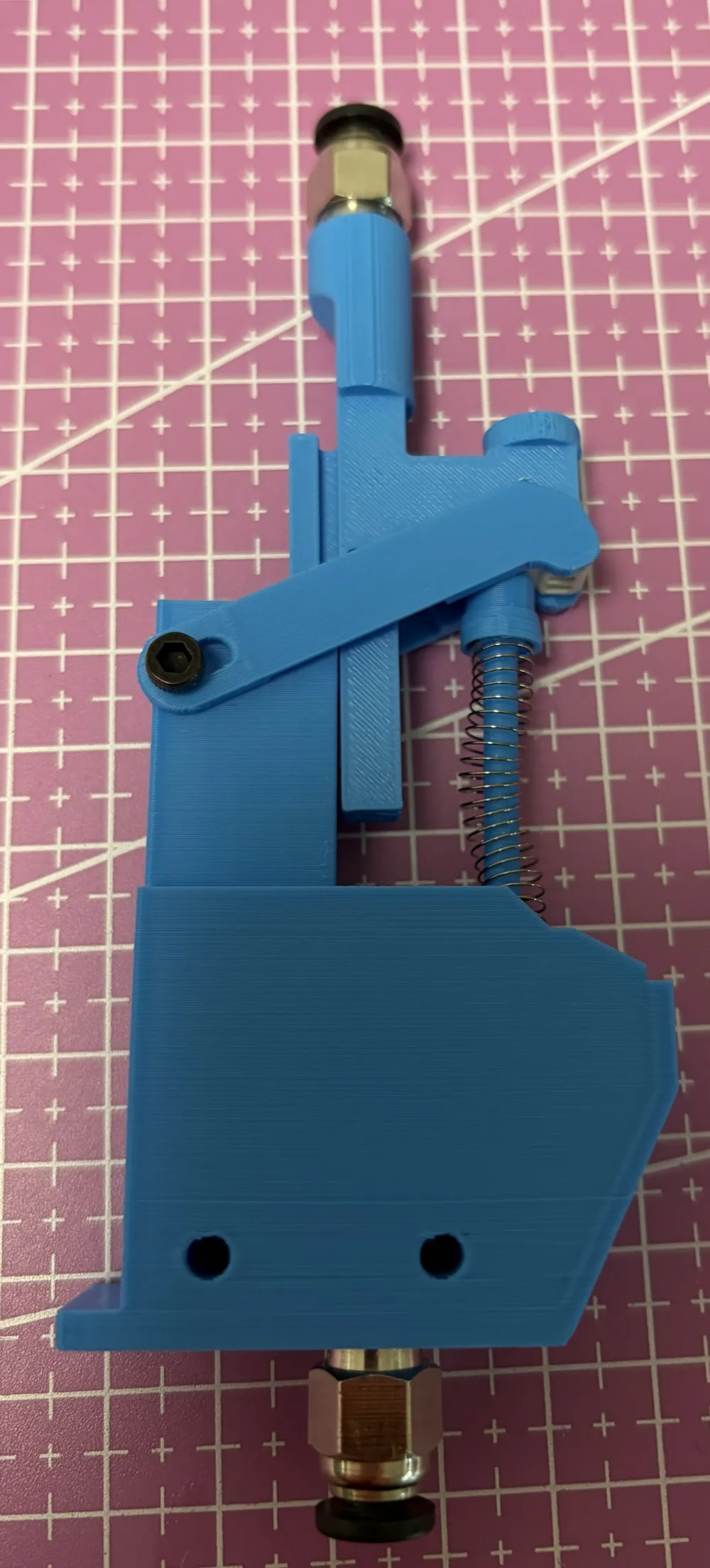
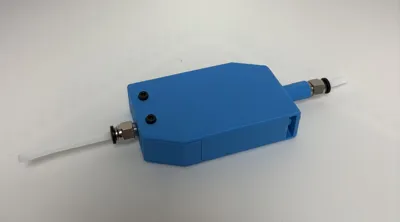
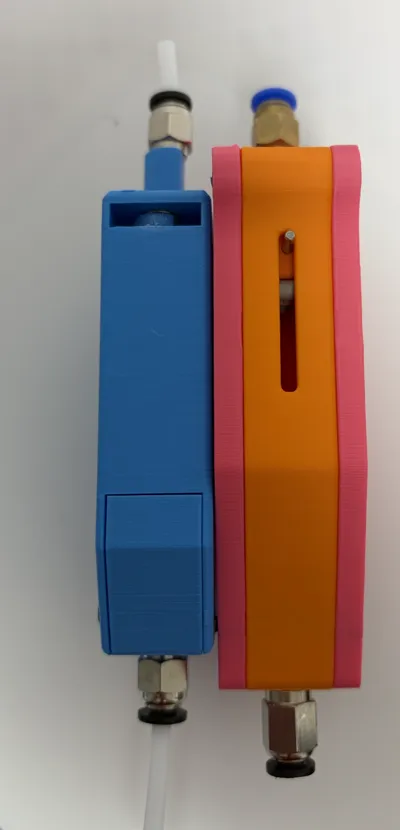
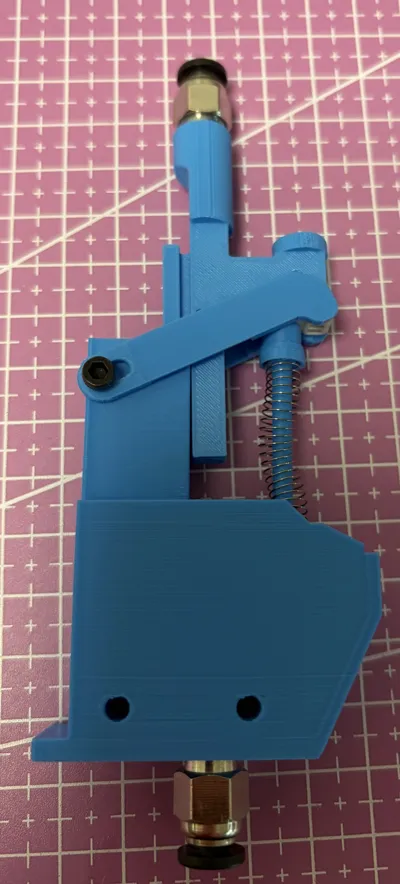
The filament goes through the HAFC using a PTFE tube and Pneufit connectors.


If the spool gets stuck:

• tension increases

• the sliding module moves

• the blade cuts the filament


➡️ The printer detects filament runout and pauses automatically


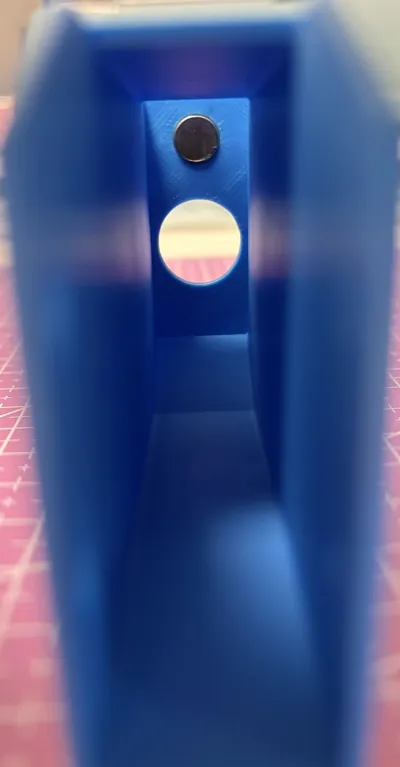
Magnets control the trigger force,

and the spring resets the system after activation.


⸝


🖨️ Printing

• PLA or PETG recommended

• supports already included in the 3MF / G-code


Basic settings work fine:

• 0.2 mm layer height

• 3 walls

• 20–30% infill


⸝


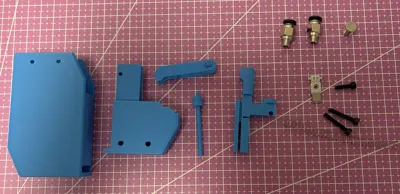
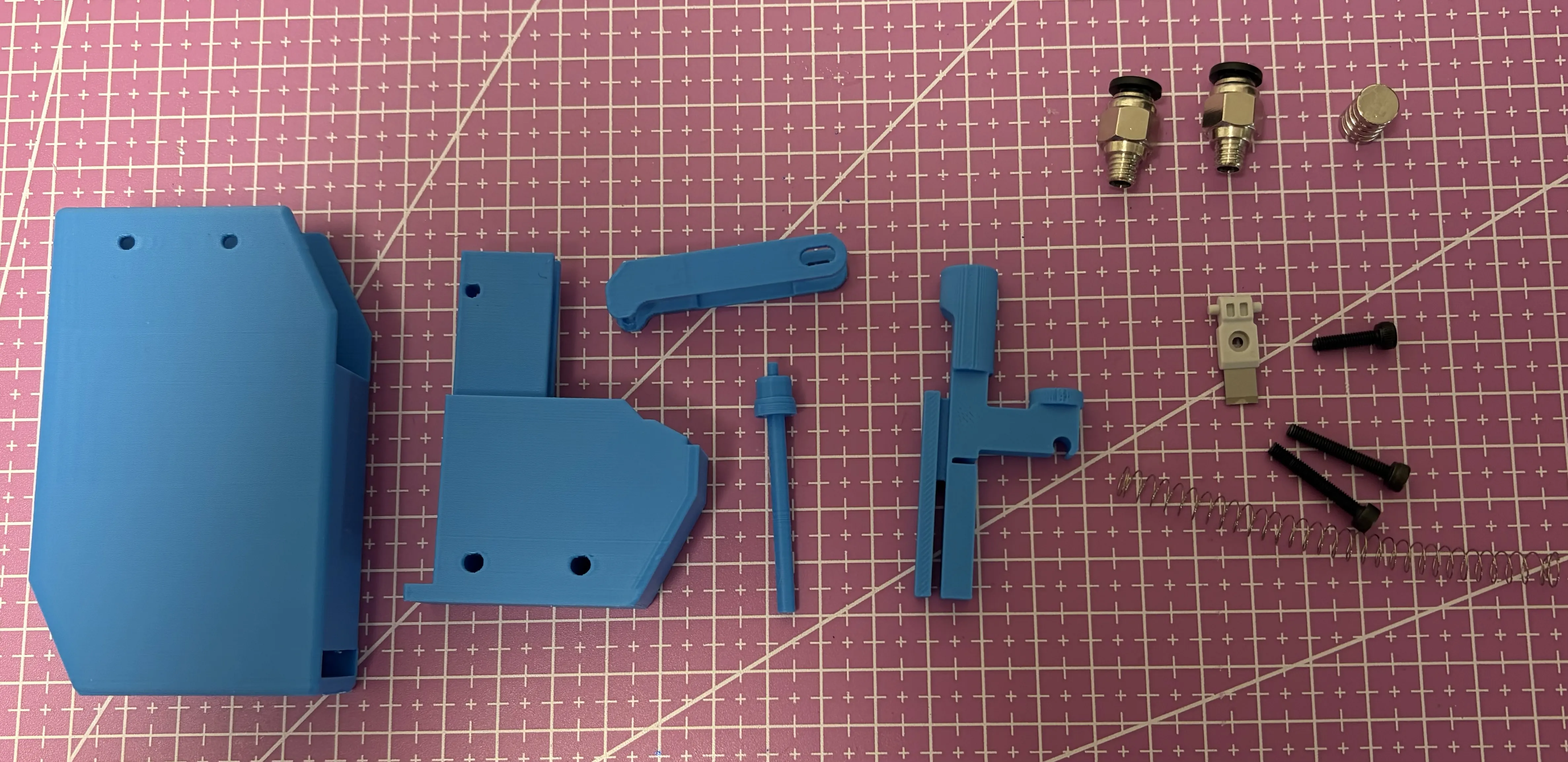
🔩 Required hardware


Mechanism

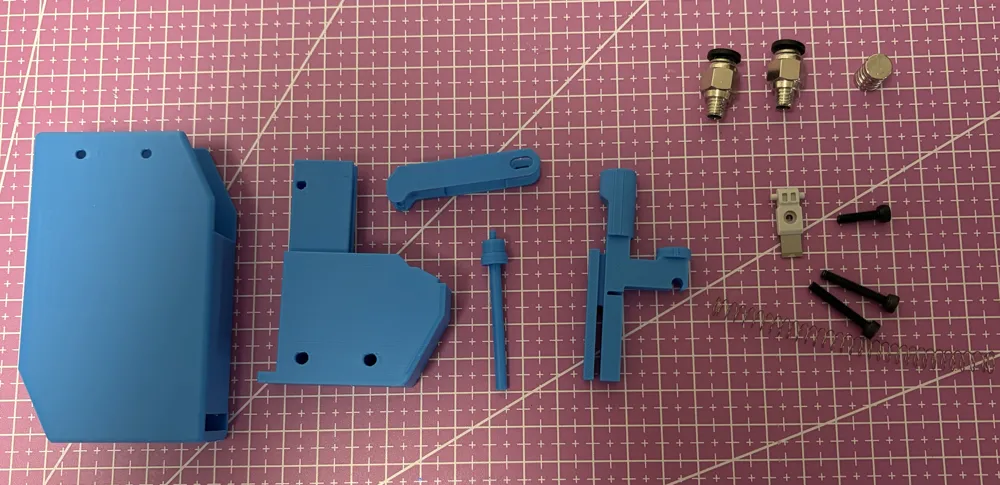
• 2 × M6 Pneufit (good quality recommended)

→ cheaper ones may have an internal lip that restricts filament movement

→ Bambu Lab ones work perfectly

• 1 × Bambu Lab cutter blade

• 1 × spring (0.3 × 6 × 80 mm)

• 3 to 5 × 8×2 mm neodymium magnets


Screws

• 2 × M3×20

• 1 × M3×12


⸝


⚠️ About Pneufit installation


When installing the Pneufit on the moving part:


👉 the plastic might crack slightly


This is normal and does not affect functionality.

It depends on your printer tolerances and filament.


⸝


🛠️ Assembly

1 : All Parts 

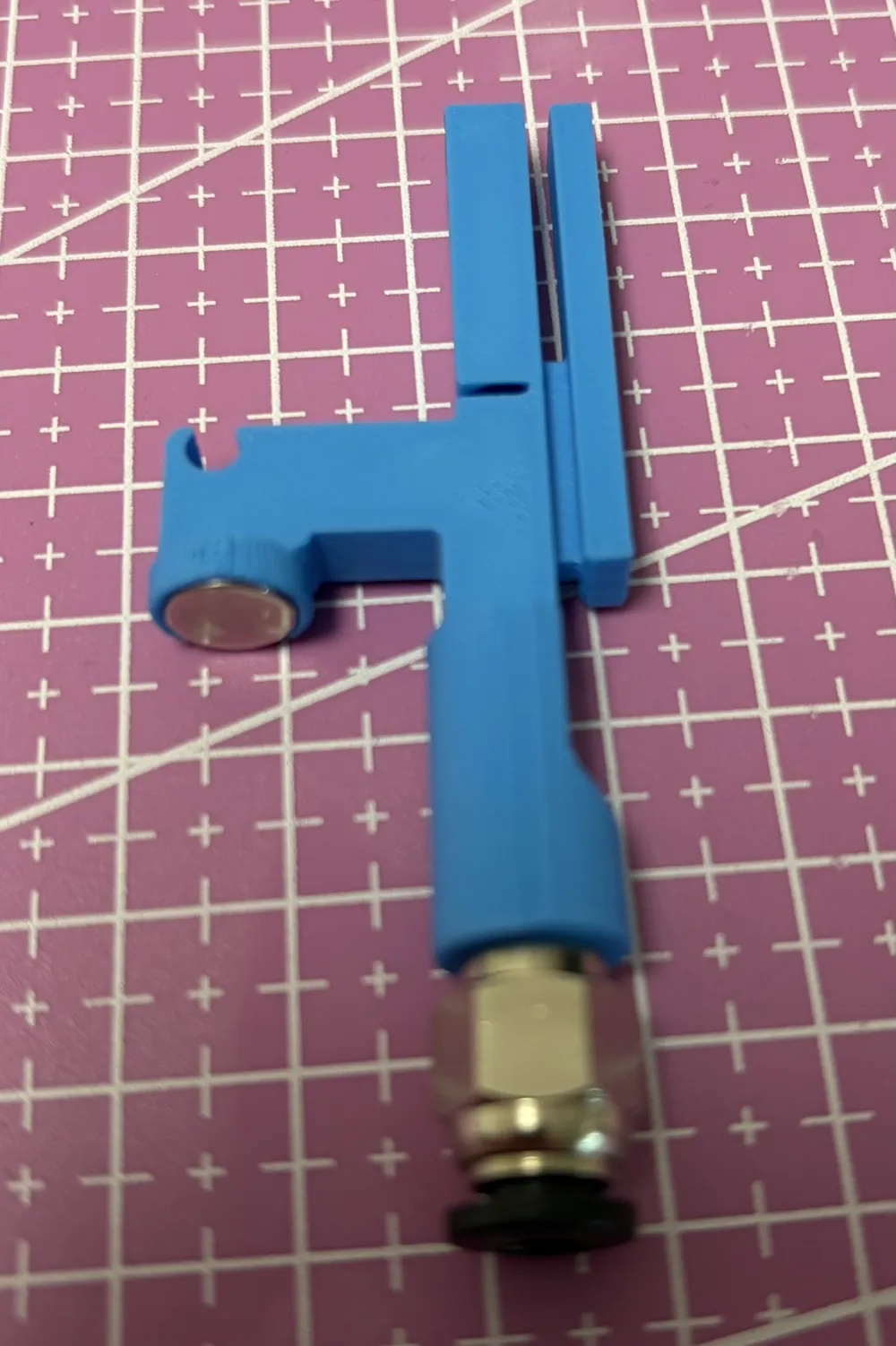
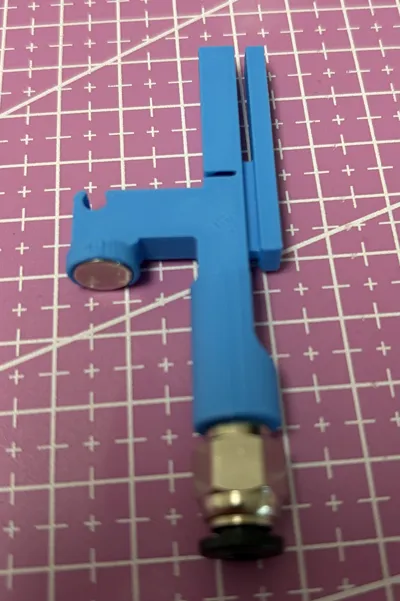
2 : place magnets (glue it) and pneufit on slide
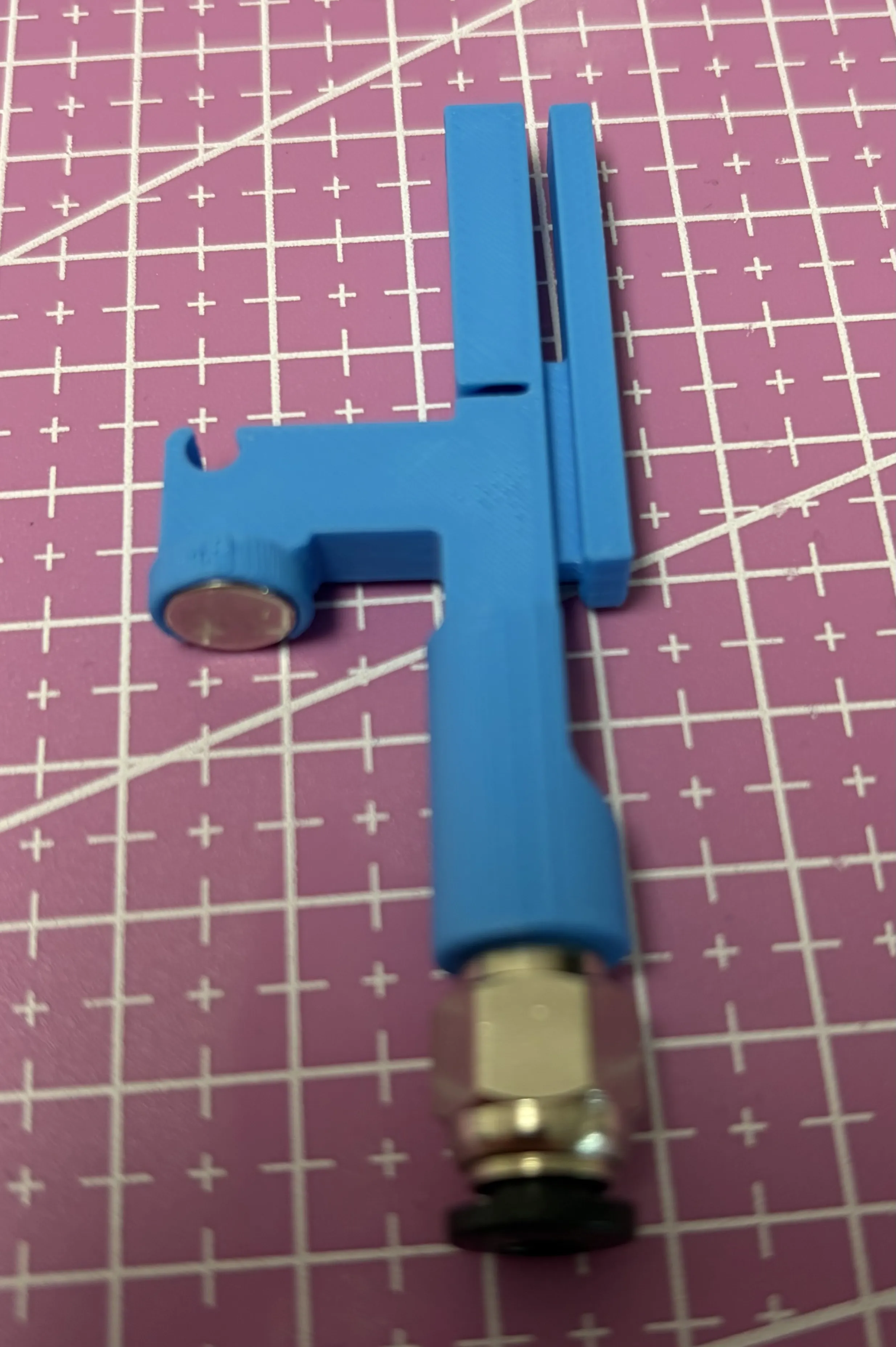
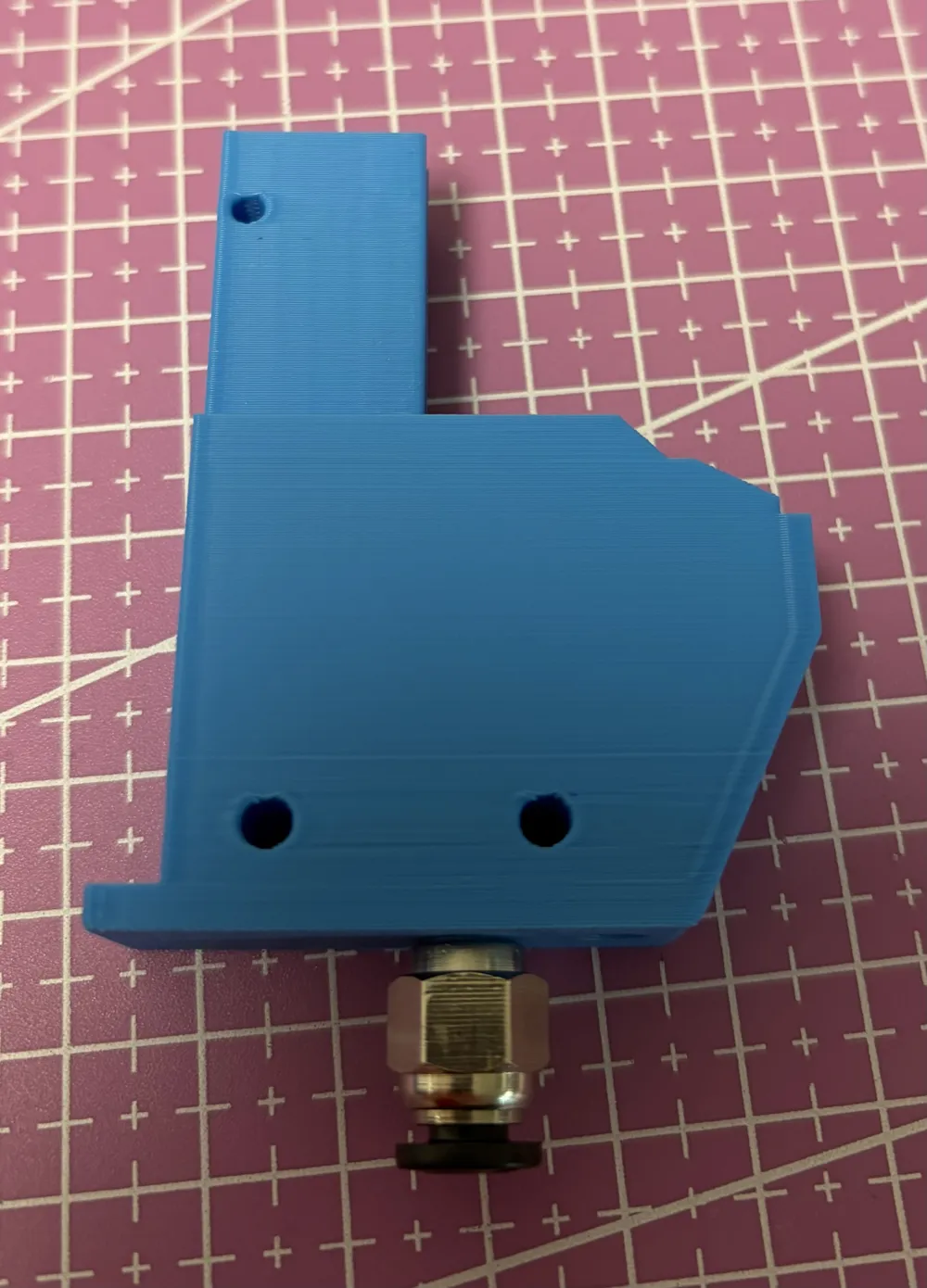
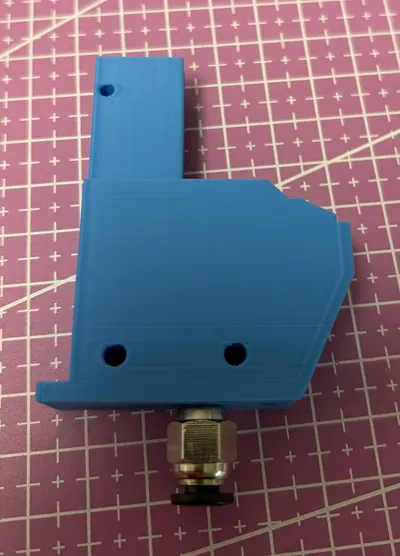
3 : place pneufit on body
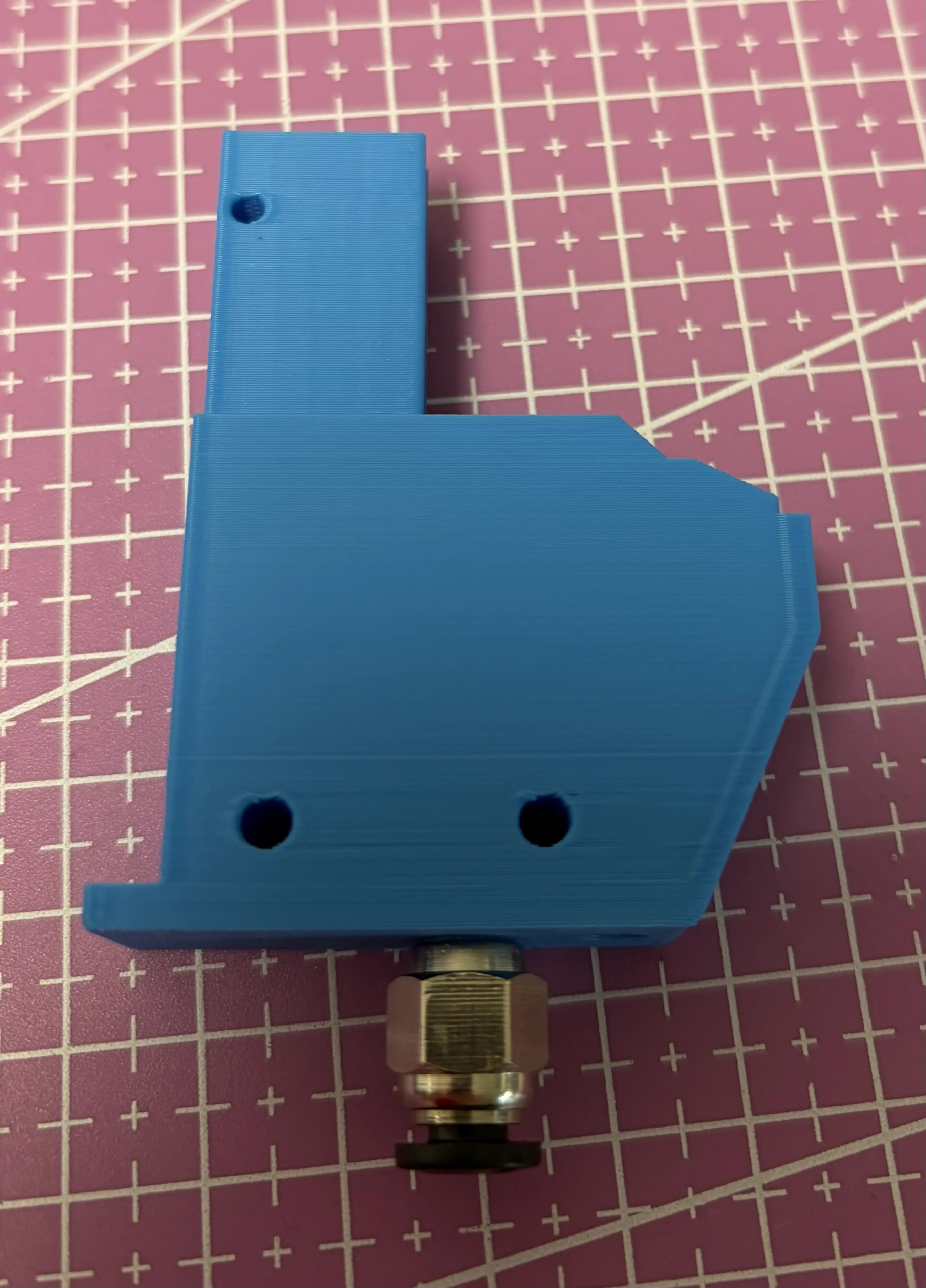
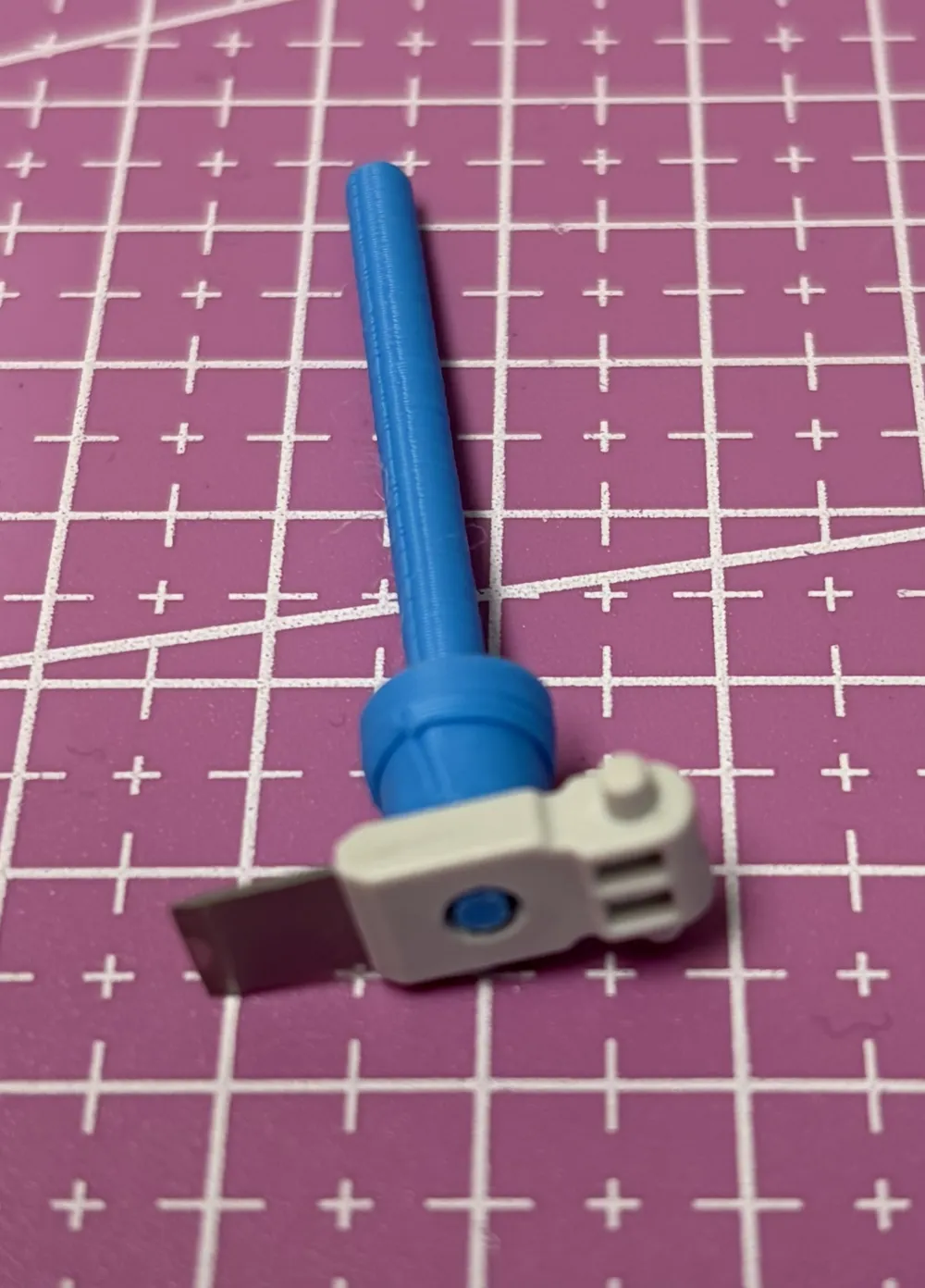
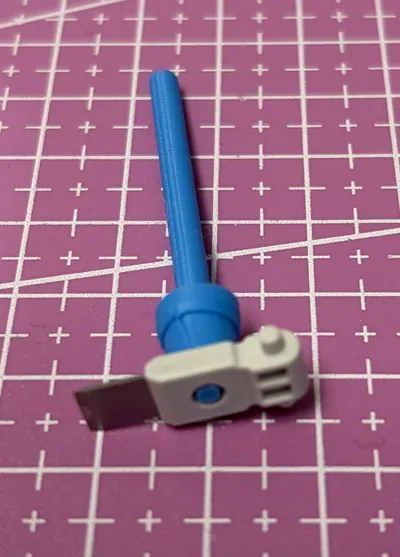
4 : put cutter and spring holder together (just push, don’t turn) you can glue it together
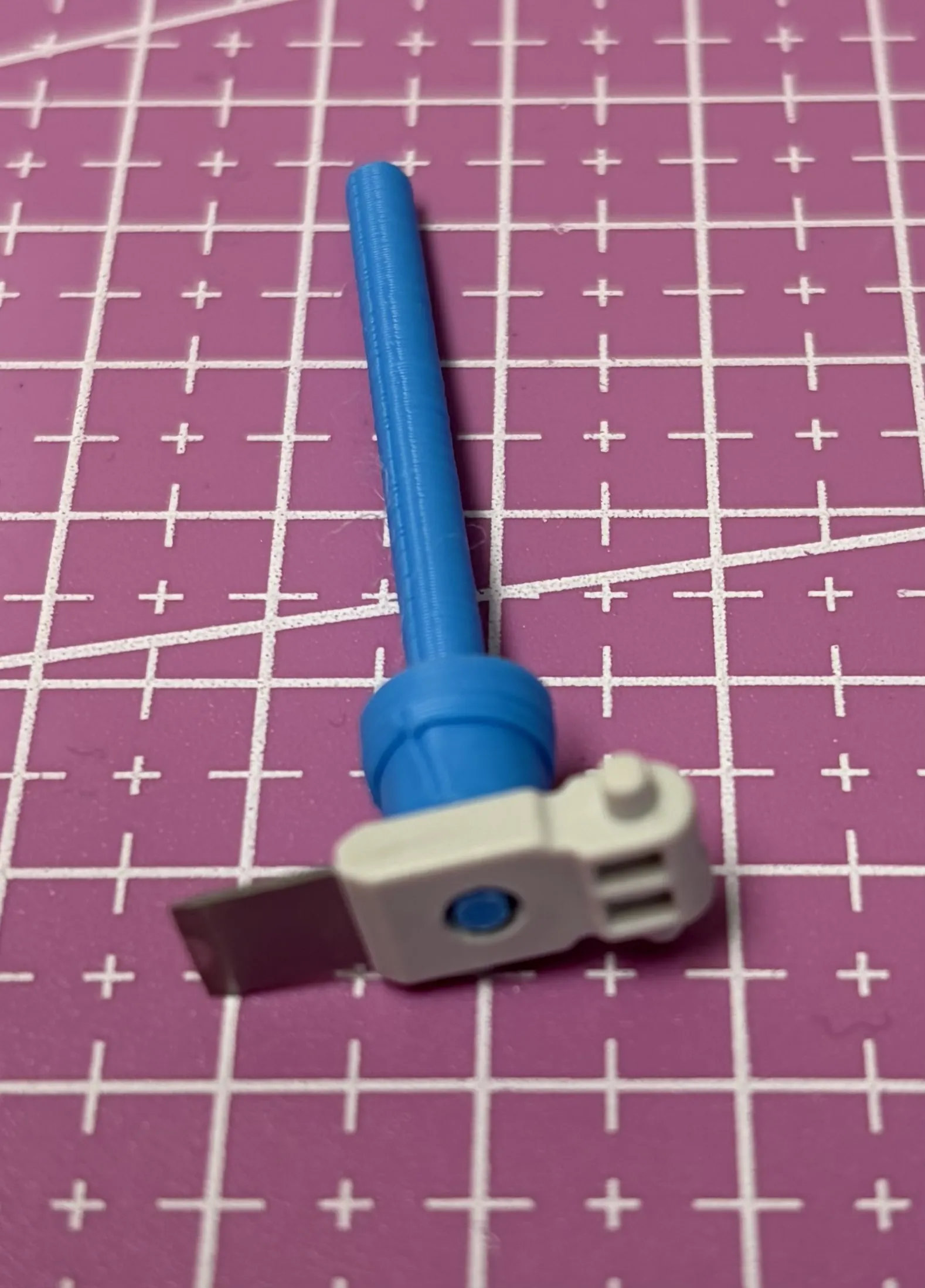
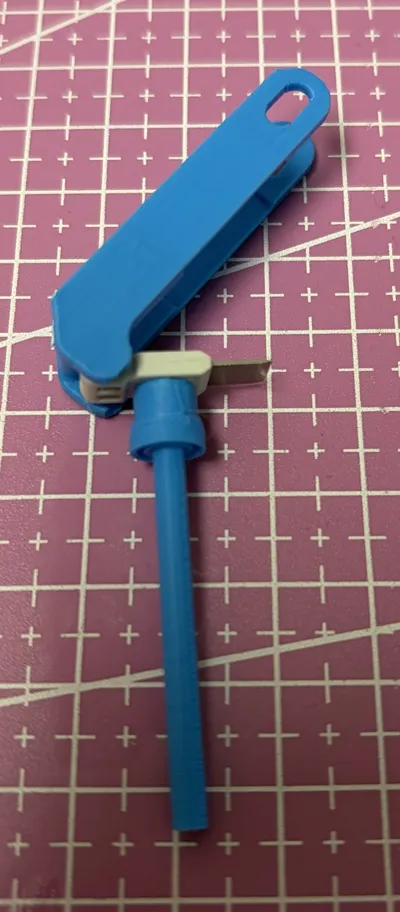
5 : Put cutter into lever
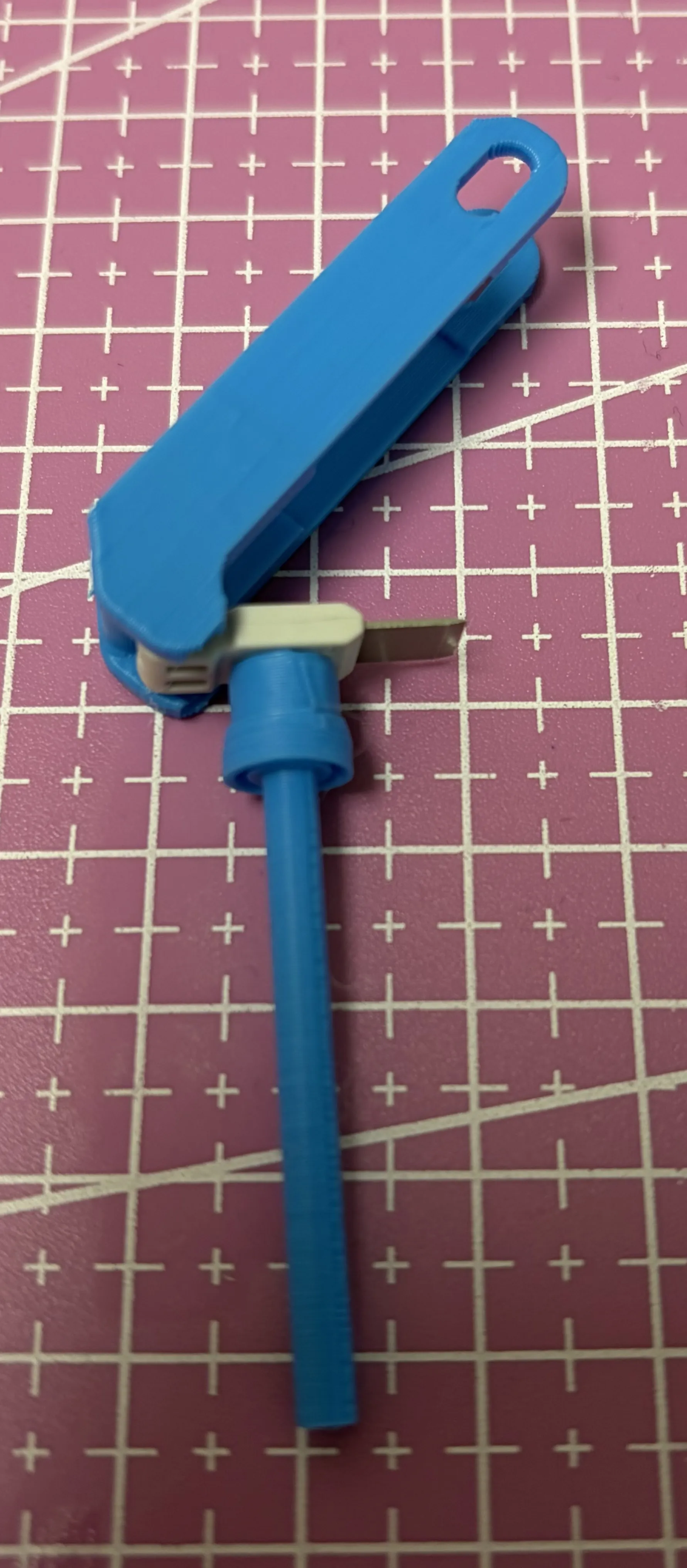
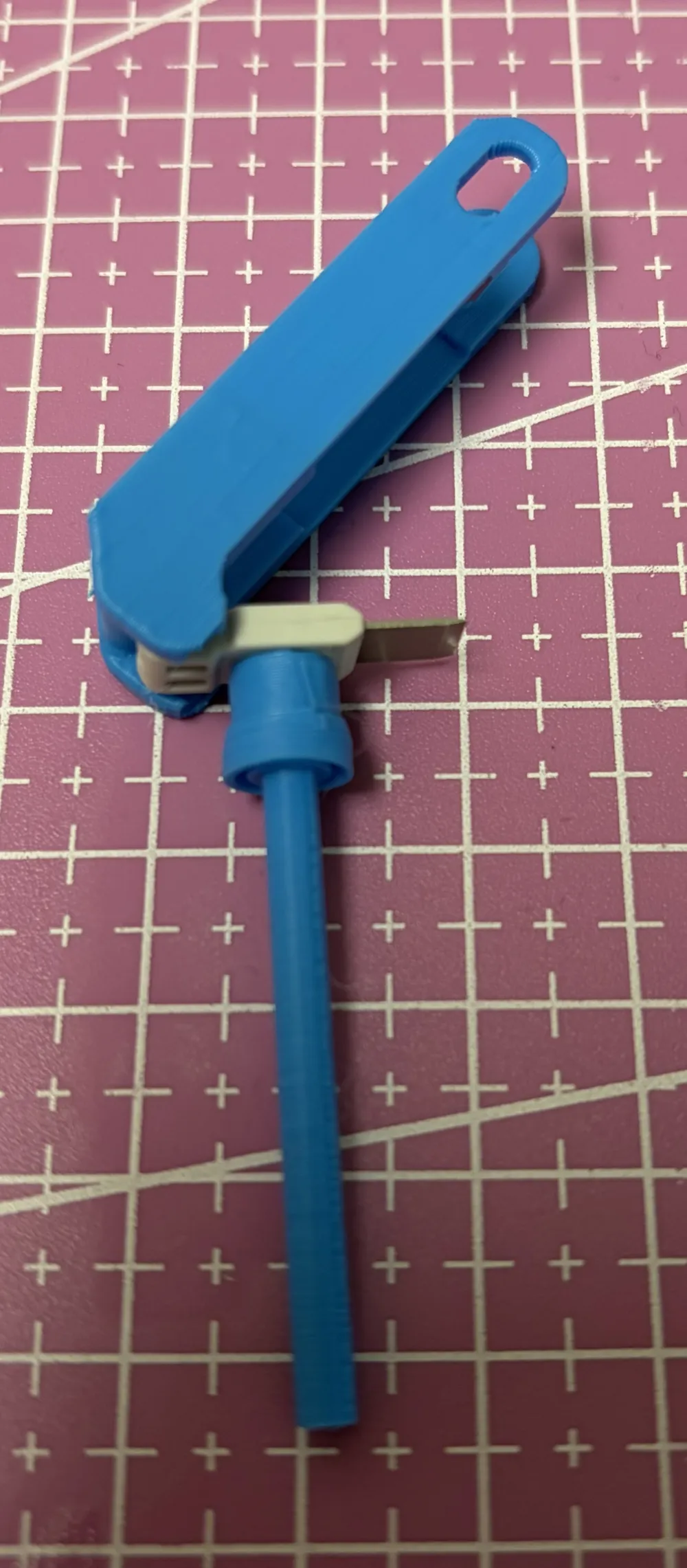
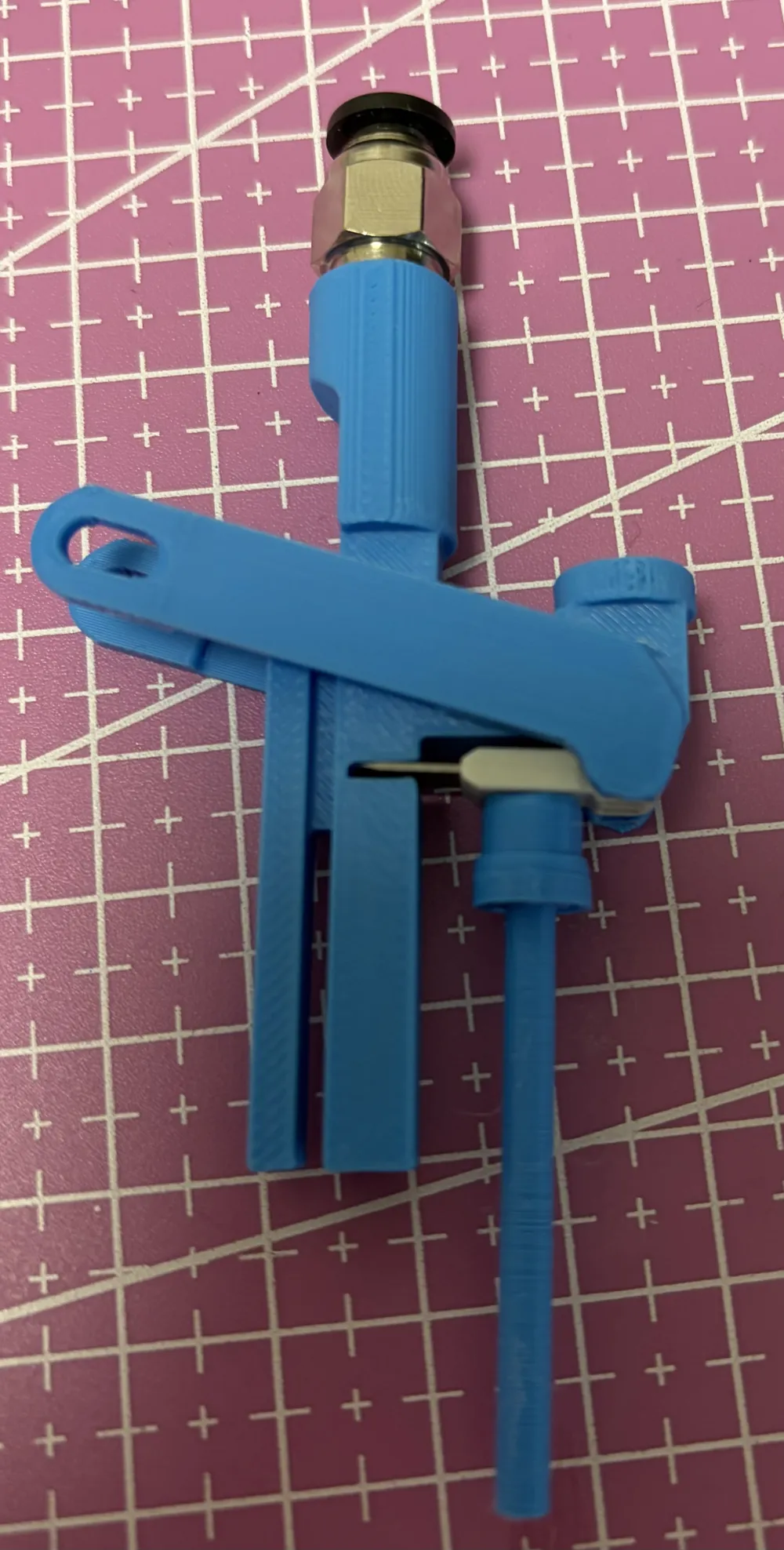
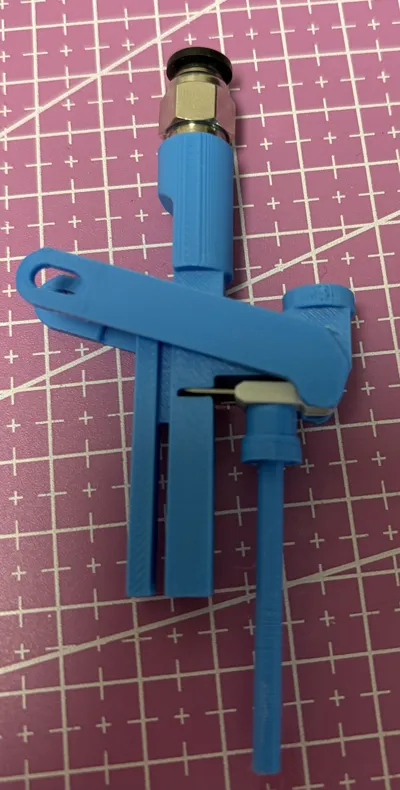
6 : slide, lever and cutter
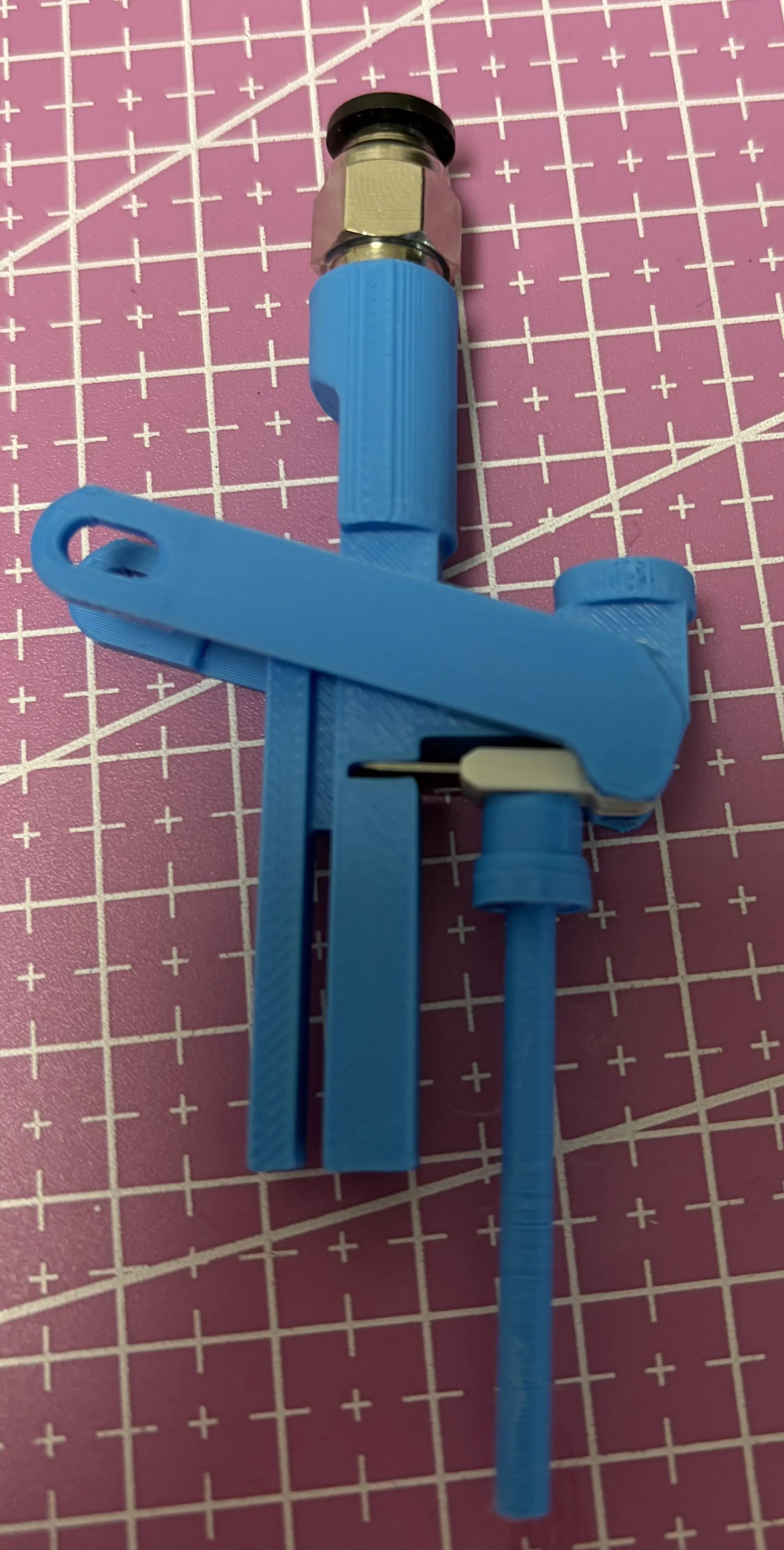
7 : slide it into body and use the little screw.
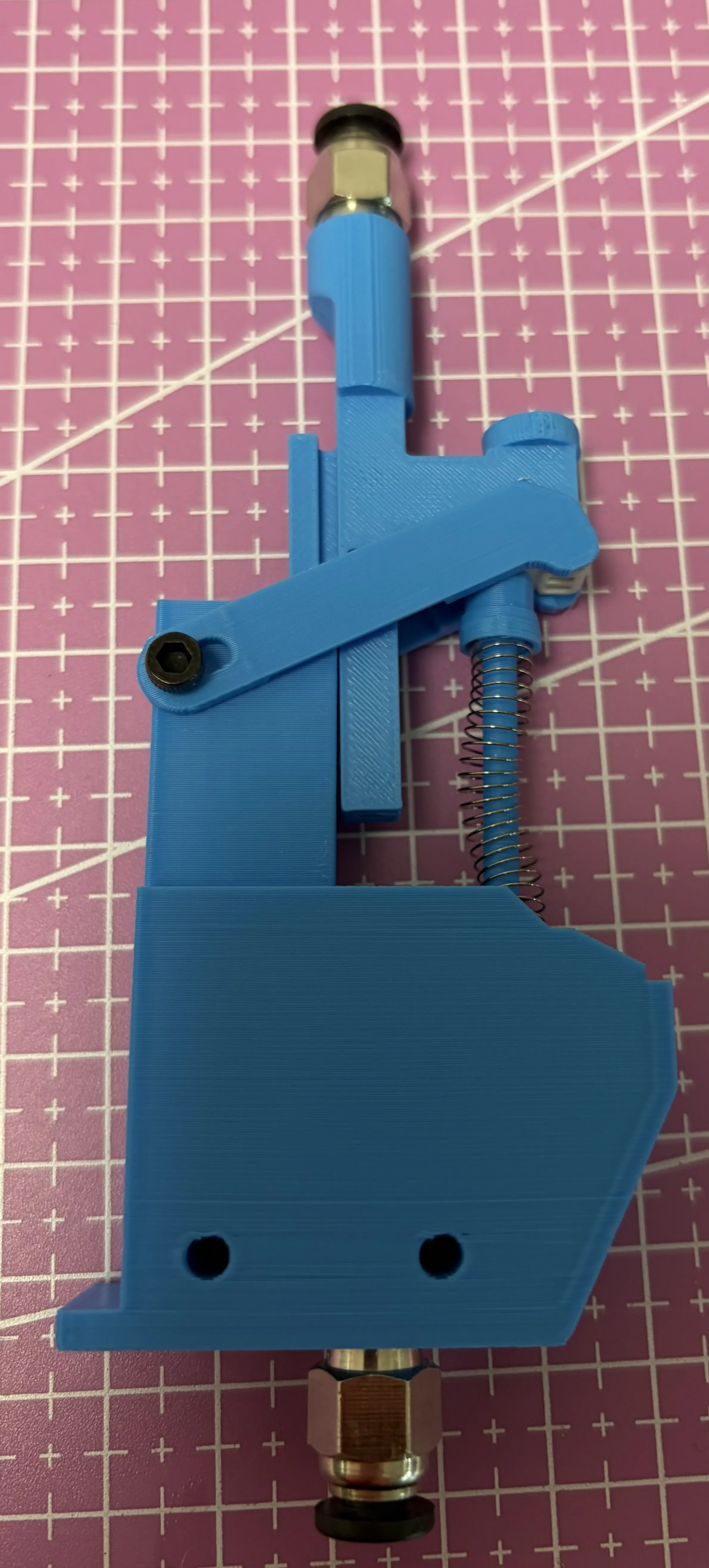
8 : glue external magnet on cover, check the polarity
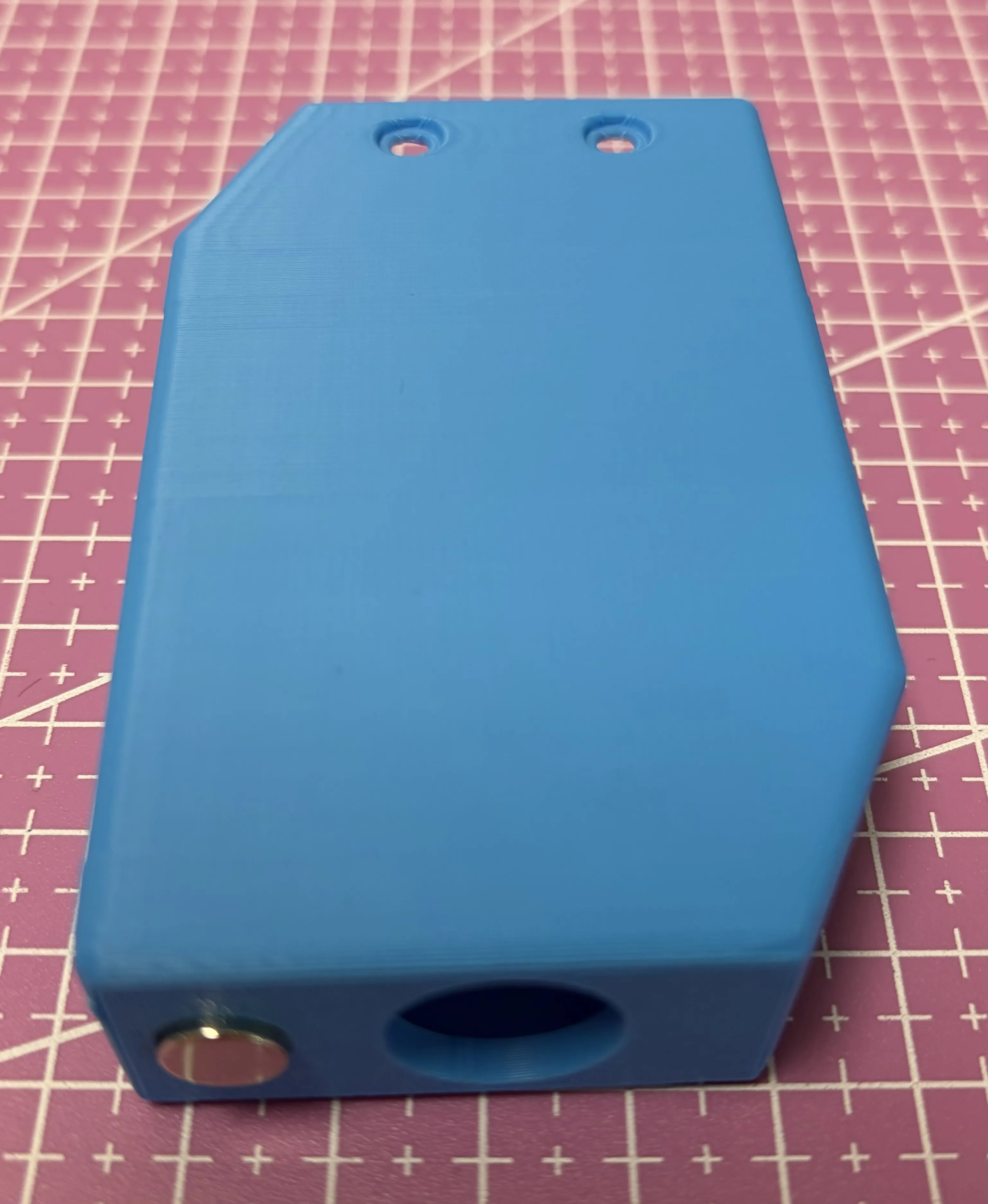
9 : glue internal magnet in cover
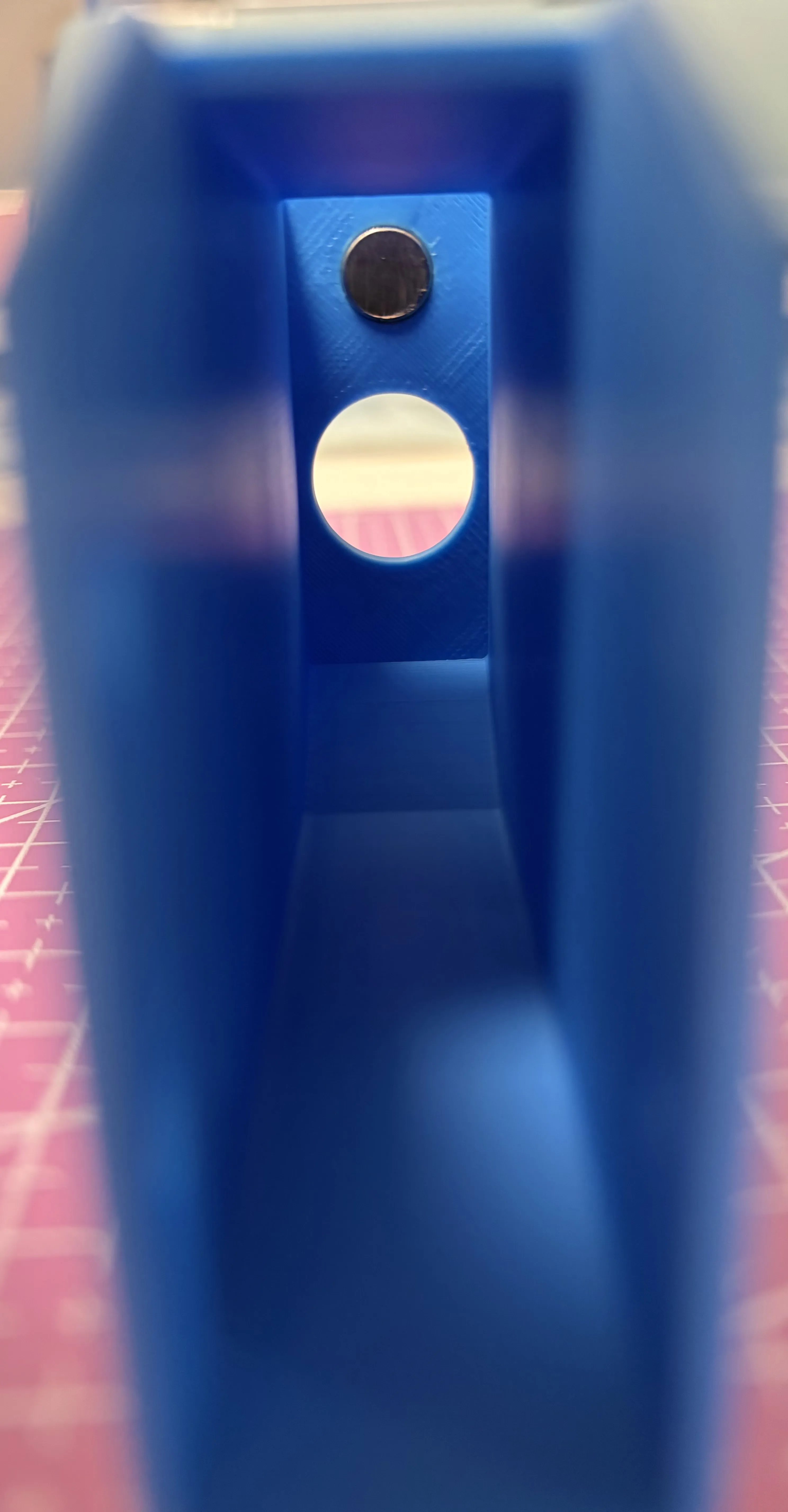
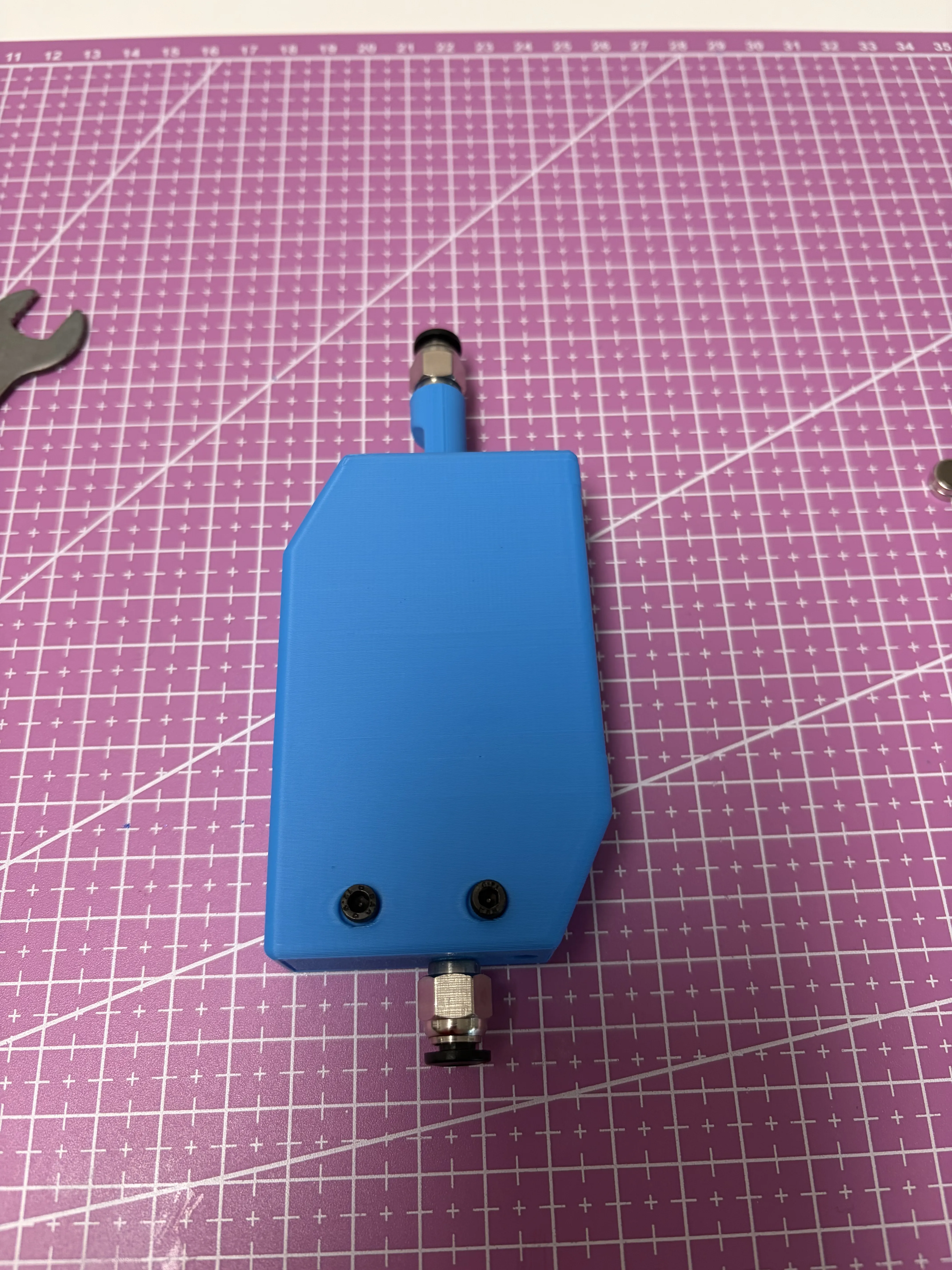
10 : Use 2 screws to assemble body and cover.
⸝


🔧 Adjustment


Depending on your print, you may need to:

• slide the mechanism manually a few times

• “break in” the contact surfaces


This improves smoothness.


Some users added a bit of grease on V1 —

still an option if needed.


⸝


🔄 Compatibility

• all FDM printers

• 1.75 mm filament

• PLA / PETG / ABS / TPU


❌ not compatible with 2.85 mm


⸝


⚠️ Important


The HAFC does not replace a filament runout sensor.


It works before failure happens,

by intentionally cutting the filament to prevent a failed print.


⸝


❤️ Support


If you use the HAFC V2:

• leave a like

• post a make

• share your feedback


👉 that’s what helps improve the project


⸝


💬 Creator note


V2 fixes the main issues reported on V1:

triggering, smoothness, and tolerances.


Thanks to everyone who tested and shared feedback 🙌

The future versions will depend on the community.


// hidden signal detected

If you’re reading this… you’re not supposed to

A small batch of 8 HAFC V2 kits is being dropped to selected makers.

No public giveaway. No announcements.

Just builders who:

  • create
  • share
  • push the project further

If that’s you… you know what to do.

📩 Send proof of your posts (any platform) in DM.

Selection will be random… but only among those helping the HAFC grow.

// end of transmission 
 Instagram link for the giveaway : 

https://www.instagram.com/p/DWuOL7CDnDu/?utm_source=ig_web_copy_link&igsh=MzRlODBiNWFlZA==

Comment & Rating (66)

(0/1000)

How is this supposed to fit the ams? -.- I even boosted your first version. never trust Internet people
The designer has replied
0
Reply
Oh, not here but on the rear of ams
0
Reply
Replying to @HackMan3D :
i will try that
0
Reply
Print Profile
Custom Profil HAFC v2
It works! It was easy to assemble. But how should I place it before the printer? I can't imagine what's going to push the mechanism. I had to place a washer inside it because the spring always slipped into the hole.
2
Reply
Print Profile
Custom Profil HAFC v2
This is a significant update from V1, improving not only ease of printing but also ease of setup. It is currently in operation, integrated between the AMS and the filament dryer. Since some specified parts were difficult to obtain, I substituted them with small-diameter magnets and shorter return springs that I had on hand, but they are functioning without affecting the operation. One point, when the spring holder was printed with the default settings, the tip's molding became rough, so I adjusted the settings individually for that part and printed it. This is a highly polished design that can be successfully completed with a little ingenuity.
The profile uploader has replied
Show original
0
Reply
Thank you very much for your feedback, could you show us the adjustment you made before printing?
0
Reply
Replying to @HackMan3D :
If others don't have a problem, it might be an issue specific to my A1. The first time, I printed it together with other parts, but only the spring holder failed with disordered layers at the top. After changing the following two points, the second attempt was successful: Configuration: Stopped printing simultaneously with other parts and printed only the spring holder. Settings: Changed from 0.2mm Standard to 0.16mm Optimal. By changing to 0.16mm, the number of layers increased, and the cooling timing and resin adhesion per layer may have stabilized. Alternatively, by printing it standalone, the head's travel distance was reduced, possibly suppressing vibrations or interference at specific heights. If layers are rough on similar parts, standalone printing or changing the layer pitch might be effective.
Show original
0
Reply
It works perfectly. Ordered the extra parts on AliExpress Used 4 walls and 15% infill
The designer has replied
0
Reply
really nice , thank you for you photo !
0
Reply
Hmm... I wonder how well this would work as a failsafe between the hub and the PTFE going into the top of the Q2. I have a Qidibox, but it has failed to sense a snag on me a couple times... Would be nice to add an extra layer of fallback. The hub is the black box that has the PTFE tube coming out of it... Any thoughts, HackMan?
The designer has replied
0
Reply
I would try to place the HAFC between the white Y and the printer. It depends on how the qidi machine works. Because rewinding can lead to a false positive, if the extruder rejects the filament then the multicolor system rewinded it is ok, on the other hand if the multicolor system pulls to get out of the extruder it will cut by mistake because there will be a voltage on the filament.
0
Reply
Print Profile
Custom Profil HAFC v2
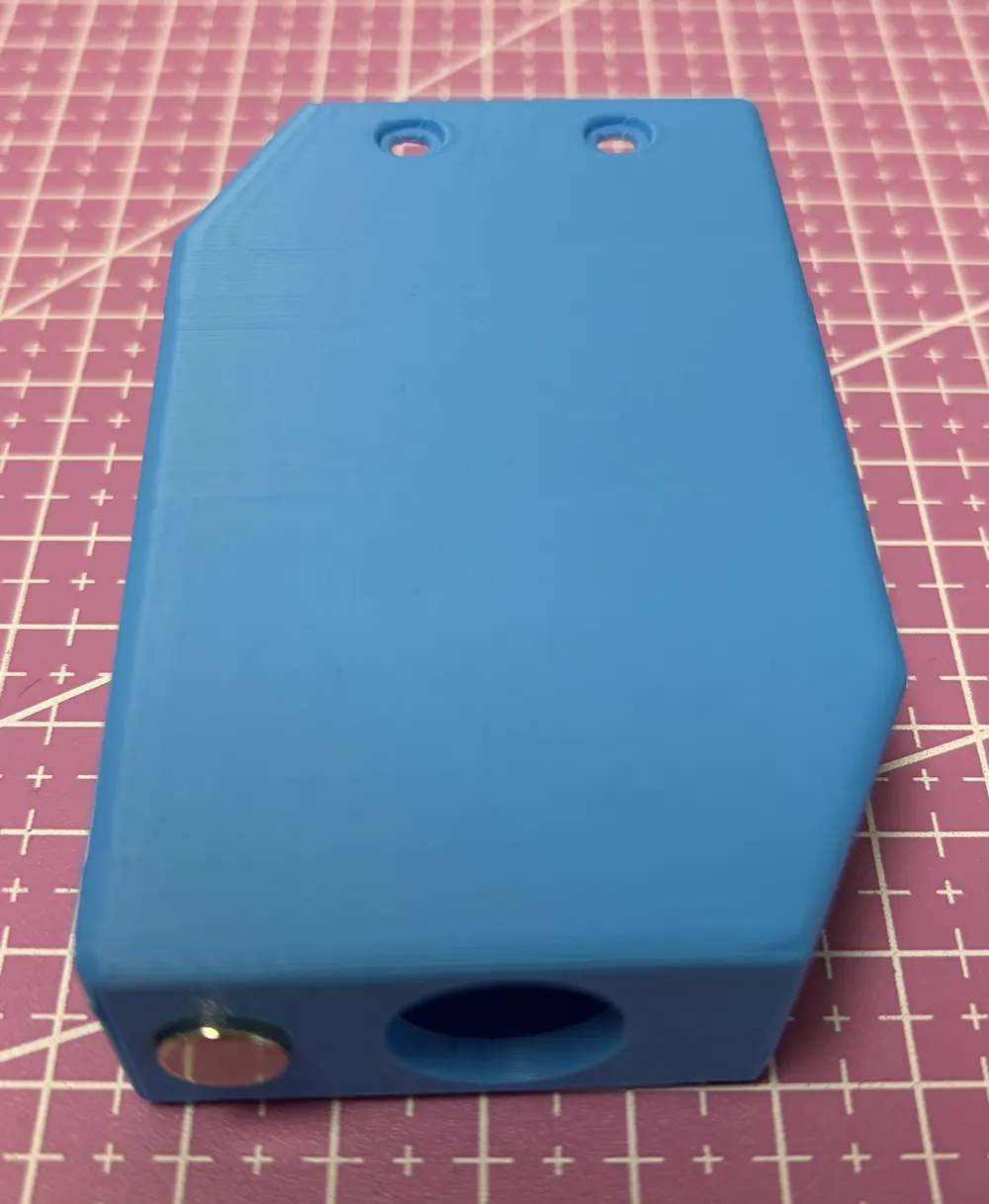
Small mod for using 5x2mm magnets but otherwise came out great. Although the spring holder is a bit weak and compressed on itself when trying to fit to the cutter. It would benefit from printing on its side and with more walls. As for the Hacksman... well, the AMS has enough sensors to pick up issues. So looking forward to how it works with a few multi-hour/day prints from the external roll.
The profile uploader has replied
0
Reply
Thank you very much for your feedback, I really appreciate it, I take all this into account, for the AMS the HAFC can be useful in the sense that generally the AMS stops even a little late, which creates dust in the extruder or defects on the print. Thanks again, really.
(Edited)
1
Reply
Printed well, I have yet to try it out. Thanks for the model.
0
Reply
Printed perfect. On the spring side its a little to tight when putting in the Pneufit and it cracks, but it seems to hold up annyway.
0
Reply
Boosted
Great design. I've even had Bambu spools that were secured to the spool with tape, which ruined my prints. I'll test it out with my Voron and mount the cutter before the runout sensor. What's stopping you from optionally integrating a runout sensor? Thanks for sharing! Best regards
Show original
designer
4
Reply
Print Profile
Custom Profil HAFC v2
printed completely normally
The profile uploader has replied
Show original
profile
1
Reply
thank for the feedback, you give me 3 stars, how i can have 5 stars ?
0
Reply
Replying to @HackMan3D :
apparently there's an app that will only allow them to give it a 3 star rating, idk. 🤷
0
Reply

License

This user content is licensed under a Standard Digital File License.

You shall not share, sub-license, sell, rent, host, transfer, or distribute in any way the digital or 3D printed versions of this object, nor any other derivative work of this object in its digital or physical format (including - but not limited to - remixes of this object, and hosting on other digital platforms). The objects may not be used without permission in any way whatsoever in which you charge money, or collect fees.