
Faà di Bruno (monitor) Royal Italian Navy
Print Profile(1)
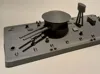
Description
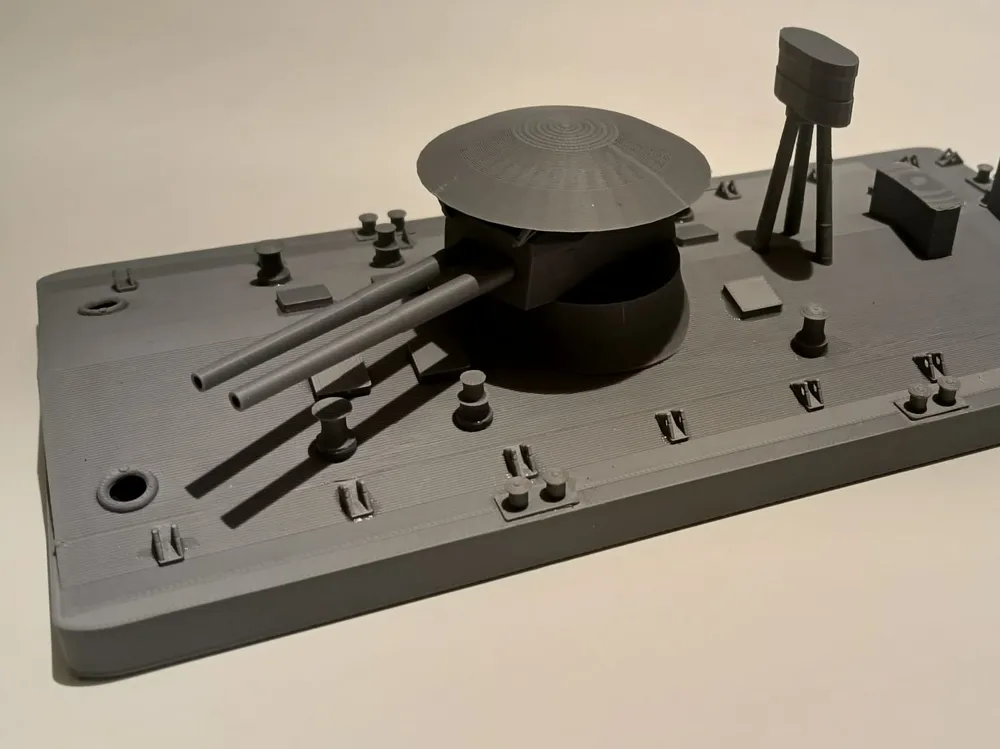
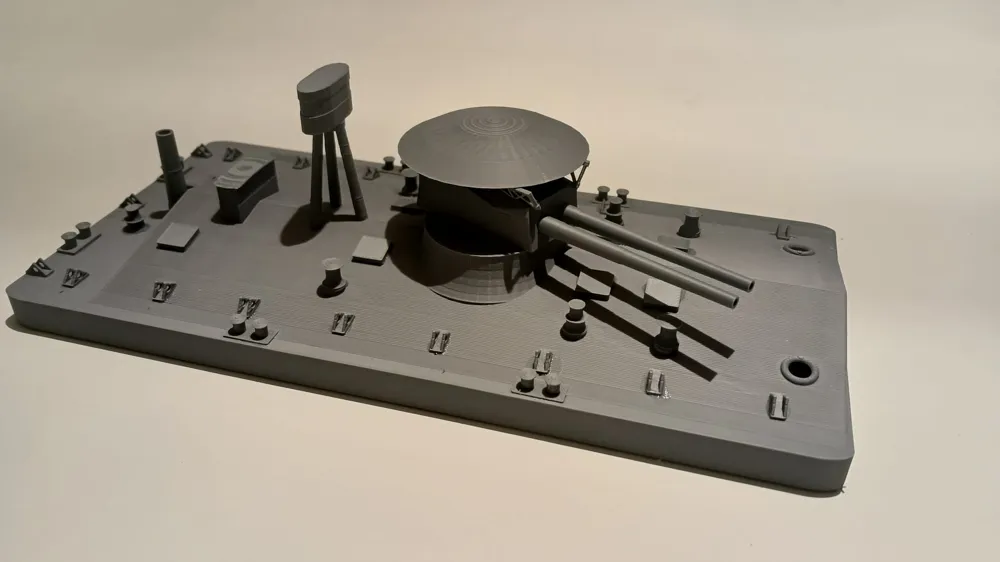
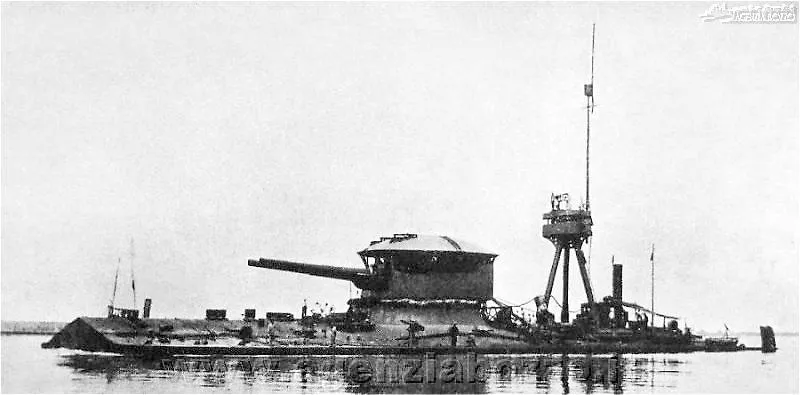
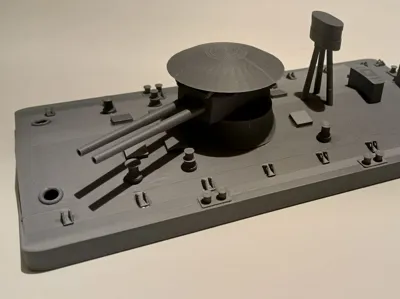
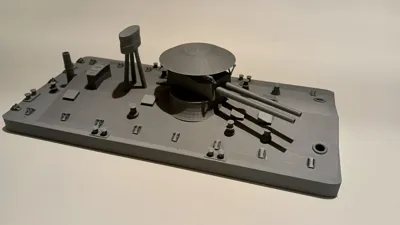
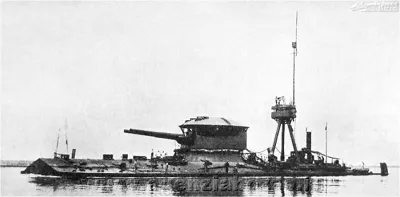
The Faà di Bruno was a unit of the Royal Italian Navy built during the First World War at the Venice Arsenal, used as a floating battery within the defense system of the Upper Adriatic.
Development and Description
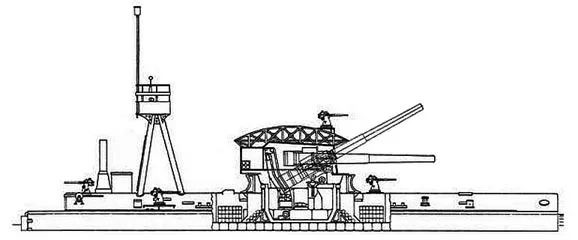
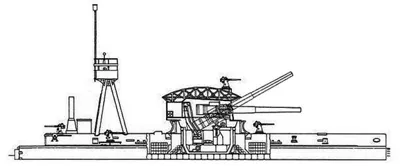
The Faà di Bruno was derived from the modification of a former crane pontoon (G.A. 43) carried out in 1917 at the Venice Arsenal based on a design by naval engineering general Giuseppe Rota. Along with it, its sister ship Alfredo Cappellini and the Monfalcone were developed, the latter being smaller and armed with a 305 mm cannon. The unit had a displacement of 2854 tons, a length of 56.70 meters, a width of 27 meters, and a draft of 2.24 meters. Propulsion was provided by two triple-expansion steam engines. A Kess boiler supplied enough steam to power the two engines for a total of 465 horsepower (347 kW). During sea trials, it reached a maximum speed of 3.31 knots (6.1 km/h; 3.8 miles per hour), but its maximum speed in regular service was about 2.5 knots (4.6 km/h; 2.9 miles per hour). The main turret on which the two 381/40 cannons were installed was protected by a metal cover. The sides of the turret had a thickness of 110 mm, while the barbette had 60 mm armor. The conning tower was placed on a tripod aft of the turret.
Boost Me (for free)
License

You shall not share, sub-license, sell, rent, host, transfer, or distribute in any way the digital or 3D printed versions of this object, nor any other derivative work of this object in its digital or physical format (including - but not limited to - remixes of this object, and hosting on other digital platforms). The objects may not be used without permission in any way whatsoever in which you charge money, or collect fees.


Comment & Rating (0)