
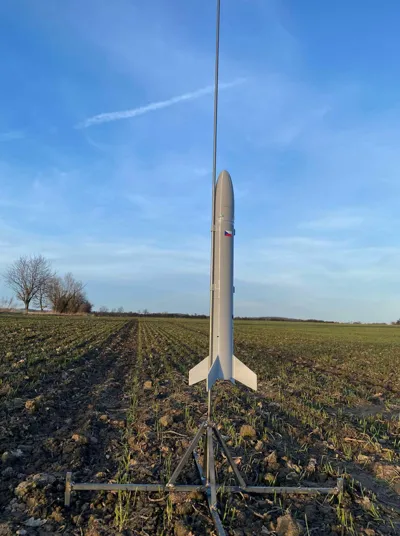
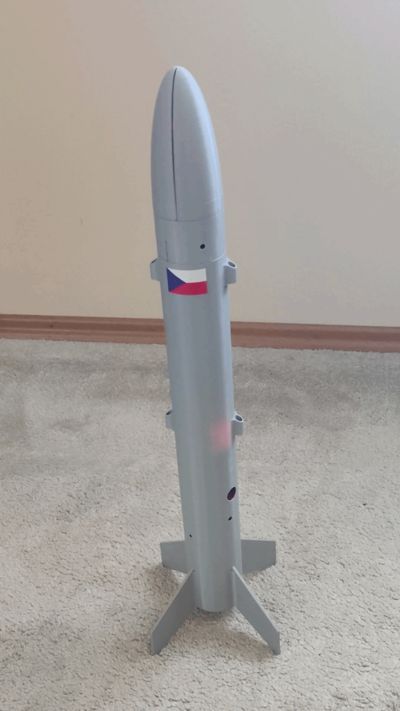
Model rocket with spring-powered parachute system


Print Profile(1)
Description
Disclaimer
This project, including all 3D models, documentation, and associated information, is provided for informational and educational purposes only. It represents an experimental design and has not been certified, tested, or verified for safety, reliability, or compliance with any standards.
Building, modifying, or operating model rockets involves significant risks, including but not limited to property damage, personal injury, or death. This project is intended for experienced users only.
By using these files or any related information, you acknowledge and agree that you do so entirely at your own risk. The author makes no warranties, express or implied, and assumes no responsibility or liability for any damage, injury, loss, legal consequences, or other issues arising from the use, misuse, construction, modification, or operation of this design.
Users are solely responsible for ensuring that any use of this project complies with all applicable laws, regulations, and safety guidelines in their jurisdiction.
Hello everyone!
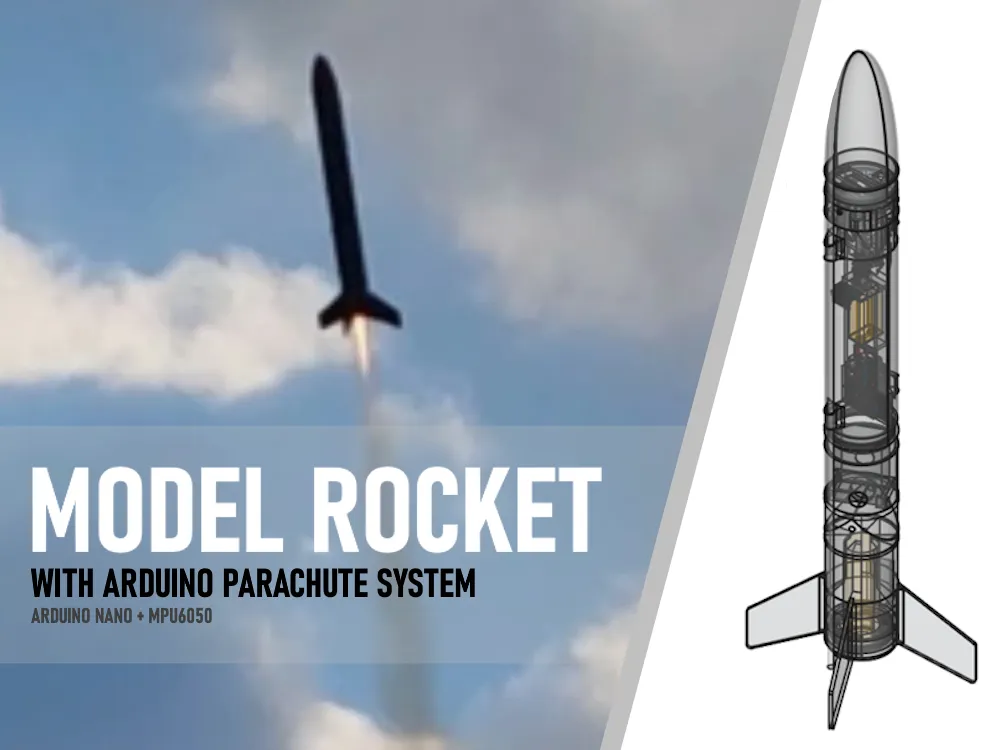
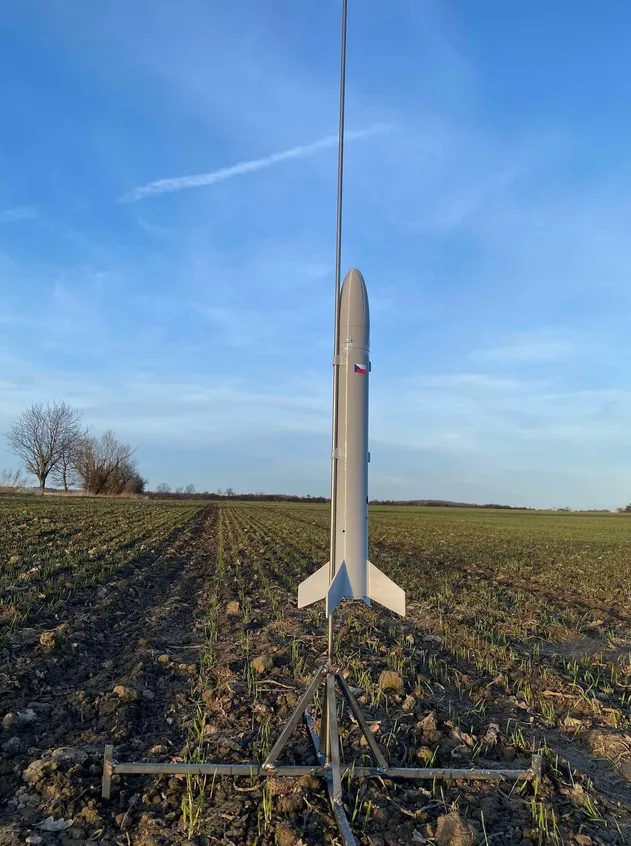
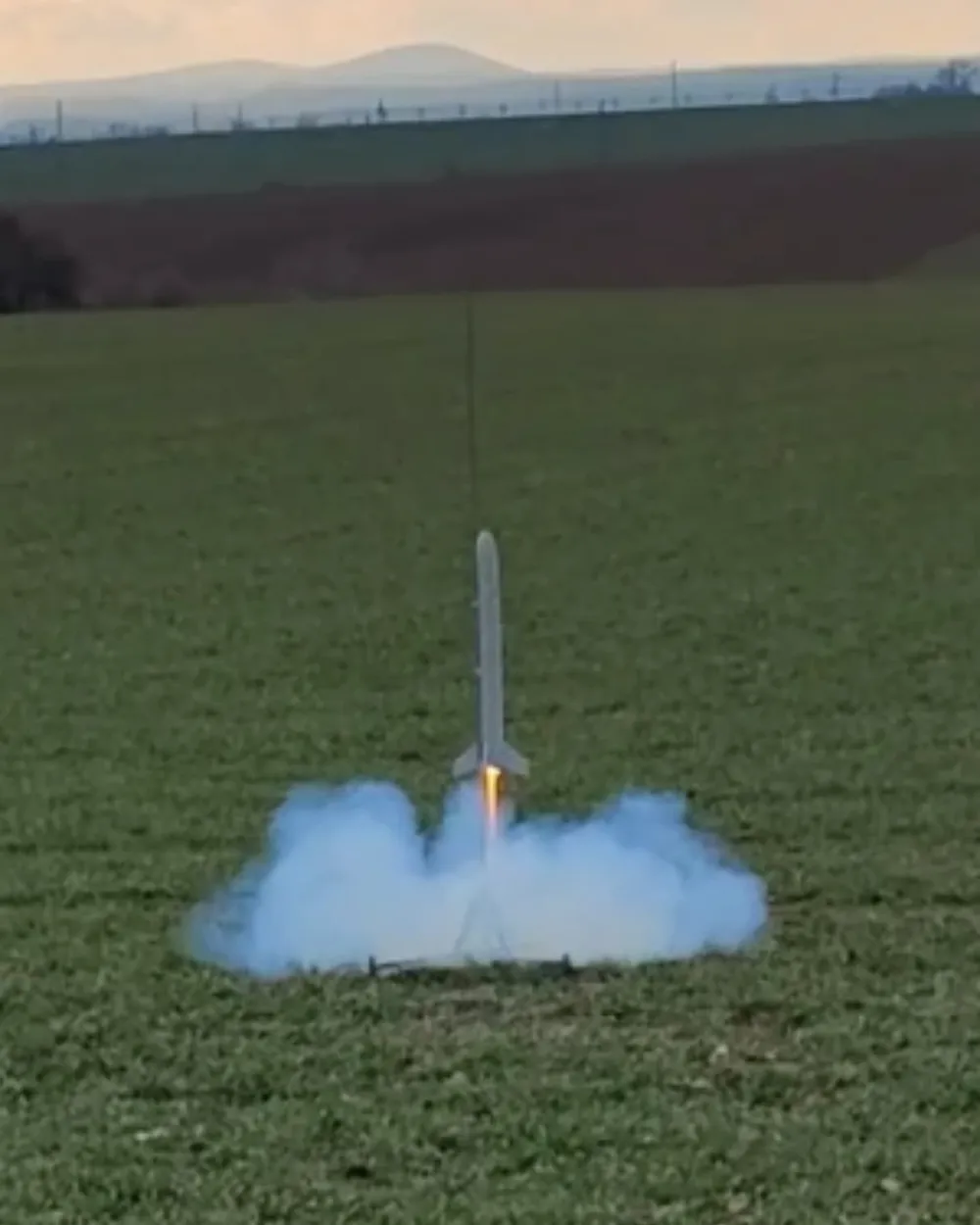
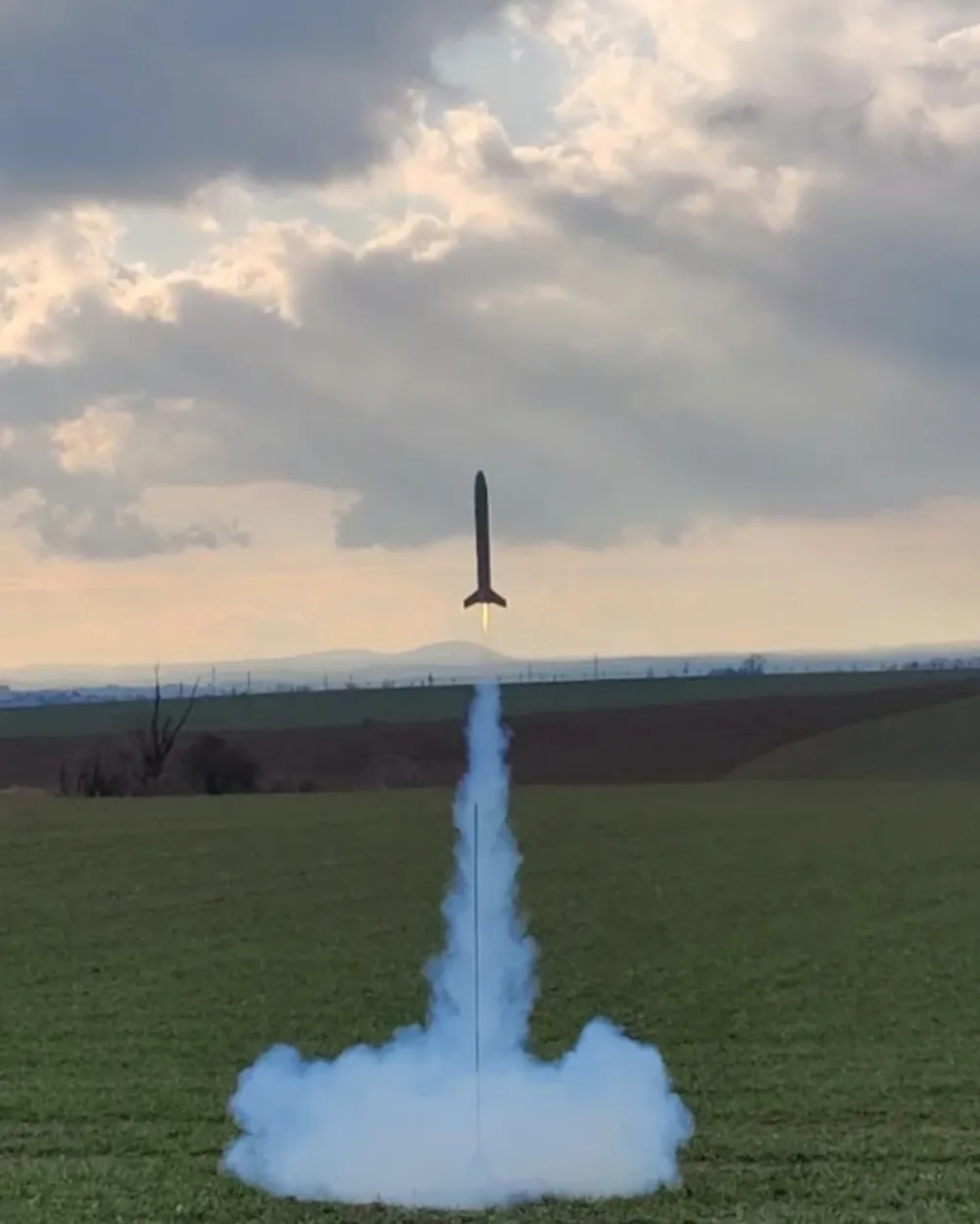
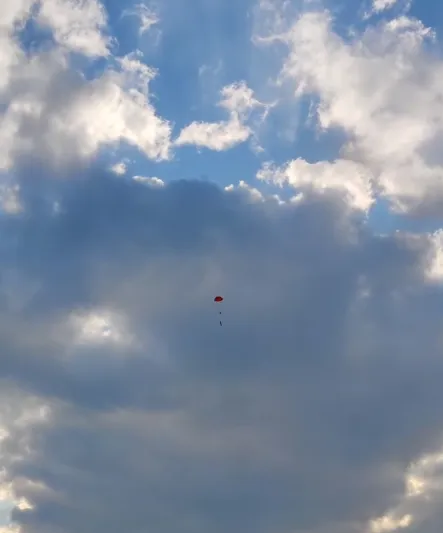
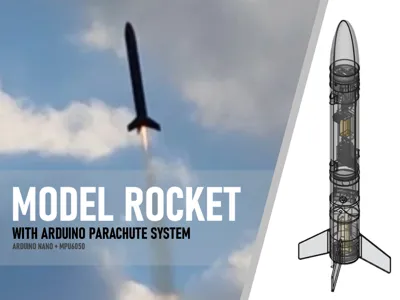
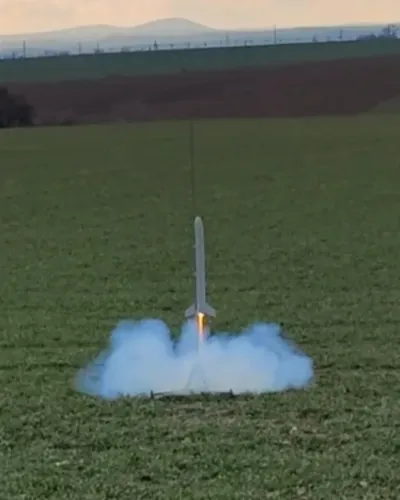
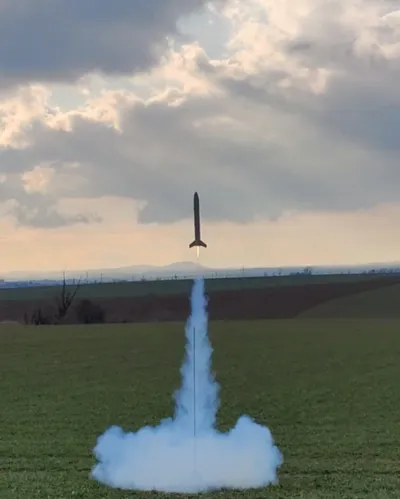
This is a small experimental model rocket which I designed as a personal engineering project after participating in Czech Rocket Challenge 2024. I wanted to grow my engineering skills and build a cheap, reliable and simple Arduino-controlled recovery system for a model rocket. All that is required is a 3D printer and some parts that should not set you back more than around 50 dollars (might depend on the country). The rocket can reach up to 300 m and slowly descend to the ground thanks to the Arduino-controlled parachute deployment system. This project is nearly two years old, I am uploading it to Makerworld to serve as inspiration to other amateur rocket engineers or anyone else interested. Feel free to use any part of it in your own projects!
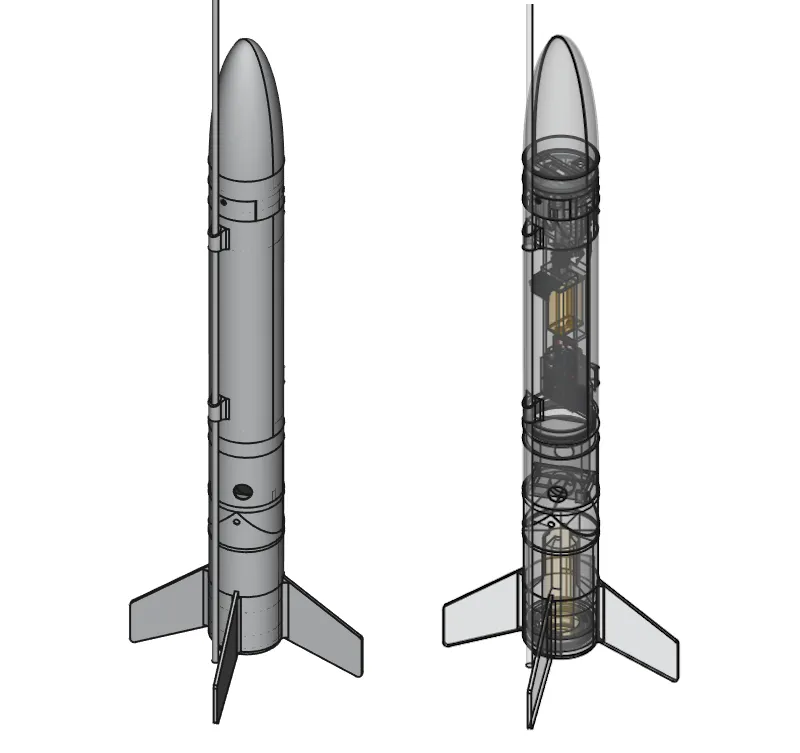
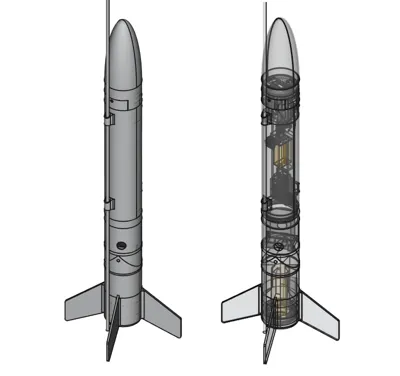
Check out the assembly file (STEP file or FreeCAD A2Plus assembly file) to see how to assemble.
Key features
Arduino-controlled recovery system
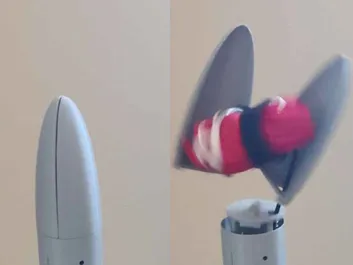
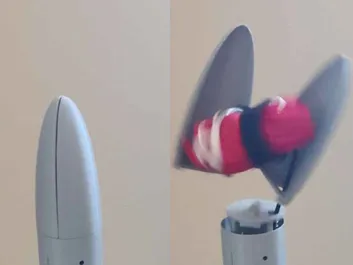
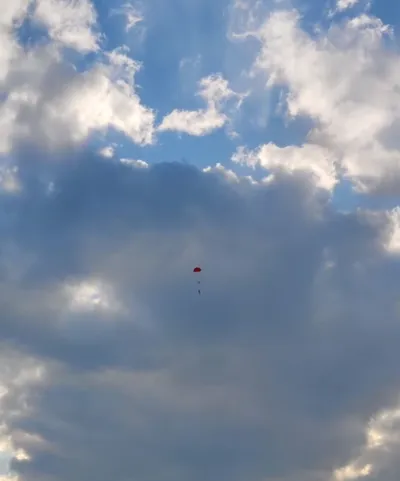
Instead of using a traditional ejection charge from the rocket motor, the parachute is deployed by a spring-powered mechanical system controlled by an Arduino Nano. This allows the recovery system to operate independently of the motor and makes it possible to include onboard electronics.
The parachute deployment is triggered using two independent methods:
- Gyroscope detection – the system detects when the rocket tilts after reaching apogee.
- Timer backup – the parachute is automatically deployed several seconds after launch as a safety fallback.
This redundancy improves the reliability of the recovery system.
Spring-based parachute ejection
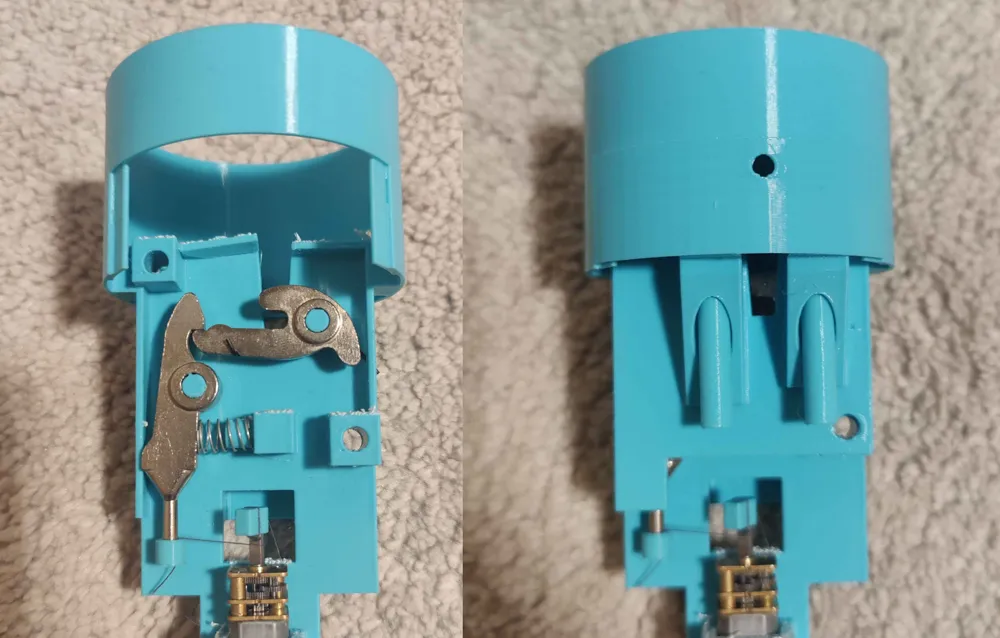
The parachute is pushed out of the rocket by compressed springs released by a servo-driven latch mechanism. Compared to systems using pyrotechnic charges, this design:
- reduces wear on the rocket
- allows easier reuse
- avoids handling explosive materials
- demonstrates a purely mechanical recovery mechanism
Onboard electronics and avionics
The rocket contains several electronic components:
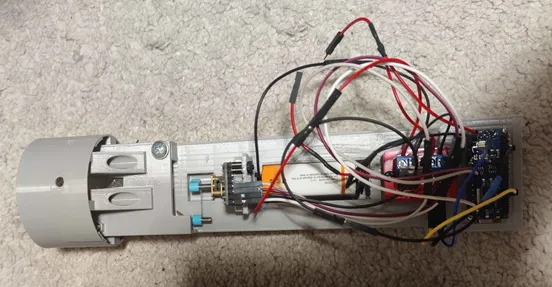
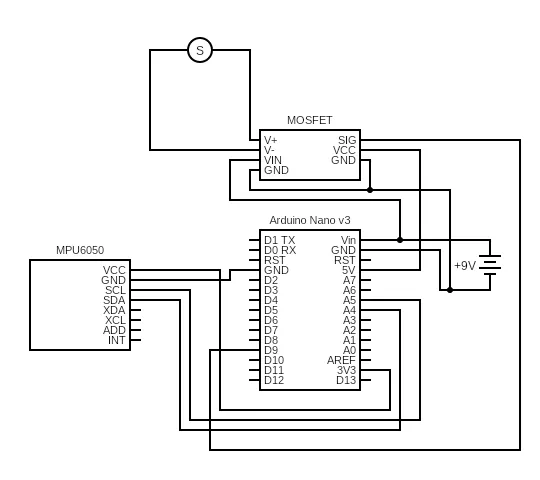
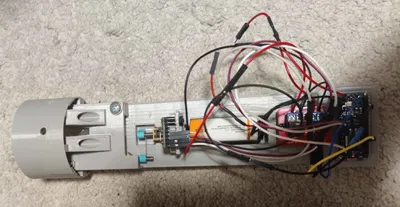
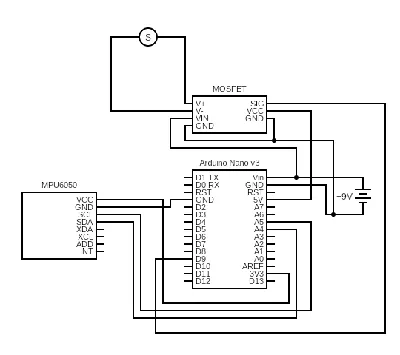
- Arduino Nano (flight control)
- MPU6050 gyroscope + accelerometer (flight detection)
- Lightweight onboard camera for flight footage
- Estes altimeter can be included
Rocket structure

The rocket body is printed from PETG, which provides good strength and heat resistance. The airframe consists of several modular parts:
- Nose cone
- two-piece design
- houses the folded parachute
- separates during deployment
- Electronics and recovery section
- contains the Arduino, sensors, battery, and release mechanism
- Airframe section
- connects the recovery system to the motor section
- Fin can
- integrated rocket fins
- motor mount
- onboard camera holder
The sections are designed to screw together using printed threads, allowing easy assembly and maintenance.
Rocket specifications
Approximate parameters:
- Length: ~62 cm
- Diameter: 62 mm
- Mass: ~618 g
- Target altitude: ~300 m
- Material: PETG
- Motor: 29 mm model rocket motor
The rocket was simulated using OpenRocket to verify flight stability and performance before launch. However, I recommend running your own simulations with accurate parameters of your rocket.
Educational value
This project is designed not only as a rocket but also as a learning platform for engineering and STEM. By building or modifying this design, you can learn about:
- CAD design for real mechanical systems
- 3D printing functional parts
- aerodynamics and rocket stability
- embedded electronics with Arduino
- sensor integration (IMU)
- mechanical mechanisms and recovery systems
- flight testing and prototyping
Required parts
- 1x Arduino Nano
- 1x MPU6050 gyroscope and accelerometer
- 1x 9V battery
- 1x IRF520 MOSFET module
- Dupont cables
- M4 screws and nuts
- Small spring for latch mechanism
- 4x larger springs for parachute deployment
- 1x Parachute (I use the Estes 76 cm parachute)
- 1x Elastic parachute cord
- Rocket motor (I used the TSP F-35-8, if you use a different one, you definitely have to recalculate all of the openrocket simulations!)
- optional camera
- optional altimeter
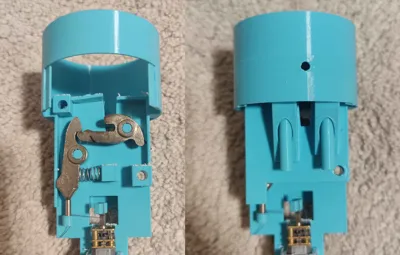
- XG-07C electric lock - I used the latch mechanism from this lock for the recovery system (see the image), however, you could also 3D print those parts if you want to save money and a little bit of weight
If there is demand, I might publish more detailed build instructions and documentation.
This project took a pretty long time, I would appreciate if you left a like or even a boost here. Thank you.
As I mentioned in the disclaimer, I would like to once more emphasize for you to focus on safety while attempting any amateur rocketry. Amateur rocketry is a very dangerous hobby. Don't forget to check your local airspace laws!
Documentation (1)
License

You may create derivative works based on this object, provided that all such derivative works are published exclusively on the MakerWorld platform and include proper attribution to the original creator. You may not share, upload, host, distribute, or publish this object—or any derivative work of this object—on any other digital platform, marketplace, or distribution channel. Commercial use of this object and any derivative works is strictly prohibited. This includes, but is not limited to, selling, renting, sublicensing, or using the object in any context in which you receive monetary compensation or other financial benefits.


Comment & Rating (11)