
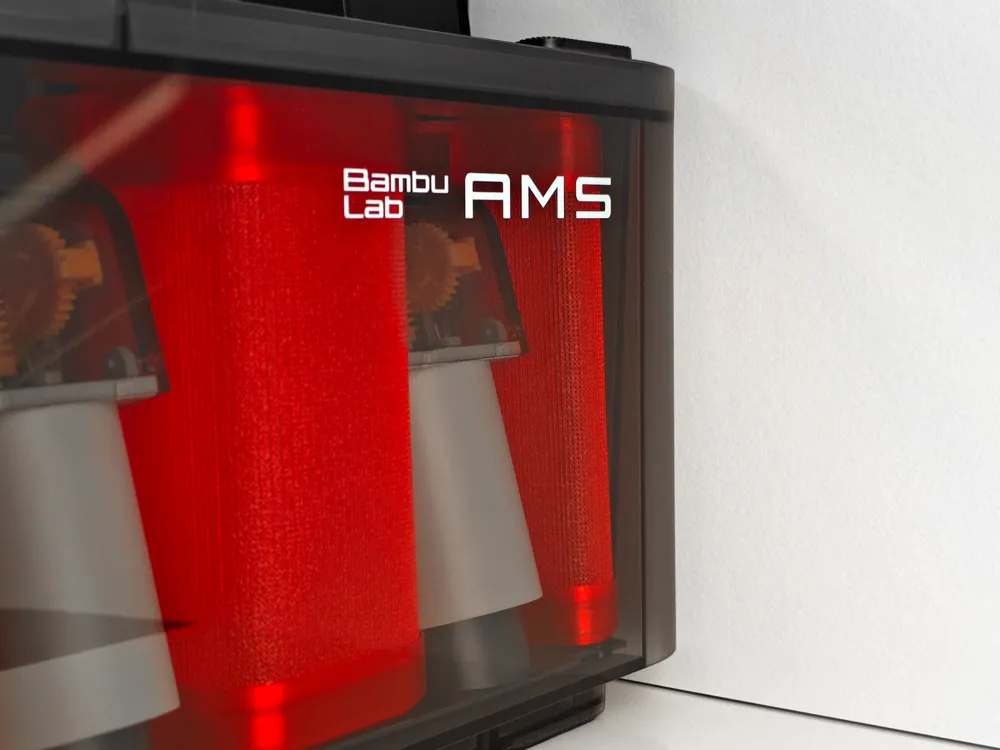
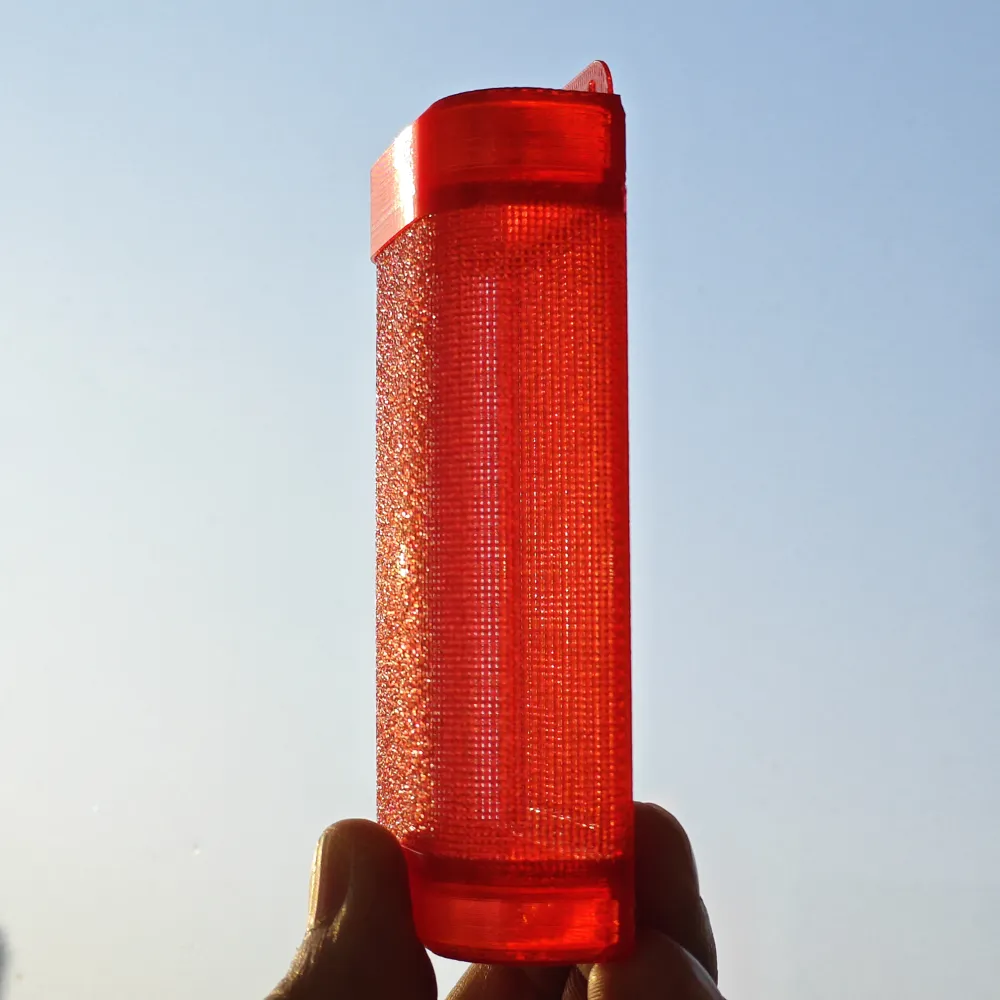
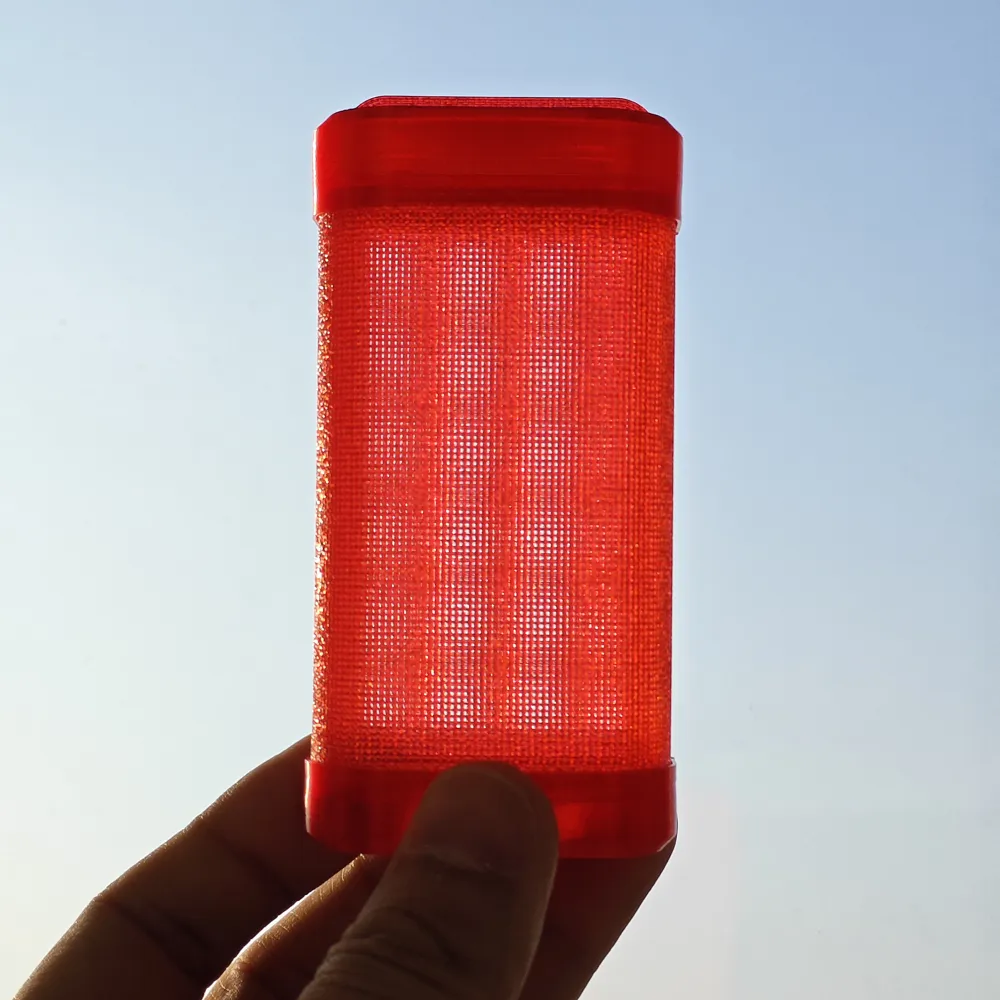
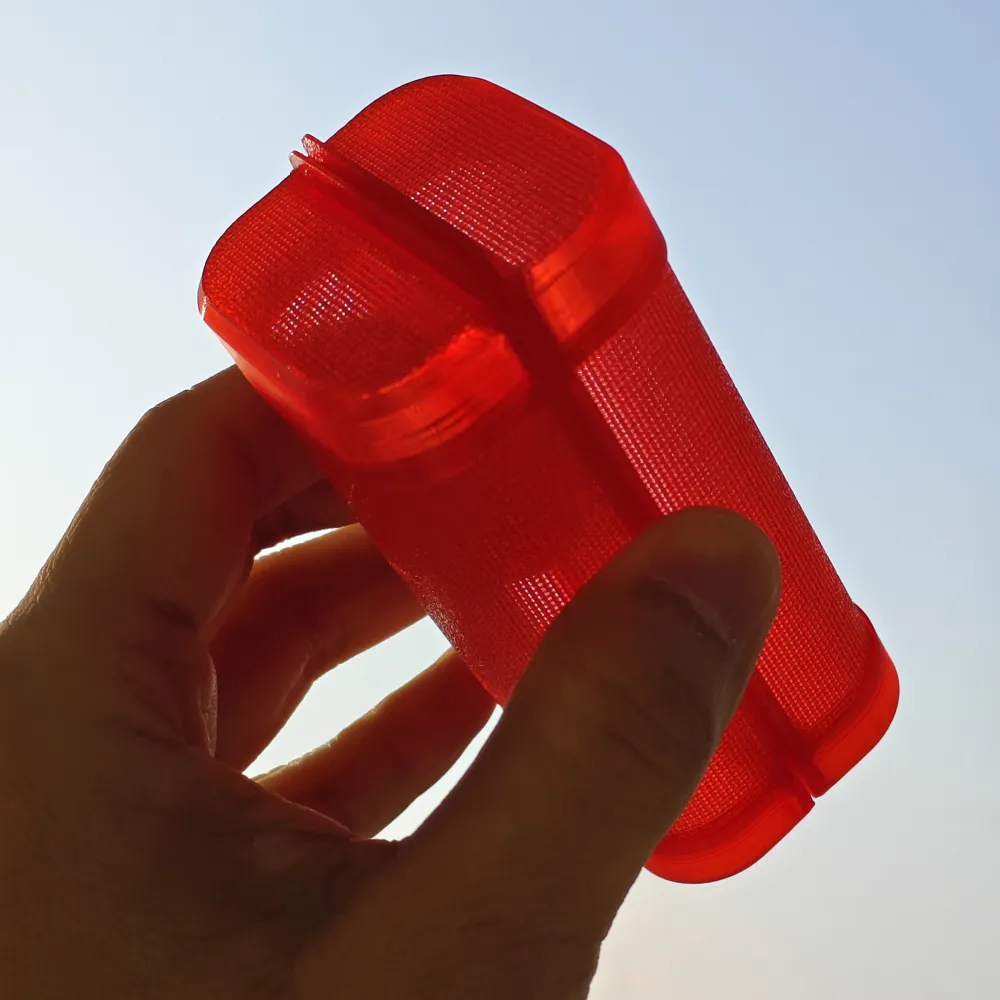
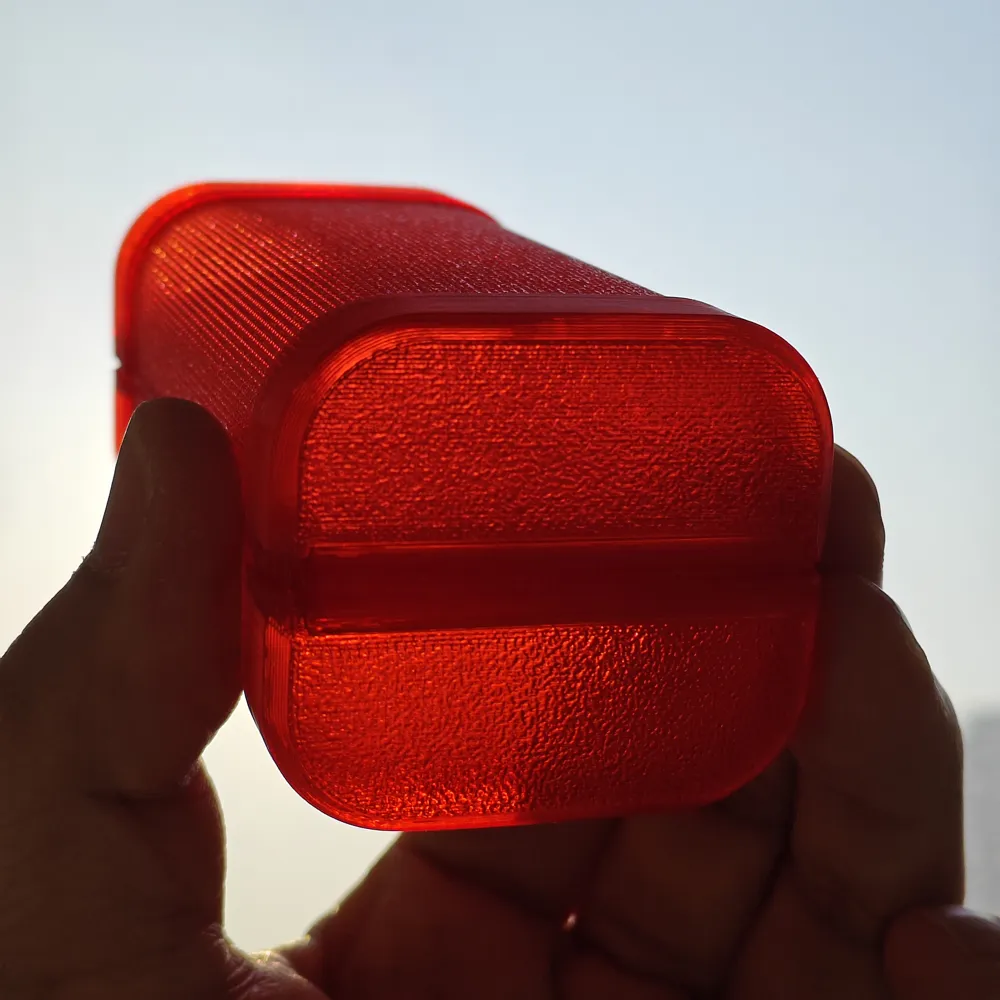
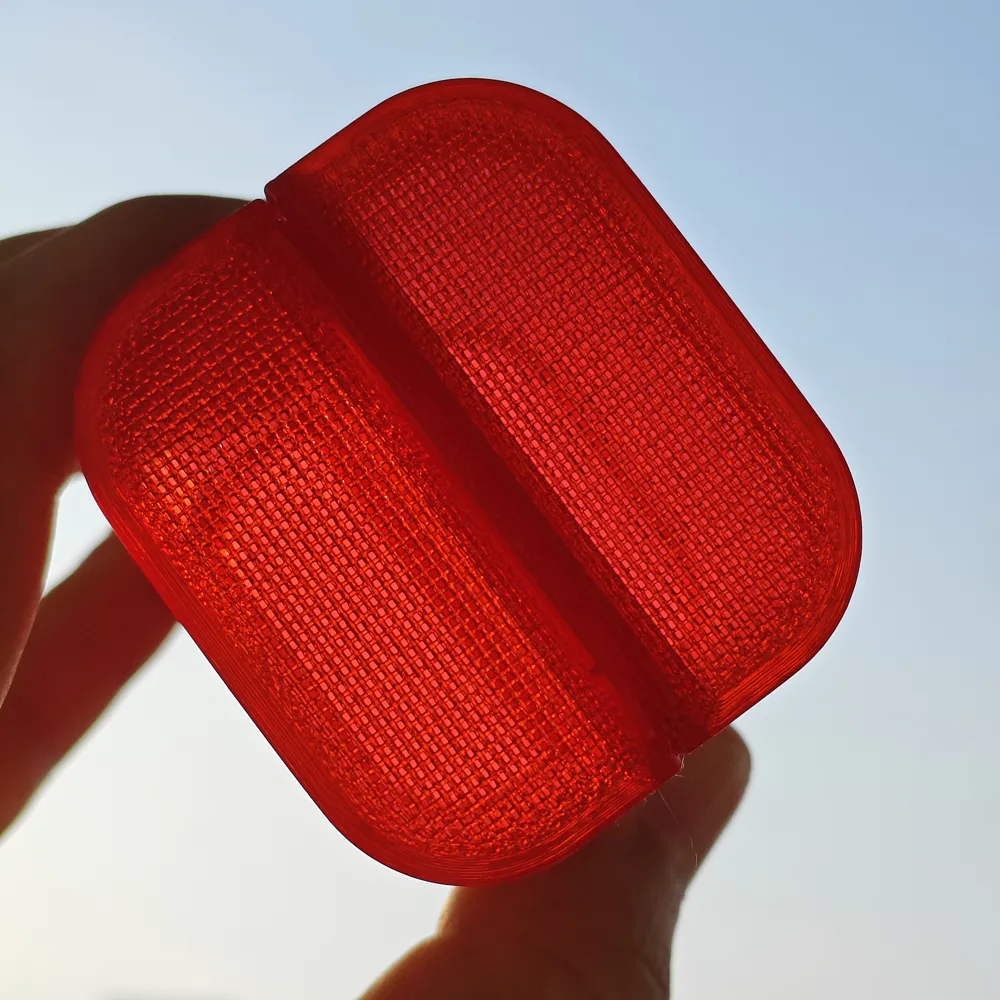
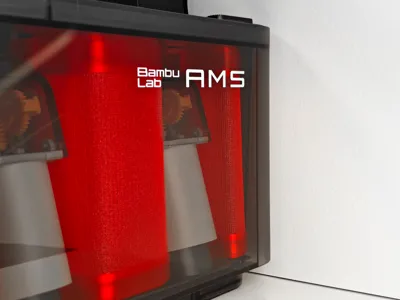
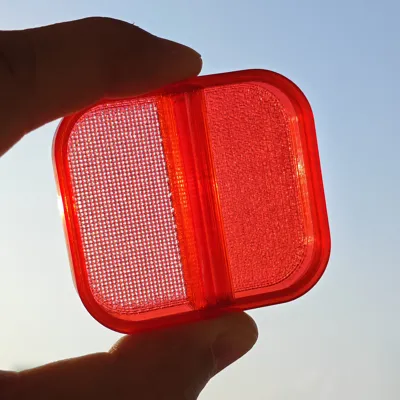
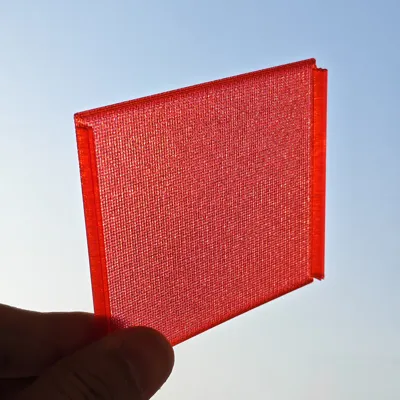
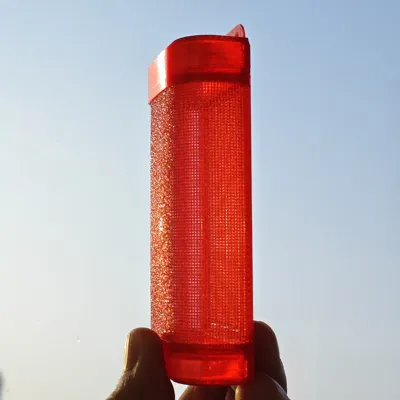
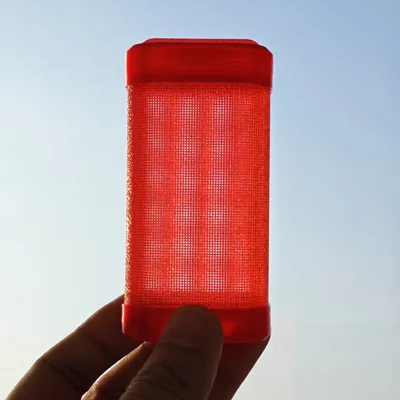
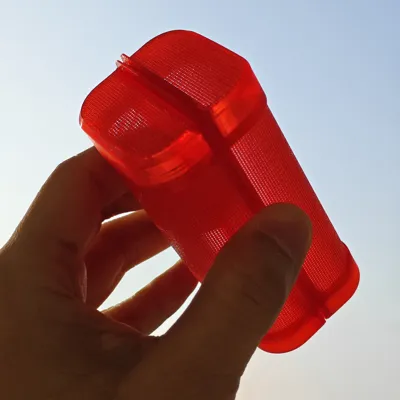
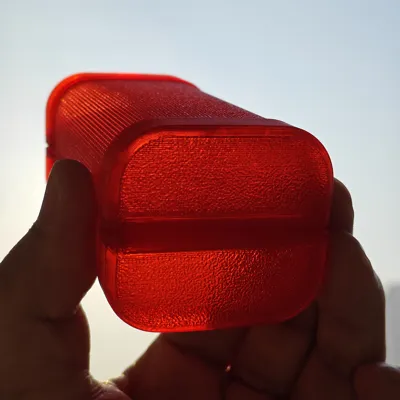
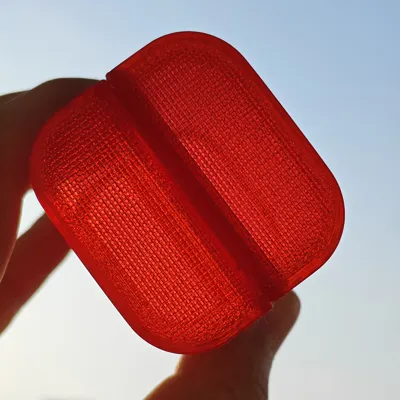
AMS Drybox fastest in just 21 minutes 38 seconds 5.88 grams of filament lightweight and leak-proof completely original design
Print Profile(4)
Description
Boost Me (for free)
Cheer on! Cheer on! Cheer on!
Original model! No splicing! No derivative works! No plagiarism!
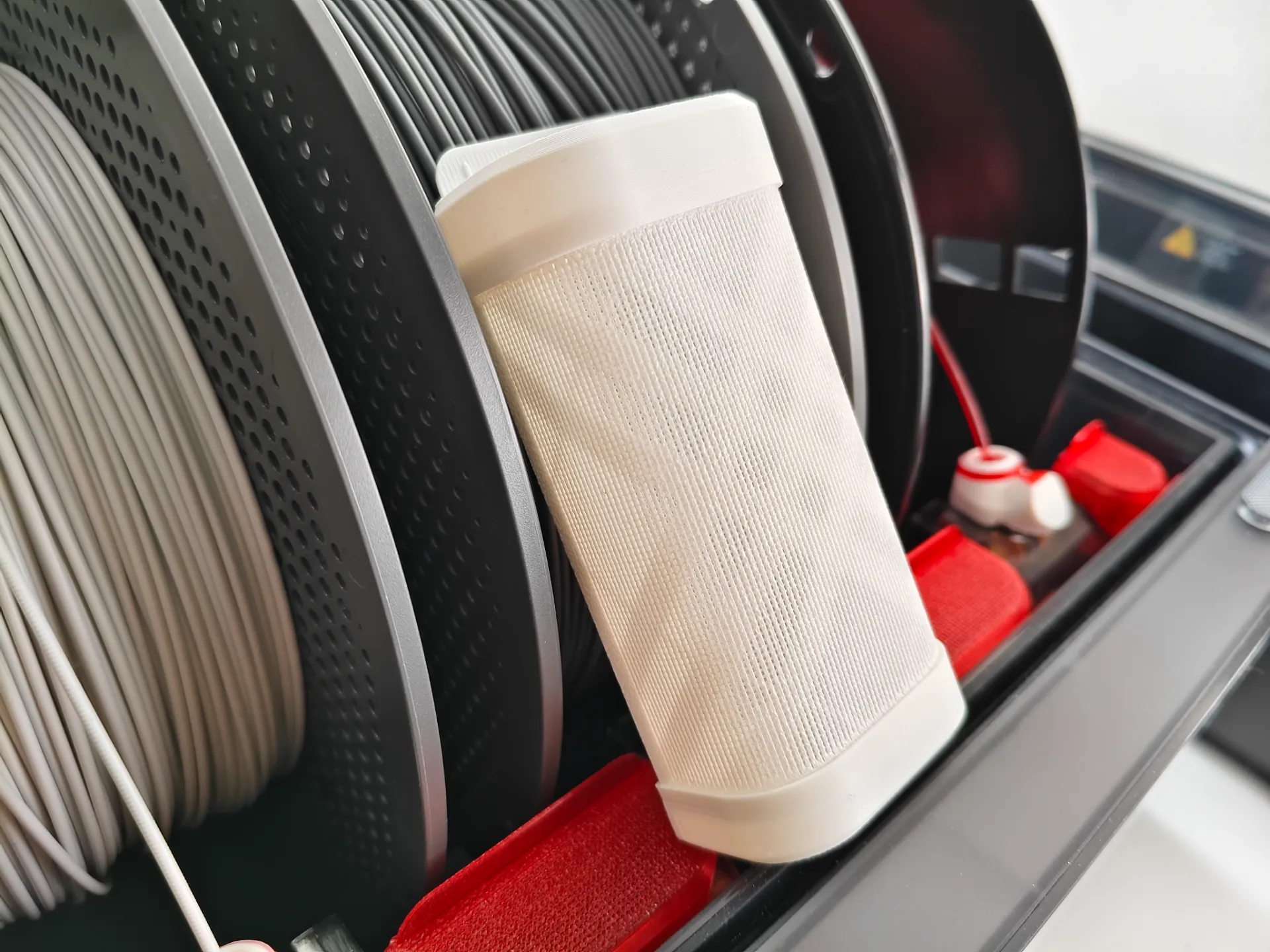
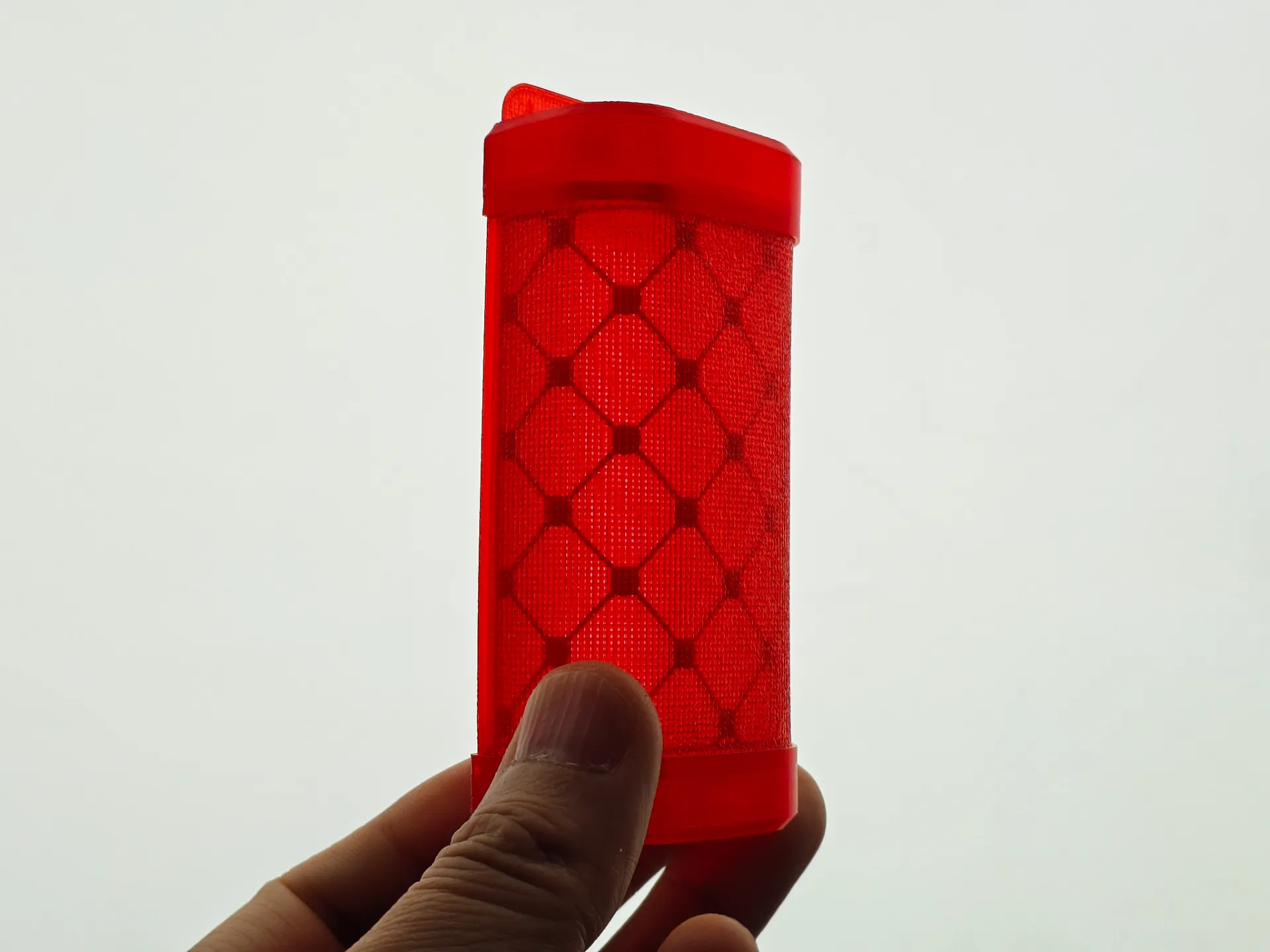
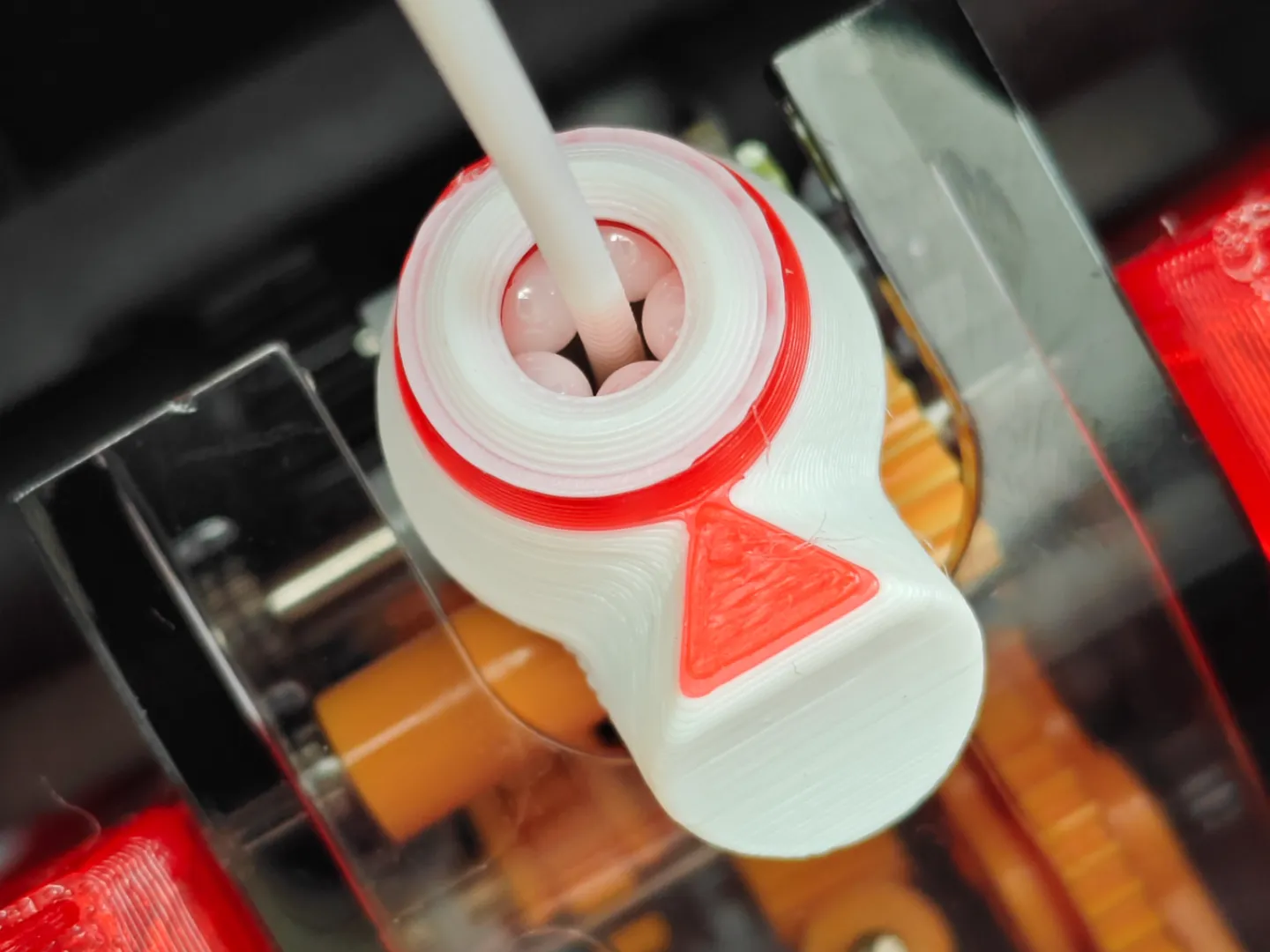
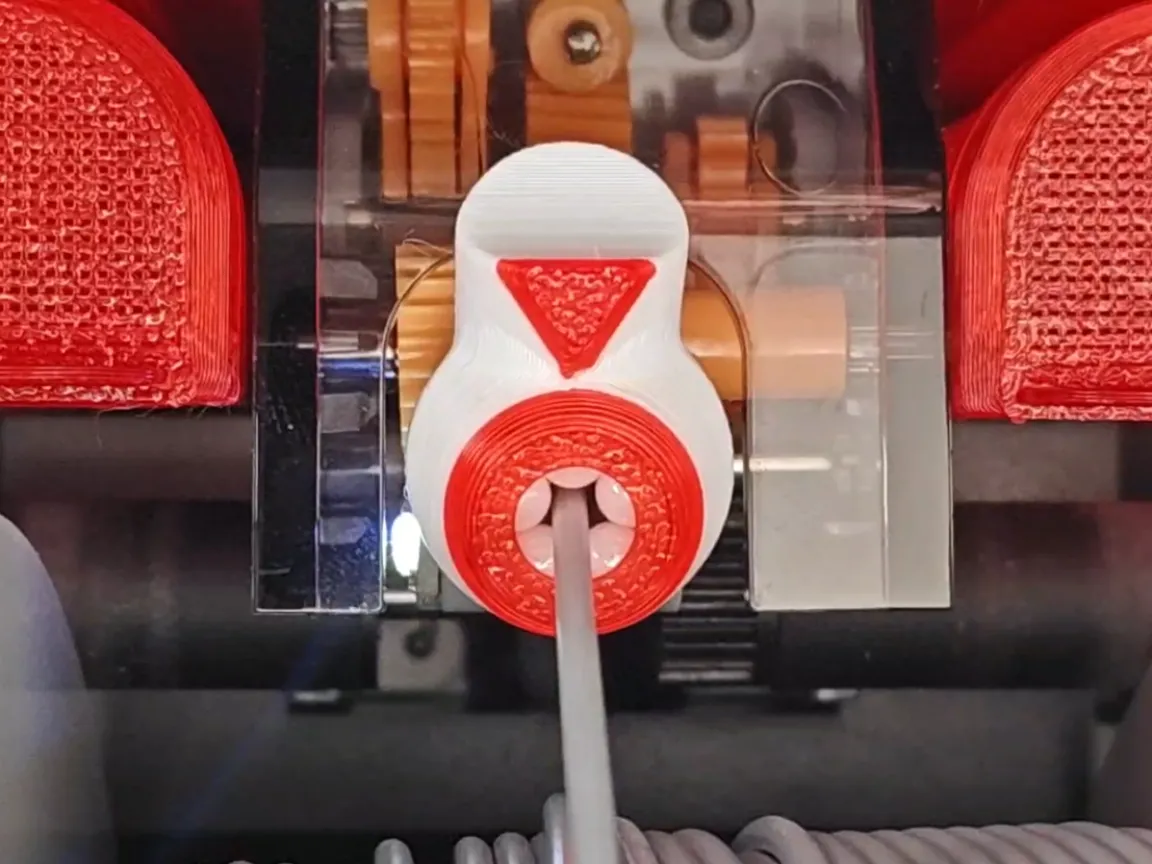
Why design a drybox?
Because I need a stylish and beautiful, material-efficient, time-saving, and spacious desiccant box
How can the word 'stylish' be associated with a drybox? It can! Absolutely! Later, I will open source the versatile theme model for this drybox
In as little as 21 minutes and 38 seconds, using 5.88 grams of filament, which is the individual print time for the smallest drybox This is the actual time, but not the fastest speed The print time will be even shorter if printing the entire plate
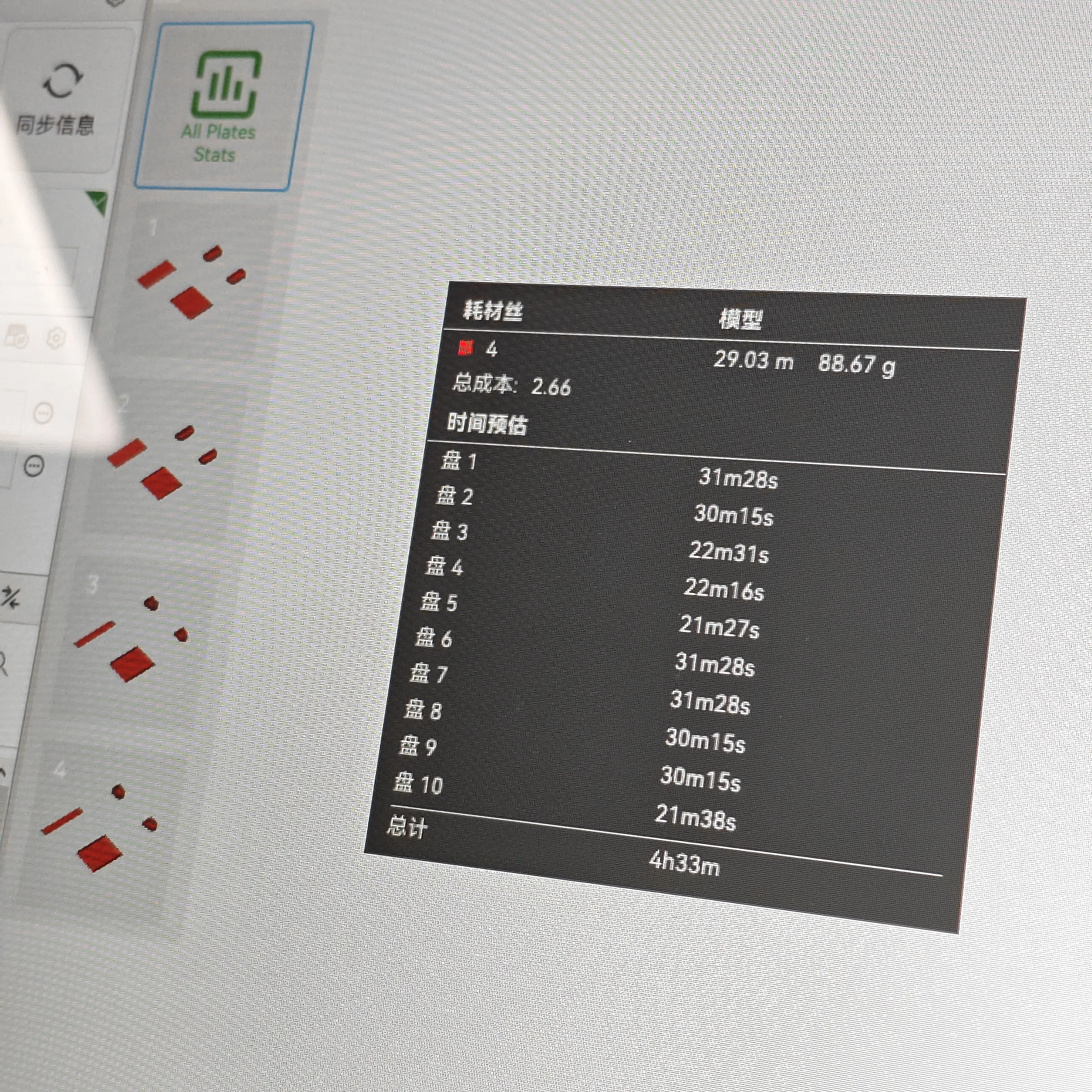
I really like the piece-by-piece mode This is not only very suitable for assembly but also allows for immediate detection and resolution of problems
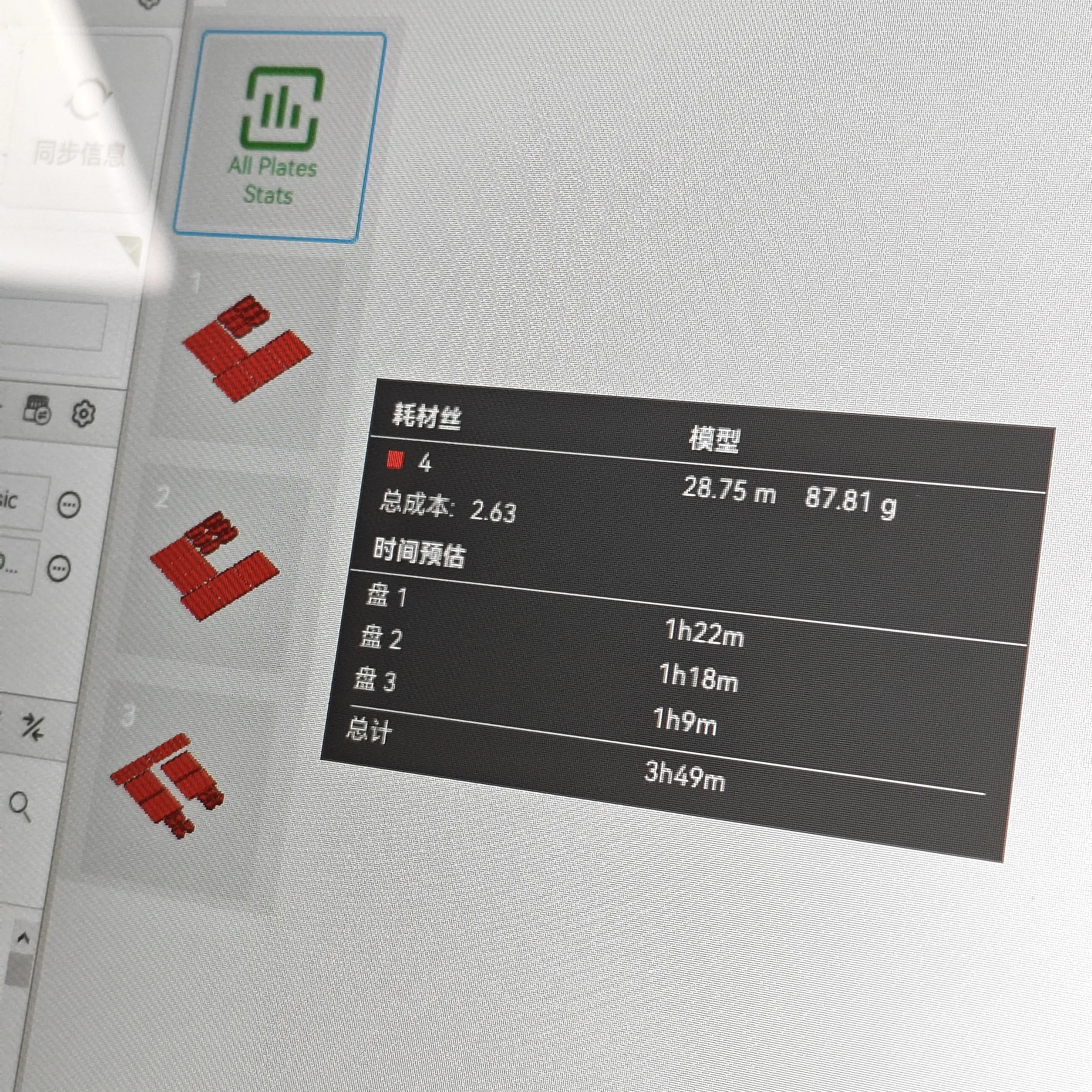
Of course, if you are already very familiar with common printing problems or if you have multiple AMS units that need dryboxes then you can directly choose to print the entire plate after all, it can save nearly 1 hour of time
Must-read for printing
Material:
It is recommended to use PETG Translucent The reason is that transparent materials not only have a mirror-like reflective texture but are also high-purity materials If printed with matte PETG the difficulty will increase significantly (Bed adhesion problems can be solved by lowering the bed temperature, but poor layer adhesion cannot be changed)
Due to its degradation properties, PLA is not recommended Imagine an entire box of silicone desiccant broken into pieces in the corner of the AMS that would be a huge cleanup project Moreover, PLA's flexibility is relatively poor which will increase difficulty during curved surface installation
Build plate:
It is crucial to thoroughly clean oil stains off the build plate with dish soap
If an older build plate loses its adhesion, it is recommended to apply glue to increase model adhesion
If the build plate is too sticky, you can try lowering the hotbed temperature
Before printing, please perform the official hardware and software calibration (dynamic flow calibration, flow rate calibration)
After printing, be sure to wait for natural cooling before removing the model (removing the model prematurely can cause warping and deformation of the top and bottom covers)
Model:
Do not change the routing direction or model orientation as this may prevent the curved model from being installed
Accessories
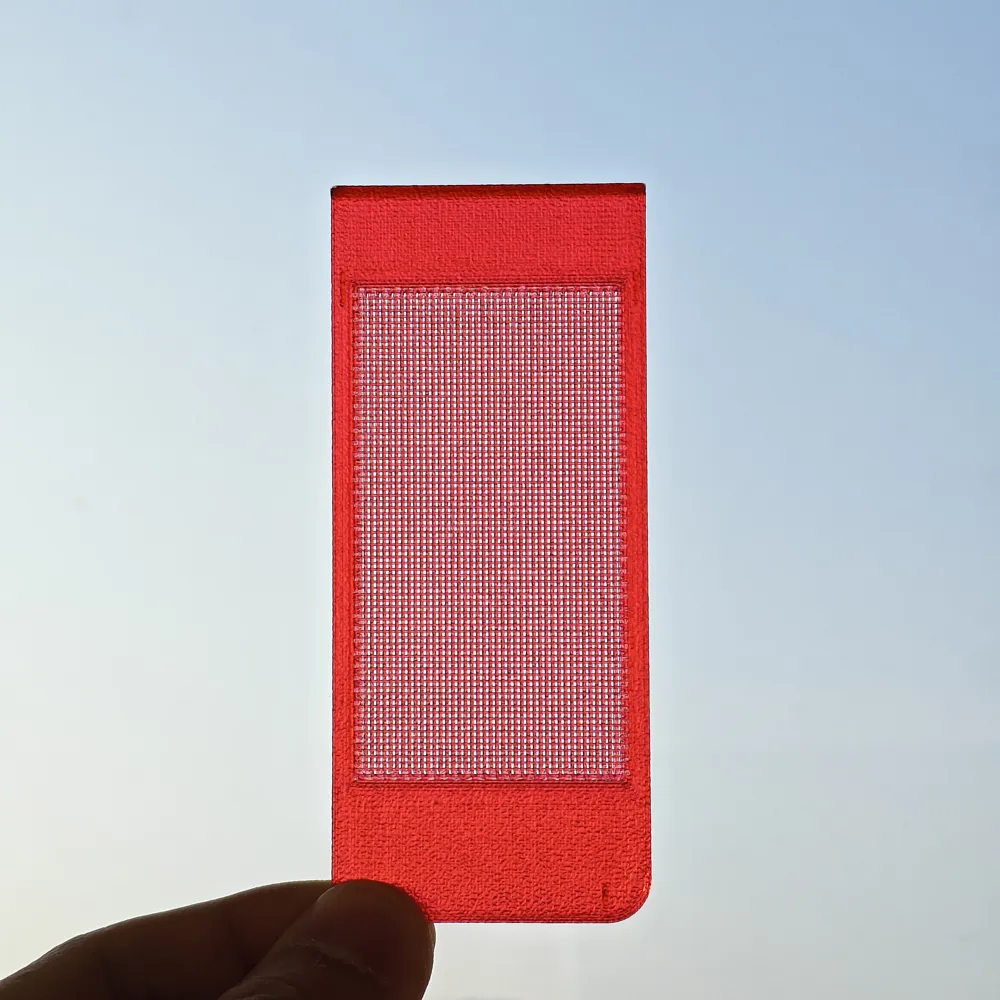
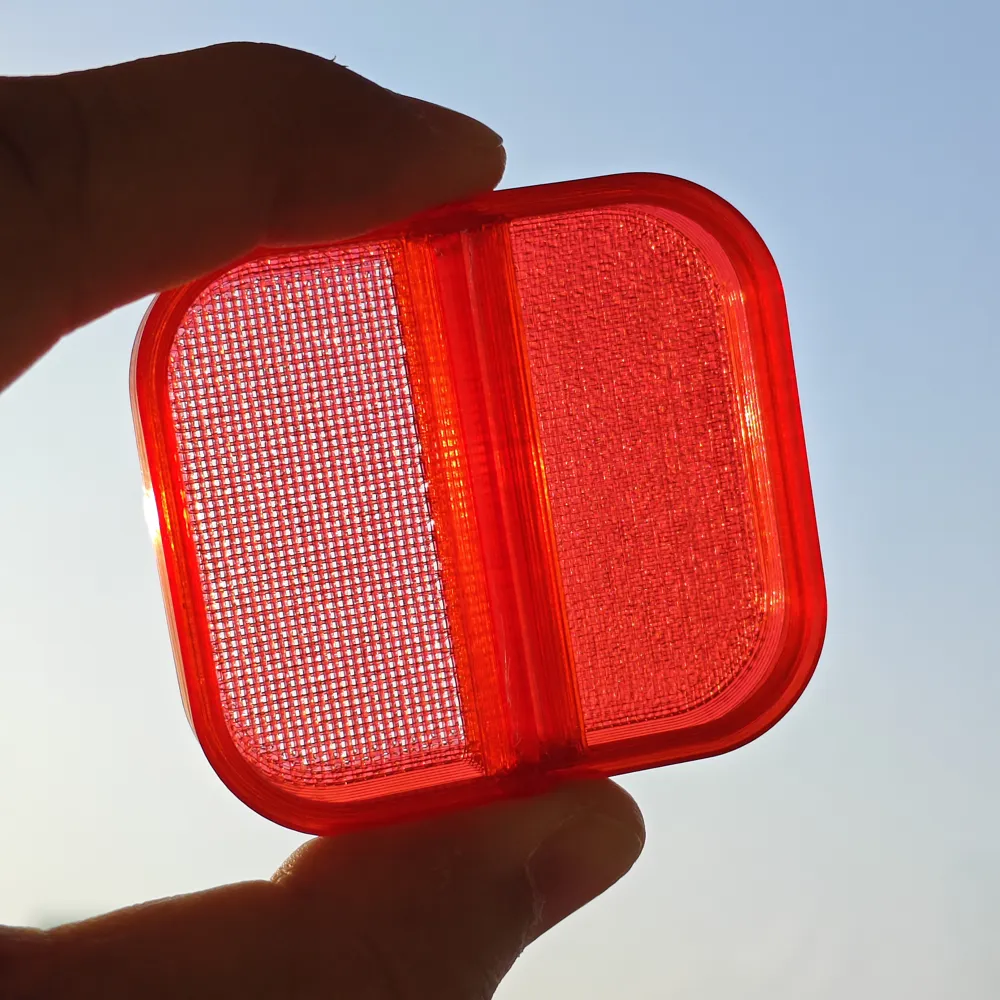
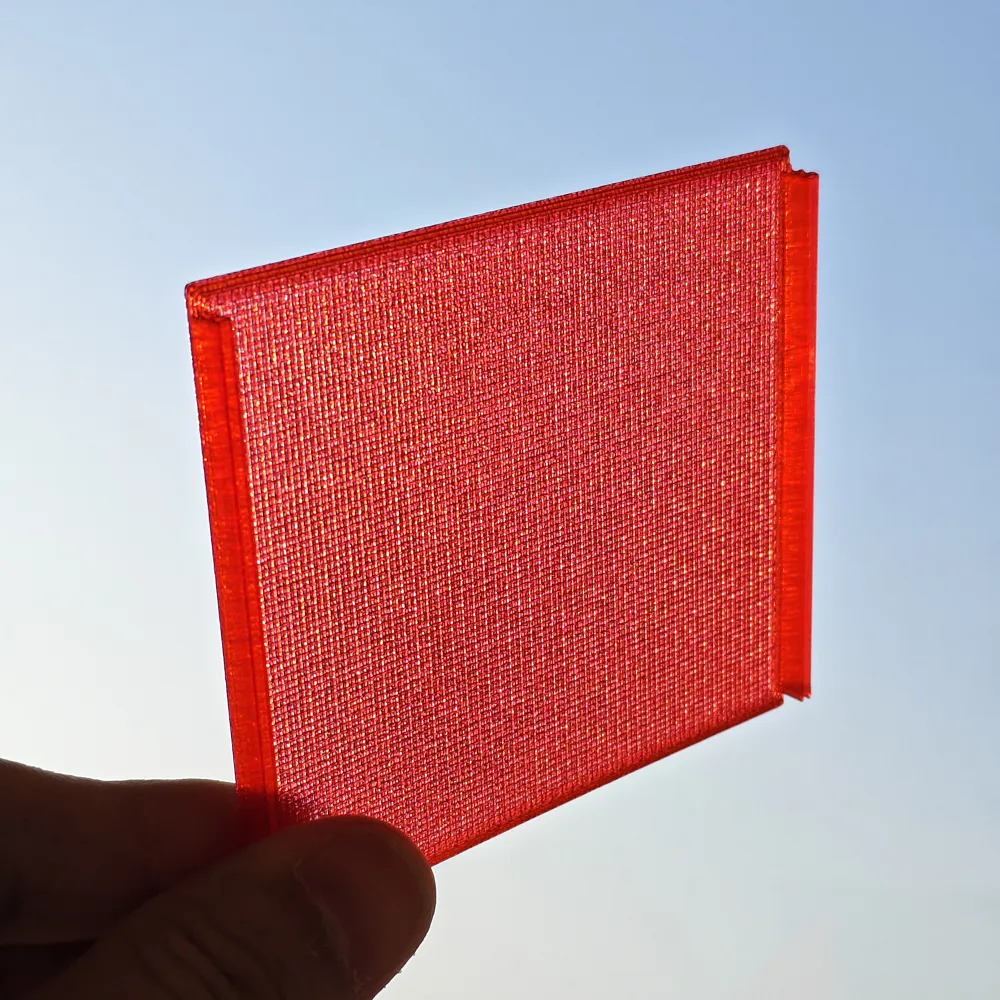
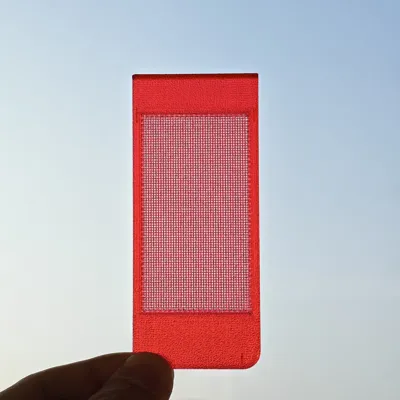
Each drybox consists of 4 accessories
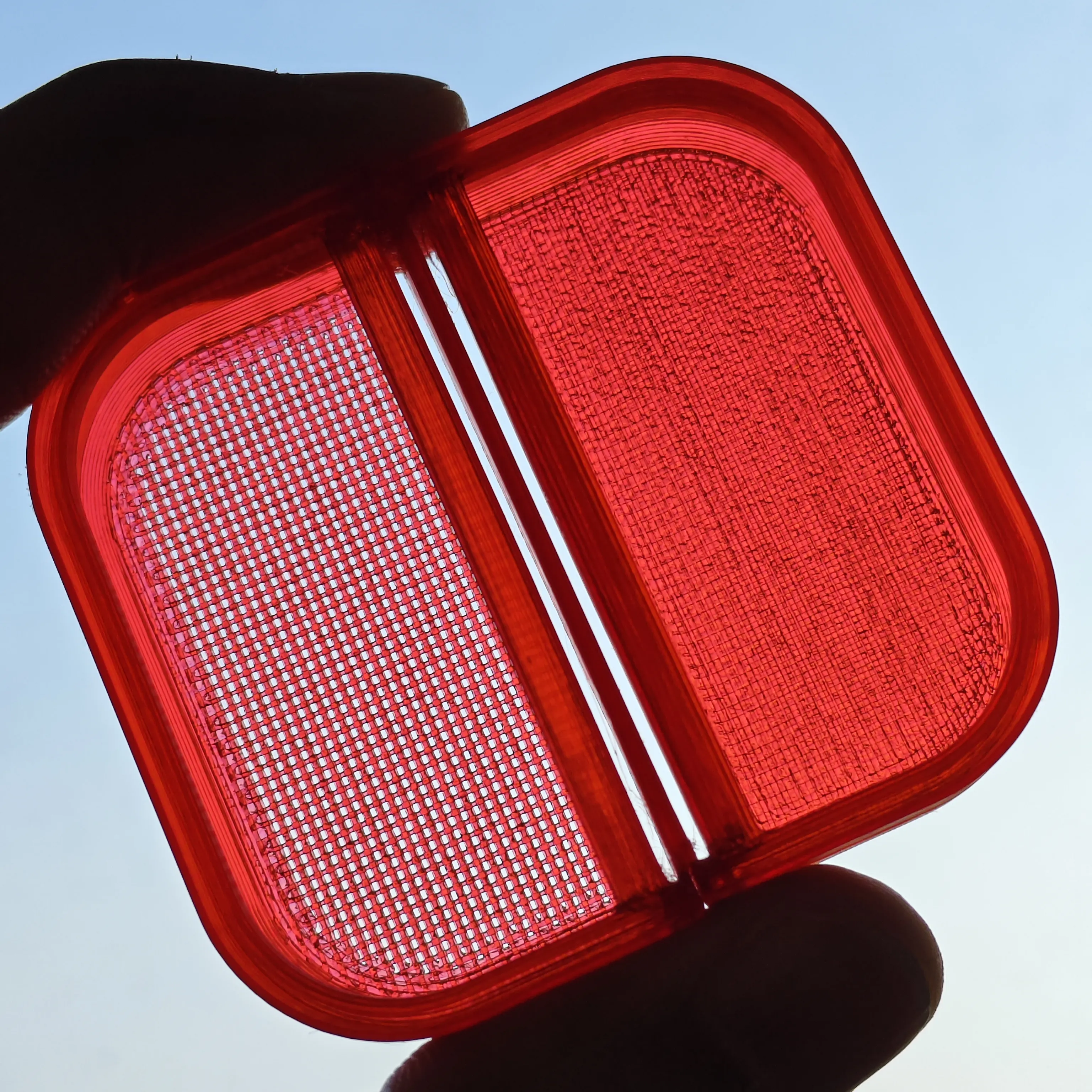
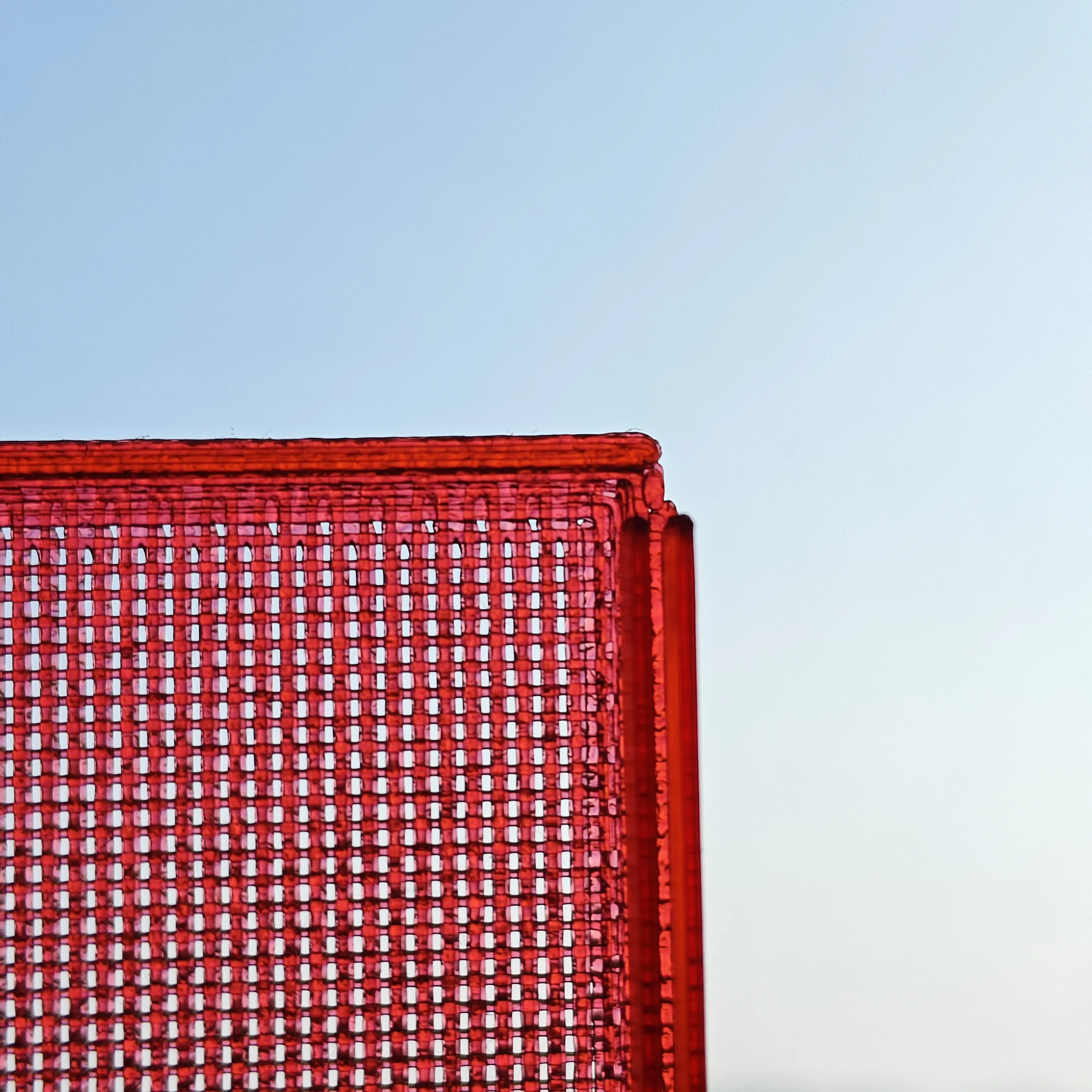
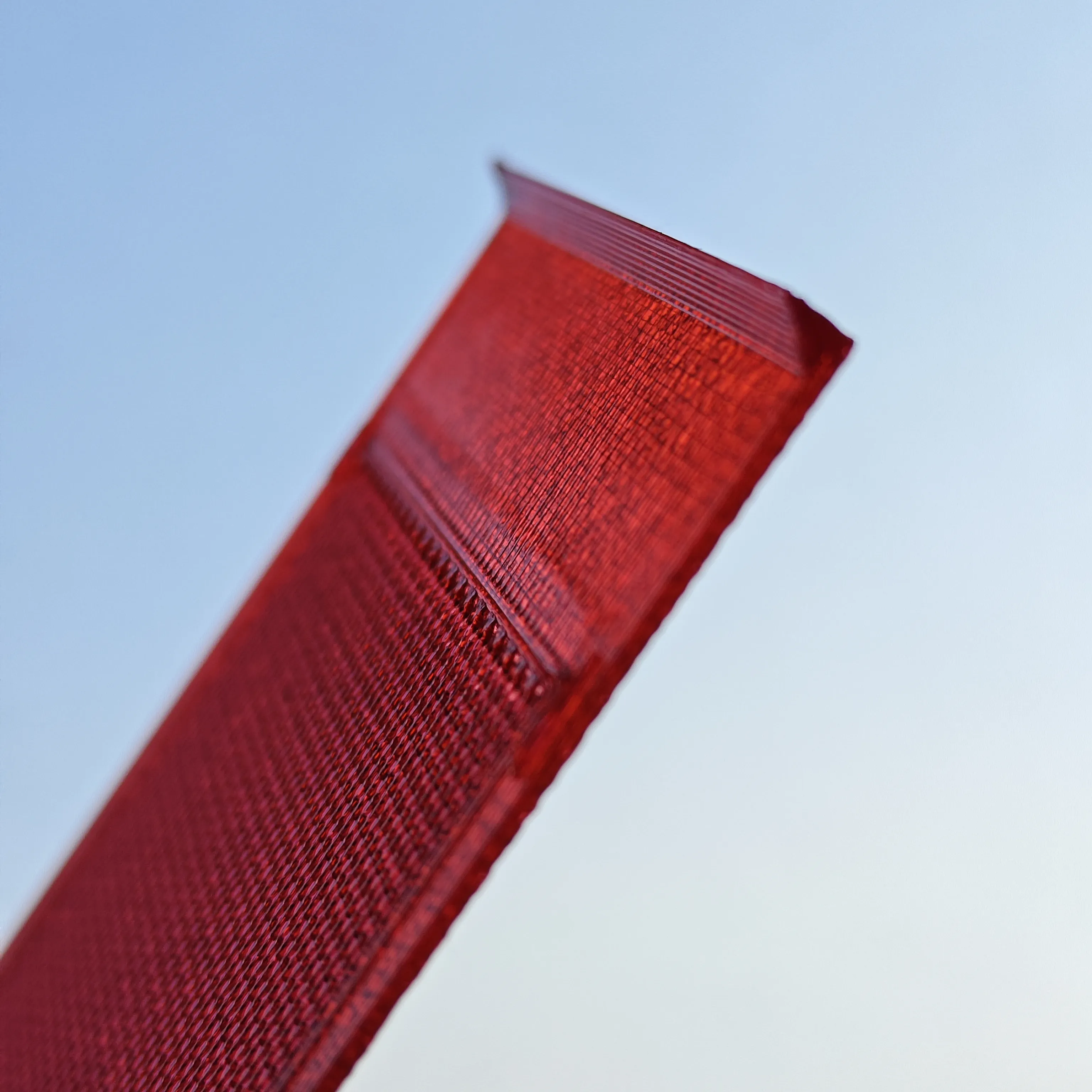
Installation
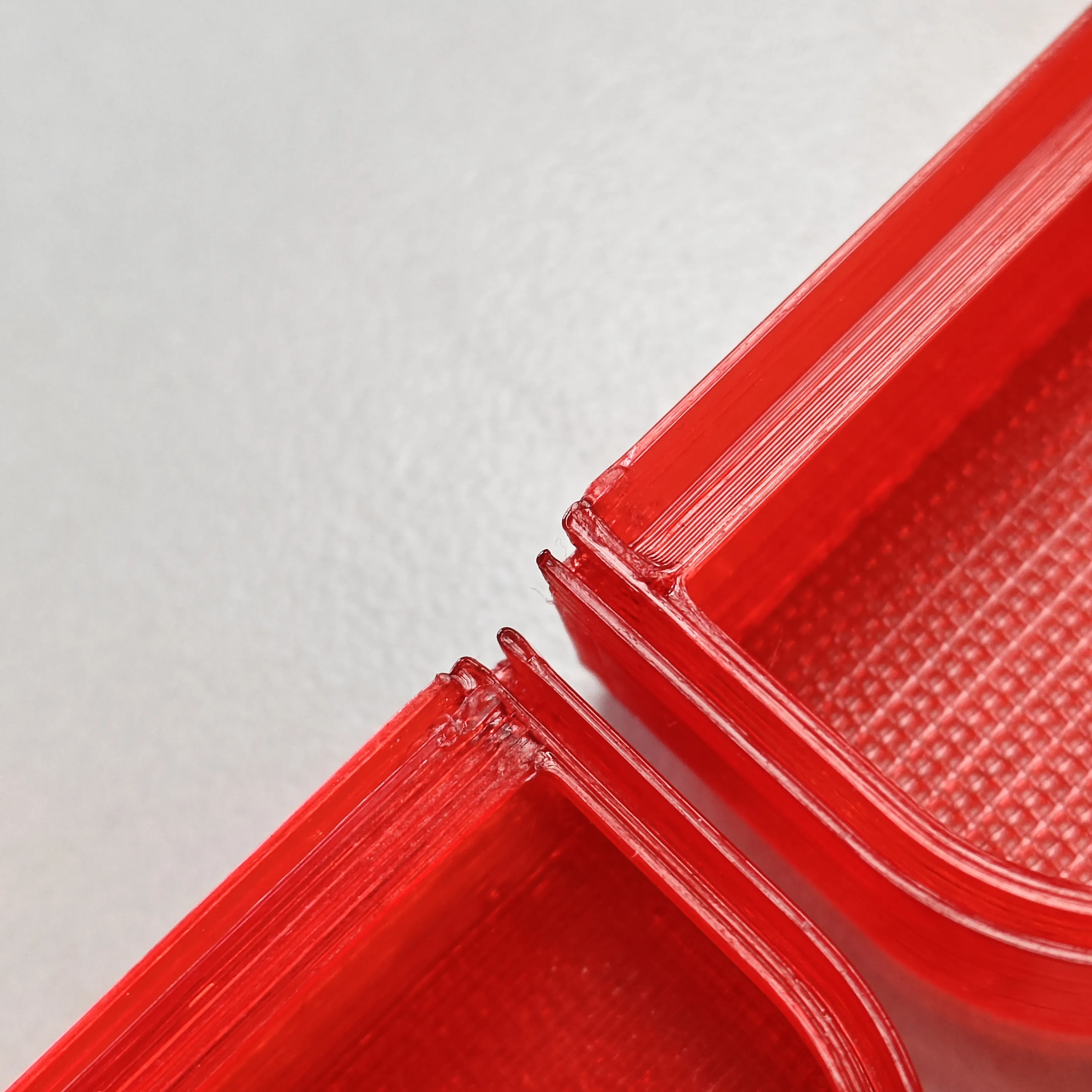
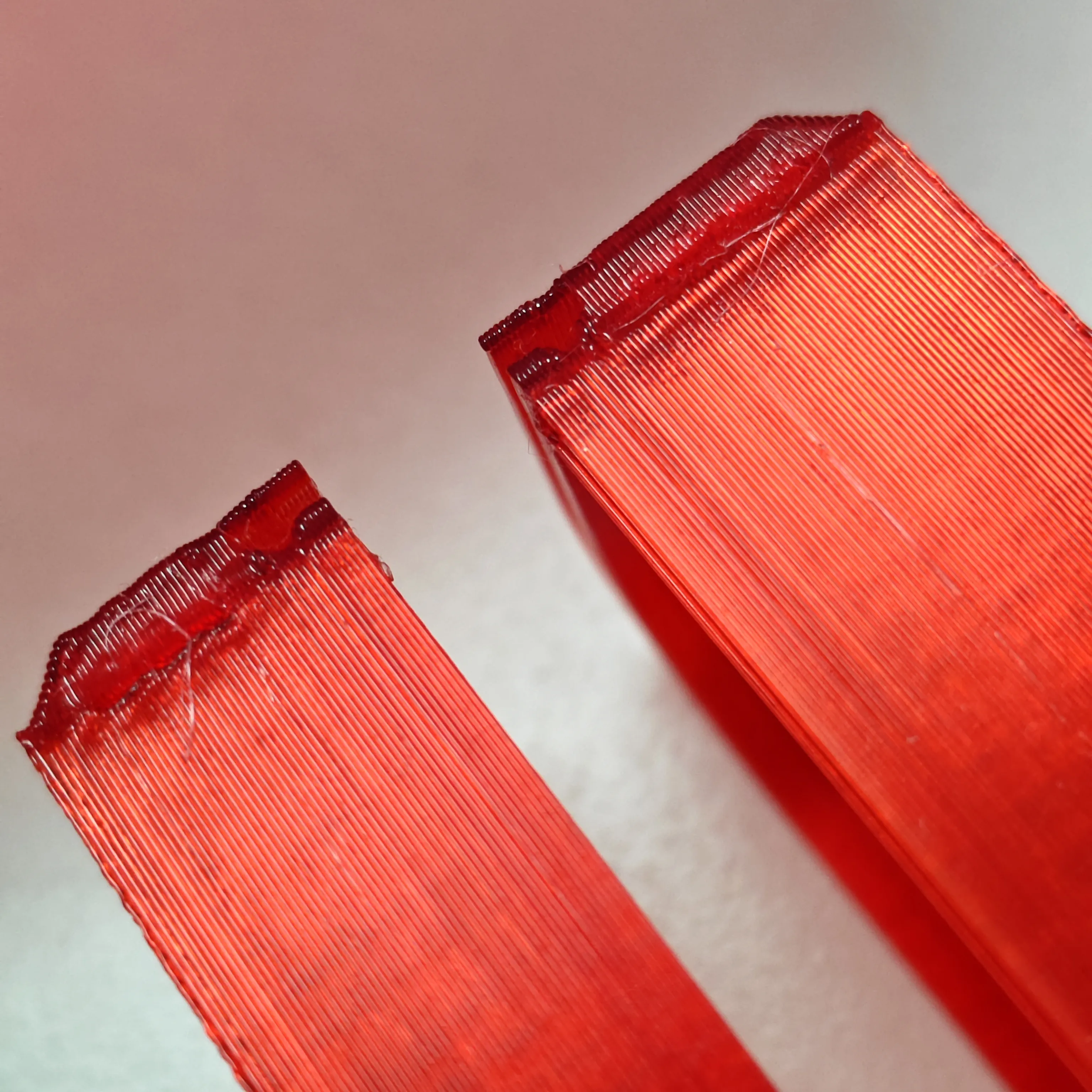
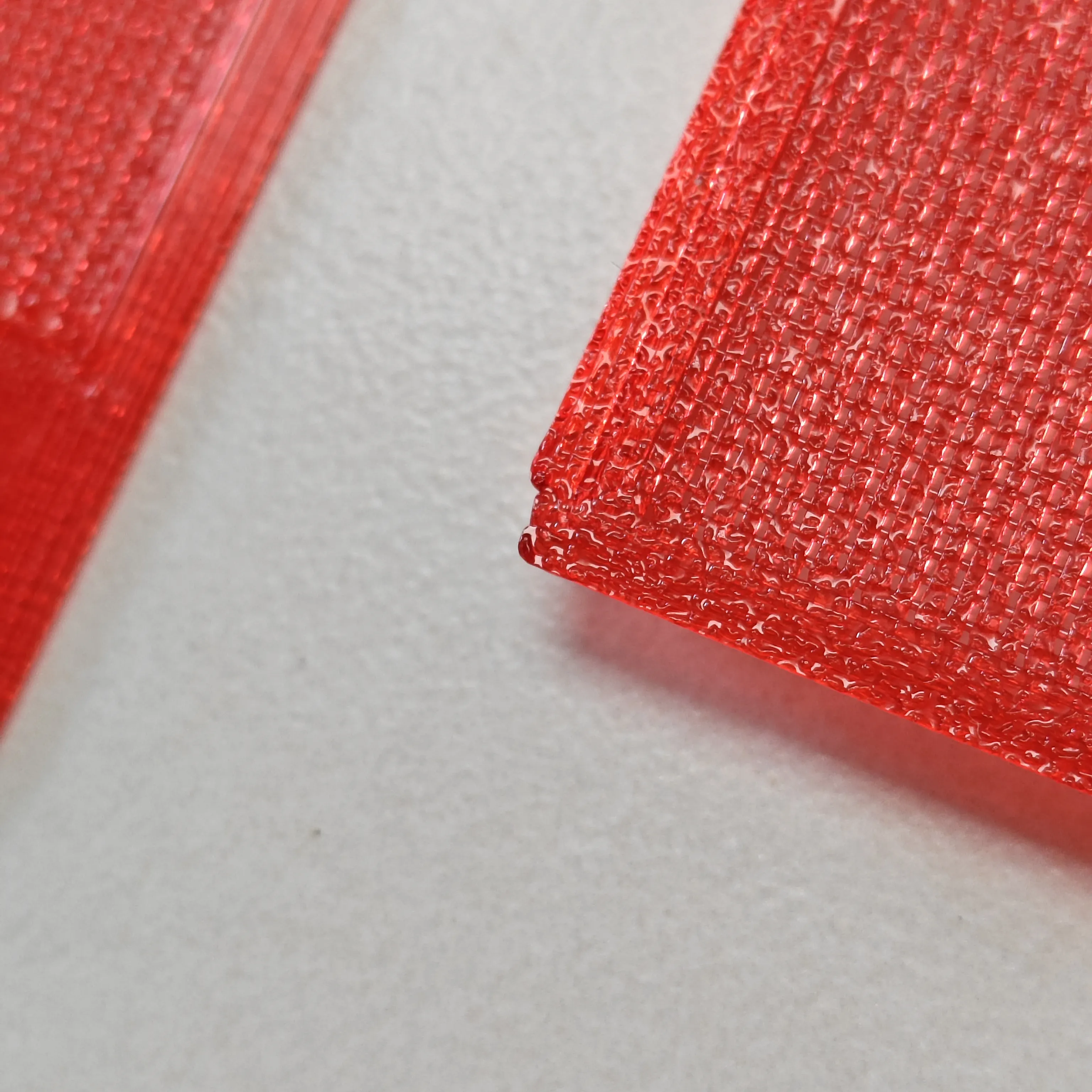
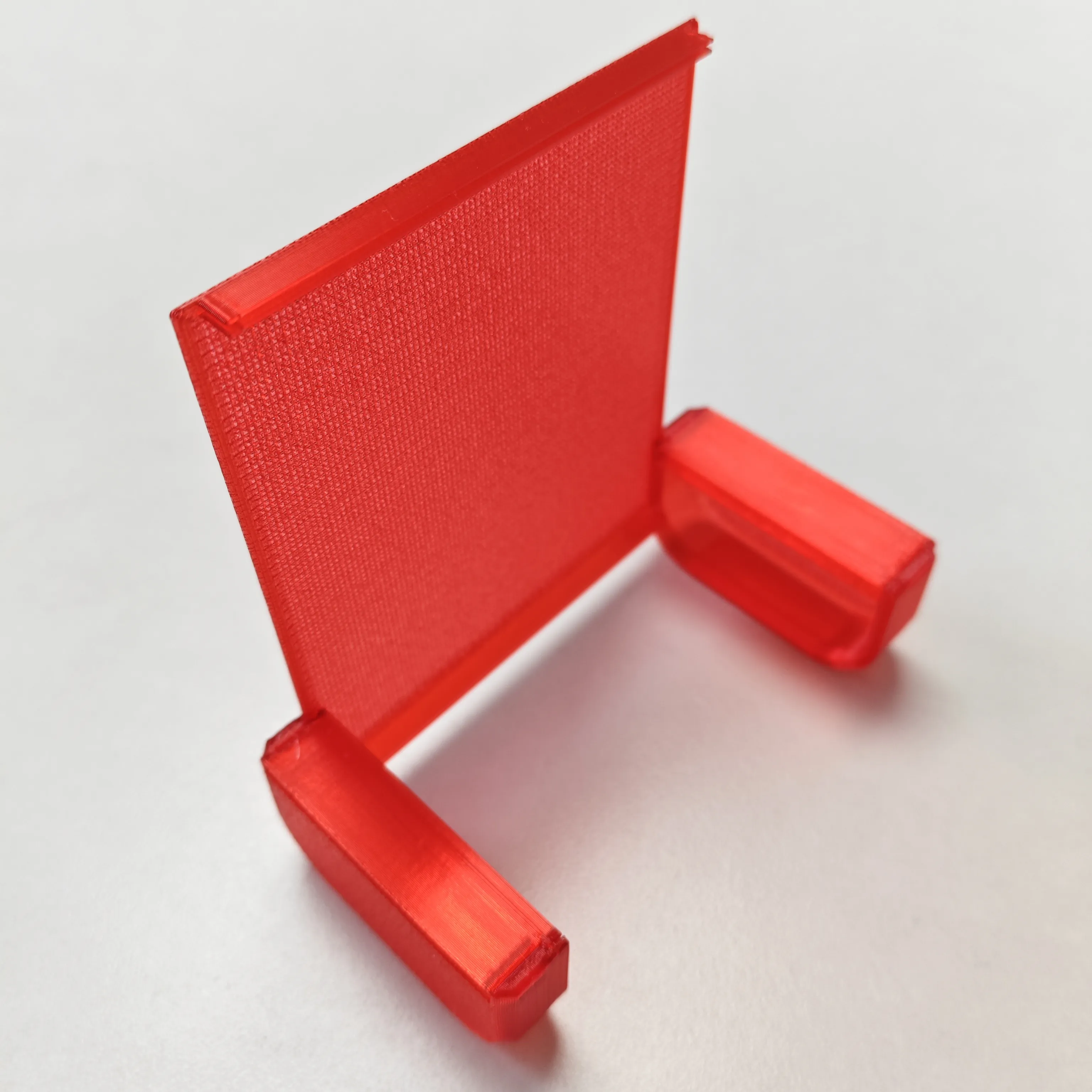
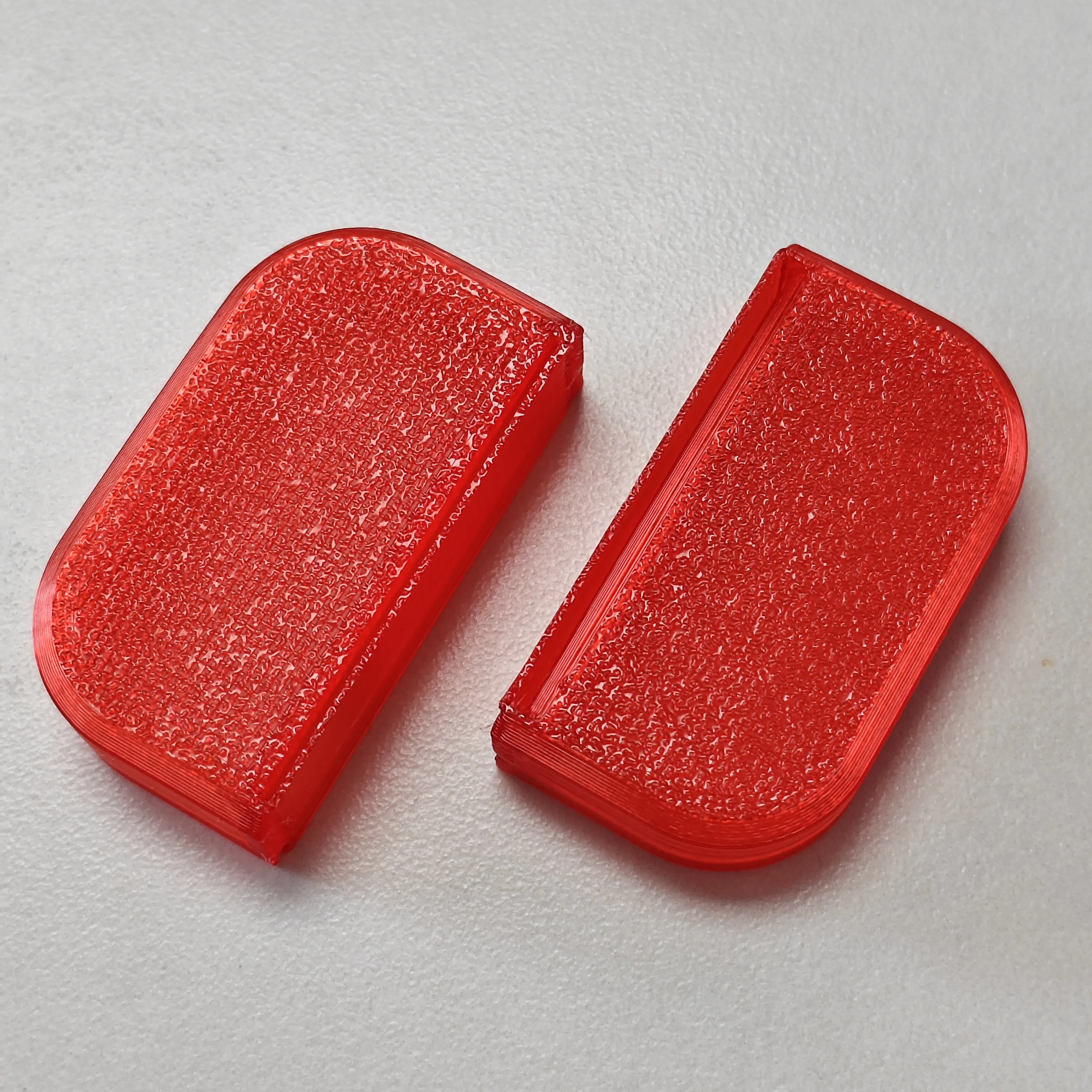
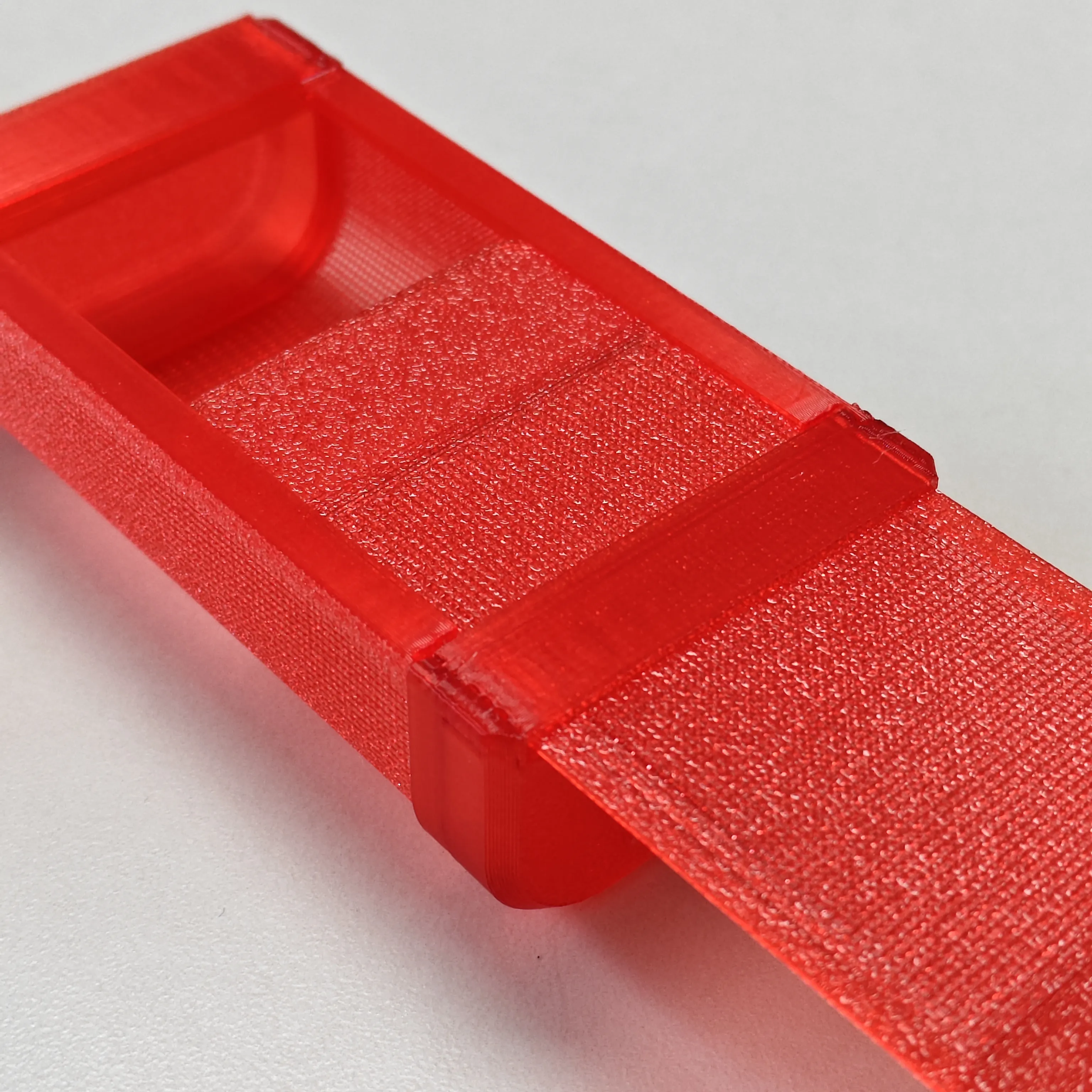
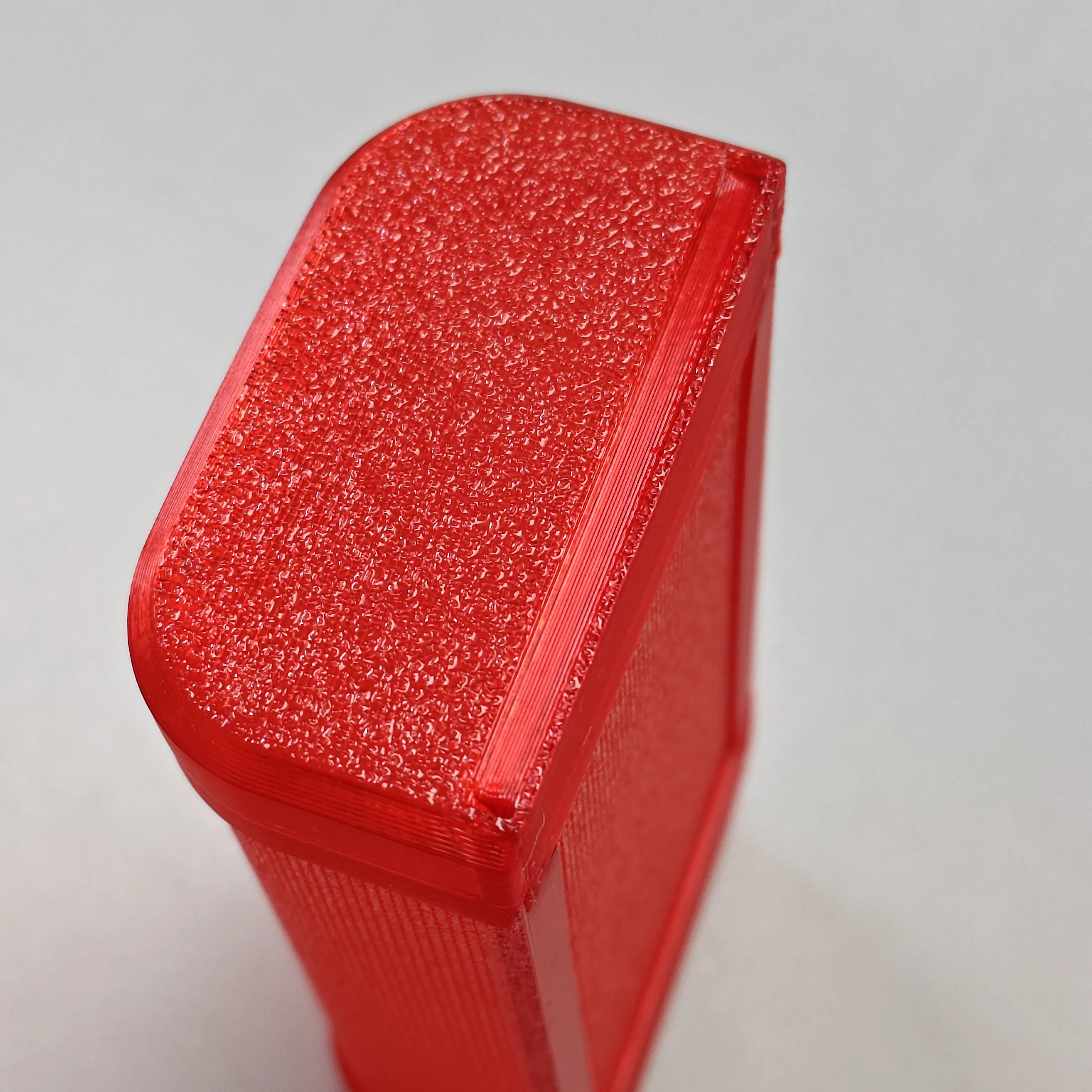
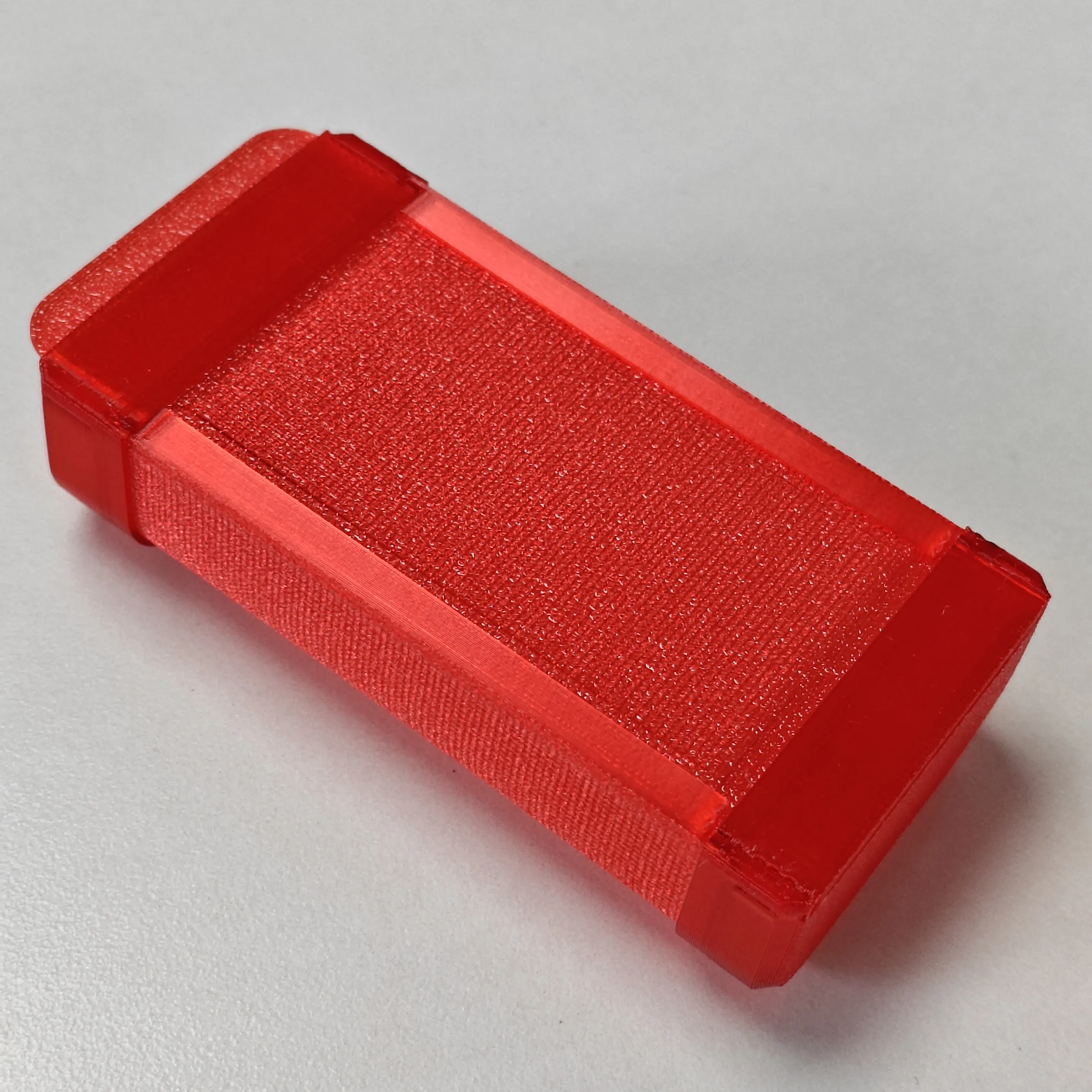
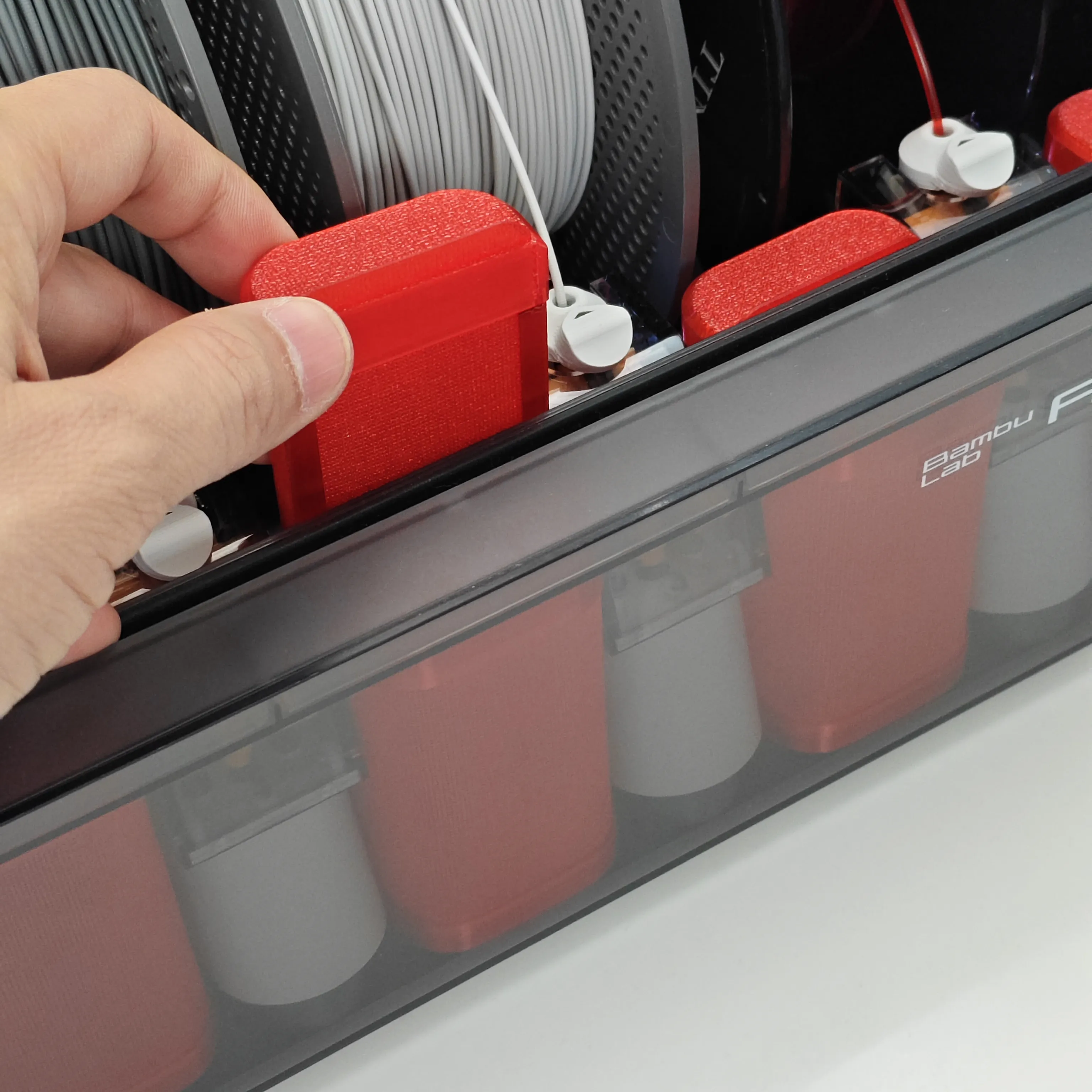
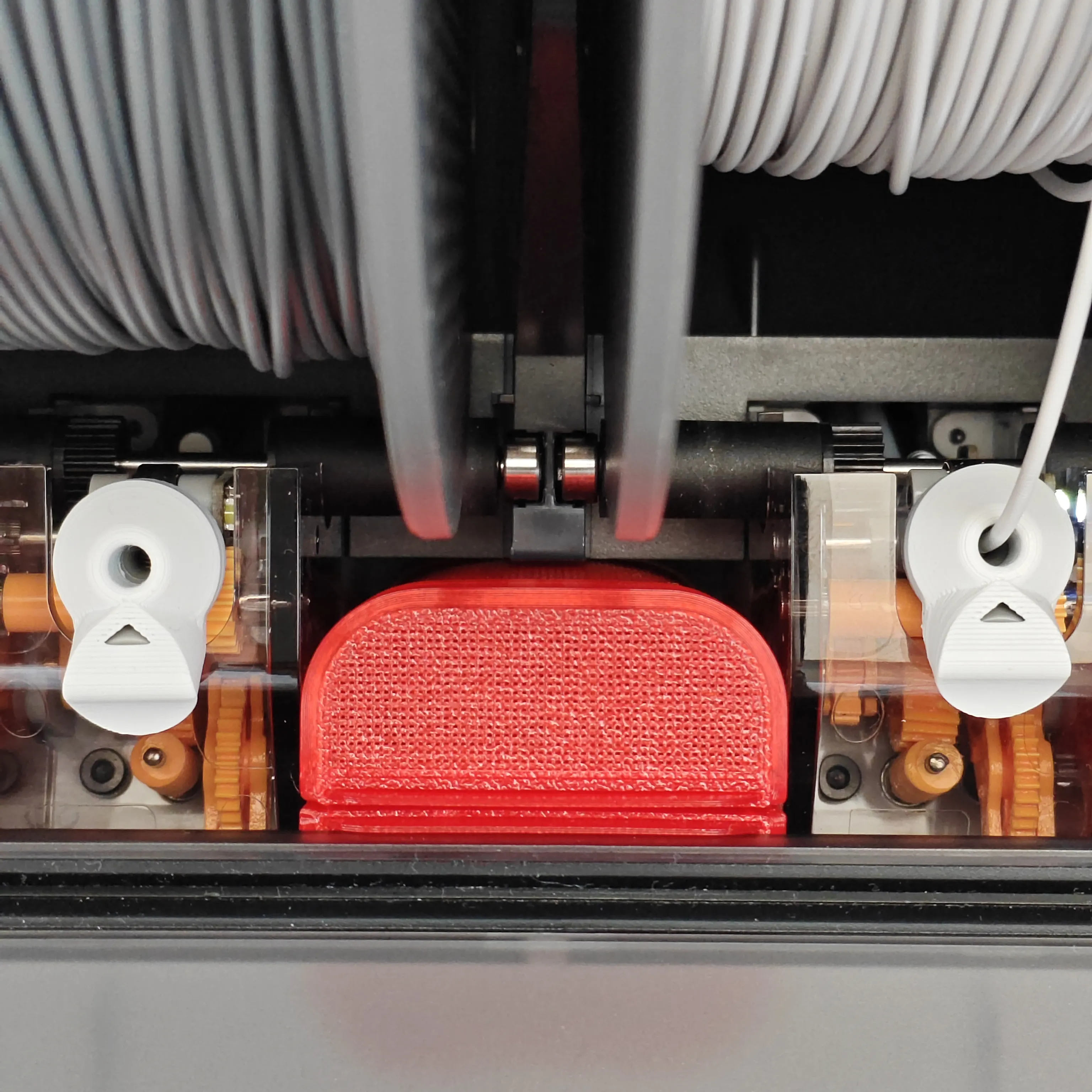
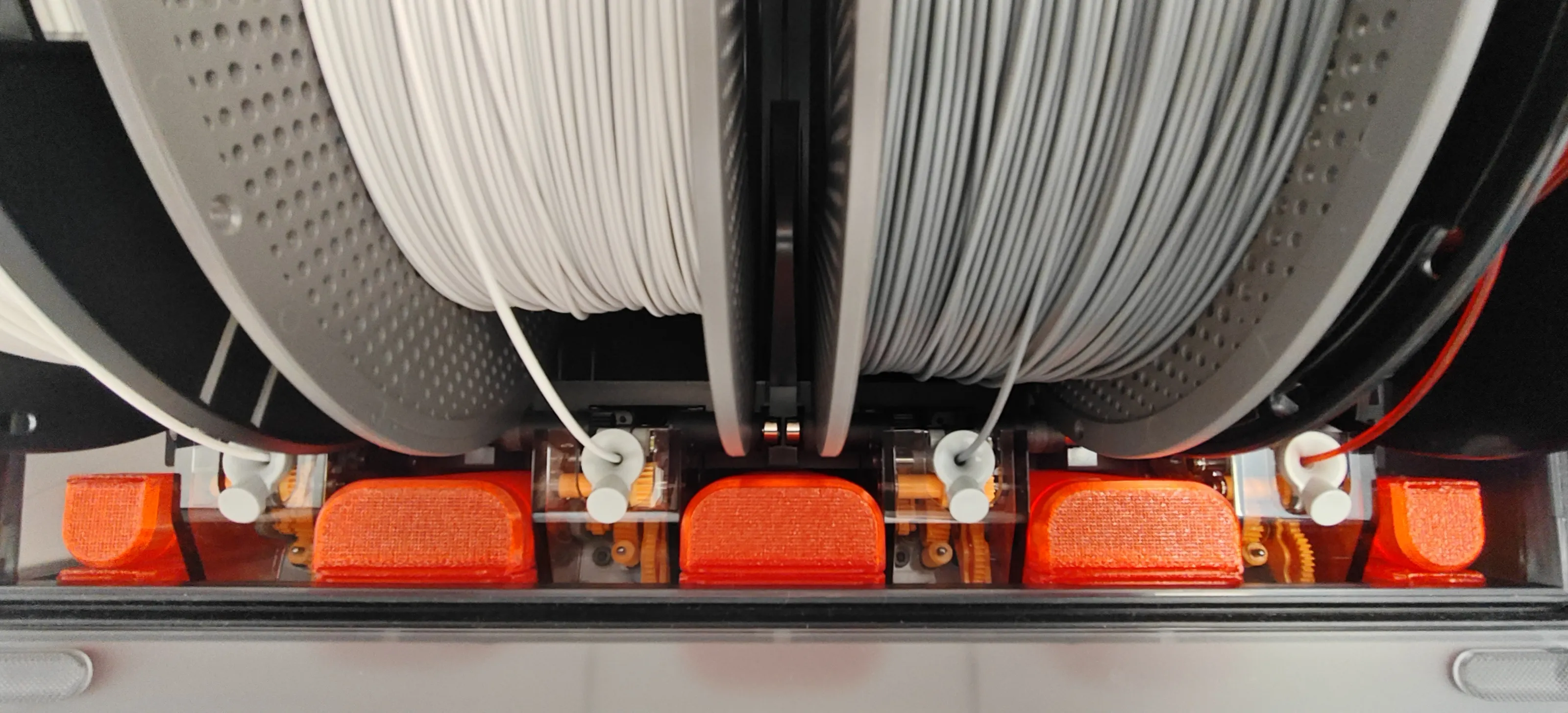
Installation must-read
During installation, ensure that the notches of the curved wall align with the notches of the top and bottom covers
During installation, you can locally spray silicone lubricant or alcohol, lubrication will make installation easier
May you never encounter spaghetti failures~
Update log
2026.04.24 Redesigned the sliding back cover routing, fixing the issue of easy rigidity breakage
Boost Me (for free)
More updates! More updates! More updates!
License

You shall not share, sub-license, sell, rent, host, transfer, or distribute in any way the digital or 3D printed versions of this object, nor any other derivative work of this object in its digital or physical format (including - but not limited to - remixes of this object, and hosting on other digital platforms). The objects may not be used without permission in any way whatsoever in which you charge money, or collect fees.


Comment & Rating (1)