
Pterodactyl skeleton 3D Puzzle
Print Profile(5)
Description
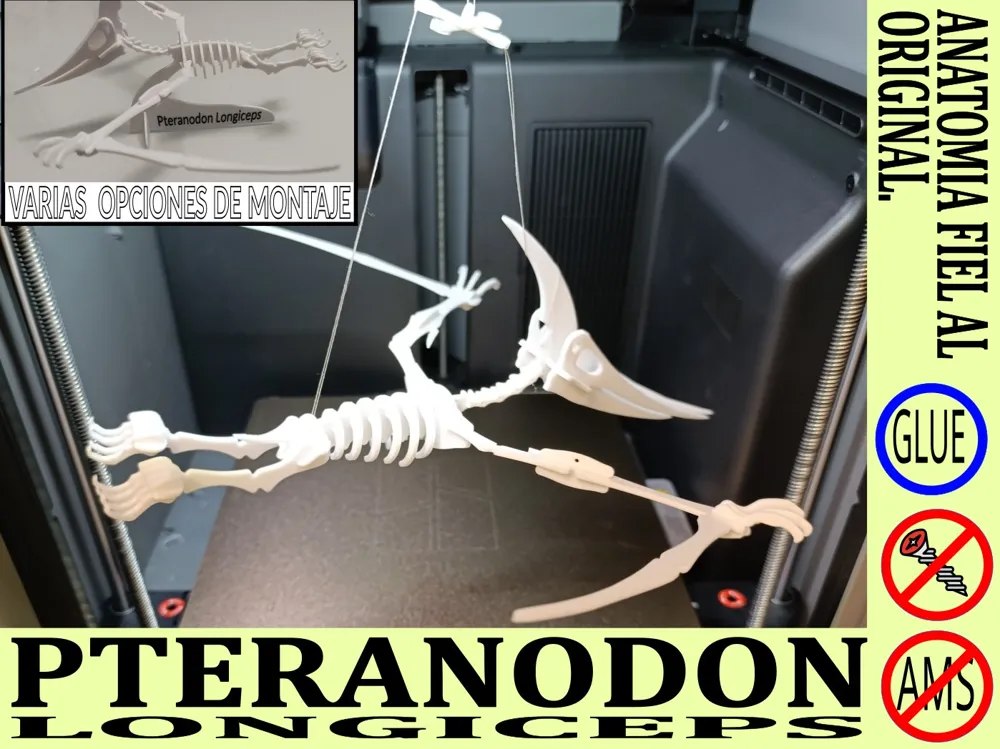
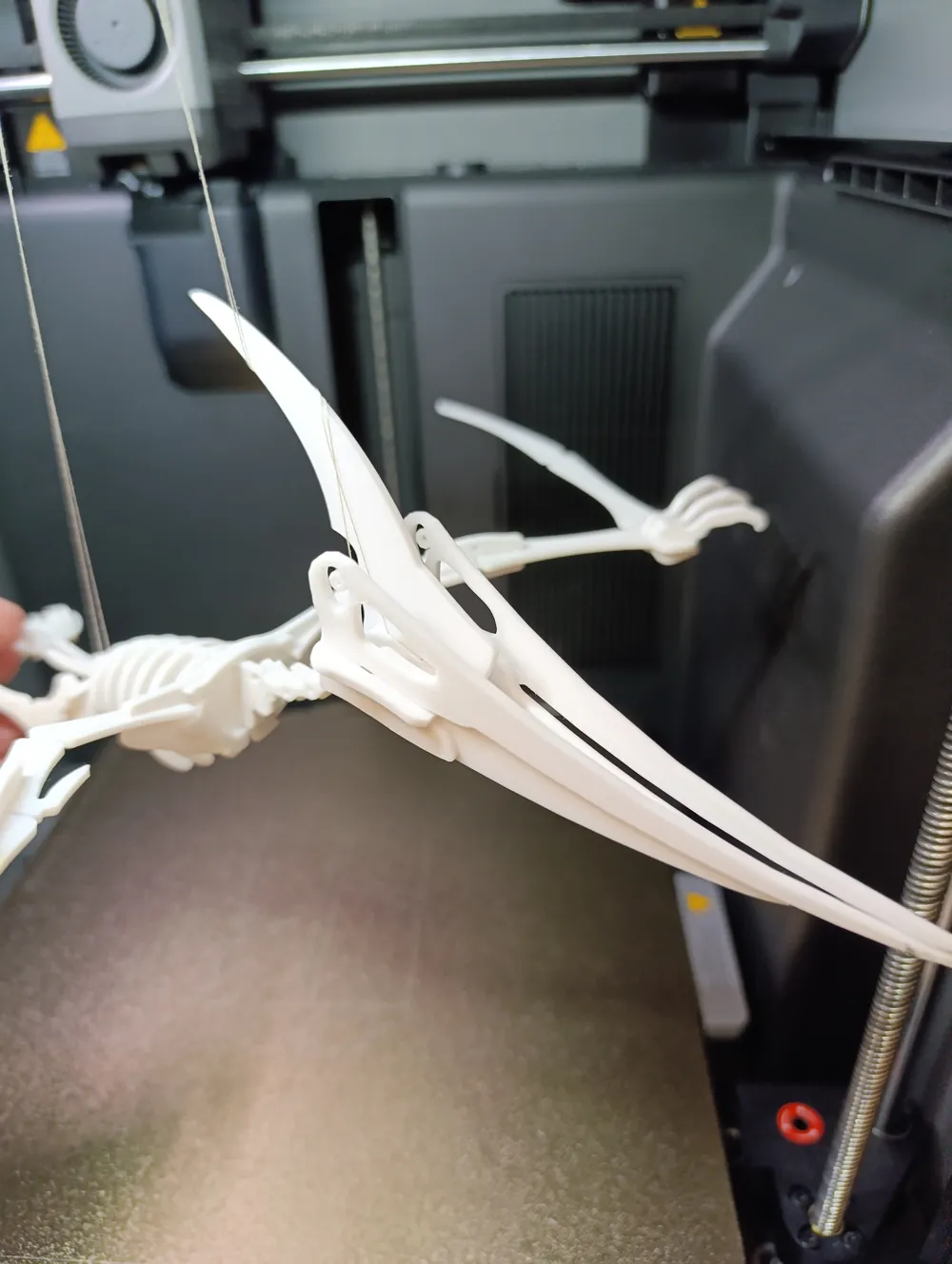
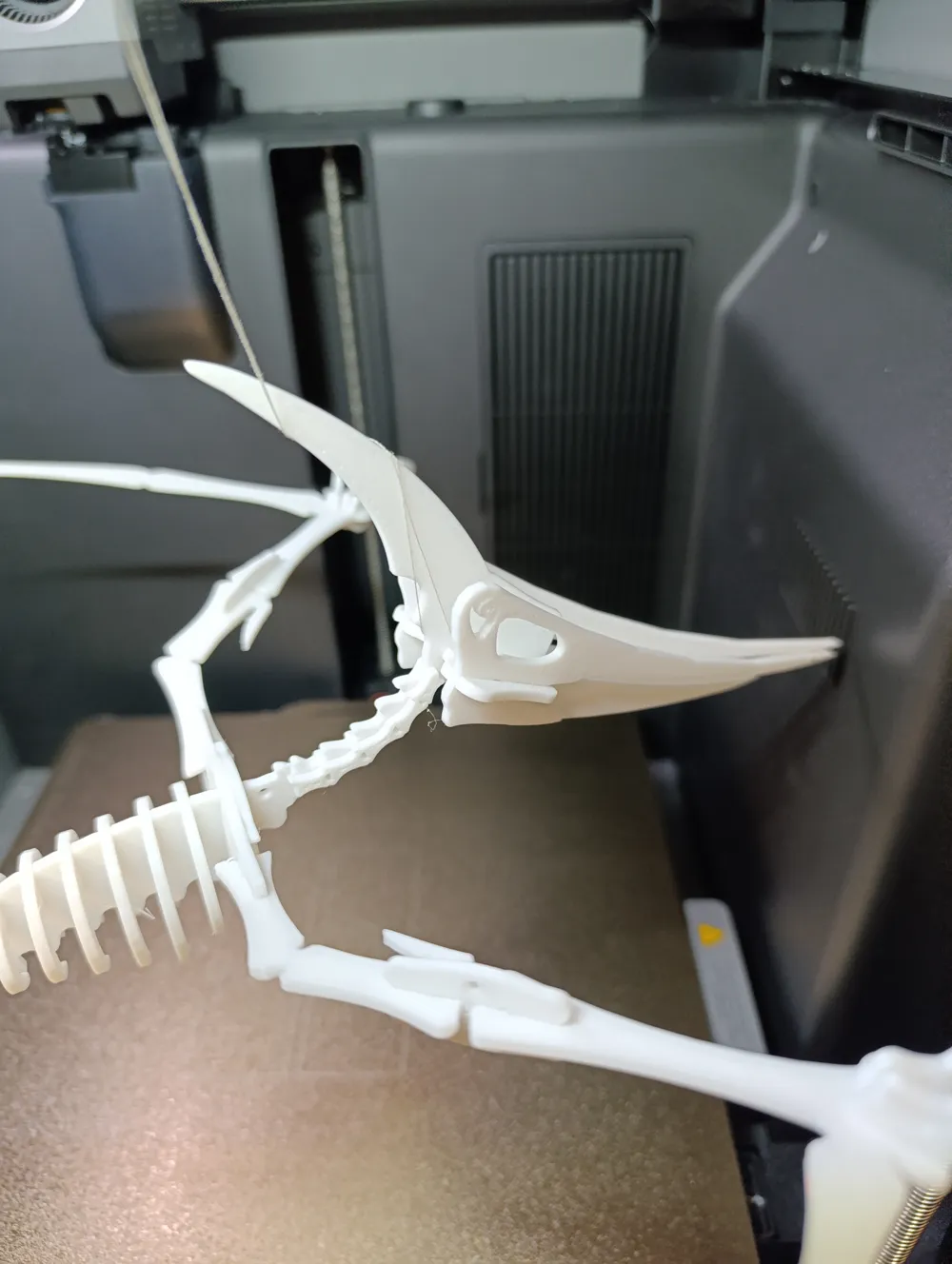
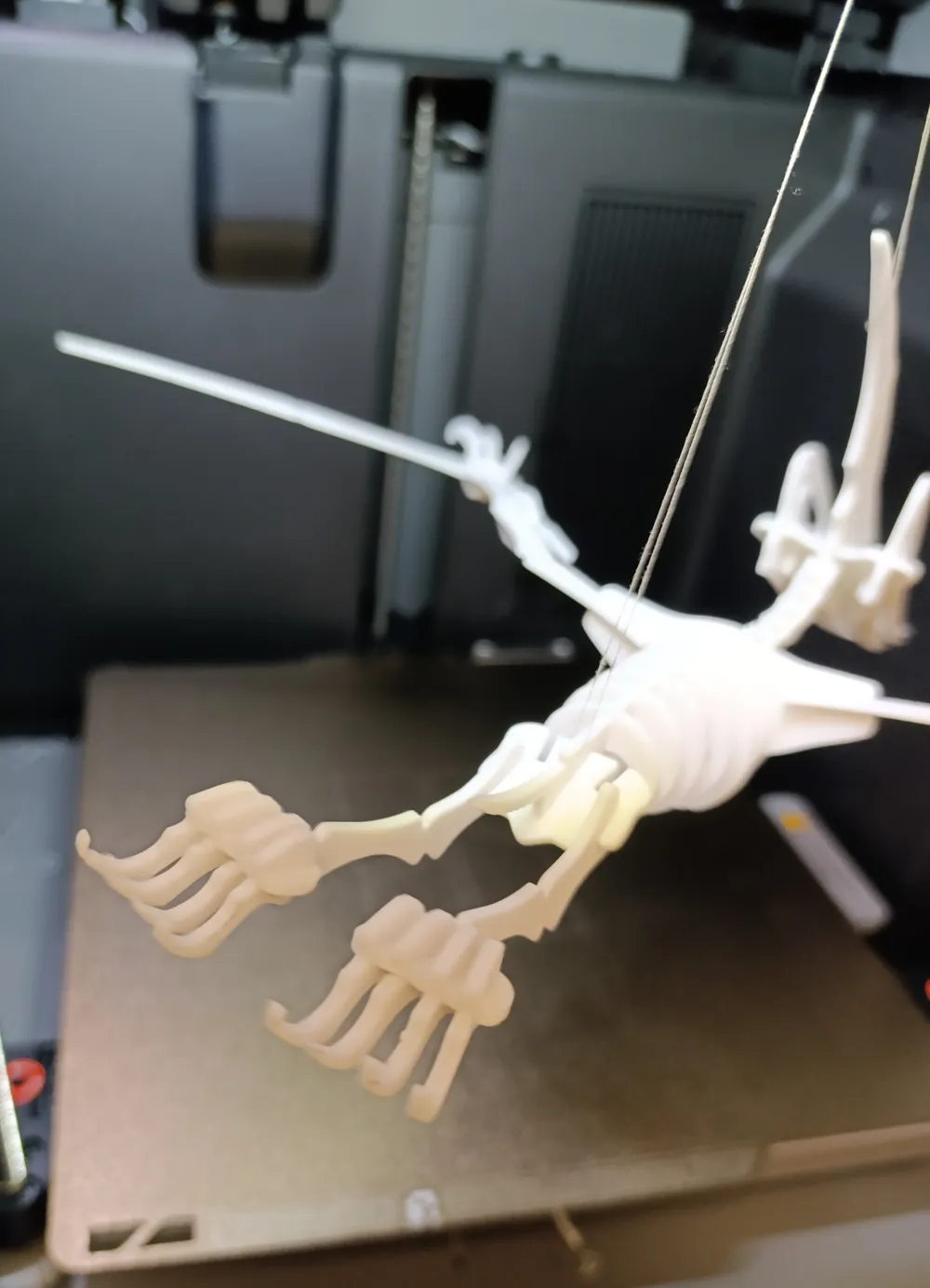
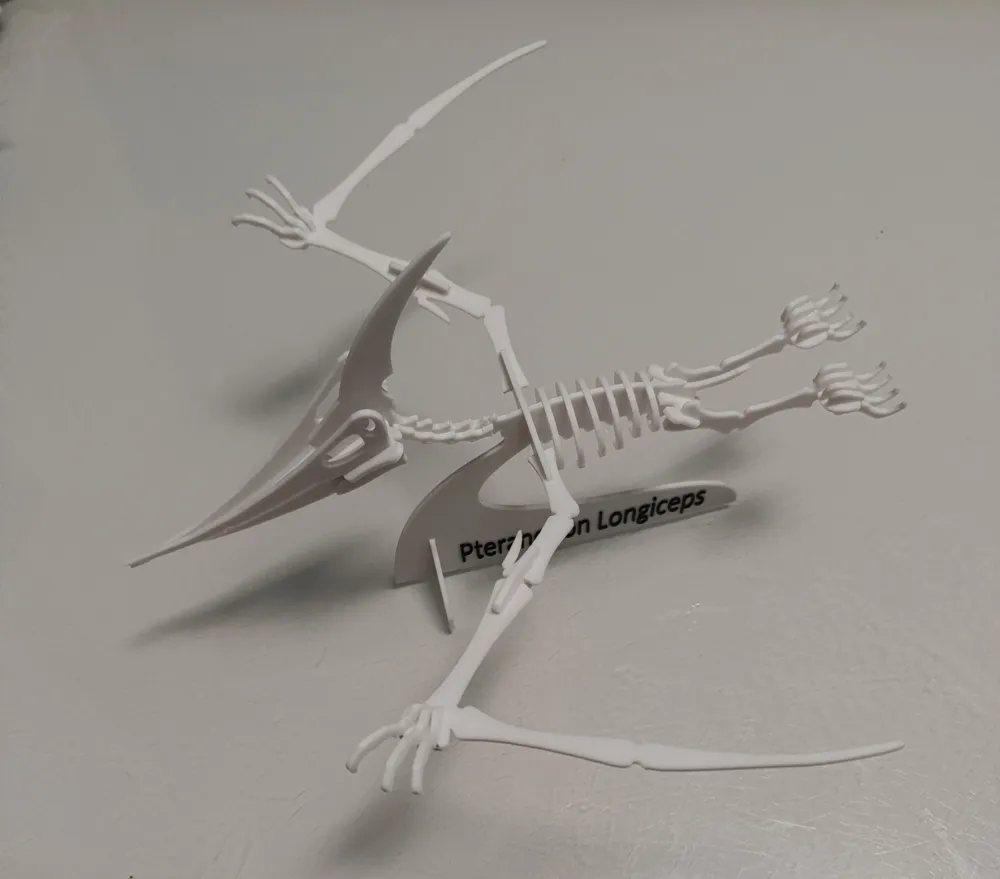
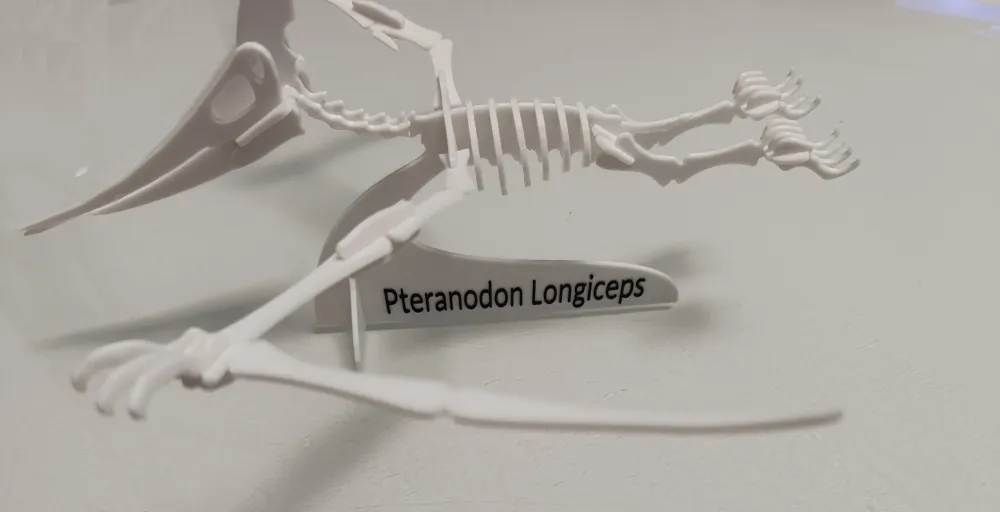
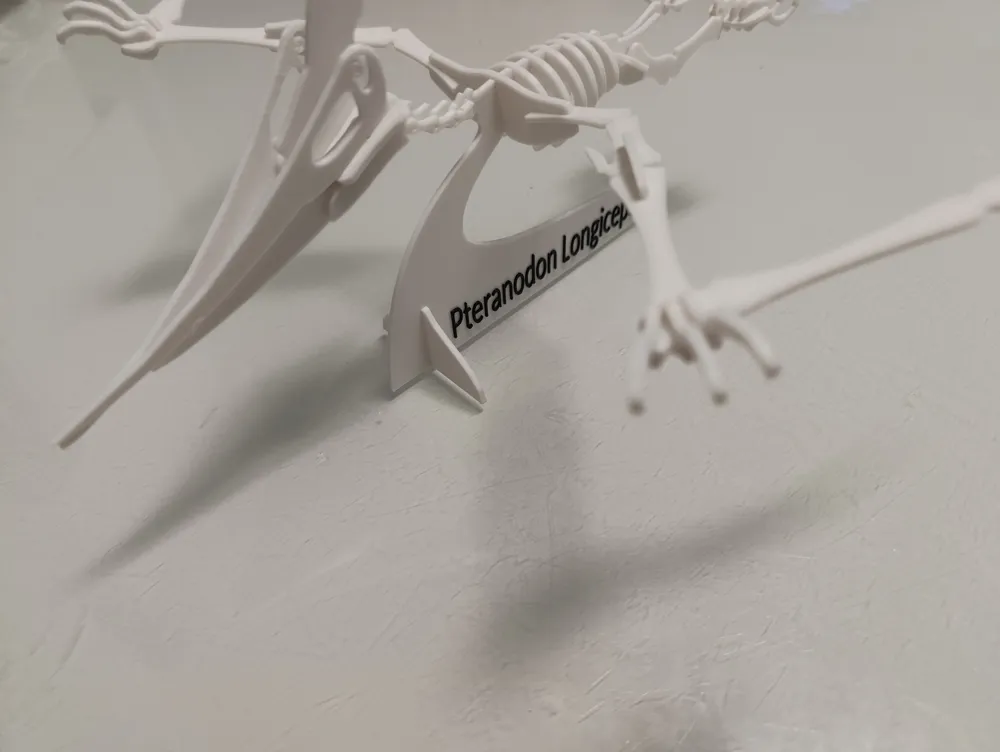
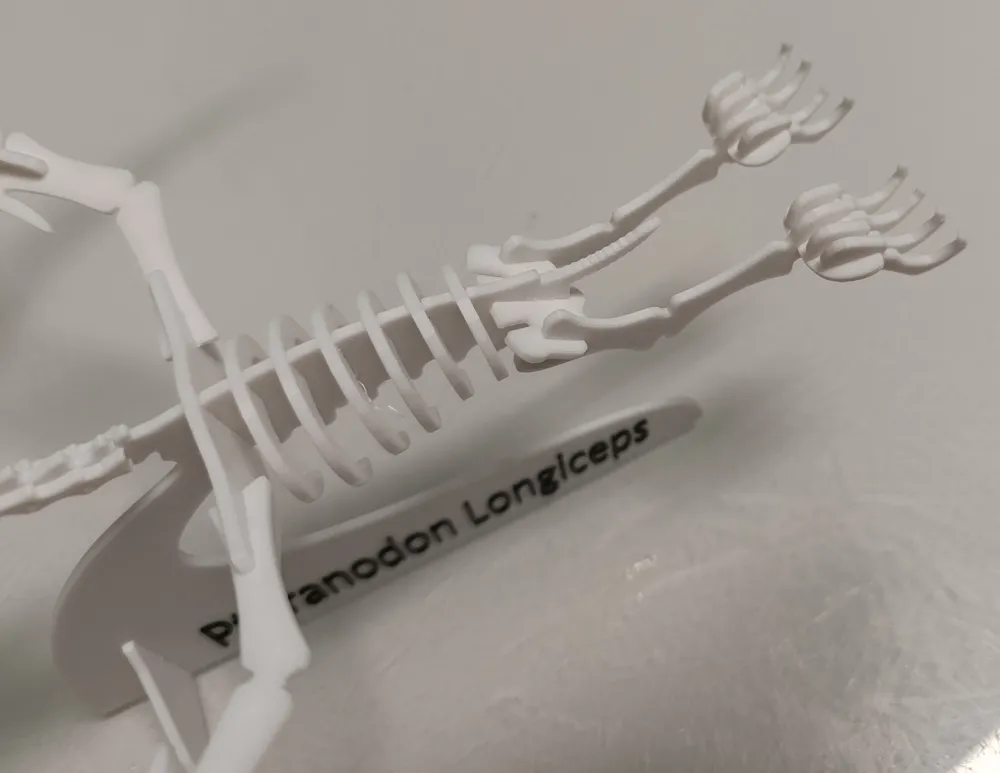
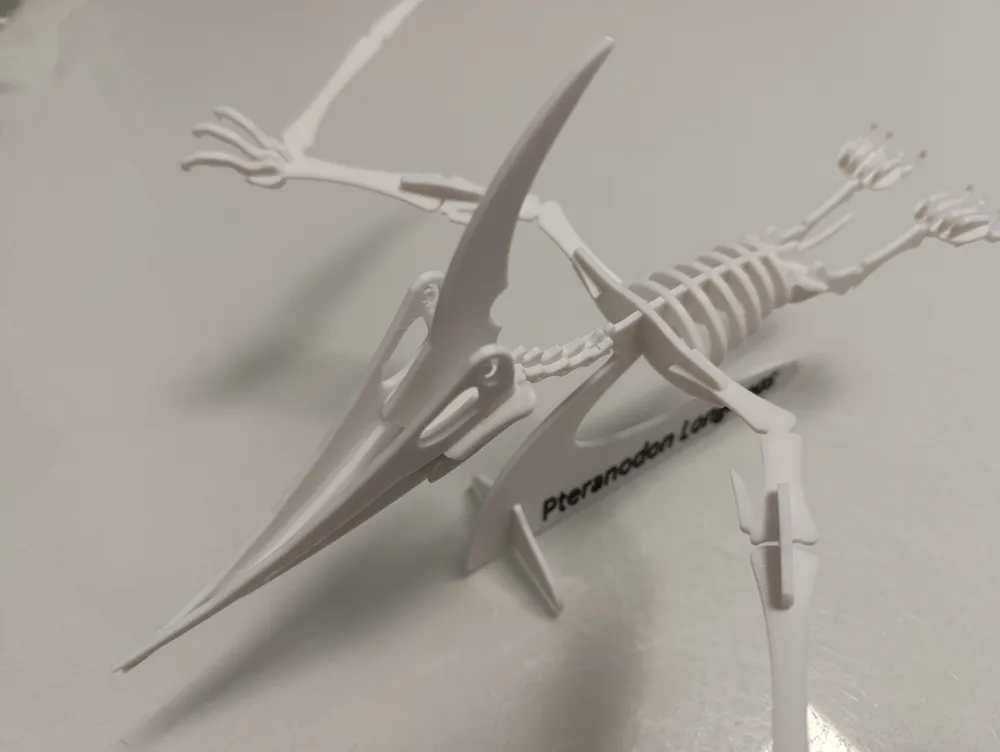
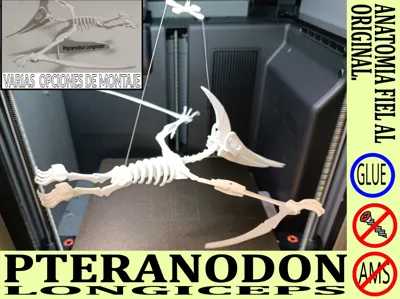
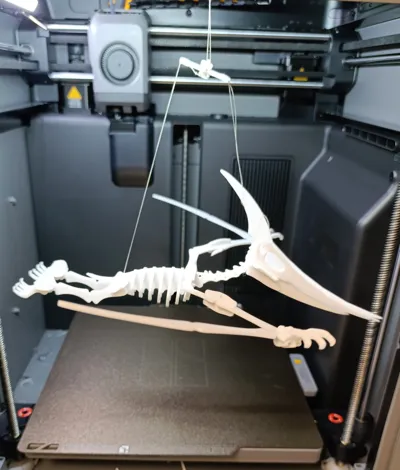
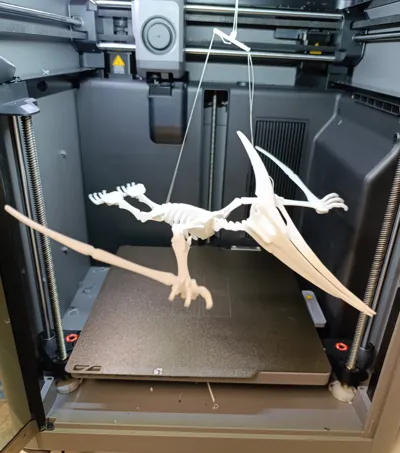
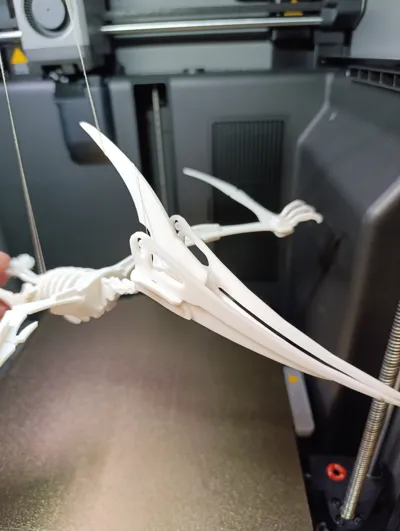
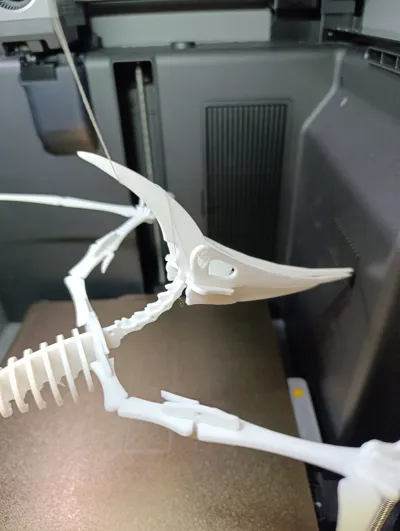
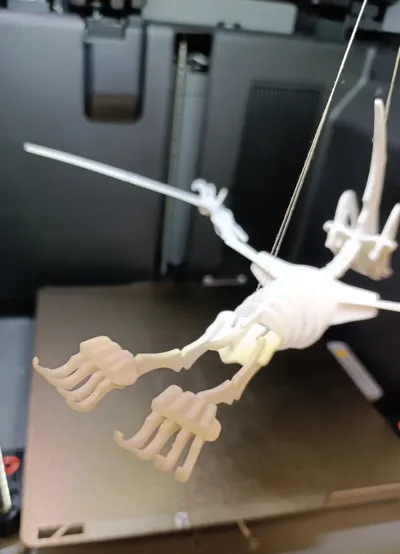
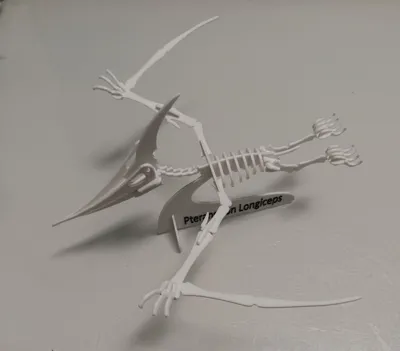
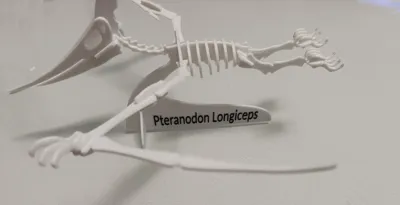
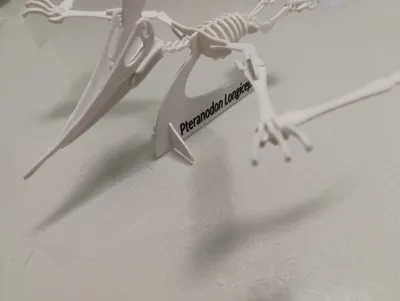
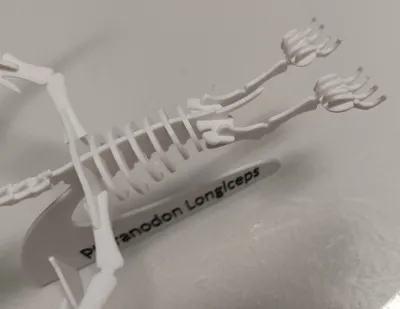
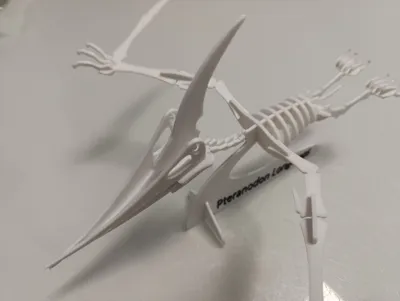
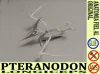
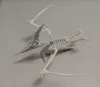
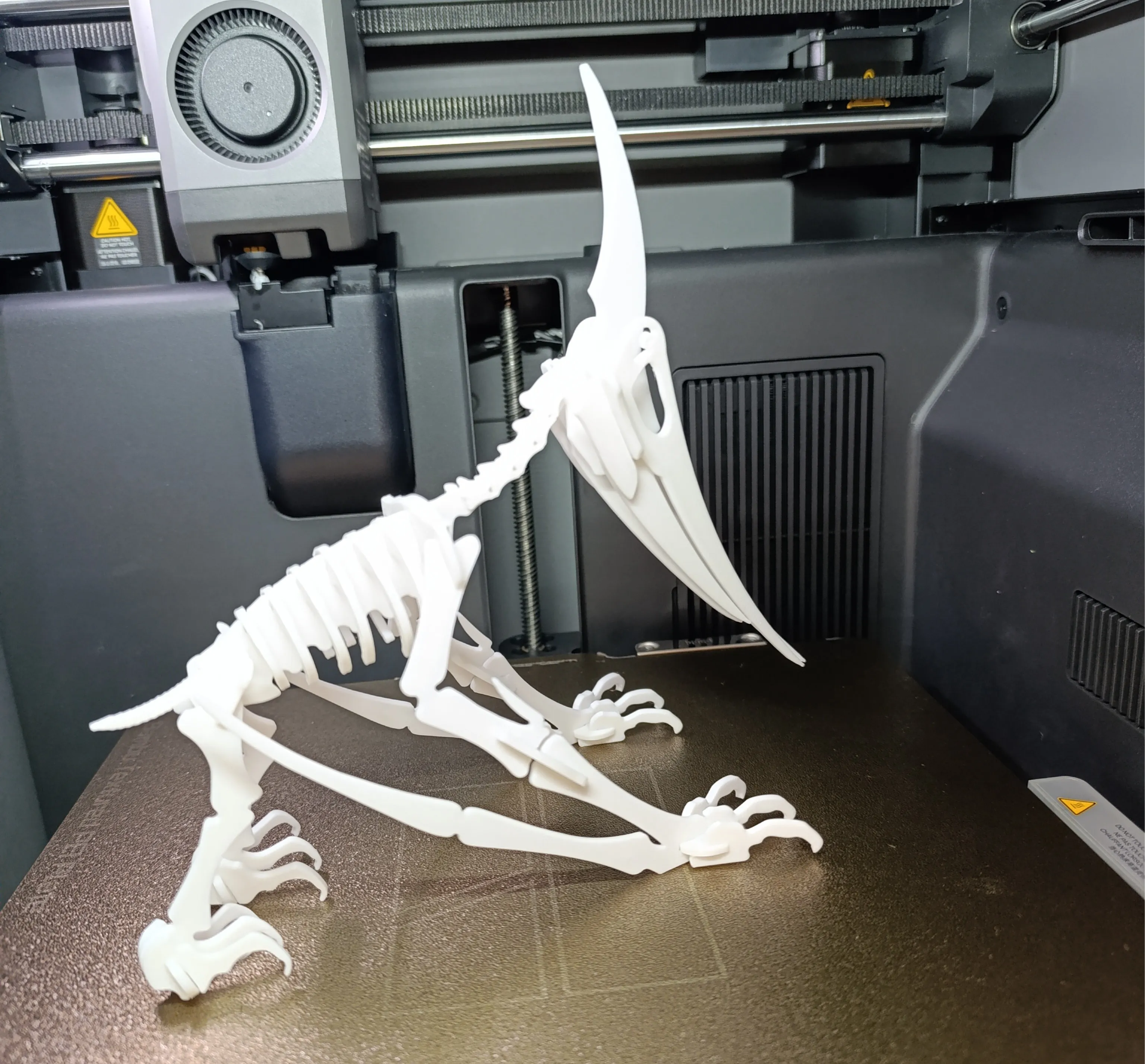
3D SKELETON PUZZLE OF A PTERANODON LONGICEPS
BRIEF DESCRIPTION OF THE DINOSAUR
Pterosaurs are not dinosaurs. The term "dinosaur" is restricted to certain groups of reptiles with a unique upright posture (the superorder Dinosauria, which includes birds), and therefore excludes pterosaurs, as well as several groups of extinct marine reptiles such as ichthyosaurs, plesiosaurs, and mosasaurs.
Species of Pteranodon are very well represented in the fossil record, allowing for detailed descriptions of their anatomy and lifestyle. Nearly 1000 specimens have been identified, though fewer than half are complete enough to provide researchers with good information about the animal's anatomy. Even so, these are many more fossils than known for any other pterosaur, and this includes both male and female specimens from various age groups and, possibly, species.
Fossils of Pteranodon are primarily known from the Niobrara Formation in the central United States. Broadly speaking, Pteranodon existed for over four million years, from the late Coniacian to the early Campanian stages of the Cretaceous Period.[5] The genus is present in many of the Niobrara Formation layers except for the uppermost two; in 2003, Kenneth Carpenter provided the distribution and dating of fossils from this formation, demonstrating that Pteranodon sternbergi existed between 88 to 85 million years ago, while P. longiceps existed between 86-84.5 million years ago.
WHY CHOOSE THIS MODEL?
Most puzzle-type skeleton models of different dinosaurs are derived, in most cases identical to those patterns made in schools in the 90s/2000s. These models were designed to be hand-sawn from 3 mm thick plywood sheets, so the "bones" were typically rough, which is logical, as delicate components in the design would have easily broken when sawn.
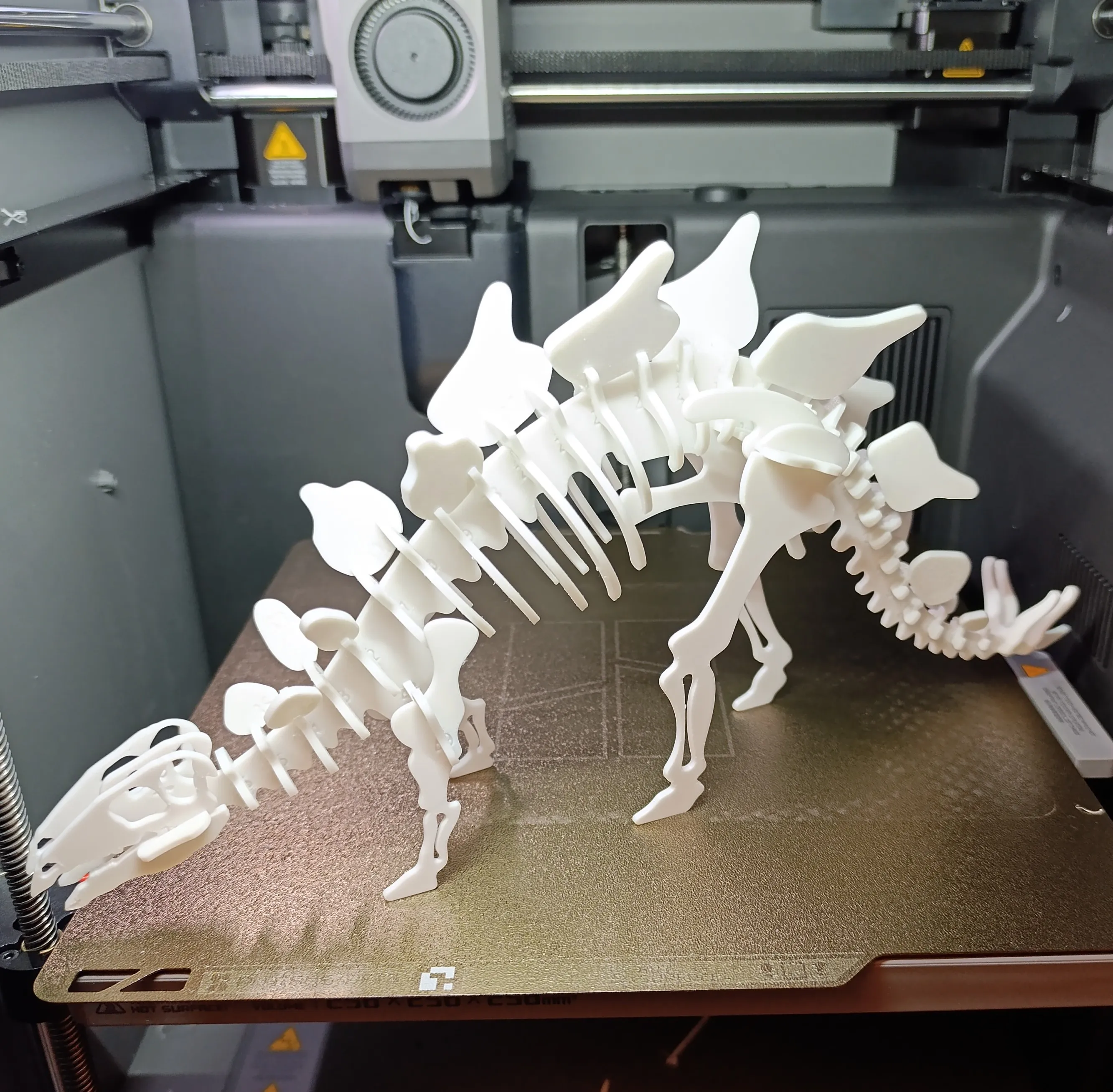
For my designs, I also started from the same old patterns, but I took advantage of current technical possibilities to assimilate skulls, ribs, vertebrae, etc., and also the assembly patterns to the real skeletons of dinosaurs. In the following image, we can compare the classic Stegosaurus model against my current design, where the way the upper plates fit onto the ribs, or the change in the level of detail in elements like the skull, can be quickly appreciated.
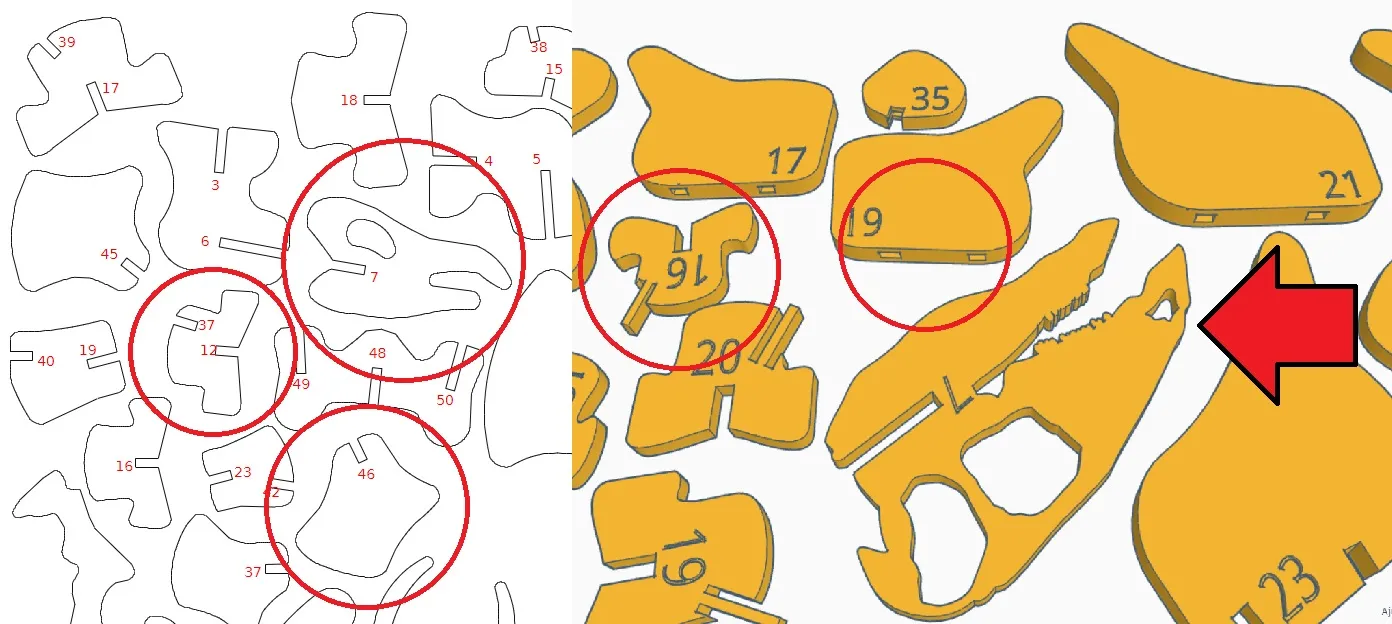
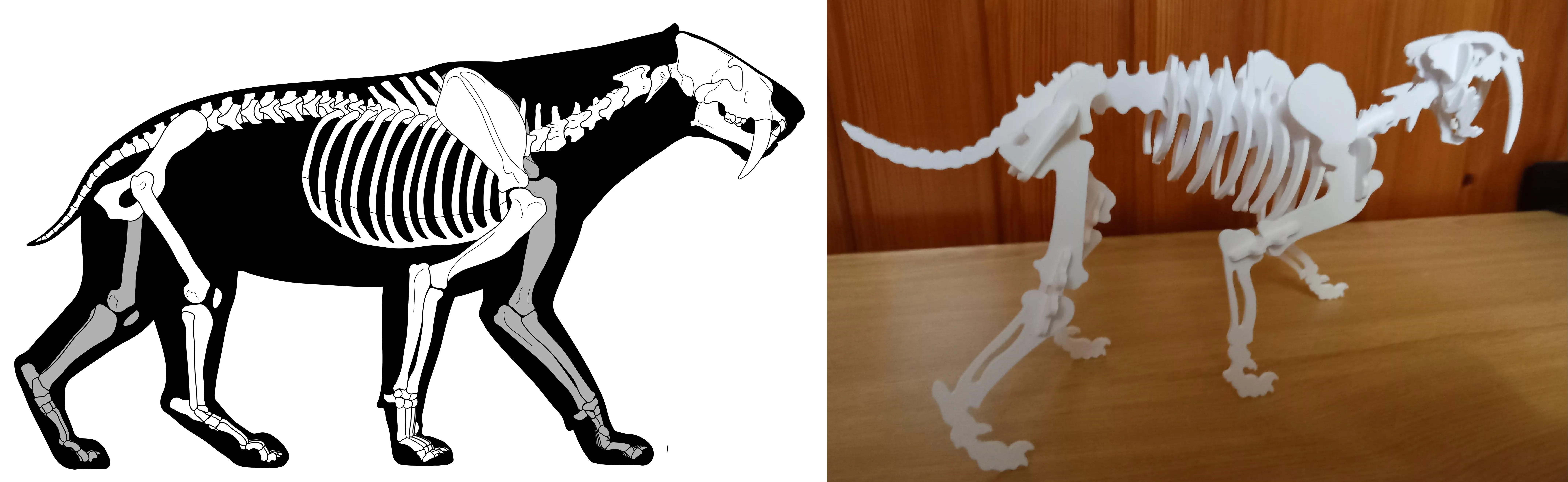
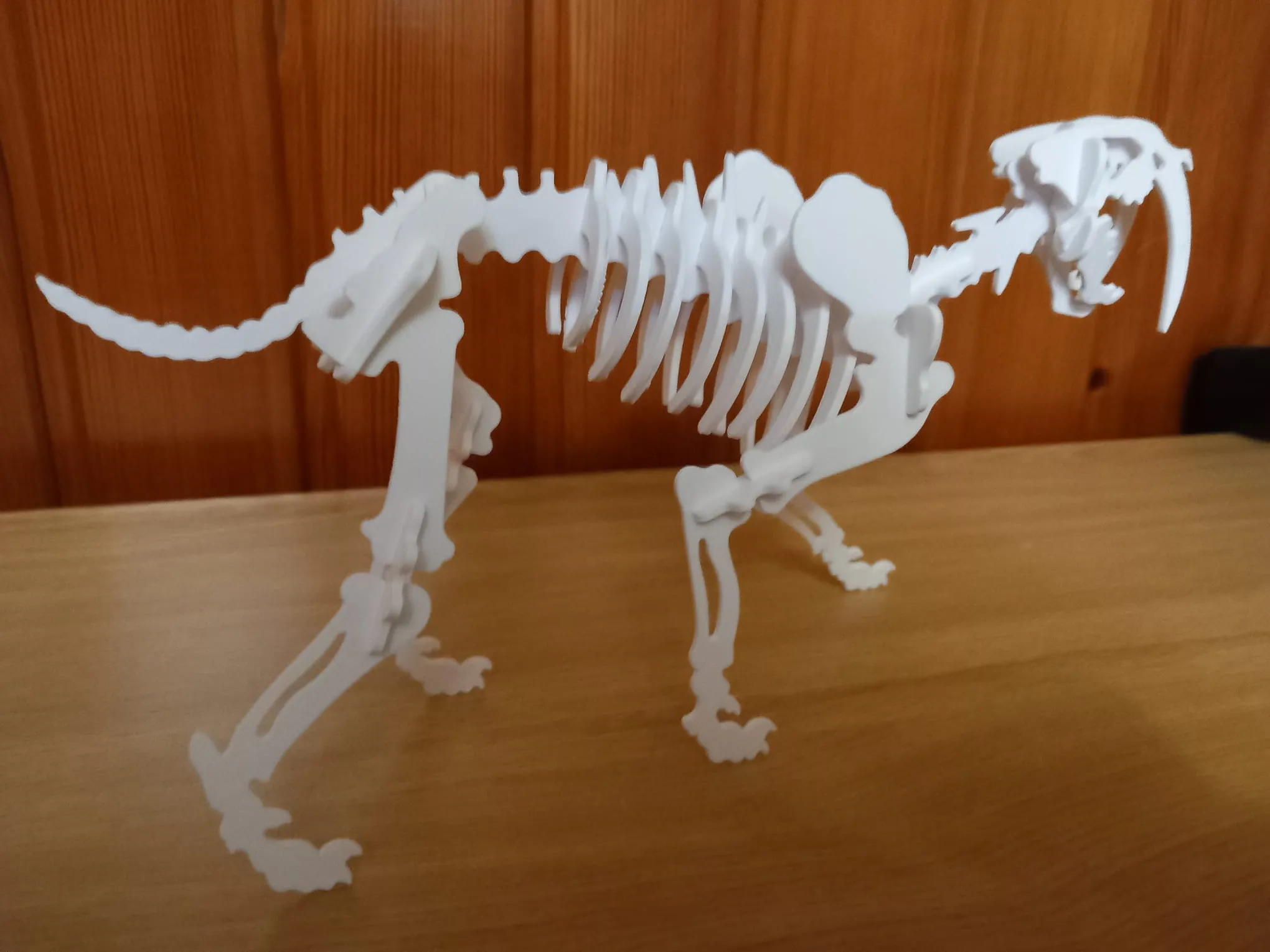
In this image, at first glance, we can see how, in the development of the *Smilodon* (saber-toothed tiger) skeleton system, efforts were consistently made not to deviate too much from the animal's real anatomy.
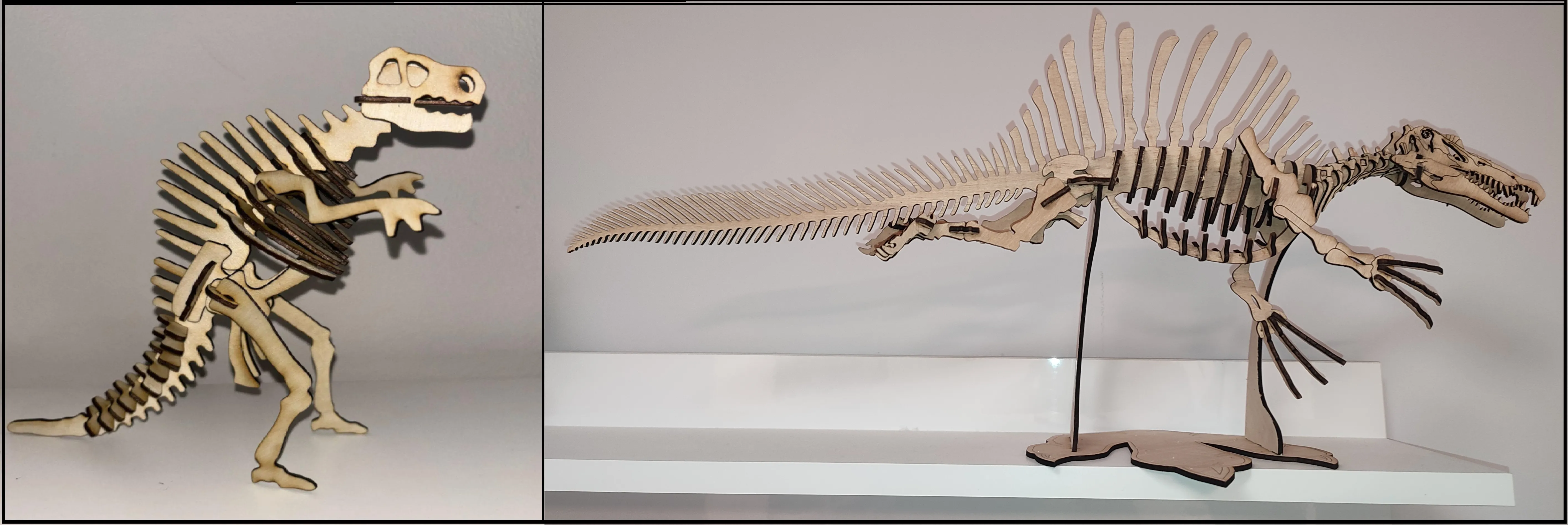
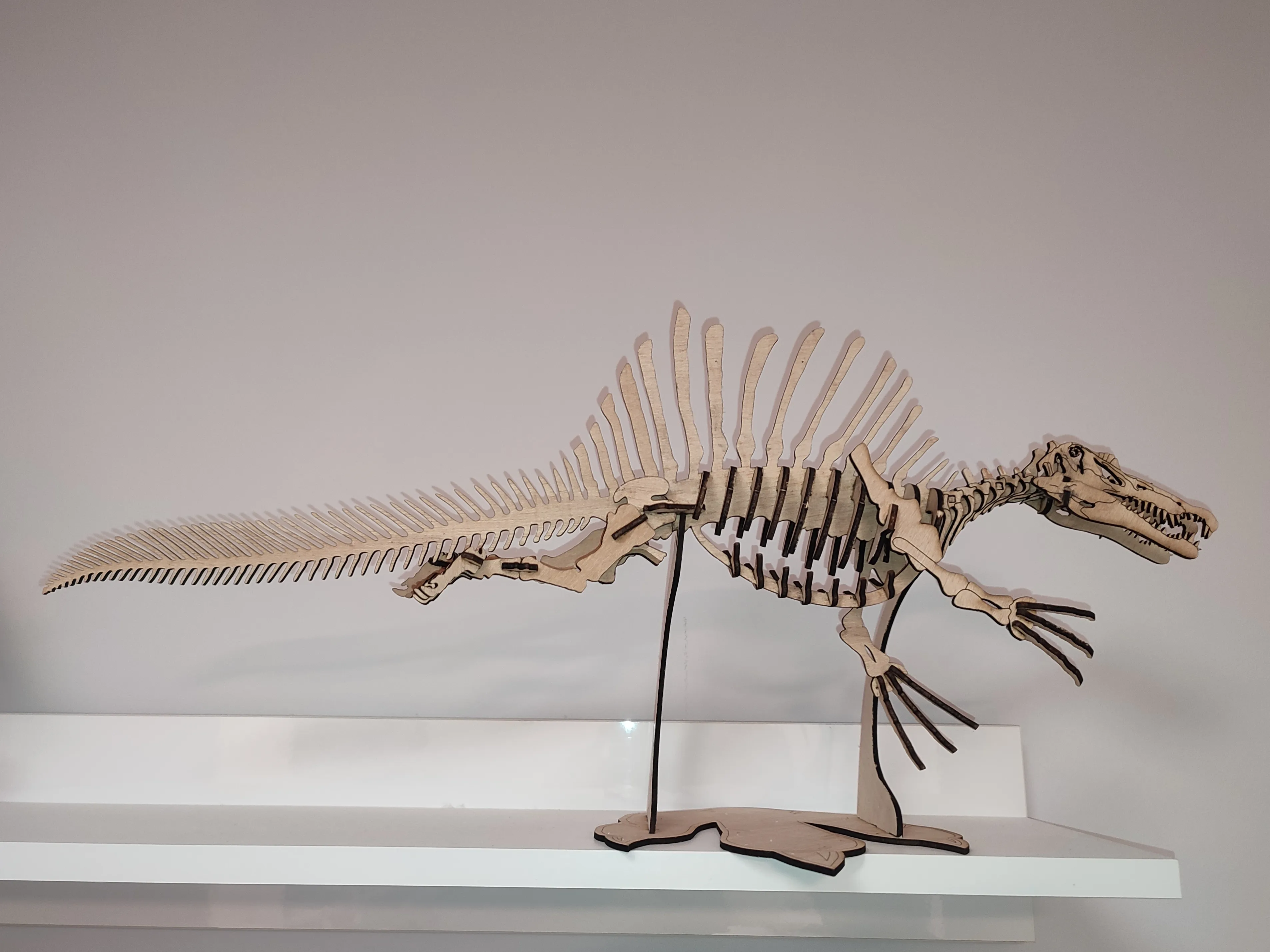
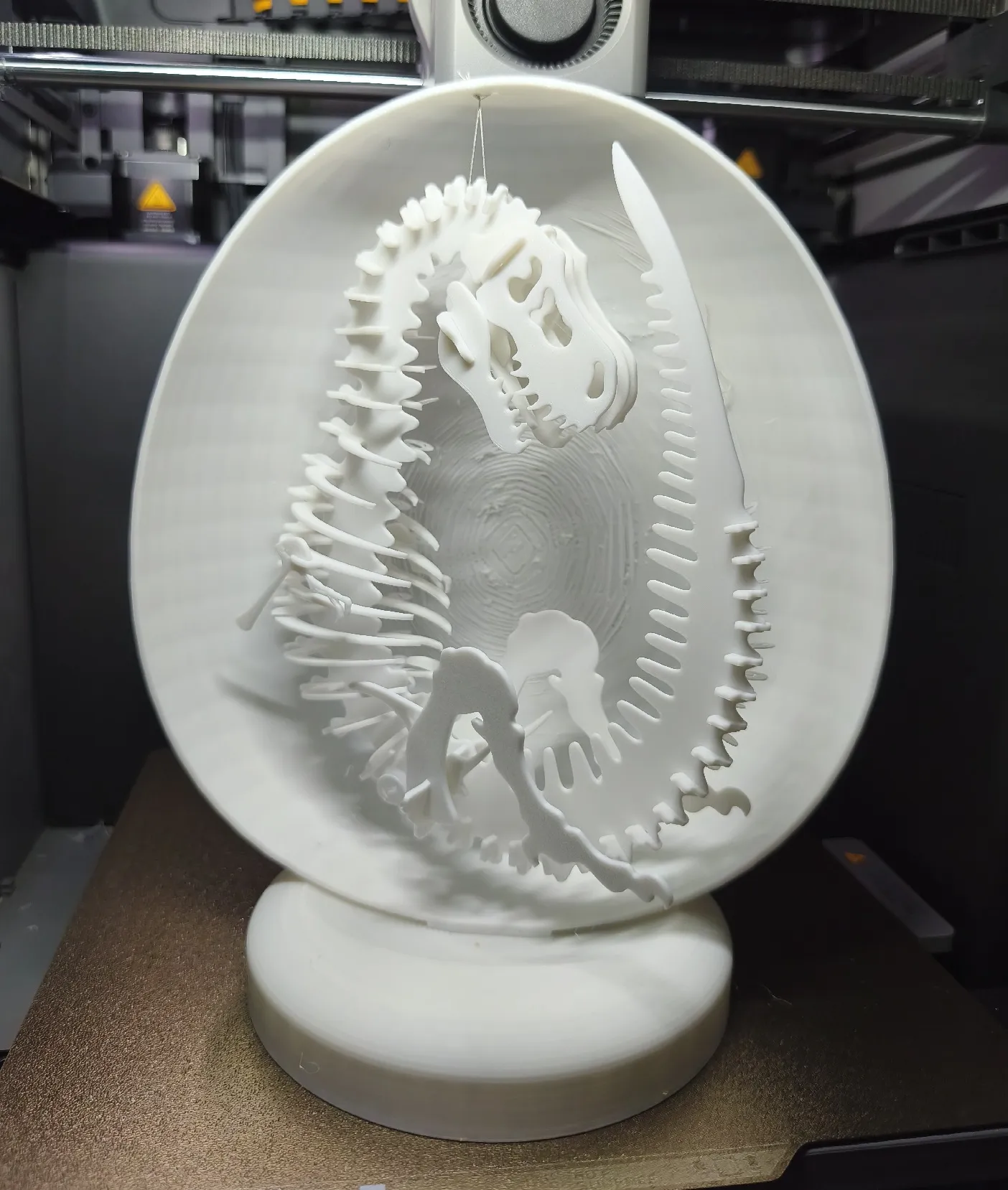
On the other hand, efforts have also been made to adapt the designs to the latest theories accepted by the scientific community regarding the skeleton. In the following image, we can observe the classic Spinosaurus skeleton, made according to the oldest interpretation of the found bones, which in some way assimilated it to a Tyrannosaurus, alongside my design, which is more in line with the interpretation currently accepted by the scientific community.
DOWNLOADABLE STLs
Although the profiles have been prepared for 256x256 mm build plates, I have also uploaded all the pieces separately, downloadable in STL format so that the model can be printed on printers with smaller build plates.
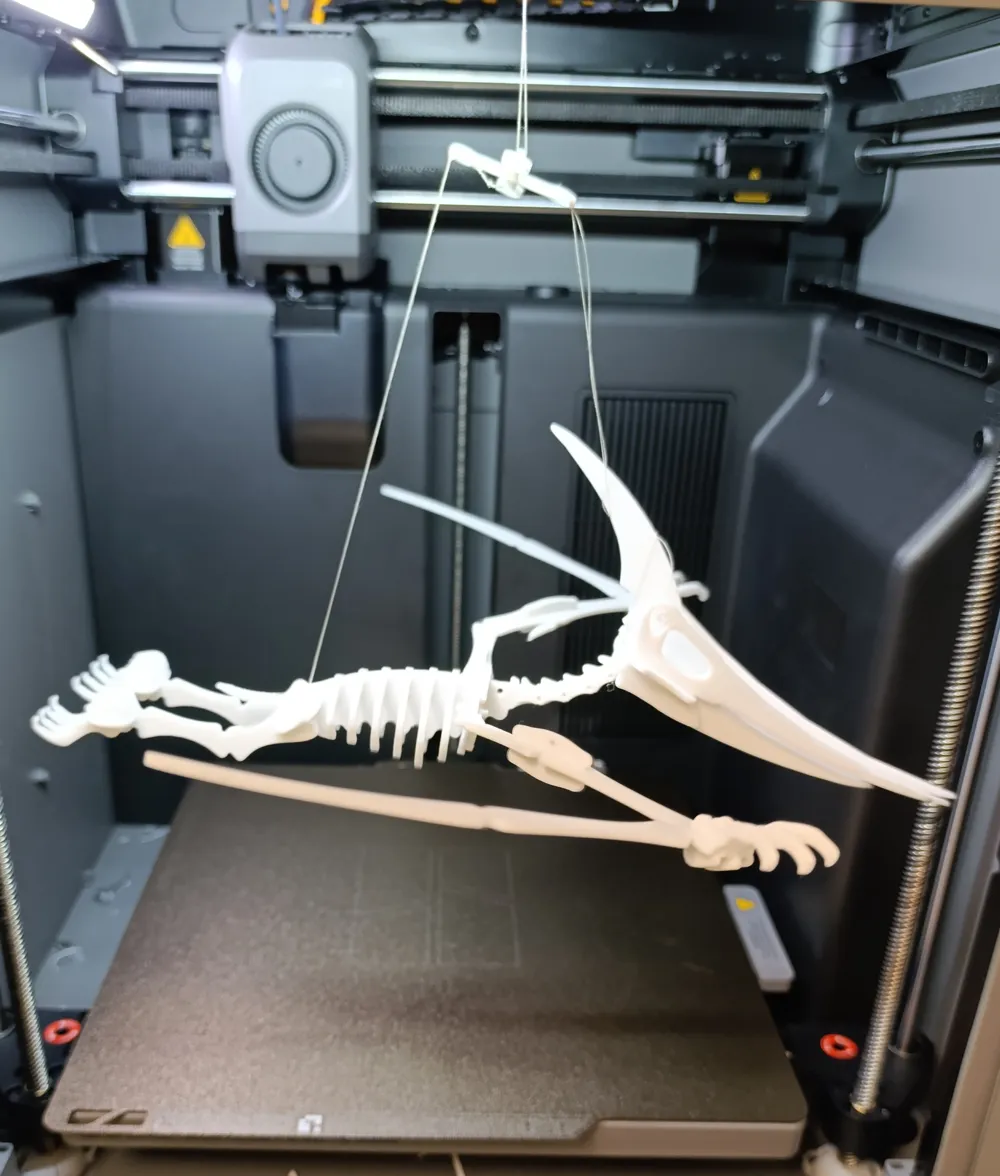
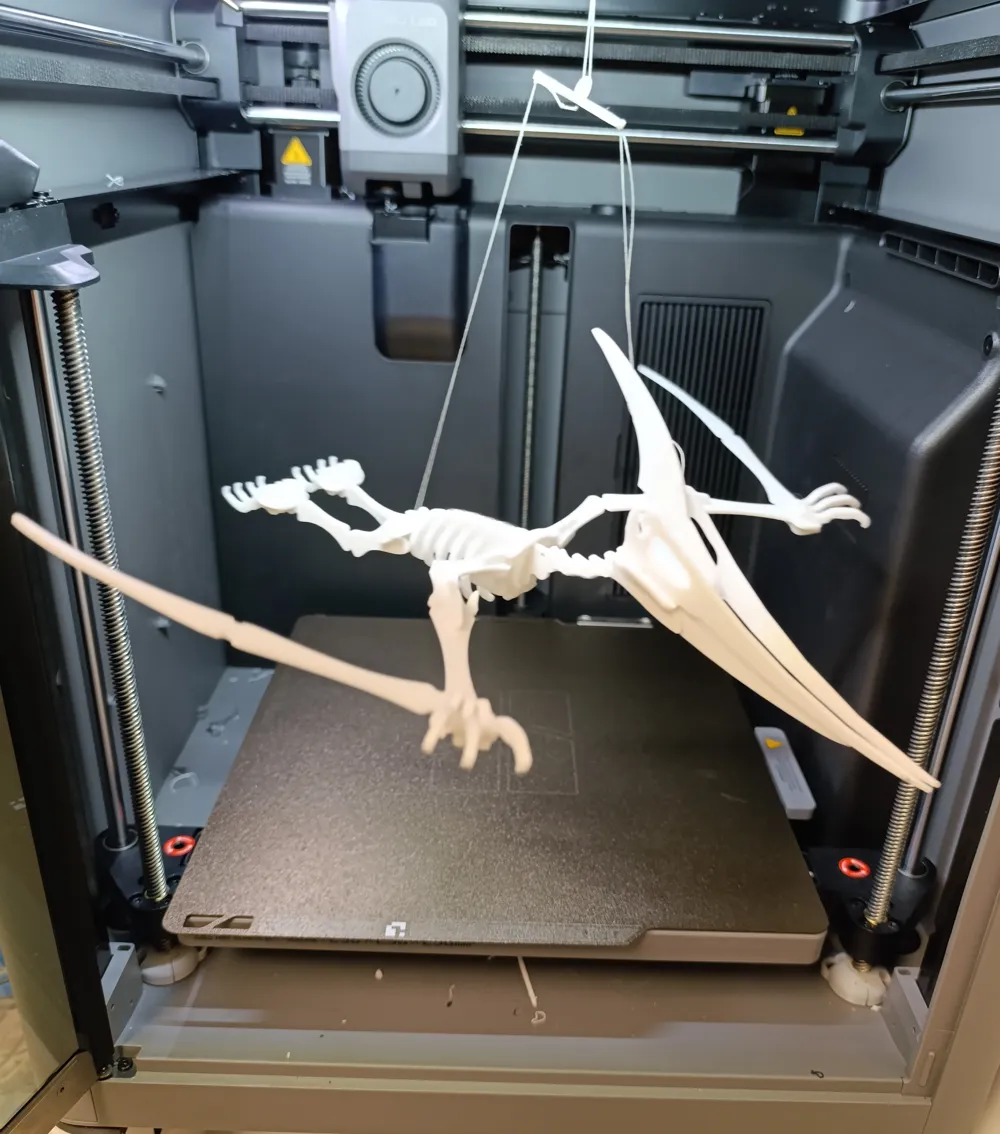
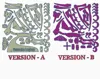
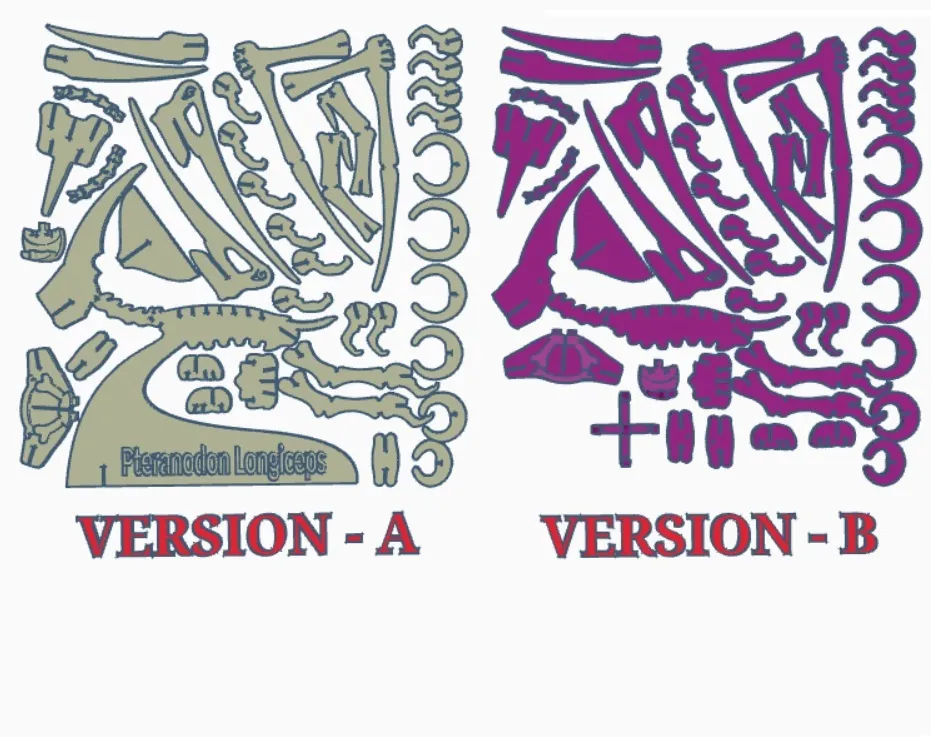
UPDATE 12-04-26: New STL files have been uploaded and organized into three folders. One folder contains the common parts for both versions; the contents of this folder should always be downloaded. Then there are two other folders, one with the parts needed to assemble the dinosaur with a pedestal, to place it on a desk, and another folder with the parts needed to hang it with threads.
PRINT PROFILES
Two print profiles have been uploaded for PLA material, one with a single plate for printing in a single color. I recommend white.
A second profile, with two print plates, where the letters with the specimen's name are highlighted on the base, and a color change is set so they are more visible. And a second plate, with parts that exceed the average height, to avoid unnecessary color changes.
UPDATE 12-04-26: Two new print profiles have been uploaded. One of them has two plates: one contains all the parts to assemble the dinosaur in its pedestal version, and the other has all the necessary parts to assemble it hanging. In the other profile, there are three plates: the first contains the common parts for both models (the pedestal-mounted and the hanging versions), and a second and third plate have the remaining necessary parts to assemble either option.
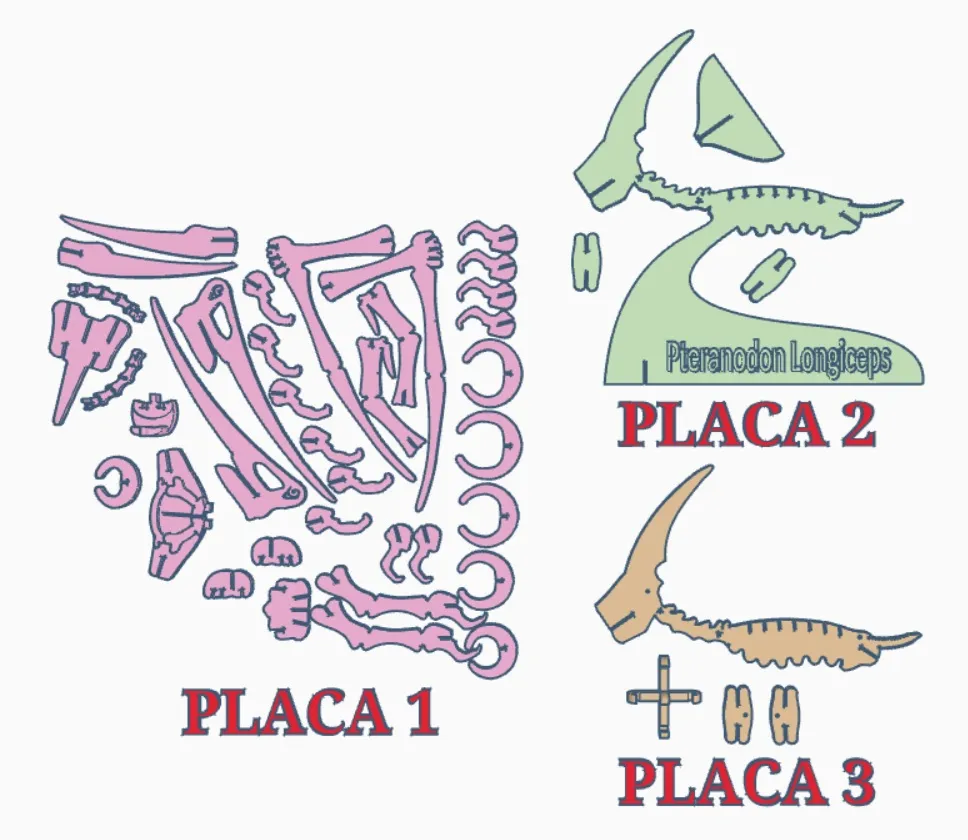
NOTES ON THE MODEL
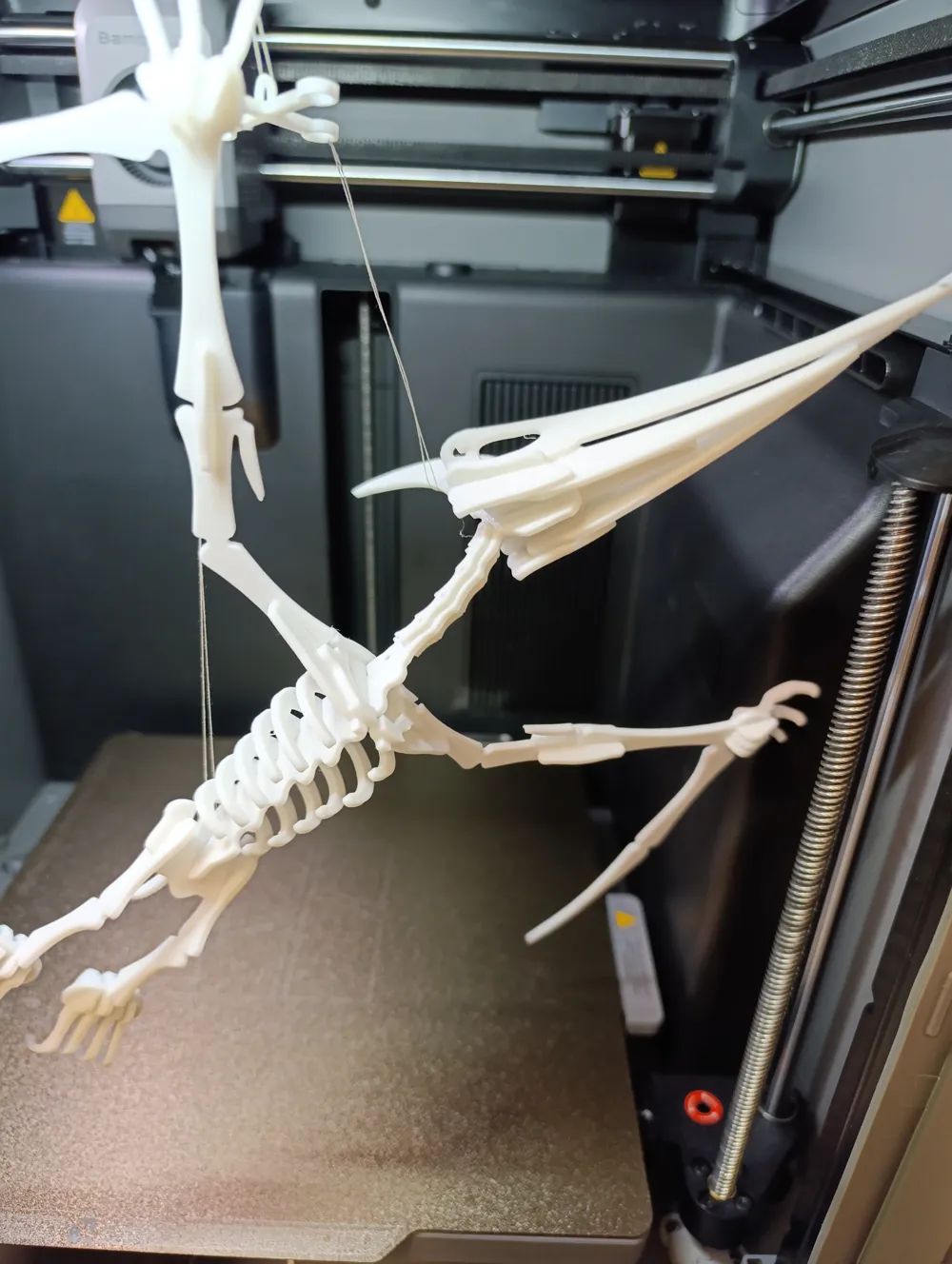
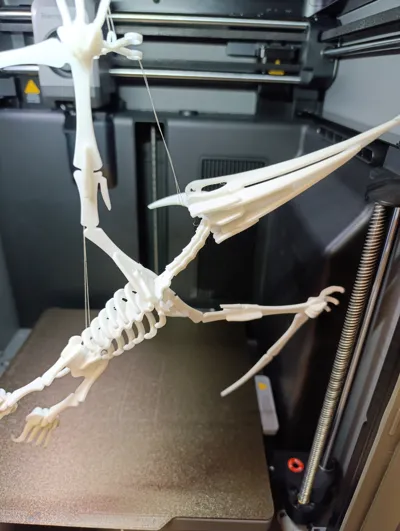
Within the simplicity required for this type of design, an effort has been made to maximize similarity with the real skeleton, including as many bones as possible.
ASSEMBLY
Although all parts should fit together, I recommend using contact adhesive in the neck vertebrae area, as the fitting slots are too small and could break if forced.
In other models, I have included letters or numbers on the parts to identify their placement. In this case, I did not consider it necessary, as it is not a design with too many parts, and I believe it is easy to recognize their place. However, if needed, please request it in the comments.
DOWNLOAD LINKS TO OTHER MODELS IN THE COLLECTION:
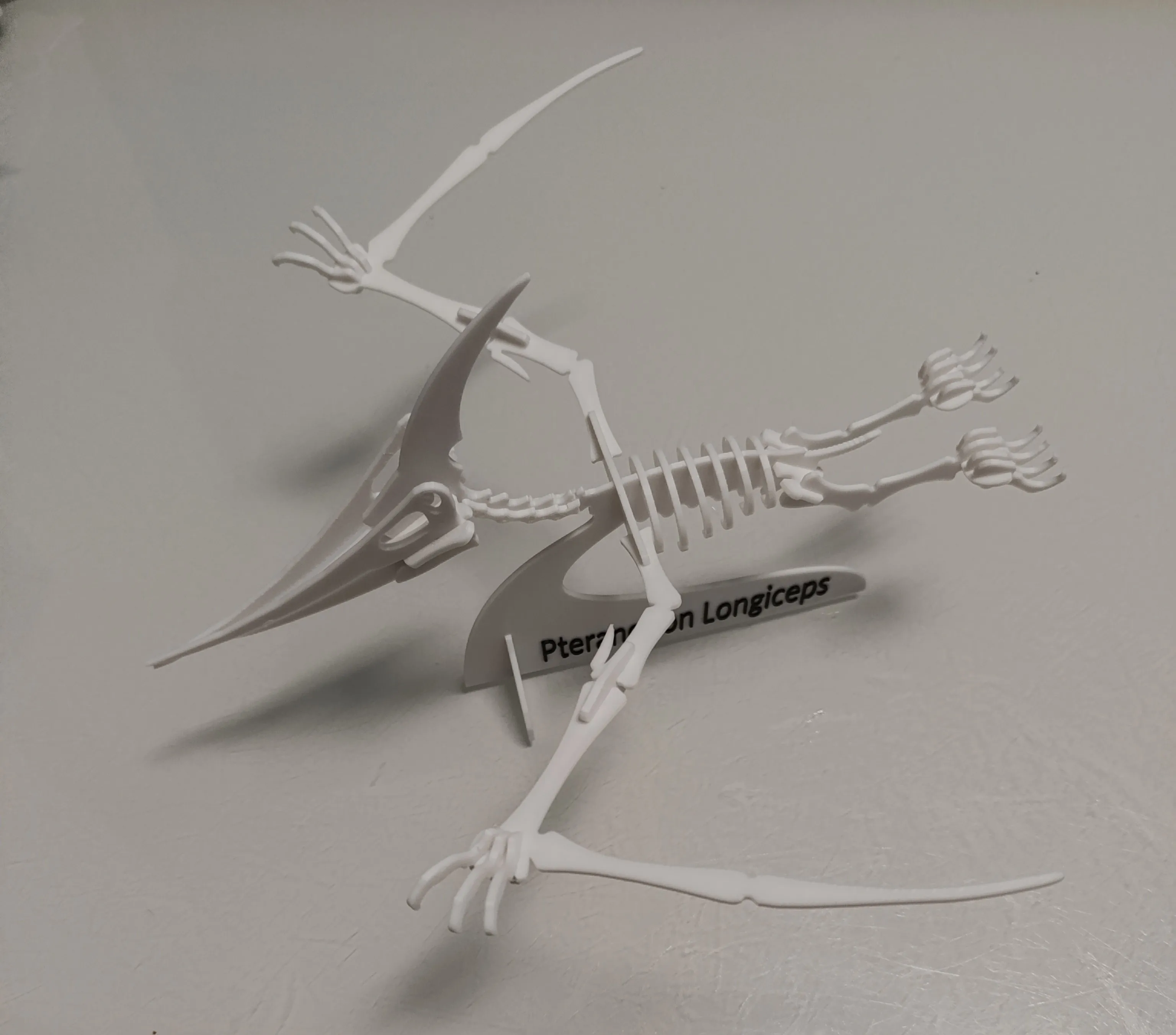
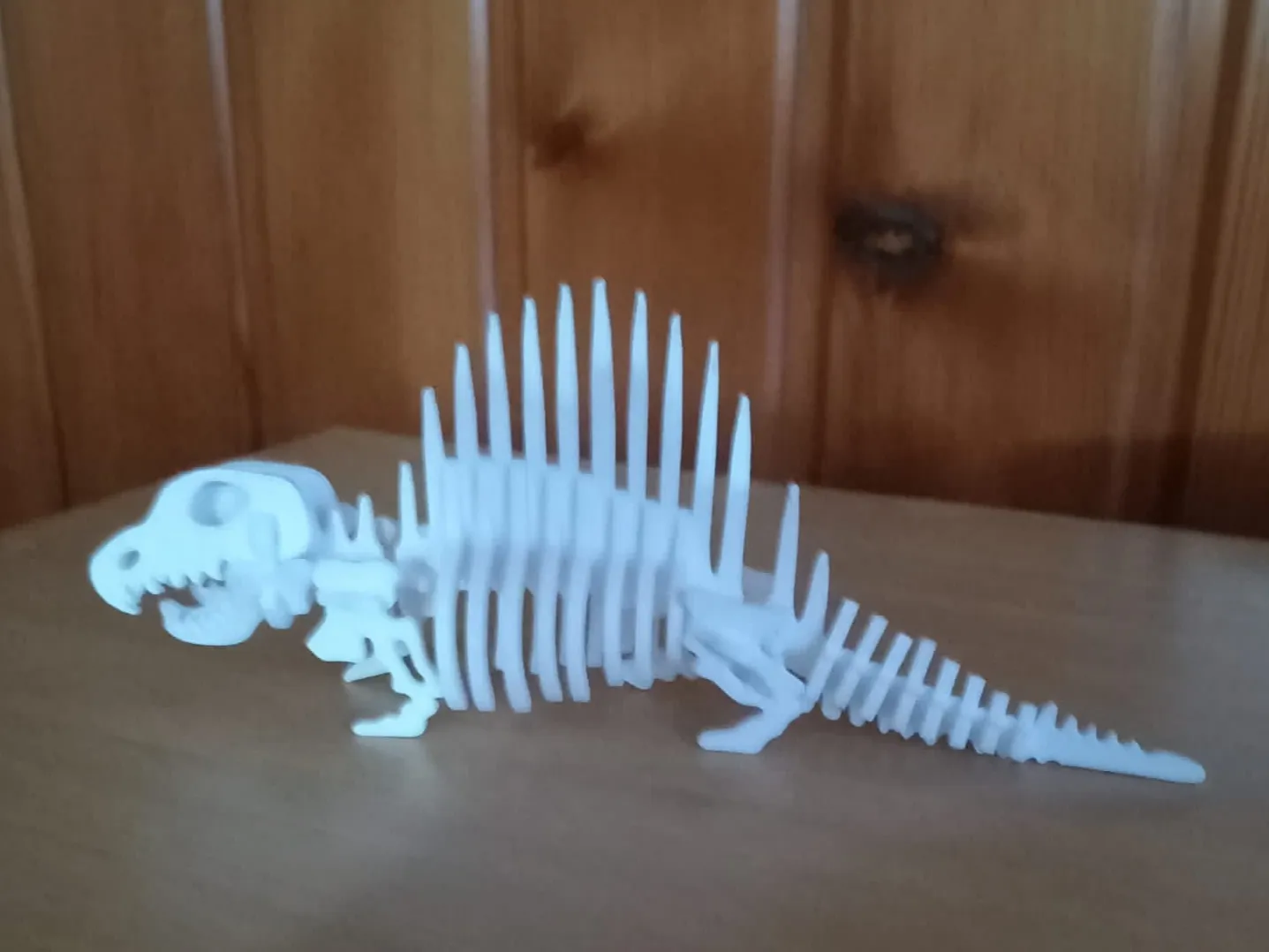
Below are a series of links to other skeletons that you can also download for free. Simply click on the image of each one, and you will be automatically redirected to the page:
Boost Me (for free)
If you liked the design, a boost is a perfect way to acknowledge a designer's effort. Thank you very much.
EXPLANATORY VIDEOS ON COLOR CHANGE AT LAYER HEIGHT:
License

You shall not share, sub-license, sell, rent, host, transfer, or distribute in any way the digital or 3D printed versions of this object, nor any other derivative work of this object in its digital or physical format (including - but not limited to - remixes of this object, and hosting on other digital platforms). The objects may not be used without permission in any way whatsoever in which you charge money, or collect fees.


Comment & Rating (3)