
Bluebonnet
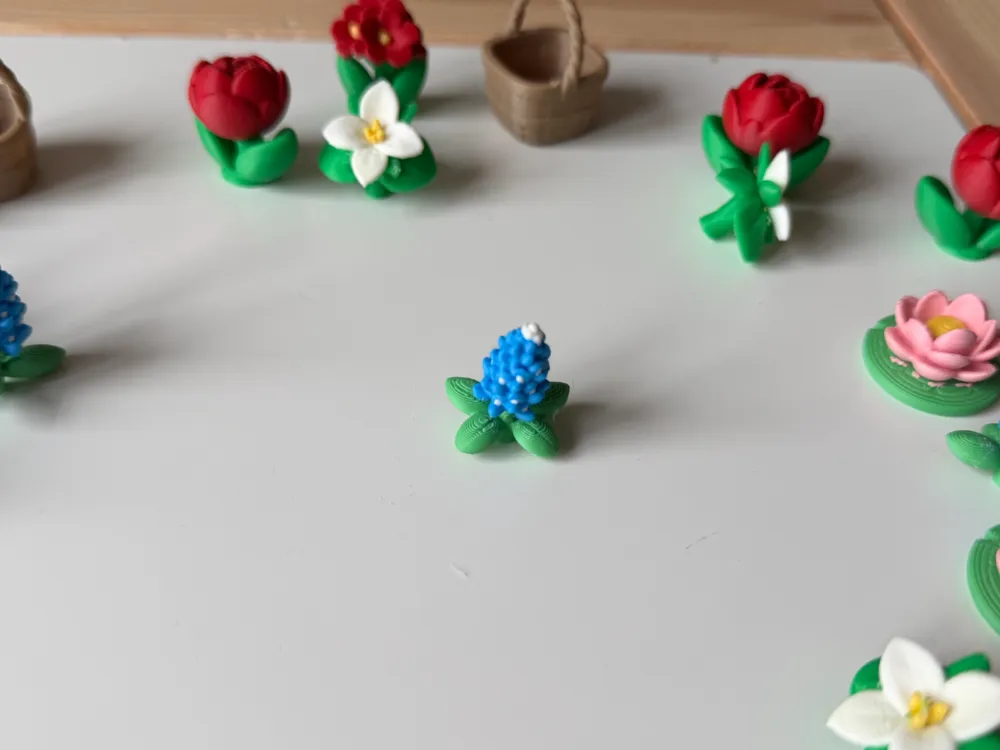
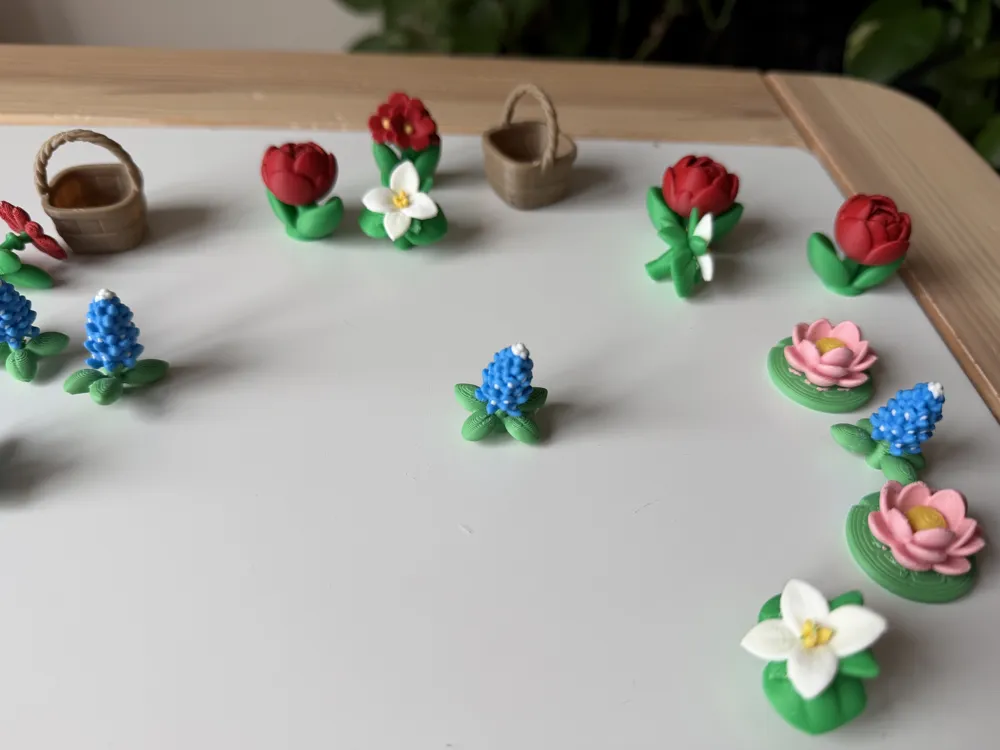
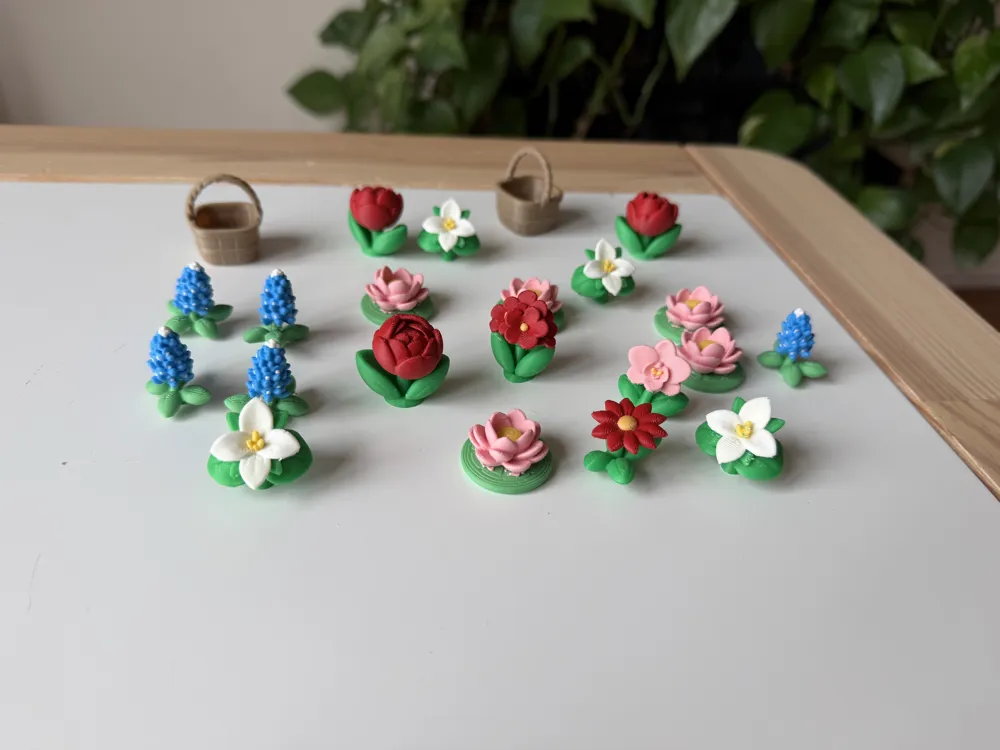
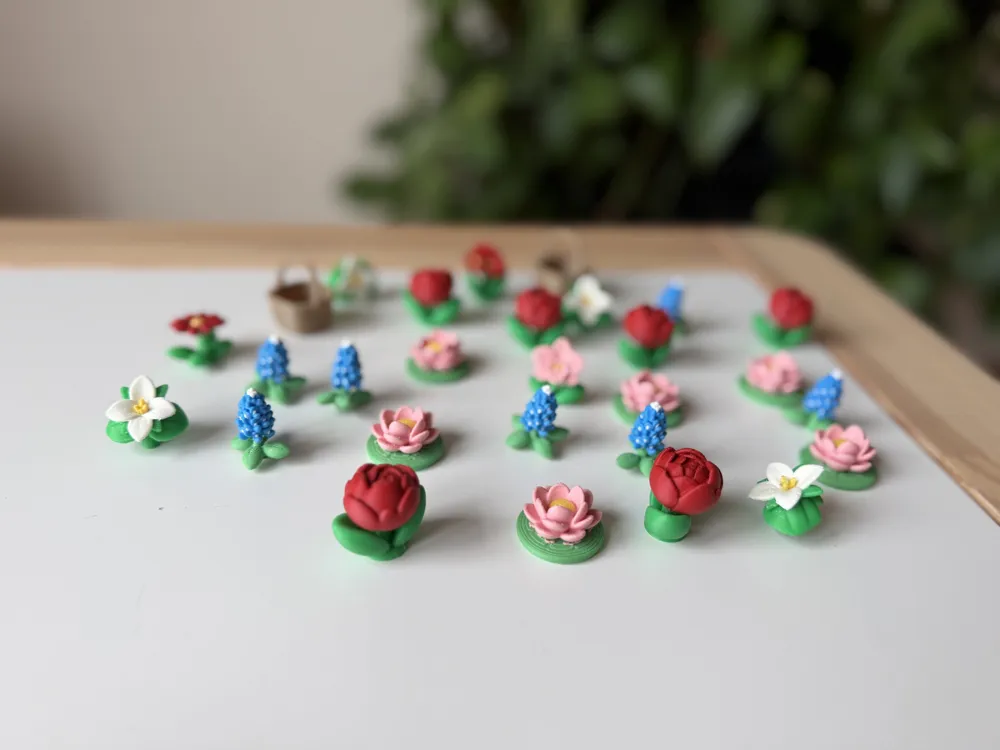
Print Profile(1)




Description
💙 What Is a Bluebonnet?
Species name: Lupinus texensis (most iconic species)
Family: Fabaceae (legume family)
Origin: Native to Texas and parts of northern Mexico.
Type: Annual wildflower — celebrated for its seasonal fields of vivid blue.
The bluebonnet is a flower of identity and landscape — modest in scale, powerful in presence when gathered in numbers. Unlike solitary blooms that command attention alone, bluebonnets speak collectively. They turn open fields into oceans of blue, transforming terrain into memory.
It is a flower rooted in place — resilient, regional, and deeply tied to seasonal change.
🌿 Appearance & Character
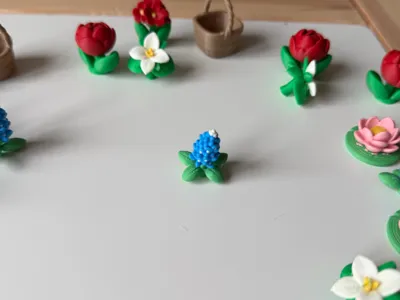
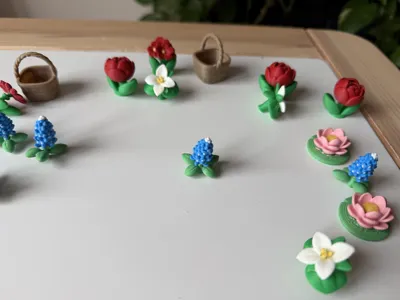
Color: Deep cobalt to indigo blue, often with a small white or pale yellow tip on each petal cluster.
Shape: Vertical spike composed of many small pea-like blossoms stacked upward.
Petals: Soft, rounded, and slightly folded — typical of legume flowers.
Center: Subtle white “banner” marking that often changes color after pollination.
Leaves: Palmate leaves with multiple narrow leaflets radiating from a single point.
Stem: Slender but sturdy, supporting a dense column of blooms.
Personality: Cheerful, communal, grounded — bluebonnets feel approachable and open, less formal than garden blooms, more connected to meadow and sky.
☀️ Growth & Expression
Bluebonnets are cool-season annuals.
Seeds germinate in autumn, forming low green rosettes that quietly endure winter before flowering in spring.
They thrive in full sun and well-drained soil, often flourishing along roadsides, prairies, and open grasslands.
Blooming typically peaks in early to mid-spring, covering fields in unified color.
Their growth is democratic — no single plant dominates; the beauty lies in repetition and rhythm across landscape.
💧 Cultivation & Care
Water: Low to moderate — drought tolerant once established.
Soil: Prefers well-drained, slightly sandy or rocky soils.
Sun: Full sun is essential for dense blooming.
Maintenance: Minimal; reseeds naturally when allowed to mature.
Blooming: Spring — brief but visually expansive when planted en masse.
Bluebonnets reward patience — once seeded, they return year after year through natural reseeding cycles.
🌍 Fun Facts
🌾 The bluebonnet is the official state flower of Texas.
🐝 As a member of the legume family, it improves soil by fixing nitrogen.
🌊 Entire Texas landscapes turn blue during peak bloom season.
🌼 The white tip on each blossom signals pollination status to insects.
✨ The bluebonnet’s beauty lies in unity — one bloom is charming; thousands become unforgettable.
Interested to see all dog breeds? check this collection: All dog breeds
Do you like dinosaurs? Check this Dino collection.
Boost Me (for free)
If find this model nice, please give me a boost! <3
Membership
Do you want to support me or to sell my models? Please join my membership :)
License

You shall not share, sub-license, sell, rent, host, transfer, or distribute in any way the digital or 3D printed versions of this object, nor any other derivative work of this object in its digital or physical format (including - but not limited to - remixes of this object, and hosting on other digital platforms). The objects may not be used without permission in any way whatsoever in which you charge money, or collect fees.


Comment & Rating (6)